
Disclosure: This article contains affiliate links. We may earn a commission from purchases at no extra cost to you, which helps our travel content.
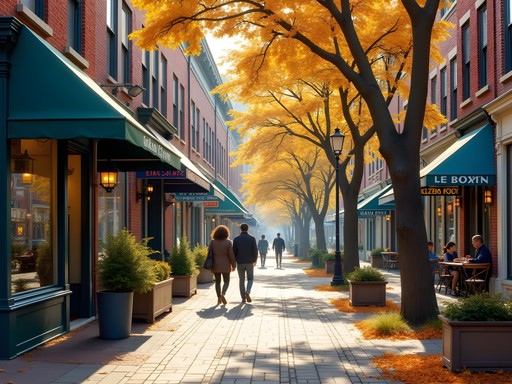
As a wildlife biologist who has spent decades studying urban ecosystems, I have learned that some of the most fascinating discoveries occur not in remote wilderness, but in the overlooked spaces between major metropolitan centers. New Rochelle, a modest city just 25 minutes north of Grand Central Terminal, exemplifies this principle perfectly. While tourists crowd Manhattan's museums, this Westchester County gem offers an intimate exploration of early 20th-century architecture, surprising public art installations, and a waterfront that tells the story of Long Island Sound's ecological transformation.

Getting There: The Metro-North Advantage
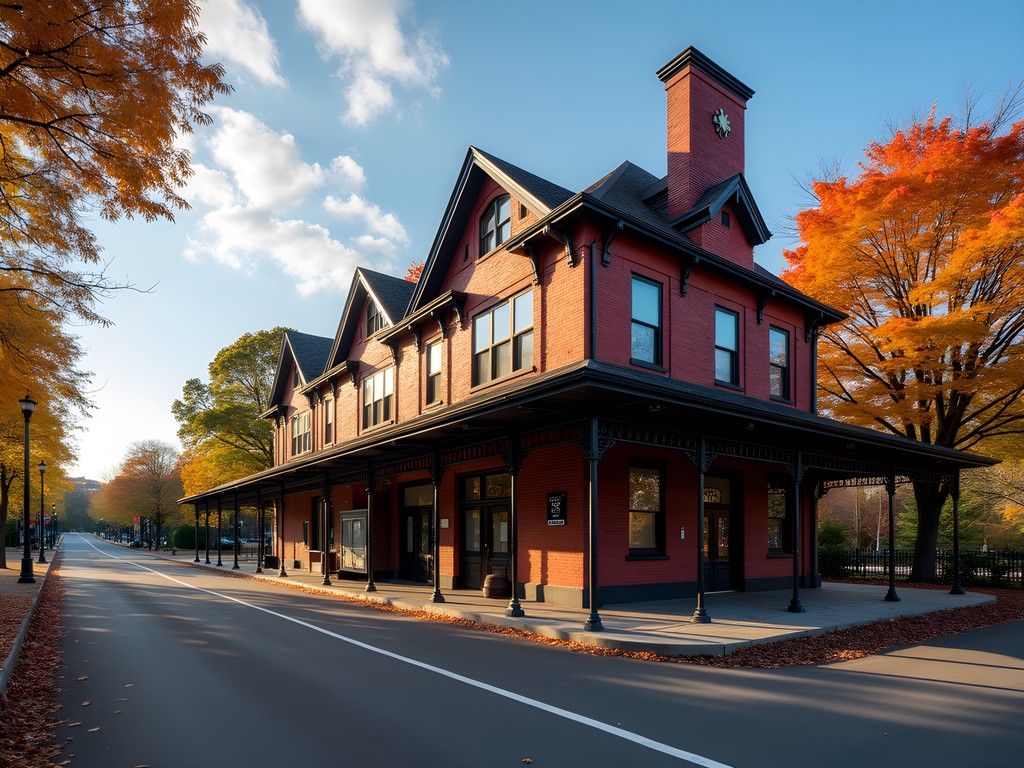
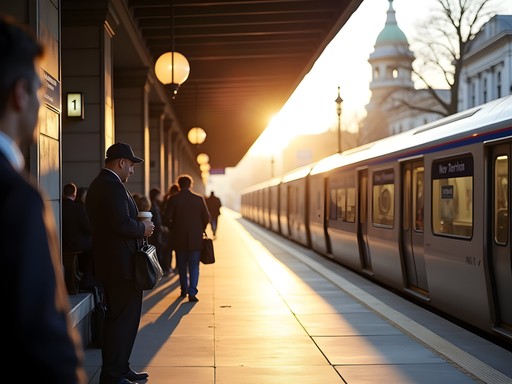
The journey to New Rochelle begins at Grand Central Terminal, where the Metro-North New Haven Line provides frequent service throughout the day. I recommend purchasing a day pass during off-peak hours for maximum value—the round trip costs approximately $20, making this one of the most budget-conscious excursions from Manhattan.
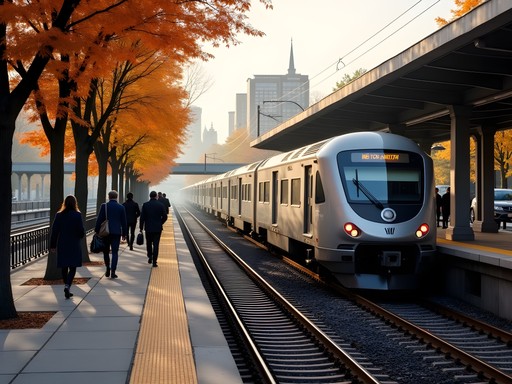
The 25-minute train ride itself offers an interesting study in urban-to-suburban transition. As the train departs the underground tunnels and emerges into daylight around 125th Street, observe how the built environment gradually shifts from high-density residential to industrial corridors, then to the mixed-use developments characteristic of inner-ring suburbs. This gradient mirrors the ecological succession patterns I have studied in urban wildlife corridors.
Upon arrival at the New Rochelle station, you will find yourself in a walkable downtown core. I always carry a portable phone charger for days like this, as navigation apps and photography can quickly drain your battery during extended urban exploration.
💡 Pro Tips
- Purchase your Metro-North ticket through the MTA app to avoid station lines and access mobile discounts
- Weekday off-peak trains (after 9:30 AM) offer significantly reduced fares
- Download offline maps of New Rochelle before departing, as cellular coverage can be inconsistent in some historic districts
Thomas Paine Cottage: Where Revolutionary Ideas Took Root
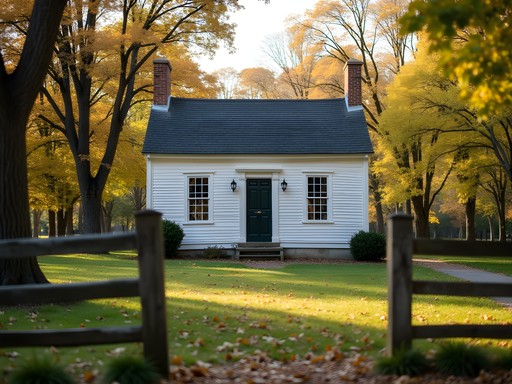
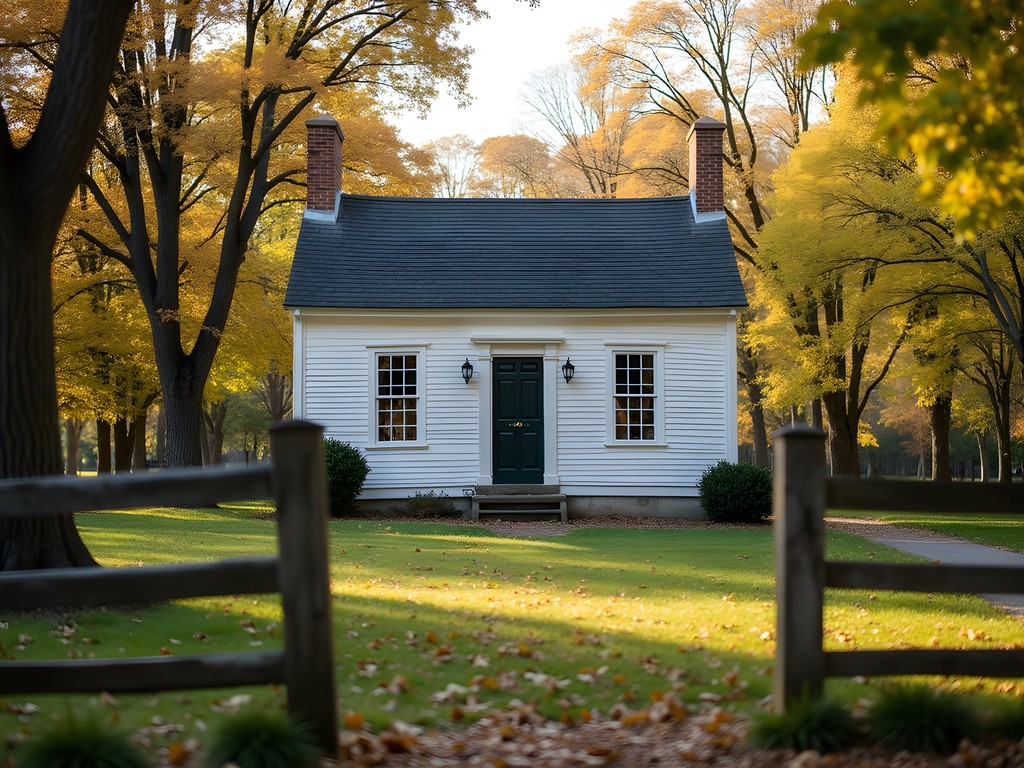
My first destination is always the Thomas Paine Cottage Museum, a modest structure that belies its historical significance. This small cottage, where the revolutionary thinker spent his final years, provides crucial context for understanding how intellectual movements shaped early American urban development.
The cottage itself is a simple vernacular structure, typical of late 18th-century rural New York construction. What fascinates me from an ecological perspective is how the surrounding landscape has been maintained to reflect period-appropriate plantings—heritage varieties of apple trees, native wildflowers, and kitchen garden species that would have been common in Paine's era. This living history approach offers insights into how pre-industrial communities interacted with their immediate environment.
Admission is free, though donations are encouraged. The volunteer docents, many of whom are local historians, possess encyclopedic knowledge of both Paine's philosophical contributions and the cottage's architectural evolution. I spent nearly an hour discussing the building's timber-frame construction with a retired carpenter who explained how the joinery techniques revealed the structure's probable construction date.
The museum is open limited hours (typically Thursday through Sunday, 2-5 PM), so verify the schedule before planning your visit. Bring a field notebook to sketch architectural details or jot down historical notes—the waterproof paper proved invaluable when an unexpected October shower rolled through during my last visit.
💡 Pro Tips
- Call ahead to confirm hours, as the museum relies on volunteer staff and occasionally closes unexpectedly
- The cottage has limited climate control, so dress in layers appropriate for outdoor temperatures
- Photography is permitted, but flash is prohibited to protect historical artifacts
Downtown's Architectural Time Capsule
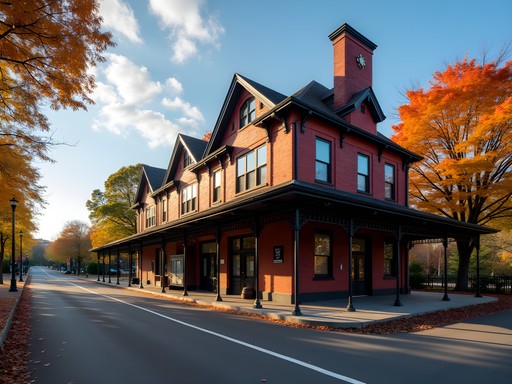
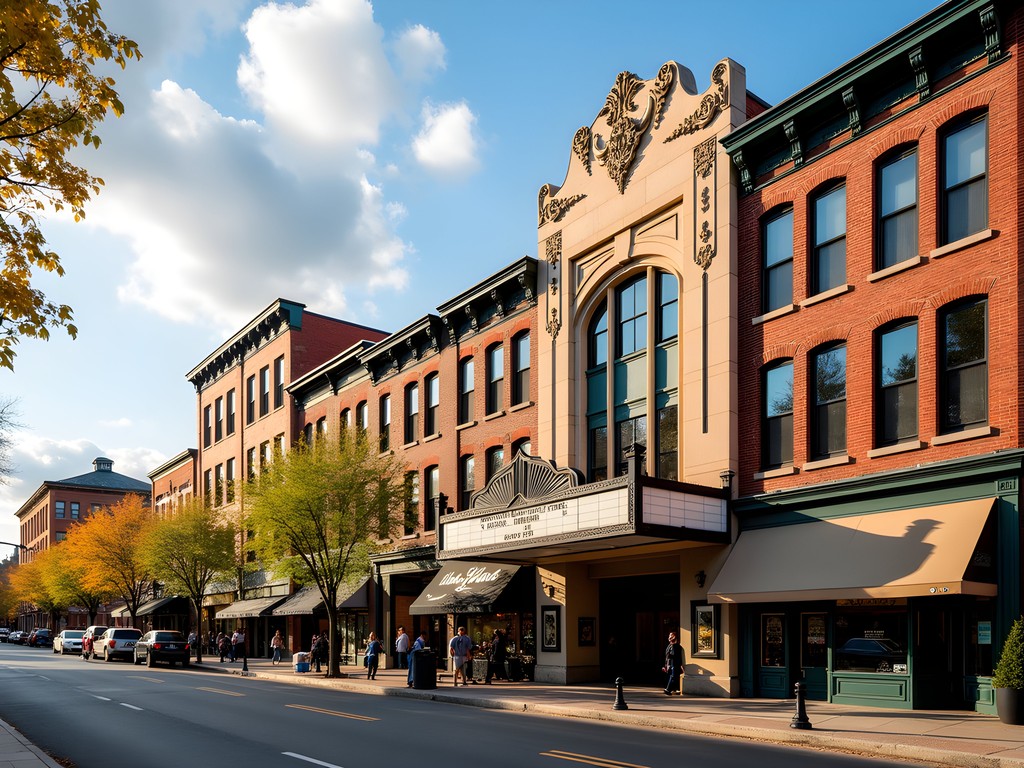
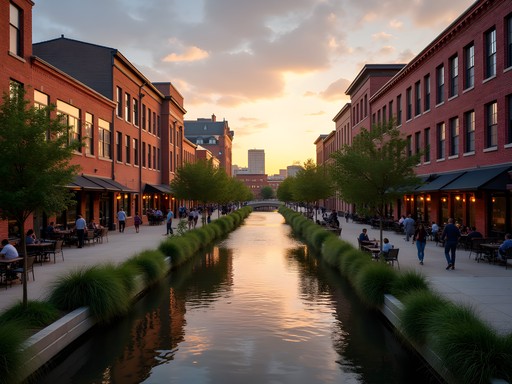
New Rochelle's downtown district functions as an architectural palimpsest, with layers of development spanning from the 1880s through the Art Deco period. Unlike Manhattan, where economic pressures have erased much of the early 20th-century built environment, New Rochelle's slower development pace has preserved remarkable examples of commercial architecture.
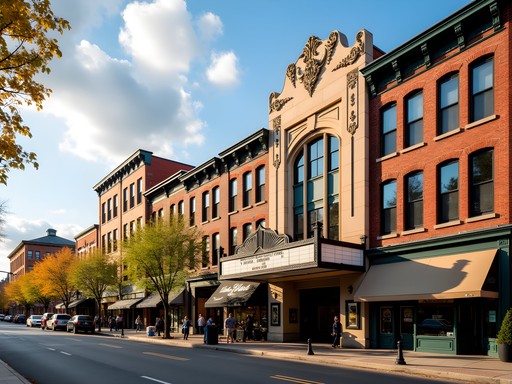
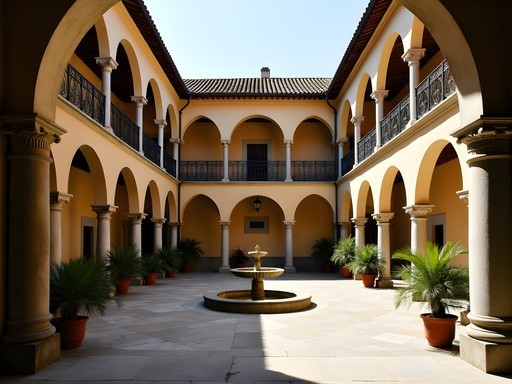
Begin your walking tour at the intersection of Main Street and Huguenot Street. The former Keith's RKO Proctor's Theatre, now converted to mixed use, displays the exuberant terra cotta ornamentation characteristic of 1920s movie palaces. Look closely at the facade's decorative elements—the stylized floral motifs and geometric patterns represent the transition from Beaux-Arts classicism to Art Deco modernism.
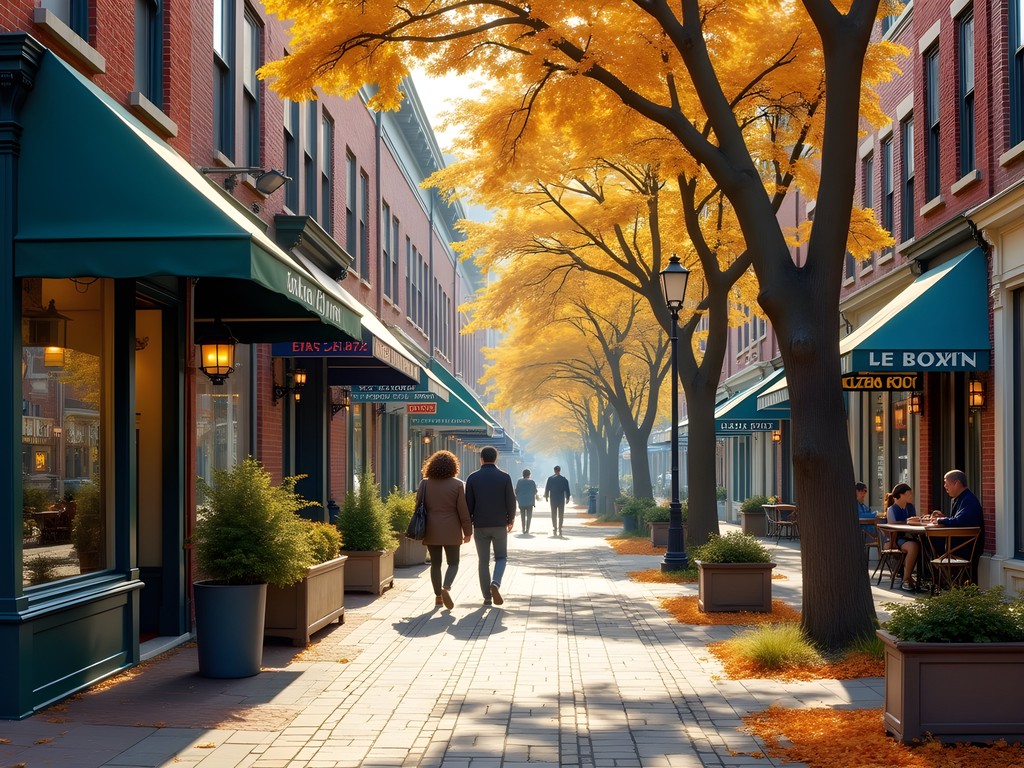
Continue north on Main Street, noting how the streetscape reflects successive waves of commercial development. The three- and four-story buildings, with retail at street level and offices or apartments above, exemplify the mixed-use urbanism that contemporary planners now champion as sustainable development. From an ecological perspective, this density supports walkability and reduces automobile dependence—principles I have observed in successful urban wildlife corridors where reduced vehicle traffic allows for greater species movement.
The New Rochelle Public Library, a Carnegie library built in 1905, merits extended examination. Its Beaux-Arts design, with limestone facade and monumental entrance, represents the Progressive Era's faith in public institutions and democratic access to knowledge. The interior reading room, with its original oak woodwork and large windows providing natural light, demonstrates how pre-electric design prioritized passive environmental control.
For detailed architectural photography, I recommend bringing a wide-angle lens attachment for your smartphone—the narrow streets make it challenging to capture full building elevations with standard focal lengths.
💡 Pro Tips
- The New Rochelle Council on the Arts offers occasional guided architectural walking tours—check their website for seasonal schedules
- Many historic buildings have informational plaques installed by the local historical society, providing construction dates and architectural details
- Weekday mornings offer the best light for photographing east-facing facades along Main Street

Five Islands Park: Where Urban Meets Coastal Ecology
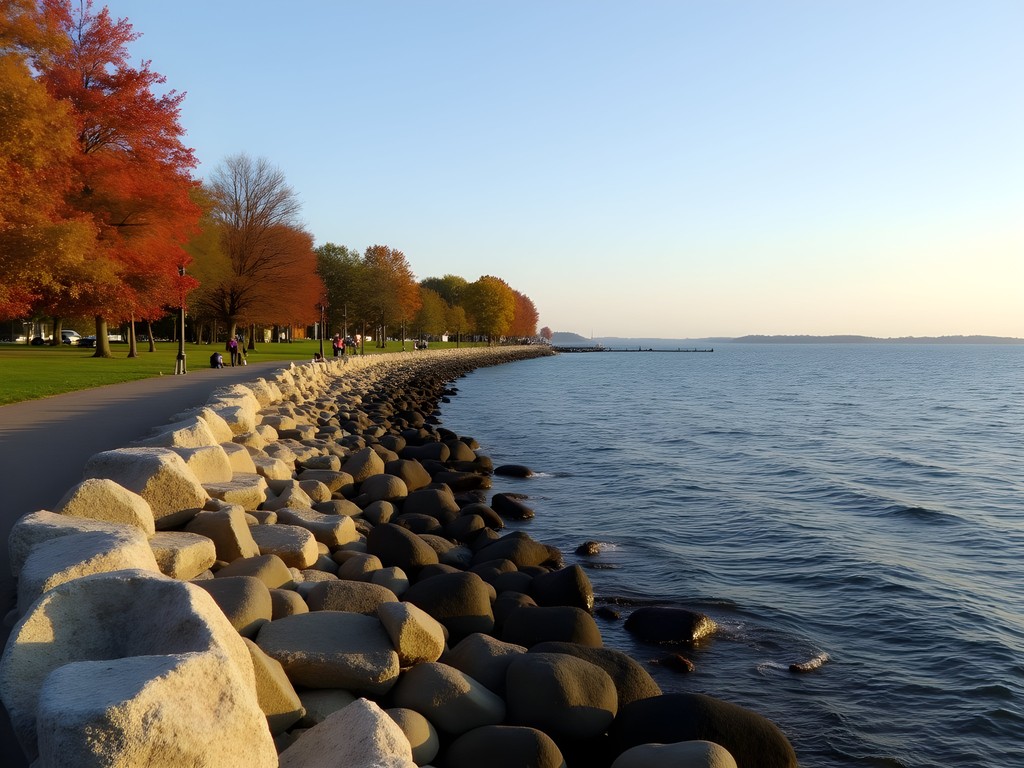
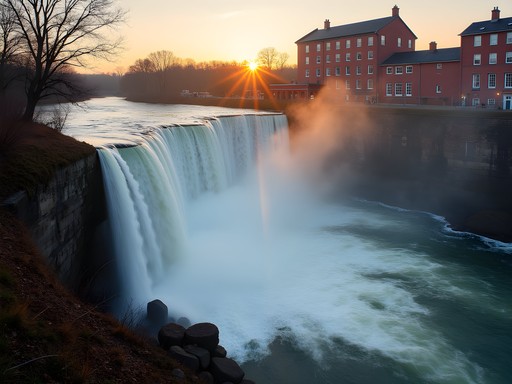
After exploring the built environment, I always conclude my New Rochelle visits at Five Islands Park, a 22-acre waterfront space that provides crucial habitat along the Long Island Sound. The park's name derives from the five small islands visible offshore, which serve as nesting sites for various seabird species including common terns and double-crested cormorants.
The walk from downtown to the park (approximately 1.5 miles) takes you through residential neighborhoods that showcase the domestic architecture of New Rochelle's early suburban development. The predominant styles—Colonial Revival, Tudor Revival, and Craftsman bungalows—reflect the community's growth during the 1920s and 1930s when improved rail service transformed the area into a commuter suburb.
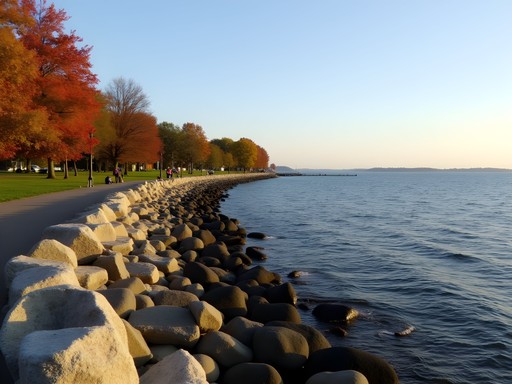
Five Islands Park itself offers multiple perspectives on the intersection of natural and built environments. The waterfront promenade provides excellent opportunities for observing Long Island Sound's ecology, particularly during fall migration when various shorebird species pause here during their southward journey. I have documented sanderlings, ruddy turnstones, and various sandpiper species along the rocky shoreline.
The park also contains the remnants of Glen Island's former connection to the mainland—stone abutments from a causeway that once linked the island to New Rochelle proper. These ruins, now colonized by salt-tolerant vegetation, demonstrate how quickly nature reclaims abandoned infrastructure. The ecological succession occurring on these structures mirrors processes I have studied in other urban-coastal interfaces.
Bring a field guide if you are interested in bird identification—the diversity of species, particularly during migration periods, rivals better-known birding locations along the Atlantic coast. The park's benches and picnic areas provide comfortable spots for observation and reflection.
💡 Pro Tips
- High tide offers the best shorebird viewing, as birds concentrate on the limited exposed shoreline
- The park has limited shade, so bring sun protection during warmer months
- Parking is available but fills quickly on weekends—arriving via foot from downtown avoids this issue
Practical Considerations for the Budget-Conscious Explorer
New Rochelle exemplifies the accessible urban exploration that I advocate for both scientific colleagues and general travelers. The entire day trip, including transportation, modest meals, and museum donations, can be accomplished for under $50—a fraction of what comparable experiences in Manhattan would cost.
For lunch, I recommend the downtown area's diverse dining options. Several cafes and delis offer substantial meals in the $10-15 range. The New Rochelle Farmers Market (Saturday mornings, Memorial Day through November) provides an excellent opportunity to sample local produce while supporting regional agriculture.
The walking distances are manageable for most fitness levels—my typical route covers approximately four miles total, with frequent stops for observation and photography. Comfortable, supportive footwear is essential; I rely on my walking shoes, which provide excellent arch support for extended urban exploration.
Fall visits offer optimal conditions: comfortable temperatures for walking, dramatic foliage color along residential streets, and active bird migration at Five Islands Park. The lower tourist volume compared to spring and summer also means more intimate experiences at historical sites and easier conversations with local residents and docents.
One often-overlooked resource is the New Rochelle Public Library, which offers free WiFi, comfortable seating, and an excellent local history collection. I frequently spend an hour there mid-afternoon, reviewing historical documents and maps that provide context for the morning's architectural observations. The library also maintains public restrooms—a practical consideration for day-trippers.
💡 Pro Tips
- Bring reusable water bottles—public water fountains are available at Five Islands Park and the library
- The downtown area has limited public restroom access; plan stops at the library or restaurants where you are dining
- Cell phone coverage is generally reliable, but download any necessary maps or guides before departing Manhattan
Final Thoughts
New Rochelle demonstrates that meaningful urban exploration need not require extensive travel budgets or exotic destinations. The city's architectural heritage, accessible natural spaces, and manageable scale make it an ideal destination for solo travelers seeking substantive experiences without the overwhelming crowds and costs associated with major tourist centers.
From a scientific perspective, New Rochelle also illustrates important principles about urban ecosystem development and cultural preservation. The city's architectural time capsule reveals how built environments evolve, while Five Islands Park demonstrates the resilience of natural systems within metropolitan contexts. These observations inform my ongoing research into how urban spaces can simultaneously preserve cultural heritage and support biodiversity.
For travelers based in or visiting New York City, I strongly encourage venturing beyond the familiar boundaries of Manhattan. New Rochelle offers a template for discovering the overlooked communities that ring major metropolitan areas—places where history, architecture, and nature intersect in ways that reward careful observation and thoughtful exploration. The investment of a single day and modest resources yields insights that rival far more expensive and distant destinations.
✨ Key Takeaways
- New Rochelle offers exceptional architectural and natural history experiences within 25 minutes of Manhattan, making it ideal for budget-conscious day trips
- The city's slower development pace has preserved remarkable examples of early 20th-century commercial and residential architecture often lost in larger cities
- Five Islands Park provides crucial coastal habitat and excellent opportunities for observing Long Island Sound ecology, particularly during fall migration
📋 Practical Information
Best Time to Visit
September through November for optimal weather, fall foliage, and bird migration
Budget Estimate
$40-50 including round-trip Metro-North fare, meals, and museum donations
Recommended Duration
6-8 hours for comprehensive exploration including transit time
Difficulty Level
Easy
Comments
smartdiver
This is SO COOL!! Adding to my list for spring!!! 🎨
nomadpro
Love this! Always looking for easy day trips from the city
photohero
Great photos! The architecture shots are really well composed. What camera are you shooting with? I'm planning a similar urban exploration series around Philly suburbs.
Casey Andersson
Not Sophia, but for urban architecture I always recommend shooting in that golden hour light - makes such a difference
Casey Andersson
I absolutely love this approach to travel writing, Sophia. There's something poetic about finding beauty in the liminal spaces between major destinations. I visited New Rochelle three years ago while covering the Hudson Valley, and Five Islands Park completely surprised me - that convergence of urban development and coastal ecology you mentioned is genuinely stunning at sunset. The Art Deco buildings downtown also deserve more attention. I found myself wandering those streets for hours, imagining the stories behind each facade. It reminded me of exploring Wellington's lesser-known suburbs where the real character lives.
summerking
How long does the Metro-North take from Grand Central? And is it expensive? Trying to figure out if this is doable as an afternoon trip.
Sophia Wilson
About 35-40 minutes on the express trains! Off-peak tickets are around $12 each way, so very affordable. You could easily do this as an afternoon trip, though I'd recommend giving yourself at least 4-5 hours to really explore.
nomadlife
how long is the train ride from grand central?
rednomad
About 35 mins on express trains
Taylor Moreau
Excellent piece, Sophia. I've been advocating for years that the NYC suburbs deserve more attention from urban explorers. New Rochelle's Art Deco architecture downtown is genuinely impressive - the RKO Proctor's Theatre is a particular gem. I'd add that Pelham and Mount Vernon also have fascinating architectural stories for those willing to look beyond Manhattan. The Metro-North makes all of this remarkably accessible, yet these destinations remain criminally underexplored by the travel community.
nomadpro
Mount Vernon too? Adding to my list!
Frank Garcia
This is brilliant - I'm always looking for accessible day trips from major cities that don't break the bank. The Metro-North angle is particularly interesting from a sustainable travel perspective. I've done similar explorations around London using regional rail, and you're absolutely right that these overlooked urban spaces often reveal more authentic character than tourist-heavy city centers. The Thomas Paine Cottage sounds fascinating. Did you find the opening hours reliable? I've been burned before by historic sites with inconsistent schedules.
smartdiver
Good question! I went last spring and they were closed randomly on a Thursday
rednomad
Never thought of New Rochelle! Looks awesome
moondiver
Is the Thomas Paine Cottage open year-round? Planning to visit in March but don't want to make the trip if it's closed.
vacationmate9639
I think it's seasonal, maybe check their website first?
Sophia Wilson
Great question! It's open Friday-Sunday from April through October. In the off-season, you can still walk the grounds which are lovely, but the interior tours are seasonal.
Venture X
Premium card with 2X miles, $300 travel credit, Priority Pass