
Disclosure: This article contains affiliate links. We may earn a commission from purchases at no extra cost to you, which helps our travel content.
After years exploring abandoned monasteries in Eastern Europe and forgotten temples in Southeast Asia, I've developed a nose for the overlooked. When I relocated to Memphis three years ago, I started applying my urban exploration skills closer to home. Portland surprised me—not the bearded barista clichés of downtown, but the genuine, slightly weathered neighborhoods where the city's authentic character lives. This weekend itinerary takes you beyond the tourist trail into Portland's most distinctive districts, where history, counterculture, and community intersect in ways that remind me why I fell in love with urban archaeology in the first place.

Friday Evening: St. Johns & Cathedral Park
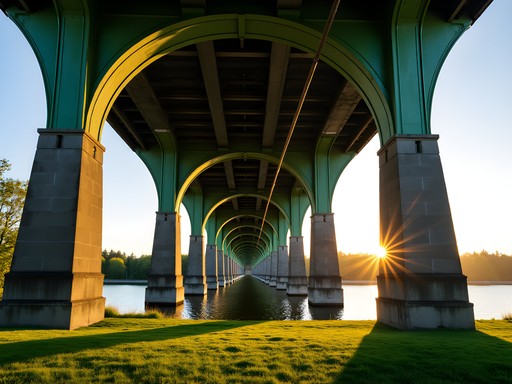
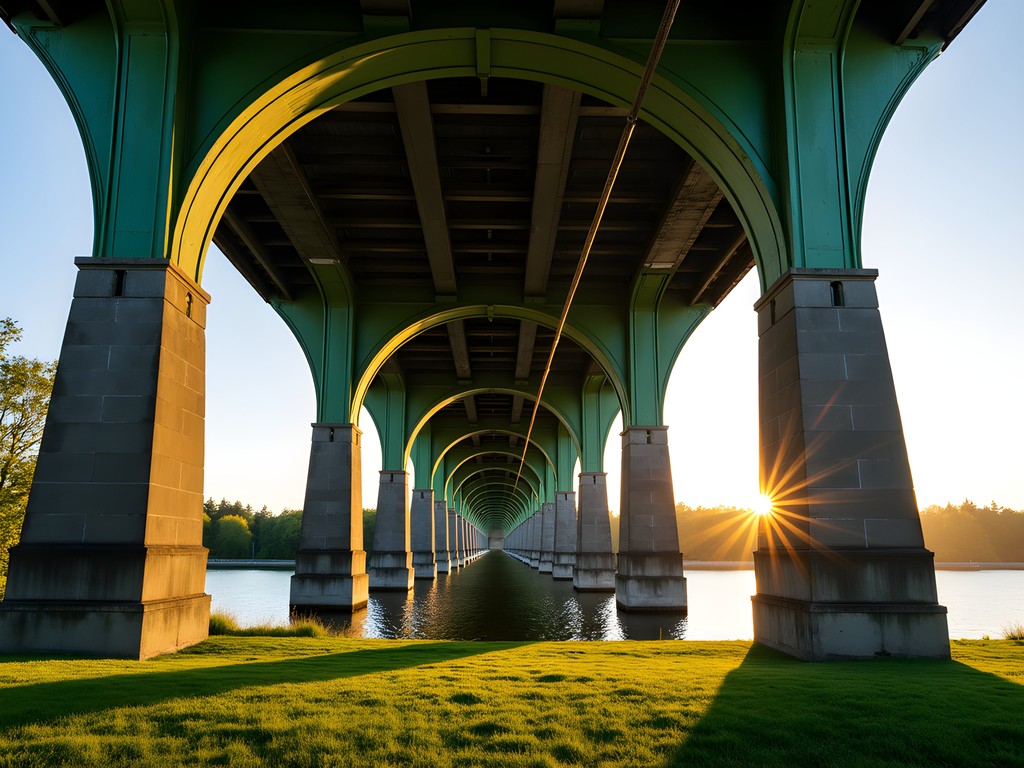
Start your weekend in St. Johns, a working-class neighborhood that feels like a small town accidentally absorbed by the city. The St. Johns Bridge—a Gothic Revival suspension bridge painted Kelly green—is Portland's most photogenic structure, yet somehow tourists miss it entirely. I arrived just before sunset and walked beneath the bridge's arches in Cathedral Park, where the massive concrete pillars create a cathedral-like atmosphere that rivals any European abbey I've documented.
The neighborhood's main drag, Lombard Street, offers vintage shops, dive bars, and the kind of authentic Mexican food you won't find in the Pearl District. Grab dinner at Tienda y Taqueria Santa Cruz—cash only, minimal English, maximum flavor. Afterwards, stop into The Tulip Shop Tavern, a proper neighborhood pub where locals have been drinking since 1937. The worn wooden bar and taxidermy collection tell stories the downtown cocktail bars never could.
For accommodation, skip the downtown hotels and book an Airbnb in the Kenton neighborhood just south of St. Johns. You'll save money and wake up near Paul Bunyan, a 31-foot statue that's delightfully absurd in the way only mid-century Americana can be.
💡 Pro Tips
- The #75 bus connects St. Johns directly to downtown—skip the rental car and use Portland's excellent public transit
- Cathedral Park is spectacular during golden hour; arrive 90 minutes before sunset for optimal light
- Most St. Johns businesses are cash-friendly but not always card-friendly—hit an ATM before exploring
Saturday Morning: Sellwood-Moreland Antique District
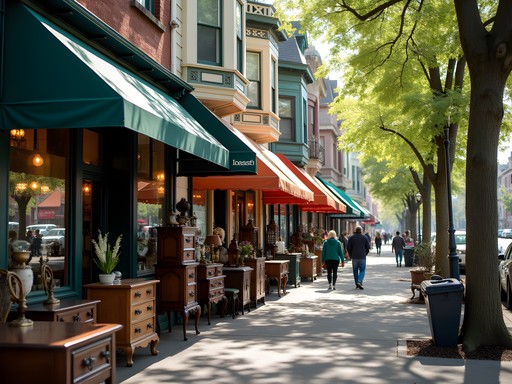
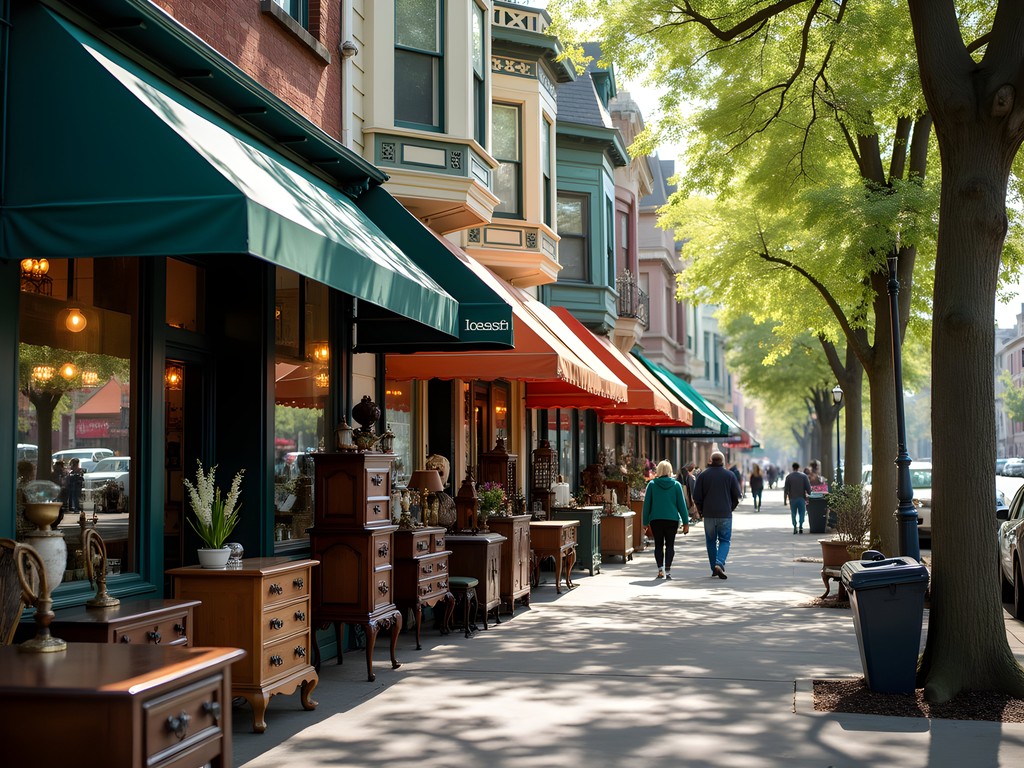
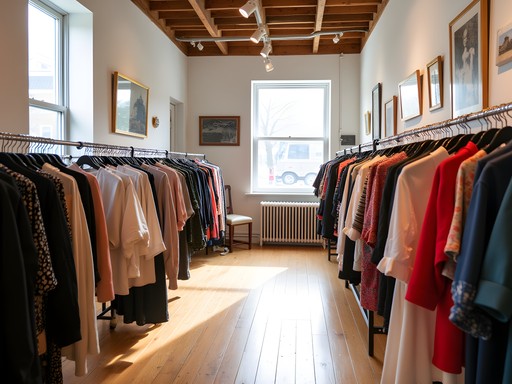
Saturday begins in Sellwood, Portland's antique district, where I spent four hours and emerged with a 1960s Yugoslavian monastery bell I absolutely didn't need but couldn't resist. This neighborhood takes its vintage seriously—over a dozen antique shops line 13th Avenue, each specializing in different eras and aesthetics. Stars Antique Mall is the anchor, a sprawling three-story warren that requires the headlamp I usually reserve for exploring abandoned buildings—some corners are genuinely that dim and treasure-filled.
What fascinates me about Sellwood is how it preserves Portland's pre-hipster identity. The neighborhood was incorporated as its own city until 1893, and that independent spirit persists. The architecture is largely intact Victorian and Craftsman homes, with none of the modern infill development that's homogenizing other Portland neighborhoods.
For breakfast, Bertie Lou's is a no-frills diner serving massive portions since 1985. The biscuits and gravy are legendary, but I'm partial to their corned beef hash—proper comfort food before a day of walking. Fuel up here; you'll need it.
💡 Pro Tips
- Antique shops open around 10-11am—use the morning for breakfast and neighborhood architecture walks
- Bargaining is acceptable and expected in most shops; don't pay the first price on big-ticket items
- Sellwood Park offers excellent Willamette River views and connects to the Springwater Corridor trail for post-brunch walks
Saturday Afternoon: Jade District & 82nd Avenue
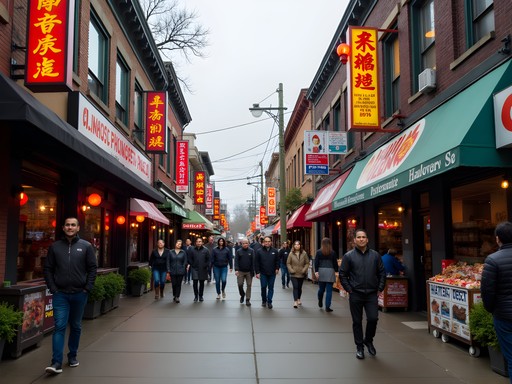
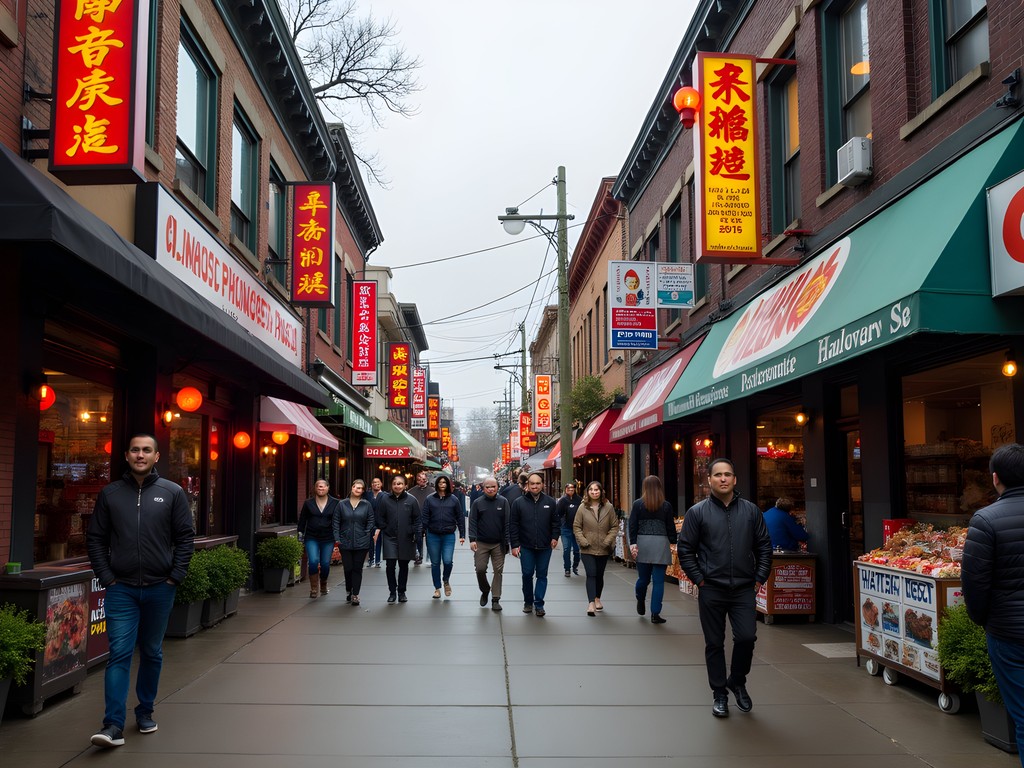
Here's where Portland gets real. The Jade District along 82nd Avenue is the city's most diverse neighborhood—over 120 languages spoken, with significant Asian, Eastern European, and Latin American communities. This is the Portland immigrants built, far from the craft brewery tours and food cart pods.
I'm drawn to places where cultures collide and create something new. The Jade District reminds me of neighborhoods I've explored in Queens or outer London—slightly chaotic, utterly authentic, and filled with the kind of food that makes downtown's fusion restaurants look like expensive cosplay. Start at Fubonn, the massive Asian supermarket where I stock up on ingredients I can't find in Memphis. The prepared food section offers incredible Vietnamese bánh mì, Chinese roast duck, and Japanese bento boxes at prices that seem frozen in 2005.
Walk 82nd Avenue with intention. This is Portland's most dangerous street statistically—not from crime, but from car traffic. The city neglected this area for decades, prioritizing bike lanes and streetcars in whiter, wealthier neighborhoods. That's changing slowly, but for now, stay alert at crossings. I recommend grabbing a reflective vest if you're planning extensive urban exploration here—it's what I wear when photographing urban environments with heavy traffic.
For lunch, choose your adventure: Hat Yai for southern Thai fried chicken that's legitimately the best I've had outside Thailand, or Kachka for Russian-Georgian cuisine that transported me back to my time documenting Soviet-era architecture in Tbilisi.
💡 Pro Tips
- The #72 bus runs the length of 82nd Avenue—use it to hop between ethnic enclaves rather than walking the entire corridor
- Many businesses are cash-only or have card minimums; carry at least $40 in small bills
- Fubonn's upstairs food court offers incredible variety—go with empty stomachs and sample multiple cuisines

Saturday Evening: Montavilla Arts District
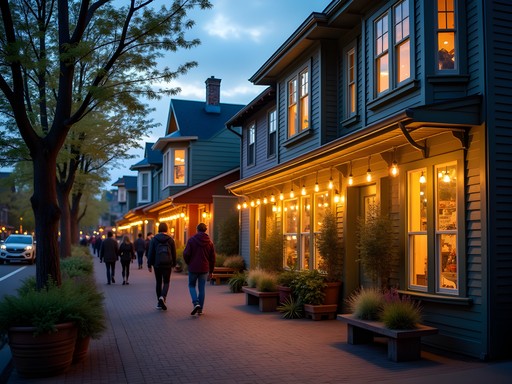
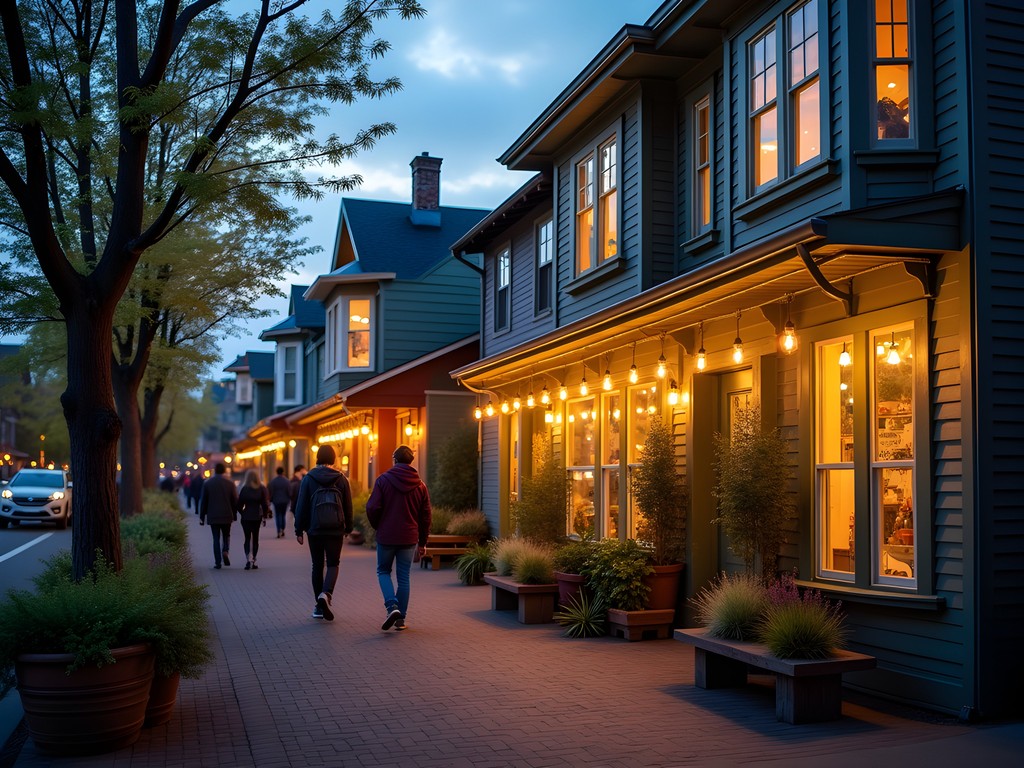
As afternoon shifts to evening, head to Montavilla, a neighborhood that's achieved what so many Portland districts aspire to—genuine artistic community without complete gentrification. The main strip along Stark Street offers galleries, performance spaces, and restaurants that feel neighborhood-focused rather than tourist-targeted.
I'm particularly fond of the Montavilla Community Center, which hosts everything from contra dancing to Ukrainian folk art exhibitions. Check their schedule before visiting; I stumbled into a Balkan brass band performance that reminded me why I love urban exploration—you never know what you'll discover around the next corner.
For dinner, Gado Gado offers Indonesian rijsttafel that's as close to authentic as I've found in the American West. The restaurant's commitment to traditional preparation methods reminds me of family-run establishments I've encountered in Java and Bali. Alternatively, Pambiche serves Cuban food with the kind of generous portions and warm service that makes solo travelers feel like regulars.
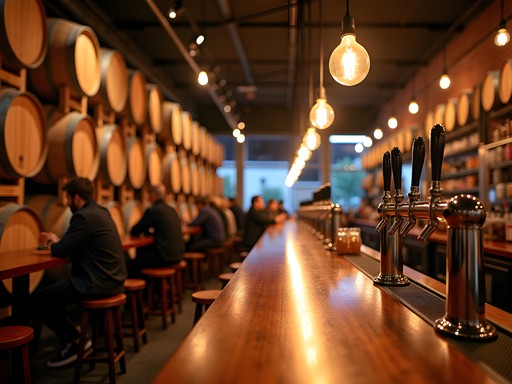
End the evening at Montavilla Brew Works, a neighborhood brewery that actually feels like a neighborhood spot rather than a destination. The beer is solid, the crowd is local, and the conversation is genuine. I've had more interesting discussions about Portland's history and future here than in any downtown bar.
💡 Pro Tips
- Montavilla hosts Second Thursday art walks—if your weekend coincides, adjust your itinerary to experience the neighborhood at its most vibrant
- Street parking is free and relatively abundant compared to downtown; this is one neighborhood where driving makes sense
- The Montavilla Farmers Market (Sunday mornings) is smaller and less touristy than downtown options
Sunday Morning: Lents & Leach Botanical Garden
Your final morning takes you to Lents, Portland's most underrated neighborhood, and specifically to Leach Botanical Garden—a hidden gem that barely registers on tourist radar. This 17-acre garden was the life's work of John and Lilla Leach, amateur botanists who explored remote corners of the Pacific Northwest in the 1930s and 40s, discovering several plant species.
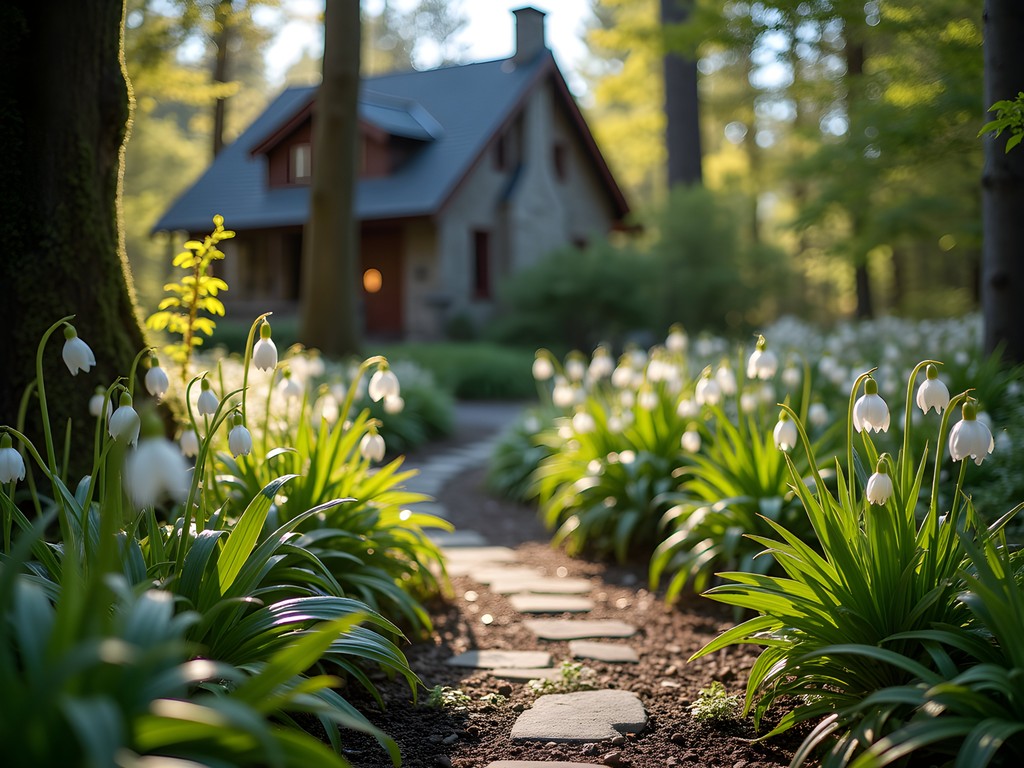
I'm drawn to places like this—spaces created by passionate individuals rather than institutional planning. The garden feels personal, almost intimate, with winding trails through native Pacific Northwest ecosystems. In spring, the trilliums and bleeding hearts create displays that rival any formal botanical garden, but with a fraction of the crowds.
The Leach's manor house, a 1930s stone cottage, is open for tours and contains their original botanical library and pressed plant collections. As someone who documents forgotten histories, I appreciate how the garden preserves not just plants, but the story of two self-taught scientists who contributed genuinely to botanical knowledge.
After the garden, grab brunch at Westside Cha, a small Chinese restaurant serving Hong Kong-style breakfast that's become a Lents institution. The baked pork chop rice and milk tea are exactly what I need before heading to the airport. Before you leave Portland, stop at Powell's Books on Hawthorne—smaller than the downtown flagship but better curated—and pick up a Portland history book to understand how this quirky city evolved into its current form.
💡 Pro Tips
- Leach Botanical Garden opens at 9am; arrive early for peaceful exploration before afternoon crowds
- The garden is free, but suggested donations support maintenance and programming—contribute if you can
- Combine your visit with a walk on the nearby Springwater Corridor trail, which offers unexpected urban wildlife viewing
Final Thoughts
Portland's hidden neighborhoods reveal what the city actually is rather than what it markets itself to be. These districts lack the polished aesthetics of the Pearl or the manufactured quirkiness of downtown, but they offer something more valuable—authenticity. The immigrant entrepreneurs of the Jade District, the antique dealers of Sellwood, the artists of Montavilla, and the community gardeners of Lents are building Portland's real future, not its Instagram-friendly facade.
As someone who's spent years documenting forgotten places around the world, I recognize that true urban exploration isn't about abandoned buildings or hidden speakeasies. It's about seeing cities as living, breathing ecosystems where history, culture, and community intersect in unexpected ways. Portland's hidden neighborhoods offer that in abundance.
These 48 hours barely scratch the surface. I haven't mentioned Cully, Woodlawn, or Brooklyn (yes, Portland has a Brooklyn). Each visit reveals new layers, new stories, new reasons to return. That's the mark of a city worth exploring—not one that reveals everything immediately, but one that rewards curiosity and patience with genuine discovery.
✨ Key Takeaways
- Portland's most authentic experiences exist in neighborhoods beyond downtown's tourist corridor
- Public transportation connects all these districts efficiently—skip the rental car and embrace the bus system
- These neighborhoods offer mid-range budgets exceptional value compared to downtown accommodations and dining
📋 Practical Information
Best Time to Visit
Late April through June for spring blooms and mild weather before summer crowds
Budget Estimate
$400-600 per couple for weekend including accommodation, meals, and activities
Recommended Duration
48 hours minimum; 72 hours ideal for deeper exploration
Difficulty Level
Easy


Comments
waverider
YES!! Finally someone writing about the real Portland!! So tired of seeing the same donuts and Powell's posts lol
wildperson
St Johns is legit! Cathedral Park at sunset is unreal
waverider
adding this to my list!! how long should I spend there?
wildperson
couple hours easy, grab coffee at cathedral coffee nearby
stardiver
This is exactly what I'm looking for! Heading to Portland in June for the first time and wanted to avoid the super touristy stuff. Quick question - is Sellwood easy to get to from downtown? And are the antique shops actually affordable or more like bougie vintage pricing? I'm on a pretty tight budget but love exploring local neighborhoods.
skyway
sellwood has mix of both, some pricey but lots of good deals if you dig
stardiver
perfect, thanks!
Hunter Thompson
Brilliant write-up Noah! I spent 4 days in Portland last autumn and completely missed these areas - stuck to the usual Pearl District and Alberta Arts spots. The Jade District sounds incredible, especially for authentic food. I've found that some of my best travel experiences come from wandering neighborhoods that don't make the Instagram highlight reels. Did you find the 82nd Avenue area walkable or did you need to use transit? Planning to head back to the Pacific Northwest this summer and definitely adding these to my itinerary.
Noah Lawson
Thanks Hunter! 82nd is definitely more car/bus oriented - not super walkable between spots but totally doable with the bus system. The food alone is worth it.
Venture X
Premium card with 2X miles, $300 travel credit, Priority Pass