
Disclosure: This article contains affiliate links. We may earn a commission from purchases at no extra cost to you, which helps our travel content.
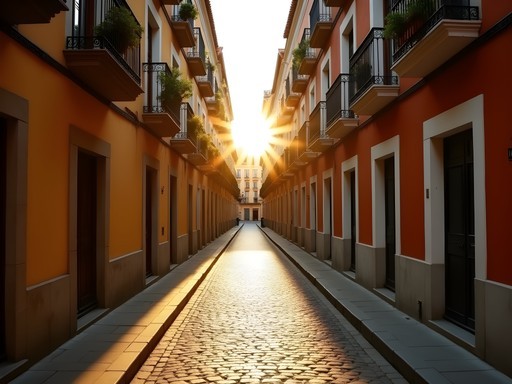
There's a Seville that exists beyond the grand Cathedral and the majestic Alcázar—a city of whispers and secrets tucked away behind ornate iron gates and unassuming doorways. As someone who's spent years seeking the authentic pulse of cities across continents, I've found that Andalusia's capital reveals its true soul not in its monumental landmarks, but in its patios (courtyards) and forgotten corners where time seems to move at its own languid pace. Join me as we explore the Seville that most tourists never see, where orange blossom-scented memories wait to be made and centuries of cultural fusion create magic in the most unexpected places.

The Secret World of Sevillian Patios
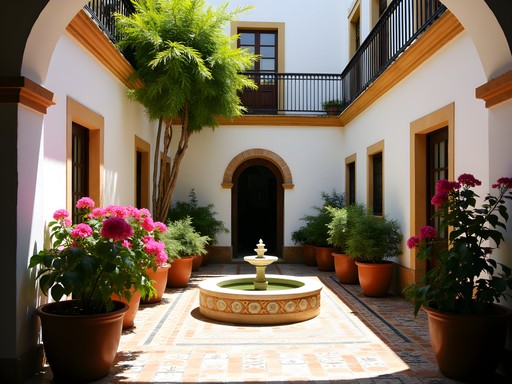
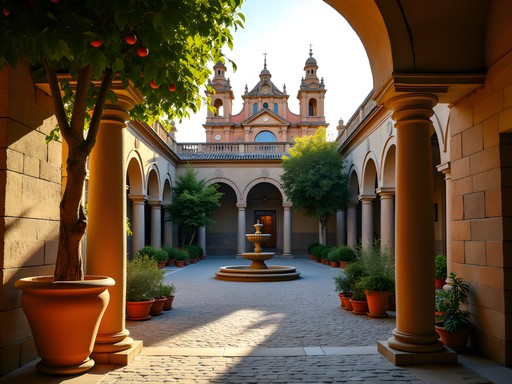
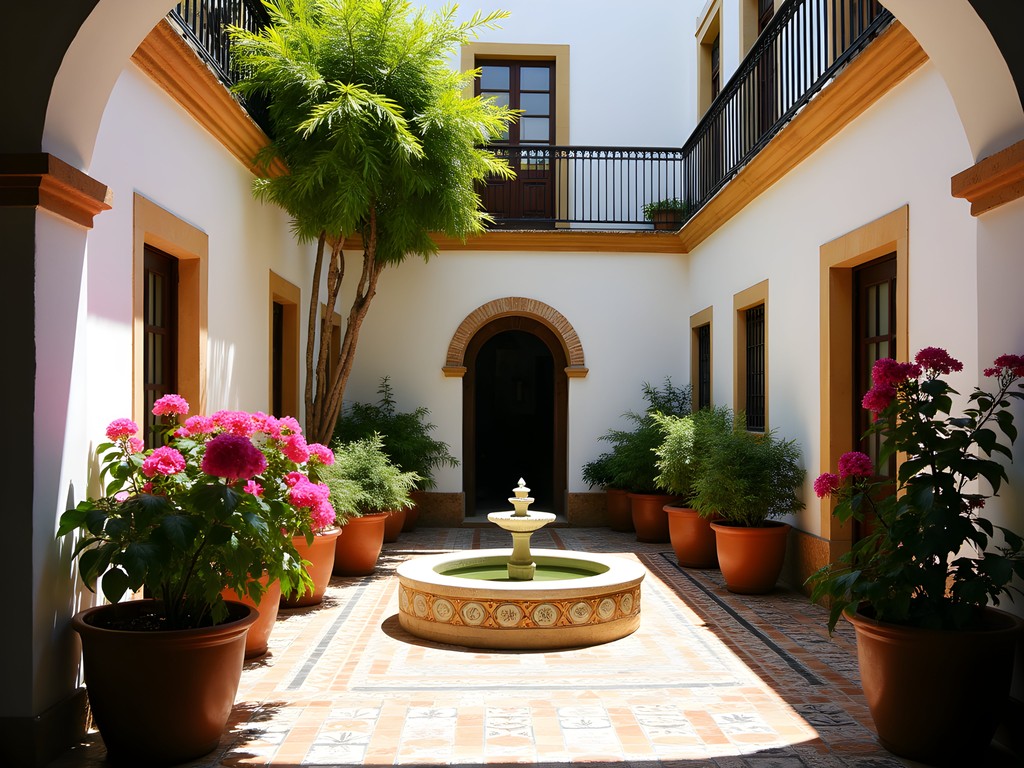
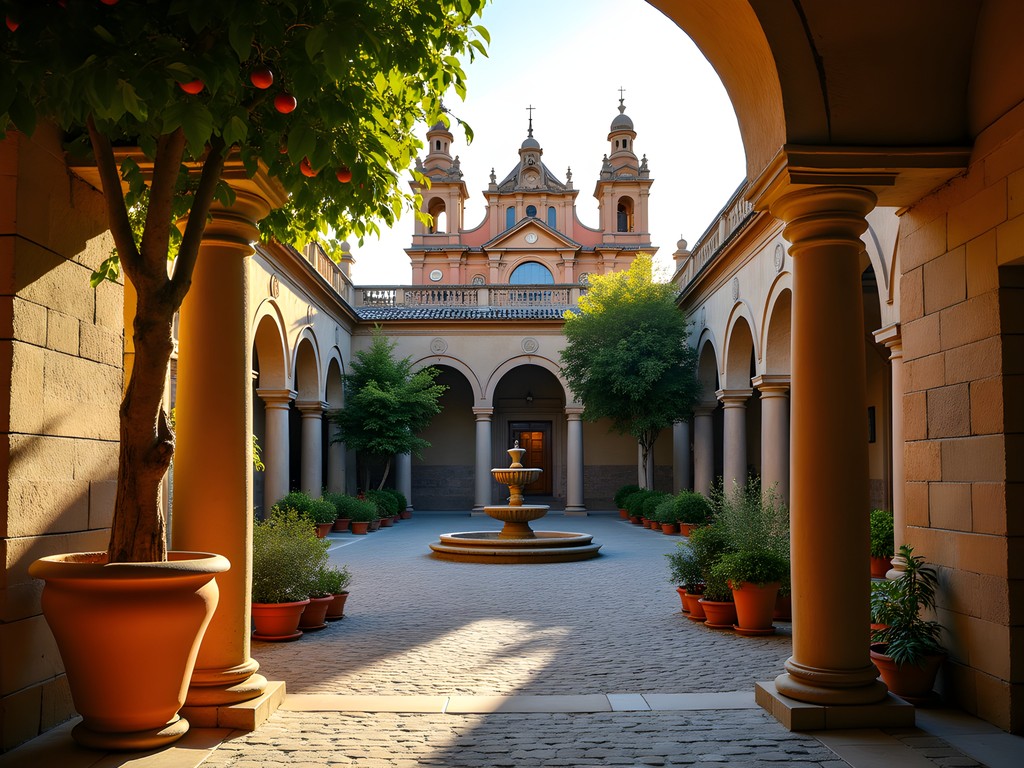
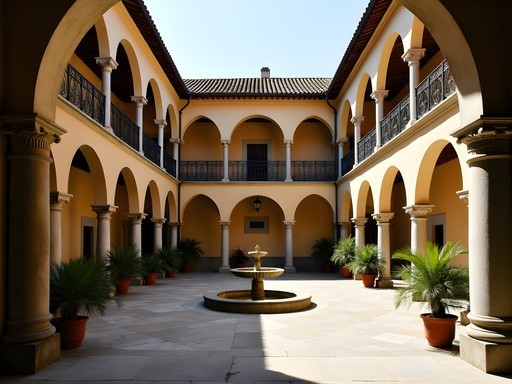
My obsession with Seville's hidden courtyards began three years ago during an unexpected spring downpour. Ducking through an open wooden door in Santa Cruz to escape the rain, I found myself in a patio andaluz that felt like stepping into another century—whitewashed walls adorned with cascading geraniums, a central fountain murmuring softly, and intricate Mudéjar tilework catching the occasional sunbeam.
These private courtyards are the living rooms of traditional Sevillian homes, designed centuries ago to create cool microclimates in the scorching Andalusian summers. While many remain private, the annual Concurso de Patios Cordobeses has inspired Seville to open some of its most spectacular examples to visitors.
The Palacio de las Dueñas offers a grand version of this tradition, but I prefer hunting for the anonymous treasures. Head to the Barrio de Santa Cruz and the Jewish Quarter where many old houses maintain this architectural tradition. Some of my favorites include Casa de Pilatos and the less-visited Casa de Salinas, where time seems suspended between the Moorish past and Spanish present.
Before setting out on your courtyard exploration, I recommend applying a quality mineral sunscreen. The Andalusian sun is deceptively strong, even when you're wandering between shaded patios, and this reef-safe formula won't run into your eyes when you inevitably work up a sweat navigating Seville's maze-like streets.
💡 Pro Tips
- Visit courtyards in the morning when light filters through in the most magical way
- Many private patios can be glimpsed when residents leave their doors open—a respectful peek is usually welcomed
- The Casa de la Memoria cultural center has a beautiful patio where you can also catch intimate flamenco performances
Corrales de Vecinos: Community Living Frozen in Time
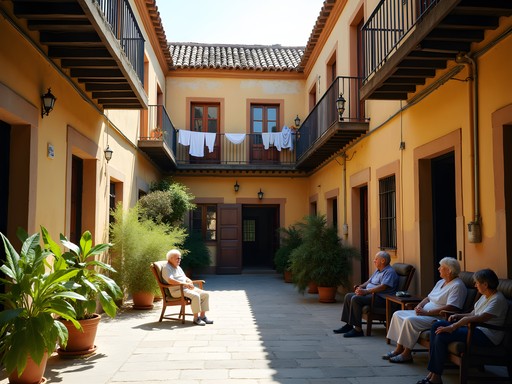
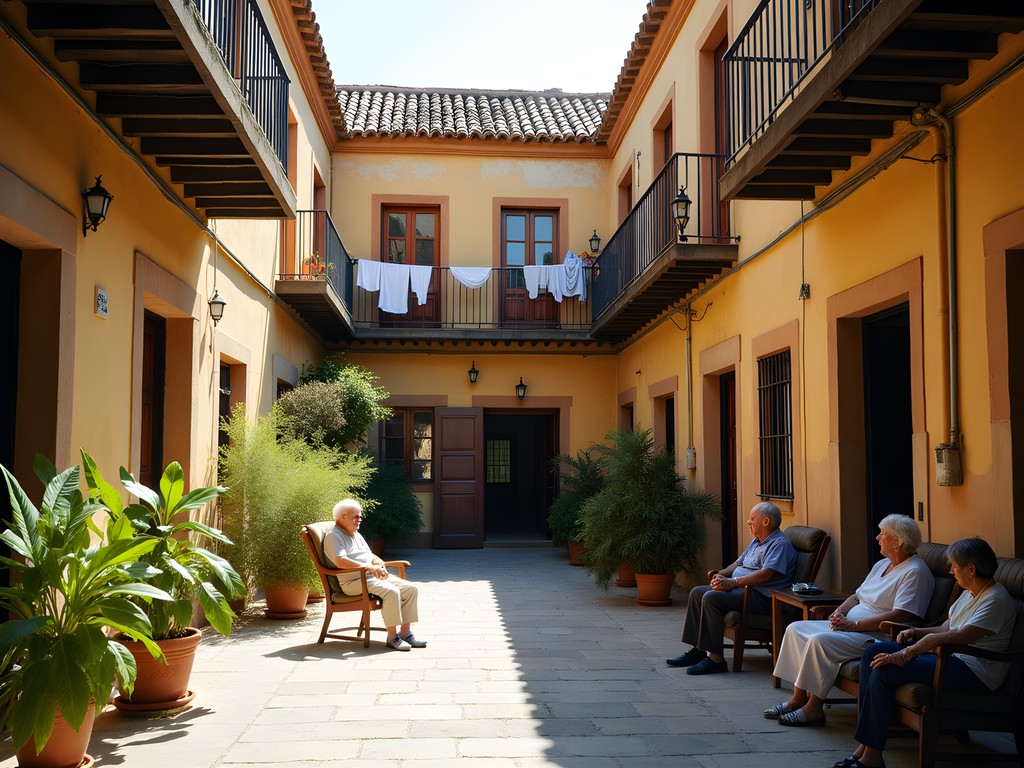
Beyond the polished patios lies another layer of Seville's architectural heritage that few tourists discover: the corrales de vecinos. These communal housing complexes originated in the 16th century and feature shared courtyards surrounded by small apartments where working-class Sevillians have lived for generations. They represent a vanishing way of life that embodies the communal spirit of Andalusia.
The Corral del Conde in El Arenal district is the largest surviving example, once housing over 100 families around its massive courtyard. Today, only a handful remain inhabited as traditional corrales, with most converted to modern apartments or boutique hotels.
During my second visit to Seville, I befriended María, an elderly resident of a corral in Triana who invited me in for afternoon manzanilla (chamomile tea). She shared stories of summer nights when neighbors would bring chairs into the courtyard to escape the heat of their tiny apartments, creating impromptu community gatherings filled with conversation and occasionally spontaneous flamenco.
Exploring these spaces requires patience and respect—they're homes, not tourist attractions. The best approach is to join a specialized walking tour with local guides who have established relationships with residents. I recommend the small group tours offered by Sevilla Secreta, who limit their impact while supporting preservation efforts.
When walking Seville's labyrinthine streets in search of these hidden communities, comfortable footwear is essential. My collapsible walking shoes have been perfect companions for urban exploration—lightweight enough for hot days yet supportive enough for hours of wandering on uneven cobblestones.
💡 Pro Tips
- Look for the characteristic large wooden doors with smaller 'postigo' (wicket gates) cut into them—these often indicate a corral beyond
- Visit during weekday mornings when residents are more likely to have doors open for deliveries and visitors
- Learn a few Spanish phrases to greet residents respectfully if you encounter them
The Forgotten Gardens of the Guadalquivir
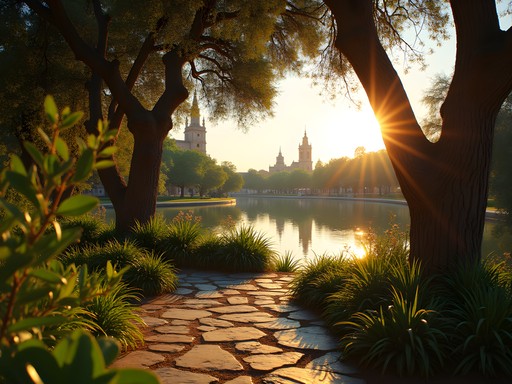
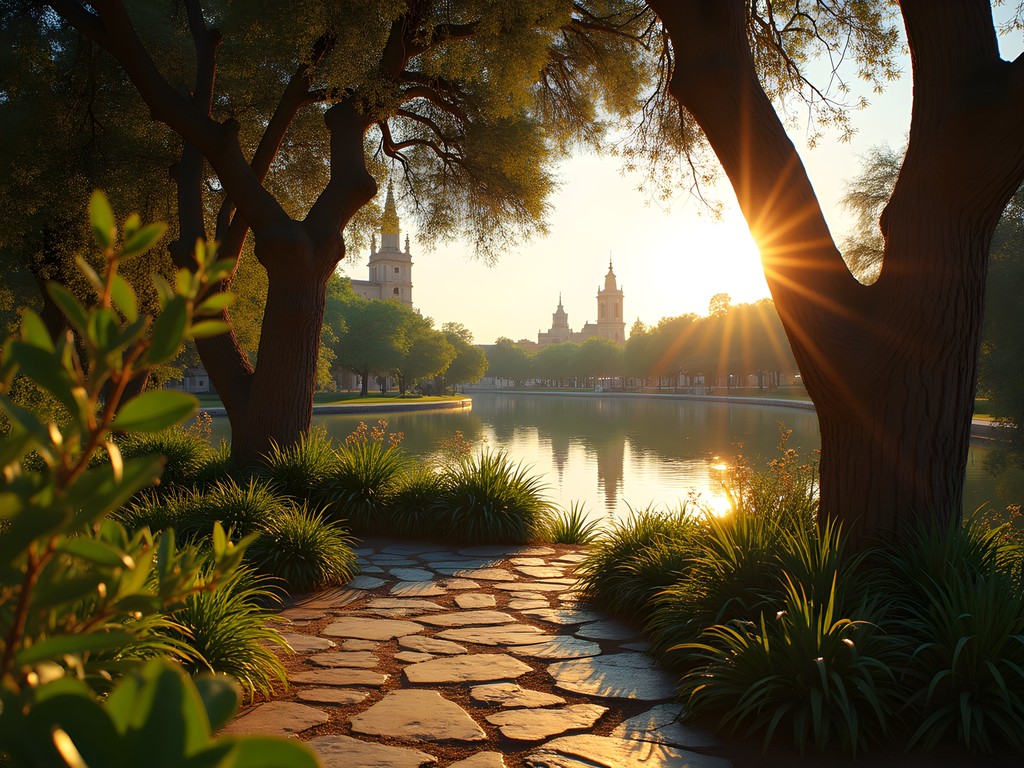
While tourists flock to the manicured gardens of the Alcázar, I've found that Seville's most enchanting green spaces lie along forgotten stretches of the Guadalquivir River. These hidden gardens tell the story of Seville's complex relationship with the waterway that brought it prosperity and occasionally devastating floods.
The Jardines del Guadalquivir on Isla de la Cartuja remain surprisingly empty despite being created for the 1992 Expo. Their modernist design incorporates references to Seville's Moorish heritage, with cooling water features that make them a perfect retreat during the afternoon heat. The Jardín Americano nearby houses botanical specimens from Spain's former colonies—a living museum of the plants that transformed both European and American cuisines after the Age of Exploration.
For a truly local experience, head to the lesser-known Parque del Alamillo across the river at sunset. Here, Sevillian families gather for evening picnics away from tourist crowds. During my last visit, I spent a magical evening here with a bottle of local Manzanilla sherry, some olives, and jamón watching the sunset paint the city skyline gold.
These riverside explorations can be thirsty work in Seville's heat. I never explore without my insulated water bottle which keeps water cold for hours and uses UV-C LED technology to purify water and clean the inner surface—perfect for long days of urban hiking when refill opportunities might be limited.
💡 Pro Tips
- Visit the riverside gardens in early evening when locals come out for their paseo (evening stroll)
- Pack a simple picnic of local specialties to enjoy along the river—any neighborhood market can provide bread, cheese, and jamón
- The gardens around the Costurero de la Reina pavilion offer excellent photography opportunities of both nature and architecture

Culinary Secrets: The Neighborhood Tabernas
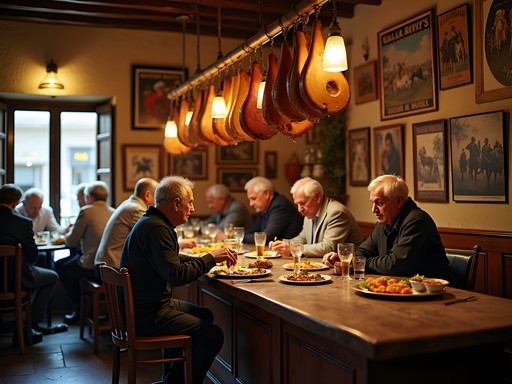
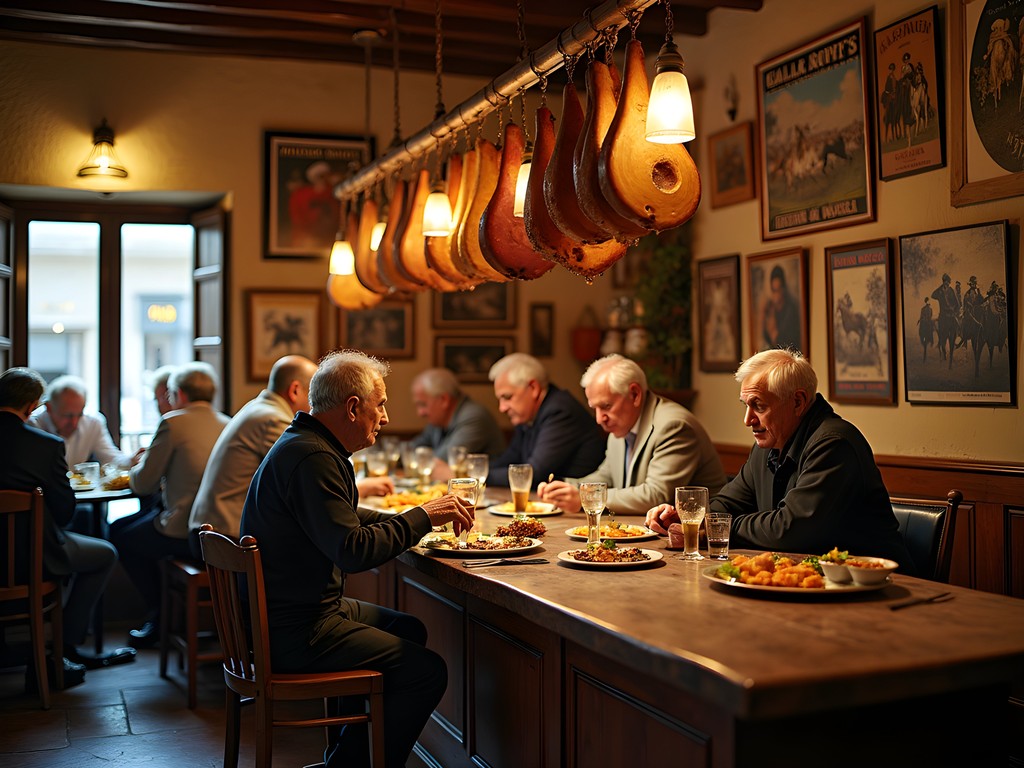
Seville's food scene has exploded in recent years, but the soul of Sevillian cuisine still lives in the neighborhood tabernas and abacerías that have served locals for generations. These establishments—part grocery, part bar—offer an authentic taste experience far from the tourist menus of the center.
In Triana, the former gypsy quarter across the river, I discovered Casa Ruperto, a tiny bar where the specialty is ortiguillas—sea anemones battered and fried to crispy perfection. The owner, Antonio, continues recipes passed down through four generations and serves vermouth from a barrel that's been continuously refilled since the 1950s.
The Macarena district holds another treasure: Bodega Palo Santo, where the owners maintain the tradition of chalking your bill directly on the bar counter. Their cold salpicón (seafood salad) and house-made vermouth create the perfect light lunch during Seville's scorching afternoons.
The most memorable food experiences often happen in the most unassuming places. In an unmarked establishment in Alameda de Hércules that I found only because my Airbnb host drew me a map, I tasted carrillada (slow-cooked pork cheek) that redefined my understanding of what pork could be—tender enough to cut with a spoon and infused with complex Moorish spices.
For couples seeking these authentic culinary experiences, I recommend carrying a pocket food dictionary. Many of these neighborhood spots don't have English menus, and this slim volume has helped me discover dishes I would have otherwise missed entirely. I also suggest bringing a compact wine opener, as many small shops sell excellent local wines that you can enjoy in nearby plazas or gardens—a romantic and budget-friendly evening activity.
💡 Pro Tips
- Look for establishments where older locals gather—they invariably know the best places
- Order the 'vermut de grifo' (vermouth on tap) as your aperitif—it's experiencing a renaissance in Seville
- Visit markets like Feria or Triana early to see locals shopping, then follow them to nearby bars for breakfast
Romantic Hideaways: Seville's Secret Sunset Spots
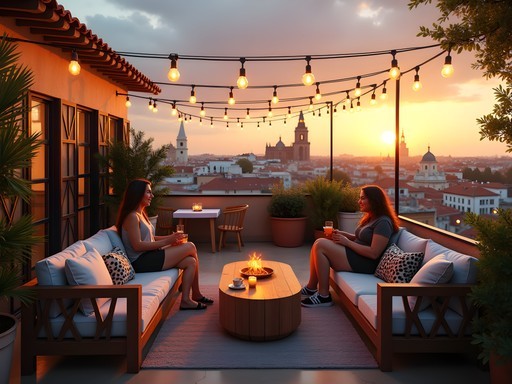
For couples seeking moments of privacy in this bustling city, Seville offers several hidden viewpoints that transform into magical spaces as the day ends. While tourists crowd the Metropol Parasol (Las Setas) for sunset, I've discovered more intimate alternatives perfect for romantic moments.
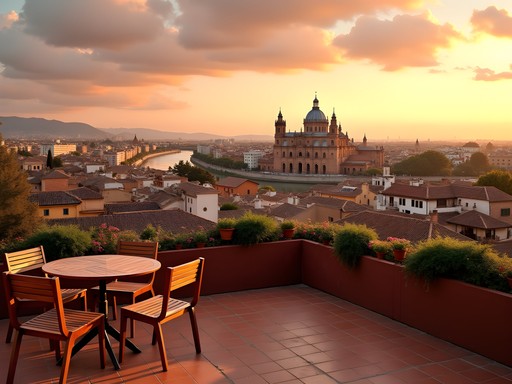
The bell tower of the Church of Santa Ana in Triana offers panoramic views that rival those from the more famous Giralda but without the crowds. The modest entry fee supports the church's restoration, and the rooftop access provides a 360-degree vista of Seville bathed in golden light.
For a ground-level experience, the garden terrace at the Hotel Doña María offers non-guests the chance to enjoy a sunset drink with an unparalleled view of the cathedral. Arrive early to secure a table at the edge for the best experience.
My personal favorite remains the tiny Plaza de Santa Marta, tucked behind the cathedral. This forgotten corner features a fountain, orange trees, and stone benches where you can sit undisturbed as the cathedral walls glow amber in the setting sun. I've spent countless evenings here with a notebook, sketching the play of light on ancient stones and listening to distant guitar music drift through the streets.
Capturing these magical moments deserves special attention. I use a smartphone lens kit that attaches to my phone camera, allowing me to capture cinematic wide-angle shots of Seville's dramatic sunsets without carrying bulky equipment. For evening ambiance, I also pack a portable string lights that can transform any terrace or plaza into a romantic setting for an impromptu picnic after sunset.
💡 Pro Tips
- Time your visit to Santa Marta plaza between 7-8pm in spring when the cathedral stones glow most brilliantly
- Many rooftop bars allow access for the price of a drink—Hotel EME and Hotel Inglaterra have excellent but lesser-known terraces
- The banks of the Guadalquivir near the Torre del Oro empty of tourists at sunset but offer spectacular views
Final Thoughts
As I reluctantly board my flight from Seville each time, I carry with me not just memories of grand monuments, but the intimate moments discovered in its hidden corners—the elderly gentleman who invited me to join his dominoes game in a forgotten plaza, the courtyard glimpsed through an accidentally open door where jasmine perfumed the air, the taste of cold manzanilla shared with newfound friends as sunset painted the Guadalquivir gold.
Seville reveals herself slowly to those willing to stray from the guidebook path. In a city where tourism grows more frantic each year, these secret spaces offer not just respite from crowds but a genuine connection to the Seville that locals cherish. For couples especially, these hidden corners create natural settings for those small, perfect moments that define a journey together.
I encourage you to approach Seville with patience and curiosity. Push gently on that unassuming wooden door. Follow the sound of a fountain down an unmarked alley. Accept the invitation to step inside when it's offered. The most authentic experiences rarely announce themselves with signposts or star ratings—they whisper, and only those listening closely will hear the invitation to discover the Seville that exists beyond the postcard view.
✨ Key Takeaways
- The most authentic Sevillian experiences happen in the spaces between major attractions
- Building connections with locals offers access to places not found in guidebooks
- Spring evenings provide the perfect light and temperature for exploring hidden courtyards
- The best memories often come from unplanned discoveries and spontaneous invitations
📋 Practical Information
Best Time to Visit
Spring (April-May) or Fall (September-October)
Budget Estimate
€100-150 per day for a couple (mid-range)
Recommended Duration
3-4 days minimum
Difficulty Level
Moderate (Involves Lots Of Walking On Uneven Surfaces)

Comments
sunsettime
Love this! Way better than the usual tourist stuff
Sophia Gomez
Kenji, this brought back so many memories! I stumbled into a corral de vecinos in Triana last year completely by accident - followed a local woman carrying groceries through an unmarked door and found myself in this incredible shared courtyard with laundry hanging and neighbors chatting. They invited me for coffee! It was one of those magical travel moments you can't plan. The tabernas you mentioned are spot-on too. I found this tiny place near Alameda de Hércules where the bartender's grandmother was still cooking in the back. No menu, just whatever she made that day. Those are the Seville experiences that stay with you long after the cathedral tour fades from memory.
sunsettime
Do you remember the name of that taberna? Would love to find it!
Sophia Gomez
I wish I could remember! It was on a side street off Calle Peris Mencheta. Tiny blue door, no sign. Ask locals in that area, they'll know.
explorelegend
This looks amazing! How do you actually get into these private courtyards though?
Kenji Brown
Great question! Many open during the annual Patio Festival in May, but year-round you can peek through gates or politely ask residents. Some are connected to small shops or cafes too.
explorelegend
Thanks! Going in June so might miss the festival but will definitely try asking around
wildmaster
Love the photos! Didn't know Seville had this side to it
Hunter Thompson
Mate, this is brilliant! I was in Seville last autumn and stumbled into one of those corrales de vecinos near Alameda - an old woman literally invited me in for coffee and showed me around. The sense of community was incredible, like stepping back 50 years. Those tabernas you mentioned are spot on too - found this tiny place off Calle Feria that served the best montaditos I've ever had. No tourists, just locals watching football. Your post captures that hidden Seville vibe perfectly!
wildmaster
Do you remember the name of that taberna? Going in June!
Hunter Thompson
I think it was called Bar Eslava or something similar? Small blue door, can't miss it if you walk up from the market
islandbackpacker
This looks amazing! Heading to Seville in April, which neighborhood would you say has the best hidden patios? Don't want to miss these!
Kenji Brown
Santa Cruz and Triana are great, but honestly the best ones I found were in La Macarena neighborhood - way fewer tourists and locals are super friendly about showing you around during patio season!
islandbackpacker
Perfect, adding La Macarena to my list. Thanks!
starphotographer
The light in Seville is a photographer's dream! I visited last summer and was blown away by those hidden courtyards. The contrast between bright sunlight and cool shadows makes for stunning photos. I found that early morning (around 8am) was perfect for capturing the patios without people. My portable tripod was essential for those low-light courtyard shots. Did you have any trouble getting permission to photograph in the private patios? Any tips for approaching residents?
Kenji Brown
You're right about that magical Sevillian light! For private patios, I always ask permission first and explain I'm writing about Seville's hidden beauty. A few phrases in Spanish go a long way. I often bring small prints of my previous patio photos as gifts, which helps build trust. Most residents are proud of their spaces and happy to share if approached respectfully.
summerdiver
Booked my tickets to Seville after reading this! Can't wait to explore these hidden spots in April!
wandergal
How did you find those forgotten gardens along the Guadalquivir? I've been to Seville twice and never knew they existed!
Kenji Brown
I actually got lost trying to find a different spot and stumbled upon them! If you walk north from Triana Bridge along the east bank, past the tourist areas, you'll find several neglected but beautiful garden spots. The one near Calle Torneo is my favorite - locals call it 'El Jardín Olvidado'.
wandergal
Sometimes getting lost is the best way to travel! Adding this to my list for next time, thank you!
John Hart
Having documented traditional urban spaces across both Europe and Asia for over three decades, I find Seville's patios particularly fascinating for their synthesis of Roman, Islamic and Christian architectural influences. The corrales de vecinos Kenji mentions represent a rapidly disappearing form of communal living that bears striking parallels to Kyoto's traditional nagaya row houses. Both evolved as spaces where private life spills into communal areas, creating rich social ecosystems rarely found in modern urban design. My research suggests these spaces foster significantly stronger community bonds and psychological well-being. The challenge is preserving these spaces without turning them into tourist spectacles. Excellent documentation of a vanishing urban heritage, Kenji.
Venture X
Premium card with 2X miles, $300 travel credit, Priority Pass