


Disclosure: This article contains affiliate links. We may earn a commission from purchases at no extra cost to you, which helps our travel content.
When most travelers think Michigan urban exploration, Detroit's renaissance steals the spotlight. But just 30 minutes north sits Sterling Heights—a suburban landscape that, to the untrained eye, might seem like endless strip malls and subdivision signs. As someone who's spent years documenting how built environments shape community health, I've discovered that Sterling Heights harbors fascinating architectural contrasts, immigrant-influenced spaces, and repurposed industrial sites that tell a uniquely American story of suburban evolution. Grab your walking shoes and join me for a weekend of uncovering the surprising character of this overlooked Metro Detroit gem.

The Cultural Corridor: Mound Road's Global Village
Mound Road might look like any American commercial thoroughfare at first glance, but it's actually Sterling Heights' unexpected cultural backbone. This 5-mile stretch represents one of Michigan's most diverse culinary landscapes, largely thanks to the city's significant Chaldean, Albanian, and Macedonian communities.
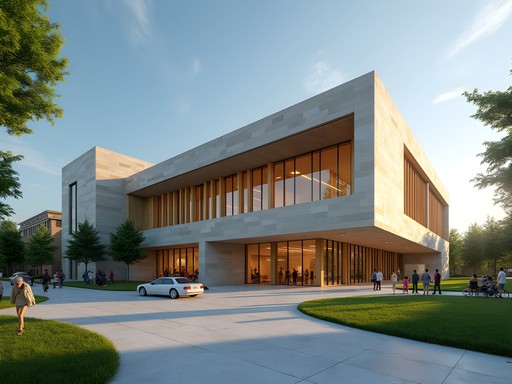
My exploration always starts at the Chaldean Community Foundation's cultural center, an architectural gem that marries Middle Eastern design elements with modern Michigan aesthetics. The building itself tells the story of immigration and adaptation—themes I find particularly resonant as someone with Creole heritage navigating multiple cultural identities.
Walk a half-mile south to discover a cluster of markets and restaurants where three generations often work side by side. Last summer, I spent an afternoon at Babylon Market, where the owner insisted I try his mother's homemade dolmas while explaining how their family business evolved over thirty years from a tiny specialty store to this sprawling emporium of Middle Eastern goods.
For serious urban explorers, I recommend documenting your discoveries with the field notes I always carry. Unlike regular journals, it stands up to Michigan's unpredictable summer showers and humid conditions while you're hopping between cultural sites.
💡 Pro Tips
- Visit on Saturday mornings when many shops receive fresh imports and the people-watching is prime
- Ask shopkeepers about their family stories—most are proud to share their immigration journeys
- Look for architectural details that blend American suburban design with cultural elements from owners' heritage
Urban Nature: The Clinton River Trail System
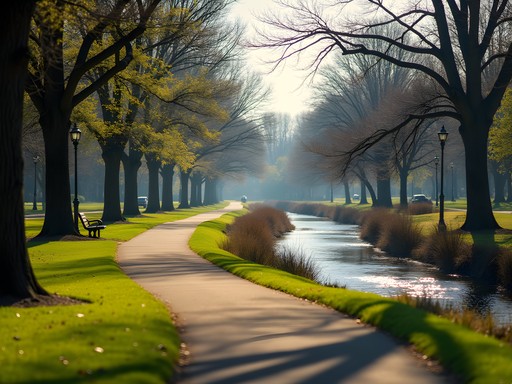
The most overlooked aspect of Sterling Heights' urban landscape is how thoroughly it's threaded with green spaces. The Clinton River Trail system offers 9 miles of paved pathways that provide a fascinating study in how suburban development and natural spaces can coexist—sometimes harmoniously, sometimes in tension.
As a physician who regularly prescribes outdoor activity for my young patients, I'm particularly drawn to how these trails function as community wellness corridors. During my last visit, I rented a electric bike from Macomb Bike & Fitness to cover more ground. The pedal-assist feature let me explore the entire system in one afternoon while still having energy to document the journey.
The most compelling section runs behind the industrial zone near 18 Mile Road, where factories and warehouses back directly onto restored wetlands. This juxtaposition creates surreal photo opportunities where nature and industry exist in an uneasy balance. Look for the abandoned water tower covered in decades of graffiti art—it's become an unofficial gallery showcasing 30+ years of local street art evolution.
For wildlife spotting along the marshier sections, I always bring my compact monocular rather than bulky binoculars. It's perfect for spotting the herons and hawks that have reclaimed these industrial-adjacent wetlands.

💡 Pro Tips
- Visit at dawn for the best wildlife sightings when the trail is less crowded
- Download the Clinton River Watershed Council app for historical information about specific points along the trail
- The section between Dodge Park and Edison Court offers the most dramatic industrial-meets-nature contrasts
Architectural Time Travel: Mid-Century Subdivisions
Sterling Heights offers an unparalleled opportunity to witness the evolution of American suburban architecture from the 1950s through the 1990s—all within a few square miles. As someone fascinated by how built environments impact community health, I find these neighborhoods to be living laboratories of post-war American design philosophy.
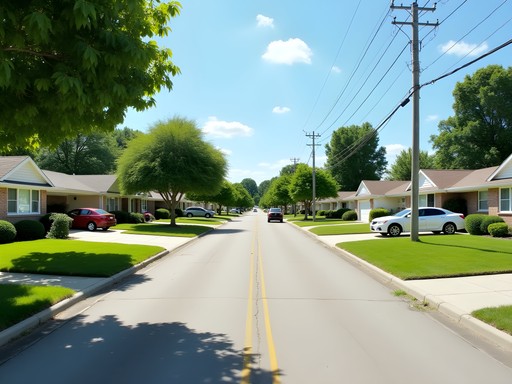
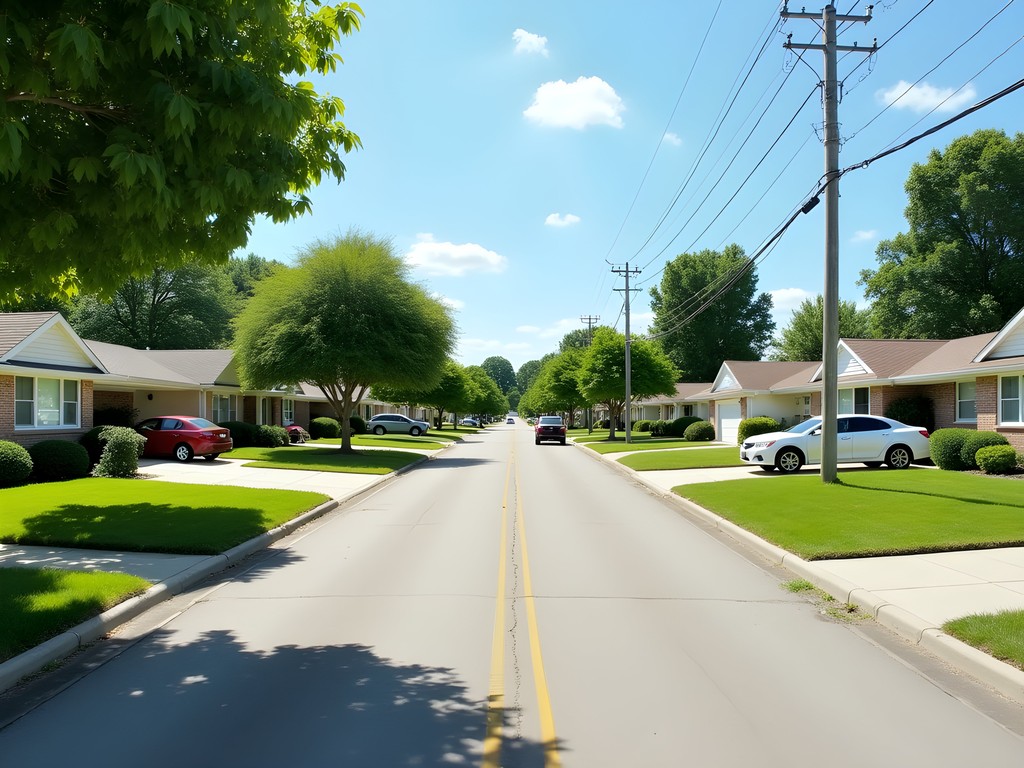
The Hampton Circle subdivision represents peak 1960s optimism with its distinctive ranch homes featuring low-pitched roofs, decorative shutters, and integrated carports. Many still maintain their original architectural integrity, though interior renovations tell the story of changing American family life.
For urban exploration on foot, comfortable shoes are essential. I swear by my walking shoes which provide the perfect balance of support and breathability for hours of neighborhood wandering.
Don't miss Sterling Estates—a fascinating 1970s planned community with distinctive A-frame influences and experimental communal green spaces that reflect that era's renewed environmental consciousness. The neighborhood clubhouse with its hexagonal windows and dramatic roofline remains largely unchanged since 1974.
What makes these subdivisions particularly interesting is how they've been adapted by new immigrant communities. Many homes now feature cultural modifications—extended front porches for community gathering, converted garages for multigenerational living, and garden transformations reflecting diverse agricultural traditions.
💡 Pro Tips
- Visit on Sunday afternoons when many residents are out in their yards and open to conversations about neighborhood history
- Look for the 'demonstration homes' that builders used as models—they typically have more distinctive architectural features
- The Sterling Heights Historical Commission offers downloadable self-guided architectural tour maps on their website

Repurposed Spaces: From Industrial to Interactive
Sterling Heights' industrial heritage has created fascinating opportunities for adaptive reuse projects that urban explorers shouldn't miss. The city's manufacturing past is being reimagined in ways that create unique community spaces—a trend I've documented across multiple Rust Belt cities.
The crown jewel is the Velocity Center, a former automotive testing facility transformed into a collaboration hub and makerspace. The building retains its industrial bones—exposed ductwork, polished concrete floors, and massive windows—while housing everything from robotics labs to community art studios. During weekend open hours, visitors can observe engineering students testing autonomous vehicles on the former test track or join impromptu workshops.
For documenting these industrial-turned-creative spaces, reliable lighting is essential. My portable light has been invaluable for capturing architectural details in these often dimly-lit former industrial buildings.
The most unexpected repurposed space sits at the corner of 17 Mile and Van Dyke, where a defunct 1980s shopping mall has been partially converted into the International Christian Center. The former department store now houses a 2,000-seat sanctuary while maintaining retail architectural elements like escalators and display windows—creating a surreal worship environment that speaks volumes about suburban evolution.
For refreshments between explorations, head to Ventimiglia Italian Market in the Freedom Hill complex—a former county administration building now housing an exceptional deli where third-generation Italian-Americans serve imported specialties alongside Detroit classics.

💡 Pro Tips
- Visit Velocity Center on 'Maker Saturdays' when community workshops are open to drop-ins
- Ask permission before photographing inside repurposed religious spaces
- The Sterling Enterprise Zone contains several former auto industry buildings in various stages of transformation—perfect for before/after documentation
Community Gathering Spaces: Where Locals Really Meet
To truly understand Sterling Heights beyond its suburban facade, you need to visit the unofficial community hubs where real social life happens. As a physician who studies how community spaces impact wellbeing, I'm always searching for these authentic gathering spots.
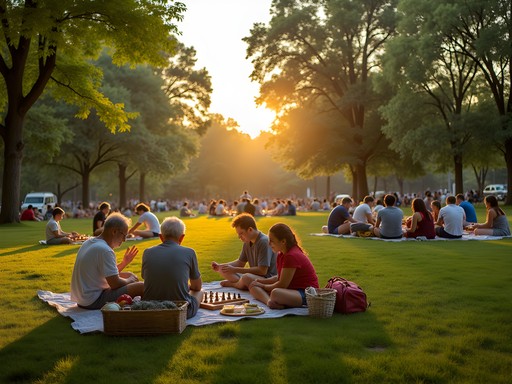
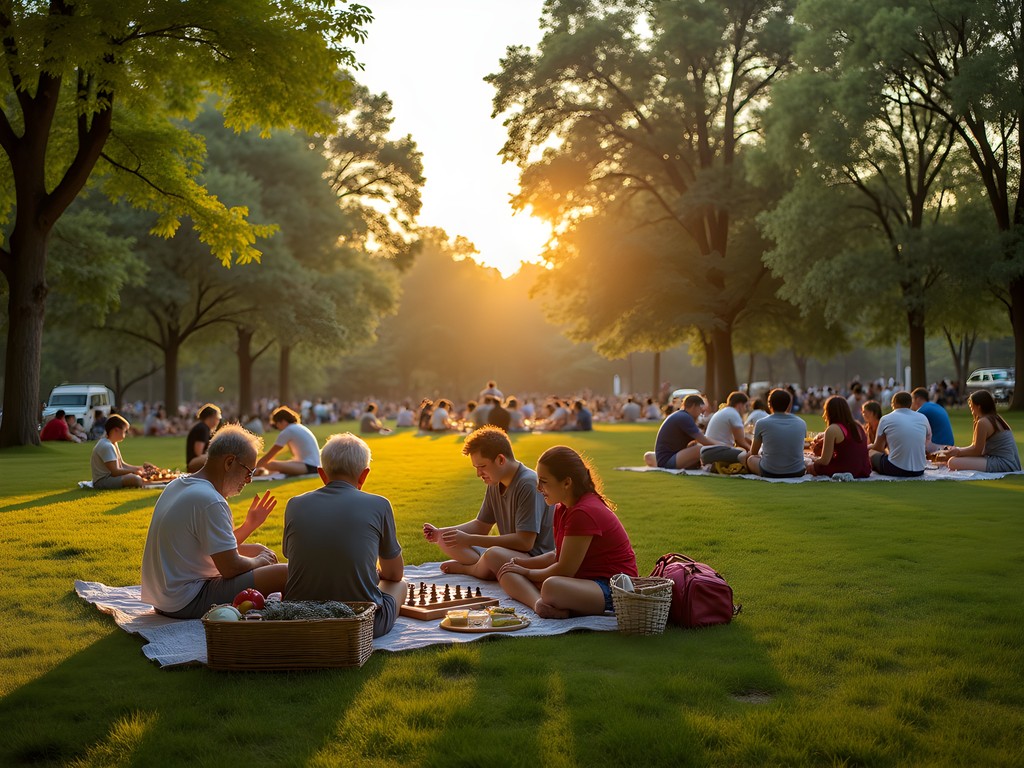
The heart of Sterling Heights' social scene isn't downtown (which barely exists) but rather the sprawling Dodge Park complex. Beyond the expected playgrounds and sports fields, the park hosts an intergenerational scene that reflects the city's diverse demographics. Early mornings belong to elderly Eastern European men playing fierce chess matches on permanent concrete tables, while evenings see Chaldean and Albanian families hosting elaborate multi-generational picnics.
For extended exploration days, staying hydrated is crucial. I never travel without my insulated water bottle which keeps water cold for hours and uses UV-C LED technology to purify water on the go—perfect when you're far from drinking fountains.
The true hidden gem for community observation is the Sterling Lanes bowling alley on 15 Mile Road. This 1960s time capsule hosts league nights where automotive workers, teachers, and healthcare professionals have been bowling together for decades. The Thursday night mixed league has been running continuously since 1972, with some original members still participating. The walls display yellowing photographs documenting the alley's history, creating a museum-like chronicle of suburban recreation.
For a modern contrast, visit the Farmer's Market at the Liberty Park complex on Saturday mornings, where the city's growing diversity is on full display through food. Hmong vegetable growers sell alongside third-generation Michigan apple farmers, while pop-up food stalls offer everything from Polish pierogi to Bangladeshi street food.
💡 Pro Tips
- Visit Dodge Park on Sunday evenings in summer when multiple cultural groups host gatherings simultaneously
- Sterling Lanes welcomes visitors to observe league play—just respect the competitors' space
- The farmer's market vendors are generally happy to explain their products and cultural significance if approached respectfully
Final Thoughts
Sterling Heights won't make many travel magazine covers, but that's precisely what makes it worth exploring. As urban adventurers, we often overlook these transitional suburban landscapes where American identity is actively being negotiated and reimagined. What appears at first glance to be a generic suburb reveals itself—with some dedicated exploration—to be a fascinating study in cultural integration, industrial transformation, and community adaptation.
As a physician who studies how built environments impact wellbeing, I've found Sterling Heights to be a compelling case study in how suburban spaces evolve to accommodate diverse needs. The architectural contrasts between mid-century subdivisions and immigrant-modified spaces tell a uniquely American story that's still unfolding.
Whether you're documenting the industrial-meets-nature juxtapositions along the Clinton River Trail or observing the multigenerational community life at Dodge Park, Sterling Heights offers authentic urban exploration without the crowds or curated experiences of more popular destinations. Pack your curiosity, comfortable shoes, and an open mind—this overlooked corner of Metro Detroit rewards those willing to look beyond first impressions.
✨ Key Takeaways
- Sterling Heights offers rich cultural exploration through its immigrant communities and their influence on suburban spaces
- The Clinton River Trail system provides unique opportunities to document the intersection of industrial history and natural reclamation
- Mid-century subdivisions serve as architectural time capsules showing the evolution of American suburban design
- Repurposed industrial spaces tell the story of economic transformation in the Rust Belt
- The most authentic experiences come from visiting community gathering spaces where locals actually congregate
📋 Practical Information
Best Time to Visit
Summer (June-August)
Budget Estimate
$200-$300 for a weekend
Recommended Duration
2-3 days
Difficulty Level
Moderate




Comments
DetroitUrbanist
Great piece James! As someone who grew up in Metro Detroit, it's refreshing to see Sterling Heights get some love. The repurposed industrial spaces are fascinating - Freedom Hill has some amazing summer concerts if anyone's visiting between May-September. And the cultural diversity is the area's best kept secret. There's a small Chaldean bakery near 15 Mile that makes the most incredible date cookies I've ever had. Sterling Heights definitely deserves more attention from urban explorers!
escapechamp
any decent hotels in sterling heights or should i just stay in detroit?
mountainzone
not the author but i'd prob stay in detroit and drive up tbh
Sage Dixon
James, this really resonates. I did something similar exploring the suburbs outside Philly last year—found this amazing Lebanese bakery in a strip mall that's been there 40 years, and a community garden that used to be a factory lot. There's something about these in-between spaces that tells you more about how people actually live than the tourist districts ever will. The Mound Road cultural corridor sounds exactly like the kind of authentic experience that makes travel meaningful. Did you find any particular restaurants or shops there that stood out?
James Taylor
Absolutely! There's a Polish deli called Srodek's that's incredible, and a Yemeni restaurant that locals kept recommending. The strip mall aesthetic is deceiving—some of the best food I had all year. That's exactly it though, these spaces show you real community life.
mountainzone
This is SO cool!! I never would've thought to explore suburban areas like this. Makes me want to look at my own city differently. Love the mid-century architecture photos especially!
Sage Dixon
Right?? I've been doing more suburban exploration lately and it's like finding secret stories hiding in plain sight. Every subdivision has its own personality if you pay attention.
roamninja8103
wait how long is the clinton river trail? can you bike the whole thing in a day or nah?
James Taylor
The Sterling Heights section is about 8 miles, super bikeable in a few hours. If you want to tackle more of it, the whole trail system extends way beyond the city limits—could be a full day adventure!
roamninja8103
perfect thanks!
escapefan
Local here. If you're checking out the repurposed spaces section, don't miss the old fire station that's now a craft brewery on Utica Road. They kept a lot of the original elements and even named their beers after firefighting terms. The "Five Alarm IPA" will definitely wake you up! Also, the Clinton River Trail is best in early morning or just before sunset - wildlife is more active and the light makes for amazing photos.
happyway6399
Just tried the Five Alarm IPA yesterday based on your recommendation! You weren't kidding about it waking you up lol. The brewery was super cool, loved the old fire poles they kept.
escapefan
Glad you enjoyed it! Did you try their pretzels too? They're made with spent grain from the brewing process.
Kimberly Murphy
James, you've captured Sterling Heights perfectly! As someone who's explored countless suburban areas that get overlooked by mainstream travel guides, I appreciate your eye for finding the extraordinary in the seemingly ordinary. The Mid-Century subdivisions were a revelation when I visited last year - especially the preserved examples near Saal Road. I spent hours photographing those geometric facades and quirky design elements that defined American suburban expansion. Did you happen to check out the international markets along Dequindre? That stretch between 15 Mile and 16 Mile is basically a global food tour! I used my pocket guide to find some gems, but your blog post covers spots even my guide missed!
escapefan
Those international markets are the real deal! My wife and I do a "world tour" shopping trip there once a month. The Polish deli near 15 Mile is incredible.
happyway6399
Never thought Sterling Heights would be worth exploring! Always just drove through to get to Detroit. Gonna check out that Clinton River Trail next weekend!
Kimberly Murphy
The Clinton River Trail is such a gem! I was just there last month and was surprised how peaceful it was despite being so close to the urban areas.
happyway6399
Any specific section you'd recommend starting with?
Kimberly Murphy
Start at Dodge Park! There's easy parking and the path heading north has some lovely wooden bridges and wildlife spots. Bring binoculars if you have them!
vacationfan
Just visited the Clinton River Trail yesterday based on this post. Great recommendation!
redfan
Which section did you explore? The northern part by Utica is my favorite.
vacationfan
We did the middle section. Will try Utica next time, thanks!
citywanderer
Those repurposed industrial spaces are so cool! The climbing gym in the old factory is my weekend hangout spot.
Venture X
Premium card with 2X miles, $300 travel credit, Priority Pass