

Disclosure: This article contains affiliate links. We may earn a commission from purchases at no extra cost to you, which helps our travel content.
Most Pacific Northwest travelers bypass Tacoma for Seattle, but that oversight reveals their lack of understanding about authentic urban character. As a city planner who has studied urban fabric across four continents, I find Tacoma's transformation from industrial port to cultural hub fascinating—it is a masterclass in adaptive reuse and community-driven revitalization. This summer weekend guide reveals the spatial stories and hidden corners that make Tacoma one of the West Coast's most underrated destinations for urban explorers.

The Hilltop District: Urban Renewal Done Right
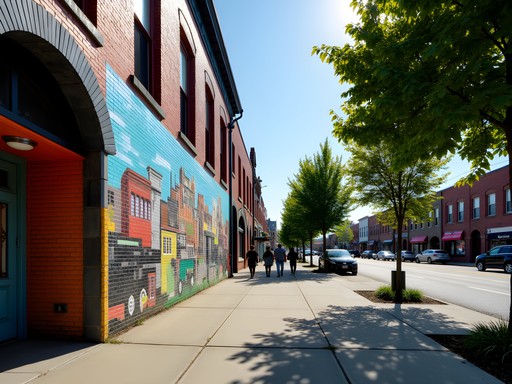
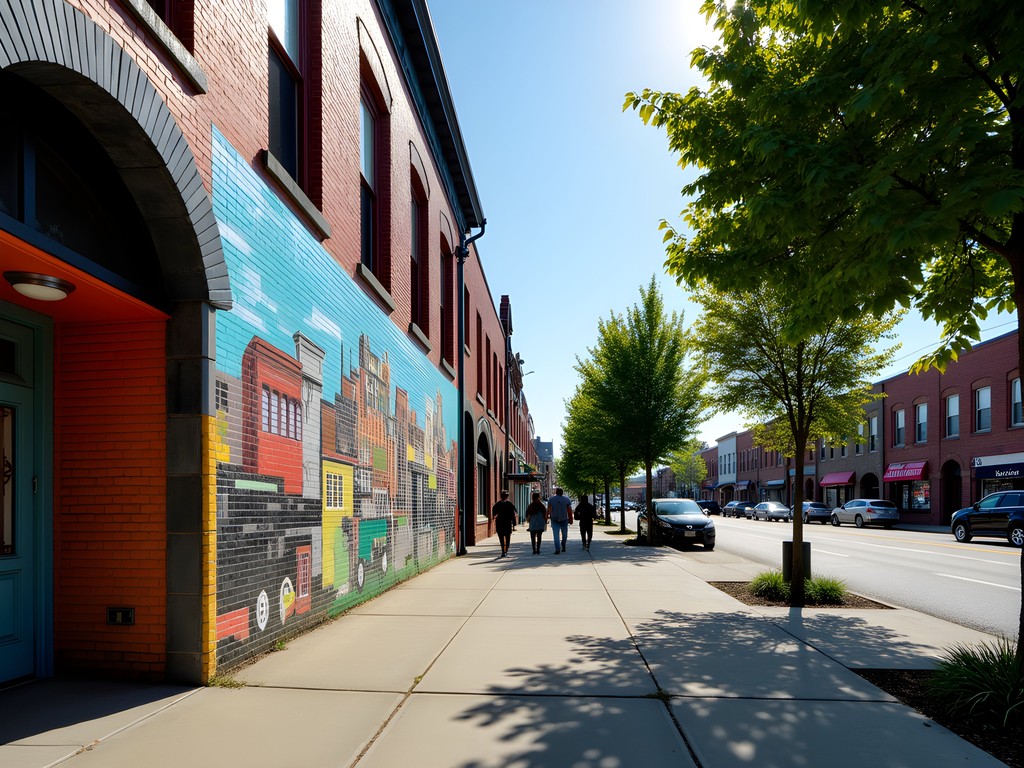
The Hilltop neighborhood represents urban planning at its most human-centered. Once written off as Tacoma's most troubled area, Hilltop has undergone transformation without displacement—a rare achievement in American cities. Start at People's Park, where community gardens occupy former vacant lots, then walk Lincoln Avenue to see how local murals document neighborhood history.
The spatial design here prioritizes pedestrians over cars, with narrowed streets and expanded sidewalks creating natural gathering spaces. Stop at Masa for authentic Mexican food in a renovated corner building that maintains its 1920s bones. The architecture tells stories: notice how storefront awnings create continuous weather protection, a design element borrowed from historic market districts worldwide.
For documentation, I carry a portable voice recorder to capture ambient sounds and interview notes—the acoustic texture of a neighborhood reveals as much as its visual character. The evening light here between 7-9 PM during summer creates dramatic shadows across the residential streets, perfect for understanding how building orientation affects community interaction.
💡 Pro Tips
- Visit on Saturday mornings when the Hilltop Street Fair operates seasonally—you will see authentic community gathering patterns
- Park near Wright Park and walk the entire district; the street grid reveals how topography shaped development
- Bring cash for the taco trucks along South Tacoma Way—they represent informal urbanism at its finest
The Working Waterfront: Industrial Heritage as Urban Asset
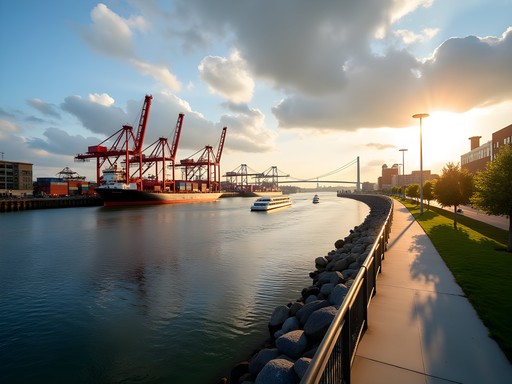
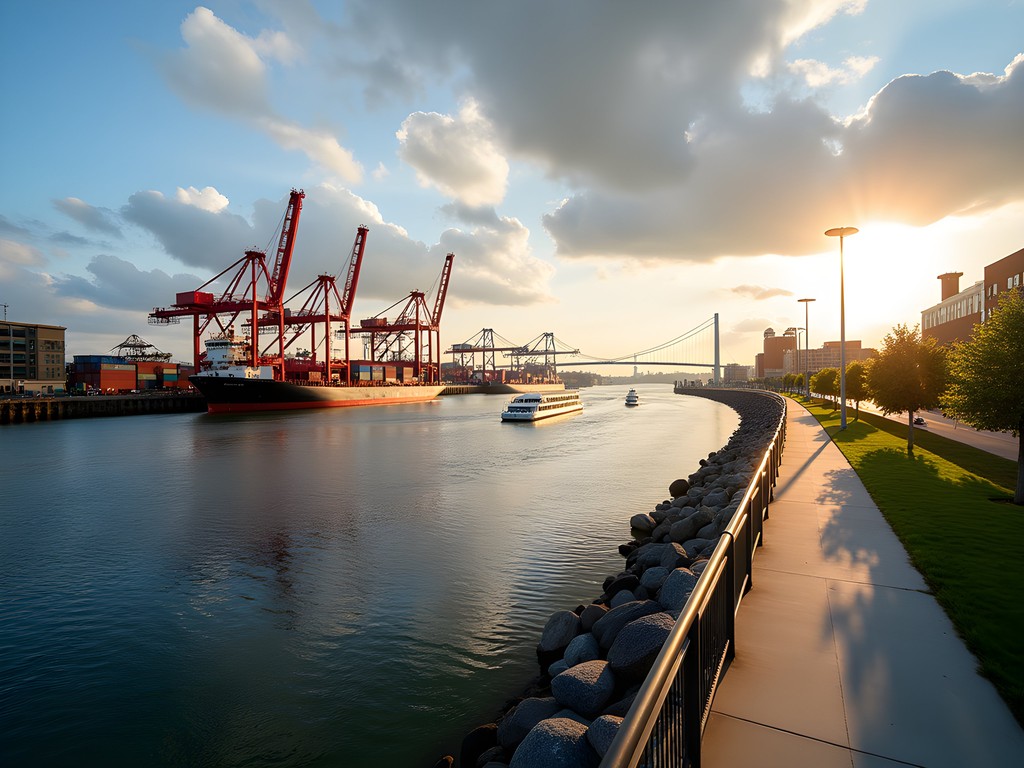
Tacoma's waterfront defies the typical American model of sanitized marina development. The Thea Foss Waterway maintains active industrial operations alongside public access—a design approach I have only seen successfully implemented in Rotterdam and Hamburg. The 1.5-mile Thea Foss Waterway Esplanade offers unobstructed views of working cranes, container ships, and the urban infrastructure that actually moves goods.
Start at the Chinese Reconciliation Park, where landscape architecture acknowledges difficult history through spatial design. The park's placement at the waterway's edge creates contemplative space while maintaining visual connection to industrial activity. Walk north toward the Murray Morgan Bridge, a 1913 vertical-lift bridge that remains operational—watch the counterweights and mechanical systems that represent early 20th-century engineering.
The Dock Street corridor shows adaptive reuse potential: former warehouses now house breweries and maker spaces without erasing their industrial character. For weather protection during waterfront walks, I recommend a lightweight rain shell—Tacoma's marine climate means sudden drizzle even in summer. The maritime wind patterns here create microclimates; you will notice temperature drops of 5-10 degrees as you move waterward.
💡 Pro Tips
- Time your visit for bridge lifts—the Murray Morgan Bridge operates on demand for marine traffic and provides excellent mechanical spectacle
- Explore the small pocket parks along the esplanade; their design reveals how public space can coexist with industrial function
- Bring layers—the waterfront microclimate differs significantly from inland neighborhoods
The Stadium District: Walkable Urbanism and Architectural Density
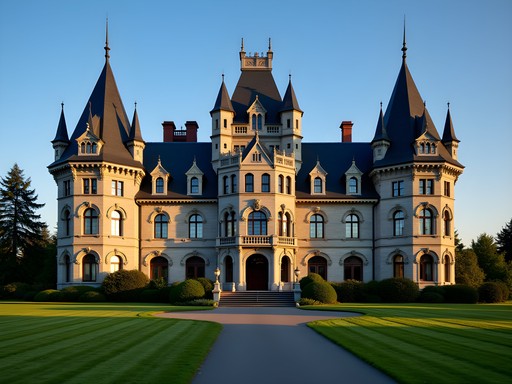
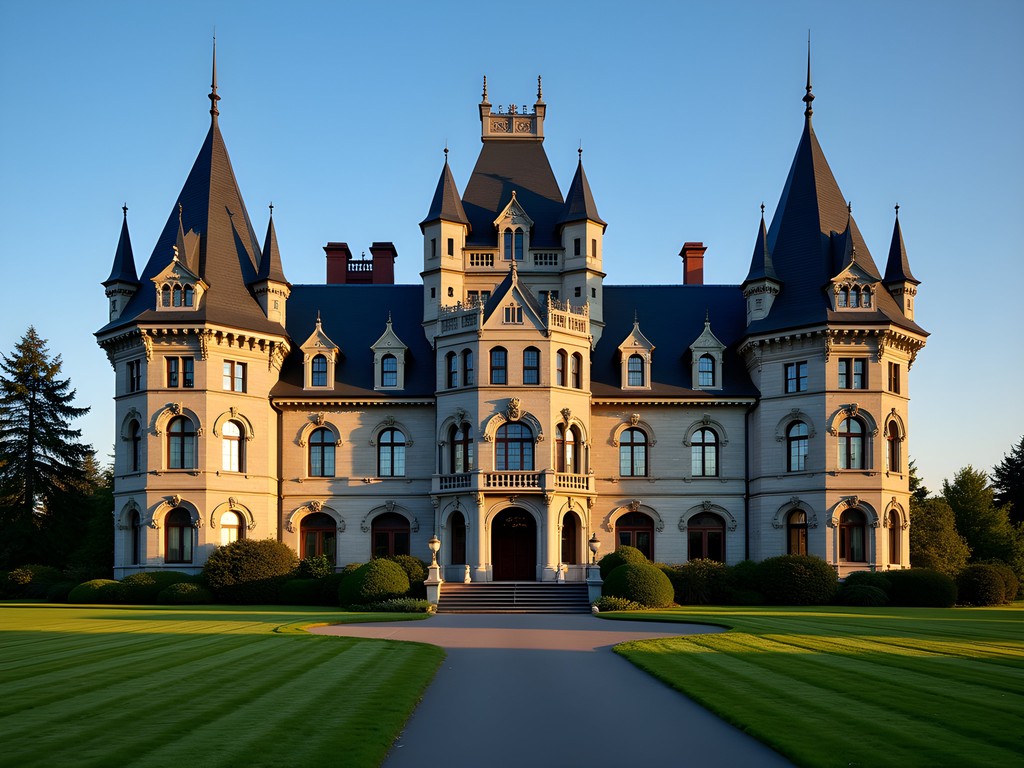
The Stadium District demonstrates why pre-automobile urban design creates superior pedestrian environments. Built primarily between 1890-1920, the neighborhood's compact blocks, narrow streets, and mixed building types create what urban planners call 'human-scale density.' Start at Stadium High School—a Château-style building originally designed as a luxury hotel in 1891, later converted to educational use after fire damage.
Walk the residential streets radiating from the school: notice the variety in architectural styles (Queen Anne, Colonial Revival, Craftsman) and how front porches create semi-public transition zones between private homes and public streets. This spatial arrangement encourages neighborhood interaction—design elements that modern suburbs deliberately eliminate. The topography here is dramatic; streets climb and descend with grades exceeding 15%, creating view corridors toward Commencement Bay.
For coffee and observation, try Anthem Coffee on Division Avenue. The café occupies a corner storefront with large windows—classic third-place design that allows simultaneous participation in both interior social space and street life. I use a portable folding stool for extended urban sketching sessions in this neighborhood; the compact design fits in my daypack and provides stable seating for documenting architectural details.
💡 Pro Tips
- Walk the full perimeter of Wright Park to understand how Frederick Law Olmsted's design principles influenced Tacoma's park system
- Document the variety of porch designs—they represent a catalog of early 20th-century residential architecture
- Visit on weekday mornings to observe how the neighborhood functions for actual residents, not just tourists

Proctor District: Main Street Urbanism and Community Scale
The Proctor District represents the platonic ideal of neighborhood commercial centers—a walkable business district serving surrounding residential areas without requiring automobile access. The spatial design follows traditional main street principles: two-to-three story buildings with retail at street level and residential or office above, wide sidewalks with street trees, angled parking that buffers pedestrians from traffic.
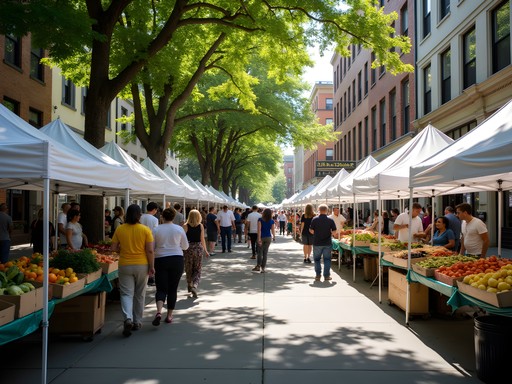
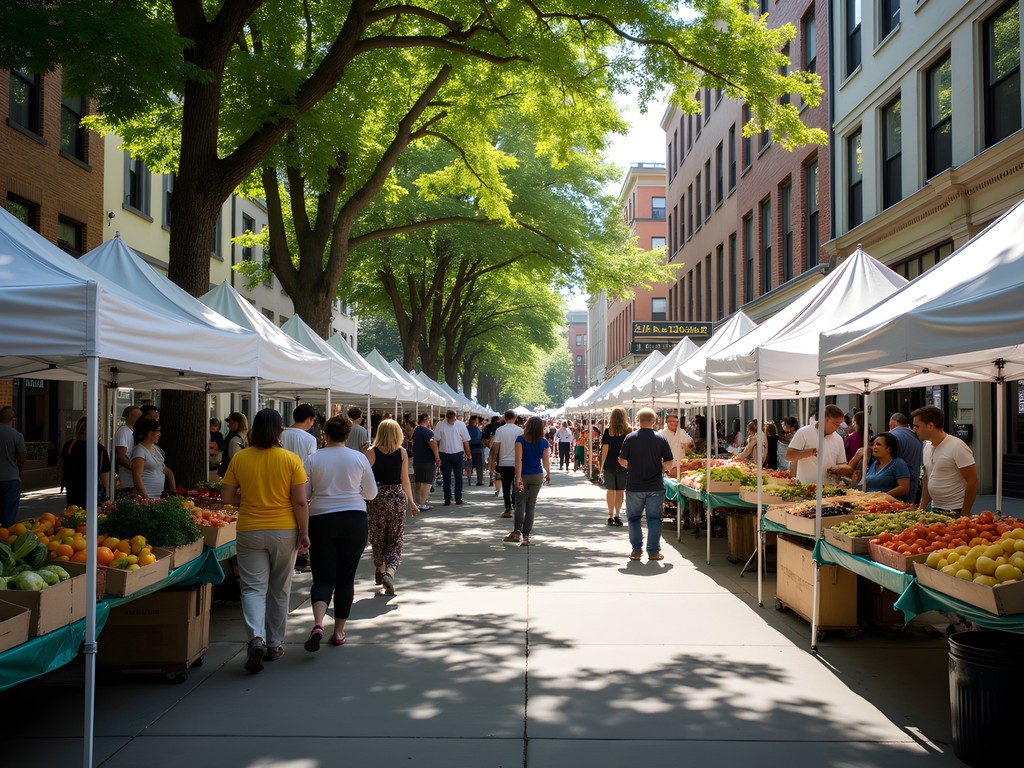
Start at the Proctor Farmers Market (Saturdays, year-round) to observe how temporary market infrastructure activates public space. The market occupies a surface parking lot, demonstrating how even car-oriented spaces can support community gathering. Walk North 26th Street to see intact commercial architecture from the 1920s-40s; the building rhythm and consistent cornice lines create visual coherence without monotony.
The Pacific Northwest Shop showcases regional craft and design—their textile selection includes wool blankets from Pendleton's Oregon mills, products that connect to the regional economy I study. For urban exploration supplies, pick up a waterproof notebook at the local outdoor shop; Tacoma's climate demands documentation tools that function in moisture. The neighborhood's residential streets show consistent setbacks and mature street trees—design elements that create pedestrian comfort through spatial enclosure.
💡 Pro Tips
- Park once and walk the entire district—the compact scale makes automobile movement unnecessary and counterproductive
- Study the alley systems behind main street buildings; they reveal service infrastructure that modern development often eliminates
- Visit multiple times of day to understand how the district functions across different activity patterns
Point Defiance Park: Landscape Design and Ecological Urbanism
Point Defiance Park represents landscape architecture at metropolitan scale—760 acres of forest, beaches, and designed gardens occupying a peninsula that extends into Puget Sound. The park's 1905 master plan by the Olmsted Brothers firm demonstrates how large parks can serve multiple functions: ecological preservation, recreation, cultural facilities, and urban wilderness experience.
The Five Mile Drive loop provides access to different park zones, but walk the interior trails to understand the forest structure. The old-growth Douglas fir and western red cedar here survived logging because the military reserved the point for Fort Nisqually. Notice how trail design uses topography to create varied spatial experiences—ridge walks with views, valley routes through dense canopy, beach access that transitions from forest to shoreline.
The Owen Beach area shows successful beach park design: the curved seawall creates protected swimming area while maintaining natural beach processes. For extended park exploration, bring a insulated water bottle—the summer heat and trail distances require consistent hydration. The park's scale allows genuine solitude within city limits, a planning achievement that requires political will to preserve undeveloped land in prime waterfront locations.

💡 Pro Tips
- Start early morning for wildlife observation—the park supports significant bird populations and occasional seal sightings
- Walk the Spine Trail for forest immersion; the interior trails receive far less traffic than the perimeter drive
- Study the park edges where designed landscape transitions to natural forest—these boundaries reveal landscape architecture philosophy
Final Thoughts
Tacoma rewards the urban explorer who approaches cities as layered texts rather than tourist checklists. The spatial patterns here—industrial waterfront access, intact pre-war neighborhoods, functioning main streets, metropolitan park systems—represent urban design principles that contemporary development often ignores. As someone who studies how cities actually work, I find Tacoma more instructive than Seattle's tech-driven transformation.
The City of Destiny earned its nickname through 19th-century railroad ambitions, but the contemporary destiny involves something more valuable: maintaining authentic urban character while accommodating change. Spend a weekend walking these neighborhoods, documenting the architectural details, observing how people actually use public space. You will leave with a deeper understanding of what makes cities livable—lessons applicable whether you are visiting or planning urban environments yourself. Tacoma is not hidden because it lacks value; it is hidden because it requires the patience to look carefully.
✨ Key Takeaways
- Tacoma's urban design demonstrates successful adaptive reuse and community-centered development without displacement
- The city maintains authentic industrial character while providing extensive public waterfront access—a rare planning achievement
- Pre-automobile neighborhood design in districts like Stadium and Proctor creates superior pedestrian environments worth studying and documenting
📋 Practical Information
Best Time to Visit
Summer (June-September) for optimal walking weather and extended daylight hours
Budget Estimate
$200-300 for weekend including budget accommodation, meals, and local transportation
Recommended Duration
2-3 days for thorough neighborhood exploration
Difficulty Level
Moderate—requires Significant Walking And Hill Climbing In Several Districts



Comments
travelmaster
Been going to Tacoma for years and totally agree about Hilltop. The transformation there is real. If you're into the urban planning angle, the Tacoma Dome station area is interesting too—they're doing transit-oriented development around the light rail. Not pretty yet but you can see the bones of something good. Also hit up the Chinese Reconciliation Park on the waterfront, really thoughtful memorial space.
Casey Andersson
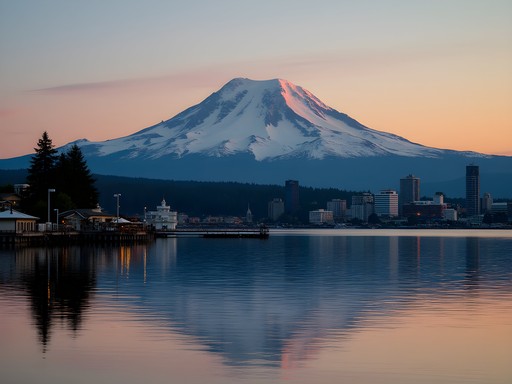
Nathan, brilliant piece on Tacoma's urban layers. I spent three days there last autumn and was genuinely surprised by the Proctor District—that neighborhood density and walkability reminded me of some of Wellington's best streets. The Museum District along Pacific Avenue deserves attention too. Found this gorgeous Art Deco theater and grabbed coffee at a roastery that would hold its own anywhere in the Pacific. Tacoma's got this unpretentious authenticity that Seattle's lost to tech money. The waterfront walk at sunset was stunning, especially looking back at the industrial cranes silhouetted against Rainier.
dreamone
which coffee place? always looking for good spots
Casey Andersson
Bluebeard Coffee! Right on 6th Avenue. Their single origins are excellent.
freezone
Love this! Never thought about tacoma before
dreamone
how's parking in the stadium district? planning a day trip from portland
travelmaster
Pretty easy actually, lots of street parking and a few garages. Way better than Seattle lol
beachbuddy
YESSS finally someone giving Tacoma the credit it deserves!! Been saying this for years. The glass museum alone is worth the trip but the whole vibe is just so much more real than Seattle. Plus you can actually afford to eat out lol. Stadium High School is literally a castle and people sleep on it!
Taylor Moreau
Excellent piece, Nathan. I was in Tacoma for a conference in May and extended my stay specifically to explore these districts after reading your post. The Proctor District exceeded expectations—genuinely walkable main street urbanism that feels organic rather than manufactured. For business travelers with an extra day, the Stadium District offers proper urban walking without the tourist theatre of Pike Place. The transit connections are competent as well. One practical note: accommodation options in these neighborhoods are limited, so booking early is advisable.
coolexplorer
How safe is Hilltop for walking around? Read mixed things online and want to explore but being smart about it
beachbuddy
Was just there in April! Walked all over during the day and felt totally fine. Lots of families, coffee shops, normal neighborhood stuff. Just use common sense like any city
coolexplorer
perfect thanks!
photophotographer2300
What's the best time of day for shooting the stadium district architecture? The light in your photos looks perfect
Nathan Ferrari
Golden hour works beautifully there—the westward orientation catches great afternoon light on those brick facades. Early morning is underrated too, especially in summer when you get that soft light without crowds.
greenway
Love this! Never thought about Tacoma
Douglas Bradley
Really appreciate the urban planning lens here, Nathan. I visited Tacoma last fall and was struck by how the Hilltop District has managed to retain its character while densifying. The contrast with Seattle's approach to neighborhood development is instructive. The Working Waterfront section particularly resonated—that balance between preservation and active industrial use is rare in North American cities. Did you find the Foss Waterway Seaport accessible for visitors interested in that maritime heritage layer?
Nathan Ferrari
Absolutely, Douglas. The Seaport is surprisingly well-curated for a working waterfront museum. They've done excellent interpretive work on the lumber and fishing industries without sanitizing the industrial grit. Worth a few hours if you're interested in that economic geography angle.
Venture X
Premium card with 2X miles, $300 travel credit, Priority Pass