
Disclosure: This article contains affiliate links. We may earn a commission from purchases at no extra cost to you, which helps our travel content.
There's something oddly captivating about exploring places that never make the glossy travel brochures. While most visitors to Utah beeline for the red rock wonders or Salt Lake City's downtown, I found myself drawn to Taylorsville—a suburban enclave with surprising layers of history and character tucked beneath its unassuming exterior. Having spent countless hours exploring forgotten Soviet monuments and hidden Buddhist temples, I've developed a knack for finding stories in overlooked places. This weekend adventure through Taylorsville proved that sometimes the most revealing urban explorations happen in the places we're quickest to drive past.

Uncovering Taylorsville's Forgotten Pioneer Pathways
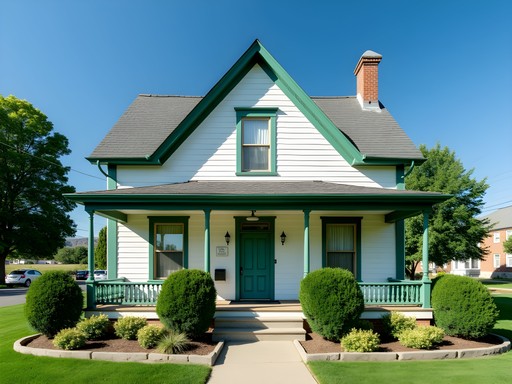
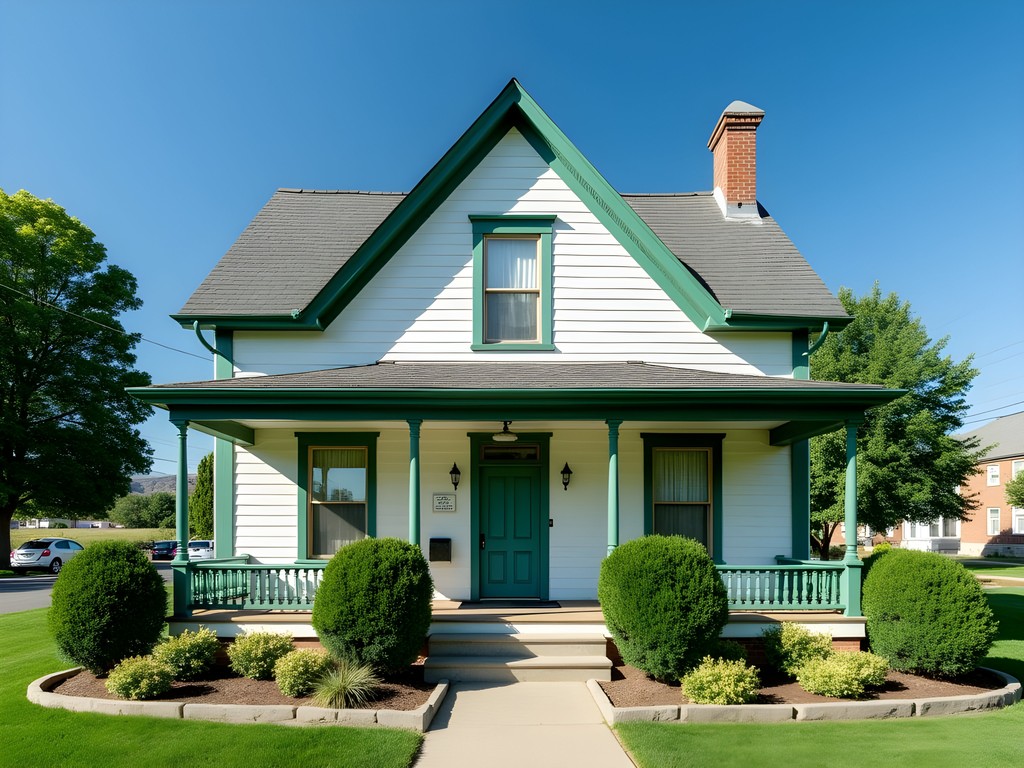
Taylorsville sits on what was once the western frontier, a fact most visitors (and even many locals) completely overlook. My exploration began at the Taylorsville-Bennion Heritage Center, housed in an 1906 Victorian home that stands as a testament to the area's pioneer roots. The volunteer docents here—mostly elderly residents with deep family connections to the valley—possess the kind of historical knowledge that never makes it into official guidebooks.
Wandering through the center's exhibits, I found myself transported to a time when Mormon settlers were establishing foothold communities across the Salt Lake Valley. What struck me most were the hand-drawn maps showing original wagon trails that have since transformed into modern roadways. Many of these routes still form the backbone of Taylorsville's street layout, though few drivers realize they're following paths carved by 19th-century handcarts.
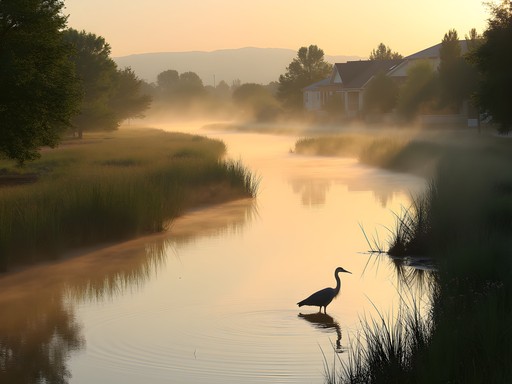
After getting my historical bearings, I set out on foot along the Jordan River Parkway Trail with my trekking poles, which proved invaluable for the occasionally muddy sections. This urban waterway once served as a lifeline for early settlements, and today the restored pathway offers a surprisingly serene corridor through suburban sprawl.
💡 Pro Tips
- Visit the Heritage Center on Saturday mornings when longtime residents gather and share stories
- Download the free Taylorsville Historical Society app for self-guided walking tour routes
- The Jordan River trail connects multiple historical points of interest—plan to spend at least 3 hours exploring it
Cultural Crossroads in Suburban Spaces
What truly surprised me about Taylorsville was its unexpected cultural diversity. While Utah often conjures images of homogeneity, this suburban community has become a melting pot of Pacific Islander, Latin American, and Eastern European influences—each leaving distinct imprints on the urban landscape.
My second day began at the Utah Korean Church, an architectural anomaly featuring traditional Korean design elements nestled between ranch-style homes. Though I couldn't attend a service, the groundskeeper—a gentleman who emigrated from Seoul in the 1980s—graciously showed me around the gardens, which incorporate symbolic elements from Korean Buddhist and Christian traditions.
For lunch, I stumbled upon what might be the Salt Lake Valley's most authentic Salvadoran food at a strip mall pupuseria that would be at home in San Salvador's bustling markets. While dining on perfect pupusas, I struck up a conversation with the owner who explained how Taylorsville has become a cultural anchor for Central American communities throughout the region.
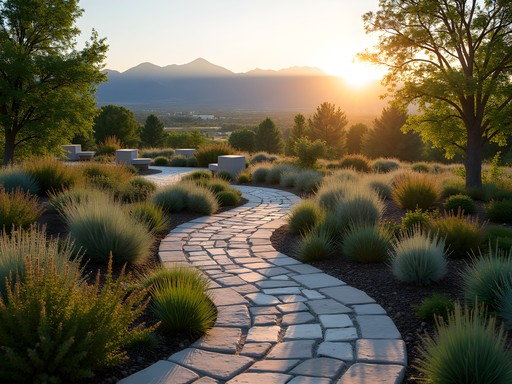
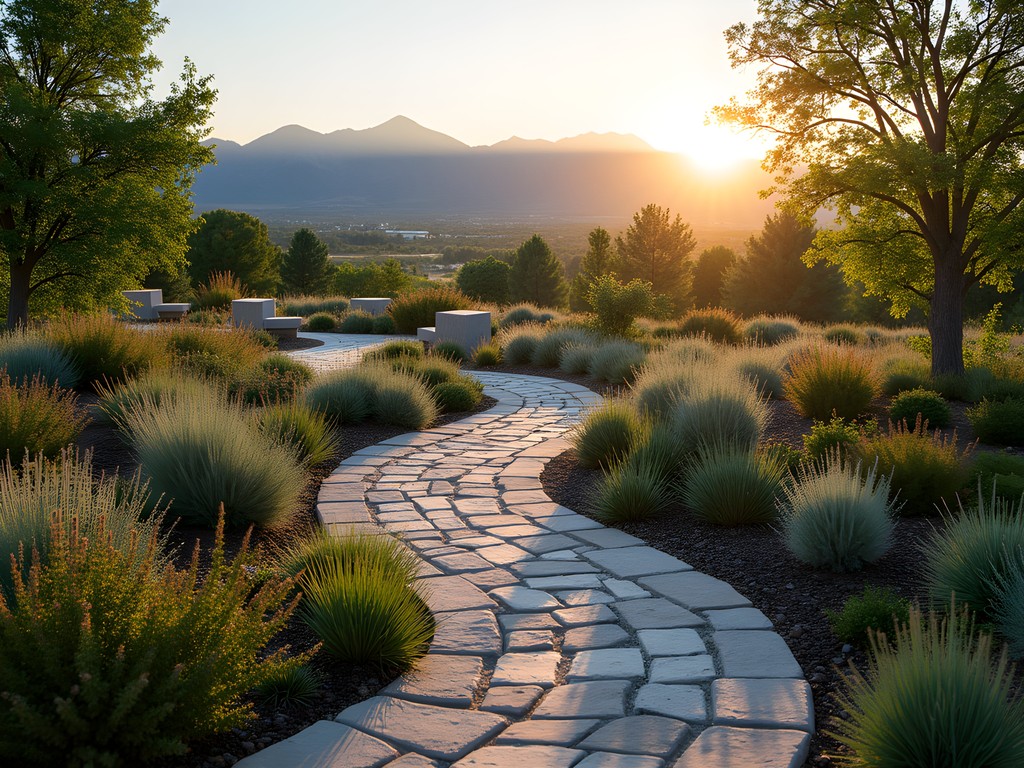
As the afternoon heat intensified, I was grateful for my cooling towel which kept me comfortable while exploring the outdoor Labyrinth Garden at the Taylorsville Senior Center—a hidden meditation space created by a retired landscape architect inspired by his travels through European monasteries.
💡 Pro Tips
- Most ethnic restaurants in Taylorsville are family-owned and close between lunch and dinner—plan your visits accordingly
- Ask permission before photographing religious buildings
- The Labyrinth Garden is open to the public but respect that seniors use it for meditation
Urban Waterways and Hidden Green Spaces
The Jordan River slices through Taylorsville like a liquid timeline, connecting disparate neighborhoods and ecological zones. While many Utah visitors focus exclusively on the state's grand national parks, I've found that urban waterways often reveal the most about a community's relationship with its environment.
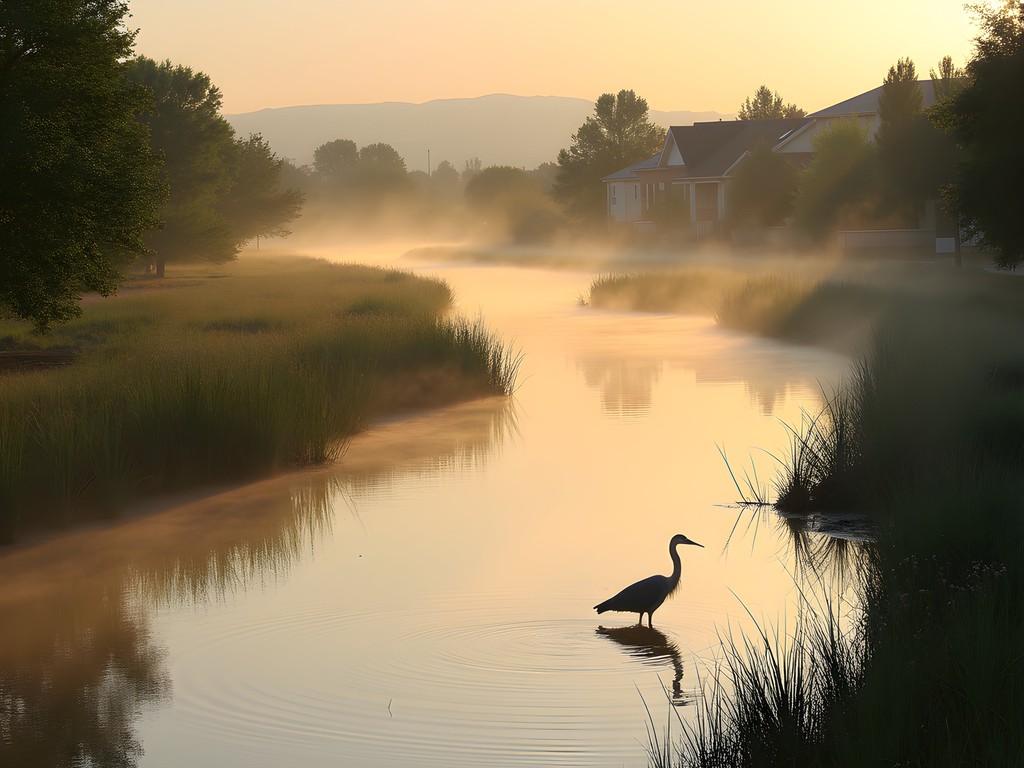
Armed with my waterproof daypack (a necessity given Utah's notorious afternoon thunderstorms), I spent my final morning exploring the network of urban trails that follow the river's course. The contrast between natural wetland habitats and suburban development creates a fascinating ecological tension here—great blue herons fish in the shallows while shopping center parking lots shimmer just beyond the riparian buffer.
Taylorsville's parks department has undertaken impressive restoration efforts along these waterways, creating pocket wetlands that serve as urban wildlife refuges. At Vista Park, I watched a family of mule deer grazing at the edge of a baseball field—a reminder that wild Utah persists even in these suburban spaces.
The highlight was discovering the community garden plots near Millrace Park, where I met elderly Vietnamese immigrants tending remarkable vegetable gardens using traditional farming techniques from their homeland. One gentleman proudly showed me his bitter melon trellises and explained how the riverside soil reminded him of the Mekong Delta where he grew up. These gardens represent Taylorsville at its best—a place where diverse traditions take root in new soil.
💡 Pro Tips
- Morning is best for wildlife spotting along the Jordan River—arrive before 9am
- The community gardens welcome visitors but ask permission before photographing people's plots
- Wear proper footwear as parts of the riverside trails remain unmaintained

Architectural Time Travel: Mid-Century Neighborhoods
Having documented Soviet-era architecture across Eastern Europe, I've developed a particular fascination with how mid-century development shapes community identity. Taylorsville offers a remarkable case study in post-war suburban expansion, with several neighborhoods showcasing perfectly preserved examples of 1950s and 60s residential architecture.
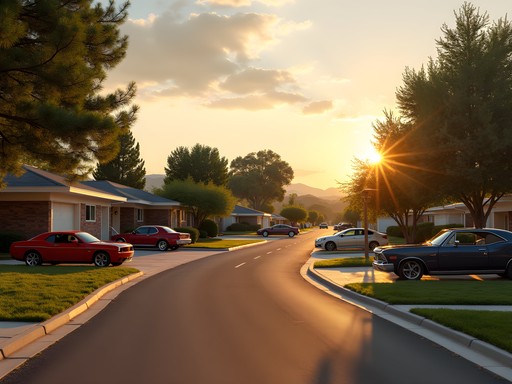
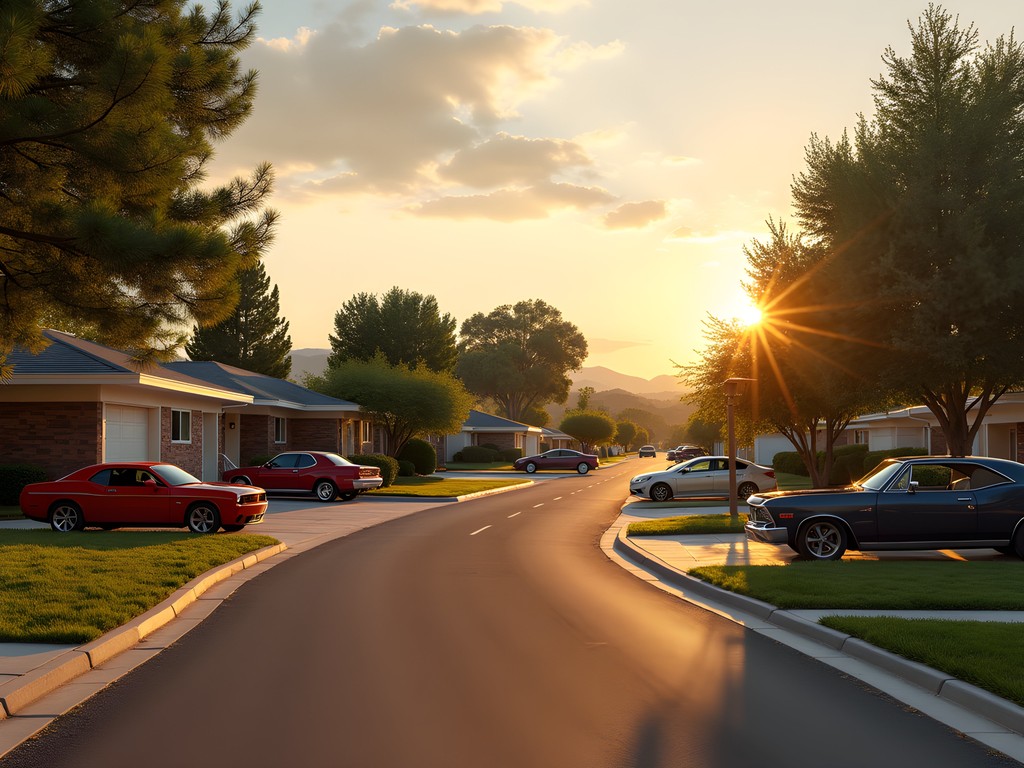
The Plymouth Heights subdivision presents an almost museum-like collection of classic ranch houses, many still sporting original decorative features like breeze blocks, geometric iron porch supports, and decorative stonework. Walking these quiet streets feels like stepping into an episode of Mad Men—especially in the evening when vintage-style porch lights create pools of nostalgic illumination.
I found myself frequently consulting my architectural field guide to identify specific design elements. The most fascinating discovery was a cluster of Alexander-inspired homes clearly influenced by Palm Springs modernism—a surprising find in Utah's climate.
What makes these neighborhoods worth exploring isn't just architectural preservation but the living history they contain. While photographing a particularly well-maintained Cinderella Ranch style home, I met the original owner—a woman who purchased it in 1962 and maintained meticulous records of the neighborhood's development. She shared coffee and stories about watching Taylorsville transform from farmland to suburb over six decades.
💡 Pro Tips
- The Plymouth Heights neighborhood is best explored on foot during evening golden hour when long shadows highlight architectural details
- Respect residents' privacy and avoid photographing people's homes without permission
- The local library maintains an archive of original neighborhood development plans worth viewing before your walk
Final Thoughts
As I packed my packing cubes and prepared to leave Taylorsville, I reflected on how these overlooked suburban landscapes often reveal more about American cultural evolution than the curated tourist destinations. The layered history here—from Mormon pioneer settlements to mid-century development to multicultural present—creates a fascinating palimpsest that rewards the curious explorer.
Taylorsville won't make anyone's list of must-see Utah destinations. You won't find it in glossy travel magazines or trending on Instagram. And that's precisely what makes it worth exploring. In our age of overtourism and manufactured experiences, there's something refreshingly authentic about wandering through a community that exists for its residents rather than visitors.
As someone who's meditated in Tibetan monasteries and documented forgotten Soviet monuments, I've learned that the most meaningful travel often happens in ordinary places where real lives unfold. Taylorsville reminded me that urban exploration isn't always about abandoned buildings or famous landmarks—sometimes it's about reading the subtle stories written into suburban streets, riverside trails, and community gardens. If you find yourself in the Salt Lake Valley with a weekend to spare, consider looking beyond the obvious attractions. Taylorsville's understated charms await those willing to slow down and look more closely.
✨ Key Takeaways
- Taylorsville offers accessible urban exploration for those interested in American suburban development
- The cultural diversity of this community creates unexpected culinary and architectural discoveries
- Urban waterways like the Jordan River provide both recreational opportunities and windows into environmental history
📋 Practical Information
Best Time to Visit
Late spring through early fall (May-September)
Budget Estimate
$100-200 for a weekend (excluding accommodation)
Recommended Duration
1-2 days
Difficulty Level
Easy



Comments
journeytime
Just moved to Salt Lake and looking for weekend activities. This is perfect!
Stephanie Romano
This resonates so much with how I try to travel with my kids. We did something similar last summer in New Jersey of all places—spent a week exploring suburban communities around Newark instead of doing the typical beach vacation. My teenagers initially groaned, but they ended up loving the food tours through different ethnic neighborhoods and photographing vintage architecture. It taught them that adventure doesn't always mean exotic destinations. The pioneer pathways you mentioned sound perfect for families. Are they stroller-friendly? We're planning a Southwest trip this fall and I love the idea of balancing the big national parks with some real community exploration.
starace
Really cool perspective!
happychamp
YES!! Finally someone writes about the places normal people actually live! I grew up in Murray (right next door) and everyone always acts like the suburbs have nothing interesting. The Jordan River Parkway is seriously underrated for biking and the food scene in these communities is amazing because of all the different cultures. You nailed it with this post!
starace
Any specific restaurant recs in that area?
happychamp
Oh man, so many! The Peruvian place on 5400 South is incredible, and there's a Filipino bakery that has the best pandesal.
photoblogger
Your photos really capture that everyday beauty thing. The one of the Jordan River trail at sunset is gorgeous. What time of year were you there?
Noah Lawson
Thanks! That was late October—perfect weather and the light was incredible.
Sarah Powell
This is a fascinating angle on Utah travel. I've been guilty of the same red rock tunnel vision. The mid-century architecture section really caught my attention—I've been documenting suburban modernism across the West, and it sounds like Taylorsville has some gems I've missed. Did you find any notable examples of ranch-style or atomic age commercial buildings? The cultural diversity aspect is also compelling. So many suburban communities have rich immigrant stories that get completely overlooked in favor of traditional tourist narratives.
Noah Lawson
Yes! There's a whole stretch along 4700 South with classic mid-century storefronts. Some still have original signage. Would love to see your suburban modernism project!
wanderlustvibes
Love posts about overlooked places! Adding to my list.
dreamlegend
Wait, is there really that much to do in Taylorsville? I always just drove through on my way to Park City lol. How many days would you recommend?
Noah Lawson
Honestly, a solid day or two is perfect! It's more about slowing down and appreciating the everyday urban landscape. Great base for exploring the whole valley too.
Sophia Gomez
This really resonates with me! I grew up not far from here and you've captured something I've always felt but couldn't articulate - that sense of layered history hiding in plain sight. My grandmother lived in one of those mid-century neighborhoods, and as a kid I thought it was so boring compared to 'real' Salt Lake City. Now I wish I'd paid more attention to those details you're describing. The cultural crossroads section is spot-on too. Taylorsville has become incredibly diverse over the past 20 years, and that's reflected in the food scene and community spaces. If you go back, check out the International Peace Gardens nearby - it's technically in Jordan Park but extends that same theme of overlooked multicultural spaces in the valley.
Jennifer Rodriguez
This is exactly the kind of suburban exploration I've been advocating for on my blog! I conducted a cost analysis of exploring these "overlooked" suburban centers versus traditional tourist destinations, and the value proposition is incredible. In Taylorsville, I found accommodation costs 40% lower than downtown SLC with just a 15-minute transit connection. The mid-century neighborhoods you mentioned have fascinating architectural integrity that rivals more famous examples. My day pack was perfect for these suburban adventures - enough room for water, camera gear, and snacks from those international markets. Noah, did you have any issues with public transportation schedules? I found weekend service to be somewhat limited.
escapeadventurer
Jennifer - I used the UTA bus app and it worked pretty well for planning around the limited weekend schedule. Definitely requires more planning than weekdays though!
Jennifer Rodriguez
Thanks for the tip! Will download that for my next visit.
Venture X
Premium card with 2X miles, $300 travel credit, Priority Pass