
Disclosure: This article contains affiliate links. We may earn a commission from purchases at no extra cost to you, which helps our travel content.
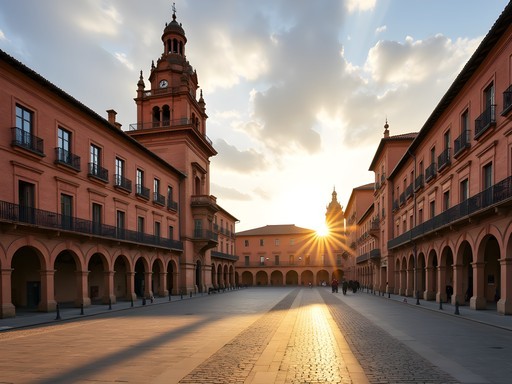
The terracotta-hued bricks of Toulouse glow with an almost otherworldly warmth in the spring light, their distinctive pink tone created by centuries of iron oxide weathering—a chemical process that transforms simple clay into the city's signature palette. While most visitors rush between the Capitole and Basilica Saint-Sernin, my husband and I discovered that Toulouse's true magic lies in its hidden Renaissance courtyards, forgotten astronomical observatories, and riverside paths where locals still gather at dusk. This walking tour reveals the intimate spaces where history, science, and everyday life converge in France's fourth-largest city.

Morning: Renaissance Courtyards of the Merchant Quarter
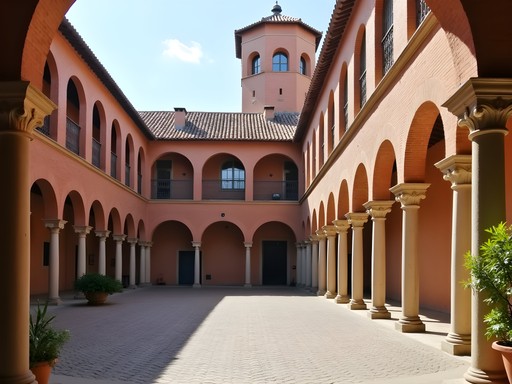
Begin your exploration in the Carmes district, where wealthy pastel merchants built elaborate hôtels particuliers during the 16th century. The pastel plant—Isatis tinctoria—produced the blue dye that made Toulouse extraordinarily wealthy, and these merchants' homes reflect that prosperity in ways most guidebooks overlook.
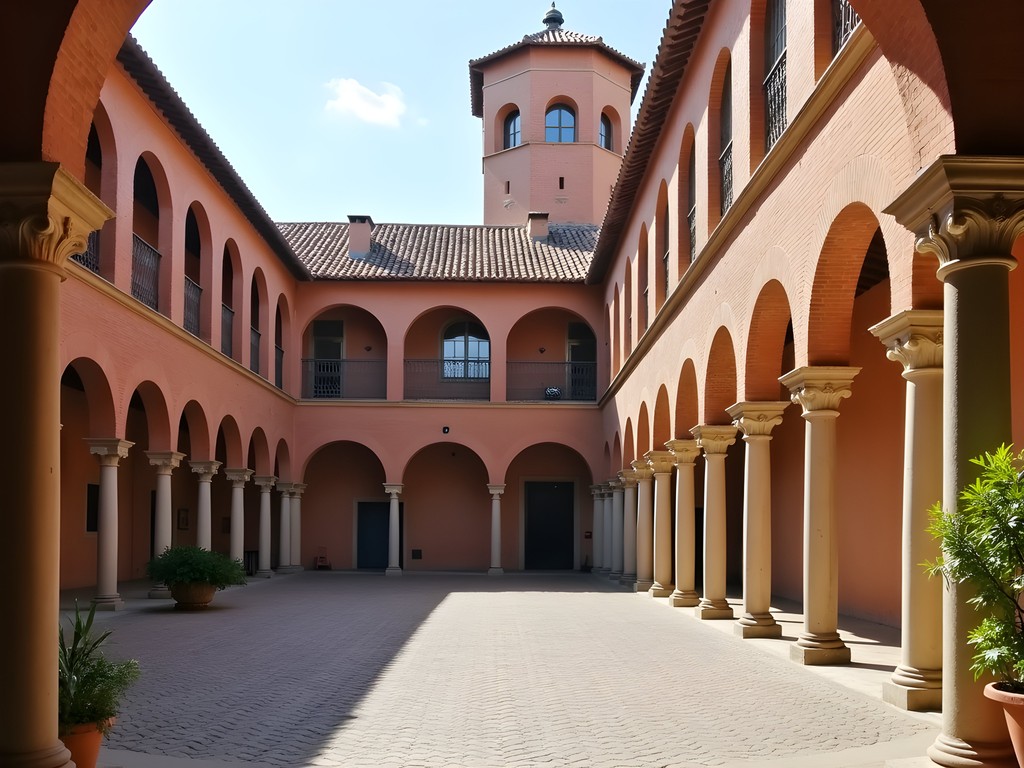
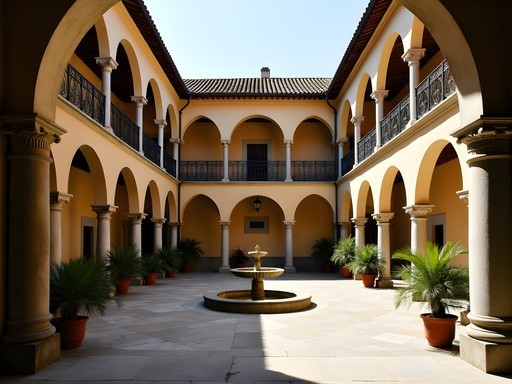
Slip through the wooden door at 15 rue Ninau to discover the Hôtel du Vieux-Raisin, a stunning example of how these merchant families lived. The octagonal staircase tower, typical of Toulousain Renaissance architecture, spirals upward with geometric precision that appeals to my pharmacist's love of mathematical patterns. The courtyard remains blissfully quiet even in high season.
Continue to the Hôtel de Bernuy on rue Gambetta, now part of a school but accessible during certain hours. Its two courtyards—one Gothic, one Renaissance—showcase the architectural transition period perfectly. I recommend bringing a portable phone charger as you'll want to photograph every carved capital and decorative medallion without worrying about battery life.
💡 Pro Tips
- Most private courtyards are accessible during business hours (9am-6pm) - simply push gently on historic wooden doors marked with brass plaques
- Download the Toulouse Patrimoine app before your visit for detailed architectural information in English
- Visit on weekday mornings when school groups haven't yet arrived at the major sites
Midday: The Astronomical Observatory and Jardin Royal
From the merchant quarter, walk toward the Jardin Royal, pausing at the Observatory of Toulouse on avenue Camille Flammarion. While the working observatory has relocated, this 19th-century building represents Toulouse's significant contributions to astronomical science—something that resonates deeply with my stargazing passion.
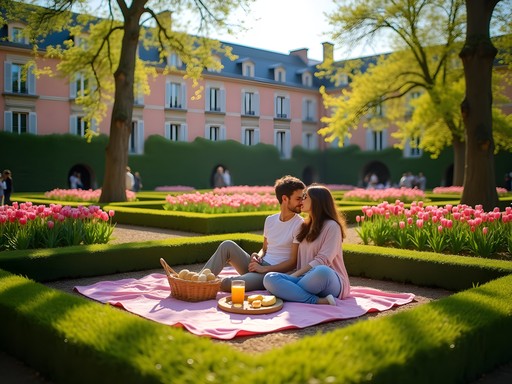
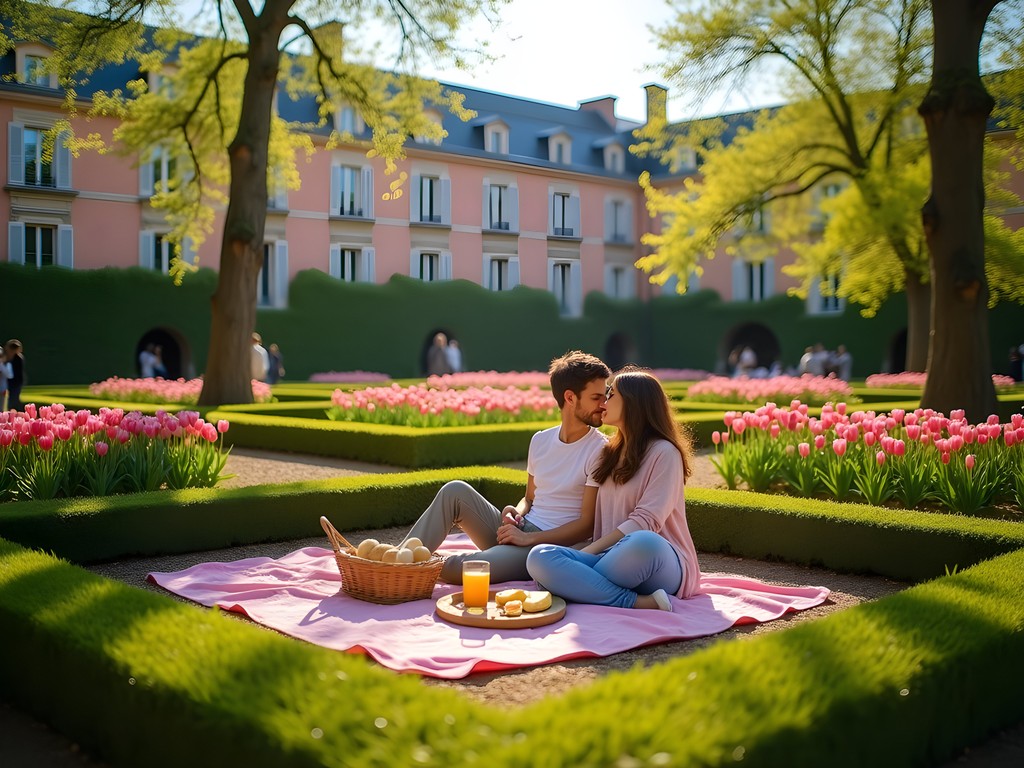
The adjacent Jardin Royal offers a perfect picnic spot. This formal French garden, designed in the 1750s, features a remarkable botanical collection including a 200-year-old Sophora japonica that reminds me of Tokyo's temple gardens. The geometric parterres demonstrate the Enlightenment-era obsession with ordering nature through mathematical principles.
For your picnic, stop at Marché Victor Hugo beforehand. The covered market's upper floor houses excellent lunch counters, but I prefer assembling provisions from the ground-floor vendors: sheep's milk cheese from the Pyrenees, duck rillettes, fresh radishes, and pain de campagne. Pack everything in reusable containers—I never travel without my collapsible food containers which keep cheese fresh and eliminate plastic waste.
💡 Pro Tips
- The Jardin Royal's northwest corner offers the best shade during midday—essential for spring afternoons that can reach 22°C
- Marché Victor Hugo closes at 2pm; arrive before noon for the best selection
- Bring a lightweight blanket or scarf for sitting on grass—the gardens don't provide benches in all areas
Afternoon: The Garonne's Hidden Riverbanks
The Garonne River defines Toulouse's character, yet most tourists only glimpse it from Pont Neuf. Walk downstream along the Prairie des Filtres, a riverside park where locals practice capoeira, juggle, and gather for sunset apéros. The view back toward the Hôpital de La Grave's distinctive dome—once a plague hospital, now a museum—provides context for understanding how medieval cities managed public health crises.
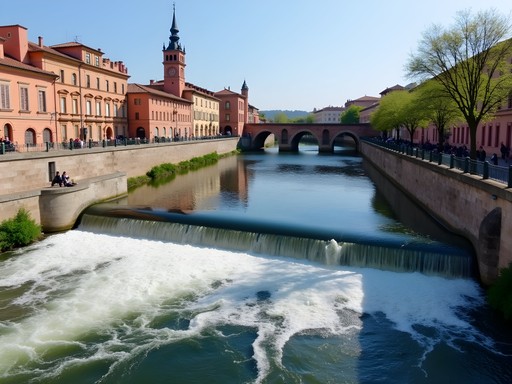
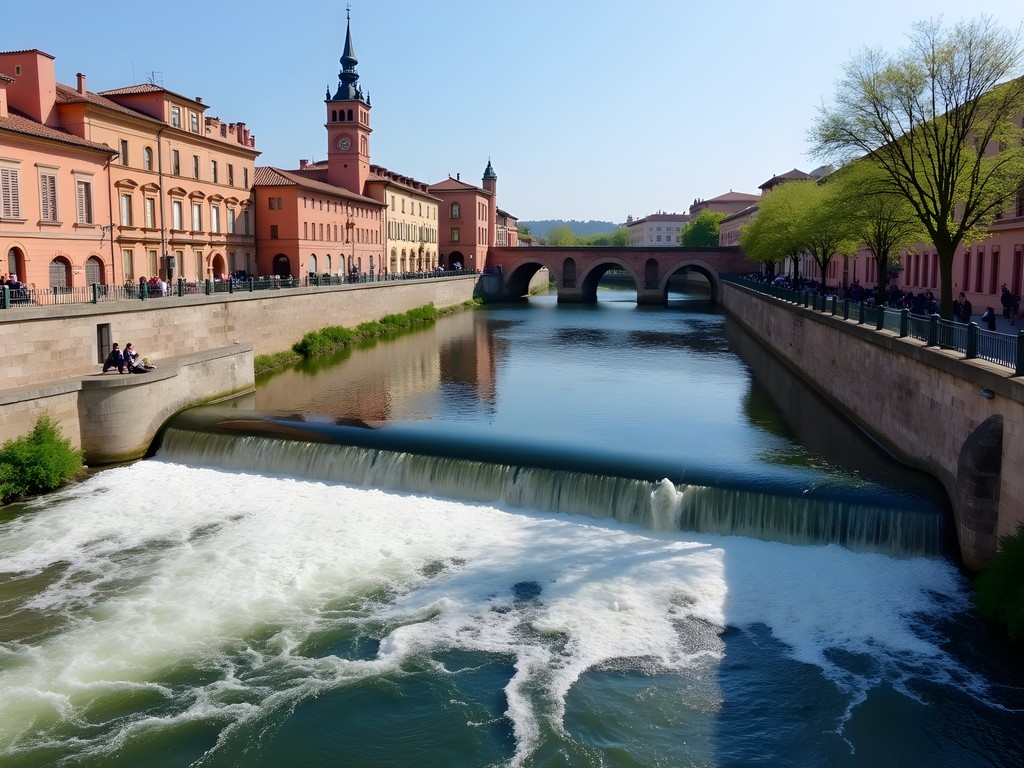
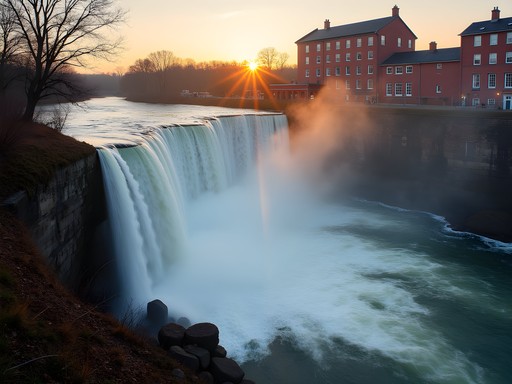
Cross to the left bank via Pont Saint-Pierre and follow the Chemin de Halage, the old towpath where horses once pulled barges upstream. This route passes beneath the Pont des Catalans and continues to the Bazacle, a ford that's been used since Roman times. The hydroelectric station here, built in 1888, represents one of Europe's oldest power generation sites—a fascinating intersection of ancient geography and industrial innovation.
The Espace EDF Bazacle museum explains the site's layered history through interactive exhibits. As someone who appreciates how scientific understanding evolves, I found the displays on hydraulic engineering particularly compelling. The viewing windows overlooking the weir show how the Garonne's flow patterns change seasonally, creating the churning white water that gives the site its name.
💡 Pro Tips
- The towpath can be muddy after spring rains—wear closed-toe shoes with good grip rather than sandals
- Bring a insulated water bottle as there are limited fountains along this route and staying hydrated is essential for afternoon walking
- The Bazacle museum is free and has excellent restroom facilities—a practical consideration for longer walks

Evening: Saint-Cyprien and the Sunset Ritual
As afternoon fades, cross back to the Saint-Cyprien neighborhood—historically the working-class quarter, now a vibrant mix of artists' studios and family-run restaurants. The Place Saint-Cyprien hosts a small market on Thursday and Sunday mornings, but in the evening, it transforms into a gathering spot where neighbors chat on benches beneath plane trees.
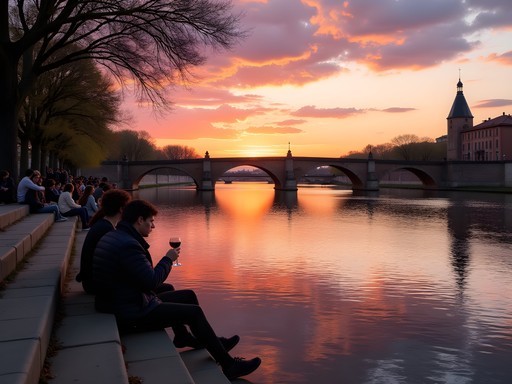
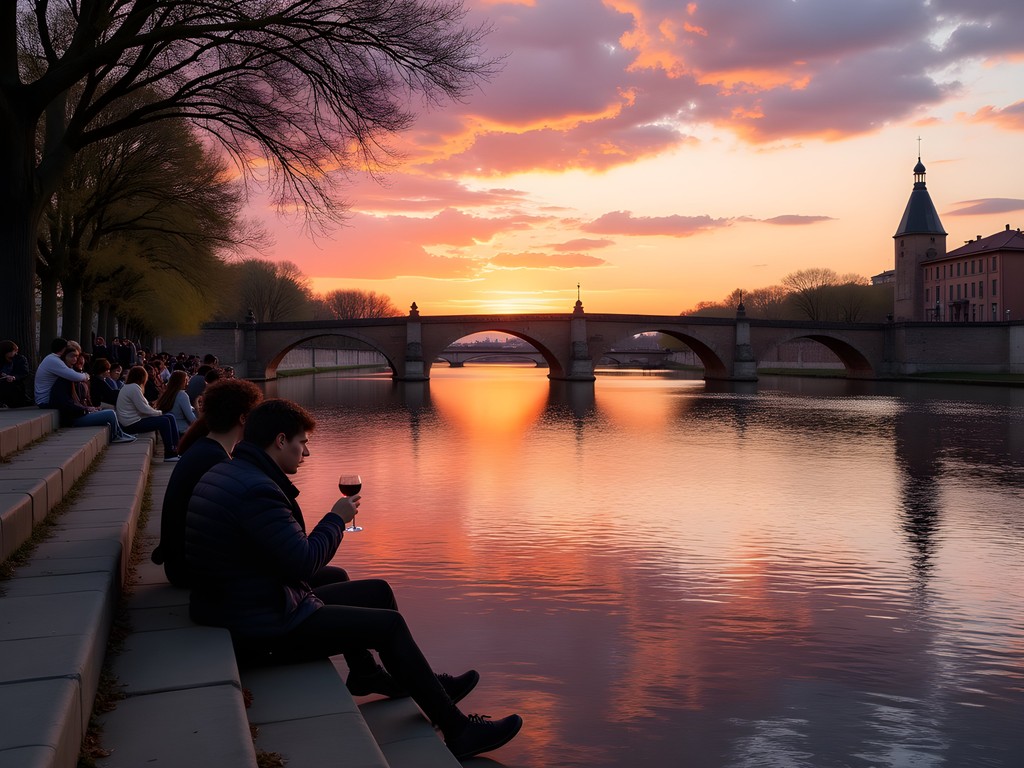
Walk toward the river and claim a spot on the Quai de Tounis steps before 7pm. This is where locals perform the Toulousain sunset ritual: sitting on the stone steps with wine, cheese, and conversation as the western sky ignites behind the Pont Neuf. The phenomenon of why sunsets appear more vivid in spring relates to atmospheric particle size and angle of solar radiation—but the scientific explanation doesn't diminish the beauty of watching the pink city turn gold, then rose, then violet.
For dinner, I recommend Chez Navarre on rue du Pont de Tounis, a tiny restaurant serving regional specialties like cassoulet and confit de canard. Make reservations—it seats only twenty people, and locals guard this secret fiercely. The cassoulet here follows the Castelnaudary style, with a perfect ratio of beans to meat that's been refined over generations.
💡 Pro Tips
- Bring a light jacket or packable down vest as riverside temperatures drop quickly after sunset, even in spring
- Wine shops near Place Saint-Cyprien sell excellent local bottles for €8-12—perfect for the sunset ritual
- If Chez Navarre is fully booked, try Le Bistrot des Carmes as a backup, though it's slightly more touristy
Bonus Discovery: The Apothecary Museum
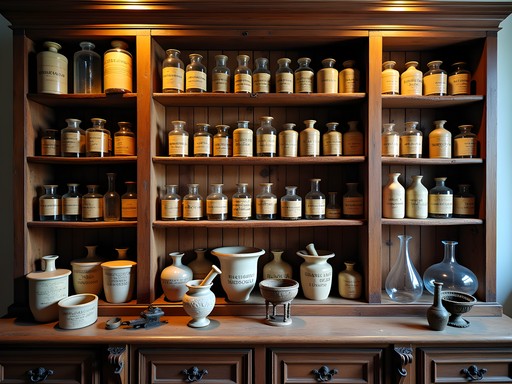
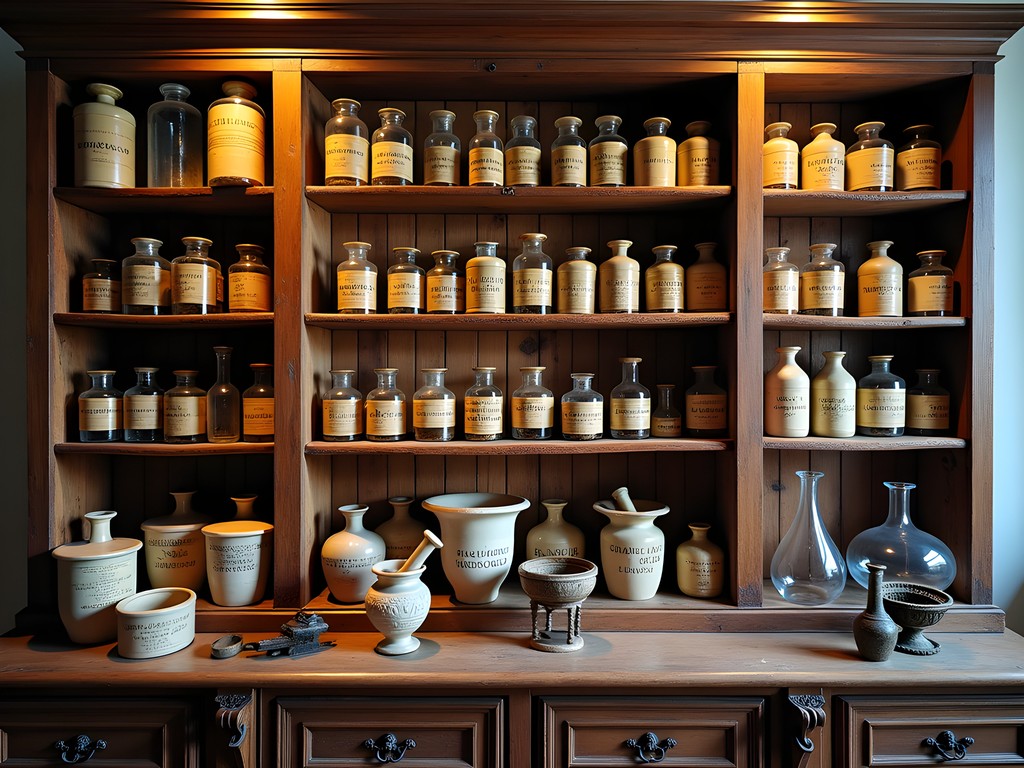
If you have extra time, don't miss the Musée des Instruments de Médecine at the Hôtel-Dieu Saint-Jacques. As a pharmacist, I was captivated by their collection of 18th and 19th-century pharmaceutical equipment: mortars and pestles carved from marble, glass alembics for distillation, ceramic drug jars with Latin inscriptions.
The museum occupies rooms that once served as the hospital pharmacy, and the original wooden cabinets still line the walls. Reading the ingredient lists for historical remedies—many containing compounds we now know are toxic—provides sobering perspective on how far pharmaceutical science has advanced. The museum also explains Toulouse's role in developing theriac, the ancient cure-all that remained in pharmacopeias until the early 20th century despite containing dozens of ingredients including viper flesh.
This hidden gem receives few visitors, creating an almost meditative atmosphere where you can examine each artifact closely. The curator, when present, offers fascinating insights into historical medical practices and their connection to Toulouse's position on pilgrimage routes.
💡 Pro Tips
- The museum keeps irregular hours—check their website or call ahead to confirm opening times
- Photography is permitted without flash, making it perfect for documenting historical pharmaceutical equipment
- Combine this visit with the nearby Musée Paul-Dupuy for a discount on admission to both
Final Thoughts
Toulouse rewards the curious walker who ventures beyond the main squares into neighborhoods where daily life unfolds at a gentler pace. These hidden courtyards, riverside paths, and specialist museums reveal layers of history that connect medieval commerce, Renaissance humanism, and scientific innovation—all unified by those distinctive pink bricks that seem to hold the warmth of every sunset they've witnessed.
For couples seeking a romantic weekend that balances cultural depth with intimate discoveries, Toulouse offers something rare: a major European city that hasn't yet been overwhelmed by tourism. You'll share cobblestone lanes with residents heading to the boulangerie, picnic beside locals in the gardens, and watch sunsets from steps worn smooth by generations of Toulousains performing the same evening ritual.
The city's scale makes it perfect for a walking-focused weekend—you can cover these hidden gems without rushing, leaving time for long lunches and spontaneous detours down intriguing alleyways. Pack comfortable shoes, bring your curiosity, and prepare to fall for a city that reveals itself slowly, like a complex wine that improves with each sip.
✨ Key Takeaways
- Toulouse's hidden Renaissance courtyards are accessible during business hours and offer intimate glimpses of merchant wealth from the pastel trade era
- The riverside walking paths and Bazacle site reveal layers of history from Roman times through the Industrial Revolution
- Timing your visit to include the sunset ritual on Quai de Tounis provides an authentic local experience that costs nothing but offers priceless memories
📋 Practical Information
Best Time to Visit
Spring (April-May) for mild temperatures, blooming gardens, and longer daylight hours without summer crowds
Budget Estimate
€150-250 per couple per day including mid-range accommodation, meals, and occasional museum entries
Recommended Duration
2-3 days for this walking tour plus additional major sites
Difficulty Level
Easy


Comments
greenvibes
Beautiful photos! That golden hour light on the pink buildings is perfection 📸
Jennifer Rodriguez
Great guide! For budget travelers, I'd add that the metro/bus day pass is only €6.50 and gets you everywhere. The walk from Capitole to Saint-Cyprien is doable but it's nice to have transit options. Also, many of the courtyards mentioned are free to enter during business hours. I picked up this walking guide before my trip and it had a solid Toulouse section that complemented the main attractions well.
winterwalker
Good to know about the day pass, thanks!
sunnyone
We spent 4 days in Toulouse last spring and loved every minute. The walking tour idea is spot on - you really do need to just wander to find the best spots. We found this tiny bookshop near Place Saint-Pierre that had the most beautiful old travel books. The locals were so friendly too, way more relaxed vibe than Paris. Make sure you try the violets - they're a Toulouse specialty and taste better than you'd think!
redlegend8980
Going there in March! Any restaurant recommendations near the Jardin Royal?? 🍽️
greenvibes
There's a great little bistro called Le Colombier just a few streets away. Super authentic and not touristy at all. The cassoulet is incredible!
redlegend8980
Perfect, thanks!!
Timothy Jenkins
Excellent post, Fatima. I visited Toulouse last autumn and completely agree about the Saint-Cyprien quarter at sunset—it's genuinely magical. The Garonne riverbanks are particularly underrated. I'd also recommend the Hôtel d'Assézat courtyard if you're exploring the Renaissance merchant quarter. The architecture there is stunning and it's rarely crowded. Did you manage to visit any of the smaller museums in that area?
sunnyone
The Hôtel d'Assézat is gorgeous! We stumbled on it by accident last year.
winterwalker
This looks amazing!! Adding to my bucket list right now 😍
Venture X
Premium card with 2X miles, $300 travel credit, Priority Pass