
Disclosure: This article contains affiliate links. We may earn a commission from purchases at no extra cost to you, which helps our travel content.
Standing at the intersection of urban development and wild desert terrain, Tucson presents one of America's most fascinating ecological interfaces. As someone who's spent years studying how cities and nature coexist, I found this Arizona gem to be a living laboratory of successful integration. The Sonoran Desert doesn't simply surround Tucson—it permeates it, creating pockets of natural wonder within the urban grid that tell stories of both ecological resilience and cultural heritage.

The Urban Forest of Tucson: More Than Just Saguaros
When most people imagine Tucson's landscape, they envision the iconic saguaro cacti standing like sentinels across the desert. While these majestic plants certainly define the region's visual identity, Tucson's urban forest is remarkably diverse and tells a complex ecological story.
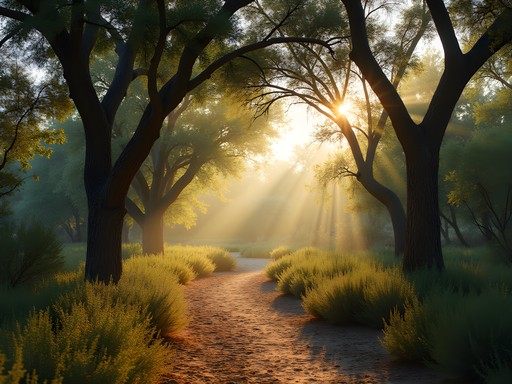
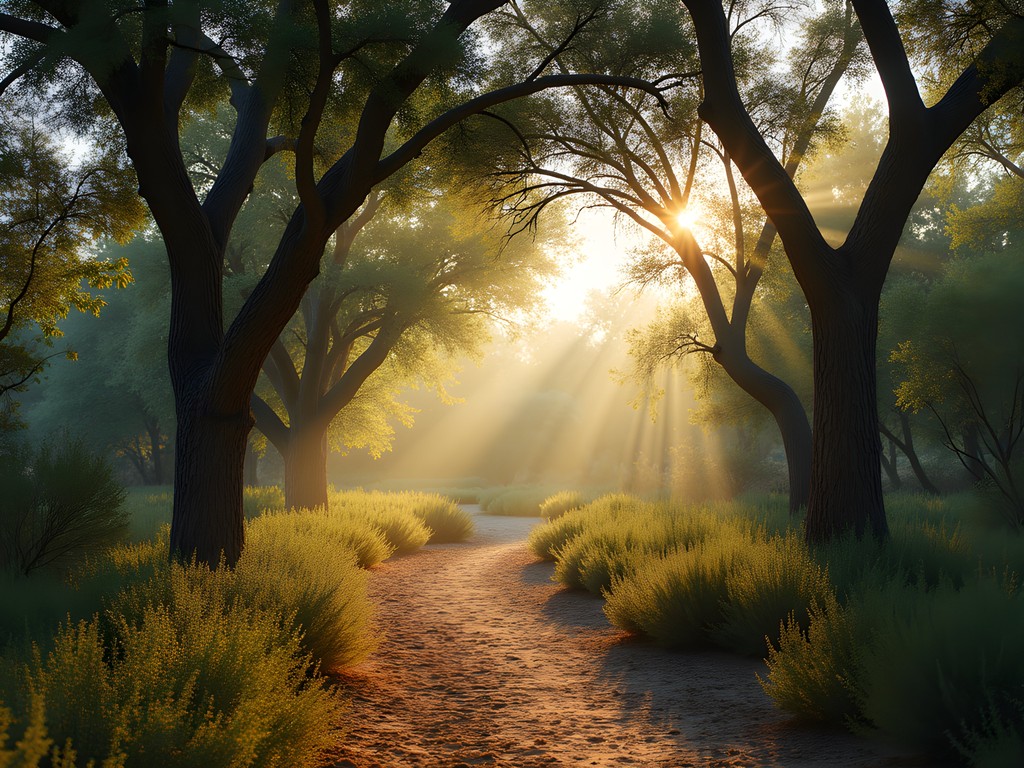
During my weekend exploration, I spent a morning at Tucson Botanical Gardens, where the careful curation of native species demonstrates how desert-adapted plants can thrive with minimal water input. What impressed me most was the mesquite bosque section—a recreation of the once-common woodland ecosystem that lined desert washes before widespread groundwater pumping. The deep-rooted mesquite trees tap into underground water sources that would otherwise remain inaccessible to other vegetation, creating microhabitats for dozens of species.
For those interested in desert ecology, I recommend bringing a desert plant guide to help identify the surprising diversity. The botanical gardens also showcase how residents can incorporate native plants into home landscapes—a practice that reduces water consumption while supporting local wildlife.
💡 Pro Tips
- Visit Tucson Botanical Gardens in the early morning when temperatures are cooler and the light is perfect for photography
- Look for hummingbirds around the flowering desert plants—Tucson has more species than almost anywhere in the US
- The on-site café uses ingredients grown in their edible garden—try the prickly pear lemonade for a local flavor
El Presidio: Where Tucson's Urban Story Began
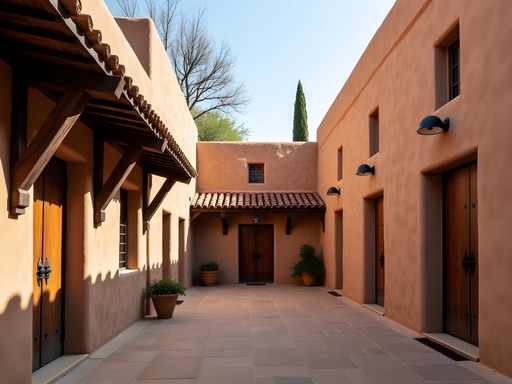
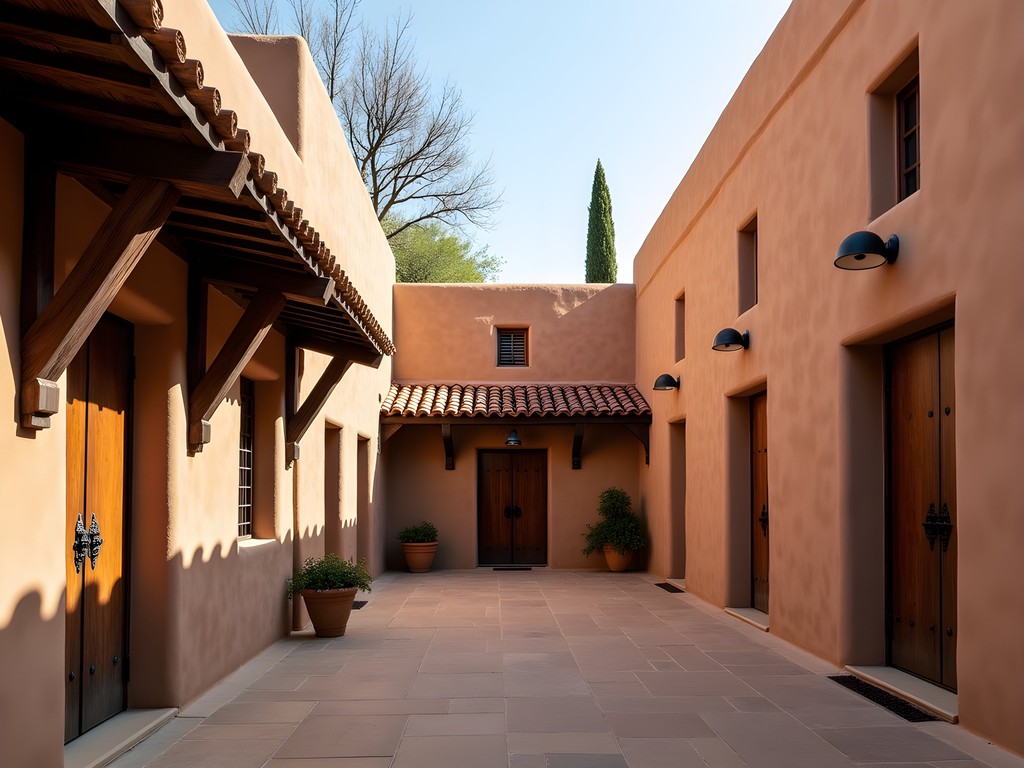
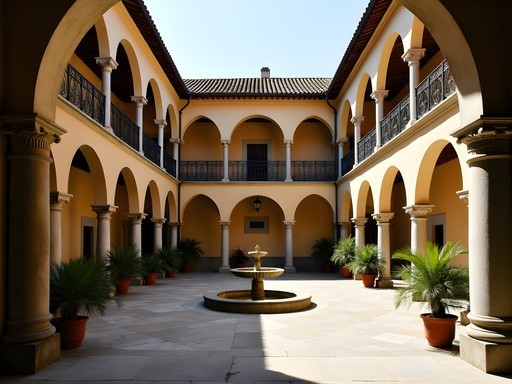
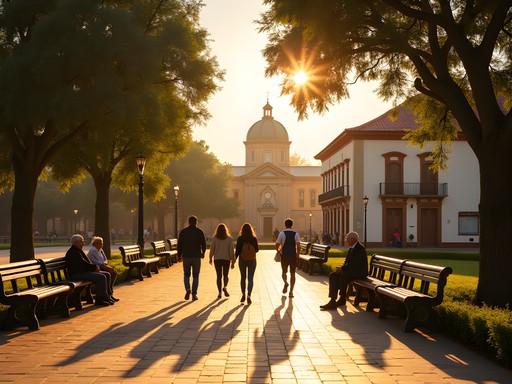
My fascination with urban development patterns led me to El Presidio Historic District, the birthplace of Tucson's city grid. Unlike many American cities that expanded outward from a central business district, Tucson grew from a Spanish military fort established in 1775, with adobe structures that responded directly to the harsh desert climate.
Walking the narrow streets of El Presidio reveals how early urban planning in the Southwest was inherently sustainable—thick-walled adobe buildings stay cool through thermal mass, narrow streets create shade, and courtyard designs capture evening breezes. The Tucson Museum of Art and Historic Block offers an excellent walking tour that explains these features.
What struck me most was how these centuries-old building techniques are being rediscovered by contemporary architects seeking climate-appropriate design. Modern buildings incorporating these principles can reduce energy consumption dramatically in desert environments.
I spent hours sketching street layouts and building features in my weatherproof notebook, which handles both the occasional afternoon shower and intense desert sun without deteriorating—essential for field notes in variable conditions.
💡 Pro Tips
- Take the guided walking tour at the Tucson Museum of Art to understand the architectural adaptations to desert living
- Visit early in the day when the adobe walls are still cool from the night air
- Look for the clever water harvesting features in both historic and contemporary buildings
The Rillito River Park: Urban Waterways in the Desert
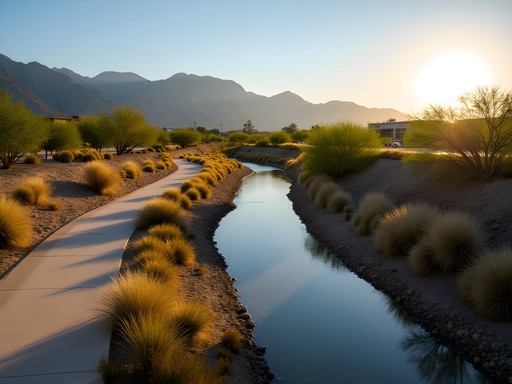
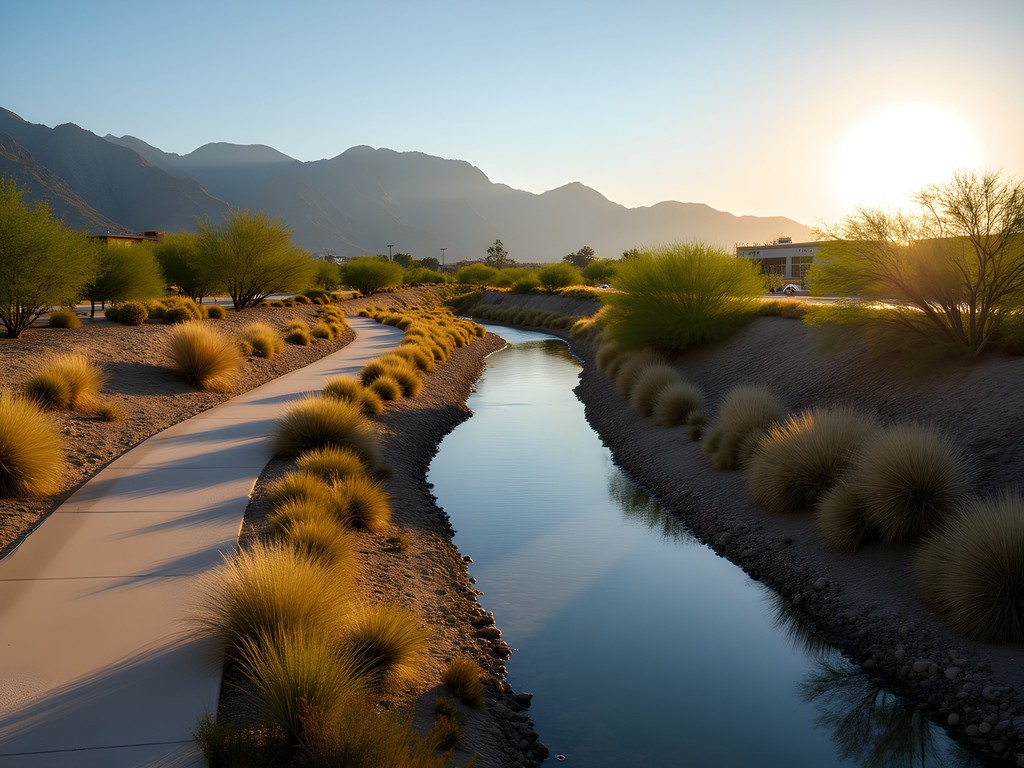
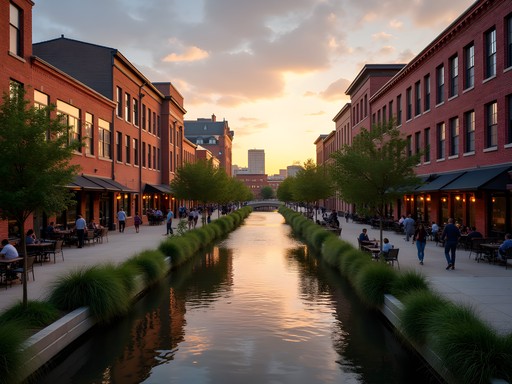
One of Tucson's most successful urban-nature interfaces is its network of river parks—particularly the Rillito River Park that cuts through the city's northern neighborhoods. What appears at first glance to be a dry riverbed is actually a sophisticated flood control system that doubles as recreational space and wildlife corridor.
During my visit, I rented a bike from Tucson Bike Rentals and spent a morning cycling the 12-mile Rillito River Path. What makes this urban trail system remarkable is how it preserves the natural hydrology of the desert while accommodating human needs. The river may appear dry most of the year, but during monsoon season, these channels fill rapidly with stormwater—a phenomenon known locally as a flash flood.
The riparian vegetation along these urban waterways creates critical habitat corridors for wildlife moving through the urban environment. I spotted several species of birds using these green ribbons to navigate the city, including a Cooper's hawk that's adapted remarkably well to urban living.
For comfortable cycling in the desert heat, I recommend bringing a insulated water bottle that keeps water cold for hours, even in triple-digit temperatures. Mine was still ice-cold after three hours on the trail.
💡 Pro Tips
- Cycle the Rillito River Path in early morning before the heat intensifies
- Look for interpretive signs explaining the flood control system and native plants
- Connect to The Loop trail system for a 131-mile car-free exploration of greater Tucson

Mission Garden: Agricultural Heritage Preserved
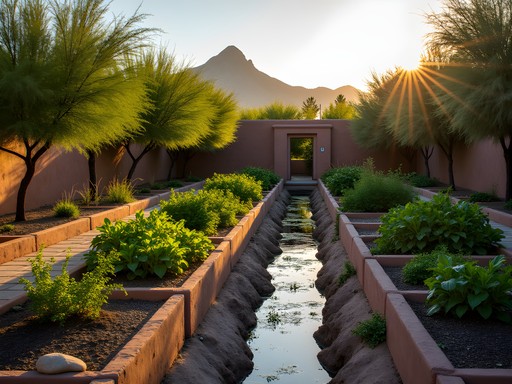
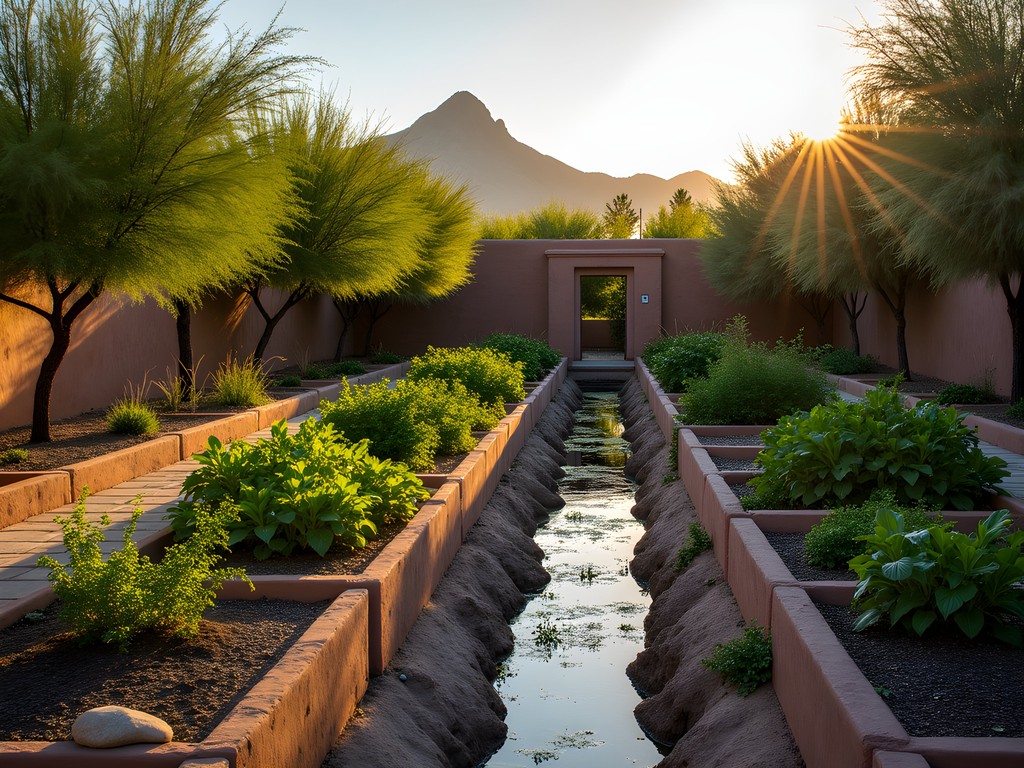
Perhaps my most unexpected discovery in Tucson was the Mission Garden, a living agricultural museum at the foot of Sentinel Peak (also known as "A" Mountain). This four-acre recreation of the historic Spanish Colonial walled garden represents over 4,000 years of continuous cultivation in the Tucson Basin—one of the longest known agricultural histories in North America.
As someone who studies the intersection of human activity and natural systems, I found this site profoundly moving. The garden preserves heirloom crops that indigenous Sonoran Desert peoples, Spanish missionaries, and Mexican and American settlers grew in this harsh environment. What's remarkable is how these traditional farming techniques—like ak-chin farming that captures rainwater runoff—represent sophisticated adaptations to desert conditions that modern agriculture could learn from.
During my visit, volunteers were harvesting heritage wheat varieties that have been grown in the Sonoran Desert since Spanish colonial times. These drought-resistant strains require significantly less water than modern wheat while offering exceptional flavor—a perfect example of how traditional agricultural knowledge can inform contemporary sustainability practices.
To protect yourself from the intense desert sun while exploring outdoor sites like this, a wide-brim sun hat is essential. The ventilated design and neck protection saved me from certain sunburn during my afternoon explorations.
💡 Pro Tips
- Check the Mission Garden website for heritage harvesting events where you can participate in traditional agricultural practices
- Visit during the heritage fruit tree blooming season (February-March) for spectacular displays
- Look for water harvesting techniques throughout the garden that can be applied to home landscaping
Barrio Viejo: Cultural Resilience in Architectural Form
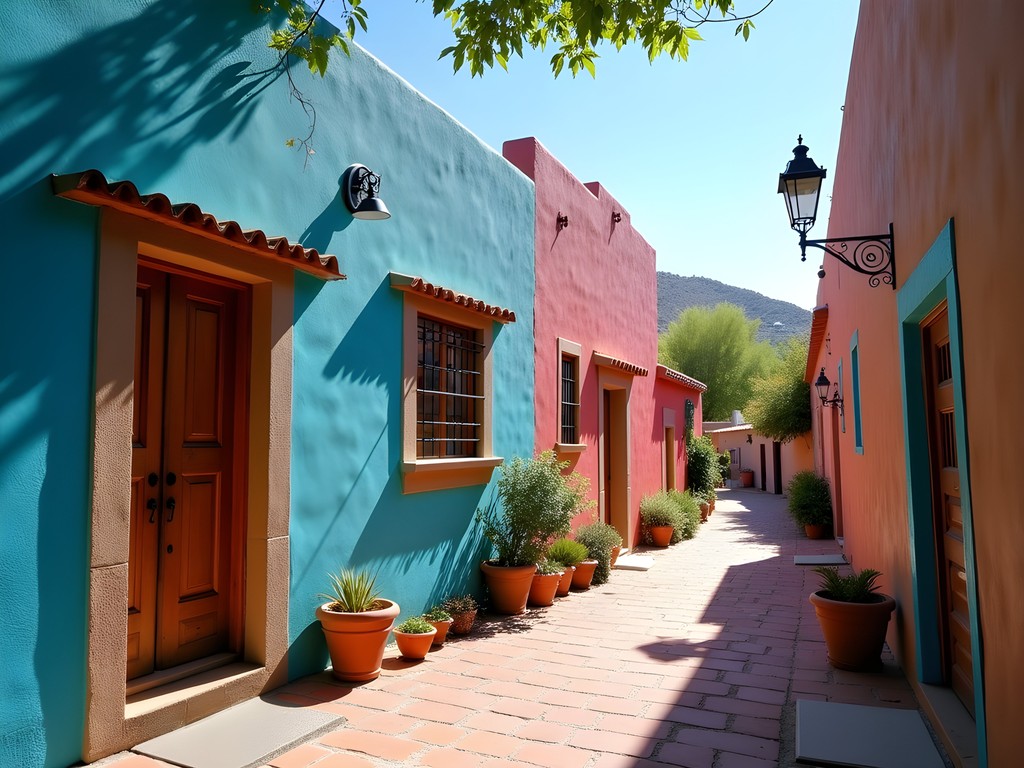
No exploration of Tucson's urban fabric would be complete without wandering through Barrio Viejo, one of the oldest neighborhoods in the city and a testament to cultural resilience. This historically Mexican-American district survived the urban renewal projects that demolished many similar neighborhoods across the Southwest in the mid-20th century.
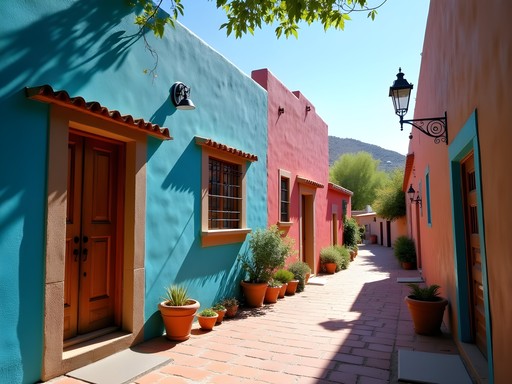
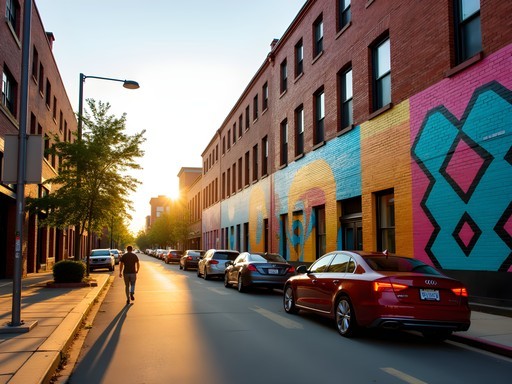
What makes Barrio Viejo extraordinary from an urban ecology perspective is how the built environment creates its own microclimate. The densely packed adobe homes with their colorful exteriors, minimal setbacks from the street, and interior courtyards demonstrate climate-adaptive design principles that predate air conditioning by centuries. Walking these streets on a hot afternoon, I could feel temperature differences of 5-10 degrees between sun-exposed areas and the shaded narrow streets.
The neighborhood tells a story of cultural persistence through architecture. Many homes feature zaguan entryways—covered passages leading from the street to interior courtyards—that create natural ventilation while providing social gathering spaces protected from the harsh desert elements.
For capturing the vibrant colors and architectural details in challenging lighting conditions, my polarizing filter proved invaluable, cutting glare and enhancing the rich earth tones and vibrant painted surfaces that define this historic district.
💡 Pro Tips
- Respect that Barrio Viejo is a residential neighborhood where people live—photograph public facades only
- Visit El Tiradito Wishing Shrine, a unique cultural site where people leave written wishes
- Look for the subtle differences in architectural styles that reveal the neighborhood's layered history
Final Thoughts
Tucson stands as a remarkable case study in how cities can evolve in harmony with their natural surroundings rather than in opposition to them. From the heritage agricultural practices at Mission Garden to the thermal-regulating adobe architecture of Barrio Viejo, traditional knowledge about living sustainably in the desert permeates the city's design. What strikes me most about Tucson is how these historical approaches to desert living are increasingly recognized not as quaint relics but as sophisticated solutions that modern urban planning would do well to incorporate.
As climate change intensifies and water resources grow more precious across the American Southwest, Tucson's long history of adaptation offers valuable lessons. The city demonstrates that urban development and ecological sensitivity aren't mutually exclusive—they're necessarily intertwined, especially in fragile desert environments.
I encourage you to explore Tucson with an eye toward these intersections of culture, ecology, and urban design. The hidden gems I've shared represent just a fraction of what makes this desert city so compelling for those interested in sustainable urban exploration. Whether you're analyzing river park systems or admiring heritage fruit trees, Tucson rewards the curious traveler who looks beyond the saguaro-studded horizons to discover the remarkable story of human adaptation written into the city's very structure.
✨ Key Takeaways
- Tucson's urban planning increasingly incorporates traditional desert-adapted techniques that predate modern sustainability concepts
- The city's network of river parks creates wildlife corridors through urban areas while managing flash floods
- Historic districts like El Presidio and Barrio Viejo demonstrate climate-responsive architecture that remains relevant today
- Mission Garden preserves agricultural heritage that offers solutions for water-conscious farming in arid regions
📋 Practical Information
Best Time to Visit
October-November or March-April for mild temperatures
Budget Estimate
$150-200 per day including accommodations, meals, and activities
Recommended Duration
2-3 days for urban exploration highlights
Difficulty Level
Easy To Moderate (Some Walking In Heat Required)


Comments
dreamadventurer9487
Just got back from Tucson and used this guide! The Mission Garden was incredible - I had no idea about Tucson's agricultural history. We went during their heritage fruit tree bloom and it was spectacular. One tip: the sun is brutal even in winter, so I was glad I brought my sun hat for those exposed walking areas. The Rillito River Park was perfect for morning walks before it got too hot.
blueblogger
Is El Presidio walkable from downtown hotels?
Jennifer Rodriguez
Absolutely! El Presidio is essentially part of downtown. Most downtown hotels are within a 5-10 minute walk. The Presidio San Agustín del Tucson Museum is right there too and worth checking out.
blueblogger
Perfect, thanks! Just booked my stay.
freezone4847
OMG the Rillito River Park is amazing!!! Did the bike trail last year and LOVED IT!!
Sarah Powell
Henry, this is exactly the kind of nuanced urban exploration piece I appreciate. I visited Tucson last spring and completely missed the connection between the city's development and its desert ecosystem. The Mission Garden particularly interests me - the agricultural heritage preservation efforts mirror similar projects I've documented in the Southwest. Did you find the interpretive signage adequate for understanding the historical context, or would you recommend additional reading before visiting?
wanderbuddy
Not the author, but I found the Mission Garden signage really informative! They also have volunteer docents on weekends who know TONS about the history.
Sarah Powell
Thanks for that tip, wanderbuddy! I'll make sure to visit on a weekend next time.
cityperson
Wow, never thought of Tucson as having an urban forest! Need to check this out.
Amit Sullivan
Henry, your perspective on Tucson's urban-desert interface reminds me of what we're seeing in many southwestern cities, but Tucson seems to embrace it more authentically. When I visited last year, I was struck by how the locals have adapted to desert living while maintaining cultural connections. The Mission Garden was a highlight - I spent three hours talking with one of the Indigenous gardeners about traditional Three Sisters planting techniques. If you're visiting in summer, I recommend bringing a wide-brim hat and timing your urban explorations for early morning. The Urban Forest section of your guide is spot-on - those mesquite and palo verde corridors create microhabitats that attract surprising wildlife right into the city center. Well-documented piece!
Henry Bryant
Thanks Amit! You're right about Tucson's unique approach to desert urbanism. The Indigenous knowledge preserved at Mission Garden is incredible - glad you got to experience that depth of connection.
greenwalker
Just got back from Tucson and followed your guide to explore the Rillito River Park. What a surprise! We rented bikes from Tucson Bike Rentals downtown and spent a whole morning riding along the path. The way the urban trail connects neighborhoods while preserving the desert wash ecosystem is really impressive. We even spotted a roadrunner! The farmers market at Rillito Park on Sunday was the perfect end point. Thanks for highlighting these urban nature connections that most tourists miss.
islandace8588
Is the Mission Garden worth visiting in December or better to wait for spring?
greenwalker
I went last December and it was still beautiful! Not as many blooming plants but way fewer crowds. They had some cool heritage wheat growing and the citrus trees were starting to fruit.
islandace8588
Perfect, thanks! I'll add it to my itinerary.
starpro
This is exactly what I needed! Heading to Tucson next month and was looking for off-the-beaten-path spots.
Henry Bryant
Glad it's helpful! Let me know if you need any specific recommendations.
starpro
Thanks Henry! Any food spots near El Presidio you'd recommend?
Henry Bryant
Definitely try Cafe a la C'Art in the Tucson Museum of Art courtyard - great lunch spot with a beautiful patio!
islandhero1984
After 20+ years exploring the Southwest, I can confirm Henry's observations are spot-on. Tucson manages the urban-desert balance better than most cities in the region. One thing I'd add to the El Presidio section - check out the small adobe building restorations happening on the side streets. There's a whole preservation movement that's fighting gentrification while maintaining the historical character. The neighborhood just north of downtown has some amazing examples of desert-adapted architecture that predates modern A/C. If you visit during summer, the early morning walking tours (6am!) are worth the early wake-up call before the heat hits.
Venture X
Premium card with 2X miles, $300 travel credit, Priority Pass