


Disclosure: This article contains affiliate links. We may earn a commission from purchases at no extra cost to you, which helps our travel content.
When I tell people I'm heading to Youngstown for the weekend, I'm usually met with raised eyebrows and a puzzled 'Why?' As someone who grew up in a Rio favela before making Columbus my home, I've learned that the most overlooked places often hold the most authentic stories. Youngstown, Ohio—once a booming steel town, now reinventing itself through art and preservation—reminds me that transformation isn't just for people; cities can rise from their ashes too. This former industrial powerhouse has quietly become an urban explorer's dream, where rusted steel frames have been reimagined as canvases and forgotten factories now house vibrant creative spaces.

The Steel Valley's Second Act
Standing before the massive blast furnaces of the Youngstown Historical Center of Industry and Labor (known locally as the Steel Museum), I couldn't help but think of the parallels between this city and my childhood neighborhood in Rio. Both places know what it means to be overlooked, to face economic hardship, and to rebuild with whatever materials remain at hand.
The museum itself ($4 entry fee—a bargain for history buffs) offers a sobering yet fascinating look at the industry that once defined this region. The black and white photographs of steel workers, their faces illuminated by molten metal, tell stories of hard-earned dignity that resonate across cultures.
For the full experience, I recommend taking the guided tour with a former steel worker. These aren't polished tour guides; they're authentic voices who lived through the boom and bust. My guide, Frank, pointed to a massive ladle and told me, 'That thing would pour liquid steel hot enough to vaporize you instantly.' His matter-of-fact delivery made industrial history come alive in ways no textbook could.
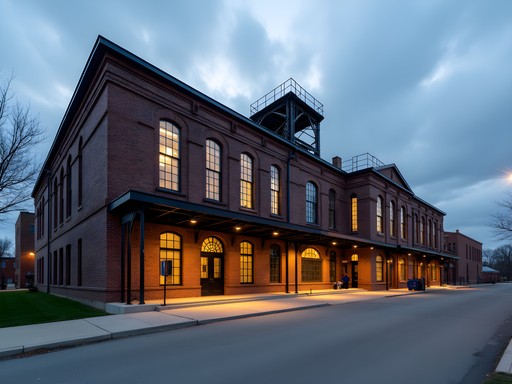
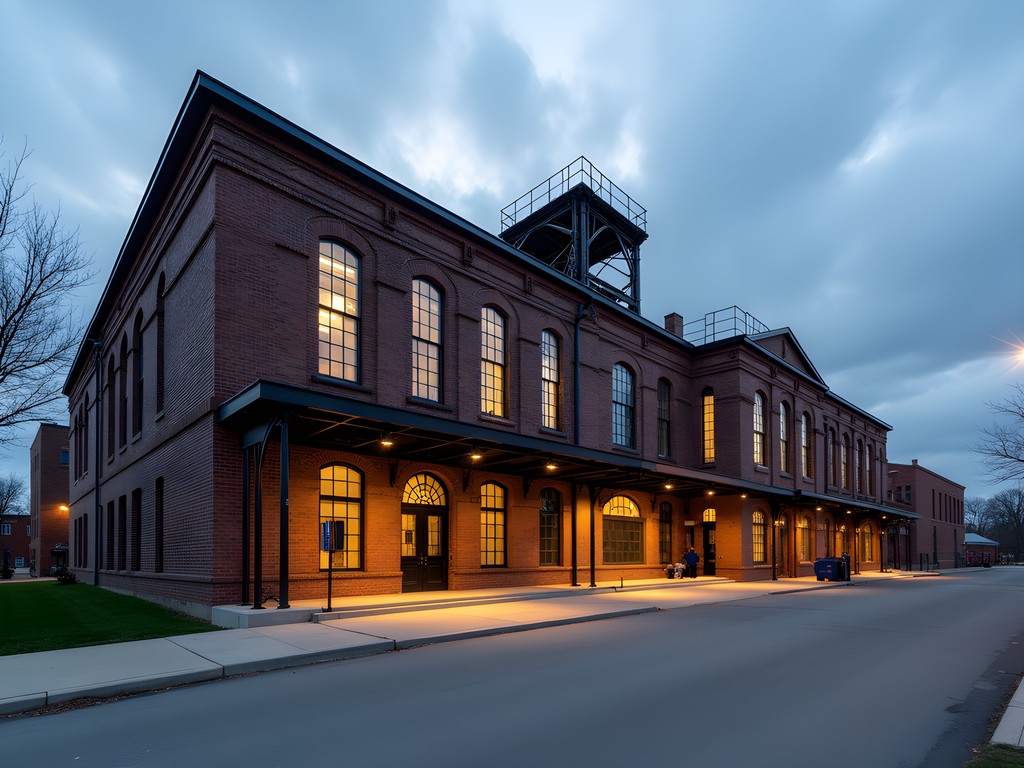
After the museum, walk the surrounding streets where abandoned industrial buildings are slowly being reclaimed. Bring your industrial respirator mask if you plan to photograph any buildings with potential exposure to old industrial materials—safety first, even for the most adventurous explorers.
💡 Pro Tips
- Visit on weekday mornings to have almost the entire Steel Museum to yourself
- The museum offers discounted rates for students and seniors—always ask about reduced admission
- Wear closed-toe shoes as some industrial areas have uneven surfaces
Downtown Revival: Art Amid the Rust
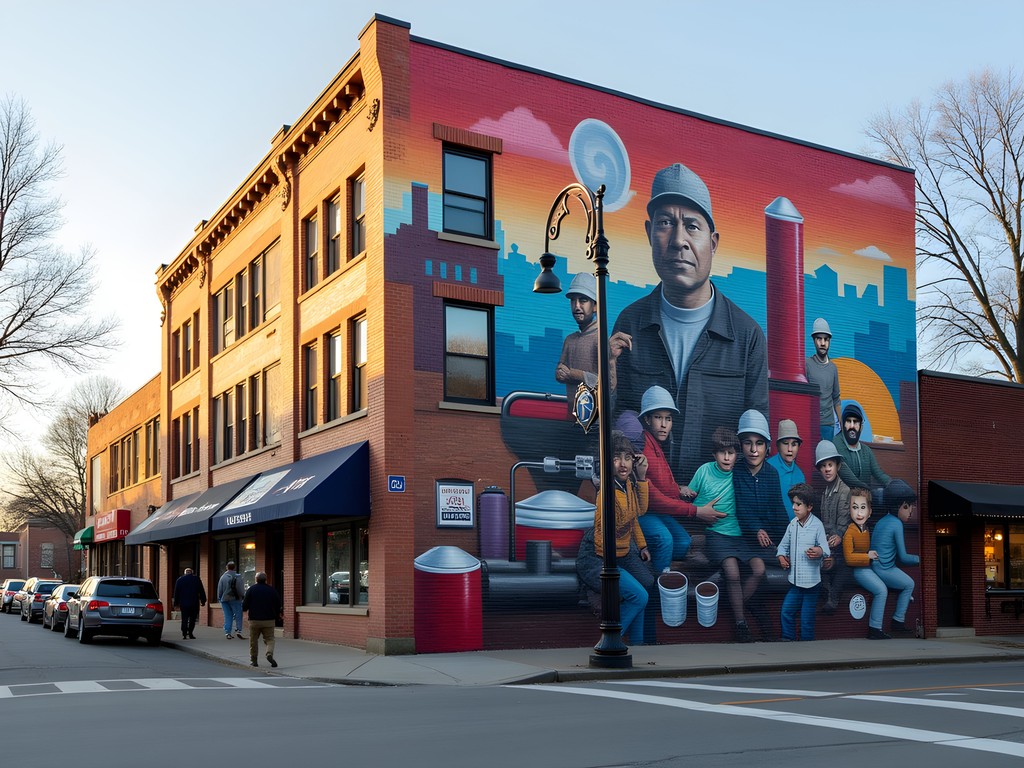
Youngstown's downtown surprised me with its compact walkability and emerging arts scene. The juxtaposition of Art Deco buildings against modern murals creates a visual timeline of the city's evolution.
Start at the McDonough Museum of Contemporary Art (free admission!) where industrial materials are often repurposed into thought-provoking installations. During my visit, an exhibition featured sculptures made from salvaged factory equipment—beauty literally forged from Youngstown's industrial bones.
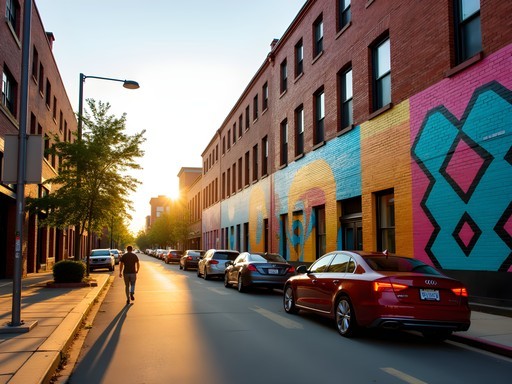
From there, follow the public art trail that winds through downtown. The city has embraced large-scale murals that reference its steel heritage while imagining new possibilities. I tracked down these works using the Youngstown City Map, which highlights public art installations alongside architectural landmarks.
For lunch, skip the chains and head to Suzie's Dogs & Drafts on Federal Street. For under $10, you can build your own gourmet hot dog while chatting with locals about their city's transformation. When I mentioned I was exploring industrial architecture, the bartender sketched a map to an abandoned steel mill viewpoint that wasn't on any tourist brochure—these authentic connections are why I travel.
As evening approaches, catch a performance at the historic Powers Auditorium, an opulent 1931 theater that survived the city's economic decline. Even if you don't see a show, the staff often allows visitors to peek inside the grand lobby if you ask politely.
💡 Pro Tips
- Many downtown galleries have extended hours on the first Friday of each month for the city's art walk
- Carry small bills for unexpected finds at pop-up art markets that frequently appear downtown
- The Youngstown CityScape organization offers occasional guided architecture tours—check their website for schedules
Mill Creek Park: Industrial Nature Reclaimed
Growing up in Rio, green spaces were precious rarities. Perhaps that's why Mill Creek Park felt like such a revelation—a 4,400-acre urban park where nature and industrial history intertwine beautifully.
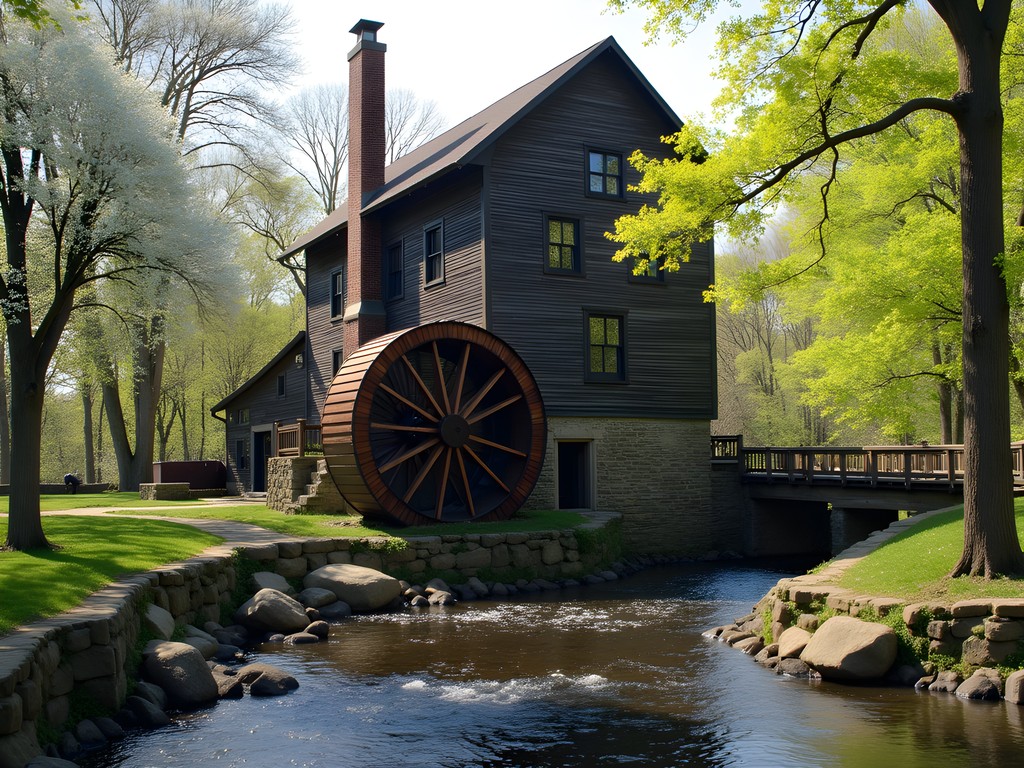
The park's centerpiece, Lanterman's Mill, is a fully operational 1845 gristmill where you can watch grain being ground between massive stones powered by waterwheel. For just $3, you can tour all three floors and even purchase freshly ground flour—a souvenir that's both authentic and practical.
What makes this park special for urban explorers is how industrial infrastructure has been incorporated into the landscape. Abandoned quarries have become serene lakes, while former railroad trestles now serve as hiking bridges. The contrast between rusted metal structures and lush spring foliage creates perfect photography opportunities.
I spent hours hiking the trails connecting industrial remnants to natural wonders. My favorite discovery was the Suspension Bridge, an elegant structure built in 1895 that seems to float above the gorge. Crossing it with my travel water filter in hand (filled from a natural spring I found along the trail), I felt that rare travel moment when past and present, nature and industry achieve perfect balance.
For lunch, pack a picnic rather than leaving the park—the historic stone pavilions built by the Works Progress Administration during the Great Depression offer both shelter and a history lesson. These massive stone structures, built by unemployed steel workers, represent another chapter in Youngstown's story of resilience.
💡 Pro Tips
- Visit the park office for a free trail map highlighting industrial heritage sites within the park boundaries
- Lanterman's Mill operates seasonally—check the schedule before planning your visit
- The park's Fellows Riverside Gardens offer spectacular views of the valley that once housed dozens of steel mills

The B&O Station: From Railways to Revelry
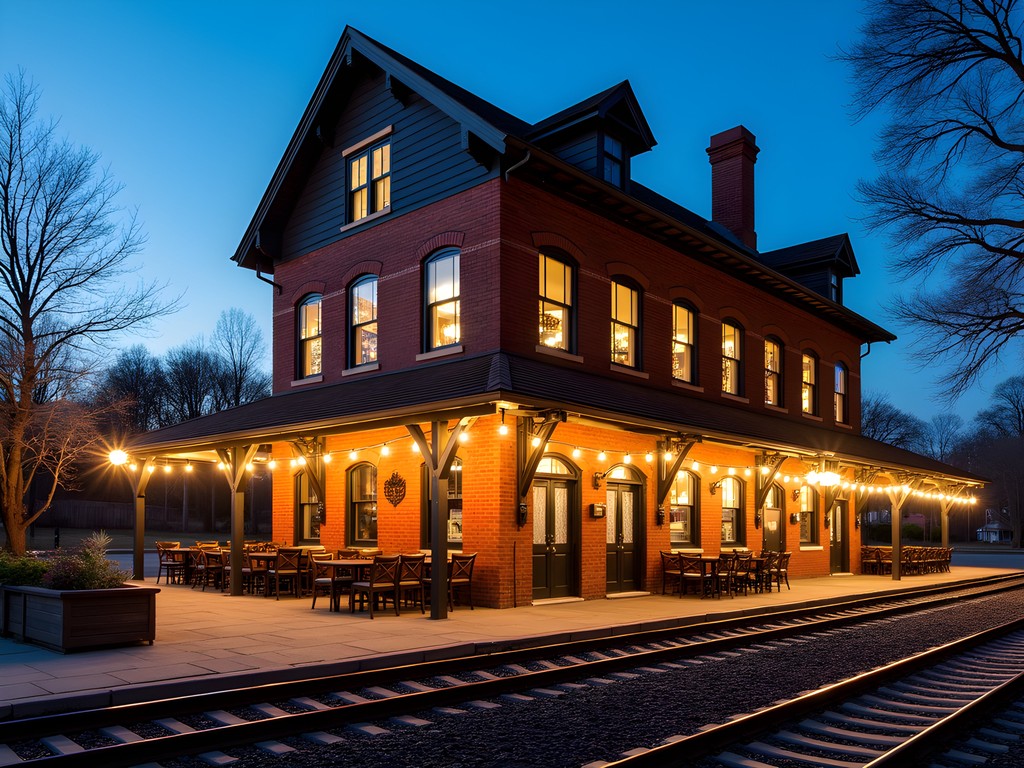
My policy analyst brain loves adaptive reuse projects, and the B&O Station Boxcar Lounge represents everything right about historical preservation with purpose. This 1905 Baltimore & Ohio Railroad station has been transformed into a restaurant and bar while maintaining its architectural integrity—right down to the original ticket windows.
The first time I walked in, I almost gasped at the soaring ceilings and original terrazzo floors. The central bar is built from salvaged railroad ties, and vintage train schedules hang on walls alongside black-and-white photos of the station in its heyday. For the full experience, order their signature 'Steel Worker'—a potent bourbon cocktail served in a copper mug that pays homage to the metal that built this city.
What makes this spot special for solo travelers is the communal atmosphere. I've visited bars in 27 countries, and there's something uniquely Midwestern about how quickly strangers become friends here. When I pulled out my travel sketchbook to draw the architectural details, I soon had three locals pointing out features I'd missed and sharing stories about the building's history.
On weekend nights, the station hosts live music that ranges from blues to indie rock. The acoustics—designed to carry announcements across a crowded terminal—now perfectly amplify local musicians. Even better, there's rarely a cover charge, making this an ideal budget-friendly evening activity.
💡 Pro Tips
- Visit during happy hour (4-6pm weekdays) for discounted drinks and a less crowded experience
- The station hosts a farmers market in its parking lot on Saturday mornings in spring and summer
- Ask the bartenders about the ghost stories—the station is reportedly haunted by a ticket agent who refuses to leave his post
Hidden Industrial Gems: Off the Tourist Trail
Some of Youngstown's most fascinating industrial sites aren't advertised in any brochure. As someone who believes travel should be accessible to everyone, I love sharing these free, hidden gems.
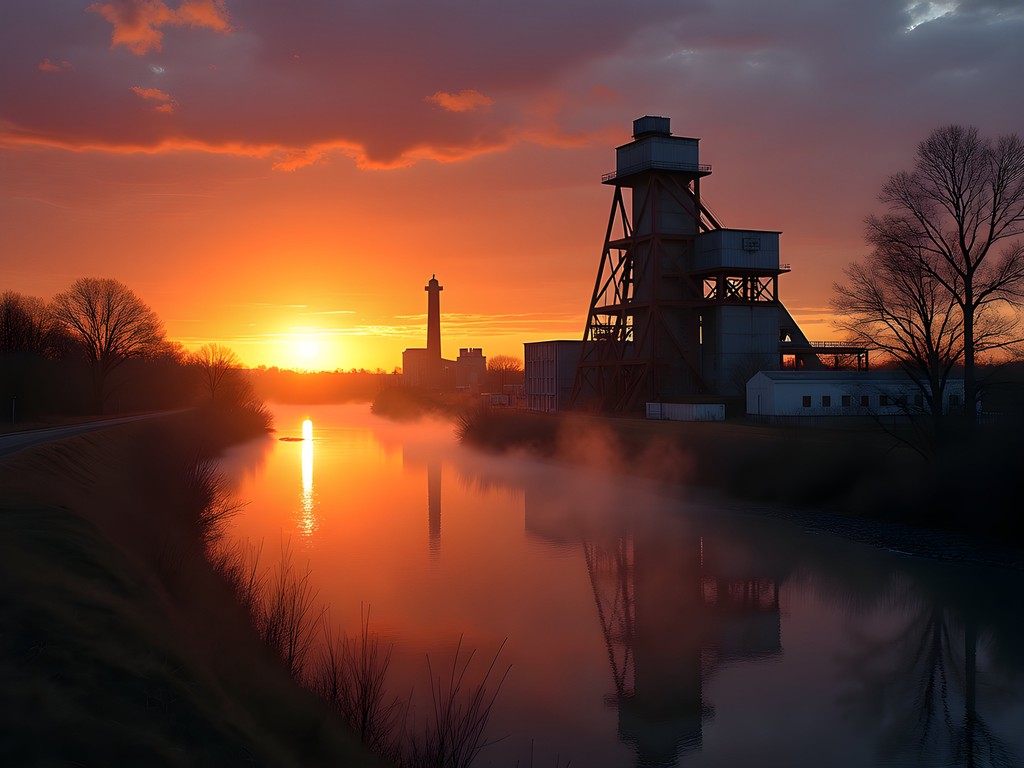
The Spring Common Bridge offers one of the best views of the abandoned Youngstown Sheet & Tube facilities. Park nearby and walk the pedestrian path for a photographer's dream: massive rusted structures reflected in the Mahoning River below. Bring a polarizing lens filter to cut glare and enhance those rust-against-sky contrasts. Early morning light creates the most dramatic shadows across the industrial landscape.
For those interested in labor history, seek out the modest memorial to the 1916 East Youngstown Riot, when immigrant steel workers protested dangerous conditions. It's a sobering reminder that industrial progress often came at a human cost—something my policy work has shown me repeatedly across different countries and contexts.
My favorite discovery was the Mahoning Avenue Archway, a massive stone structure that once served as the grand entrance to a steel baron's estate. Now it stands in isolation, a monument to faded wealth surrounded by modest homes. Locals told me children believe it's a portal to another world—in some ways, it is: a gateway to understanding how drastically this city has transformed.
For urban explorers with a spiritual interest, the collection of Orthodox churches built by Eastern European steel workers offers another dimension to Youngstown's industrial story. Their onion domes and intricate iconography stand as testaments to the immigrant communities who built this city with their hands while maintaining their cultural identities.
💡 Pro Tips
- Always respect private property—photograph industrial sites from public roads and viewpoints
- The Youngstown Historical Society offers occasional 'Industrial Heritage' tours that access sites normally closed to the public
- Download the free Youngstown Steel Heritage app for self-guided tours with historical context
Final Thoughts
As my bus pulled away from Youngstown's Federal Street station, I found myself reflecting on how this city embodies something I've witnessed across four continents: when industrial might falters, creativity and community resilience rise to fill the void. Youngstown doesn't pretend its scars don't exist—instead, it has transformed them into points of pride and possibilities.
For solo travelers seeking authentic American experiences beyond the usual tourist circuits, this small Ohio city offers a weekend of discovery that's both budget-friendly and deeply meaningful. From the repurposed industrial spaces to the warm conversations with locals who've weathered economic storms, Youngstown demonstrates that beauty often emerges from struggle.
Perhaps that's why this place resonated so deeply with me. Like the favela where I grew up, Youngstown refuses to be defined by outsiders' perceptions. It creates beauty from what others discard and finds strength in acknowledging its past while building something new. As you plan your own rust belt renaissance journey, remember that the most transformative travel experiences often happen in places others overlook. Youngstown is waiting—not with polished attractions, but with authentic stories forged in steel and reborn through art.
✨ Key Takeaways
- Youngstown offers budget-friendly urban exploration with industrial sites, art, and architecture all within walking distance
- The city's transformation from steel town to arts hub provides unique photography opportunities not found in typical tourist destinations
- Connecting with locals yields the best experiences—Youngstown residents are proud to share their city's hidden gems with curious travelers
📋 Practical Information
Best Time to Visit
Spring (April-June) when weather is mild and parks are blooming
Budget Estimate
$150-250 for a weekend (accommodation, food, attractions)
Recommended Duration
2-3 days
Difficulty Level
Moderate (Some Industrial Areas Require Careful Navigation)

Comments
Ahmed Greene
Francesca, this is exactly the kind of travel writing we need more of. I grew up not far from Youngstown and watched the steel industry collapse in the 80s. Seeing these cities find new life through art and preservation is incredible. For budget travelers, Youngstown is perfect - affordable accommodations, cheap eats, and most of the industrial sites are free to explore. I took my camera gear there last spring and got some of my favorite urban photography. The contrast between the decay and the renewal is striking. Mill Creek Park alone is worth the trip - people don't realize it's one of the largest metro parks in the country.
blueace
didn't know about the park being that big, thanks!
luckyclimber
Great write-up! I've done Pittsburgh, Cleveland, and Buffalo on similar industrial heritage trips. Youngstown keeps getting mentioned but I've skipped it. Your post convinced me to finally check it out. The comparison between different types of overlooked communities really hit home - we all have our biases about what's 'worth' visiting. How long would you recommend staying? Is a weekend enough?
roamtime
How easy is it to get around without a car? You mentioned the bus station but curious about local transport options.
luckyclimber
Not OP but I've been through Youngstown a few times. Downtown is walkable but you'll want a car or rideshare for Mill Creek Park and some of the other sites. Bus system is pretty limited compared to bigger cities.
starblogger
LOVE the photos!! The rust and graffiti shots are amazing 😍
Marco Flores
Francesca, this resonates so much! I spent time in Detroit last year and fell in love with the industrial architecture there. There's something haunting but beautiful about these cities that refuse to disappear. The way you connected your favela background to finding beauty in overlooked places - that's powerful storytelling. I'm adding Youngstown to my American Rust Belt tour I'm planning for next fall. The B&O Station sounds incredible. Did you find the locals welcoming to visitors exploring the old industrial sites?
starblogger
ooh Detroit is on my list too!! Is it safe to explore?
Marco Flores
Yeah, just stick to the main areas during the day and you're fine. Locals are actually really proud to show off the city!
blueace
never thought about youngstown but this looks pretty cool!
mountainace3718
That B&O Station brewery is legit. Great craft beer selection and the building is so cool.
Casey Andersson
I've been fascinated by the concept of industrial tourism ever since visiting Duisburg in Germany's Ruhr region. There's something hauntingly beautiful about these once-mighty industrial landscapes finding new purpose. I stayed at the Doubletree in Youngstown last year (completely different experience from my usual accommodations!) and spent an afternoon at the Steel Museum. The volunteer guides there - many former steel workers - added such depth to the experience with their personal stories. One gentleman had worked the same blast furnace for 32 years and could describe every sound, smell, and sensation of the mill in its heyday. That kind of authentic connection to place is what luxury experiences often lack. Francesca, your perspective coming from a favela to exploring post-industrial America adds such a unique lens to this piece.
sunnyqueen
Just got back from Youngstown last weekend! Your post inspired me to check it out on my way to Pittsburgh. The Butler Institute of American Art was amazing - can't believe you didn't mention it! Also found this cute coffee shop called Branch Street Coffee Roasters that had the best cold brew I've had in ages. The barista there recommended this local restaurant called Cockeye BBQ in nearby Warren that was worth the short drive. Thanks for putting Youngstown on my radar!
sunsetchamp
Did you feel safe walking around downtown? Thinking about taking my camera gear there.
Francesca Smith
Downtown felt quite safe during the day, especially around Federal Street and the main arts district. Like any city, just use common sense. I carried my camera bag everywhere without issues. The locals were friendly and helpful when I was obviously photographing architecture.
Venture X
Premium card with 2X miles, $300 travel credit, Priority Pass