
Disclosure: This article contains affiliate links. We may earn a commission from purchases at no extra cost to you, which helps our travel content.
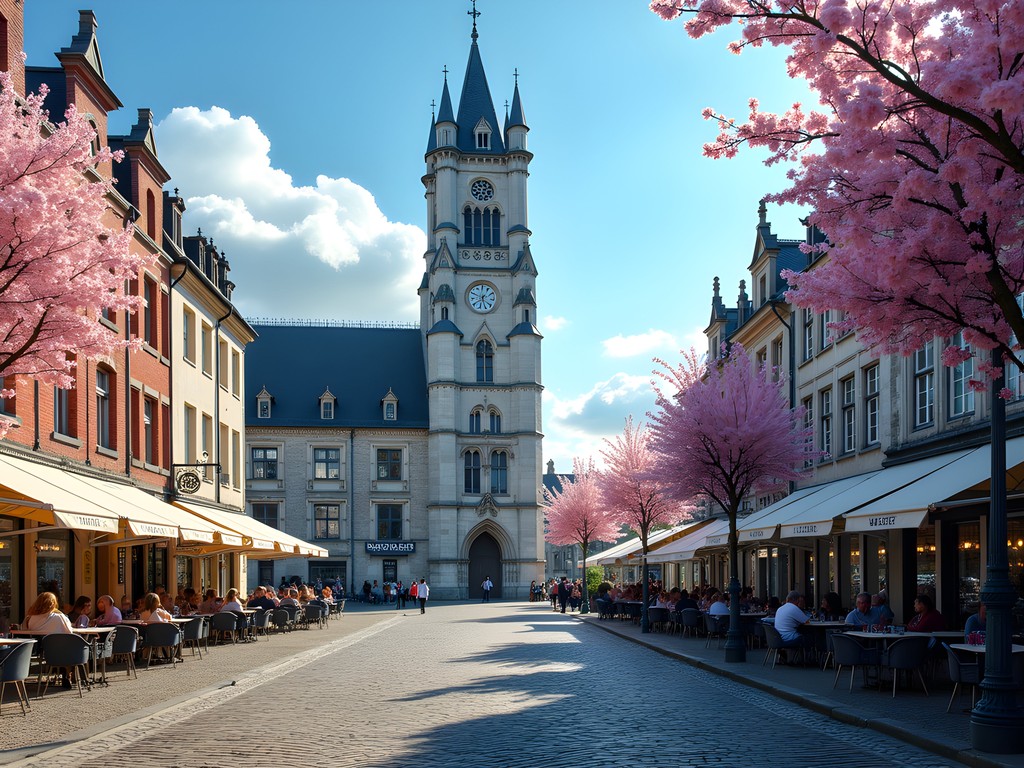
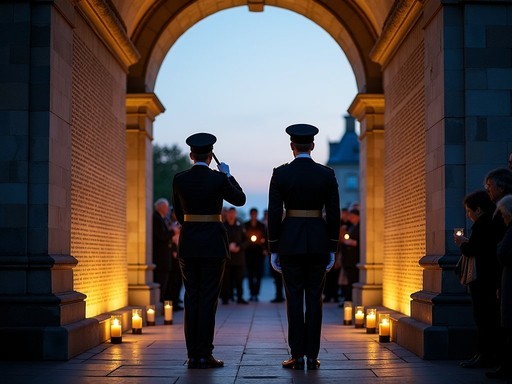
The first time I stood beneath the Menin Gate in Ypres, listening to the Last Post ceremony at dusk, I felt a profound connection to history that no textbook could ever provide. As both a doctor and history enthusiast, I've always been fascinated by how past conflicts shape our present world. Ypres (pronounced 'ee-pruh' locally) offers something truly unique – a compact, walkable city where the echoes of the Great War remain palpable in every cobblestone street and restored medieval façade. This self-guided walking tour will take you through the heart of WWI remembrance in Belgium's Flanders region, creating a meaningful weekend that won't break the bank.

Planning Your Ypres Memorial Walk
Ypres may be small, but it packs an emotional punch that requires thoughtful planning. I recommend dedicating a full day to the city center and another to explore the surrounding countryside memorials. The walking route I've mapped covers approximately 5 miles total, easily broken into manageable segments.
Before arriving, download the Ypres WWI app to your smartphone – it provides excellent background information and navigation help when cellular service gets spotty near the outer memorials. I also found the waterproof map invaluable when my phone battery started draining from taking too many photos.
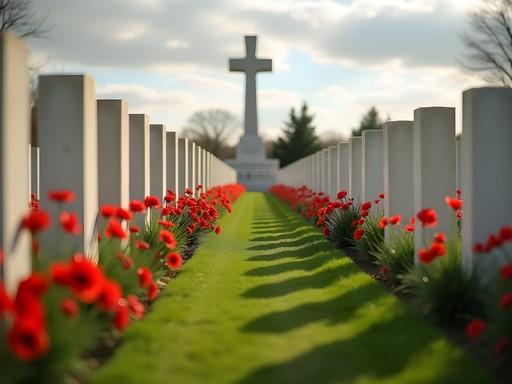
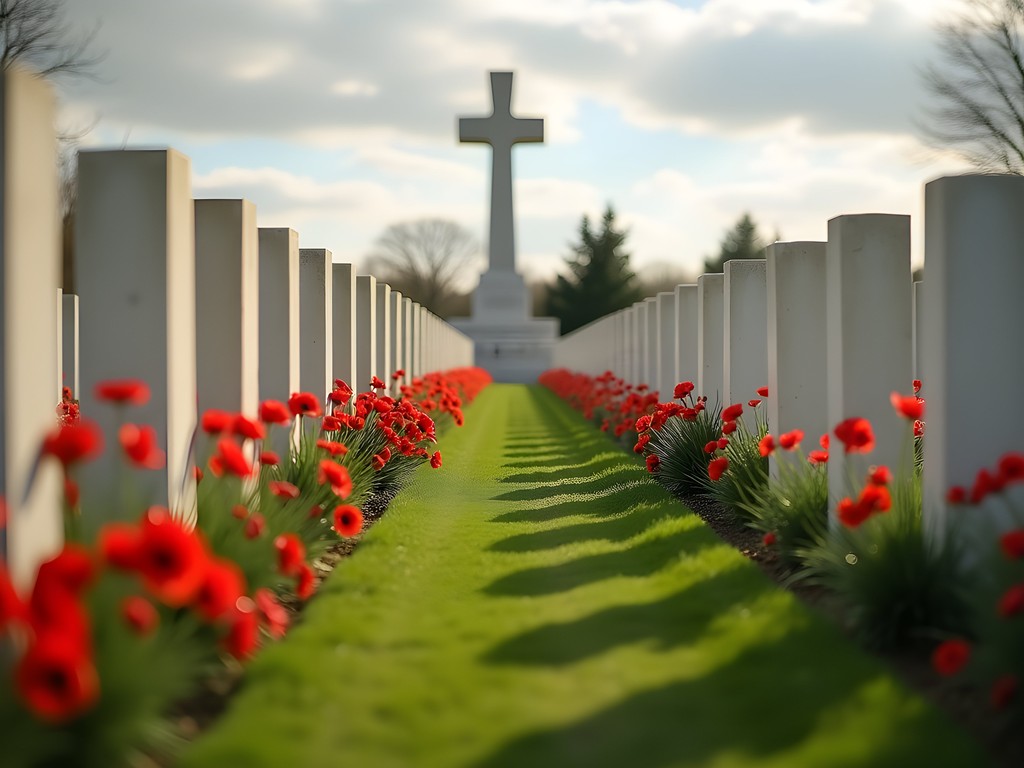
Spring offers the perfect balance of comfortable temperatures and fewer crowds. The Flanders fields bloom with poppies in late spring, creating a poignant visual reminder of the famous poem by John McCrae. Just be prepared for occasional rain showers – I learned this lesson the hard way during my first visit!
💡 Pro Tips
- Download the official Ypres WWI app before arriving for offline access to maps and information
- Book accommodation within the city walls for easiest access to memorials
- Visit the In Flanders Fields Museum first for essential historical context
Day 1: City Center Memorials
Begin your journey at the In Flanders Fields Museum, housed in the reconstructed Cloth Hall. This isn't your typical dusty war museum – the interactive exhibits use personal stories and multimedia presentations to humanize the conflict. I spent nearly three hours here on my first visit, completely absorbed in the individual accounts of soldiers, nurses, and civilians.
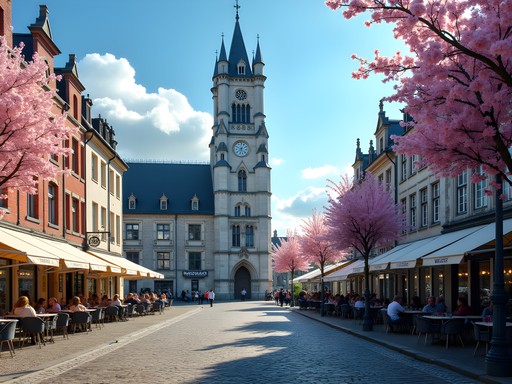
After the museum, grab a quick lunch at one of the cafés around the Market Square. The collapsible water bottle I always carry saved me from paying for overpriced drinks throughout the day.
In the afternoon, walk to St. George's Memorial Church, built to honor British and Commonwealth soldiers. Its quiet dignity provides a reflective counterpoint to the museum's comprehensive exhibits. From there, it's a short walk to the Ramparts Cemetery, a small but incredibly moving burial ground nestled against the medieval city walls.
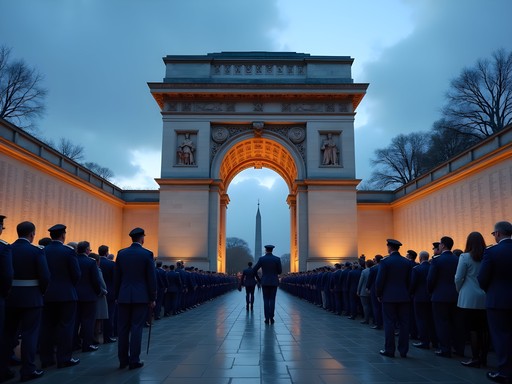
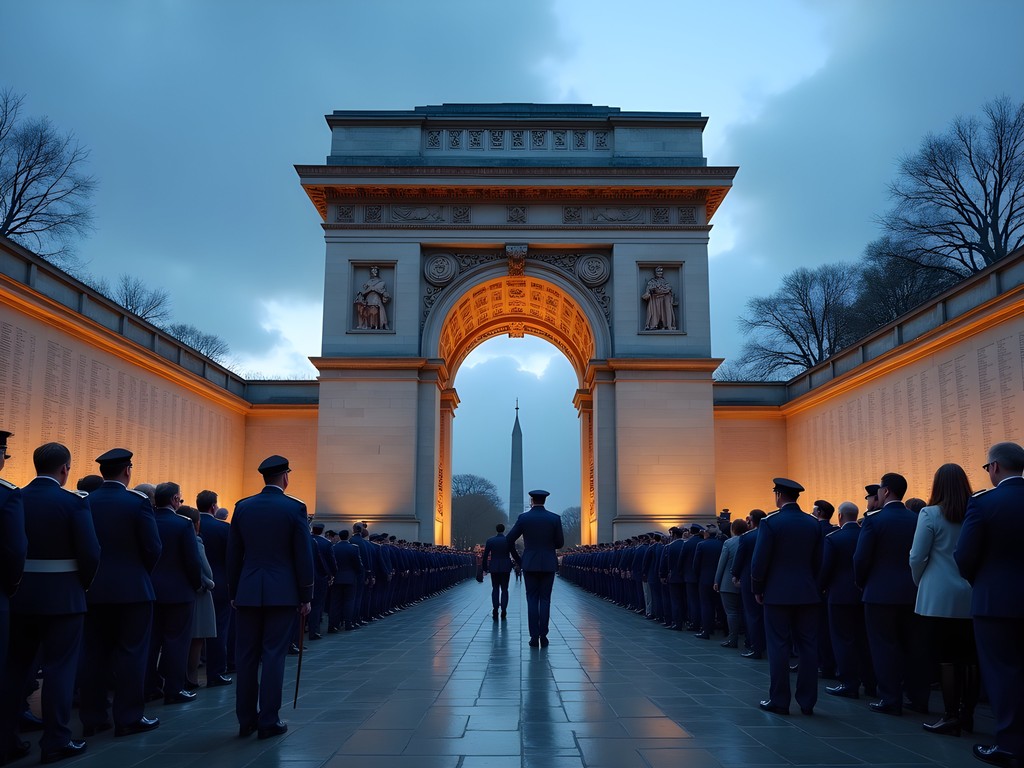
Time your day to end at the Menin Gate for the Last Post ceremony at 8:00 PM sharp. This bugle salute has been performed nearly every evening since 1928 (with only a pause during WWII occupation). Arrive by 7:30 PM to secure a good viewing spot – the ceremony draws crowds year-round.
💡 Pro Tips
- The Last Post ceremony happens every evening at 8:00 PM - arrive by 7:30 PM for a good viewing position
- Museum tickets include access to the belfry tower for panoramic views of the surrounding battlefields
- Many restaurants near the Menin Gate offer pre-ceremony fixed menus, but book ahead in high season
Day 2: Countryside Memorial Sites
For your second day, venture beyond the city walls to the surrounding battlefields and cemeteries. While you could join a guided tour, I prefer the flexibility of self-exploration. Rent a bicycle from the tourist office (€16/day) or use the local bus service if you prefer.
Your first stop should be Essex Farm Cemetery and Dressing Station, where John McCrae wrote 'In Flanders Fields.' The preserved concrete bunkers that served as a field hospital are a stark reminder of medicine's limitations during wartime. As a pediatrician, I found it particularly moving to see the grave of Valentine Joe Strudwick, who died at just 15 years old.
Next, cycle to Tyne Cot Cemetery, the largest Commonwealth war cemetery in the world. The sheer scale of white headstones stretching across the landscape is overwhelming. I recommend bringing a portable phone charger as you'll likely take numerous photos and use navigation apps throughout the day.
For lunch, the insulated food container I packed with a simple picnic saved time and money, allowing me to eat respectfully near the Hill 62 Sanctuary Wood Museum. This preserved trench system offers a visceral understanding of soldiers' daily conditions that no book can convey.
💡 Pro Tips
- Cycling is the ideal way to visit countryside memorials - bikes can be rented from the Ypres Tourist Office
- Wear sturdy walking shoes as many memorial sites involve uneven terrain
- The countryside memorials are spread out - plan your route carefully to avoid backtracking

Reflecting on Ypres: History and Memory
What makes Ypres extraordinary isn't just its memorials but its remarkable reconstruction story. After being completely destroyed during WWI, the city was meticulously rebuilt to its medieval appearance – a phoenix rising from literal ashes. As a visitor interested in urban development, I found this architectural resurrection fascinating.
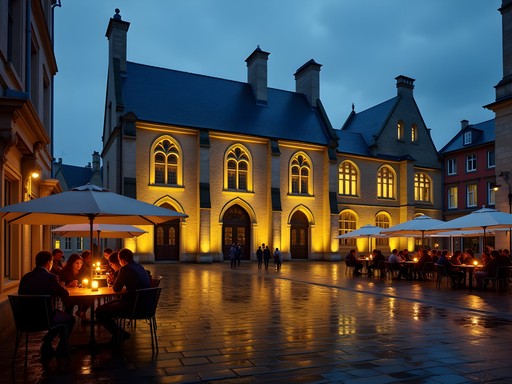
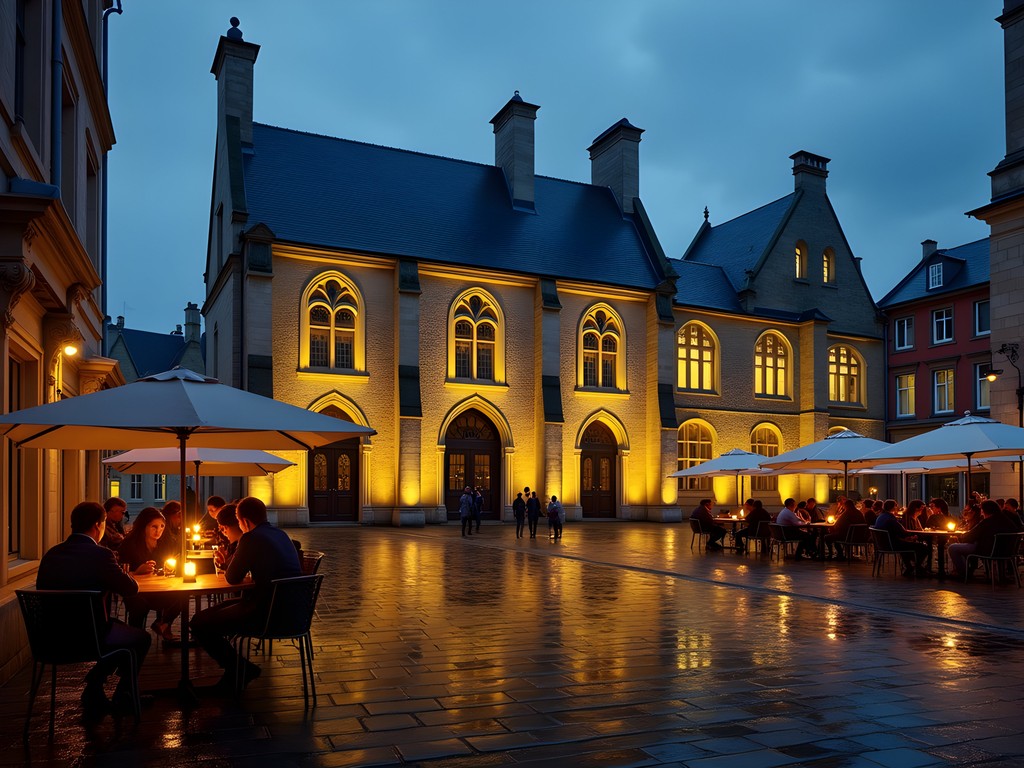
Take time on your final evening to sit in the Market Square as the lights illuminate the Cloth Hall. I found a quiet bench and used my travel journal to process the emotional weight of the sites I'd visited. There's something uniquely cathartic about writing down your reflections after days immersed in such profound history.
For dinner, try traditional Flemish cuisine at one of the local restaurants – the hearty beef stew (stoofvlees) paired with local Trappist beer provides comfort after a day of somber reflection. I particularly enjoyed De Ruyffelaer, a family-run establishment where the owners shared stories of their grandparents' experiences during the war's aftermath.
💡 Pro Tips
- Allow time for personal reflection - the emotional impact of these sites can be significant
- Visit the Ypres Town Library to see their collection of WWI photographs showing the city's complete destruction and remarkable reconstruction
- The Saturday morning market in the main square offers a glimpse into contemporary local life amidst the historical setting
Final Thoughts
My weekend in Ypres left me with a profound appreciation for how communities preserve memory and rebuild from devastation. As a physician who works daily with children – the future generation – these memorials reminded me why understanding history remains vital. The city offers a perfect balance of accessibility and depth for solo travelers seeking meaningful experiences without elaborate planning or excessive costs.
While this self-guided tour provides structure, allow yourself to deviate when something captures your interest. Some of my most meaningful moments came from unexpected encounters – like the elderly local who showed me shell fragments still being unearthed in his garden nearly a century later.
If you're considering a European trip focused on history and reflection, Ypres deserves a place on your itinerary. The city demonstrates how thoughtful preservation can transform sites of tragedy into spaces for education, remembrance, and ultimately, hope. As the inscription on the Menin Gate reads: 'Their name liveth for evermore.'
✨ Key Takeaways
- Ypres offers an accessible, budget-friendly immersion in WWI history that can be meaningfully explored in a weekend
- The combination of the In Flanders Fields Museum and surrounding memorials provides both educational context and emotional connection
- Spring visits offer fewer crowds and the possibility of seeing the symbolic poppies in bloom
- The nightly Last Post ceremony shouldn't be missed - it provides a powerful conclusion to any visit
📋 Practical Information
Best Time to Visit
April-June (spring)
Budget Estimate
€150-250 for a weekend (excluding transportation to Belgium)
Recommended Duration
2-3 days
Difficulty Level
Easy


Comments
sunsetdiver
Going there next month! Did you rent a car or use public transport for the countryside sites?
James Taylor
I rented a car for the countryside portion which gave me flexibility, but there are decent bus options to major sites like Tyne Cot. Just check schedules carefully as some run infrequently!
hikingqueen
We did the public transportation and it worked well! Just had to plan carefully. Also rented bikes one day which was perfect for the flatter areas.
islandmate
That shot of the Menin Gate at sunset is absolutely stunning. Captures the solemnity perfectly. We're planning our trip for April - is that a good time to visit weather-wise?
Casey Andersson
April is lovely in Belgium - spring flowers starting to bloom, and the WWI sites are particularly poignant surrounded by new life. Just be prepared for some rain showers. The fields around Ypres are beautiful that time of year.
hikingqueen
I visited Ypres last summer and the Last Post ceremony at the Menin Gate hit me harder than I expected. Stood there with tears streaming down my face while they played. Something about being in the actual place where so many marched to their deaths just broke me. Your walking itinerary looks perfect - wish I'd had this when planning my trip! I ended up spending an extra day to visit Hill 60 and the Passchendaele Museum too. Did you make it to either of those? The preserved trenches at Hill 60 really drive home the conditions soldiers endured.
sunsetdiver
The Last Post got me too. Couldn't speak for like an hour afterward.
James Taylor
Thanks hikingqueen! I did visit Hill 60 briefly but ran out of time for Passchendaele. Definitely on the list for next time. The preserved trenches are haunting, aren't they?
nomadvibes
Going there next month! Is the chocolate shop you mentioned near the Cloth Hall still there? Also, how long should I allow for the In Flanders Fields Museum?
James Taylor
Yes, the chocolate shop is still there! For the museum, I'd recommend at least 2-3 hours if you want to properly take it all in. The interactive displays are really worth your time.
nomadvibes
Perfect, thanks! Looking forward to it.
dreamzone
Just got back from Ypres last week!! Pro tip - grab lunch at one of the cafes around the Grote Markt before heading to the memorials. Also the tourist office has free walking maps that are super helpful. The Last Post ceremony was honestly one of the most powerful things I've ever experienced.
skyclimber
Good to know about the free maps, thanks!
Taylor Moreau
Having visited Ypres three times during business trips to Brussels, I appreciate how you've structured this as a proper pilgrimage rather than just ticking boxes. The connection you draw between medical practice and battlefield medicine resonates. One practical note: the In Flanders Fields Museum offers excellent audio guides that I found invaluable for understanding the Salient's geography. Book accommodation early if visiting during summer - the town fills quickly with school groups and tour coaches.
photowalker
Your photos really captured the atmosphere! The one at Tyne Cot with the morning mist gave me chills.
sunnyguy
How much walking is involved? I'm reasonably fit but wondering if I need to rent a bike for the countryside sites?
Taylor Moreau
The city centre memorials are easily walkable - perhaps 5km total. For Day 2's countryside sites, I'd recommend either hiring a bicycle or using a taxi. The distances between Tyne Cot, Langemark, and the other cemeteries make walking impractical unless you have several days.
sunnyguy
Perfect, thanks! Bike rental it is then.
Mason Ferrari
James, excellent guide. I visited Ypres solo last April and your two-day itinerary mirrors what I discovered through trial and error. One addition: the Passchendaele Memorial Museum is worth the 30-minute bus ride from the city center. The preserved trenches and dugouts provide context that complements the memorials beautifully. I found arriving at Menin Gate around 7:15pm gave me time to read some of the names before the 8pm ceremony. The silence when the buglers play is something I still think about months later.
dreamzone
YES! Passchendaele Museum was incredible. Those trenches really hit different when you're standing in them.
skyclimber
The Last Post ceremony sounds really moving. Adding this to my list!
Venture X
Premium card with 2X miles, $300 travel credit, Priority Pass