
Disclosure: This article contains affiliate links. We may earn a commission from purchases at no extra cost to you, which helps our travel content.
From 35,000 feet, Djibouti's landscape resembles an abstract painting – volcanic formations jutting dramatically from ochre plains, creating a topography that's both alien and alluring. But experiencing Ali Sabieh from the cockpit window wasn't enough. As a pilot who's developed a passion for exploring the world's most dramatic landscapes, I needed to feel this terrain beneath my tires, taste its dust, and navigate its challenges personally. This winter, I finally got my chance to swap flight controls for a steering wheel and tackle one of Africa's most unforgiving yet rewarding off-road adventures.
Preparing for Ali Sabieh's Unforgiving Terrain
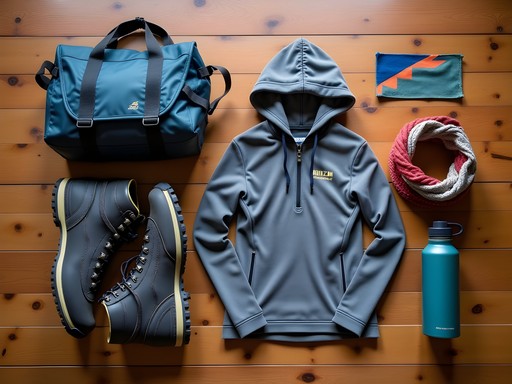
When planning an expedition to Ali Sabieh, preparation isn't just recommended – it's your lifeline. The region's winter temperatures hover around 77°F (25°C) during the day but plummet at night, demanding versatile gear and vehicle readiness that exceeds standard off-roading adventures.
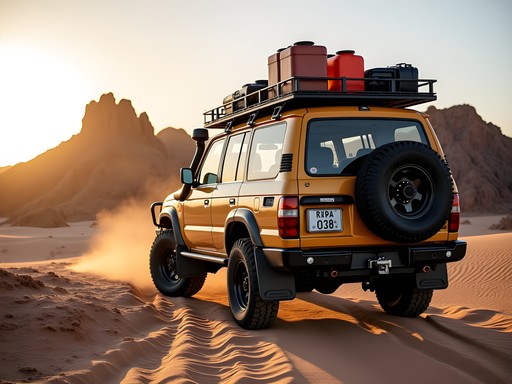
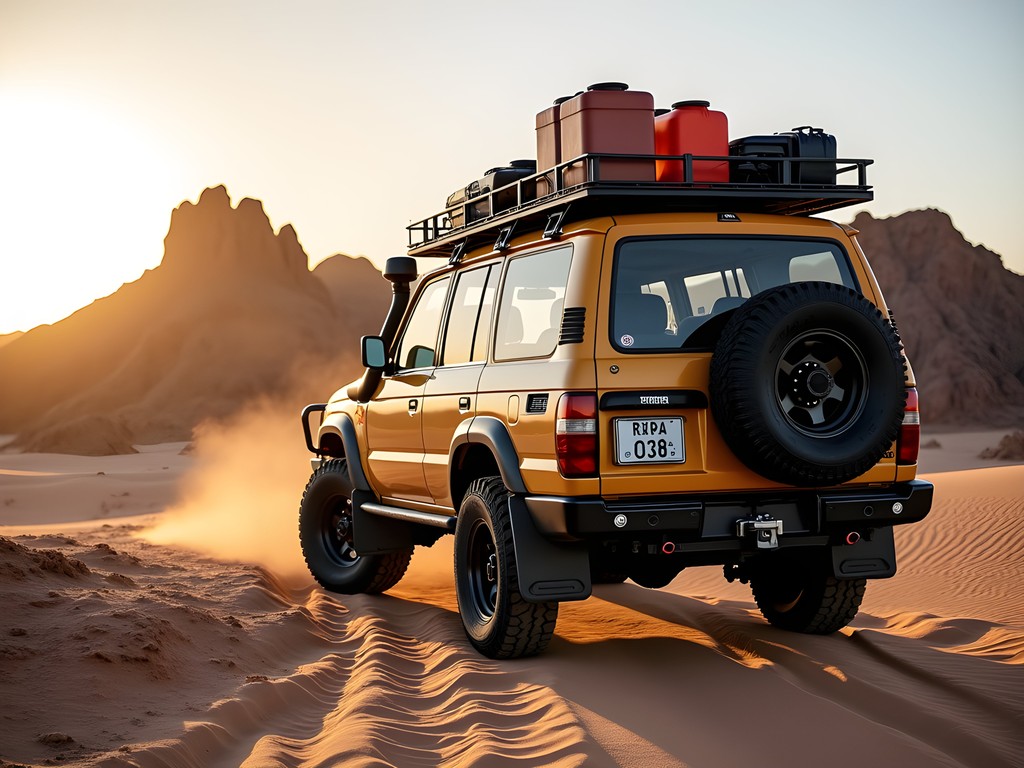
I spent weeks retrofitting my rented Toyota Land Cruiser with essential modifications. The single most valuable addition was a set of all-terrain tires that proved indispensable across the varied landscapes – from loose volcanic scree to hard-packed clay flats. These tires maintained grip where standard rubber would have failed catastrophically.
My aviation background taught me to triple-check systems before venturing into challenging environments. For navigation, I relied on my handheld GPS with pre-downloaded satellite imagery of the region. Cell service is virtually non-existent once you leave Ali Sabieh town, and this device's inReach satellite communication capabilities provided crucial peace of mind.
For hydration, I calculated 5 liters per person per day, then added a 50% safety margin. The dry air depletes moisture from your body faster than you'd expect – similar to how cabin pressure affects hydration during long-haul flights.
💡 Pro Tips
- Purchase permits in Djibouti City before heading to Ali Sabieh – bureaucracy can delay your adventure by days
- Hire a local guide from the Issa tribe who understands both the terrain and cultural sensitivities of the region
- Bring twice as much water as you think you'll need and store it in multiple containers in case one fails
The Grand Barra Desert Crossing
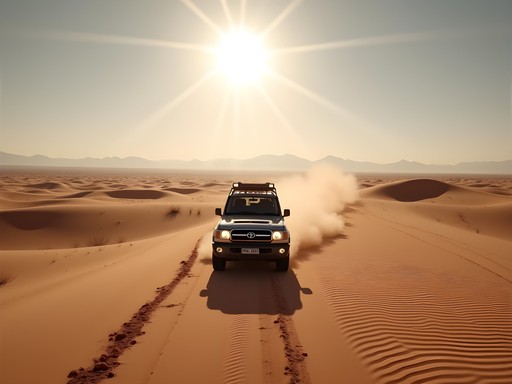
Day three marked our expedition's most challenging segment – traversing the Grand Barra, a vast desert plain where the horizon seems infinite and navigation becomes an exercise in precision. As a pilot, I'm accustomed to following invisible airways across featureless oceans, but there's something fundamentally different about navigating a sea of sand where landmarks disappear in the heat haze.
We departed before dawn, when the desert air was still cool enough that you could see your breath. The headlamp I wore proved invaluable during our pre-dawn preparations, leaving my hands free to check tire pressure and secure gear while providing ample illumination.
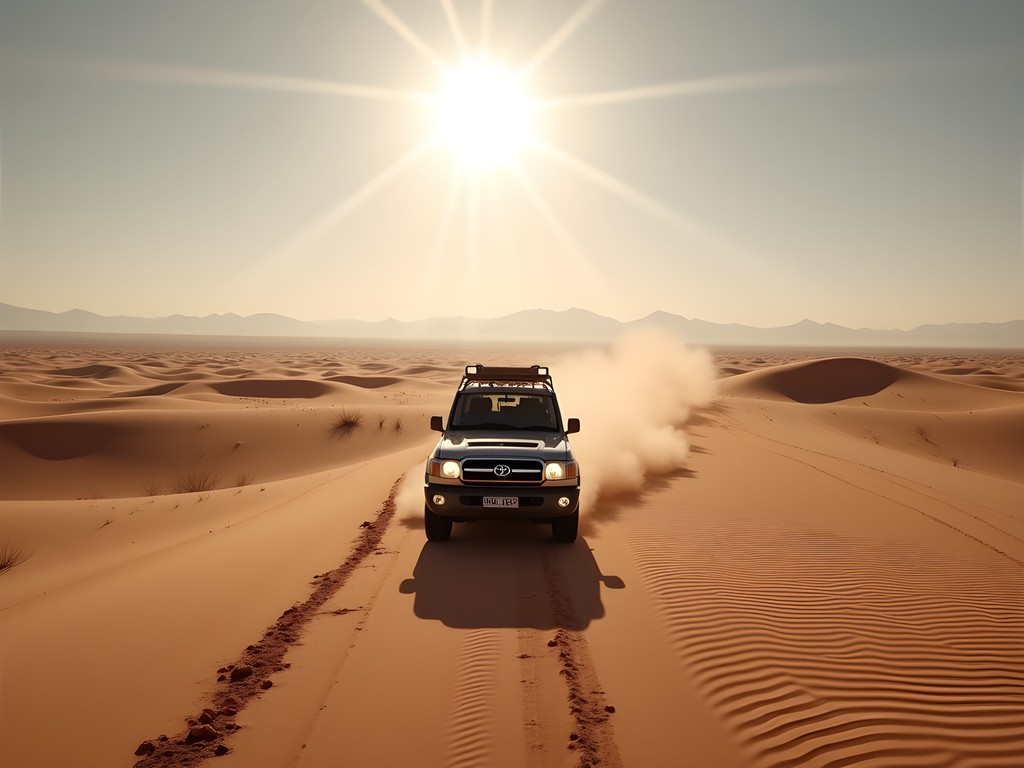
The Grand Barra's surface transitions unpredictably between hard-packed clay that offers decent traction to fine powder sand that swallows tires whole. When we encountered our first major dune field, I deflated the tires to 18 PSI, allowing them to float atop the sand rather than dig in. My portable air compressor proved its worth repeatedly throughout the day as we adjusted tire pressure to match changing terrain conditions.
By midday, temperatures soared to 86°F (30°C), and the landscape shimmered with heat mirages that played tricks on our perception – not unlike the visual distortions pilots sometimes experience during desert approaches. We relied entirely on GPS coordinates rather than visual navigation, stopping every hour to confirm our position and rehydrate.
💡 Pro Tips
- Travel with at least two vehicles when crossing the Grand Barra in case one breaks down
- Start desert crossings before sunrise to maximize driving time in cooler temperatures
- Use waypoints rather than trying to navigate visually – heat mirages create dangerous illusions
Navigating Ali Sabieh's Volcanic Moonscape
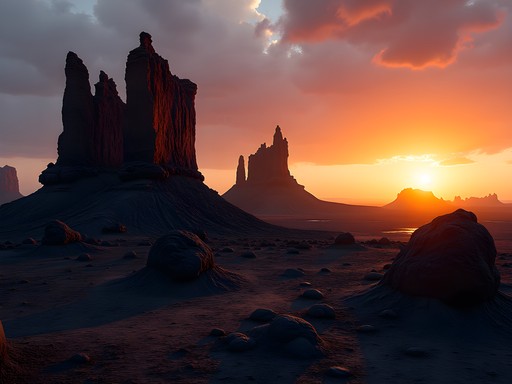
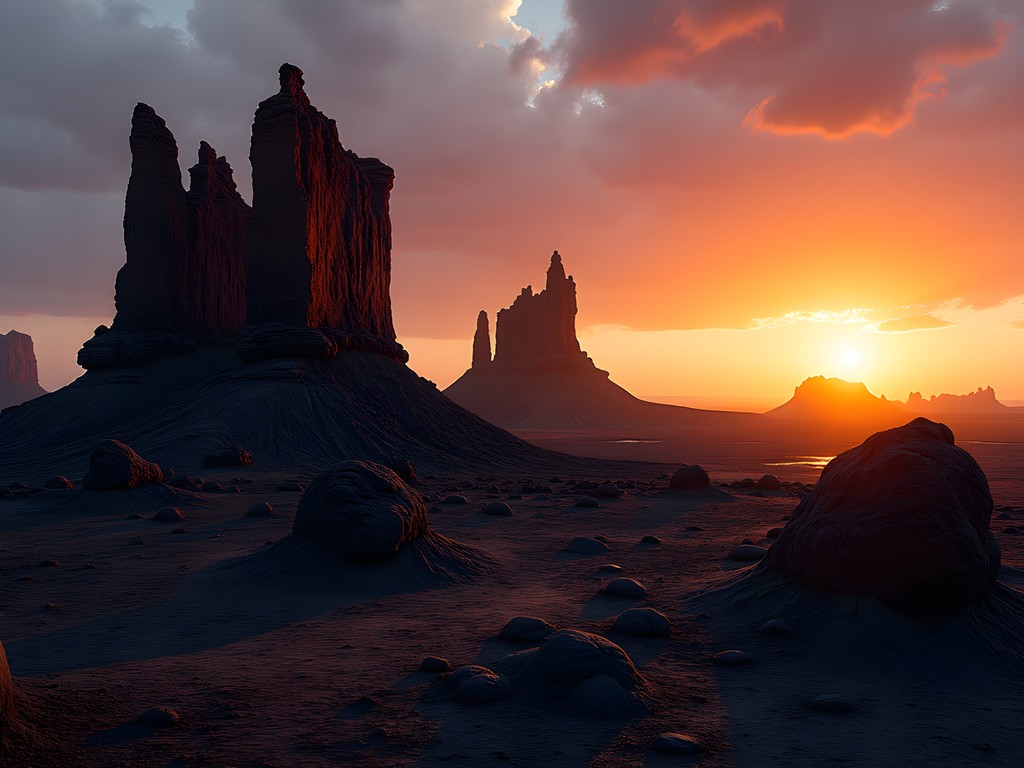
The region surrounding Ali Sabieh is defined by its otherworldly volcanic formations – basalt columns, obsidian outcroppings, and ancient lava fields that create a landscape more reminiscent of Mars than Earth. Our fourth day was dedicated to exploring these geological wonders, which required technical driving skills I hadn't needed since my off-road training in Moab years ago.
We departed our camp near Gobaad with the rising sun illuminating the volcanic peaks in hues of amber and crimson. The route demanded careful tire placement and precise throttle control to prevent damage to the vehicle's undercarriage. My recovery boards proved essential when we encountered a particularly challenging section of loose scree – providing the traction needed to escape potential stranding.
The highlight came mid-afternoon when we reached the ancient lava tubes near Doudoub Bolole. These massive underground chambers formed by flowing lava millennia ago create natural air conditioning in the desert heat. Exploring their depths required proper lighting, and my tactical flashlight provided the perfect combination of brightness and battery life to illuminate the fascinating geological features.
The volcanic terrain's sharp edges and abrasive surfaces are merciless on equipment. By day's end, I noticed a slow leak in one tire caused by a volcanic rock puncture. Having a quality tire repair kit meant the difference between continuing our adventure and being stranded in one of Africa's most remote regions.
💡 Pro Tips
- Drive slowly over volcanic terrain – rocks are sharper than they appear and can easily puncture tires or damage suspension components
- Bring proper lighting for exploring lava tubes – the temperature difference provides welcome relief from the heat
- Always inform someone of your route when exploring the volcanic regions – GPS signals can be unreliable in narrow canyons

Cultural Encounters in Remote Villages
While Ali Sabieh's landscapes drew me to Djibouti, it was the encounters with its people that transformed this expedition from mere adventure to profound cultural experience. The region's Afar and Issa communities have inhabited these harsh lands for centuries, developing survival techniques and cultural practices uniquely adapted to the environment.
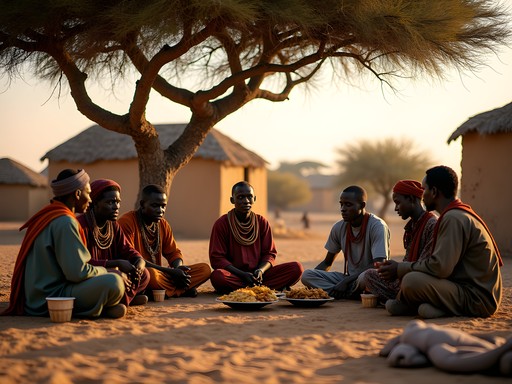
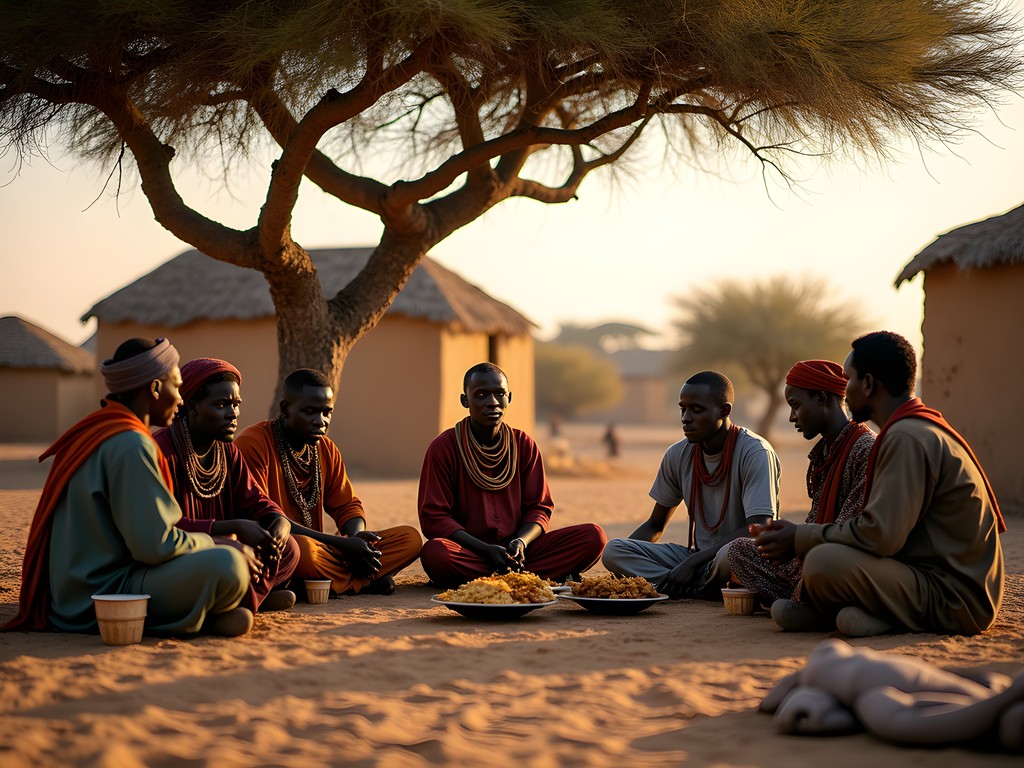
In the remote settlement of Gorabous, we were invited to share a traditional meal with an Issa family. Communication relied heavily on my guide's translation and universal gestures of hospitality. The meal centered around succulent goat meat slow-cooked with regional spices and served with injera (sourdough flatbread). As a gesture of respect, I presented our hosts with practical gifts – a solar lantern that immediately fascinated the children and proved useful in a village with no electrical infrastructure.
What struck me most was the parallel between nomadic life and my own existence as a pilot – both lifestyles involve constant movement, adaptation to changing conditions, and a deep respect for the environment's power. The village elder, noting my interest in their traditional navigation techniques, demonstrated how they use stellar positioning for nighttime travel – not unlike how pilots relied on celestial navigation before modern avionics.
Before departing, I used my instant photo printer to create physical photographs of family groups – a cherished gift in communities where photographs remain rare luxuries. The joy these simple prints brought reinforced how meaningful cultural exchange doesn't require shared language or background.
💡 Pro Tips
- Always ask permission before photographing people in villages – respect for privacy transcends cultural boundaries
- Bring practical gifts rather than candy or money – solar-powered items are particularly appreciated
- Learn basic greetings in both Afar and Somali languages to show respect when entering communities
Night Skies and Desert Camping
After days filled with challenging terrain and cultural discoveries, the nights in Ali Sabieh offered equally profound experiences. The region's remote location and minimal light pollution create astronomical viewing conditions that rival the world's designated dark sky preserves.
Establishing camp each evening became a well-choreographed routine. My portable camp shower provided luxurious refreshment after dust-filled days – a small comfort that made primitive camping in harsh conditions feel civilized. The desert's extreme temperature fluctuations meant evenings could drop below 59°F (15°C), requiring proper layering and shelter.
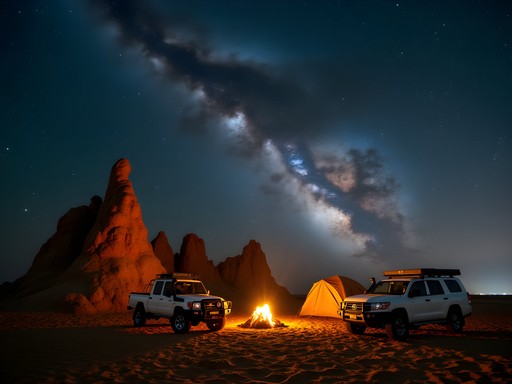
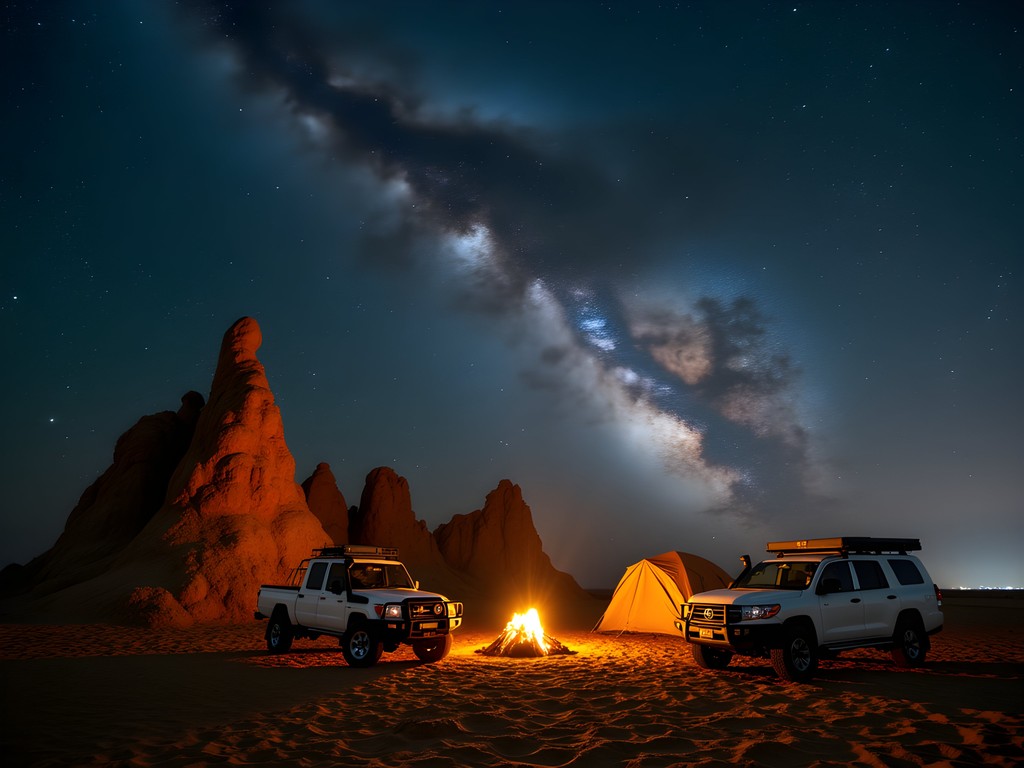
Our campsite near Assamo offered the expedition's most spectacular night sky viewing. The Milky Way stretched horizon to horizon with clarity I've rarely witnessed even from the cockpit at cruising altitude. My star chart app helped identify celestial features while my guide shared traditional Afar constellation stories that differed fascinatingly from Western astronomical traditions.
The silence of the desert night was occasionally broken by distant animal calls – reminders that this seemingly barren landscape hosts remarkable biodiversity adapted to extreme conditions. We maintained appropriate precautions against scorpions and snakes, keeping snake bite kit accessible, though fortunately never needed.
Before retiring to my tent each night, I'd record the day's experiences and GPS coordinates in my weatherproof journal – a practice borrowed from my pilot's logbook discipline that has served me well through years of expeditions across challenging environments.
💡 Pro Tips
- Choose campsites on elevated ground to avoid flash flooding in the rare event of rainfall
- Keep food secured against opportunistic desert wildlife – particularly jackals that frequent the region
- Allow time for your eyes to fully adjust to darkness (about 20 minutes) to appreciate the remarkable night sky visibility
Final Thoughts
As my flight departed Djibouti International Airport, banking over the very landscapes I'd spent a week traversing, I experienced that unique perspective shift that makes adventure travel so transformative. Ali Sabieh's extremes – from technical driving challenges to profound cultural encounters – create an experience that defies easy categorization.
This isn't a journey for travelers seeking comfort or predictability. The region demands respect, preparation, and adaptability. Yet for those willing to embrace its challenges, Ali Sabieh offers rewards increasingly rare in our connected world: genuine discovery, cultural authenticity, and landscapes largely unchanged since their volcanic formation millennia ago.
As both pilot and explorer, I've developed a deep appreciation for experiencing destinations from multiple perspectives. While the aerial view reveals the grand geological canvas of Djibouti, it's only by navigating its challenging terrain personally that you truly comprehend the human stories written across this unforgiving landscape. If you're seeking an adventure that will test your capabilities while expanding your understanding of both natural history and human resilience, Ali Sabieh awaits – just come prepared for its magnificent extremes.
✨ Key Takeaways
- Ali Sabieh offers advanced off-road challenges requiring proper vehicle preparation and technical driving skills
- Cultural encounters with Afar and Issa communities provide profound context to the region's human history
- Winter provides the optimal balance of manageable temperatures and navigable terrain conditions
- The remote location demands self-sufficiency in terms of supplies, navigation, and emergency preparedness
📋 Practical Information
Best Time to Visit
November through February (winter)
Budget Estimate
$2,500-$3,500 for 7 days (excluding international flights)
Recommended Duration
Minimum 6-7 days
Difficulty Level
Advanced - Requires Off-Road Experience And Physical Resilience
Comments
skymood
Those photos are incredible!
Bryce Diaz
Robert, this brought back memories! I did a similar crossing through Mauritania's Adrar Plateau solo back in 2019. That feeling of complete isolation in the desert is something else entirely. One thing I learned the hard way – always carry double the water you think you need. I had a radiator issue 80km from anywhere and ended up using half my drinking water to limp back to civilization. The cultural encounters are always the highlight though. Those remote village stops where people welcome you with tea despite having so little themselves... that's what keeps me going back to these extreme locations.
Robert Rice
Absolutely right about the water! I carried 40 liters and still felt it wasn't enough. The hospitality in those villages was unforgettable.
backpackbackpacker
This looks insane! What kind of vehicle did you rent for this? Planning a trip but worried about getting something that can actually handle that terrain.
Robert Rice
I went with a Land Cruiser through a local operator in Djibouti City. Honestly, don't even attempt this without a proper 4x4 with high clearance. The volcanic rocks will shred anything less!
backpackbackpacker
Thanks! That's what I figured. Better safe than stranded lol
Frank Garcia
Brilliant post. I've been eyeing Djibouti for ages but always end up prioritizing Ethiopia or Somaliland. The navigation aspect interests me - did you rely purely on GPS or did you have local guides throughout? I've found in similar terrain (did some off-roading in Danakil Depression) that offline maps saved me multiple times when cell service disappeared. The volcanic landscape looks similar to northern Ethiopia but even more dramatic.
beachchamp
How hot does it actually get out there?? I'm interested but not sure I can handle extreme heat lol. Also did you camp or stay in towns?
Robert Rice
It hit 45°C (113°F) during the day when I was there in May. We stayed in Ali Sabieh town mostly, with one night camping. Honestly, the heat is brutal - bring way more water than you think you need.
beachguide
Your photos really capture how otherworldly it looks. The volcanic rock formations are wild!
Douglas Bradley
Great writeup, Robert. I visited Djibouti back in 2023 but stuck mainly to Lac Assal and the coast. The cultural encounters section really resonates - those remote village interactions are often the most memorable parts of any trip. How receptive were locals to visitors in Ali Sabieh? I'm curious about the balance between tourism development and preserving traditional ways of life in that region. The volcanic moonscape photos are incredible by the way.
Robert Rice
Very receptive, Douglas. Tourism is still pretty minimal in Ali Sabieh compared to the coast, so there's genuine curiosity. I found having a local guide made a huge difference for respectful interactions.
coolgal
WOW!! Do you really need a 4x4 or can you do some of this with a regular SUV? This is going on my bucket list!
Robert Rice
You definitely need a proper 4x4 with high clearance for the volcanic terrain. The Barra Desert crossing especially - regular SUVs won't cut it. Most tour operators use Land Cruisers.
coolgal
Thanks!! Good to know before I plan anything :)
vacationlegend
This looks insane! Never even heard of Ali Sabieh before.
islandhero
Just got back from Djibouti last month and WOW - your post captures the essence perfectly! We did a similar route but added Lake Assal too. The contrasts are mind-blowing! One thing I wish someone told me - the dust gets EVERYWHERE. Like, places you didn't know dust could reach! 😂 Bring ziplock bags for electronics and good eye protection. The village stay near Ali Sabieh was the highlight though - we were invited to a wedding celebration and danced until sunrise. Robert, did you try the camel milk? That was... an experience!
Robert Rice
Haha yes! Camel milk straight from the source - definitely an acquired taste! And you're so right about the dust. I'm still finding it in my camera bag months later. That wedding sounds incredible - talk about authentic experiences!
Venture X
Premium card with 2X miles, $300 travel credit, Priority Pass