
Disclosure: This article contains affiliate links. We may earn a commission from purchases at no extra cost to you, which helps our travel content.
G'day adventure seekers! After witnessing Mother Nature's raw power reshape my hometown of Christchurch, I've developed a proper obsession with how landscapes and infrastructure collide in extreme environments. Wyoming's Laramie region is a bloody brilliant laboratory for this intersection—where engineering marvels span wild gorges and weather systems create spectacles that would make any Kiwi's jaw drop. I spent a week pushing my limits here on a shoestring budget, and let me tell you, the adrenaline hits from these experiences rival anything I've found across six continents. Grab your gear and let's dive into Wyoming's untamed playground.
Bridge Rappelling at Telephone Canyon
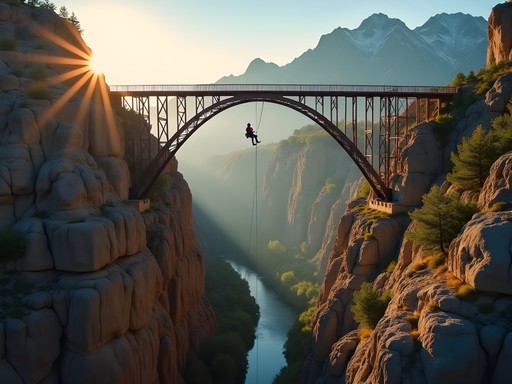
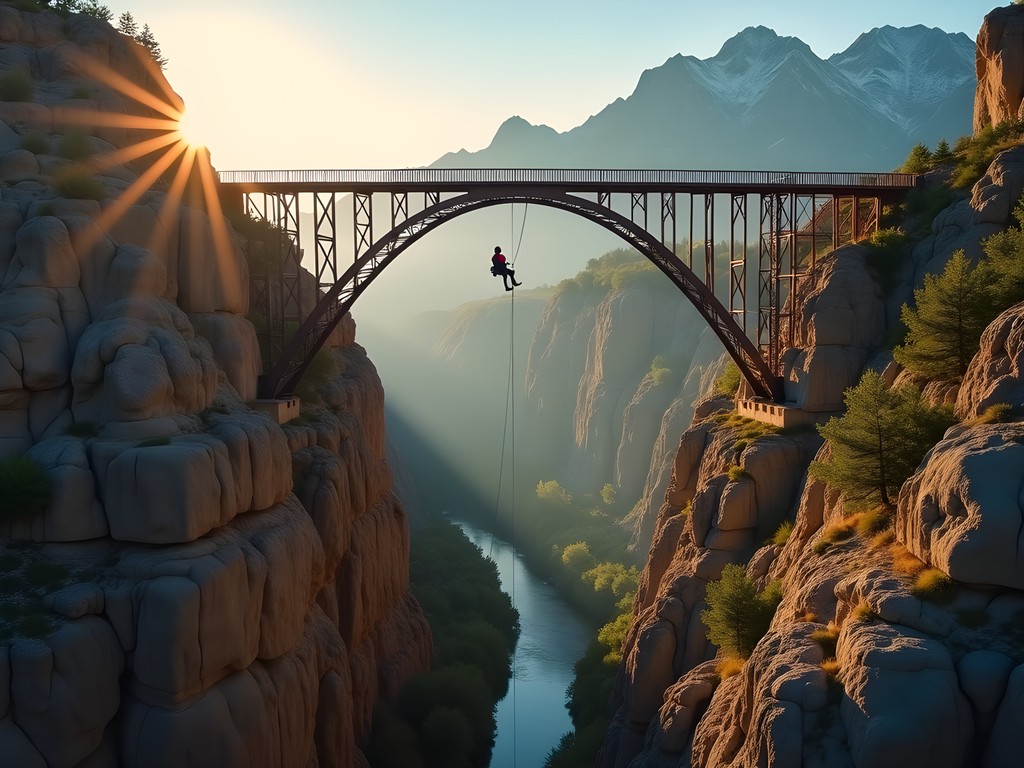
If you're after a proper heart-stopper, Telephone Canyon Bridge rappelling should top your list. This 25-meter steel and concrete beauty spans a dramatic limestone gorge that channels wind in fascinating patterns—creating what locals call the 'Wyoming Whistle' when conditions are right.
As a bridge enthusiast who's studied structural responses to environmental stressors, I was buzzing to experience this unique rappel. The bridge's underside reveals fascinating engineering choices that have weathered decades of Wyoming's extreme temperature fluctuations. The guides explain how the expansion joints accommodate up to 15cm of movement between summer and winter—engineering brilliance hiding in plain sight!
The rappel itself is technical but accessible if you've got basic climbing experience. You'll need a climbing helmet and proper rappelling gloves. The moment you lean back into the void, the Medicine Bow peaks framing your descent, is pure magic. Just be mindful that summer thunderstorms can develop quickly here—I had to scramble back up when a lightning cell appeared seemingly from nowhere.
💡 Pro Tips
- Book your rappel for early morning when winds are typically calmer
- Bring polarized sunglasses to cut glare when looking up at the bridge structure
- Ask guides about the bridge's history during Wyoming's infrastructure boom
Storm Chasing in Medicine Bow National Forest
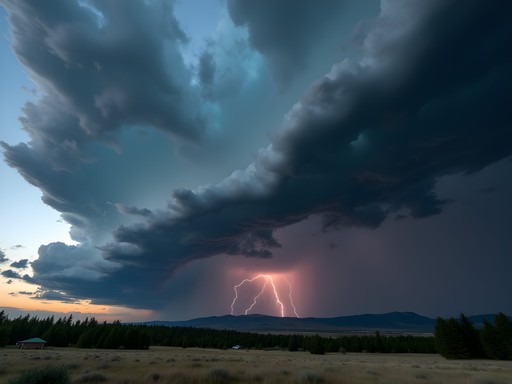
Wyoming's high plains create a spectacular canvas for weather phenomena that would make any meteorology geek weak at the knees. The Medicine Bow National Forest sits at a sweet spot where mountain uplifts and prairie air masses collide, creating predictably unpredictable storm systems that are both terrifying and beautiful.
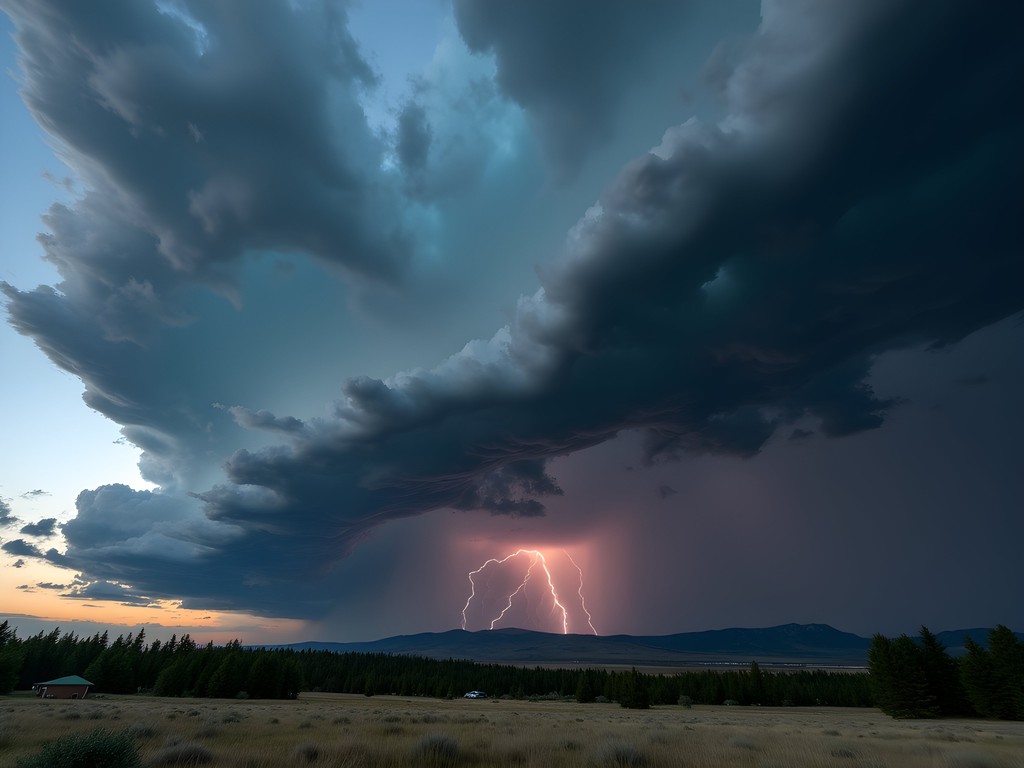
I joined a specialized storm-chasing tour led by University of Wyoming meteorology graduates who know exactly where to position you for the safest yet most dramatic views. We tracked a supercell thunderstorm developing over Centennial Ridge, watching rotation patterns that mirrored what I'd studied during my weather pattern research back in Leeds.
The lightning display was unlike anything I've witnessed in New Zealand or Southeast Asia—horizontal bolts stretching 15km across the sky, followed by ground strikes that illuminated the entire landscape. You'll want a lightning detector for added safety when you're out there. The guides provided weather radios to track storm development, but having your own gear means you can venture out independently after gaining experience.
The Māori concept of tawhirimātea (embodiment of weather and winds) came alive for me here—a powerful reminder of nature's raw energy that shaped my childhood understanding of the world.
💡 Pro Tips
- Book tours 2-3 days in advance but be flexible as they may reschedule based on storm potential
- Wear waterproof boots with good traction for muddy conditions
- Bring a waterproof camera case—you'll want to document these epic storms
Vedauwoo Crack Climbing for Adrenaline Junkies
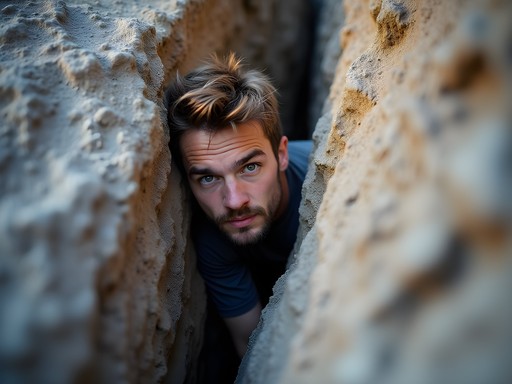
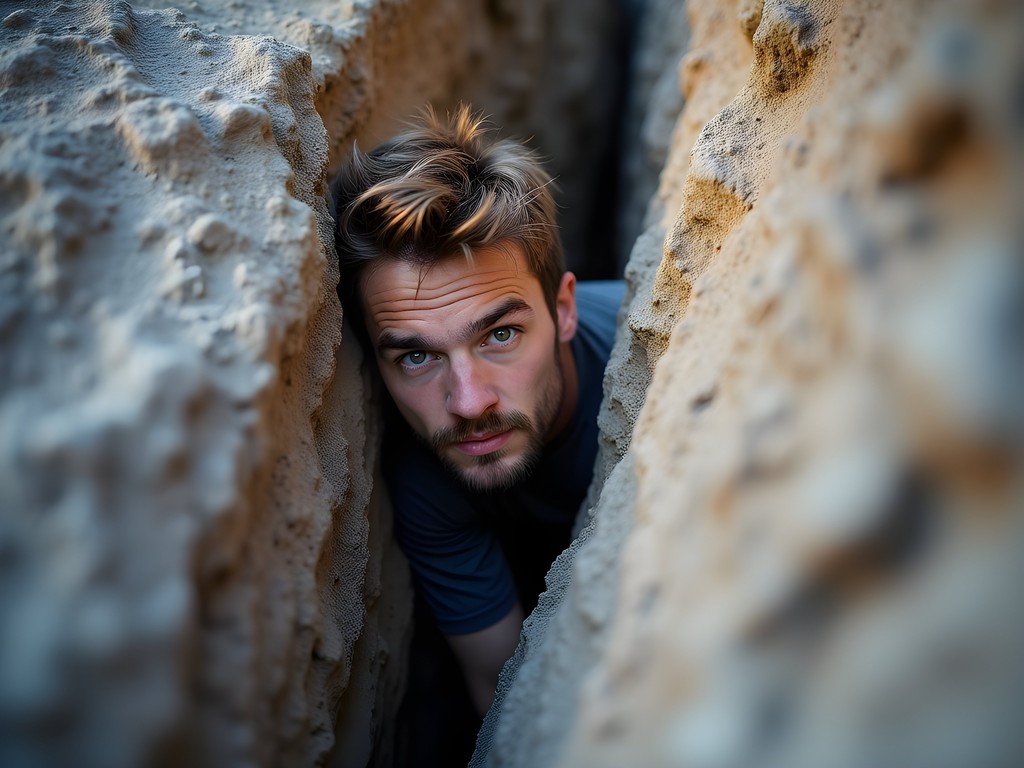
The Vedauwoo rock formations look like they've been plucked straight from a Tolkien novel—massive Sherman granite boulders stacked in impossible arrangements, weathered by millennia of Wyoming's harsh elements. For climbers, this place is legendary for its wide crack systems that demand a technique called 'off-width climbing'—essentially wedging your entire body into cracks and squirming upward. It's as graceless and challenging as it sounds, and absolutely brilliant.
I spent two days with local climbing guide Emma Rodriguez, who specializes in teaching this masochistic art form to visitors. My engineering background gave me a theoretical appreciation for the friction coefficients at play, but nothing prepares you for the physical reality of jamming your body into these granite vices.
The classic route 'Edward's Crack' (rated 5.9) had me questioning my life choices halfway up, arms trembling as I tried to remember Emma's technique tips. But topping out to views across the Laramie Basin with the Snowy Range in the distance made every scrape and struggle worthwhile.
You'll want to invest in proper climbing tape to protect your skin—I went through nearly a full roll in two days. And trust me, a crack climbing glove is worth its weight in gold when you're jamming your hands into these unforgiving granite cracks.
💡 Pro Tips
- Book a guide for your first Vedauwoo experience—the techniques are highly specialized
- Start with easier grades than you normally climb elsewhere—Vedauwoo's rating system is notoriously sandbagged
- Bring twice as much water as you think you'll need—the high altitude and dry air are deceptive

Snowy Range Alpine Traverse
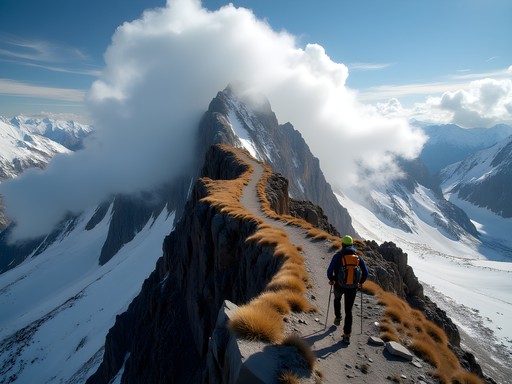
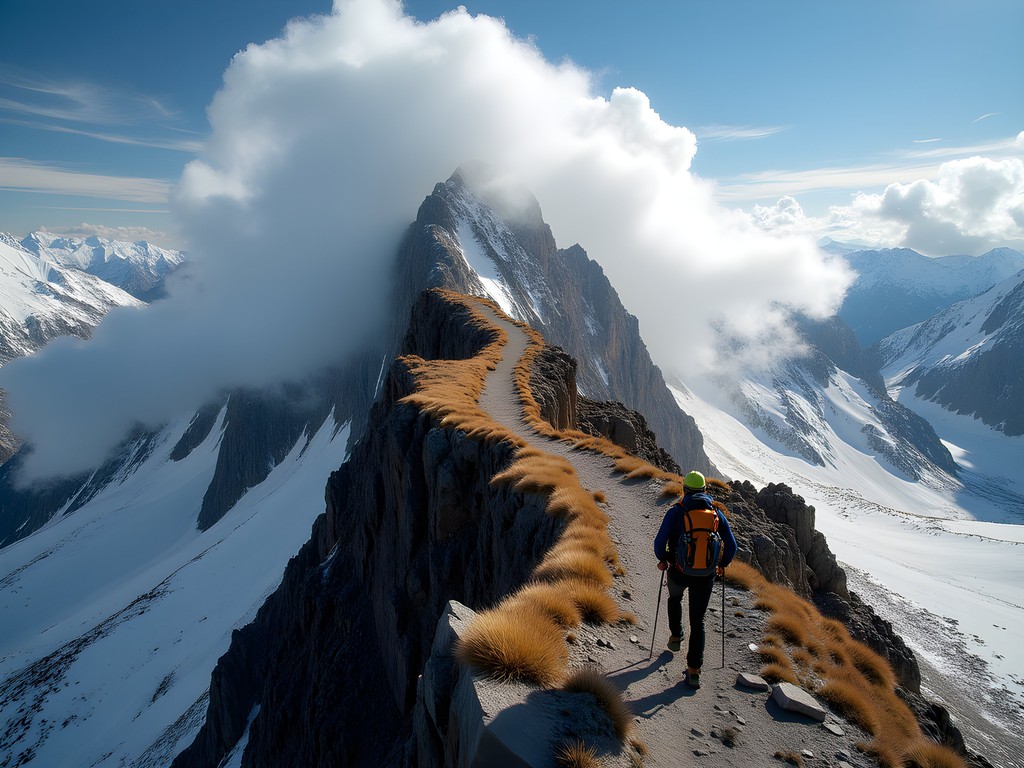
The Snowy Range Traverse isn't your typical bushwalk—it's a high-altitude adventure across a knife-edge ridgeline that demands respect and rewards you with views that'll make your Instagram followers think you've splurged on a helicopter tour. Starting from Medicine Bow Peak trailhead, this 18km route takes you across five peaks above 3,600 meters, where the air is thin and the weather changes faster than a Kiwi can say 'sweet as.'
I tackled this in late July when the snowfields had mostly retreated, but still found myself navigating patches of snow and ice in several north-facing couloirs. The route requires basic scrambling skills and a good head for exposure—there are sections where the drop-offs on both sides would give your mum nightmares.
The most technical section comes between Medicine Bow Peak and Browns Peak, where a class 3 scramble demands three points of contact and careful route finding. I found my trekking poles essential for stability on the loose scree sections, especially during descent.
What fascinated my engineer's mind was how the alpine winds have sculpted both the landscape and the stunted krummholz trees that somehow survive up here. The way these trees grow in the exact direction of prevailing winds creates natural compasses and tells stories about the region's weather patterns.
Make sure your satellite communicator is fully charged—cell service is non-existent, and afternoon thunderstorms can make quick retreats necessary. I had to hunker down for 45 minutes when lightning started striking nearby peaks, a humbling reminder of nature's dominance in this environment.
💡 Pro Tips
- Start no later than 7am to avoid afternoon thunderstorms
- Carry microspikes even in summer—north-facing snowfields often persist year-round
- Study the route carefully beforehand—many hikers get off-track between Browns Peak and Sugarloaf Mountain
Whitewater Kayaking the Laramie River Canyon
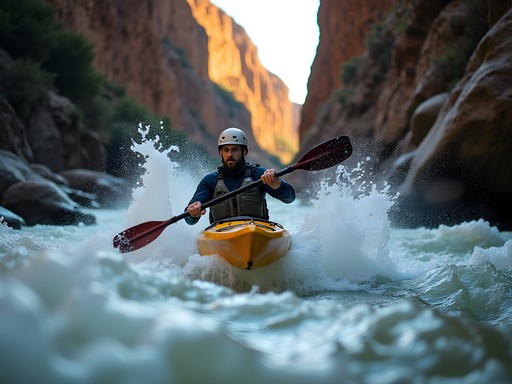
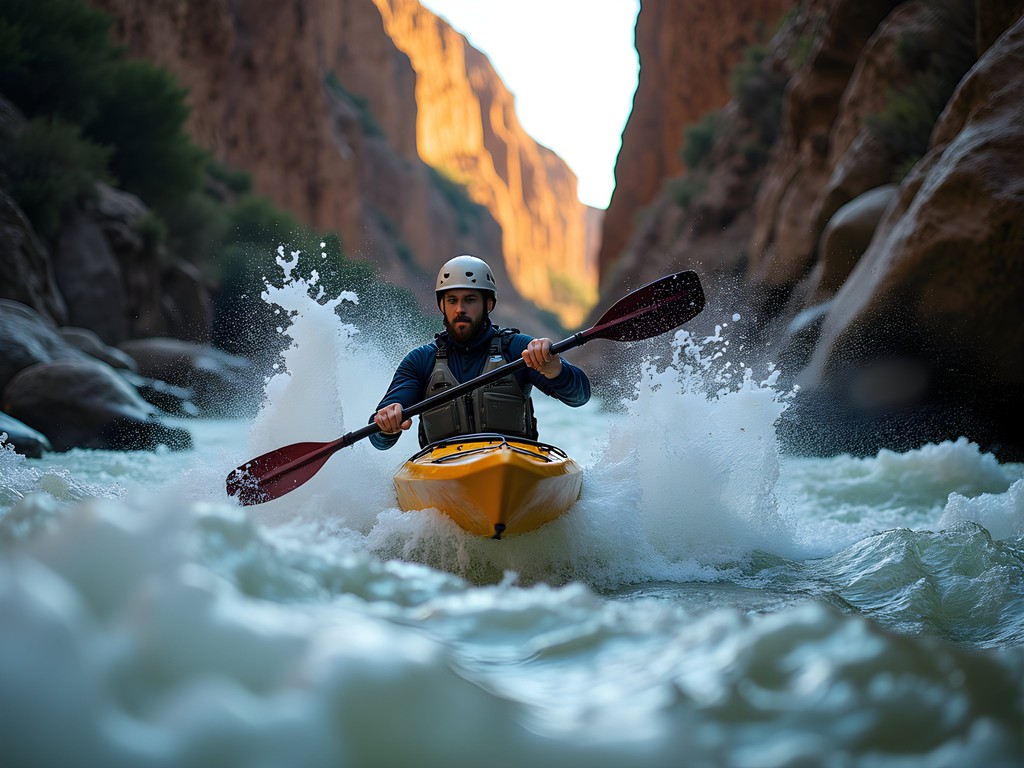
The Laramie River doesn't have the name recognition of Colorado's famous rapids, and that's exactly why you should paddle it. This hidden gem flows through a spectacular limestone canyon with Class III-IV rapids that change character dramatically based on seasonal snowmelt and dam releases.
I joined a local outfitter for a full-day expedition through the canyon's most technical section, known as 'The Narrows.' As someone who's studied how water flow impacts structural integrity, I was fascinated by how the river has carved perfect hydraulic features through the limestone bands—creating textbook examples of standing waves, holes, and eddies.
The guide explained how they work with dam operators to predict water levels, a delicate dance of engineering and natural systems that determines whether certain rapids are playful or potentially deadly. We hit it at a perfect 750 cubic feet per second—enough flow to make the infamous 'Washing Machine' rapid properly exciting without becoming a swim fest.
The most technical rapid, 'Engineers Nightmare,' features a tight S-turn between undercut walls where precise boat control is essential. I flipped here but managed a textbook combat roll that had me grinning like a possum with a persimmon. My waterproof action camera captured the entire sequence, though the footage is mostly of churning whitewater and my panicked expression.
Be warned that the shuttle logistics are complicated, and you'll want a dry bag rated for full submersion to keep your gear safe. My phone survived thanks to keeping it in a waterproof phone pouch rated for whitewater conditions.
💡 Pro Tips
- Call outfitters 1-2 days before to check current water levels—optimal paddling is between 600-900 CFS
- Bring neoprene gloves even in summer—the water stays surprisingly cold year-round
- Request the front seat in the raft for maximum splash factor (or back seat if you prefer staying drier)
Final Thoughts
As I packed up my gear and bid farewell to Laramie's rugged landscapes, I couldn't help but reflect on how this corner of Wyoming perfectly embodies what I seek in adventure travel—the intersection of engineering marvels, weather phenomena, and raw wilderness. From dangling beneath bridges that dance with the wind to chasing supercell thunderstorms across the high plains, Laramie offers experiences that speak to both the technical mind and the adventure spirit.
What makes these adventures particularly special is their accessibility to budget travelers willing to research and connect with locals. Most of my week's adventures cost less than a single day of guided heli-skiing in New Zealand or ice climbing in Iceland. The authentic connections with local experts—from university meteorologists to climbing guides with decades of experience—added layers of understanding I couldn't have gained otherwise.
As Māori wisdom teaches us to see the interconnectedness of all things, Laramie showed me how bridges, weather, water, and rock create a complex dance that rewards the observant adventurer. Ka kite anō, Wyoming—I'll be back when the winds call again.
✨ Key Takeaways
- Laramie offers world-class adventure experiences at fraction of the cost of more famous destinations
- Connecting with local experts enhances both safety and understanding of the unique environments
- The shoulder seasons (late June and early September) offer the best balance of good weather and smaller crowds
📋 Practical Information
Best Time to Visit
June through early September, with July offering peak conditions for most activities
Budget Estimate
$800-1200 for a full week including accommodation, activities, and food
Recommended Duration
5-7 days minimum to experience the range of adventures
Difficulty Level
Challenging - Most Activities Require Previous Experience Or Guided Instruction

Comments
backpackguide
Planning my first trip to Wyoming this summer - is storm chasing safe for beginners or should I skip that one? Looks amazing but also kinda scary lol
nomadzone
def go with a guide for storm chasing, lightning is no joke out there
wanderchamp
Storm chasing sounds wild! Thanks for sharing.
wavegal
Those storm photos are incredible!!
hikingwalker1556
Anyone know if you need permits for the Medicine Bow trails? Planning a trip for October.
summerexplorer
I don't think so? We just showed up last year and hiked. But October might be getting cold!
Taylor Moreau
Excellent write-up, Trevor. I visited Laramie on business last autumn and managed to squeeze in a day at Vedauwoo - absolutely spectacular granite formations. Your point about the infrastructure challenges in extreme environments really resonates. Wyoming's remote nature means proper preparation is essential. I'd add that mobile coverage is patchy at best in Medicine Bow, so download offline maps beforehand. The Snowy Range Alpine Traverse sounds brilliant - wish I'd had time for that one.
backpackguide
Good tip about the offline maps! Which app do you use?
Taylor Moreau
I typically use Gaia GPS for backcountry navigation. Worth the subscription for remote areas like this.
Adam Nichols
Trevor, your comparison between Laramie's backcountry and the Canterbury landscapes really resonates. I spent three weeks solo hiking through Wyoming last summer, and what struck me most was the psychological aspect of those wide-open spaces - there's something deeply humbling about the scale. The Snowy Range Alpine Traverse you mentioned is no joke though. I attempted it in late June and still encountered significant snowpack above 11,000 feet. For anyone planning this, I'd strongly recommend waiting until mid-July at the earliest, and always check current conditions with the Forest Service. The exposure on some sections requires proper mountaineering experience. Did you use microspikes or crampons during your traverse?
wanderchamp
Good to know about the timing, was thinking about going in June!
nomadzone
Bridge rappelling looks insane! Adding to my list
springway
Love the bridge rappelling photos!
Timothy Jenkins
Brilliant post, Trevor. I visited Vedauwoo last autumn and was absolutely gobsmacked by those granite formations. The crack climbing there is genuinely world-class. One thing I'd add for readers is that the weather can turn quite quickly in the high country - I got caught in an unexpected snowstorm in September! The locals at the climbing shop in town were incredibly helpful with route beta. Have you tackled any of the classic 5.10+ routes there? Curious about your favourites.
hikingwalker1556
How hard is Vedauwoo for intermediate climbers? I've done mostly sport climbing, worried about the crack techniques.
Timothy Jenkins
There are definitely routes for all levels, but I'd recommend getting comfortable with hand jams first. Maybe take a course or hire a guide for your first day there.
citymood
How gnarly is the crack climbing at Vedauwoo really? I've done some sport climbing but never trad. Is it doable for someone with like a year of gym experience or should I wait?
wavegal
Vedauwoo is no joke tbh. Those cracks eat beginners alive lol. Maybe hire a guide first?
citymood
yeah good call, thanks!
Venture X
Premium card with 2X miles, $300 travel credit, Priority Pass