
Disclosure: This article contains affiliate links. We may earn a commission from purchases at no extra cost to you, which helps our travel content.
When most people hear Auburn, Alabama, they think football and the iconic War Eagle battle cry. But during a recent spring weekend exploring the Southeast's architectural vernacular, I discovered something unexpected: Auburn sits at the confluence of several ecosystems that create a surprisingly diverse outdoor playground. The same geological formations that provide the clay and limestone for the region's distinctive buildings also carved out trails, waterways, and climbing routes that rival better-known destinations. For students looking to escape campus stress without emptying their wallets, Auburn delivers adventure with genuine Southern hospitality.

Chewacla State Park: Your Base Camp for Weekend Adventures
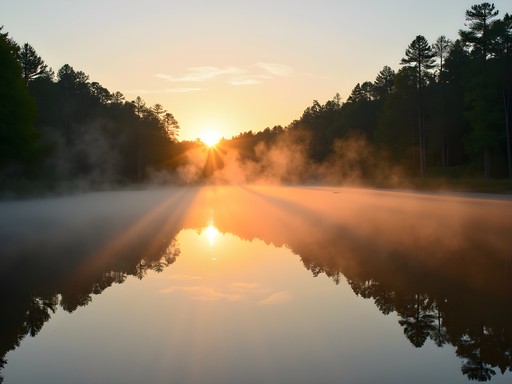
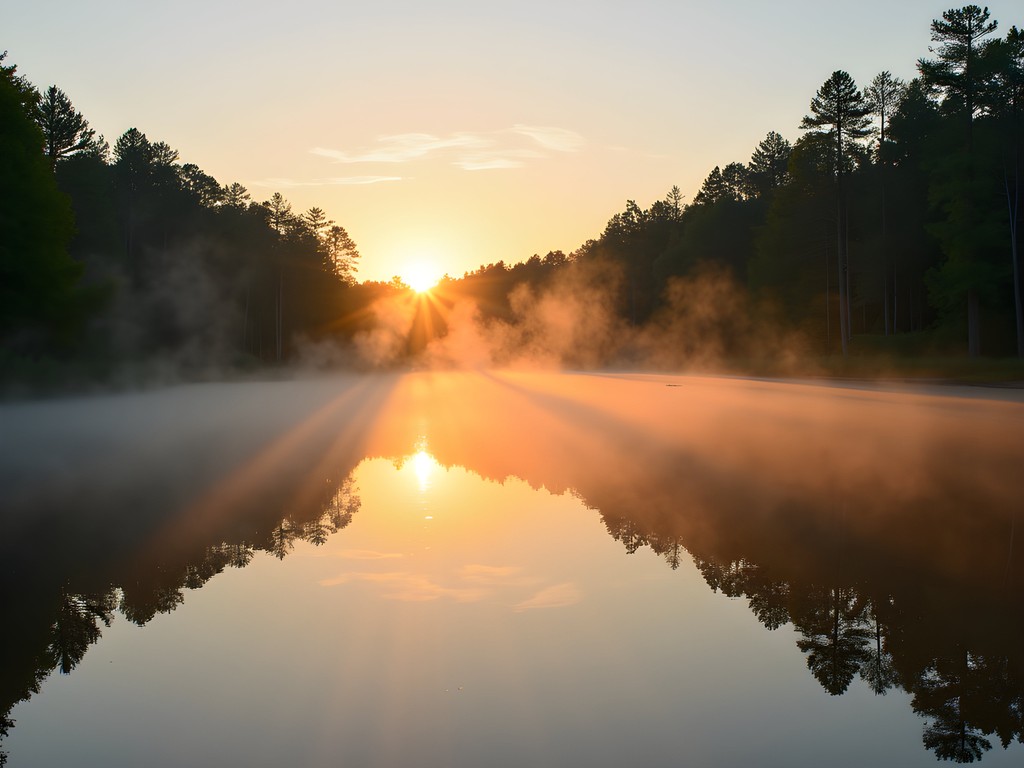
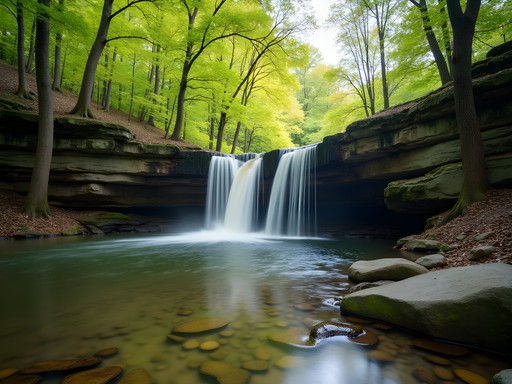
Just minutes from campus, Chewacla State Park functions as Auburn's outdoor laboratory. The park's 696 acres showcase the Piedmont Plateau's transition to the Coastal Plain—a geological boundary that creates dramatic elevation changes and diverse ecosystems. The 26-acre lake, formed by Chewacla Creek's damming, offers surprisingly clear water for swimming and paddling.
I spent a Saturday morning analyzing the park's trail system from an engineering perspective. The Red Trail (3.2 miles) features well-designed switchbacks that demonstrate proper erosion control—someone understood slope stability when they built this. The trail descends 150 feet through mixed hardwood forest to creek crossings where you can observe the exposed Tuscaloosa Formation's sand and gravel layers. For students on a budget, the park's $5 day-use fee is unbeatable, and primitive camping runs just $15/night. Bring a hammock for the perfect study break spot overlooking the lake—I've found that reviewing materials science papers is far more pleasant suspended between two pines.
💡 Pro Tips
- Arrive before 10am on spring weekends to secure parking near the lake—Auburn students discover this place once the weather warms up
- The Moore's Mill Road entrance provides easier access to technical trails if you're short on time
- Download the AllTrails map offline before visiting—cell service is spotty in the valleys
Paddling the Chewacla and Saugahatchee Creek Systems
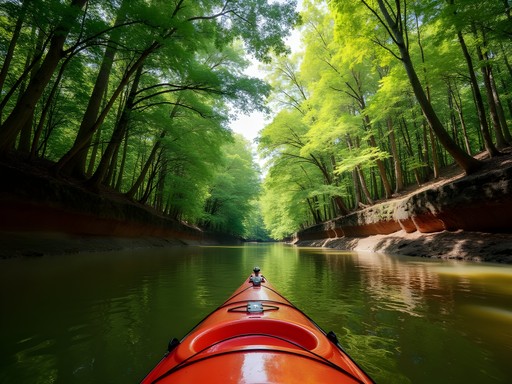
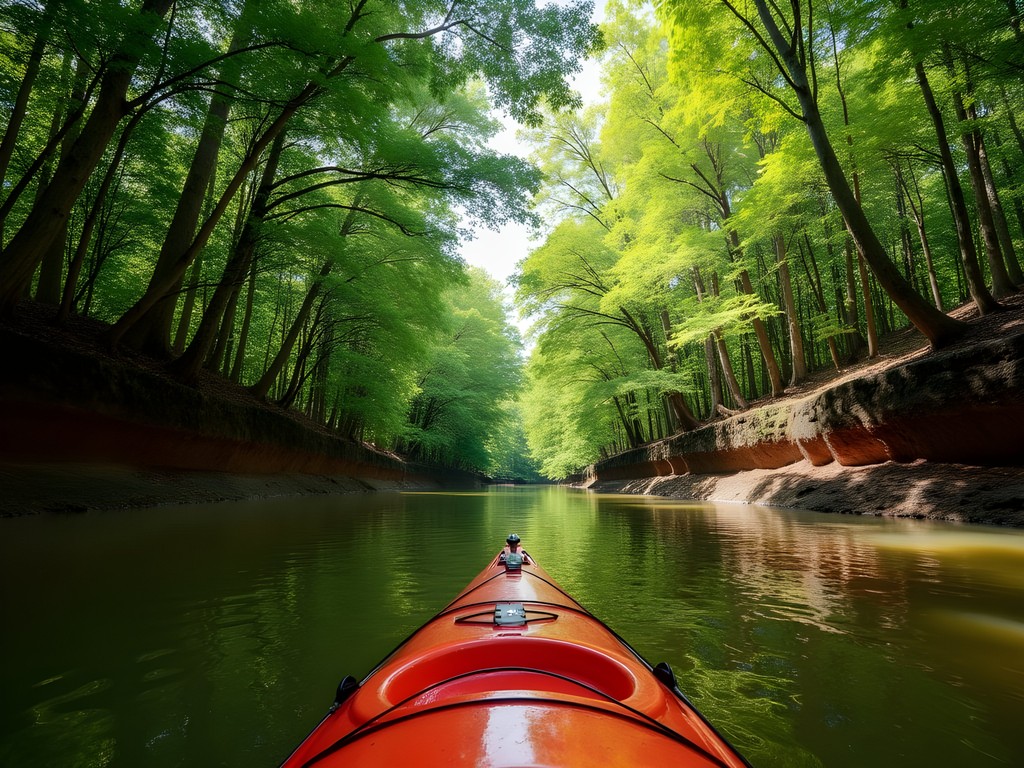
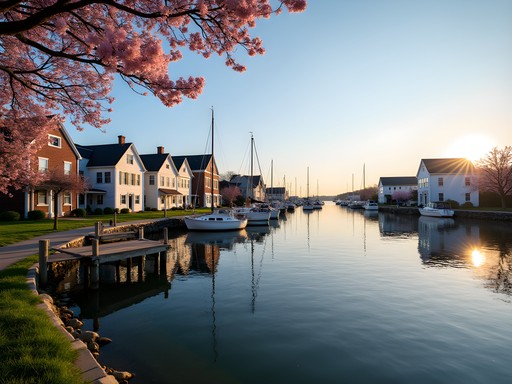
Auburn's creek systems offer accessible paddling that reveals the region's hydrology and riparian ecosystems. The Saugahatchee Creek, which flows through campus, connects to longer routes perfect for half-day adventures. The put-in at Wire Road (near Kiesel Park) to the take-out at Chewacla Park creates a 4-mile paddle through surprisingly remote terrain.
The creek's flow rate varies significantly with rainfall—a perfect demonstration of watershed dynamics. Spring conditions (March through May) typically provide optimal water levels, though you'll need to portage around two small dams. The exposed creek banks showcase the region's characteristic red clay over Cretaceous-age sediments, and the riparian vegetation creates a tunnel effect that makes you forget you're minutes from a college campus. If you don't have your own kayak, Auburn University's Outdoor Recreation Program rents them for $15/day to students. Otherwise, investing in a inflatable kayak makes sense for budget-conscious students—it packs down small enough for dorm storage and handles these calm creek conditions perfectly.
💡 Pro Tips
- Check recent rainfall on USGS stream gauges before planning your trip—below 50 cfs gets rocky and requires dragging
- Wear water shoes you can hike in; the portages involve scrambling over uneven terrain
- Bring a dry bag for your phone and a physical map—GPS gets confused under the dense canopy
Rock Climbing at Horse Pens 40: Worth the Drive
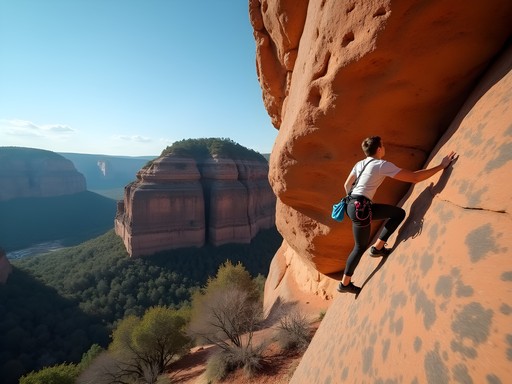
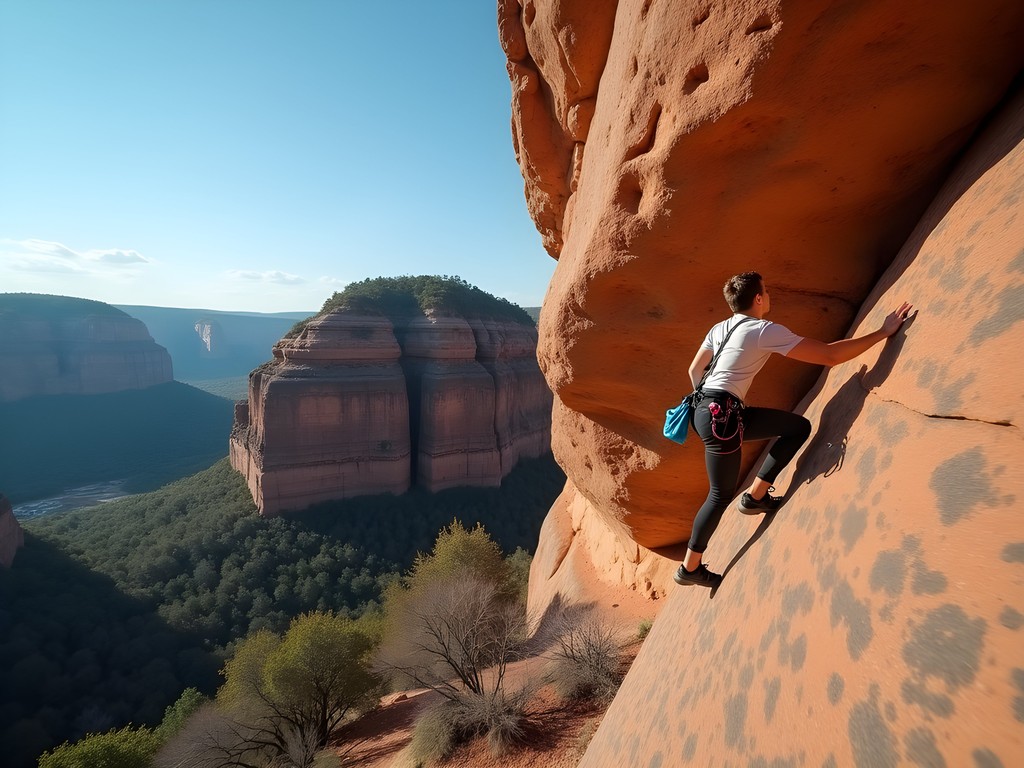
While not technically in Auburn, Horse Pens 40 near Steele, Alabama (90 minutes north) represents the region's premier climbing destination and makes an excellent day trip. The site's name comes from its historical use—40 acres of sandstone boulders that early settlers used as natural livestock pens. From a materials perspective, these Pottsville sandstone formations are fascinating: the rock's high silica content and horizontal bedding planes create the perfect texture and features for climbing.
I visited on a March Saturday with some Auburn graduate students and found over 250 established boulder problems ranging from V0 to V12. The sandstone's friction coefficient is exceptional when dry—comparable to Fontainebleau's famous grit—but becomes dangerously slick when wet. The $10 day-use fee includes access to primitive camping if you want to maximize your climbing time. Most problems are short (8-15 feet), making this ideal for students new to bouldering who might not have extensive gear. A crash pad is essential—the landings are rocky and uneven. Split the cost with climbing partners to keep it budget-friendly.
💡 Pro Tips
- Visit during the cooler months (October-April)—Alabama summers make the rock too hot to touch by mid-morning
- Bring extra climbing chalk and a brush; the sandstone gets polished on popular problems
- The guidebook is worth purchasing—many problems are hard to identify without beta photos

Mountain Biking the Chewacla and Tuskegee National Forest Trails
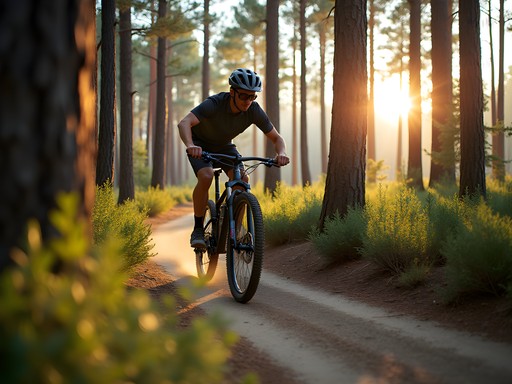
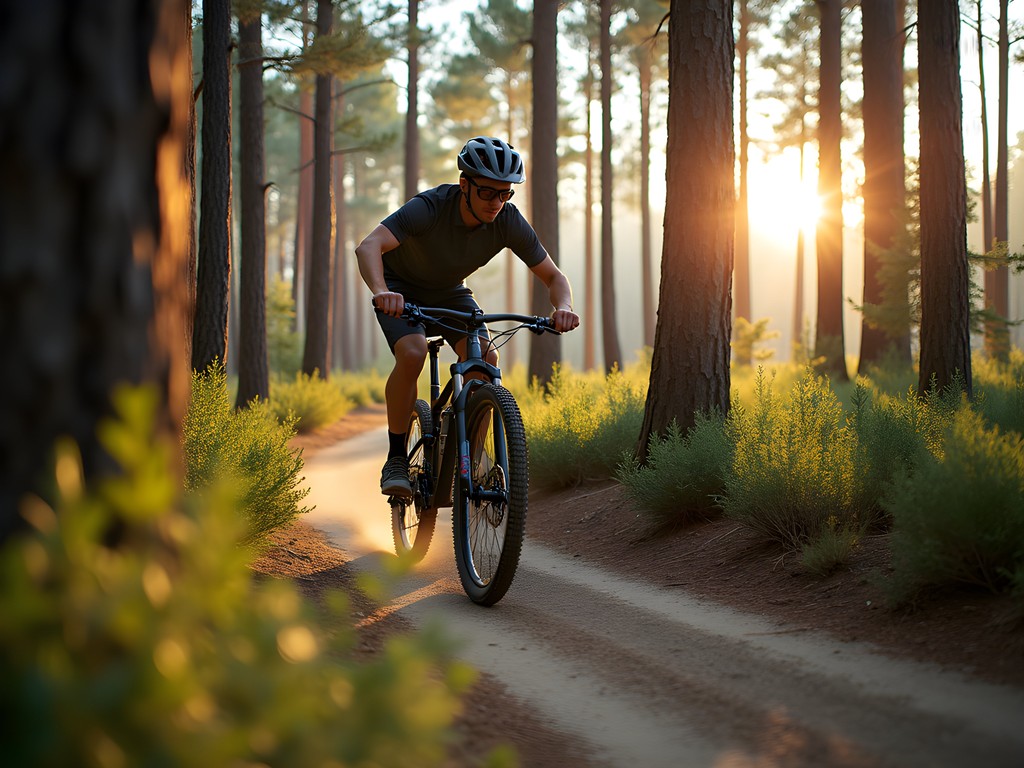
Auburn's mountain biking scene punches above its weight class. The Chewacla trails include technical singletrack that challenges intermediate riders, while the nearby Tuskegee National Forest's Bartram Trail System (45 minutes away) offers 8.1 miles of flowy, well-maintained paths through longleaf pine ecosystems.
The Bartram trails demonstrate excellent sustainable trail design—the builders clearly understood soil mechanics and drainage. The trail surface uses the native sandy loam, which drains quickly after rain and provides good traction. The bermed turns are properly compacted and angled, showing someone did the engineering calculations. For students without bikes, Auburn's bike co-op sometimes has affordable used mountain bikes, or you can rent from local shops for around $35/day. Pack a bike repair kit in your pack—nothing ends a ride faster than a broken chain 4 miles from the trailhead with no tools.
💡 Pro Tips
- Ride Bartram clockwise for the most fun flow—the trail was designed with this direction in mind
- Spring brings ticks; treat your clothes with permethrin before riding through tall grass sections
- The Tuskegee trails close during wet conditions to prevent erosion—check the local Facebook group for current status
Budget-Friendly Gear and Logistics for Student Adventurers
Auburn's outdoor scene thrives partly because students have figured out how to adventure cheaply. The Auburn University Outdoor Recreation Program is your best resource—they rent everything from kayaks to climbing shoes at student rates that undercut commercial outfitters. Their weekend trips often include transportation and instruction for under $50.
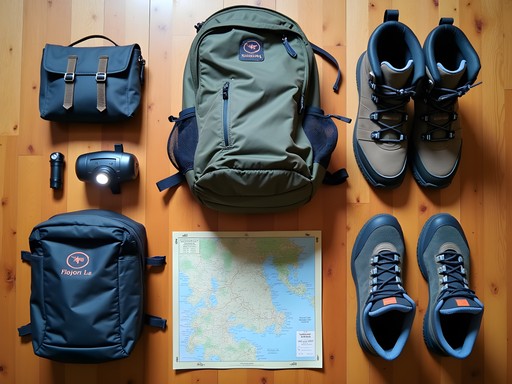
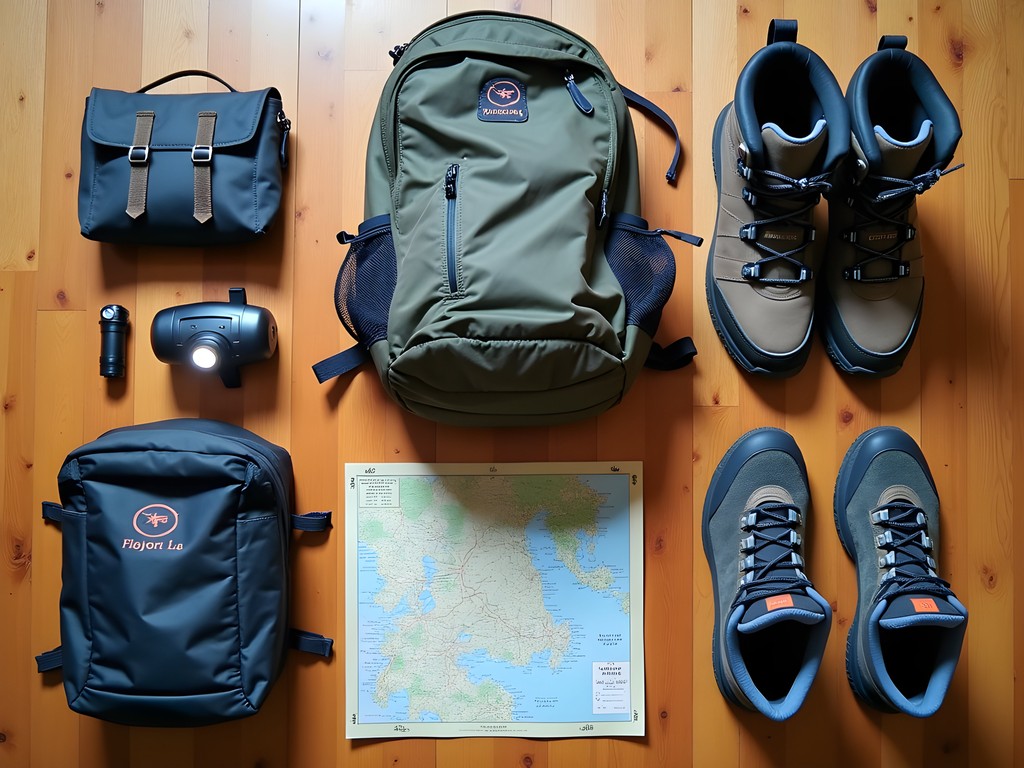
For gear you'll use repeatedly, invest strategically. A quality headlamp serves multiple purposes—night hiking, camping, and those late-night study sessions during finals. A water filter lets you refill from creeks instead of carrying heavy water bottles, crucial for longer trail days in Alabama's humidity. The local outdoor community is generous with gear advice; the Auburn Outing Club's Facebook group regularly posts gear swaps and ride shares to trailheads. Splitting gas costs with other students makes even Horse Pens 40 affordable—$10 in gas plus the $10 entrance fee beats a weekend of campus dining hall food.
💡 Pro Tips
- Check the Auburn Outing Club's gear library before buying—they loan equipment to members for free
- Toomer's Drugs downtown has surprisingly good prices on basic outdoor supplies and sunscreen
- Download the GasBuddy app to find cheap fuel before road trips to climbing areas
Final Thoughts
Auburn surprised me. I arrived expecting to document some historic architecture and left with muddy boots, chalk-covered hands, and a genuine appreciation for how this college town's outdoor resources rival destinations that get far more attention. The geological diversity that creates the region's distinctive building materials also carved out this adventure playground—limestone for climbing, clay-lined creeks for paddling, and sandy soils for flowing singletrack.
For students, Auburn offers something increasingly rare: accessible outdoor adventure that doesn't require trust fund money or a semester off. The proximity of quality trails, water, and rock to campus means you can squeeze in genuine adventures between classes. These aren't manicured, Instagram-ready experiences—they're real, sometimes muddy, occasionally frustrating, always rewarding adventures that teach you as much about persistence and problem-solving as any engineering problem set. Pack your dry bag, grab some classmates, and discover what Auburn offers beyond the football stadium. The bedrock that built this town is waiting to be explored.
✨ Key Takeaways
- Auburn's outdoor adventures are budget-friendly and accessible—most experiences cost under $20 including gear rentals from campus resources
- Spring (March-May) offers optimal conditions across all activities: comfortable temperatures, good water levels, and dry rock
- The geological diversity within 90 minutes of campus creates surprisingly varied terrain for climbing, paddling, and mountain biking
📋 Practical Information
Best Time to Visit
Spring (March-May) for optimal weather and water levels
Budget Estimate
$50-100 for a full weekend including camping, day-use fees, and gear rentals
Recommended Duration
2-3 days to experience multiple activities
Difficulty Level
Moderate

Comments
wanderlustchamp
Adding this to my spring road trip plans!!
winterchamp
Going there next month, thanks for this!
hikingmood
Are the trails good for beginners? Haven't done much hiking but this looks amazing
Kimberly Murphy
Chewacla has trails for all levels! Start with the Falls Trail - it's easy and gorgeous. Work your way up from there. The park rangers are super helpful too if you stop by the office.
Taylor Moreau
Excellent piece, Ana. I've covered the American South extensively for business travel publications and Auburn rarely gets mentioned outside of collegiate athletics. The Tuskegee National Forest trails you referenced are particularly underrated - I rode them whilst researching sustainable tourism in the region last year. The infrastructure is well-maintained and the pine forests offer surprising biodiversity. Worth noting for international visitors: Auburn is roughly 90 minutes from Atlanta's airport, making it quite accessible for a long weekend.
luckygal
I actually camped at Chewacla last summer and it was pretty solid. The lake gets crowded on weekends but the trails are peaceful. Pro tip - go early morning for the best light on the falls and you'll have the place to yourself. The campground has decent facilities too, nothing fancy but clean showers and fire pits. Definitely bring bug spray though, the mosquitoes were brutal in July!
hikingmood
Thanks for this! Can you do tent camping or is it just RVs?
luckygal
Both! We had a tent site and it was great. Some sites have electric hookups for RVs but plenty of primitive spots too
islandqueen
Love the photos!
wanderclimber
How difficult are the climbing routes at Horse Pens 40? I'm intermediate level, wondering if it's worth the drive from Atlanta?
Kimberly Murphy
Horse Pens is absolutely brilliant for intermediate climbers! Loads of V2-V5 problems and the sandstone is grippy. I stopped there last autumn on a road trip and ended up staying an extra day. The bouldering is world-class honestly. Pack a crash pad if you have one - rentals aren't always available nearby.
wanderlustchamp
OMG I had NO idea Auburn had all this!! Always just drove through on game days. This is going on my bucket list for sure!!
luckygal
Right?? Same here. I've been to Tuscaloosa a million times but never thought to explore the area beyond tailgating lol
Taylor Moreau
Excellent write-up. I've been traveling through the American Southeast for business for nearly two decades and consistently overlook these smaller university towns. Your point about Auburn being more than football resonates - I find these overlooked destinations often provide the most authentic experiences. The Tuskegee National Forest trails sound particularly appealing. Did you find adequate accommodation options near the trail systems, or would you recommend staying in Auburn proper?
Ana Tanaka
Stay in Auburn for sure. Everything is within 20-30 minutes and there are better dining options. Plus some nice historic B&Bs if that's your style!
photoexplorer
That sunset photo from the creek is absolutely gorgeous!! What camera do you use?
Venture X
Premium card with 2X miles, $300 travel credit, Priority Pass