Disclosure: This article contains affiliate links. We may earn a commission from purchases at no extra cost to you, which helps our travel content.
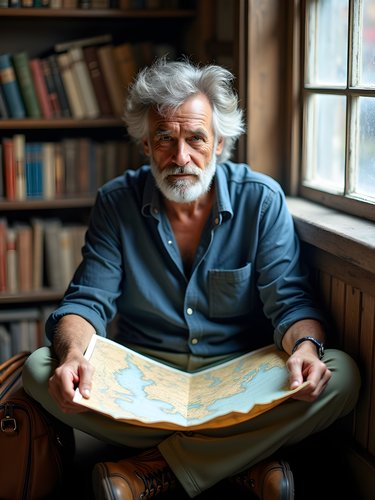
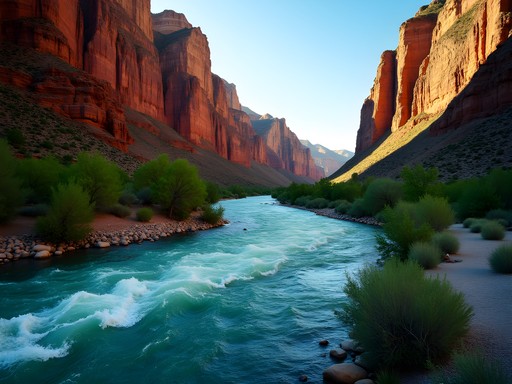
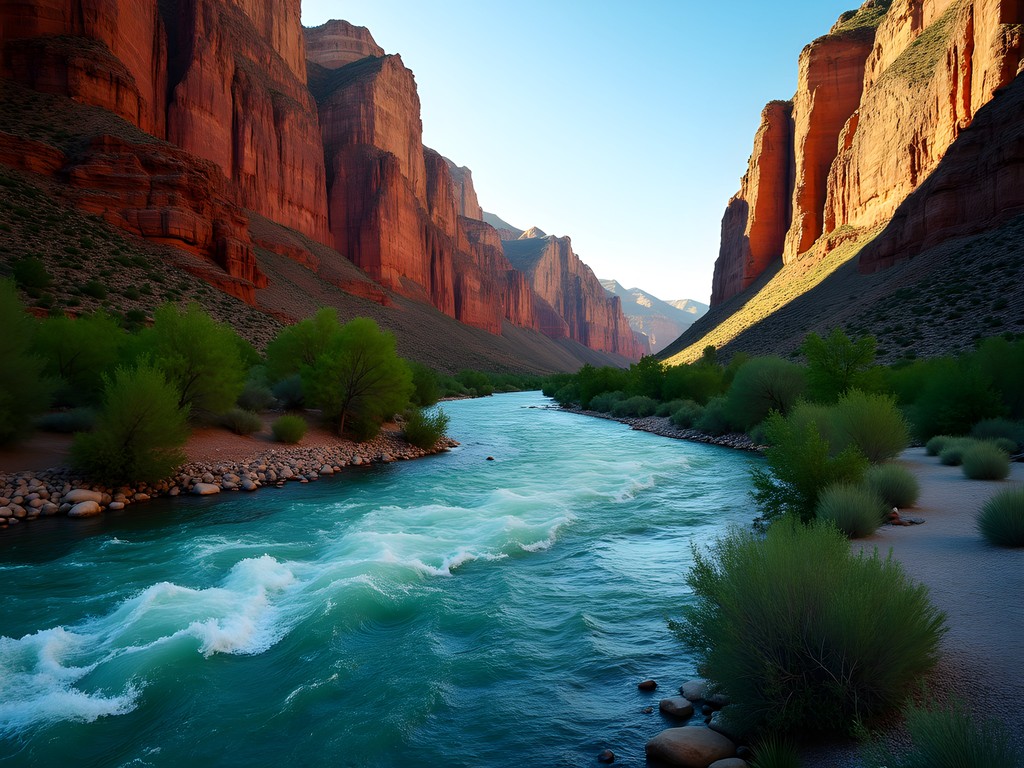
There's something primordial about standing at the edge of rushing water, sketchbook in hand, contemplating both the artistic challenge and the physical one ahead. At 62, I've drawn countless Scottish castles and Mediterranean coastlines, but Wyoming's Green River—with its jade waters cutting through rust-colored canyons—offers a different kind of beauty altogether. One that moves, roars, and occasionally tries to flip your raft when you least expect it.
Returning to American Waters
After fifteen years of calling Glasgow home, there's something both foreign and deeply familiar about returning to the American West. The vastness hits you first—the endless sky stretching above Wyoming's rugged terrain in a way that Scotland, for all its wild beauty, simply cannot match. The Green River has been on my sketch-list for years, ever since a fellow illustrator showed me his watercolors of Flaming Gorge.
I arrived in early July, when the snowmelt-fed river runs with perfect ferocity. Having arranged a six-day guided expedition through the Gates of Lodore and into Dinosaur National Monument, I found myself in a riverside outfitter's shop, surrounded by adventurers half my age, wondering if my artistic hands were still capable of gripping paddle with sufficient strength.
'You'll be fine, old-timer,' laughed Maria, our guide, as she helped me select a dry bag for my precious sketchbooks and a surprisingly comfortable PFD that would become my constant companion for the week ahead. 'The river doesn't care how old you are—just how well you listen to it.'
💡 Pro Tips
- Book your trip at least 6 months in advance as permits are limited and highly sought after
- Pack multiple waterproof bags of different sizes for organization
- Consider a 3-day trip if you're new to whitewater rafting before committing to a full week
The Art of Reading Rapids
There's a curious parallel between sketching architecture and navigating whitewater. Both require you to see patterns where others might perceive chaos—to understand how lines of force move through space. On our second day, as we approached the infamous 'Disaster Falls,' Maria gave our group of eight a crash course in rapid reading.
'See how the water pillows before that boulder?' she pointed. 'That's your signal to pull right. And that V-shaped ripple? That's your highway through the chaos.'
I found myself sketching these patterns in my waterproof notebook during our lunch breaks, much to the amusement of my younger companions. But there's something about translating visual information through the hand that commits it to deeper memory. By day three, I was calling out features before even Maria spotted them, earning me the nickname 'River Eye.'
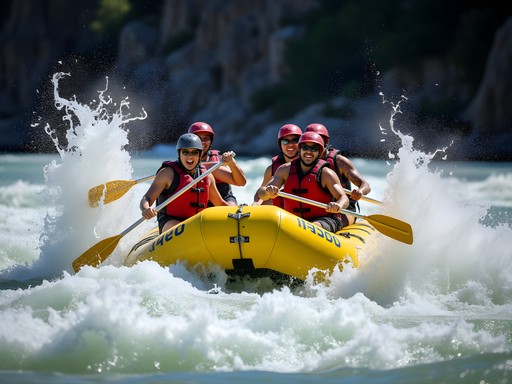
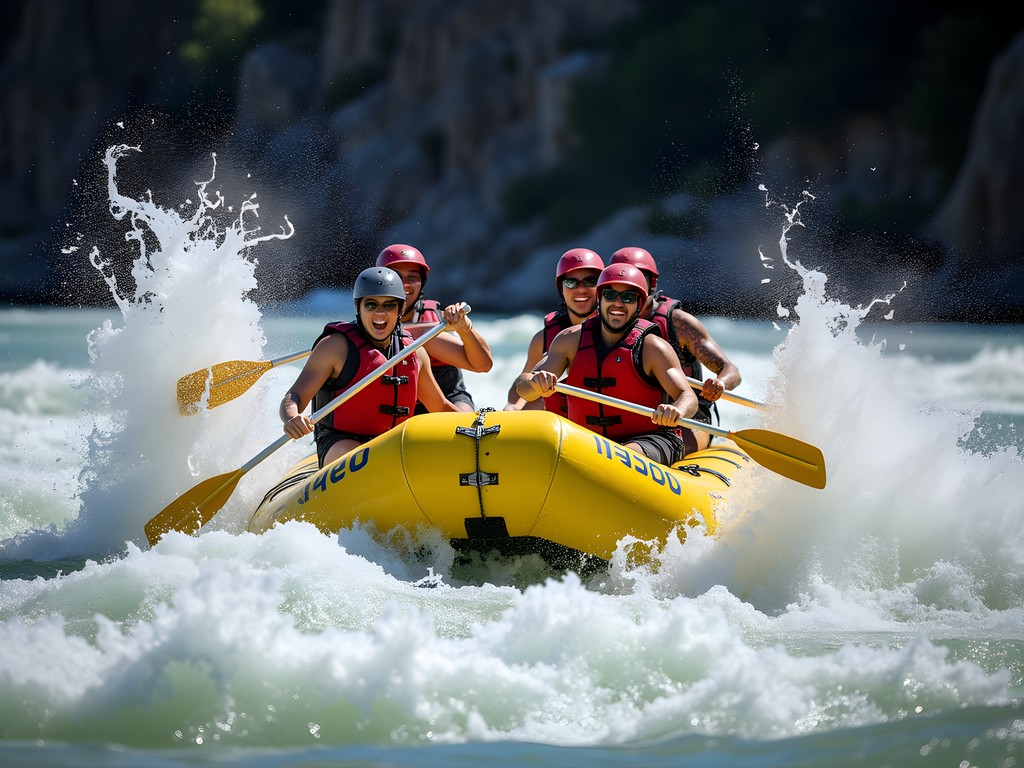
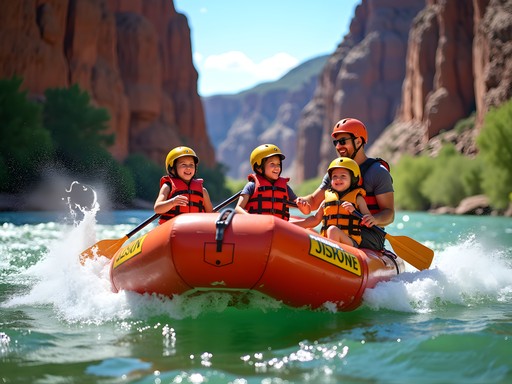
The Class III and IV rapids we encountered required full concentration. Triplet Falls, Hell's Half Mile, and Moonshine Rapids tested both our courage and coordination. At times, I wondered if my decision to tackle this adventure in my sixties was folly, but then I'd feel the surge of accomplishment as we'd navigate through a particularly challenging section, the entire boat whooping with shared triumph.
💡 Pro Tips
- Learn basic river terminology before your trip (eddy, hydraulic, pillow, etc.)
- Practice paddle commands with your group before hitting serious rapids
- Position stronger paddlers in the front and back of the raft
Canyon Walls and Night Skies
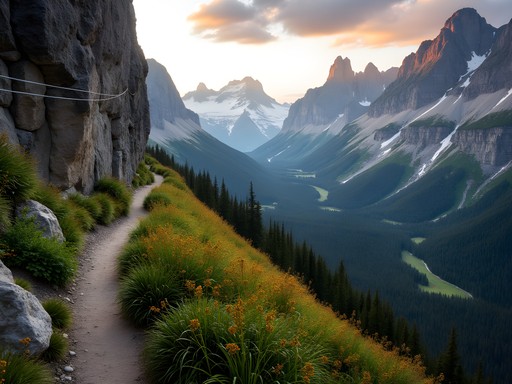
Between the adrenaline-pumping rapids lie stretches of serene floating, where the canyon walls rise hundreds of feet above, telling geological stories spanning millions of years. As an illustrator accustomed to Scotland's ancient castles, I found myself humbled by nature's architecture—layers of sandstone, limestone, and shale creating a palette of reds, oranges, and purples that change with the angle of the sun.
During these calm stretches, I'd pull out my travel easel and capture quick watercolor impressions while our raft gently spun in the current. My fellow adventurers—a family of four from Oregon, a retired couple from Vermont, and a solo traveler from Japan—would gather around to watch the landscape emerge on paper.
'You've captured the feeling of this place,' said Hiroshi, the Japanese photographer, whose own mirrorless camera had been clicking constantly. 'Not just how it looks.'
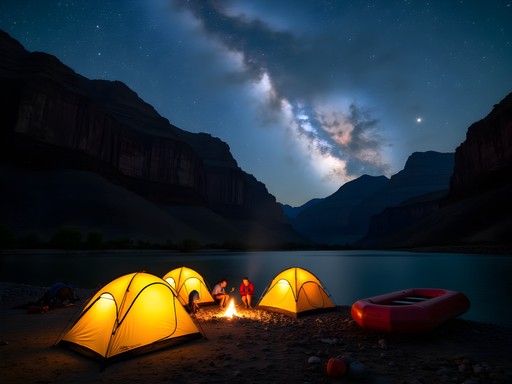
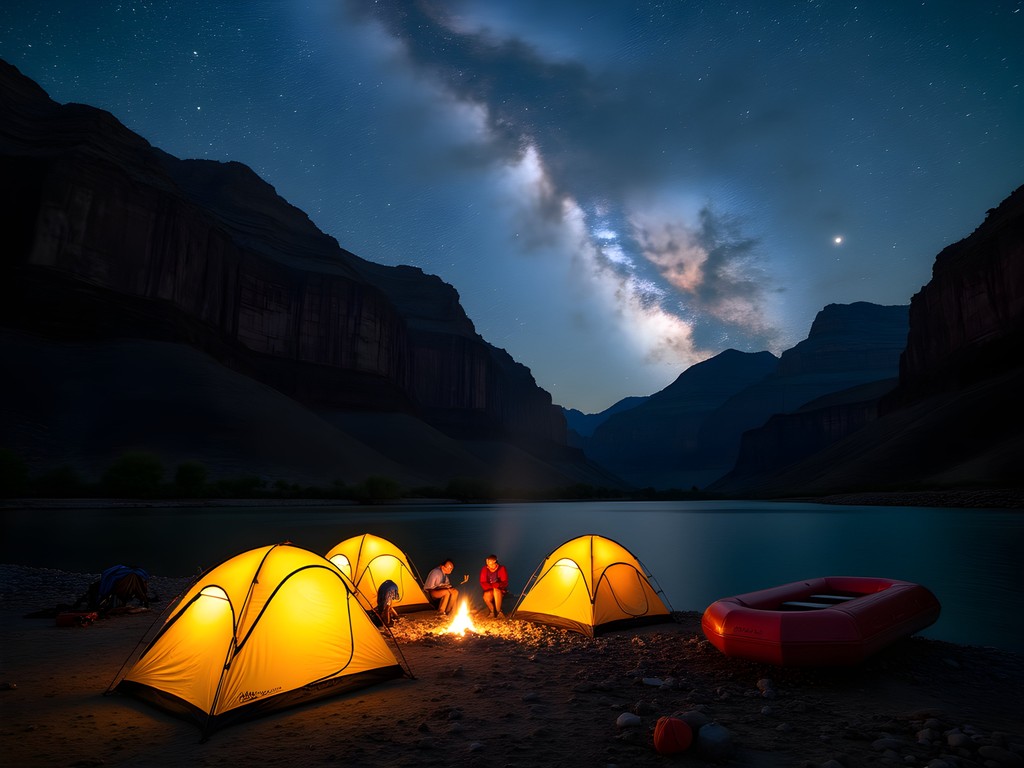
The nights proved equally magical. Our campsites, carefully selected sandy beaches along the river, offered front-row seats to the Milky Way. With no light pollution, the stars appeared as thick as sand, reflected in the now-quiet river. I found myself sketching by headlamp, trying to capture the immensity of that sky, while our guide shared stories of the region's indigenous peoples and early explorers who navigated these same waters.
💡 Pro Tips
- Bring a star chart app that works offline to identify constellations
- Pack a lightweight tripod if you're interested in night photography
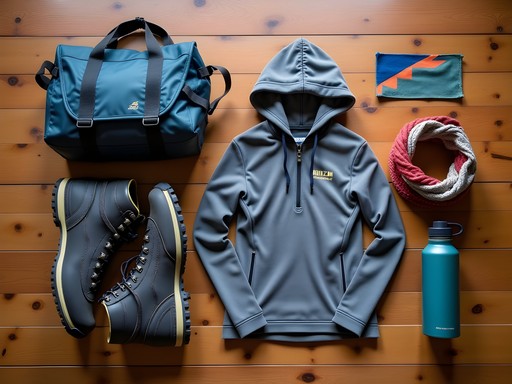
- Choose quick-dry clothing as you'll be alternating between soaking wet and bone dry multiple times daily

Wilderness Wisdom and Conservation Concerns
The Green River isn't merely a playground for adventurers—it's a fragile ecosystem and watershed crucial to the American West. Our guide Maria, besides being a masterful river navigator, proved to be a passionate environmentalist. During our journey, she pointed out how dropping water levels and changing rainfall patterns were affecting both the river's flow and the surrounding habitats.
Having witnessed similar concerns at the Great Barrier Reef years ago, I found myself drawing parallels between these seemingly disparate environments—both facing uncertain futures due to climate change. The river's health reflects the health of the entire region.
We practiced strict Leave No Trace principles, carrying out everything we brought in. Even our toilet system—a rather ingenious contraption nicknamed 'the groover'—ensured we left no human waste behind. I was impressed by the solar charger Maria used to power her satellite phone and weather radio, demonstrating how modern technology can support wilderness experiences while minimizing impact.
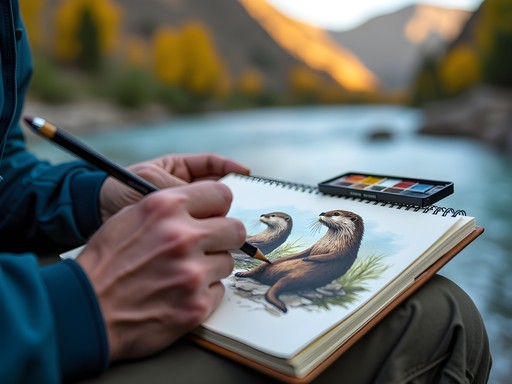
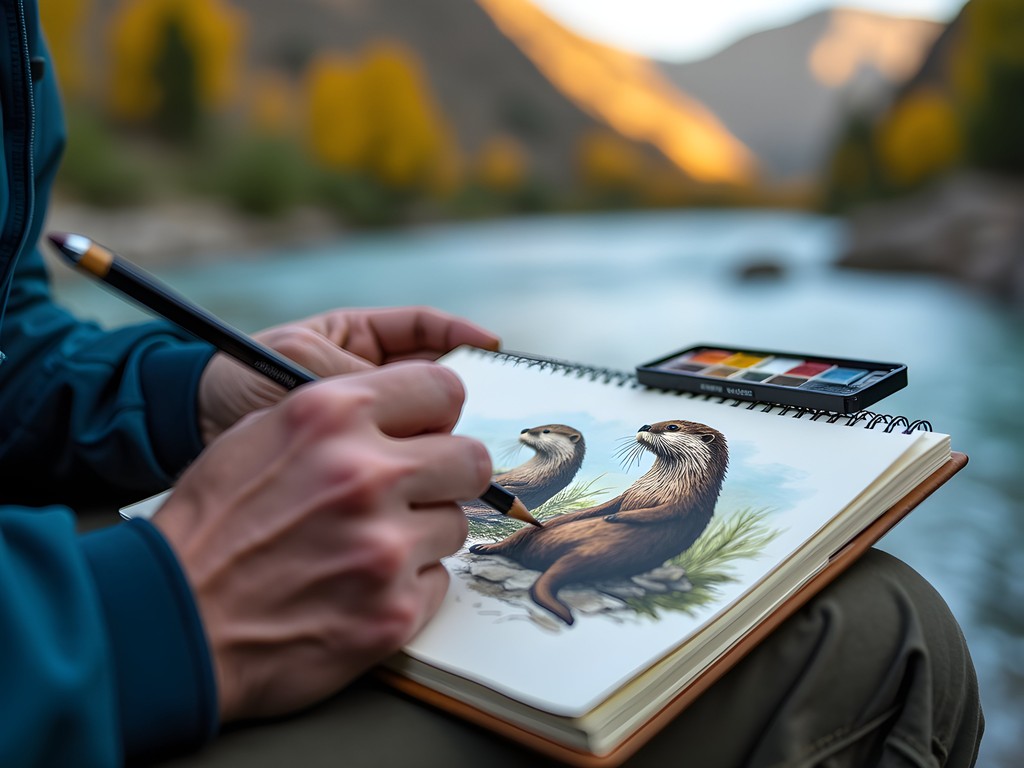
'The river gives us so much,' Maria explained one evening as we watched a family of otters play near our campsite. 'The least we can do is protect it for future paddlers.'
I found myself sketching these otters with a sense of urgency, wondering if my grandchildren's generation would have the opportunity to see such sights.
💡 Pro Tips
- Bring biodegradable soap and shampoo for riverside bathing
- Learn about local conservation efforts before your trip so you can support them
- Consider carbon offsetting your travel to and from Wyoming
Final Thoughts
As our rafts finally pulled into the take-out point at Split Mountain on our sixth day, I felt that peculiar mixture of relief and regret that marks the end of any meaningful adventure. My sketchbooks were filled with dozens of new drawings—some completed, others mere impressions to be refined later in my Glasgow studio. My body ached pleasantly from the physical demands of paddling, and my mind felt clearer than it had in months.
The Green River had given me far more than subject matter for art—it had reconnected me with the American landscape of my youth while showing me how much I'd changed during my Scottish sojourn. There's something about navigating whitewater that strips away pretense and reconnects you with your essential self.
If you're contemplating your own Green River adventure, know that age is no barrier—only attitude is. Come prepared for physical challenge, yes, but also for moments of transcendent beauty that will linger in your memory long after the rapids' roar has faded. The river awaits, timeless and ever-changing, ready to write its story upon your heart as surely as it has carved its path through these ancient canyons.
✨ Key Takeaways
- The Green River offers world-class whitewater suitable for adventurers with some previous experience
- The combination of thrilling rapids and serene wilderness makes for a perfectly balanced adventure
- Booking with experienced guides is essential for safety and for deeper understanding of the ecosystem
📋 Practical Information
Best Time to Visit
June through August, with peak water levels in June to early July
Budget Estimate
$1,200-$2,000 per person for a guided 6-day trip, including equipment and meals
Recommended Duration
5-7 days for the full experience, 3 days minimum
Difficulty Level
Challenging
Comments
smartgal
Pro tip - bring a dry bag for your phone and camera. Learned that the hard way lol
coolace
Good call! Any specific one you recommend?
smartgal
I just got a basic one from REI, worked fine. Nothing fancy needed.
Casey Andersson
Benjamin, this brought back such vivid memories! I did a similar trip in Colorado last year and there's something about those canyon walls at sunset that just stays with you. I love that you brought your sketchbook - I tried photographing the rapids but honestly could never capture that raw energy you describe. The conservation concerns you mentioned are so real too. We saw some serious erosion issues and our guide talked about how increased traffic is changing these wild spaces. It's that classic dilemma - wanting people to experience these places while also protecting them. Did you end up finishing any sketches on the river or was it too chaotic?
islandlife
Which part of Colorado? Been thinking about doing this
Bryce Diaz
Benjamin, this brings back memories! I ran the Green through Lodore Canyon three years ago and it absolutely changed how I think about wilderness travel. That moment you described - standing at the edge with your sketchbook - perfectly captures the anticipation. I remember our guide pointing out petroglyphs on the canyon walls that were thousands of years old. Made me think about all the people who've been drawn to these waters over time. The night skies there are unreal, aren't they? No light pollution for miles. Did you make it to the Gates of Lodore? That entrance is jaw-dropping.
freenomad
The petroglyphs sound incredible! Were they easy to spot or did you need a guide to point them out?
beachperson
Love the canyon photos!
islandlife
Love the night sky photos!
coolace
Did you go with an outfitter or do it yourself? Planning a trip for next summer
freepro
This looks amazing! Quick question - you mentioned you're 62, is there like an age limit for these trips? My dad is 58 and always wanted to do something like this but worried he's too old?
Casey Andersson
Not Benjamin but I've done similar trips - age is definitely just a number! The guides are really accommodating and you can choose difficulty levels. Your dad would probably love it!
freepro
Thanks! That's really encouraging, gonna show him this post
freenomad
This is AMAZING!! I've been wanting to do a whitewater trip forever and this just convinced me. The fact that you're doing this at 62 and sketching along the way is seriously inspiring. Quick question - how physically demanding was it really? I'm reasonably fit but never done multi-day rafting before. Also love that you mentioned the conservation concerns, that's so important!
smartgal
Not Benjamin but I've done Green River twice - it's totally doable for beginners! Just be ready to paddle.
freenomad
Thanks! That's reassuring :)
mountainperson
Just finished reading this after returning from my own Green River adventure last week! The water levels were significantly lower than when you went, Benjamin - we had to portage around a couple of sections that weren't navigable. The conservation concerns you mentioned are becoming more visible each year. That said, the experience was still magical. For anyone planning a trip, the rangers mentioned that spring runoff (late May/early June) will likely be the only reliable time for good water levels in coming years. PS: Those starry skies in Echo Park were the highlight of our trip too!
globeguy
That's concerning about the water levels. Was thinking of going next fall but maybe spring is better now.
mountainperson
Yeah @globeguy - definitely check with local outfitters before booking. The rangers said they expect next spring to be decent because of snowpack predictions, but fall could be hit or miss depending on summer rainfall.
Megan Martin
Great piece, Benjamin. I've been researching Green River trips for a corporate team-building retreat next summer. Your insights on the difficulty levels of different rapids are particularly helpful for our planning. Did you find cell service at any point during your journey? Also, how far in advance did you need to secure permits? I've heard the lottery system can be quite competitive for peak season dates.
Benjamin Smith
Hi Megan - cell service is virtually non-existent once you're in the canyons, which is part of the appeal! For permits, we applied through the lottery system in January for our August trip. For corporate groups, you might want to consider booking with an outfitter who can handle the logistics and already has commercial permits allocated.
Venture X
Premium card with 2X miles, $300 travel credit, Priority Pass