
Disclosure: This article contains affiliate links. We may earn a commission from purchases at no extra cost to you, which helps our travel content.
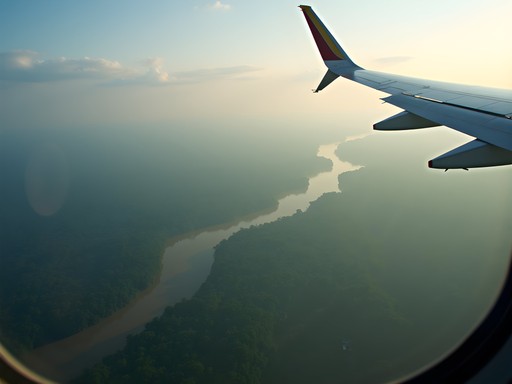
When I first arrived in Iquitos—the largest city in the world unreachable by road—I knew I was in for something special. After spending years fixing pipes on cruise ships and later establishing my eco-plumbing business in Sydney, I've developed a knack for understanding water systems. But nothing prepared me for the ultimate water system: the mighty Amazon. This sprawling, pulsing network of rivers and tributaries around Iquitos offers adventures that will test your limits, expand your worldview, and fundamentally change how you see our planet's most precious resource.

Preparing for the Jungle's Embrace
Before diving into specific adventures, let's talk preparation. The Amazon jungle around Iquitos isn't your typical holiday destination—it's a living, breathing ecosystem that can be as dangerous as it is beautiful.
First, medical preparations are non-negotiable. Visit a travel doctor at least 6 weeks before departure for yellow fever vaccination (required), malaria prophylaxis, and other recommended immunizations. I learned this lesson the hard way when I had to scramble for shots before my first expedition.
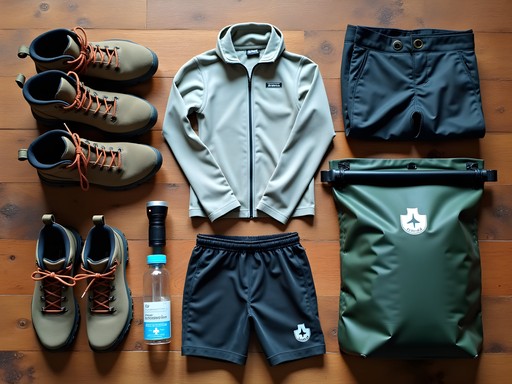
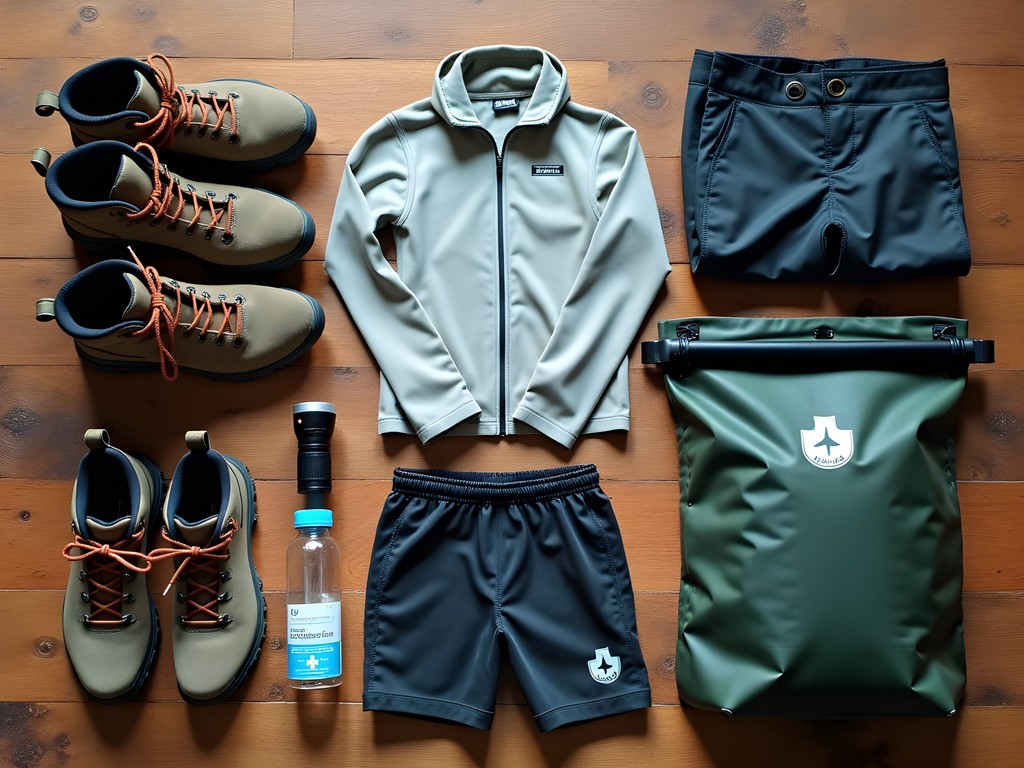
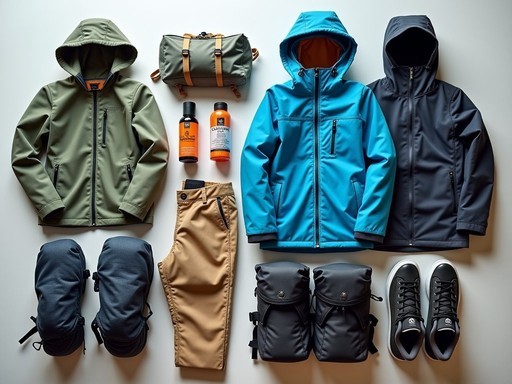
For gear, think practical, quick-drying, and protective. My jungle boots have been lifesavers, protecting against everything from mud to the occasional curious insect. Long-sleeved shirts and pants in lightweight, breathable fabrics are essential despite the heat—the mosquitoes here are notoriously persistent.
Water purification is critical. As someone who understands water systems professionally, I can't stress enough how important clean drinking water is. I always bring my water purifier bottle which filters out 99.99% of pathogens while eliminating single-use plastic waste. It's been reliable through countless jungle excursions.
💡 Pro Tips
- Book vaccinations at least 6 weeks before your trip
- Break in your hiking boots before arriving
- Pack twice as many socks as you think you'll need—the humidity means nothing dries quickly
Adventure 1: Multi-Day Jungle Survival Expedition
My favorite Iquitos adventure isn't for the faint of heart—a 5-day deep jungle survival expedition with indigenous guides from the Yagua community. This isn't a cushy glamping experience; it's an immersive education in jungle living.
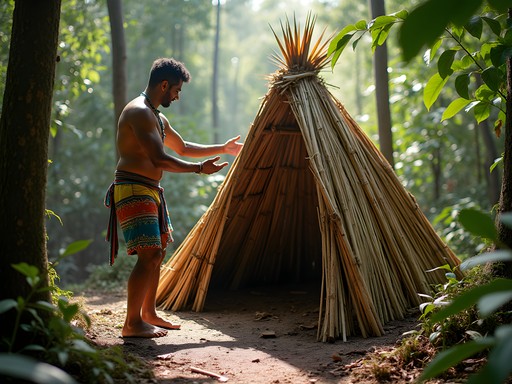
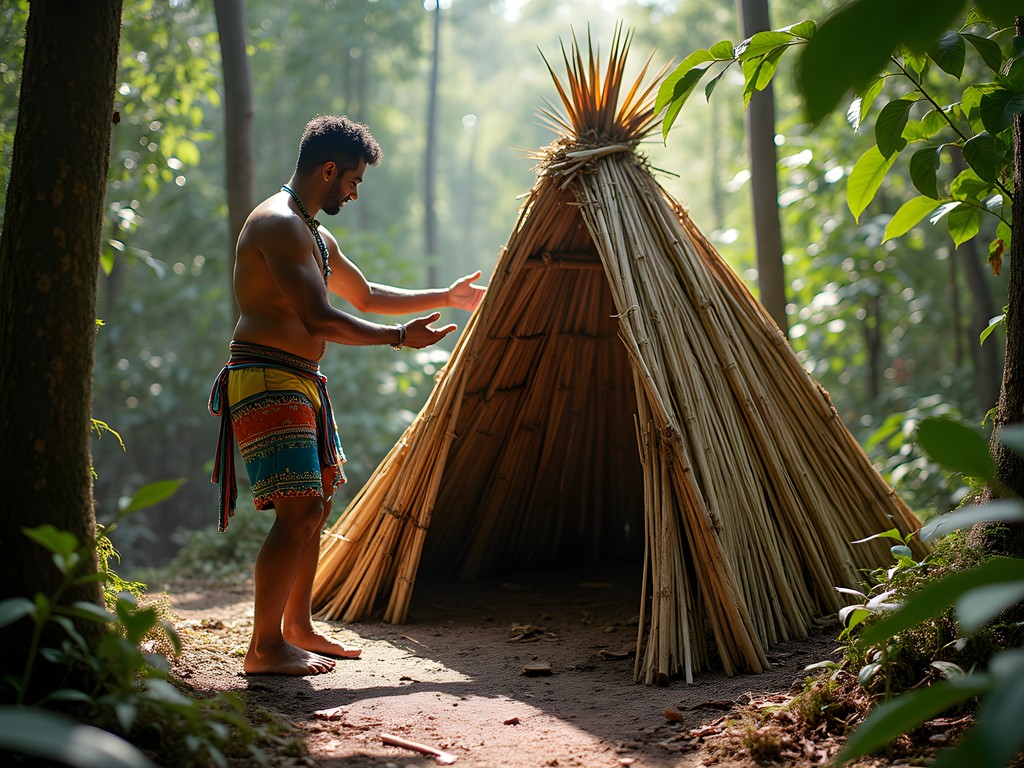
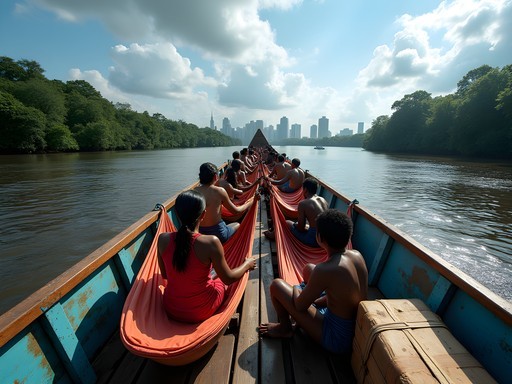
We ventured hours upriver from Iquitos by wooden boat before hiking into primary rainforest so dense the canopy completely blocked the sky. Our guides taught us to identify medicinal plants, construct shelters from palm fronds, find potable water sources, and navigate using natural landmarks—skills that connect directly to my environmental science background.
The highlight was learning traditional fishing techniques using natural plant toxins that temporarily stun fish without harming the ecosystem. As someone who works with water systems professionally, seeing this ancient, sustainable practice was humbling. Our catches became dinner, cooked over fires we learned to build despite the omnipresent dampness.
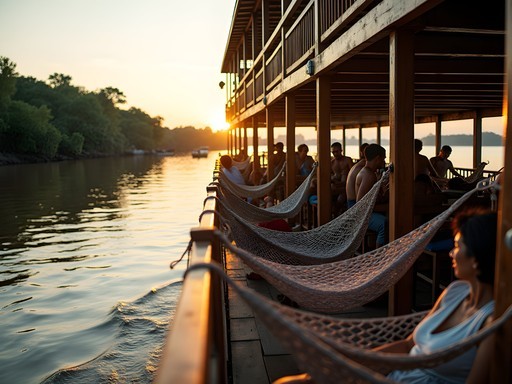
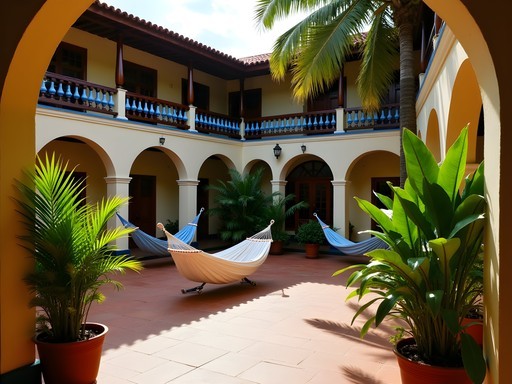
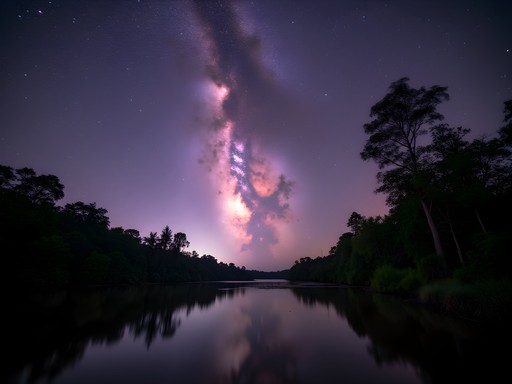
Sleeping in the jungle is an adventure itself. I recommend bringing a jungle hammock with integrated bug netting. The symphony of nocturnal creatures is both terrifying and mesmerizing—I've never felt more alive than lying in that hammock, listening to the jungle's night chorus while rain pattered on the leaves above.
💡 Pro Tips
- Bring waterproof bags for everything—even supposedly 'waterproof' items
- Learn basic phrases in Spanish and if possible, some Quechua
- Practice using a compass before your trip—GPS isn't reliable under the dense canopy
Adventure 2: Nighttime Caiman Spotting & Anaconda Tracking
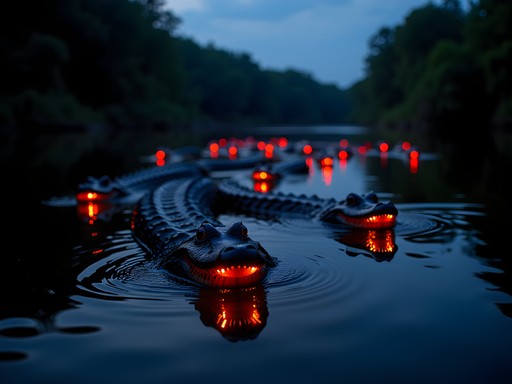
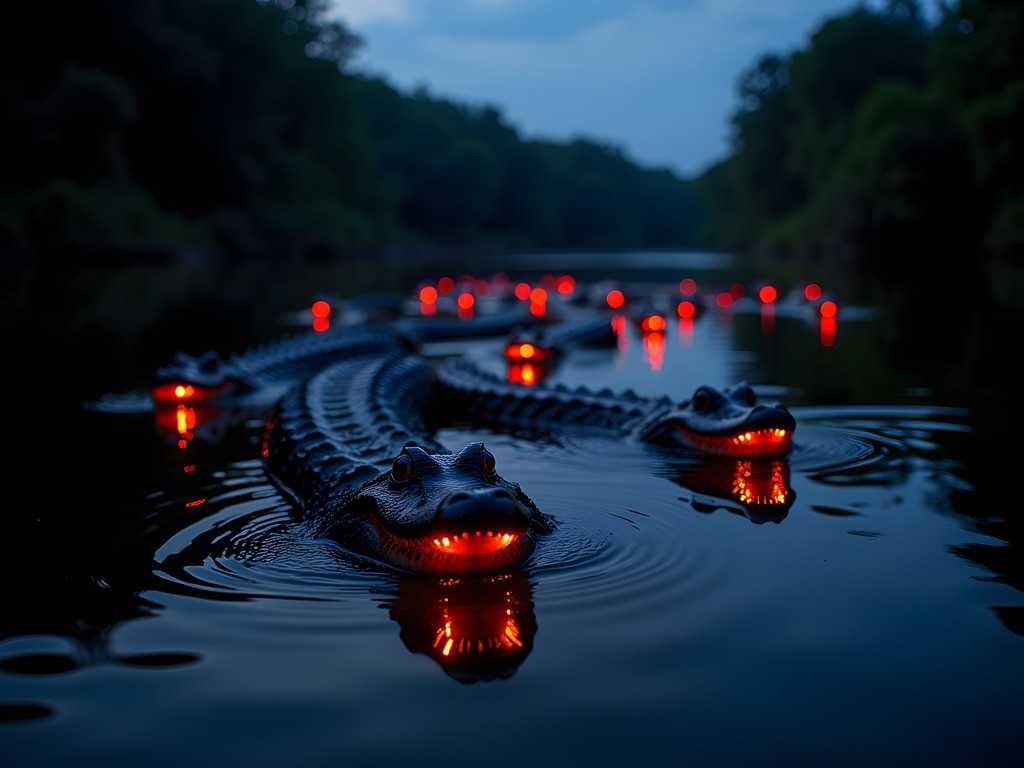
There's something primal about gliding silently through black water at night, searching for the red reflective eyes of caimans. These smaller cousins of alligators inhabit the waterways around Iquitos in impressive numbers, though spotting them requires expert guidance.
We set out around 8pm in a small wooden boat with our guide Miguel, who could spot caiman eyes from seemingly impossible distances. The technique involves scanning with powerful flashlights—I recommend bringing your own waterproof headlamp as backup and to keep your hands free for photography.
The real adrenaline rush came when Miguel calmly reached into the water and pulled up a 4-foot juvenile caiman for us to observe briefly before releasing it. The respect he showed for these ancient creatures was a masterclass in responsible wildlife interaction.
For the truly adventurous, some guides offer anaconda tracking expeditions during the day. We spent hours wading through swamp areas where these massive snakes hunt. While we only spotted a juvenile about 8 feet long, the tracking process itself—reading subtle signs in disturbed vegetation and learning about their hunting patterns—was fascinating.
As a plumber who's spent years working with water systems, I found myself drawn to understanding how these perfectly evolved predators have adapted to aquatic environments. Their ability to move effortlessly between water and land represents the kind of design efficiency I appreciate professionally.
💡 Pro Tips
- Never touch wildlife without explicit guide permission and supervision
- Wear closed-toe water shoes for anaconda tracking—not sandals
- Keep your hands inside the boat during night excursions—the water contains more than just caimans

Adventure 3: Indigenous Community Homestay & Ayahuasca Ceremony
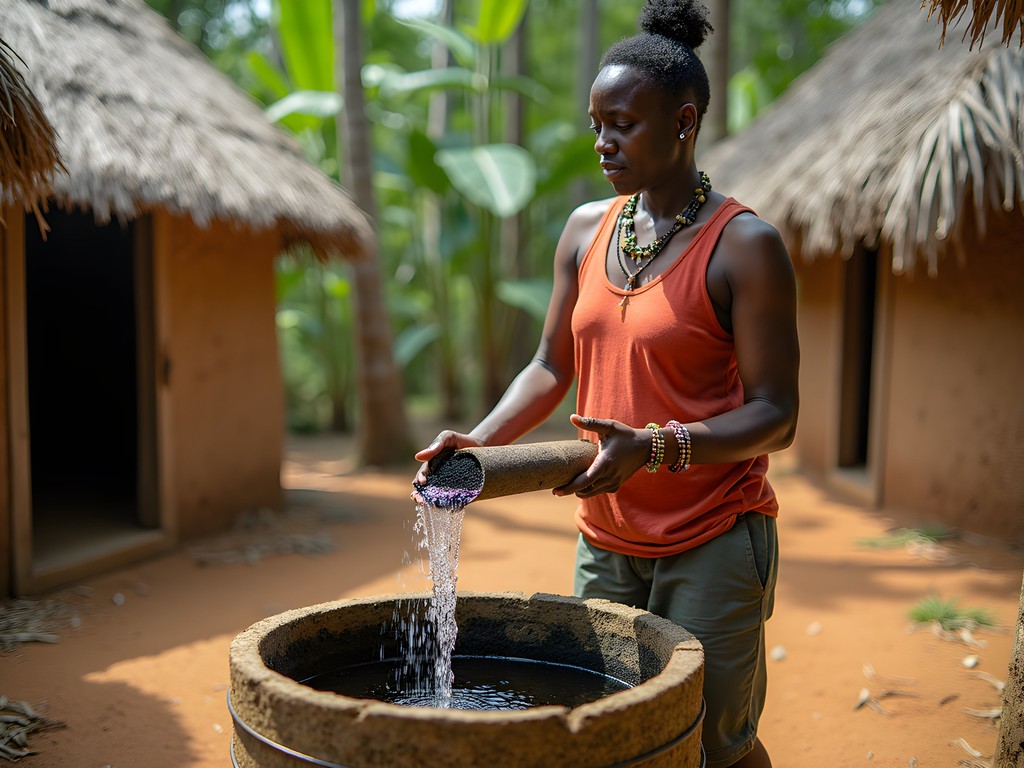
Perhaps the most transformative experience available near Iquitos is a respectful homestay with indigenous communities who welcome visitors interested in their traditional ways of life. I spent three days living with a Shipibo family about four hours from Iquitos, sleeping in a traditional palm-thatched hut and participating in daily activities.
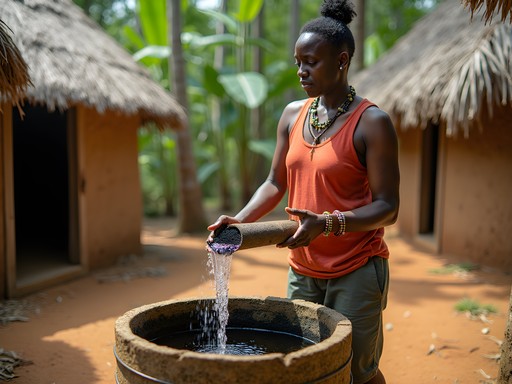
What struck me most was their sophisticated understanding of hydraulics and water management—skills that resonated with my plumbing background. Their rainwater collection systems and natural filtration methods were ingeniously simple yet effective. I found myself taking mental notes I could apply to my eco-plumbing business back in Sydney.
Many communities offer traditional ayahuasca ceremonies for visitors seeking deeper spiritual experiences. This powerful plant medicine ceremony isn't for casual tourists—it requires proper preparation, sincere intentions, and respect for indigenous traditions. If you choose this path, research extensively and only participate with legitimate shamans recommended by trusted sources.
For overnight stays, I recommend bringing your own sleeping liner for comfort and hygiene, plus a dry bag to protect electronics and valuables from the omnipresent humidity. Most importantly, bring an open heart and willingness to learn—these communities have much to teach us about sustainable living and our relationship with water and land.
💡 Pro Tips
- Bring small, useful gifts for your host family (fishing line, school supplies for children, etc.)
- Learn basic greetings in the community's language
- Ask permission before taking photos of people or ceremonial objects
Adventure 4: Pink Dolphin Encounter & Extreme Fishing
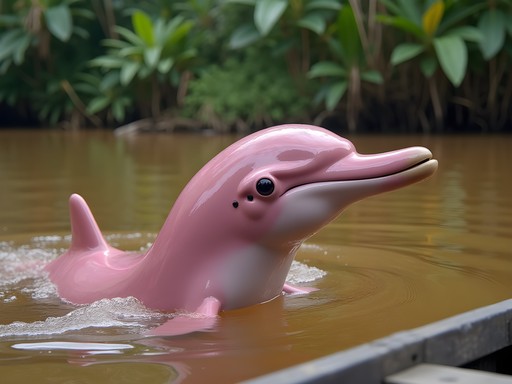
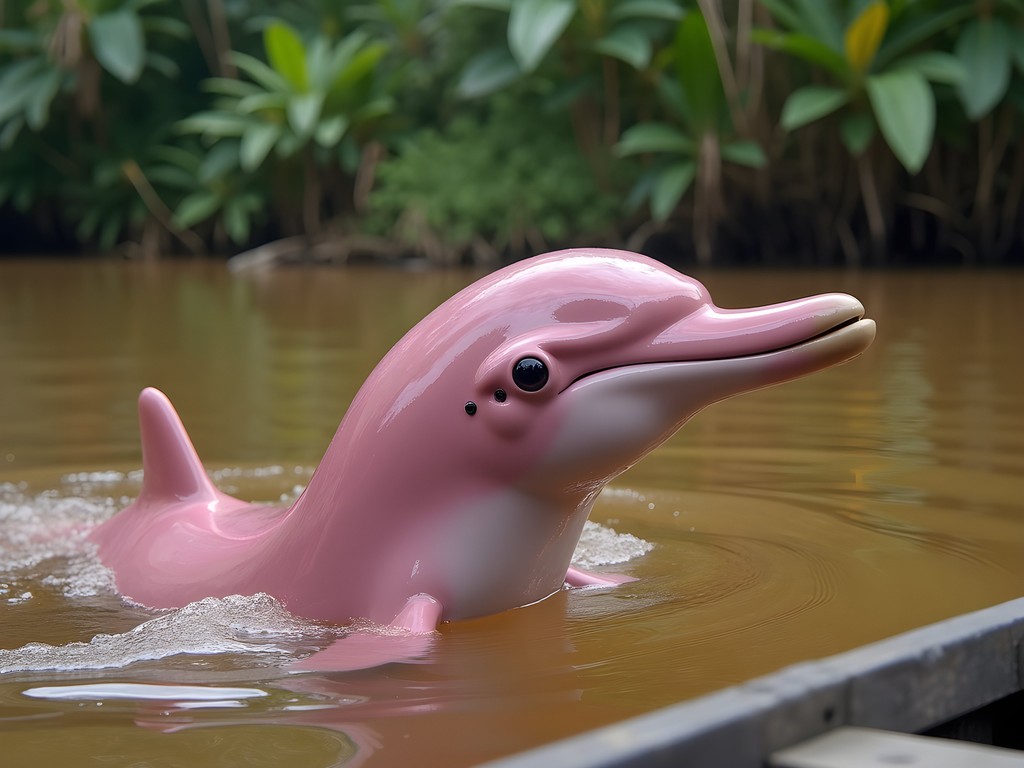
The Amazon river dolphin—with its distinctive pink coloration—is one of the region's most magical creatures. Unlike ocean dolphin encounters that often feel contrived, meeting these intelligent mammals in their natural habitat is an exercise in patience and respect.
We traveled to the confluence of the Amazon and Napo rivers, where pink dolphins frequently feed. Rather than chasing or baiting them, our guide taught us to quietly observe. After about an hour of peaceful waiting, several curious dolphins approached our boat, their pink bodies gliding gracefully through the brown water.
For those seeking more active adventures, extreme fishing for Amazonian species offers an adrenaline rush. I tried my luck with peacock bass and piranha, using traditional techniques with simple bamboo poles and raw meat bait. The fishing gloves I brought proved essential—piranha teeth are no joke!
The most challenging catch was the arapaima, one of the world's largest freshwater fish. These prehistoric-looking giants can reach over 2 meters in length. Working with local fishermen who practice sustainable catch-and-release methods, we spent hours trying to hook one of these monsters. When we finally succeeded, the battle lasted nearly 40 minutes before we could bring it alongside the boat for a quick photo before release.
As someone who's worked extensively with water systems, I was fascinated by how these fish have adapted to the river's fluctuating oxygen levels—arapaima actually breathe air, a remarkable evolutionary adaptation to their environment.
💡 Pro Tips
- Book dolphin excursions with operators committed to responsible wildlife viewing practices
- Bring polarized sunglasses to see through water glare when fishing
- Pack antibiotic ointment for minor cuts—even tiny wounds can become infected quickly in the jungle
Adventure 5: Canopy Walkway & Extreme Ziplining
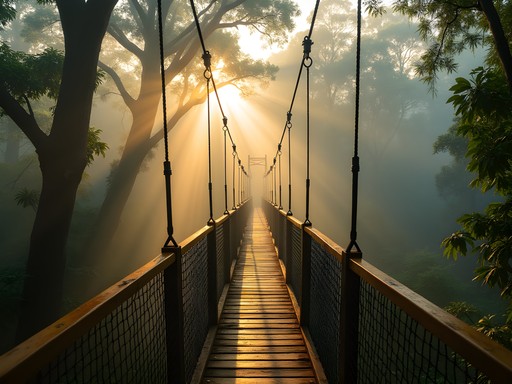
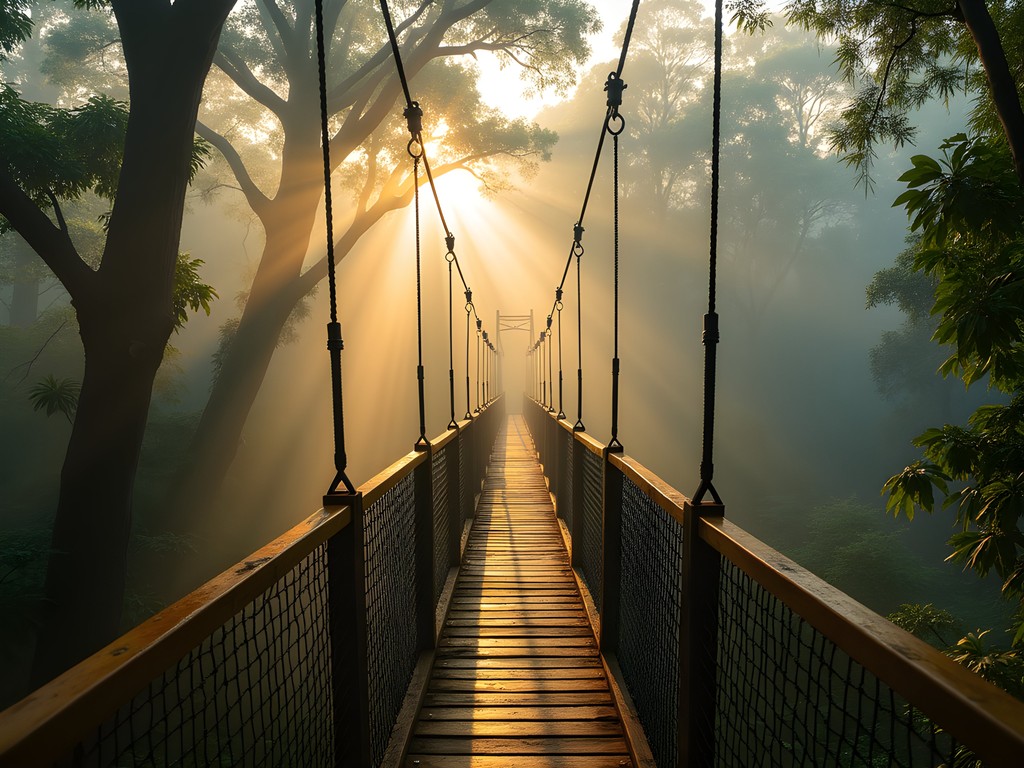
To truly understand the Amazon, you need to experience it from multiple perspectives—including from above. About two hours from Iquitos lies one of Peru's most impressive canopy walkway systems, suspended 35 meters above the forest floor.
Walking these narrow bridges between massive emergent trees offers a completely different view of the ecosystem. From this vantage point, I spotted monkeys, sloths, and countless birds that never descend to the forest floor. The early morning fog rising through the canopy created an almost mystical atmosphere that I'll never forget.
For thrill-seekers, several operators offer extreme ziplining that sends you flying through gaps in the canopy at exhilarating speeds. As someone who's comfortable working at heights (a skill from my plumbing days), I still found my heart racing as I stepped off the first platform. The action camera I mounted to my helmet captured incredible footage—though no video can truly convey the feeling of soaring above the rainforest.
What struck me most was how the forest changes with elevation. The microclimates at different heights create distinct habitats, each with specialized plants and animals. My environmental science background helped me appreciate these subtle ecological differences, while my practical tradesperson's eye noted the ingenious construction of the walkways themselves—built to withstand extreme weather while minimizing impact on the trees.
💡 Pro Tips
- Visit canopy walkways early morning for best wildlife viewing and fewer people
- Bring a small binoculars for spotting distant wildlife
- Use a camera strap to secure your camera during canopy activities
Final Thoughts
The Amazon surrounding Iquitos isn't just a destination—it's a master class in humility, adaptability, and the profound interconnectedness of all living systems. As someone who works with water professionally, I left with a deeper appreciation for our planet's most vital resource and the delicate balance that sustains it.
These adventures aren't for everyone. They demand physical stamina, mental resilience, and a willingness to surrender modern comforts. But for couples seeking to test their partnership while experiencing one of Earth's most extraordinary ecosystems, Iquitos offers unparalleled opportunities for growth and wonder.
The jungle changed me. It will change you too—if you let it. The question isn't whether you're ready for the Amazon, but whether you're prepared to meet the person you'll become after experiencing it. Pack your courage, respect, and curiosity... the rivers and rainforests around Iquitos are waiting to tell their stories.
✨ Key Takeaways
- Research and book with ethical operators who employ indigenous guides and practice sustainable tourism
- Prepare physically and mentally for challenging conditions—the Amazon rewards the resilient
- Pack minimally but smartly with quick-dry, protective clothing and essential safety gear
📋 Practical Information
Best Time to Visit
May-June or November (shoulder seasons with fewer tourists and moderate rainfall)
Budget Estimate
$1,500-3,000 USD per person for 2 weeks (excluding flights)
Recommended Duration
10-14 days minimum
Difficulty Level
Challenging
Comments
Jennifer Rodriguez
Really appreciate the breakdown of costs and logistics here. I'm planning a budget trip to Iquitos for later this year and was worried about expenses spiraling. A few questions: How much did you budget per day for the multi-day expedition? Were you able to negotiate prices with local operators, or are they pretty fixed? Also curious about the ayahuasca ceremony—did you feel the cultural context was respectfully presented, or did it lean touristy? I'm always cautious about commodification of indigenous practices. The homestay component sounds like the most authentic way to experience this.
Lily Rogers
Great questions! I budgeted about $60-80/day for the expedition including guide and basic supplies. Prices are somewhat negotiable if you book directly with local operators vs through agencies. The ayahuasca ceremony was led by a traditional shaman—very authentic, not touristy at all. They were selective about participants and focused on spiritual healing, not entertainment. Happy to share more details if you DM me!
coffeebackpacker
The nighttime caiman spotting is UNREAL! Did this in 2024 and still dream about it. Your photos brought it all back!
explorephotographer
what camera gear did you bring? worried about humidity destroying my equipment but don't want to miss those shots
Lily Rogers
I kept everything in waterproof dry bags with silica gel packets. The humidity is no joke! Brought my Sony mirrorless and honestly my phone got some of the best shots. Just protect your gear religiously.
coffeebackpacker
i used dry bags in the amazon last year and they saved my camera during a downpour! total lifesaver
journeyguy
This is EPIC!! Adding Iquitos to my bucket list right now!!
Hayden Butler
Lily, this brought back memories! I did a luxury lodge experience near Iquitos three years ago, and while it was incredible, I sometimes wonder if I missed the raw authenticity you captured here. The ayahuasca ceremony section particularly resonated—I chickened out when I had the chance. The indigenous homestay sounds transformative. Did you find the survival skills training practical, or was it more for the experience? I'm planning a return trip and considering going more off-the-beaten-path this time.
Lily Rogers
Hayden! The survival skills were actually super practical—I still use some of the water purification techniques and plant identification knowledge. The homestay was definitely the highlight though. You should absolutely go more rustic next time!
travelbuddy
how safe did you feel on the anaconda tracking?? been wanting to do this but kinda nervous lol
Lily Rogers
Honestly? It was intimidating at first, but our guide was incredibly experienced. They know exactly where to look and how to approach safely. The anacondas are usually pretty chill unless provoked. Just listen to your guide and you'll be fine!
travelbuddy
awesome thanks! definitely doing it then
Jose McDonald
YES! Iquitos is absolutely wild! I went last year and the nighttime caiman spotting was one of the most intense experiences of my life. We actually tracked a 12-foot black caiman for about an hour. The guide let us get pretty close (maybe too close lol). One tip - bring a serious headlamp because the jungle at night is NO JOKE. Also, the humidity destroyed my regular camera so definitely invest in waterproof gear. Did you get to swim in the Amazon? We did the pink river dolphin swim and it was surreal!
journeylife
12 feet?! That's terrifying and amazing at the same time 😱
oceanlife
How safe is the ayahuasca ceremony? I'm really interested but a bit nervous about trying it. Did you feel comfortable the whole time?
Lily Rogers
Great question! I was nervous too. The key is doing it with a reputable shaman in a proper ceremonial setting. The indigenous community I stayed with has been conducting these ceremonies for generations. They monitor you closely and create a very safe, supportive environment. Just make sure you research the community beforehand and follow all the dietary restrictions they give you.
oceanlife
Thanks so much! That's really helpful 🙏
journeylife
This looks absolutely incredible! Adding Iquitos to my bucket list 🌿
Timothy Jenkins
Excellent write-up, Lily! I spent three months documenting traditional medicine practices around Iquitos last year. The biodiversity there is simply staggering - I identified over 200 plant species used for medicinal purposes by local communities. For anyone planning to visit, I'd recommend spending at least a night at one of the floating hostels on the Amazon - it's a completely different perspective of the river ecosystem. One practical note: many lodges have very limited electricity, so a good headlamp is essential. I found that disconnecting from technology actually deepened my experience of the place. The sounds of the jungle at night are their own kind of music that you can only appreciate when fully present.
Lily Rogers
Thanks Timothy! I completely agree about disconnecting - it's almost like your senses recalibrate to the jungle. Those floating hostels are magical, especially during sunrise when the mist rises off the water.
Venture X
Premium card with 2X miles, $300 travel credit, Priority Pass