
Disclosure: This article contains affiliate links. We may earn a commission from purchases at no extra cost to you, which helps our travel content.
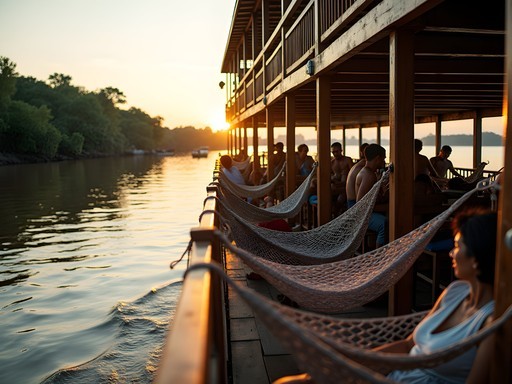
As I stood on the wooden deck of our riverboat, watching the sun cast golden ripples across the mighty Amazon, I couldn't help but feel I was witnessing the same celestial dance that the ancient Peruvian cultures had observed millennia ago. Iquitos, Peru's gateway to the Amazon rainforest, offers that rare confluence of my passions—where human history stretches back thousands of years beneath the same star-filled skies that captivated early astronomers. After three decades in corporate training, exchanging boardrooms for this boundless wilderness continues to be my most rewarding transformation.

The Mystical Confluence: Where Ancient Astronomy Meets the Amazon
My journey began in Iquitos itself, the world's largest city unreachable by road—a detail that immediately sets the tone for the otherworldly experiences ahead. Before venturing into the rainforest, I visited the Amazonian Ethnographic Museum, where I discovered fascinating evidence of ancient Amazonian cultures' sophisticated understanding of celestial movements. Their astronomical knowledge wasn't merely academic—it guided agricultural cycles, navigation, and spiritual practices.
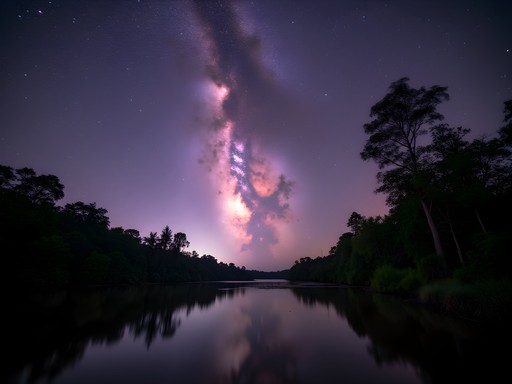
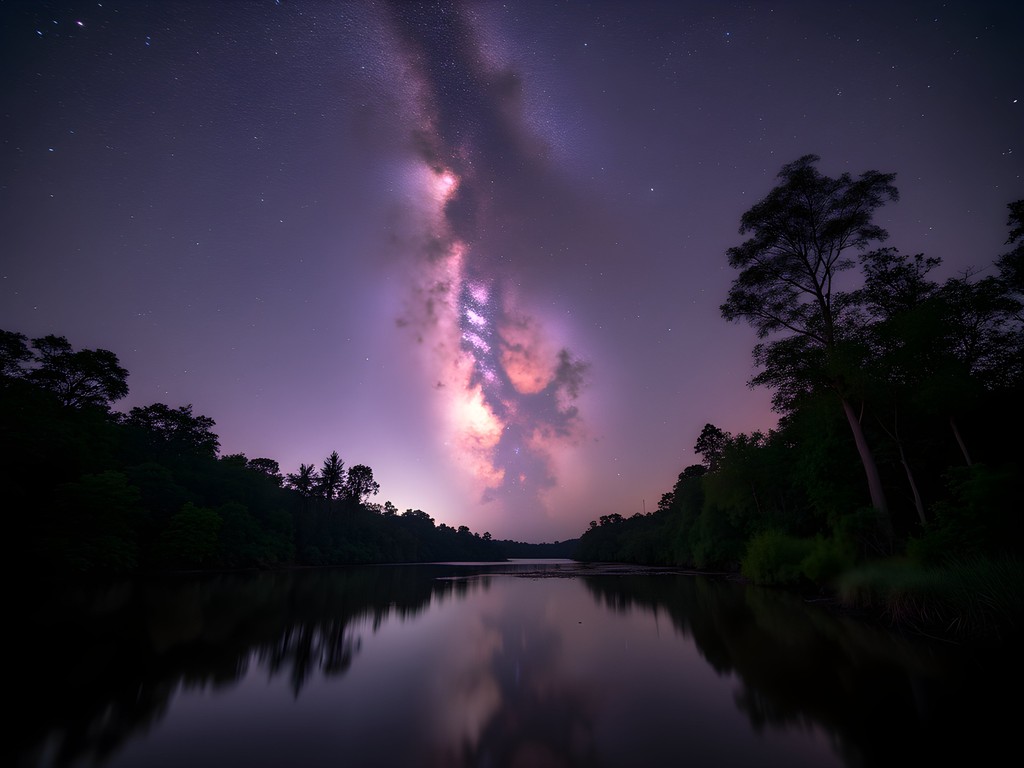
What struck me most was learning about the muyuna concept—the indigenous understanding of cosmic cycles reflected in the river's patterns. That evening, I joined a local astronomer for a sky-watching session on the outskirts of Iquitos. Away from city lights, equipped with my stargazing binoculars, we observed the Southern Cross and other constellations once used by indigenous navigators. The experience was transformative—connecting ancient wisdom with the vast universe above while the symphony of nighttime rainforest creatures provided our soundtrack.
💡 Pro Tips
- Book the Iquitos Astronomical Society's night tour at least two weeks in advance—they limit group sizes to ensure quality viewing
- Bring a lightweight tripod for steadier stargazing—the humidity can make hand-holding equipment challenging
- Download the Southern Hemisphere star chart to your phone before arrival as internet connectivity is unpredictable
The Floating World of Belen Market & Ancient Trade Routes
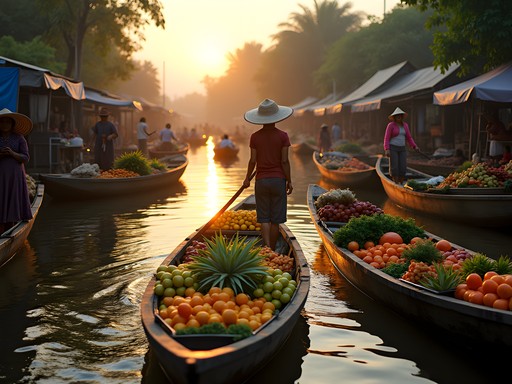
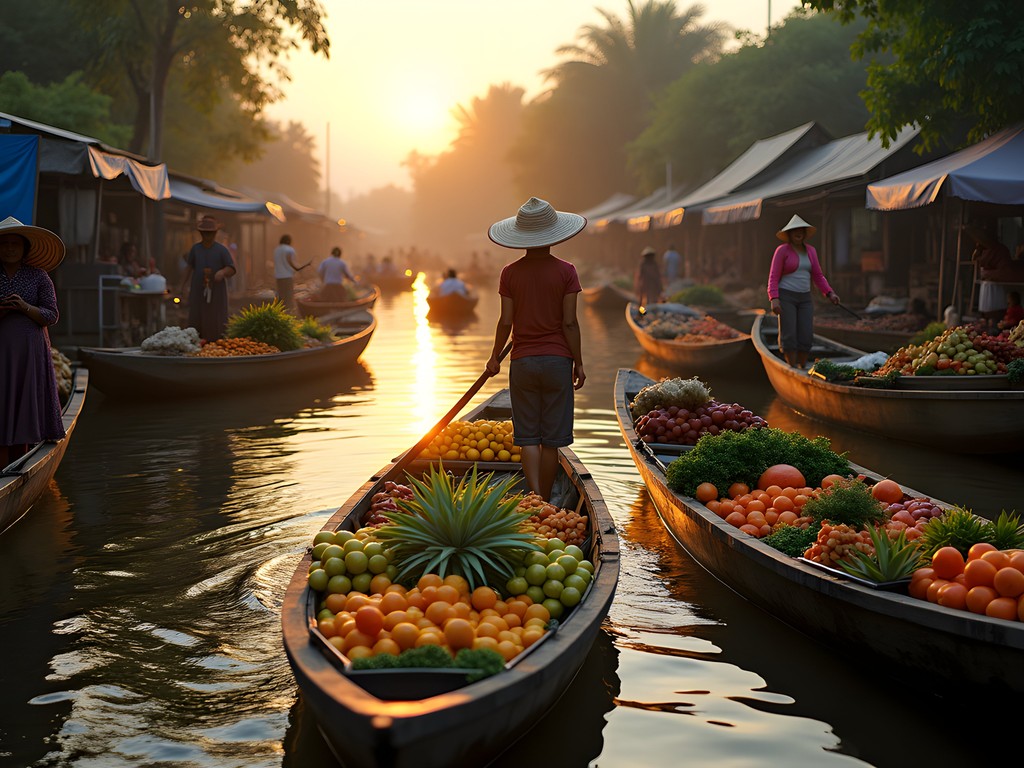
The floating markets of Belen offer a window into trade practices that have remained largely unchanged for centuries. As I navigated the maze of wooden boats and floating stalls early one morning, I couldn't help drawing parallels to ancient marketplaces I'd visited in Egypt and Greece—human commerce following the same essential patterns across millennia and continents.
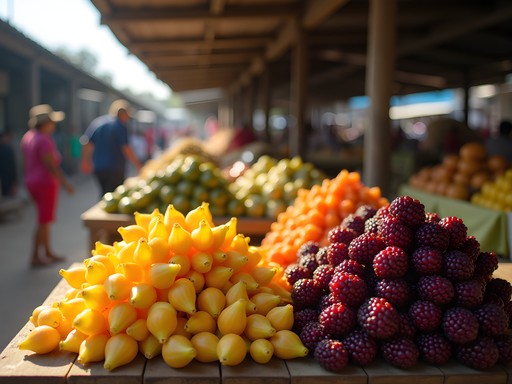
I recommend arranging a guided tour with a local expert who can translate and explain the cultural significance of the medicinal plants, exotic fruits, and traditional crafts on display. My guide, Eduardo, pointed out plants used by shamans for centuries and explained how river trading routes have connected remote communities since pre-Columbian times.
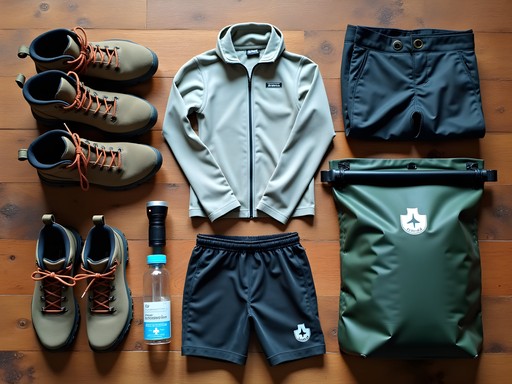
The market can be overwhelming to the senses—bustling, aromatic, and occasionally challenging for Western sensibilities. I found my water purification bottle absolutely indispensable, allowing me to safely refill with drinking water throughout the humid morning exploration. For capturing the vibrant scenes without being intrusive, my small waterproof notebook proved perfect for quick sketches and observations that I later developed into more detailed journal entries.
💡 Pro Tips
- Visit Belen Market before 8 AM to see the most authentic trading activity and avoid the midday heat
- Carry small denominations of Peruvian soles rather than dollars or cards—this is very much a cash economy
- Consider wearing waterproof shoes that can be easily cleaned afterward, as the floating walkways can be wet and occasionally muddy
Jungle Lodge Expedition: Connecting with Indigenous Wisdom
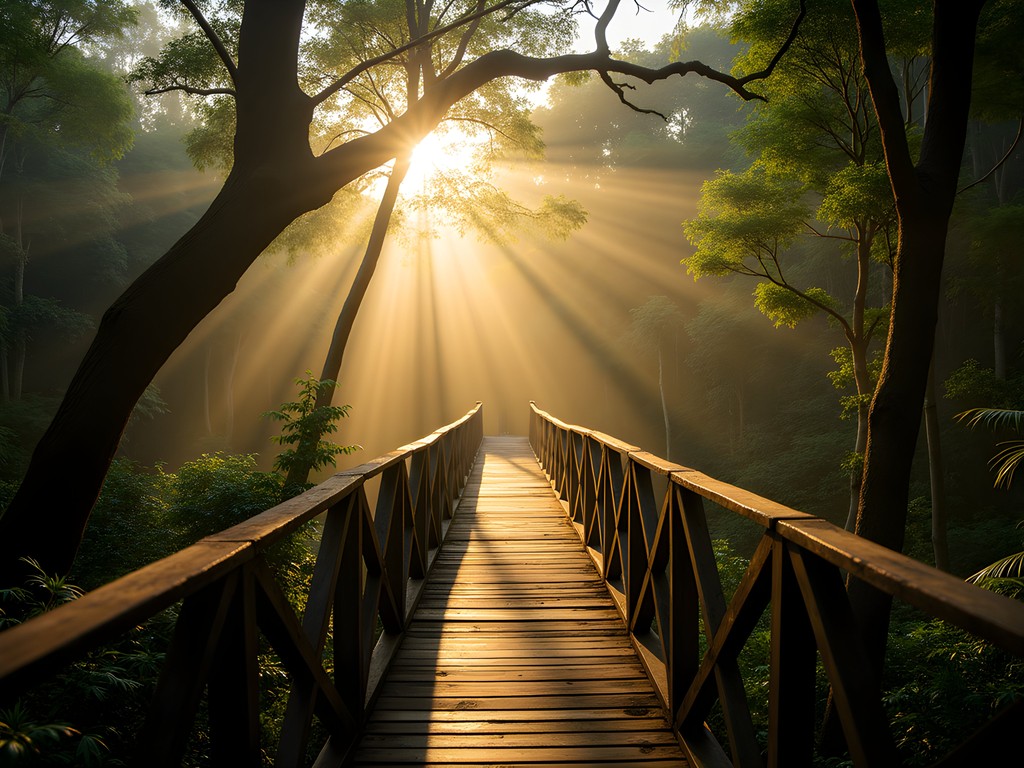
After the sensory intensity of Iquitos, I journeyed three hours upriver to a remote eco-lodge nestled within primary rainforest. The transition from urban chaos to profound jungle silence was therapeutic—interrupted only by the occasional call of howler monkeys and the persistent hum of insects.
What made this experience exceptional was the lodge's partnership with local Yagua communities, who have inhabited these forests for countless generations. Unlike superficial cultural demonstrations arranged for tourists, this program involved genuine knowledge exchange. My guide, Carlos, was a community elder who combined traditional ecological knowledge with formal scientific training.
During our night hike, Carlos pointed out medicinal plants his ancestors had used for centuries—many of which have since been validated by modern pharmacology. I was particularly fascinated by his explanation of how indigenous astronomers used specific star formations to predict seasonal changes in wildlife behavior.
For these explorations, my waterproof dry bag proved essential for protecting electronics during sudden downpours. And I cannot overstate the value of my insect-repellent clothing, which allowed me to focus on the wonders around me rather than swatting at mosquitoes.
💡 Pro Tips
- Choose lodges certified by the Rainforest Alliance that genuinely partner with indigenous communities rather than exploit them
- Pack lightweight, quick-dry clothing in neutral colors to improve wildlife sighting opportunities
- Respect indigenous knowledge systems by asking permission before photographing people or sacred plants

Pink Dolphin Encounter: Mythological Creatures in the Present Day
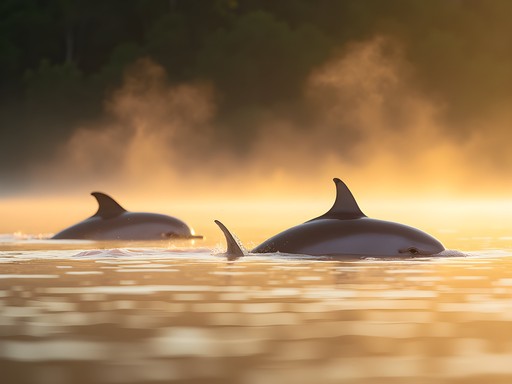
The Amazon river dolphin—locally known as boto—holds a special place in indigenous mythology. These intelligent creatures, with their distinctive pink coloration, feature in legends as shape-shifters who could transform into handsome men to seduce village women during festivals. As a lifelong student of mythology across cultures, I found fascinating parallels between these stories and those of selkies in my native British folklore.
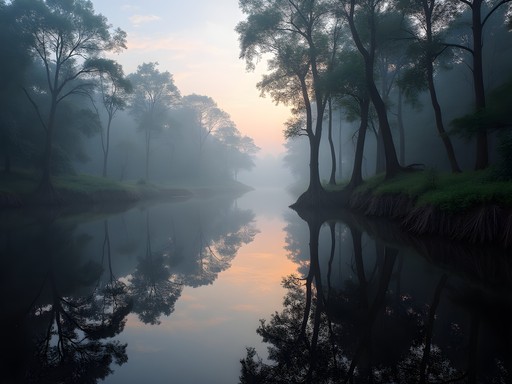
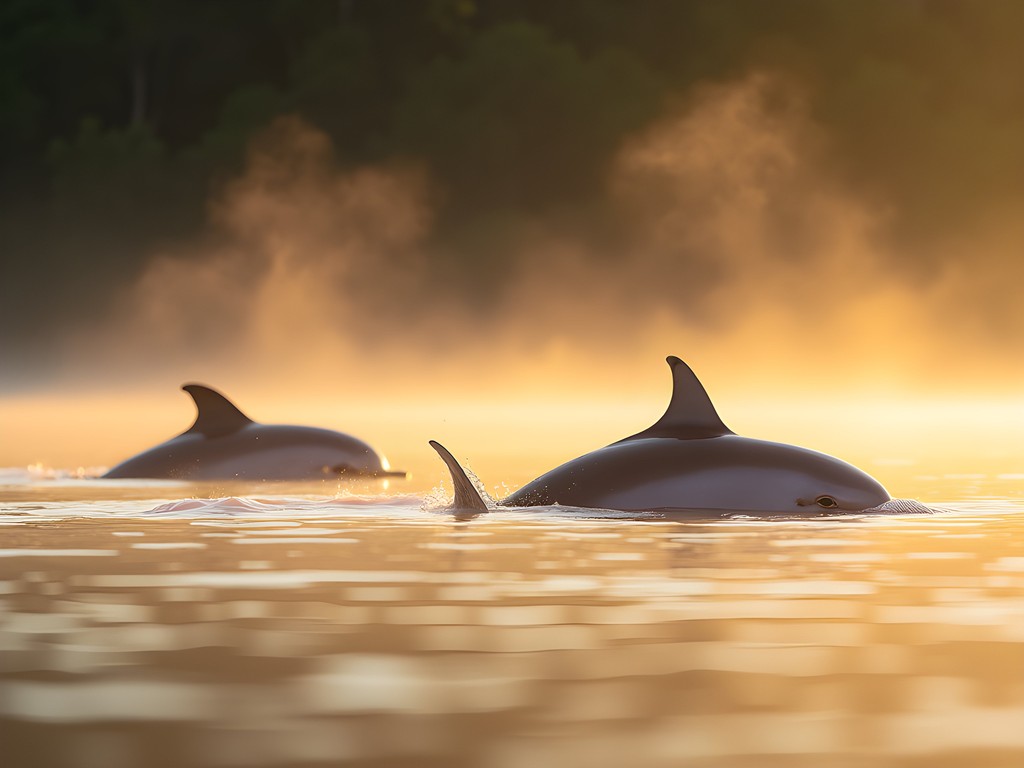
I arranged a responsible dolphin-watching excursion through my lodge, specifically choosing an operator that maintains appropriate distances and doesn't feed or touch the animals. We departed at dawn when the river was still shrouded in mist, creating a mystical atmosphere perfectly aligned with the dolphins' mythological status.
As our quiet electric motor boat glided through the water, our patience was rewarded with several pink dolphins surfacing gracefully around us. Our guide explained how these creatures navigate the sediment-heavy waters with sophisticated echolocation—a scientific marvel that early Amazonians interpreted through spiritual frameworks.
For this excursion, my polarized sunglasses proved invaluable for cutting through water glare to spot movement beneath the surface. I also appreciated my quick-dry microfiber towel for drying off after unexpected rain showers.
💡 Pro Tips
- Choose dolphin tours that use quiet electric motors rather than loud gasoline engines that disturb wildlife
- Early morning (5:30-8:00 AM) offers the best combination of dolphin activity and magical lighting for photographs
- Bring a telephoto lens if you're serious about photography—responsible tours maintain distances that require good zoom capability
Pacaya-Samiria Reserve: The Mirrored Forest
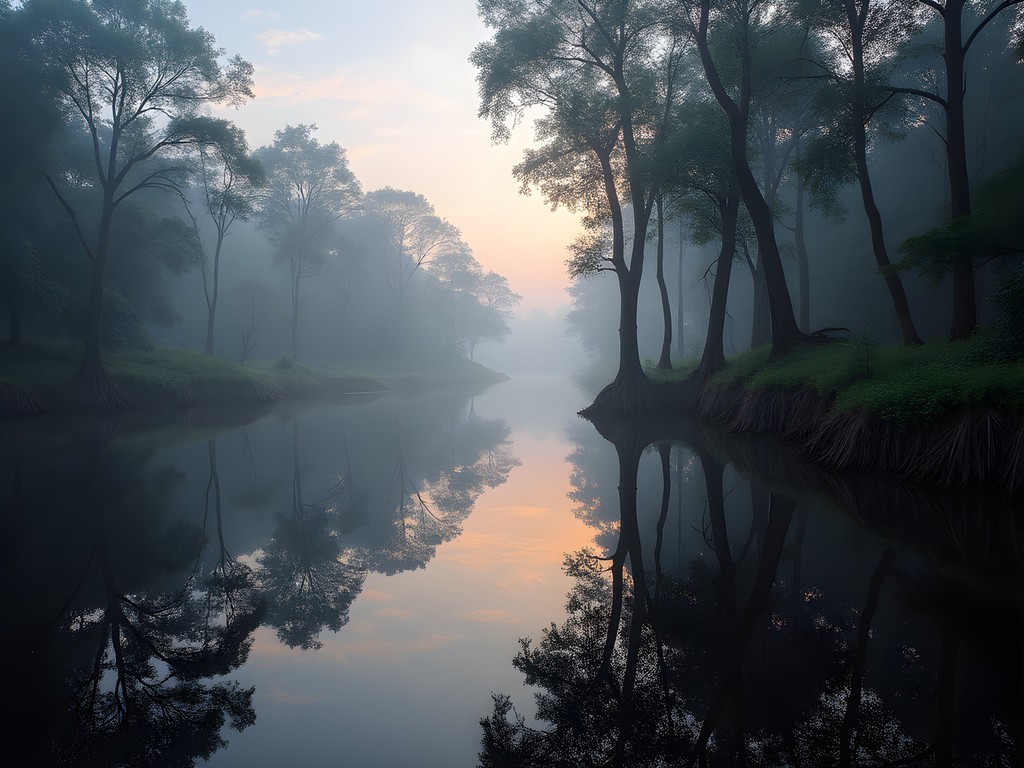
The crown jewel of my Amazon expedition was undoubtedly the Pacaya-Samiria National Reserve—often called 'The Mirrored Forest' for its perfectly reflective black water lagoons. This protected area spans over five million acres, making it Peru's largest national reserve and a biodiversity hotspot of staggering proportions.
I arranged a three-day excursion deep into the reserve, staying at basic ranger stations rather than returning to a luxury lodge each night. This immersive approach allowed me to experience the reserve's dramatic transformation from day to night and to witness wildlife at dawn and dusk—the most active periods.
What struck me most was how the reserve's flooding cycle creates an ever-changing landscape that ancient Amazonians had mapped with remarkable accuracy despite lacking modern technology. Our guide showed us how indigenous communities had developed sophisticated calendars based on water levels, plant flowering patterns, and animal migrations—all synchronized with celestial observations.
For this deep wilderness experience, my solar power bank proved essential for keeping camera batteries charged without access to electricity. I also relied heavily on my waterproof field guide for identifying the bewildering array of species we encountered.
💡 Pro Tips
- Book Pacaya-Samiria expeditions at least two months in advance as permits are limited to protect the ecosystem
- Pack high-calorie, non-perishable snacks as meals at ranger stations are nutritious but basic
- Bring a good quality headlamp with red light mode for night wildlife spotting without disturbing nocturnal creatures
Manatee Rescue Center: Conservation Through Understanding
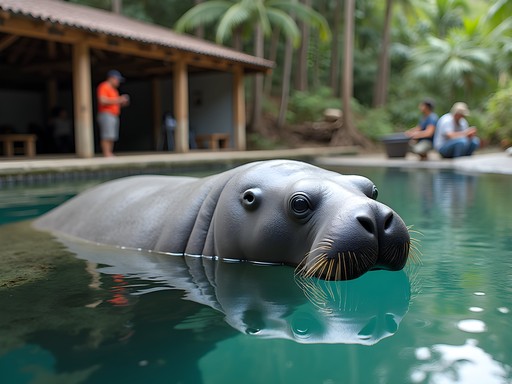
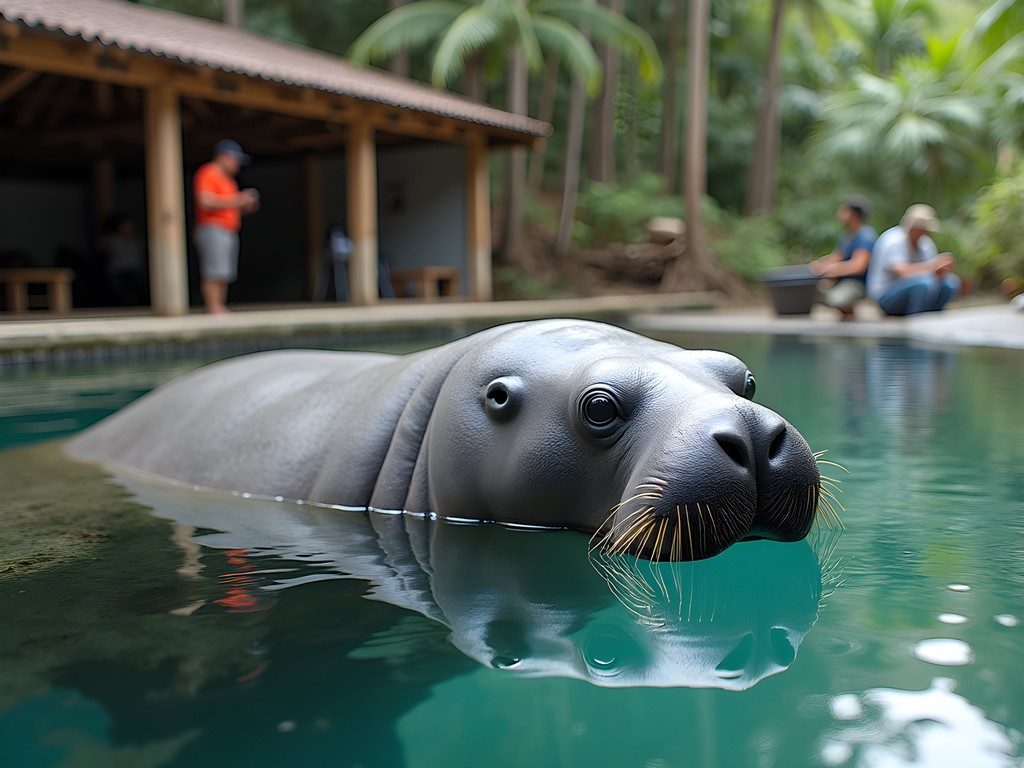
Before departing Iquitos, I visited the Amazon Rescue Center, which rehabilitates endangered Amazonian manatees—gentle giants that have been hunted to near extinction. These remarkable creatures, with their peaceful demeanor and plant-based diet, have existed in the Amazon basin for over 40 million years, yet face unprecedented threats from human activity.
What fascinated me was learning how manatees featured in indigenous creation myths as keepers of aquatic plants, maintaining balance in river ecosystems. This traditional knowledge aligns perfectly with modern scientific understanding of manatees as keystone species that maintain river health through their grazing patterns.
The center's work combines cutting-edge conservation science with traditional indigenous knowledge about manatee behavior and habitat needs. I was particularly moved by their education program, which teaches local children to become stewards of these creatures their ancestors once revered.
For this visit, I found my waterproof camera pouch essential for protecting electronics while getting close to water features. The center's gift shop offers locally-made handicrafts that directly support conservation efforts—I purchased several items that now serve as meaningful mementos in my Charlotte home.
💡 Pro Tips
- Visit early in the day when the rescued manatees are most active during their feeding sessions
- Consider 'adopting' a manatee through the center's program—you'll receive updates on its rehabilitation progress
- Bring cash for the entrance fee as credit card facilities can be unreliable due to power fluctuations
Ayahuasca Astronomy: Ancient Plant Knowledge & Celestial Observation
I approach this topic with academic interest rather than personal endorsement: the connection between traditional plant medicine and astronomical observation in Amazonian cultures. While I did not participate in ayahuasca ceremonies, I had the privilege of speaking with an anthropologist studying how traditional shamanic practices incorporated sophisticated astronomical knowledge.
Indigenous shamans have long used the ayahuasca vine in controlled ceremonial contexts, believing it opened perceptions to cosmic connections invisible to ordinary awareness. What's fascinating from an academic perspective is how their celestial observations during these ceremonies often produced accurate astronomical information about celestial cycles, despite lacking telescopes or modern instruments.
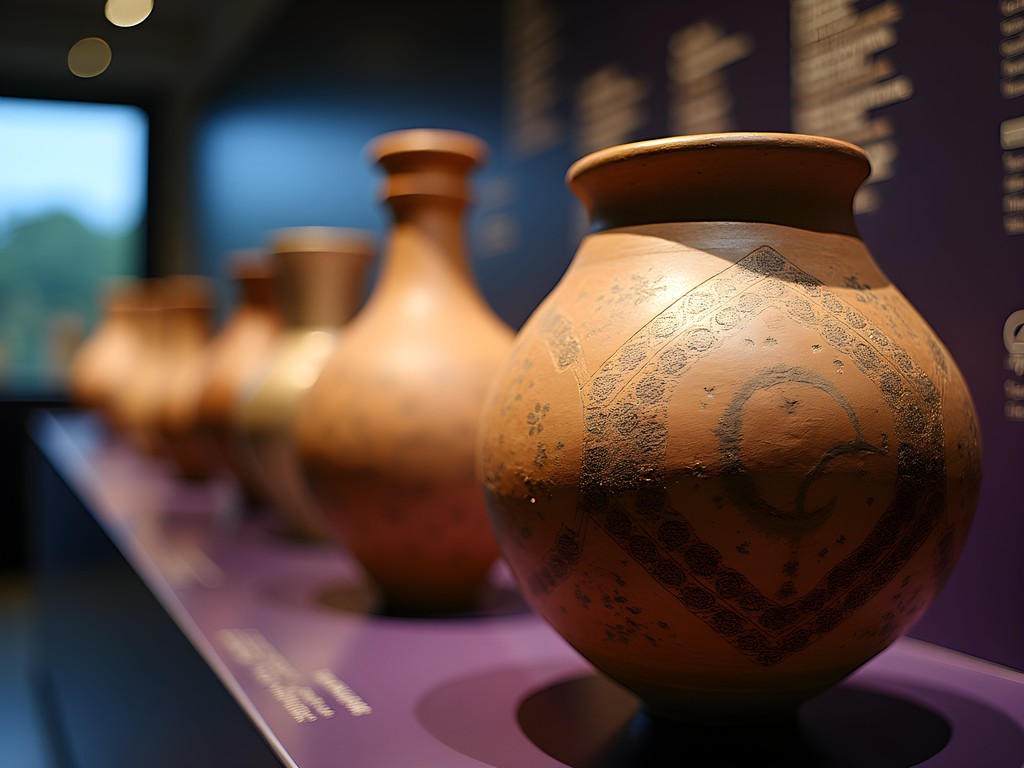
I visited the Museum of Indigenous Amazonian Cultures in Iquitos, which houses remarkable artifacts depicting celestial bodies and astronomical events as understood through traditional knowledge systems. The museum's collection includes ancient pottery showing constellations with surprising accuracy and ceremonial objects used to mark solstices and equinoxes.
For those interested in this academic perspective on traditional knowledge systems, I recommend the ethnobotany reference guide as a scholarly resource that approaches the topic with appropriate cultural sensitivity.
💡 Pro Tips
- Visit the Museum of Indigenous Amazonian Cultures with a knowledgeable guide who can explain the astronomical significance of artifacts
- Approach the topic of traditional plant knowledge with cultural respect rather than seeking 'experiences'
- Look for academic lectures on ethnobotany often held at the Cultural Center of Iquitos during winter months
Final Thoughts
As my hydrofoil boat skimmed back toward Iquitos on my final day, I found myself contemplating the profound connections between ancient wisdom and modern understanding that the Amazon reveals. This isn't merely a journey through geographical space but through time itself—where the knowledge of indigenous astronomers continues to inform our understanding of this complex ecosystem.
For couples seeking more than just adventure, Iquitos offers that rare opportunity to connect not only with each other but with something far greater—the accumulated wisdom of countless generations who have observed these same stars, navigated these same waters, and sought meaning in the cosmic patterns above.
The Amazon has existed for millions of years and will hopefully endure for millions more, yet our brief moment with it can be transformative. As I return to my life in Charlotte, I carry with me not just photographs and souvenirs, but a deeper appreciation for how human cultures across time have looked to both the heavens and the earth for understanding. In Iquitos, that connection becomes tangible—where ancient astronomy and modern adventure create an experience that transcends ordinary travel.
✨ Key Takeaways
- The Amazon offers unique opportunities to connect ancient astronomical knowledge with present-day wilderness experiences
- Responsible tourism choices support both environmental conservation and indigenous cultural preservation
- Winter visits provide optimal wildlife viewing with fewer mosquitoes and more comfortable temperatures
📋 Practical Information
Best Time to Visit
June to September (dry season) for easier wildlife viewing; November to May for higher water levels and boat access to more areas
Budget Estimate
$1,500-$2,500 per person for a week including mid-range accommodations, guided tours, and domestic flights
Recommended Duration
7-10 days minimum to experience multiple ecosystems
Difficulty Level
Moderate - Requires Reasonable Fitness And Comfort With Basic Facilities In Remote Areas

Comments
vacationperson
Just got back from Iquitos last week and your post captures the magic perfectly! The Belen Market was a sensory overload - I'd recommend going early morning (6-7am) when locals do their shopping to see it at its most authentic. We stayed at a jungle lodge about 2 hours downriver and our guide Pedro was incredible at spotting wildlife we would've completely missed. Make sure to bring a good headlamp for night walks - I used my headlamp every single night and it was perfect for spotting tarantulas and tree frogs. Also worth noting that many lodges don't have electricity during the day, so portable chargers are essential if you're taking lots of photos!
moonlegend
Which lodge did you stay at? Planning a trip for February!
vacationperson
We stayed at Heliconia Lodge - basic but authentic and the guides were amazing. February should be high water season which makes it easier to explore by boat!
moonlegend
Those pink dolphins look amazing! Did you actually get to swim with them?
vacationperson
I did the dolphin encounter last month! They don't let you swim with them anymore (conservation reasons) but you can see them up close from small boats. Magical creatures!
moonlegend
Thanks for the info! Still sounds worth it.
Jean Wells
Violet, your description of the confluence brought back vivid memories of my expedition there last year. The astronomical connections to ancient Peruvian cultures are fascinating and often overlooked by standard tours. I spent three weeks documenting indigenous astronomical knowledge systems along the Amazon and found that many local guides have inherited remarkable oral traditions about celestial navigation. Did you notice how the indigenous communities track seasonal changes not just by the stars but by subtle changes in river flow patterns? This integration of earth and sky knowledge is something I'm still researching for my upcoming book on indigenous astronomy across South America.
vacationperson
Wow Jean, that sounds like an amazing research project! I'd love to read that book when it comes out.
Jean Wells
Thank you! It's been a passion project documenting these knowledge systems before they're lost. I'll share more when it's published next year.
freebuddy
Beautiful photos! Added this to my bucket list
coolmate1891
We went to Iquitos in 2024 and honestly wish we'd stayed longer than 4 days. The jungle lodge experience was amazing but you really need at least 3 nights to properly explore. One thing I'd recommend is bringing a good headlamp because the lodges have limited electricity. We used our headlamp every single night and it was a lifesaver. Also the mosquitos are NO JOKE - bring strong repellent or buy it there. The pink dolphins were definitely a highlight, we saw them near the confluence point.
freelegend
is it safe for solo travelers? never been to south america before
luckyhero
iquitos is pretty chill, just use common sense like anywhere. dont flash expensive stuff around
Bryce Diaz
Your pink dolphin encounter brought back so many memories! I visited Iquitos last year and had a similar magical experience. We were about two hours downriver when our guide suddenly cut the motor and pointed to ripples in the water. Within minutes, we were surrounded by these beautiful creatures! The local Shipibo guide told us that in their tradition, the dolphins are believed to be shape-shifters who can become humans at night. Made the whole experience feel so much more profound. Did you stay overnight at any jungle lodges? I found my waterproof dry bag absolutely essential for keeping camera gear safe during those sudden downpours!
Violet White
Yes! I stayed at three different lodges to experience different parts of the river. The shape-shifter stories are fascinating - my guide shared similar legends. Each community seems to have their own variation of the myth. Did you make it to Belen Market? That floating marketplace was one of my highlights.
Bryce Diaz
Belen Market was incredible! I went at dawn when all the produce was arriving by boat. The floating houses rising and falling with the river level blew my mind. Did you try any of the exotic fruits? That spiky red one (can't remember the name) was my favorite.
jungle_explorer92
Rambutan! That's probably the spiky red fruit you're thinking of. So delicious!
Hunter Thompson
Brilliant post Violet! I spent 3 weeks in Iquitos last year and absolutely loved it. The Belen Market is mental - proper chaotic but in the best way. Just a heads up for anyone going, the floating part is only accessible during high water season (Dec-May), otherwise you'll just see the stilted houses. Also, haggle hard at the market but be respectful. I stayed at a jungle lodge about 2 hours upriver and it was honestly life-changing. Saw caimans, sloths, and loads of birds. Budget about $80-100/day if you're doing it properly with lodge stays. Worth every penny!
coolmate1891
Which lodge did you stay at? Looking at options now and there's so many!
Hunter Thompson
I stayed at Heliconia Lodge - really good guides and not too touristy. About $70/night with meals included
luckyhero
Those pink dolphins are insane! Did you actually get to swim with them??
freelegend
i wanna know this too! planning a trip and that would be amazing
freenomad
This looks amazing! How did you arrange the visits with indigenous communities? Did you go through a tour company or connect directly?
Violet White
Thanks for asking! I went through a local guide named Carlos who I found through the Anaconda Lodge. He has connections with several communities and ensures the visits are respectful and beneficial to them. Definitely recommend arranging through smaller lodges rather than big tour companies.
freenomad
That's super helpful, thanks! Will look into Anaconda Lodge when I plan my trip.
Venture X
Premium card with 2X miles, $300 travel credit, Priority Pass