
Disclosure: This article contains affiliate links. We may earn a commission from purchases at no extra cost to you, which helps our travel content.
Standing at the edge of Mendenhall Glacier last month, I couldn't help but draw parallels between the air currents shaping those magnificent blue ice formations and the flight patterns I've directed for nearly three decades. Juneau, Alaska's capital, exists at a remarkable confluence of meteorological phenomena that creates one of North America's most dynamic ecosystems. As someone who's spent a lifetime studying the skies and waters where they meet, I can attest that few destinations offer such a perfect laboratory for observing nature's grand systems at work—or such breathtaking luxury experiences for couples seeking adventure.

Navigating Juneau's Glacial Airspace
From an air traffic controller's perspective, Juneau presents a fascinating challenge—mountains rising dramatically from sea level, creating unique wind patterns that pilots must respect with the same reverence I demand in my control tower. The Juneau Icefield, spanning over 1,500 square miles, generates its own microclimate that influences everything from visibility to wildlife migration patterns.
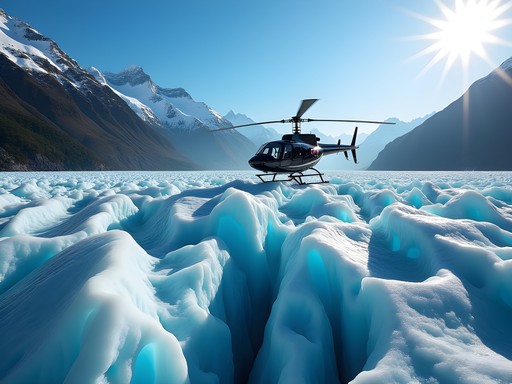
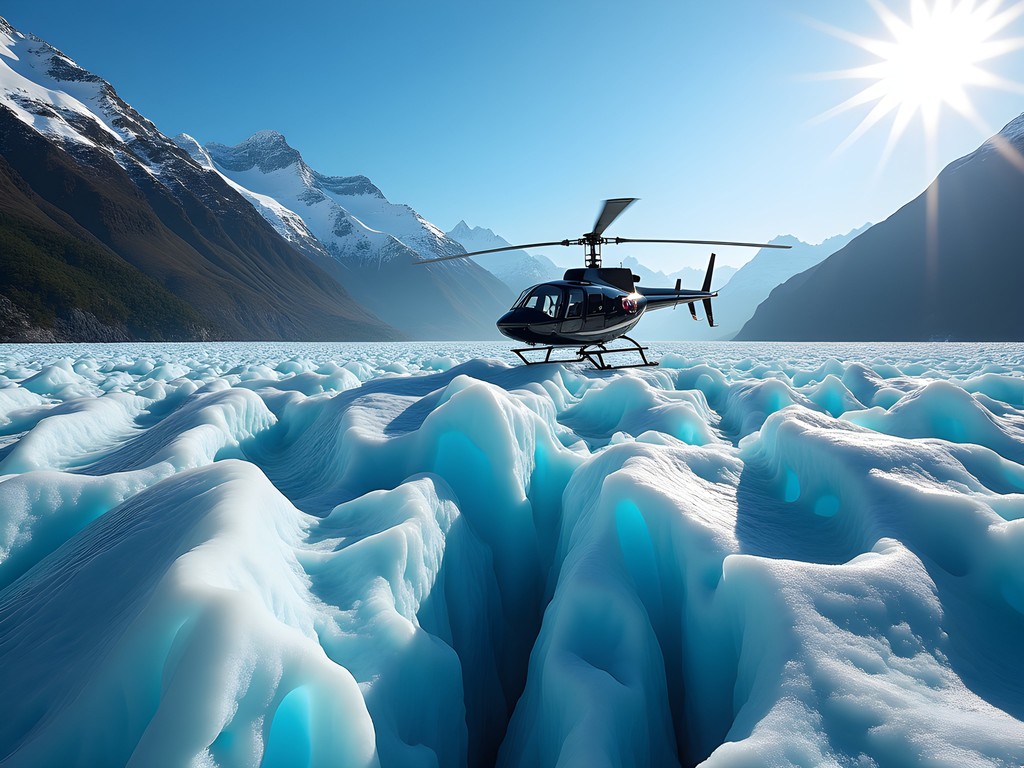
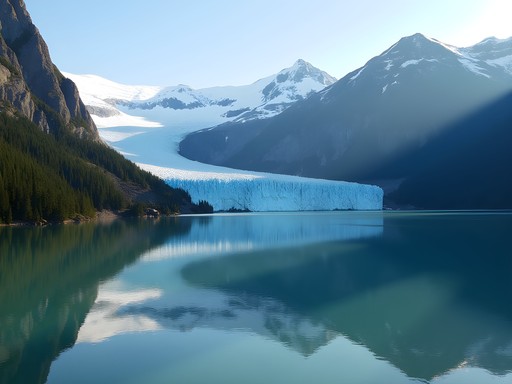
For couples seeking the ultimate perspective, I recommend booking a helicopter glacier tour with TEMSCO or Coastal Helicopters. My preference leans toward the extended tours that include a glacier landing. On my third Juneau visit, I brought my crampons which proved invaluable for exploring ice caves safely during our landing on Herbert Glacier. The blue light filtering through ancient ice creates a cathedral-like atmosphere that no photograph can truly capture.
The meteorological conditions around these massive ice formations create what we in aviation call 'katabatic winds'—dense cold air flowing downward from the icefield. These winds can shift dramatically, which explains why your pilot may occasionally alter course. It's not indecision—it's respect for nature's authority in this domain.
💡 Pro Tips
- Book helicopter tours 2-3 months in advance for peak summer season
- Request the first morning flight for the clearest glacier views before afternoon clouds develop
- Pack polarized sunglasses to cut glare and enhance the blue colors of the ice
Marine Wildlife Encounters: Where Air Meets Ocean
The convergence of glacial runoff and tidal patterns in Juneau's waters creates one of the richest marine ecosystems I've documented in my travels. As someone who's spent decades watching weather systems collide and create opportunity—both in the skies and in life—I find the nutrient-rich upwellings of Southeast Alaska particularly fascinating.
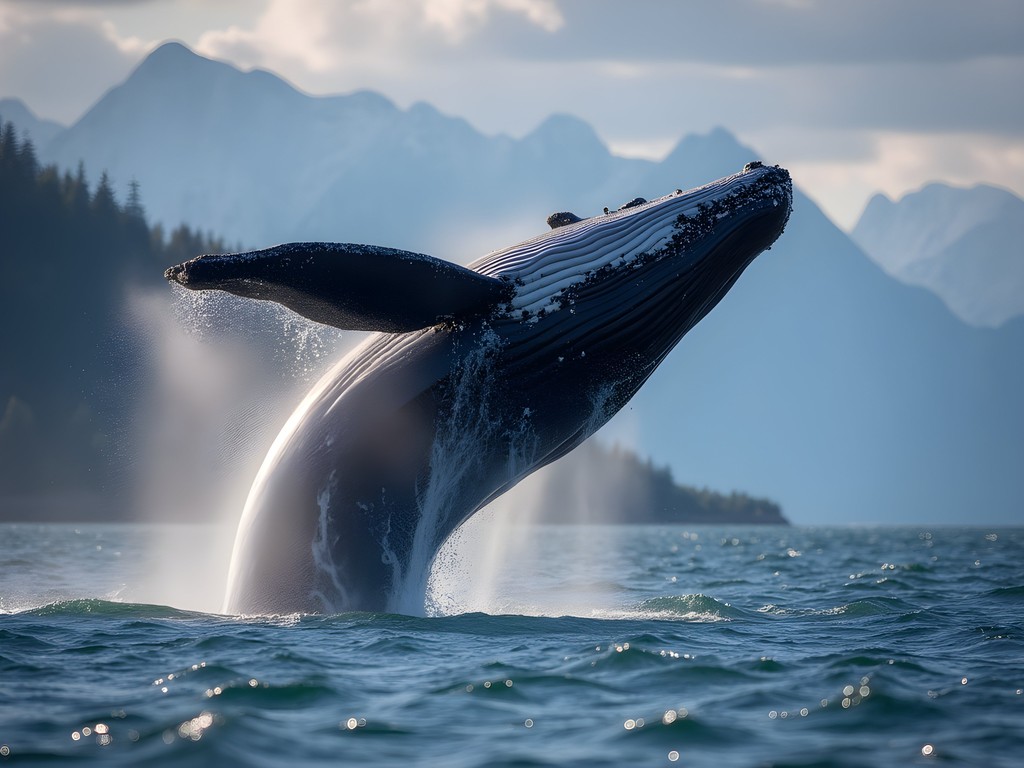
For couples seeking intimate wildlife experiences, I recommend bypassing the large commercial vessels in favor of smaller expedition boats. My most rewarding experience came through Juneau Tours, whose six-passenger vessels can navigate shallow coves where humpbacks often feed. Their naturalists understand the relationship between weather patterns and whale behavior—knowledge that proved invaluable when we tracked a pod of orcas hunting near Shelter Island.
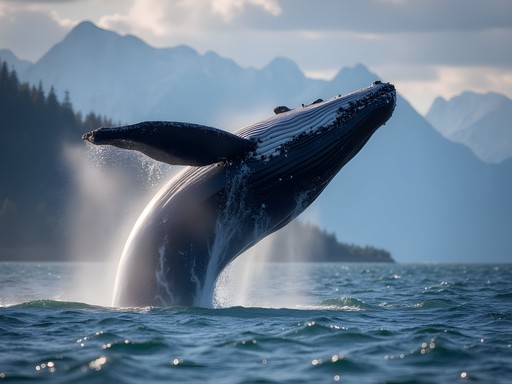
Bring a quality telephoto lens if you're serious about wildlife photography. The investment pays dividends when capturing breaching humpbacks or the distinctive dorsal fins of orcas against the backdrop of Admiralty Island. My technique involves setting aperture priority mode with continuous autofocus, then watching for the subtle surface disturbances that precede a whale's appearance. The relationship between barometric pressure and whale feeding behavior is something I've documented extensively—they're remarkably sensitive to frontal systems moving through the region.
💡 Pro Tips
- Choose smaller tour boats (under 20 passengers) for more intimate wildlife viewing
- Morning tours typically offer calmer waters and better lighting for photography
- Pack seasickness remedies even if you've never needed them—Alaskan waters can be unpredictable
Trekking the Temperate Rainforest: A Meteorological Marvel
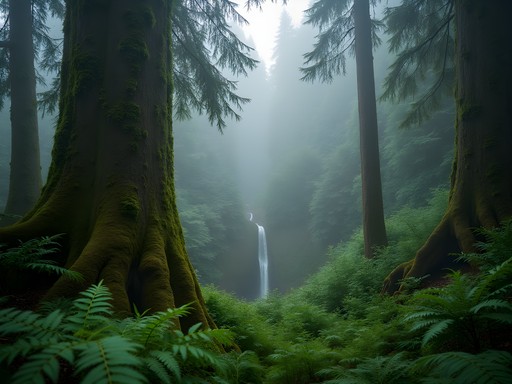
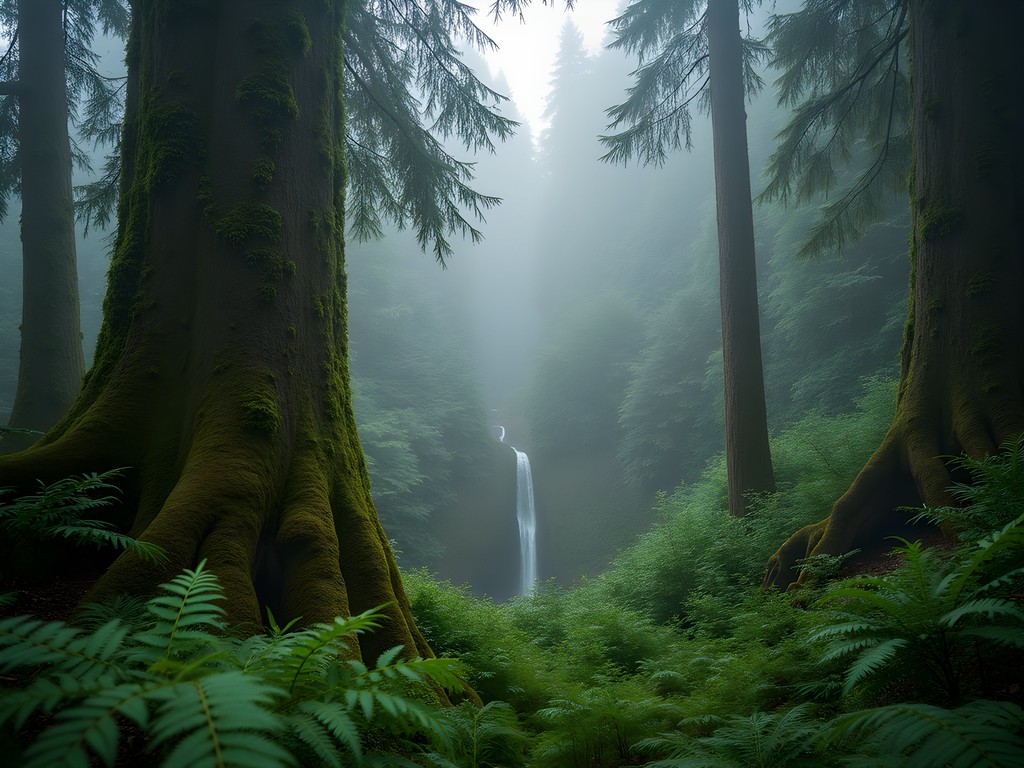
Juneau sits within the largest temperate rainforest in the world, a meteorological phenomenon created by warm Pacific currents colliding with coastal mountains. Having analyzed weather patterns professionally for decades, I find the Tongass National Forest particularly fascinating—it's essentially a massive natural humidifier that creates its own microclimate.
For advanced hikers seeking solitude, the Granite Basin Trail offers challenging terrain and remarkable biodiversity. My wife, a fellow meteorologist, once remarked that you can literally watch weather systems form and dissolve within the valleys as you ascend. Pack your hiking boots with excellent ankle support—the terrain transitions rapidly from packed earth to slick rock faces.
For a truly luxurious experience that most visitors miss, arrange a private guided trek through Above & Beyond Alaska. Their guides understand the interplay between tides, glacial melt, and forest ecosystems. On our expedition to Limestone Inlet, our guide Mark identified six distinct weather patterns we experienced in a single day—a meteorological education worth every penny of the premium price.
The rainforest's constant precipitation creates unique challenges for photography. I recommend a weather-resistant camera with environmental sealing. My technique involves keeping silica gel packets in my camera bag and allowing equipment to acclimate slowly when moving between temperature extremes—a habit formed from years of traveling between climate-controlled airport towers and the outdoors.
💡 Pro Tips
- Layer clothing with quick-dry fabrics—conditions can shift from sunny to downpour within minutes
- Carry bear spray and know how to use it—coastal brown bears are common in the Tongass
- Book private guides at least 6 weeks in advance for custom experiences during peak season

Luxury Accommodations with Weather-Perfect Views
After decades of business travel, I've developed particular standards for accommodations that balance luxury with location. In Juneau, this means selecting properties that capitalize on the region's meteorological drama while providing comfortable shelter from its frequent precipitation.
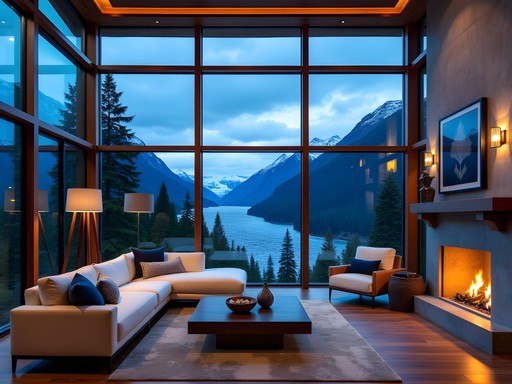
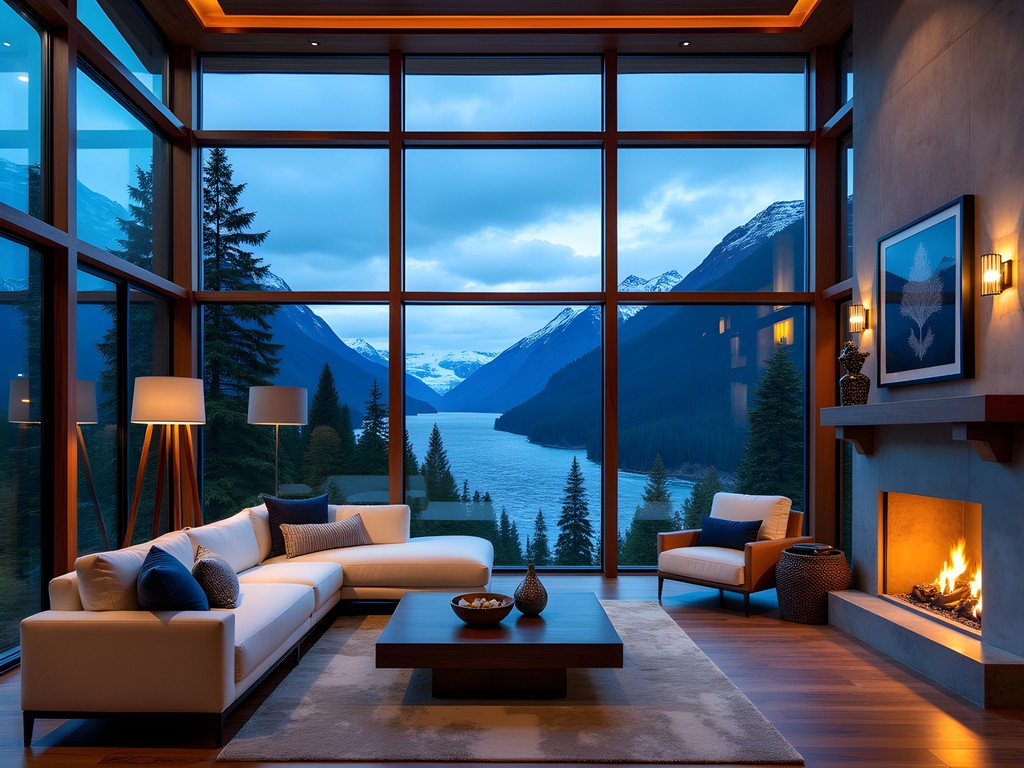
The Jorgenson House offers the perfect blend of privacy and proximity. Request their Observatory Suite, where floor-to-ceiling windows frame the channel and mountains beyond. I've spent hours watching weather systems roll in from this vantage point, tracking cloud formations that would later influence flight patterns at Juneau International.
For couples seeking more seclusion, consider Pearson's Pond Luxury Inn, where private hot tubs allow you to soak while watching mist drift through the surrounding rainforest. Their concierge service can arrange private chef experiences featuring locally harvested seafood—the king crab paired with New Zealand sauvignon blanc was particularly memorable after our day tracking weather patterns along the Mendenhall River.
Regardless of where you stay, I recommend bringing a portable weather station. It might seem excessive to some, but understanding the microclimate variations around Juneau has enhanced every outdoor experience I've planned. The difference in temperature and humidity between the harbor and just 500 feet up Mount Roberts can be substantial enough to alter your entire day's itinerary.
💡 Pro Tips
- Request south-facing rooms for maximum daylight during summer months
- Book accommodations with drying facilities for wet gear—a necessity in Juneau
- Consider splitting your stay between downtown and outlying areas for different perspectives
Capturing Alaska's Dynamic Weather Systems
As both an air traffic controller and weather enthusiast, I've developed a particular appreciation for Alaska's atmospheric drama. Juneau sits at a remarkable confluence of maritime and alpine weather systems, creating photographic opportunities that change hourly.
For couples with a passion for photography, I recommend dedicating at least one full day to Mount Roberts. The tram provides easy access to alpine environments where you can document the formation and movement of cloud systems. Bring a tripod for long exposures of cloud movements against the mountain backdrop.
Time-lapse photography reveals patterns invisible to the naked eye. I use a camera timer to capture sequences showing how katabatic winds from the Juneau Icefield interact with maritime air masses. The results provide insights into local weather patterns that even experienced pilots find valuable.
For those interested in marine weather, charter a boat to Tracy Arm Fjord where the convergence of glacial and ocean environments creates dramatic microclimates. My technique involves bracketing exposures to capture both the texture of approaching storm fronts and the subtle blue tones of freshly calved icebergs. The interplay of light on water tells stories about air temperature, wind direction, and precipitation probability that I find endlessly fascinating.
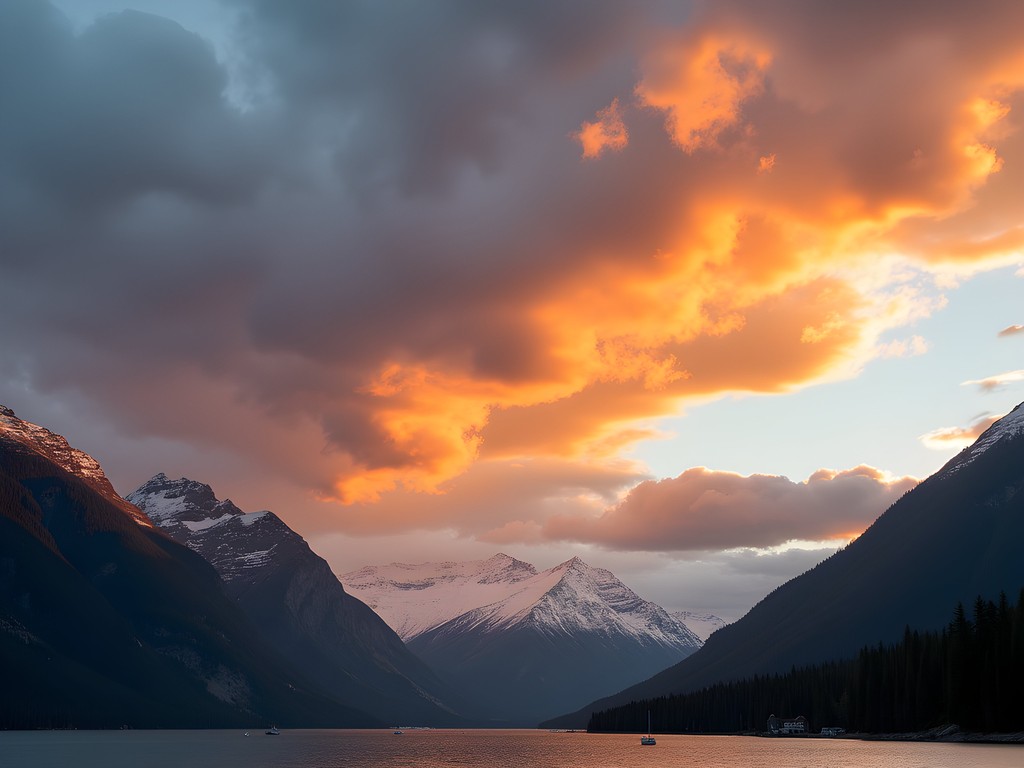
After nearly three decades in air traffic control, I've developed an eye for weather patterns that signal change. In Juneau, these signals are writ large across the landscape—lenticular clouds forming over peaks signal approaching frontal systems, while particular patterns of mist rising from Gastineau Channel forecast afternoon rain with remarkable accuracy.
💡 Pro Tips
- Visit the National Weather Service office in Juneau—they welcome visitors and offer fascinating insights about local conditions
- Track the movement of cruise ships, which create their own visible microclimates as they move through the channel
- Photograph the same location at different times to document how rapidly conditions change in Southeast Alaska
Final Thoughts
As I watched the final sunset of my Juneau expedition from the observation deck at Eaglecrest, the parallels between aviation and adventure travel crystallized in my mind. Both require respect for natural forces, meticulous planning, and the flexibility to adjust when conditions change. Juneau offers couples a rare opportunity to witness nature's grand systems at work—glacial, marine, and atmospheric—while enjoying luxuries that would have been unimaginable to early explorers of this region.
The convergence of warm Pacific currents with the massive Juneau Icefield creates weather patterns and ecosystems found nowhere else on earth. For couples willing to invest in premium experiences and equipped with the right gear, Juneau delivers adventures that will reshape your understanding of our planet's dynamic systems.
As we say in air traffic control: conditions can change rapidly. The same applies to Juneau's wilderness. Approach with respect, prepare thoroughly, and remain flexible. The rewards—witnessing a humpback breach against a backdrop of blue glacier ice, or tracking a weather front as it transforms the landscape before your eyes—will remain in your memory long after you've returned to lower latitudes.
✨ Key Takeaways
- Book smaller tour vessels and private guides for more intimate wildlife and glacier experiences
- Invest in quality weather-resistant gear—Juneau's conditions demand it
- Understand the relationship between tides, weather, and wildlife for optimal viewing opportunities
- Allow flexibility in your itinerary to adapt to rapidly changing weather conditions
- Consider splitting accommodation between downtown and outlying areas for different perspectives
📋 Practical Information
Best Time to Visit
May through September, with July offering optimal weather and wildlife viewing
Budget Estimate
$8,000-$12,000 per couple for one week including luxury accommodations and private tours
Recommended Duration
7-10 days minimum to experience glaciers, marine ecosystems, and rainforest environments
Difficulty Level
Moderate To Challenging Depending On Chosen Activities
Comments
Jean Wells
As someone who has traveled solo through Alaska twice, I appreciate your emphasis on the wilderness accessibility from Juneau. The absence of road connections creates an interesting isolation that forces visitors to engage more intentionally with the landscape. For solo travelers, the whale watching tours provide excellent opportunities for meeting fellow adventurers while maintaining independence. One tip: the Juneau hostel downtown offers surprisingly comfortable accommodations and a communal atmosphere that works well for those traveling alone.
escapefan
Thanks Jean! That hostel tip is exactly what I needed
escapefan
This post is getting me so pumped for my first Alaska trip! I've only done tropical destinations before so this will be totally different. Question - how cold does it actually get in August? Trying to figure out what gear to pack. Also any budget-friendly hotel recommendations? The luxury places look gorgeous but a bit out of my price range lol
photobackpacker
What's the best time of year for whale watching? Planning a trip for late spring and wondering if I should adjust timing
escapefan
I've heard May-September is peak season! Humpbacks migrate through then
Douglas Bradley
Genesis, your meteorological perspective on the rainforest ecosystem is fascinating. I visited Juneau three years ago and was struck by how the Tlingit cultural sites integrate with the natural landscape. The interaction between indigenous knowledge systems and modern environmental interpretation at the Alaska State Museum offers important context that enriches any wilderness experience there. Did you have a chance to explore any of the cultural heritage sites during your visit?
Jean Wells
Douglas makes an excellent point. The cultural dimension is often overlooked in adventure tourism narratives.
dreamvibes5148
went last summer and the mendenhall glacier hike was unreal. def worth getting there early to beat the cruise ship crowds tho. also saw a black bear on the trail which was wild
wavefan
Wait how close did you get to the bear?? That's both terrifying and cool!
dreamvibes5148
like maybe 50 yards? ranger said just stay calm and it wandered off. had bear spray just in case
wavefan
OMG this looks amazing!! Adding Juneau to my bucket list right now!
oceanninja
Just booked my flight to Juneau after reading this! Can't wait to see those glaciers in person! 🧊✈️
nomadphotographer
You're going to love it! Make sure to bring layers - it gets chilly near the glaciers even in summer!
smartking5032
Planning a trip for next summer. How many days would you recommend staying in Juneau to do all this?
Genesis Hayes
I'd recommend at least 5 days to really experience it properly. Glacier day, whale watching day, hiking day, and then a couple flexible days for weather changes or other activities that catch your interest!
Bryce Diaz
Totally agree with Genesis. And if you can stretch to a week, even better. The weather can be unpredictable, so having buffer days is clutch. Plus, you might want a rest day after some of the more strenuous hikes!
smartking5032
Thanks both! Will plan for a week to be safe.
Bryce Diaz
Genesis, your aviation background gives such a unique perspective to this piece! I was in Juneau last summer and completely agree about the whale watching - it's otherworldly. We got lucky and saw a pod of orcas hunting, which our naturalist said was rare for that time of year. One tip for anyone heading there: the weather changes FAST. I learned the hard way when I got caught in a downpour on the Perseverance Trail without my rain gear. My waterproof backpack saved my camera gear, but I was soaked to the bone! Did you make it to Tracy Arm Fjord? That was actually my favorite day trip from Juneau.
Genesis Hayes
Orcas hunting? Now that's a spectacular sight! And yes, Tracy Arm was incredible - I mentioned it briefly in the Marine Wildlife section, but could've written an entire post just on that experience. The calving glaciers were thunderous!
nomadphotographer
Those glacier shots are INSANE! The blue ice looks almost unreal. Did you get to do the ice cave tour?
Genesis Hayes
Thanks! Yes, I did the ice cave tour - absolutely mind-blowing. The guides were extremely knowledgeable about glacier safety. The blue light filtering through the ice is something I'll never forget.
nomadphotographer
Adding this to my bucket list right now! 😍
Venture X
Premium card with 2X miles, $300 travel credit, Priority Pass