
Disclosure: This article contains affiliate links. We may earn a commission from purchases at no extra cost to you, which helps our travel content.
There's something deeply humbling about standing before Uluru for the first time. That massive red monolith rising from the desert floor like nature's own cathedral. After years of dreaming about visiting this sacred Aboriginal site, I finally made the journey last winter—trading the Texas heat for Australia's cooler season. What followed was a week of contrasts: luxury accommodations against ancient landscapes, gourmet dining under infinite stars, and most importantly, learning to experience this powerful place with both reverence and wonder.

Understanding Uluru's Sacred Significance
Before diving into the glamping and gourmet meals, let's chat about something proper essential: respect. Uluru isn't just Australia's most recognizable natural landmark—it's a deeply sacred site for the Anangu people who've been its traditional custodians for thousands of years.
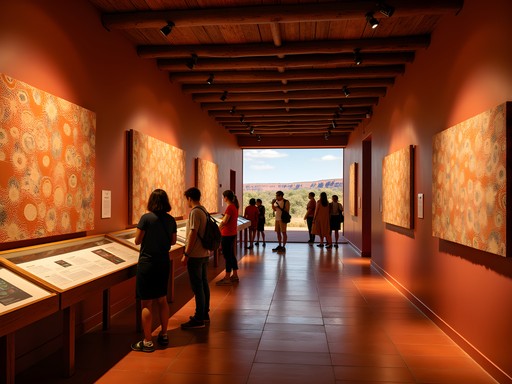
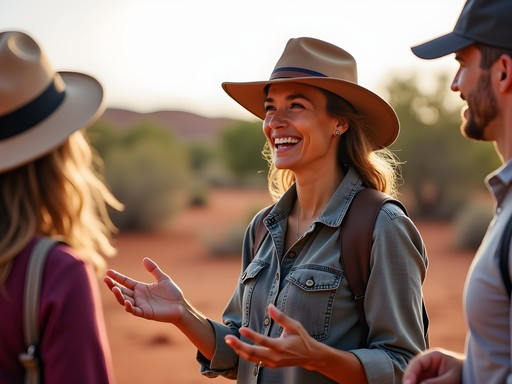
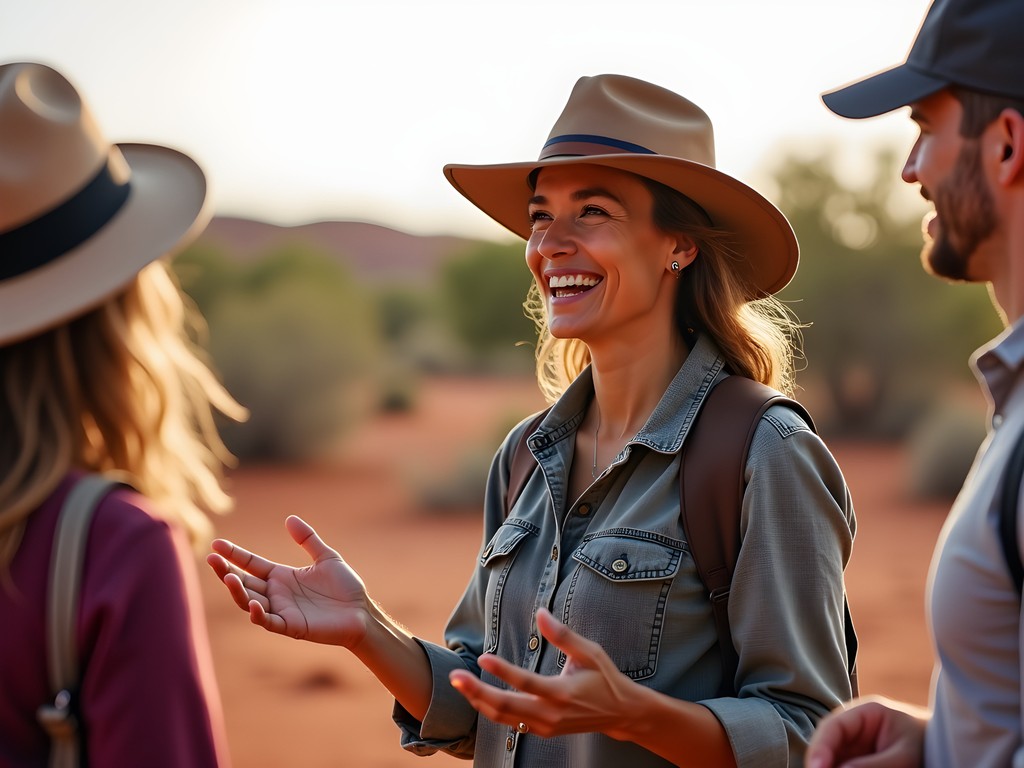
During my visit, I opted for a cultural tour led by an Aboriginal guide, who shared Tjukurpa (creation stories) that gave me goosebumps. These aren't just tales, mates—they're living connections between people and place that have survived for over 60,000 years.
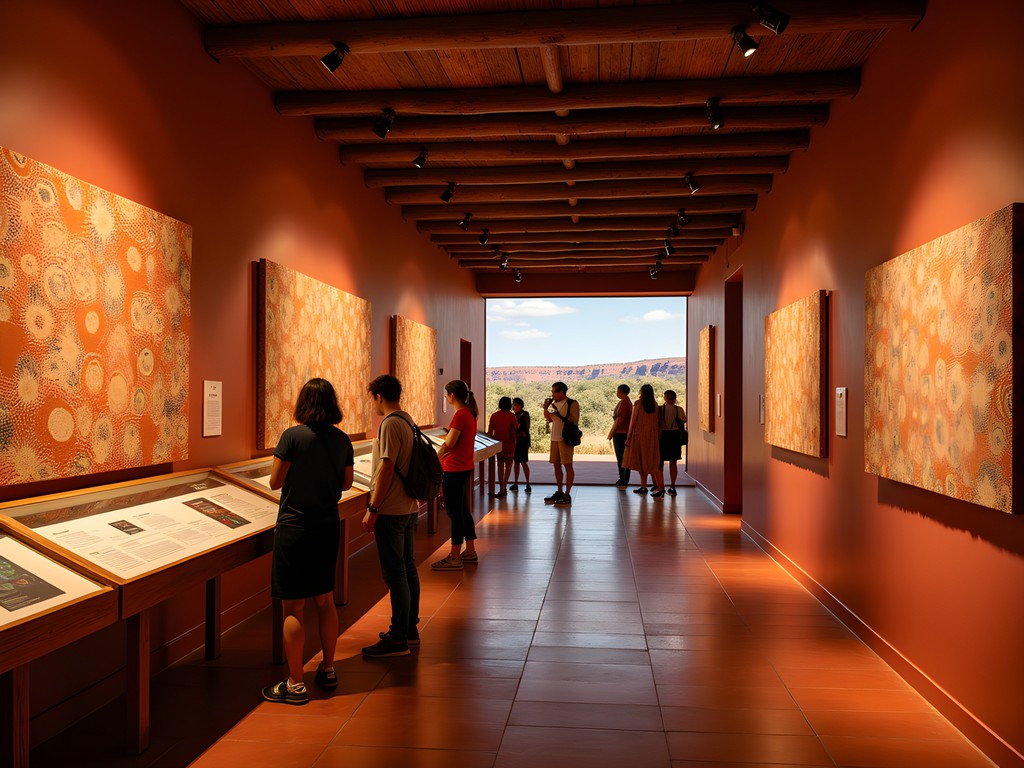
While many visitors still climb Uluru despite the Anangu's wishes not to, I chose to respect their cultural beliefs. Honestly, the most magical experiences happen at ground level anyway! The Cultural Centre provides brilliant context before exploring, and I highly recommend picking up an indigenous guidebook before your trip for deeper understanding.
💡 Pro Tips
- Always ask before taking photos of Aboriginal people or their artwork
- Learn a few Pitjantjatjara words as a sign of respect
- Remember that certain areas around Uluru are gender-restricted or prohibited from photography
Luxury Accommodations in the Desert
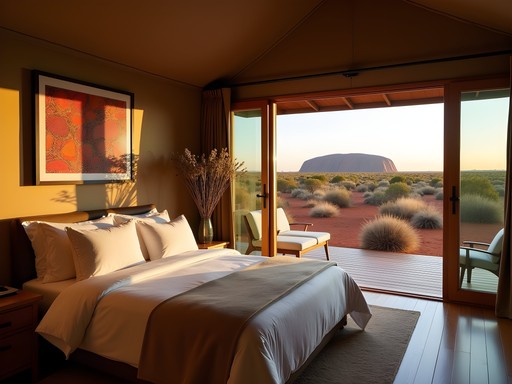
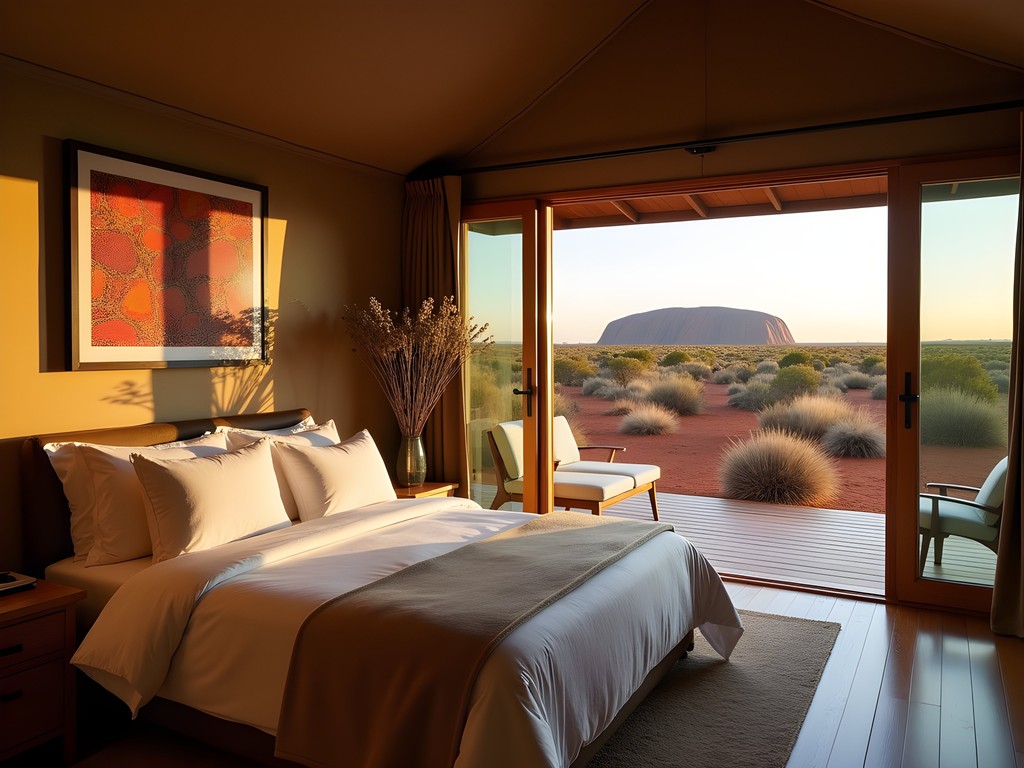
After my first day exploring, I was proper knackered and grateful to retreat to Longitude 131°—a luxury desert camp that somehow manages to be both indulgent and environmentally conscious. My elevated tent suite offered uninterrupted views of Uluru from my bed (I literally woke up to that magnificent rock changing colors at dawn).
While the £1,000+ per night price tag initially made me wince, the all-inclusive experience justified every penny. We're talking private guided tours, gourmet meals featuring native Australian ingredients, premium open bar, and those little touches that elevate travel from memorable to extraordinary. My balcony featured the coziest heated throw blanket for those chilly desert nights while stargazing.
If that's beyond your budget (as it normally would be mine—this was a special splurge), Sails in the Desert offers a brilliant mid-range alternative with desert-inspired luxury and a gorgeous pool area. Even on a social worker's salary, I've learned that strategic splurges create the most lasting memories.
💡 Pro Tips
- Book Longitude 131° at least 6 months in advance as it sells out quickly
- Request a tent with direct Uluru views (some have better angles than others)
- Pack layers as desert temperatures fluctuate dramatically between day and night
Dawn Patrol: The Ultimate Uluru Sunrise Experience
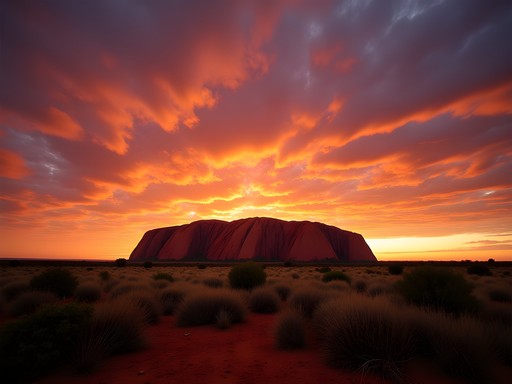
If there's one absolute non-negotiable experience at Uluru, it's witnessing sunrise at the designated viewing area. This meant a 5 am wake-up call in winter, which had me reaching for my insulated travel mug filled with strong coffee from the hotel's pre-dawn service.
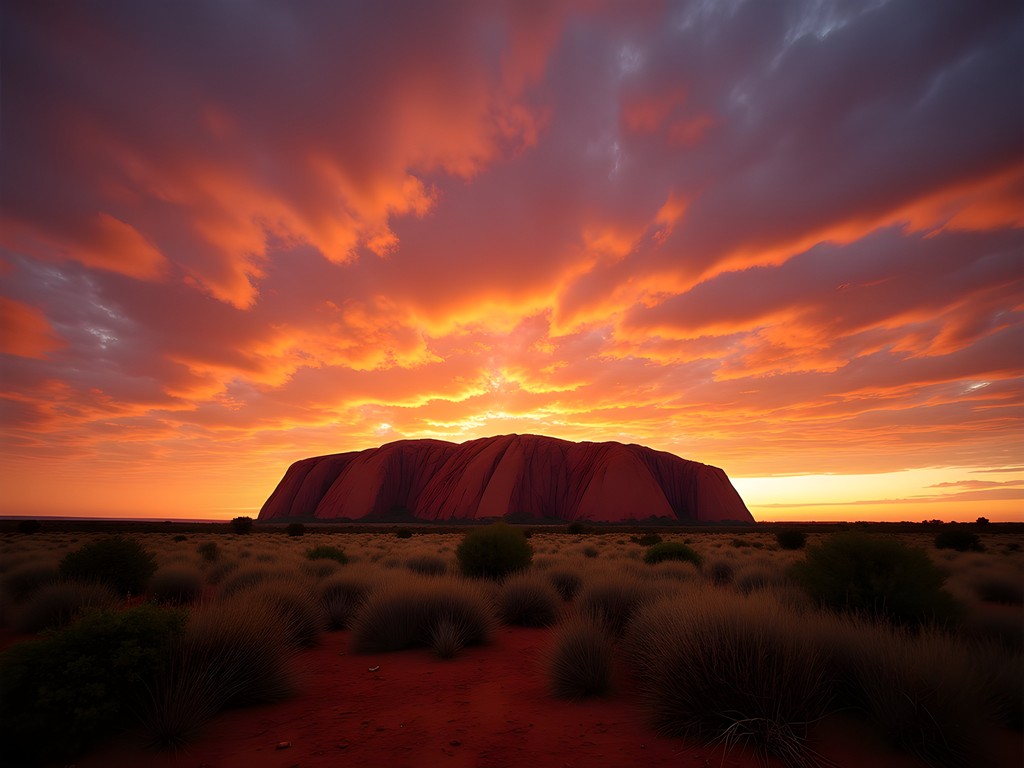
Rather than joining the crowds at the main viewing platform, my guide took our small group to a less-visited spot where we watched in reverent silence as the rock transformed from deep purple to burning orange to vibrant red. It was like watching a living, breathing entity wake up.
After sunrise, we continued to the Kuniya Walk, leading to the Mutitjulu Waterhole. This ancient water source has profound significance in Aboriginal creation stories, and the morning light created perfect reflections of the rock face in the still water. The morning concluded with a proper bush breakfast—damper bread, native jams, and more of that life-saving coffee while watching desert wildlife emerge for the day.
💡 Pro Tips
- Set multiple alarms for sunrise—you absolutely cannot miss it!
- Bring quality rechargeable hand warmers for winter mornings
- Choose small-group tours over large bus experiences for more intimate viewing locations

Beyond Uluru: Kata Tjuta and Field of Light
While Uluru understandably gets the spotlight, don't you dare miss Kata Tjuta (The Olgas)! These 36 massive rock domes rising from the desert floor are equally spectacular but receive far fewer visitors. The Valley of the Winds walk was properly challenging in parts but offered views that made my heart soar—massive red rock formations against that impossibly blue outback sky.
I splurged on the ultralight hiking poles before this trip, and they were absolute lifesavers on the steeper sections of this 7.4km circuit. Start this walk early as they close sections during extreme heat.
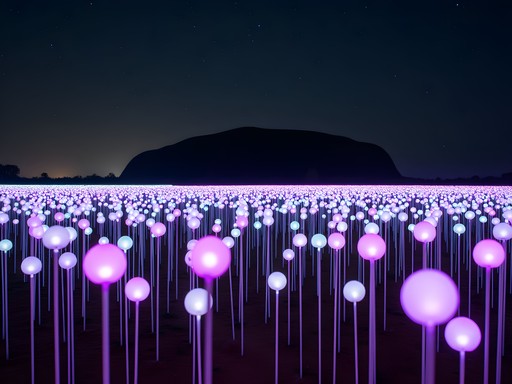
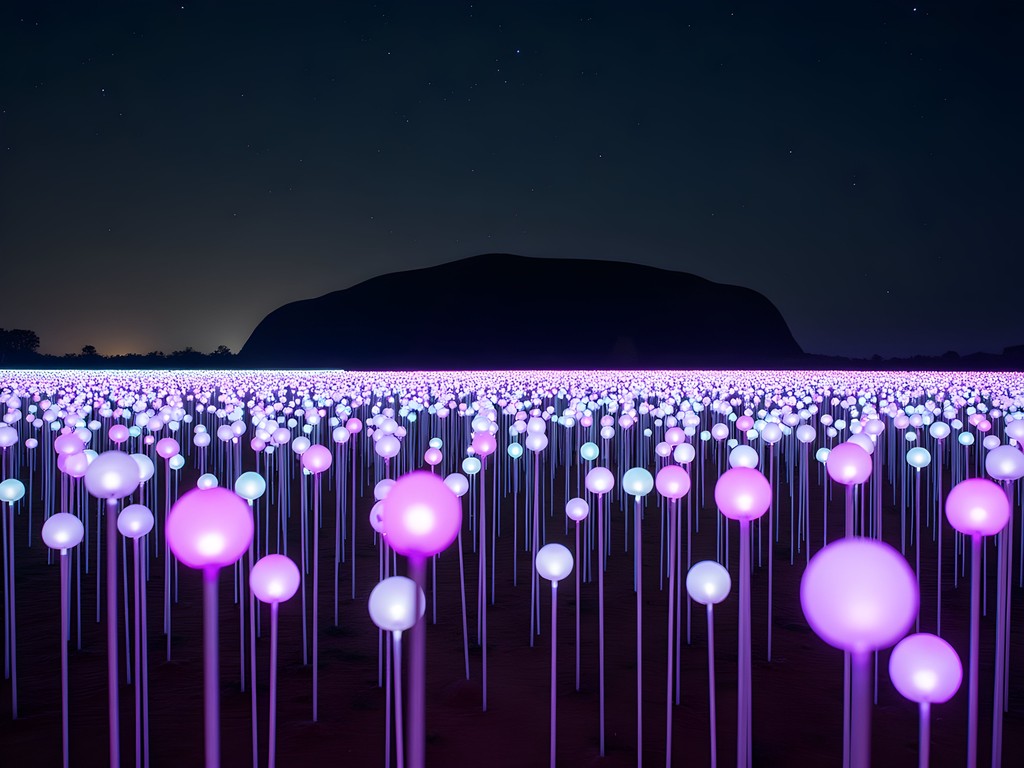
As for evenings, Bruce Munro's Field of Light art installation was pure magic. This immersive light experience features 50,000 solar-powered stems that illuminate the desert in shifting pastels. I booked the Star Pass, which included canapés and Australian sparkling wine while watching the sunset over Uluru before wandering through this ethereal light forest. For the ultimate splurge, the Sounds of Silence dinner under the stars combines gourmet bush tucker, premium wines, and a guided tour of the southern night sky that will make you feel properly tiny in the best possible way.
💡 Pro Tips
- Book Field of Light experiences well in advance as they sell out months ahead
- Bring a red light headlamp for night viewing without ruining your night vision
- Allow a full day for Kata Tjuta—it deserves as much time as Uluru itself
Sustainable Luxury: Balancing Indulgence with Responsibility
As someone who values both cultural respect and the occasional luxury experience, I was chuffed to discover how the high-end operations around Uluru are leading in sustainable tourism. Longitude 131° operates on solar power, practices water conservation, and employs local Aboriginal staff. Even their reef-safe sunscreen products in guest bathrooms reflect thoughtful environmental choices.
The guided experiences focus on minimal impact—we were constantly reminded to stay on marked paths and never remove anything from the national park. Our guide even provided each of us with a reusable water bottle that purifies water using UV-C light, eliminating the need for plastic bottles.
What impressed me most was how the luxury experiences here don't feel exploitative—they genuinely contribute to conservation efforts and Aboriginal communities through employment and revenue sharing. It's a model I wish more tourism destinations would follow, especially in culturally significant areas. As travelers, we can enjoy these special experiences while ensuring our presence benefits rather than harms these sacred places.
💡 Pro Tips
- Choose tour operators that employ Aboriginal guides and give back to local communities
- Pack eco-friendly toiletries as the desert ecosystem is fragile
- Consider carbon offsetting your flights to and from Uluru
Final Thoughts
My week at Uluru fundamentally shifted something in me. There's a profound energy to this place that transcends its Instagram fame—a spiritual significance that deserves our deepest respect. While I've tried to capture its magic in words and images, the truth is that Uluru must be experienced firsthand. The luxury elements enhanced my journey, but the most valuable souvenirs were the moments of connection—with the land, with Aboriginal culture, and with my own sense of place in this vast world.
If you're planning your own Uluru adventure, remember that this isn't just another bucket-list tick or photo opportunity. It's a chance to experience one of our planet's most culturally significant landscapes with both reverence and joy. Balance your luxury indulgences with cultural learning, and you'll return home not just with stunning photos but with a profound appreciation for the world's oldest living culture and their sacred connection to this magnificent red heart of Australia. As we say up North—it's proper special, this one.
✨ Key Takeaways
- Respect Aboriginal cultural protocols and wishes regarding Uluru
- Balance luxury experiences with authentic cultural learning
- Book sunrise/sunset experiences and Field of Light well in advance
- Winter (June-August) offers ideal temperatures for hiking and outdoor activities
- Allow at least 3 full days to properly experience both Uluru and Kata Tjuta
📋 Practical Information
Best Time to Visit
May to September (Australian winter/spring)
Budget Estimate
$3,000-$7,000 per person for a week (luxury accommodation)
Recommended Duration
5-7 days
Difficulty Level
Moderate




Comments
moonlegend6500
Just returned from Uluru last week and your post captures the experience perfectly! One thing I wish I'd known - book the Sounds of Silence dinner WAY in advance. We tried booking 2 months ahead and it was completely full. Also, the temperature difference between morning and midday is intense - I was freezing at sunrise and roasting by 11am. Layers are definitely key. The guided cultural walks with indigenous guides were the highlight of our trip - so much knowledge and perspective you just can't get otherwise.
bluerider
That Field of Light photo is stunning! Was it really that vibrant in person?
Amy Arnold
Thanks! It's actually even more magical in person - photos don't fully capture how it feels to be surrounded by thousands of softly glowing lights in the desert darkness.
happyguy
That shot of the Field of Light with the stars above is absolutely magical! What camera settings did you use?
respectful_traveler
Thank you Amy for emphasizing the sacred significance of Uluru. When I visited, I was disappointed to see some tourists still climbing it (before the ban) despite signs explaining why it's disrespectful. The base walk is so much more rewarding anyway - you see incredible rock art and learn about the cultural stories. One thing I'd add - when photographing certain sites around Uluru, there are some areas where photography isn't permitted out of respect for cultural beliefs. These are clearly marked, but worth mentioning for those planning a trip. The respect shown by tour operators has improved dramatically in recent years.
smartperson
Just got back from Uluru last month and PLEASE everyone take the flies seriously!! They were relentless. Those fly nets for your face might look silly but you'll be thanking yourself when everyone else is constantly swatting. Best $10 I spent on the trip!
bluerider
OMG yes to this! The flies were INSANE when I went. Definitely pack a head net.
Dylan Turner
Excellent write-up on Uluru, Amy. Having visited three times over the years, I can attest to the transformative experience you described. For those planning a visit, I'd add that the Sounds of Silence dinner is absolutely worth the splurge - dining under the stars in the desert with Uluru as a silhouette is unforgettable. One tip for photographers: bring a good quality polarizing filter for your camera lens. The circular polarizer I used made a dramatic difference in capturing the rich red tones against that vivid blue sky. Also, don't forget that while sunrise gets all the attention, the sunset views from the designated viewing platform are equally spectacular but often less crowded.
tripace
Did you do the helicopter tour? Worth the money?
Amy Arnold
I did! It was pricey (around $300 AUD) but seeing Uluru and Kata Tjuta from above was absolutely worth it. The perspective is completely different.
Nicole Russell
Amy, this guide is EXACTLY what I needed! I'm planning an Australia trip for March and Uluru is at the top of my list. I've been wondering about balancing tourism with respecting the sacred nature of the site. Your section on cultural significance was so insightful! Did you find 3 days was enough time? I'm debating between 3-5 days there. Also, did you rent a car or use the shuttle services between viewing points?
Amy Arnold
Thanks Nicole! I found 3 days perfect for seeing Uluru and Kata Tjuta thoroughly, but 4-5 would let you have more downtime to enjoy the resort facilities. I rented a car which gave me flexibility for sunrise/sunset timing, but the shuttles are well-organized if you prefer not to drive!
Nicole Russell
Thanks so much for the advice, Amy! I think I'll go with 4 days and rent a car. Can't wait!
wavepro
Wow, those sunrise photos are incredible! Adding Uluru to my bucket list right now.
travelace
Just got back from Uluru last week! One thing I wish I'd known beforehand - while you can't climb Uluru anymore (and shouldn't want to, out of respect), the Valley of the Winds walk at Kata Tjuta is absolutely spectacular and gives you that sense of immersion. Much less crowded than the Uluru base walk too. Just start EARLY before the heat hits!
Venture X
Premium card with 2X miles, $300 travel credit, Priority Pass