Disclosure: This article contains affiliate links. We may earn a commission from purchases at no extra cost to you, which helps our travel content.
As someone who's spent decades studying coastal ecosystems, I've developed a sixth sense for overlooked marine playgrounds. Port St. Lucie isn't just another Florida retirement community—it's an adventure sports paradise hiding in plain sight. While snowbirds flock to Miami and Orlando's manufactured thrills, this unassuming coastal gem along Florida's Treasure Coast offers authentic adventures that combine adrenaline with ecological immersion. Pack your sense of adventure and prepare to see Florida through new eyes.
Kayaking the Secret Mangrove Tunnels
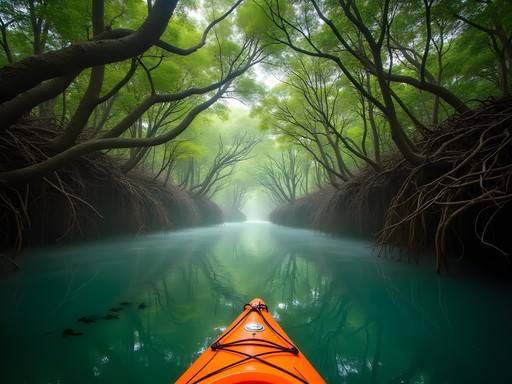
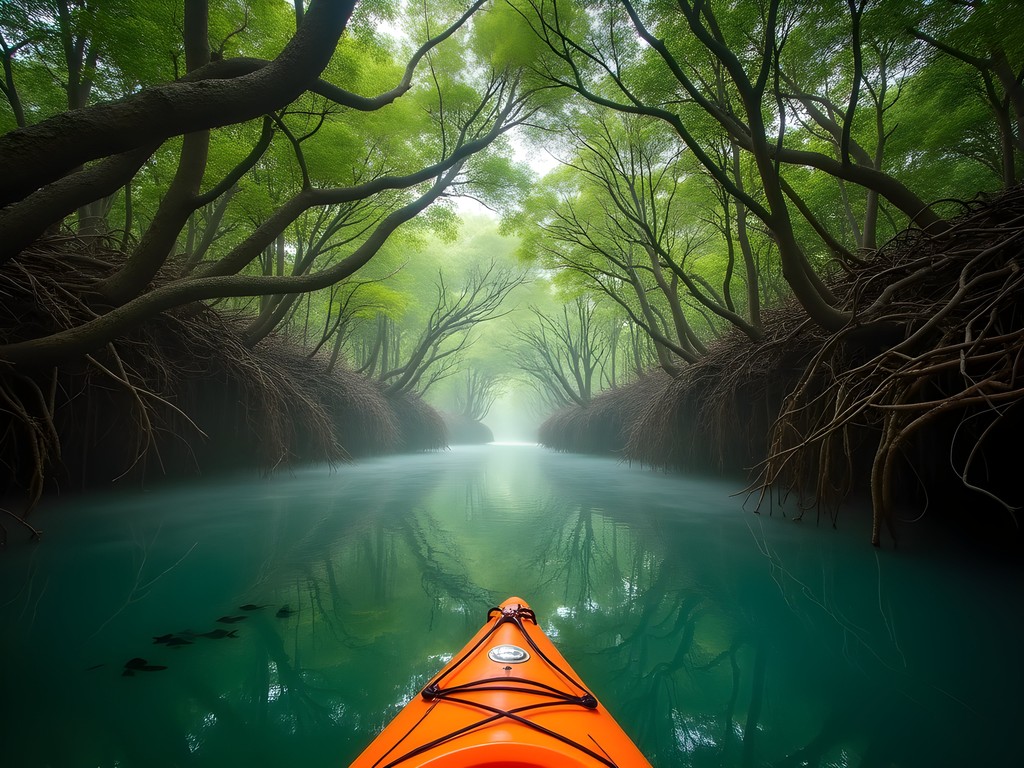
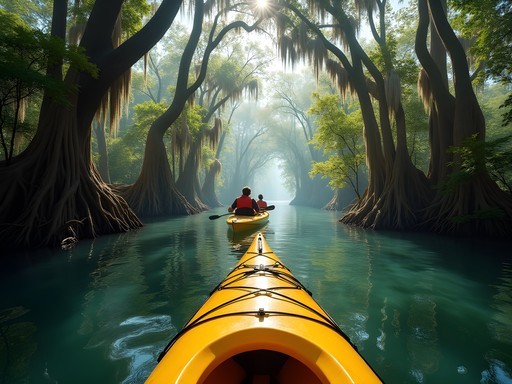
The North Fork of the St. Lucie River presents what I consider the perfect blend of adventure and ecological wonder. Unlike the heavily trafficked Everglades routes, these mangrove tunnels offer intimate passages where the canopy closes overhead, creating emerald cathedrals of filtered light.
During my research expedition last winter, I spent three days mapping these aquatic labyrinths. The silence is occasionally broken by the splash of mullet or the prehistoric grunt of an alligator—a sound that still accelerates my pulse despite years of fieldwork. The water's clarity here is remarkable for Florida, allowing glimpses of snook and tarpon navigating the submerged root systems.
For optimal exploration, I recommend launching from Veterans Park at sunrise when wildlife activity peaks and temperatures remain mild. A waterproof dry bag is non-negotiable equipment here—I've seen too many smartphones and field journals sacrificed to these waters by unprepared paddlers.
💡 Pro Tips
- Rent kayaks from Riverfront Kayaks rather than bringing your own—their vessels are specifically designed for narrow mangrove navigation
- Pack polarized sunglasses to cut glare and spot underwater wildlife
- Bring a waterproof marine chart or download the Florida Paddle Trails app—cell service is spotty in the tunnels
Kiteboarding at Hutchinson Island: Where Science Meets Sport
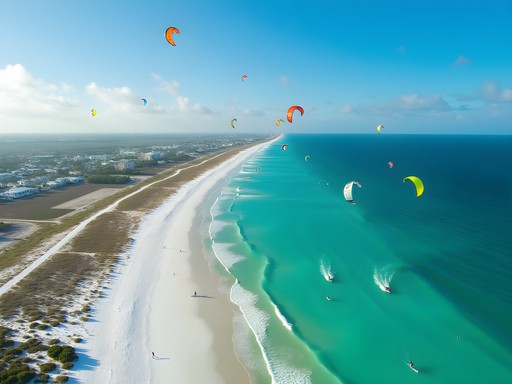
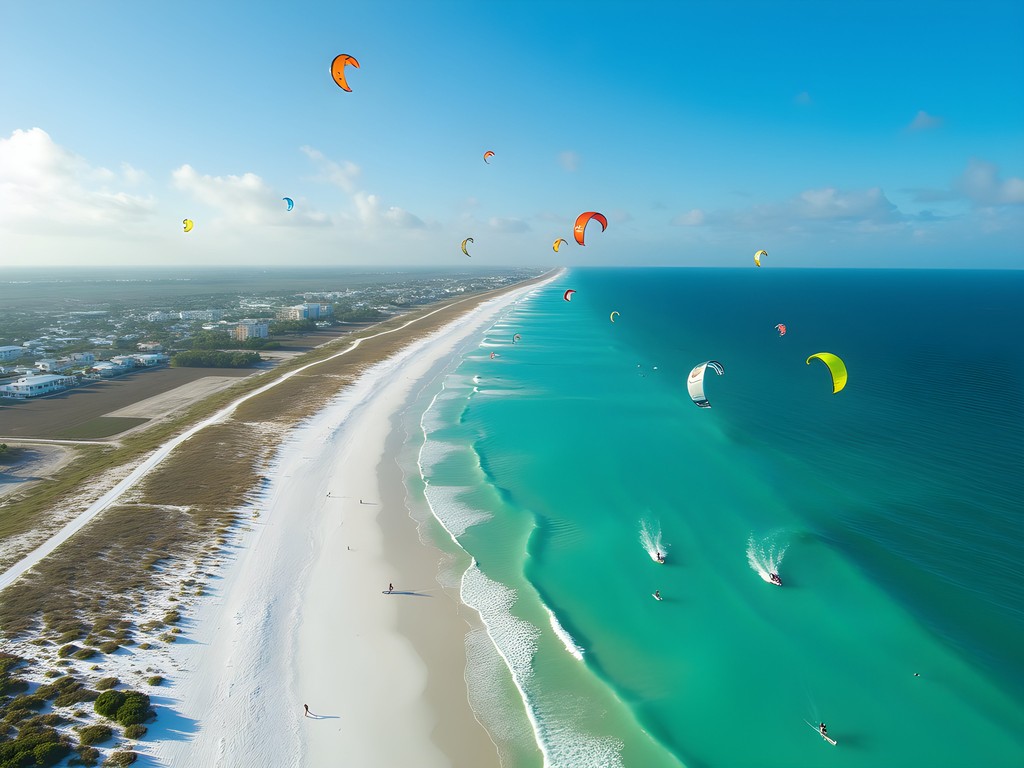
Having studied coastal wind patterns across five continents, I can confidently state that Hutchinson Island offers some of the most consistent kiteboarding conditions on the eastern seaboard. The thermal winds here create a predictable afternoon pattern that locals affectionately call the 'Treasure Coast Express.'
What makes this location exceptional isn't just the wind reliability but the ecological backdrop. You're literally soaring above protected marine habitats. During my sessions last December, I spotted three different sea turtle species from my board—an experience that perfectly merged my scientific and adventurous pursuits.
For beginners, Waveland Beach provides ideal learning conditions with shallow sandbars and minimal obstacles. Veterans should head to Jensen Beach where wave riding opportunities improve significantly. I'd strongly recommend investing in a quality wind meter for accurate readings—the difference between a 15-knot and 20-knot day dramatically changes equipment selection and safety parameters.
💡 Pro Tips
- Book lessons with Treasure Coast Kiteboarding—their instructors understand the local microclimate nuances
- The best wind typically arrives between 1-4pm during winter months
- Always check for purple flags indicating dangerous marine life before sessions
Paddleboard Archaeology: Exploring Shipwrecks and Reef Systems
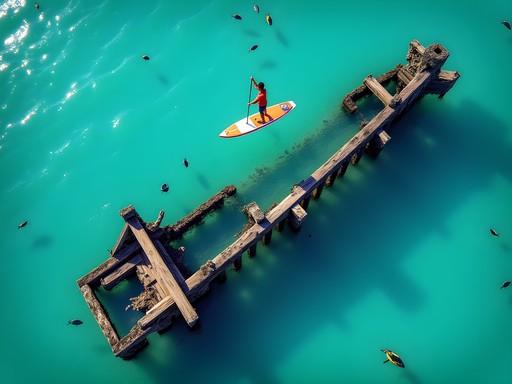
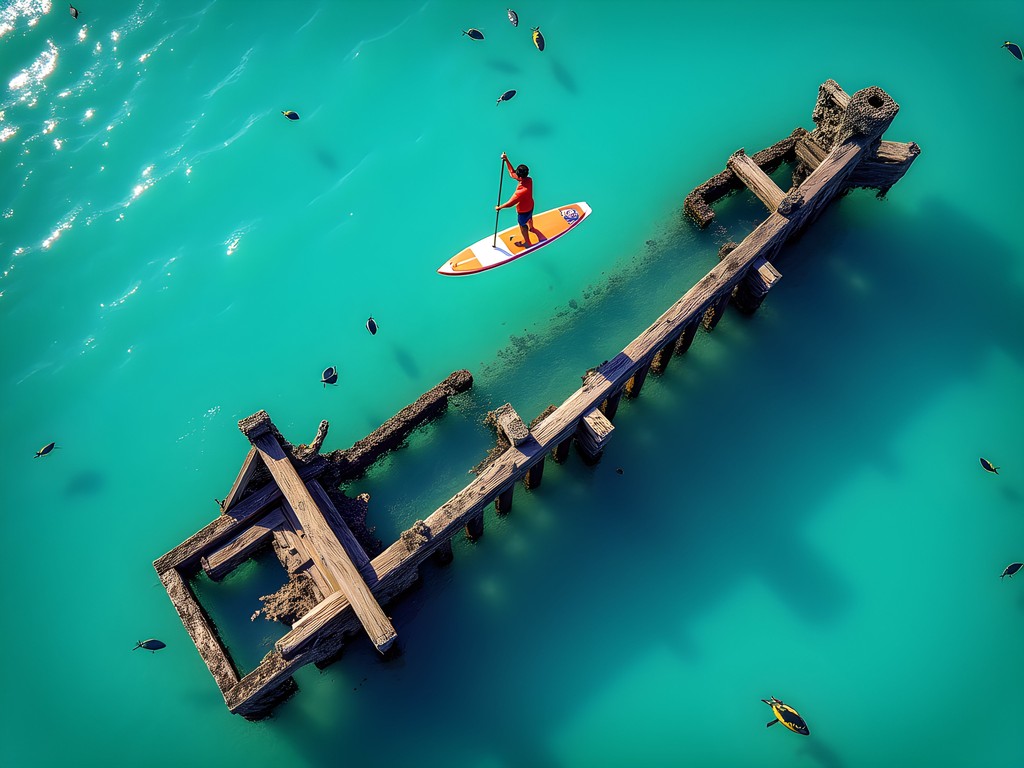
While most tourists flock to artificial reefs, my marine biology background has taught me to appreciate Port St. Lucie's natural systems. The nearshore reefs accessible via paddleboard from Walton Rocks Beach offer a unique adventure opportunity that combines physical challenge with historical discovery.
These waters contain several shallow-water shipwrecks from the 18th and 19th centuries, now serving as vibrant artificial reefs. During calm winter days, visibility often exceeds 40 feet, creating perfect conditions for paddleboard exploration. I've spent countless hours documenting fish populations here, noting how the shipwreck ecosystems differ from natural formations.
For this activity, I can't recommend a floating waterproof phone case strongly enough. It's saved my documentation capabilities numerous times when unexpected wakes have knocked me from my board. Also essential is a reef-safe sunscreen to protect both your skin and the delicate marine ecosystems you'll be exploring.
💡 Pro Tips
- Use a larger, more stable paddleboard (11'+ in length) for better tracking in open water
- Visit during weekdays to avoid weekend boat traffic that reduces visibility
- Bring a mesh collection bag to remove any plastics or fishing line you encounter—reef conservation is everyone's responsibility

Fat Tire Biking the Savannas Preserve State Park
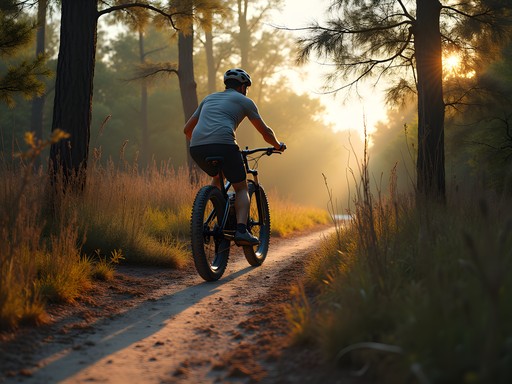
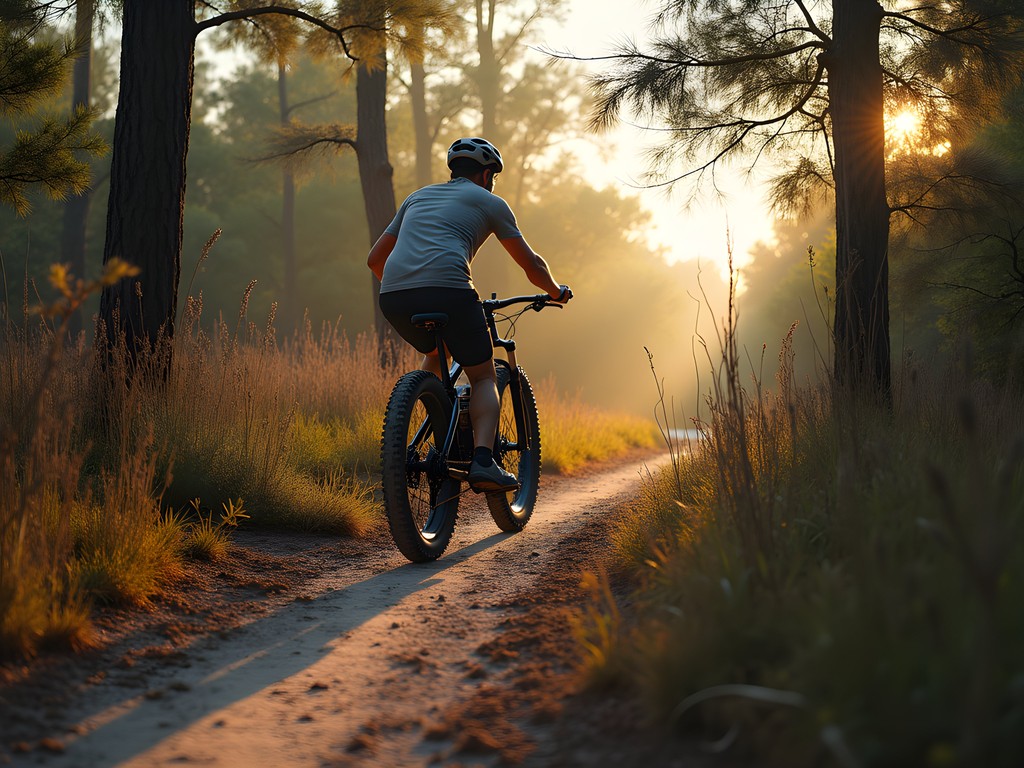
When ocean conditions don't cooperate, I pivot to terrestrial adventures. The Savannas Preserve State Park offers over 6,000 acres of diverse ecosystems and some of the most technical fat tire biking I've encountered east of the Mississippi.
What makes this location particularly special is the ecological transition zones—in a single ride, you'll traverse pine flatwoods, wet prairie, marsh, and sand pine scrub habitats. The winter months transform the typically challenging trails into fast, tacky singletrack that rivals western destinations.
During my last expedition, I encountered three gopher tortoises, a family of wild boars, and a rather disinterested bobcat—all within a two-hour ride. For navigation, I rely on my GPS bike computer since trail markings can be inconsistent, especially after storms. The device's breadcrumb feature has saved me from unplanned bivouacs more than once.
The eastern trails offer the most technical riding, with root systems and sudden elevation changes that will challenge even experienced riders. Beginners should stick to the western loop system where trails maintain a more predictable flow.
💡 Pro Tips
- Rent fat tire bikes from Cycle Sport Concepts in Port St. Lucie—they maintain their fleet impeccably
- Bring twice the water you think you'll need; the humidity is deceptive even in winter
- Download trail maps beforehand as cellular coverage is inconsistent throughout the preserve
Night Fishing the Intracoastal: A Scientific Approach
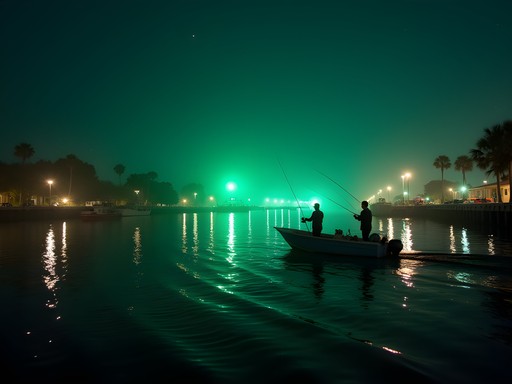
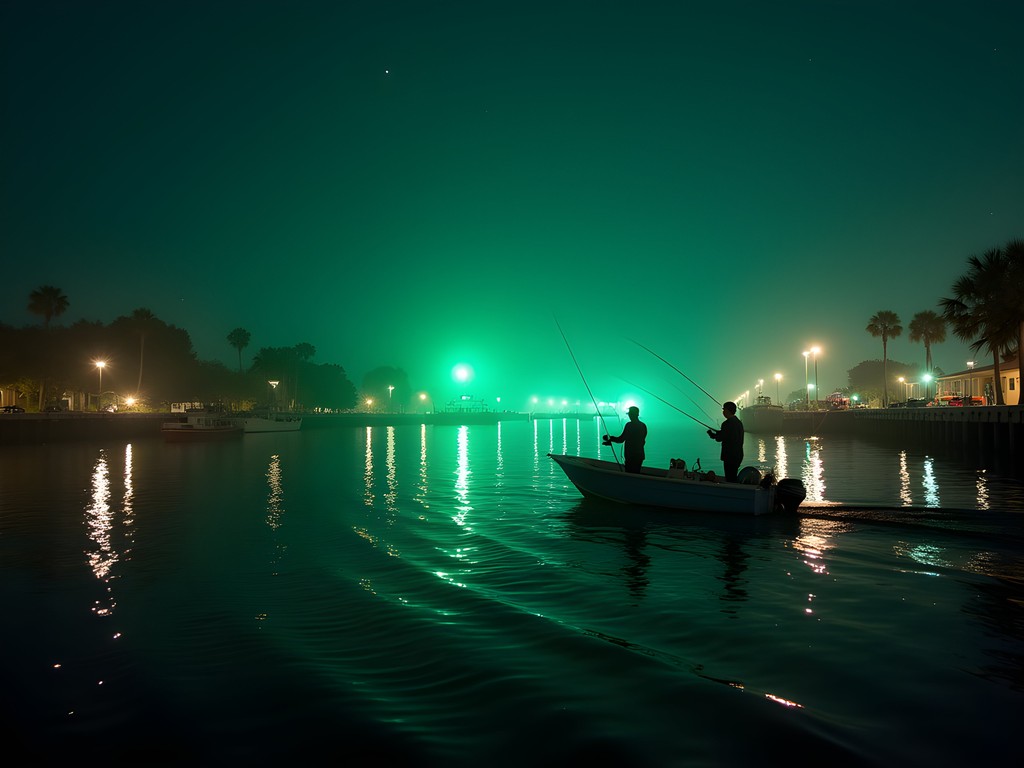
While most visitors limit their adventures to daylight hours, Port St. Lucie's intracoastal waterway transforms after dark. As both a marine biologist and recreational angler, I've documented how feeding patterns shift dramatically once the sun sets.
The winter months bring clearer water conditions and concentrated fish populations in deeper channels. During my research trips, I've found that docklights along the intracoastal create perfect ambush points for snook, tarpon, and redfish. These artificial light sources attract baitfish, creating miniature ecosystems that larger predators can't resist.
For this adventure, I recommend hiring a local guide for your first outing—the navigation challenges in darkness are substantial. Captain Charlie of Treasure Coast Night Fishing has an encyclopedic knowledge of seasonal patterns and tidal influences that no app can replicate.
Essential gear includes a headlamp with red light mode to preserve your night vision while still allowing you to manage tackle effectively. I also never fish these waters without my fishing pliers which have saved countless fish (and fingers) during hook removal in low light conditions.
💡 Pro Tips
- Focus fishing efforts around the two hours on either side of tidal changes for maximum activity
- Use scented baits that allow predators to locate your offering in darkness
- Book guided trips at least two weeks in advance during winter season when availability becomes limited
Final Thoughts
Port St. Lucie represents what I value most in adventure destinations—authentic experiences that connect visitors to natural ecosystems rather than manufactured attractions. What makes this area exceptional is the convergence of diverse environments within a compact geographic footprint, allowing adventure seekers to experience multiple ecosystems and activities without extensive travel between venues.
As climate patterns shift and traditional winter destinations become less reliable, Port St. Lucie's consistent conditions and ecological diversity position it as an increasingly valuable adventure sports destination. The relative lack of crowds—compared to Florida's more publicized locations—creates opportunities for genuine discovery that have become increasingly rare in our over-documented world.
Whether you're analyzing mangrove ecosystems from a kayak or studying predator behavior during a night fishing expedition, Port St. Lucie offers adventures that engage both body and mind. In my decades of exploring coastal environments worldwide, few destinations have surprised me as pleasantly as this unassuming stretch of Florida's Treasure Coast. Come with an open mind, respect for the natural systems, and prepare to redefine your understanding of Florida's adventure potential.
✨ Key Takeaways
- Port St. Lucie offers year-round adventure opportunities with winter providing optimal conditions for most activities
- The area's ecological diversity creates unique multi-sport opportunities within a compact geographic area
- Local knowledge significantly enhances experiences—invest in guides for at least your initial outings
📋 Practical Information
Best Time to Visit
December through March
Budget Estimate
$1,500-2,500 for a week including accommodations, equipment rentals, and guided experiences
Recommended Duration
5-7 days
Difficulty Level
Intermediate

Comments
wanderlustblogger
Just got back from Port St. Lucie and did the paddleboard reef exploration - absolutely worth it! We saw so many fish and even a sea turtle. Pro tip: go early morning before 9am, way less crowded and the water is super clear. We rented boards from a place near the beach for like $25 for 2 hours which was reasonable. Bring your waterproof phone case because you'll want photos!
Douglas Bradley
Really appreciate the ecological perspective here, Peter. The connection between adventure sports and ecosystem awareness is something more travel writers should emphasize. I visited the Savannas Preserve last year while researching Florida's conservation efforts, and the biodiversity there is remarkable - saw three different wading bird species in one morning. The fat tire biking angle is brilliant because it allows access without damaging the sensitive habitat. Have you noticed whether the increased adventure tourism has led to better local conservation funding or awareness? That's been a pattern I've observed in other coastal communities.
mountainstar
That's such a good point about conservation! Never thought about it that way
sunsetbuddy
Peter, do you know if there are kiteboarding lessons for beginners at Hutchinson Island? I've always wanted to try but never have. My husband and I are planning a trip in June and this sounds amazing. Also wondering about the best time of year for this - is summer too hot or is it fine?
wanderlustblogger
Not Peter but I was there last summer and yeah it's hot but the water keeps you cool. There were def some kite schools operating
vacationtime
Love this! Bookmarking for our Florida trip
mountainwalker
Never thought of Port St Lucie as an adventure destination. Thanks for this!
mountainstar
OMG this is exactly what I've been looking for!! I had NO idea Port St. Lucie had all this stuff. I always thought it was just golf courses and retirees lol. The mangrove tunnels look absolutely incredible - how difficult is the kayaking for someone who's only been a couple times? I'm not super athletic but I really want to try this. Also are there rental places nearby or do you need to bring your own kayak?
wanderlustblogger
The mangroves are pretty chill, perfect for beginners actually. Current isn't too strong in the tunnels.
mountainstar
Thanks!! That makes me feel way better about trying it
Mason Ferrari
Excellent piece, Peter. Your scientific background really shines through in how you frame these activities within their ecological context. I spent two weeks in Port St. Lucie last year doing exactly this kind of exploration, and you've captured something most travel writers miss—the intersection of adventure and environmental awareness. The kiteboarding section particularly resonated. I found the wind patterns off Hutchinson Island remarkably consistent compared to other Atlantic coast locations I've tried. The learning curve is steep, but the conditions are forgiving for beginners. One tip: early morning sessions before 10am offer the best combination of manageable winds and fewer crowds.
citygal5591
Going there in April! Any recommendations for where to stay?
islandace5350
Stay near the beach on Hutchinson Island if you want to do the kiteboarding. Way more convenient than driving from inland.
wildseeker8309
The paddleboard archaeology section is SO cool! I had no idea there were accessible shipwrecks there. Been looking for something like this on the east coast that isn't super crowded. How's the visibility usually? And is this something you can do without a guide or should I book a tour?
Savannah Wood
Peter, this post hit different for me! I grew up thinking Florida was just theme parks and beaches, but last fall I spent three days exploring the Savannas Preserve and it completely changed my perspective. Those fat tire trails wind through ecosystems I didn't even know existed in Florida. I saw a family of wild boar, countless birds, and the silence out there was almost spiritual. The contrast between the preserved wilderness and the developed coastline really makes you appreciate conservation efforts. Did you encounter any wildlife during your bike ride through there?
mountainwalker
How hard are those trails? I'm not super experienced with biking
Savannah Wood
Pretty beginner friendly actually! The fat tires help a lot with stability. Just take it slow and you'll be fine.
Venture X
Premium card with 2X miles, $300 travel credit, Priority Pass