
Disclosure: This article contains affiliate links. We may earn a commission from purchases at no extra cost to you, which helps our travel content.
As someone who typically chases marathons through ancient cobblestone streets, I'll admit Puerto Plata caught me off guard. My running crew and I arrived expecting beach time between workouts, but the North Coast of the Dominican Republic had other plans. Within 48 hours, we'd traded our running shoes for climbing harnesses, surfboards, and mountain bikes. The data is clear: Puerto Plata delivers more adrenaline per square kilometer than almost anywhere in the Caribbean, and the infrastructure here supports groups perfectly—whether you're traveling with college friends or coordinating a team retreat.

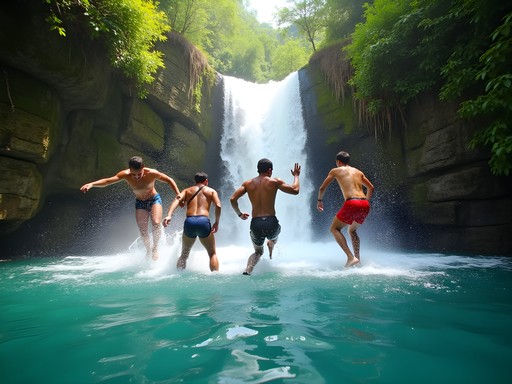
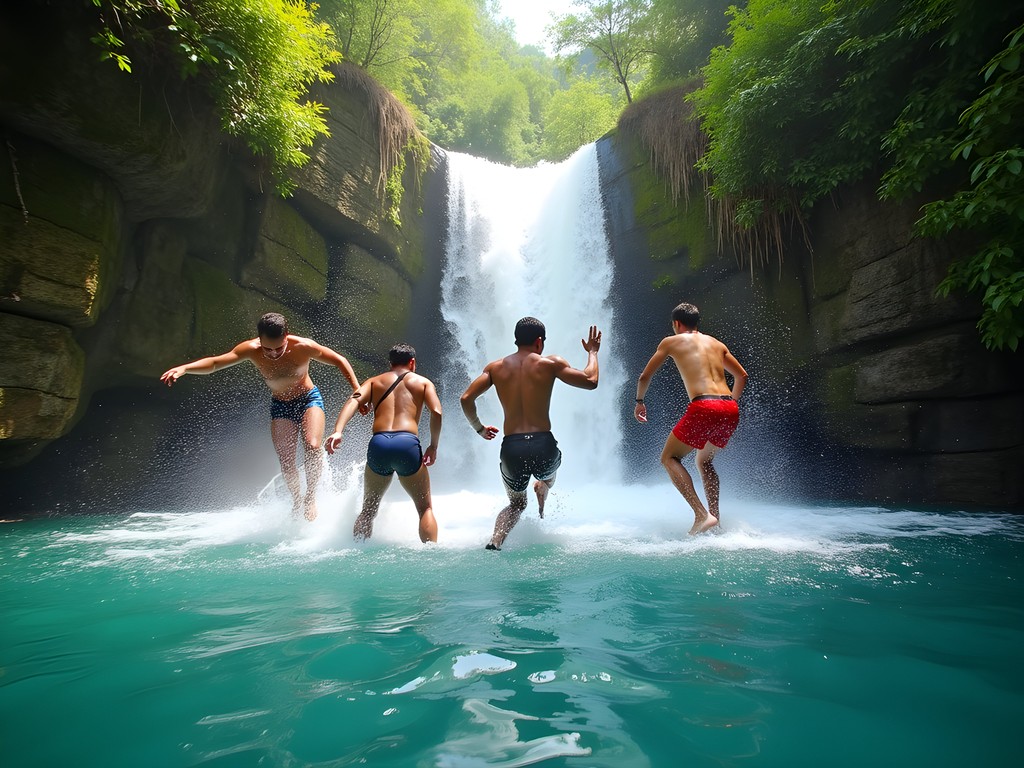
1. The 27 Charcos de Damajagua: Nature's Ultimate Waterpark
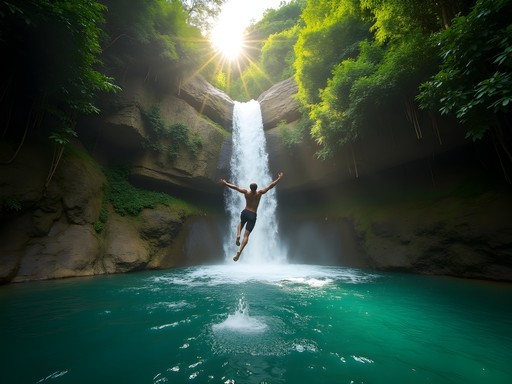
Let me be precise about this: the 27 Waterfalls of Damajagua isn't just sliding down some rocks. It's a three-hour commitment involving hiking, climbing, jumping from heights up to 25 feet, and navigating natural water slides carved by centuries of erosion. Our group of six tackled all 27 cascades, and the physical demands rival a half-marathon—but with significantly more screaming.
The engineering marvel here is entirely natural. Each waterfall has been shaped by limestone dissolution, creating perfectly smooth chutes and deep plunge pools. Local guides (mandatory, and rightfully so) have mapped safe jumping points with remarkable precision. They've been doing this for decades, and their knowledge of water levels and rock formations is encyclopedic.
Practical note: you'll need a waterproof phone pouch that actually seals properly. I watched three phones die because people trusted cheap cases. The JOTO system kept my device completely dry through every plunge, and I captured footage I still can't believe is real.
💡 Pro Tips
- Start early (7-8 AM) to avoid crowds and have pools mostly to yourself
- Wear water shoes with aggressive tread—the rocks are slippery limestone
- Bring at least 2 liters of water per person; the hike out is steep and humid
- If anyone in your group is nervous about heights, stop at waterfall 12—still spectacular without the highest jumps
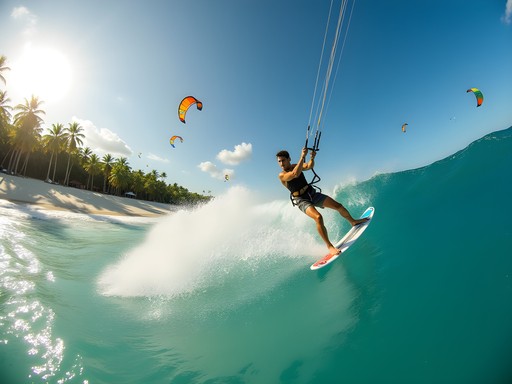
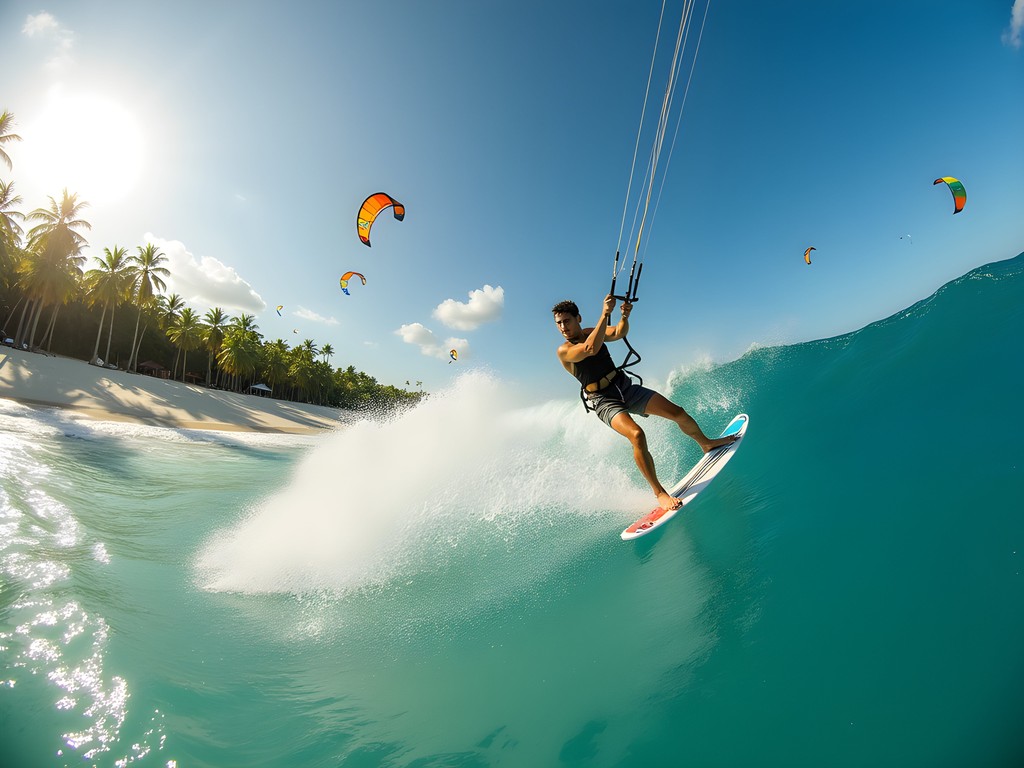
2. Kitesurfing at Cabarete Beach: Wind Engineering at Its Finest
Cabarete sits in a meteorological sweet spot. The bay's orientation creates consistent 15-20 knot trade winds from December through March, and the shallow water extends 100+ meters from shore—perfect for learning. As an engineer, I appreciate systems that minimize failure points, and Cabarete's kitesurfing setup does exactly that.
Our group spent three days with Dare2Fly Kiteboarding School, progressing from body dragging to riding upwind. The instruction methodology here is exceptional: they break down the physics of kite control into digestible components, teaching wind window dynamics before you ever touch a board. By day three, four of our six were riding independently.
The community aspect surprised me most. Cabarete has cultivated a genuinely supportive kitesurfing culture where experienced riders help beginners. We spent evenings at beachfront bars comparing notes with kitesurfers from Germany, Brazil, and Canada—the kind of cultural exchange that makes group travel transcendent.
💡 Pro Tips
- Book lessons for morning sessions (8 AM-12 PM) when winds are lighter for learning
- Budget $350-400 per person for a comprehensive 3-day beginner course
- Rent a villa in Cabarete proper to walk to the beach—parking is chaotic during peak season
- Apply reef-safe sunscreen religiously; the water reflection intensifies UV exposure by 25%
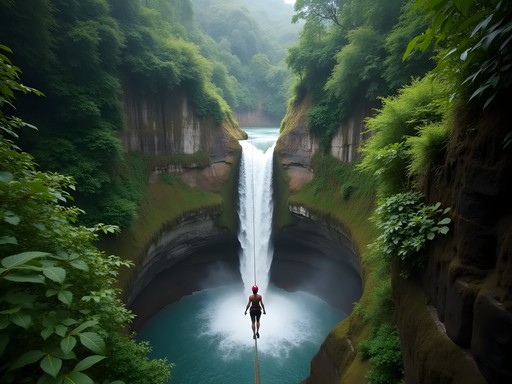
3. Canyoning in the Cordillera Septentrional: Technical Descent into History
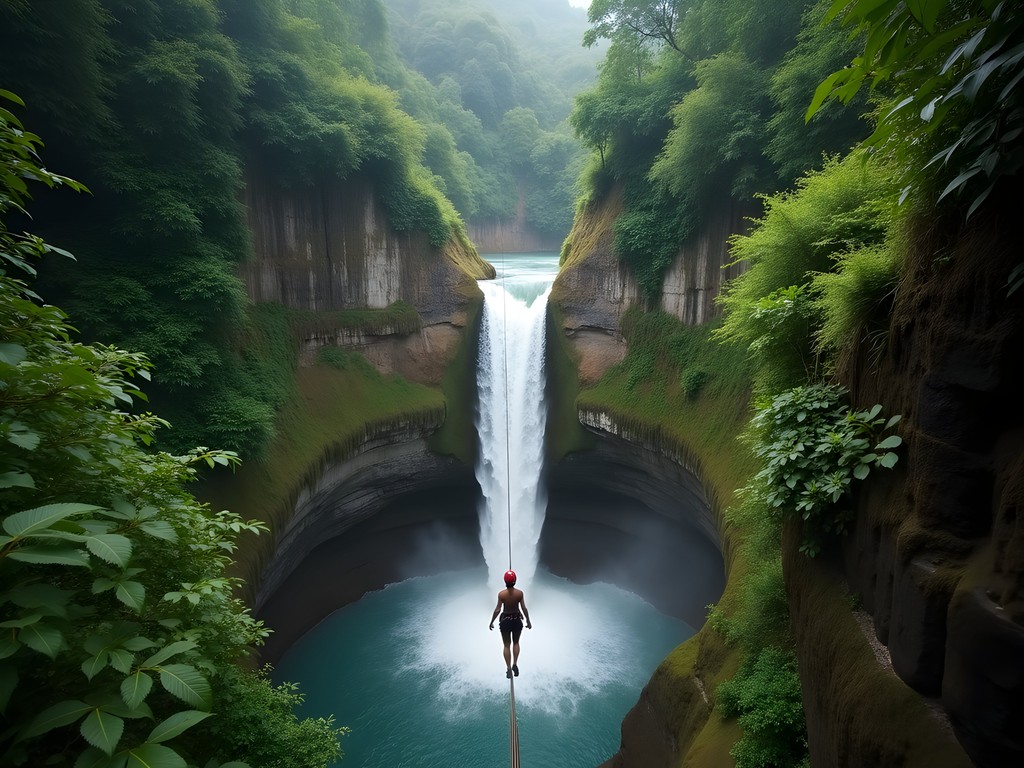
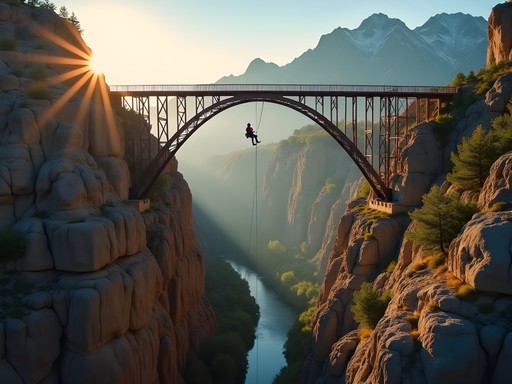
The mountain range behind Puerto Plata hides dozens of canyons carved through ancient limestone and volcanic rock. We partnered with Iguana Mama for a full-day canyoning expedition into Arroyo Frio—a route involving rappelling, swimming, and scrambling through a canyon system that's been forming for roughly 100,000 years.
This activity demands more technical skill than the Damajagua waterfalls. You're managing rope systems, understanding anchor points, and making real-time decisions about route-finding. Our guide, Carlos, has been descending these canyons for 18 years and shared fascinating geological context—pointing out fossilized coral beds now 300 meters above sea level, evidence of tectonic uplift.
The physical intensity is significant. We covered approximately 3 kilometers over six hours, with multiple rappels ranging from 10 to 40 meters. I wore my climbing gloves which proved essential—the volcanic rock is abrasive, and rope friction burns are real. These gloves provided perfect grip while protecting my palms during multiple rappels.
💡 Pro Tips
- Minimum fitness requirement: able to hike 5+ miles with elevation gain
- Groups should have similar fitness levels—the slowest person sets the pace
- Bring a dry bag for the vehicle with complete change of clothes; you'll be soaked
- Book at least 48 hours ahead to ensure guide availability for your group size

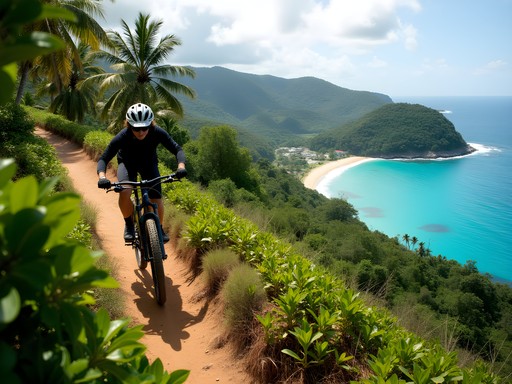
4. Mountain Biking Trails: Technical Terrain with Caribbean Views
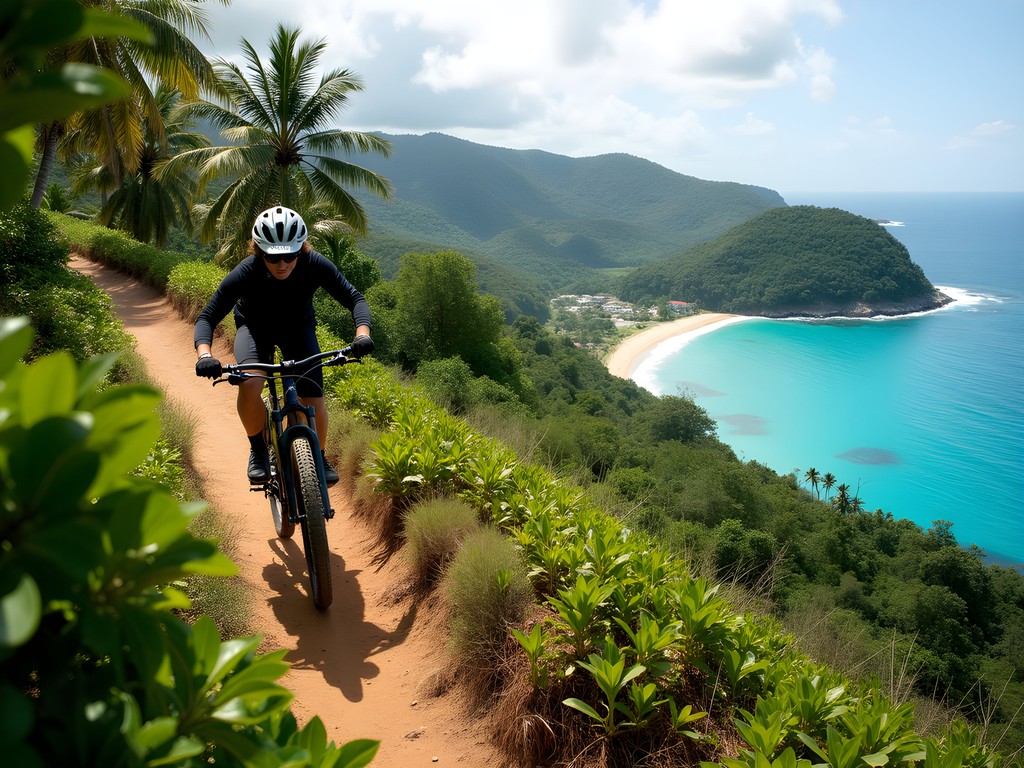
Puerto Plata's mountain biking infrastructure has evolved significantly in the past five years. The trails above Tubagua Plantation offer 40+ kilometers of singletrack ranging from intermediate flow trails to advanced technical descents. We rented full-suspension bikes from Iguana Mama and spent two days exploring the network with a local guide.
The terrain diversity impressed me: you're climbing through coffee plantations, descending through bamboo forests, and navigating rocky technical sections with ocean views. The trails show evidence of thoughtful design—proper drainage, sustainable routing, and clear difficulty markings. As someone who analyzes systems, I appreciated the maintenance level here.
Group dynamics matter significantly for mountain biking. We had varying skill levels, and our guide expertly modified routes to keep everyone challenged but safe. The intermediate trails offer enough technical features to stay engaging without the exposure of advanced routes. Post-ride, we stopped at a family-run colmado for fresh coconut water—the kind of authentic interaction that doesn't happen on resort grounds.
💡 Pro Tips
- Rent bikes with quality suspension—the terrain is rocky and unforgiving on hardtails
- Start with the Tubagua Plantation trails before attempting more technical routes
- Bring a hydration pack with 2-3 liter capacity; the humidity is intense
- Schedule rides for early morning (7-11 AM) before peak heat and afternoon rain
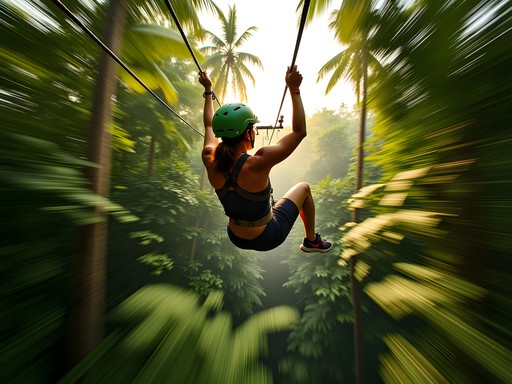
5. Zip-lining Through Monkey Jungle: Velocity Meets Ecology
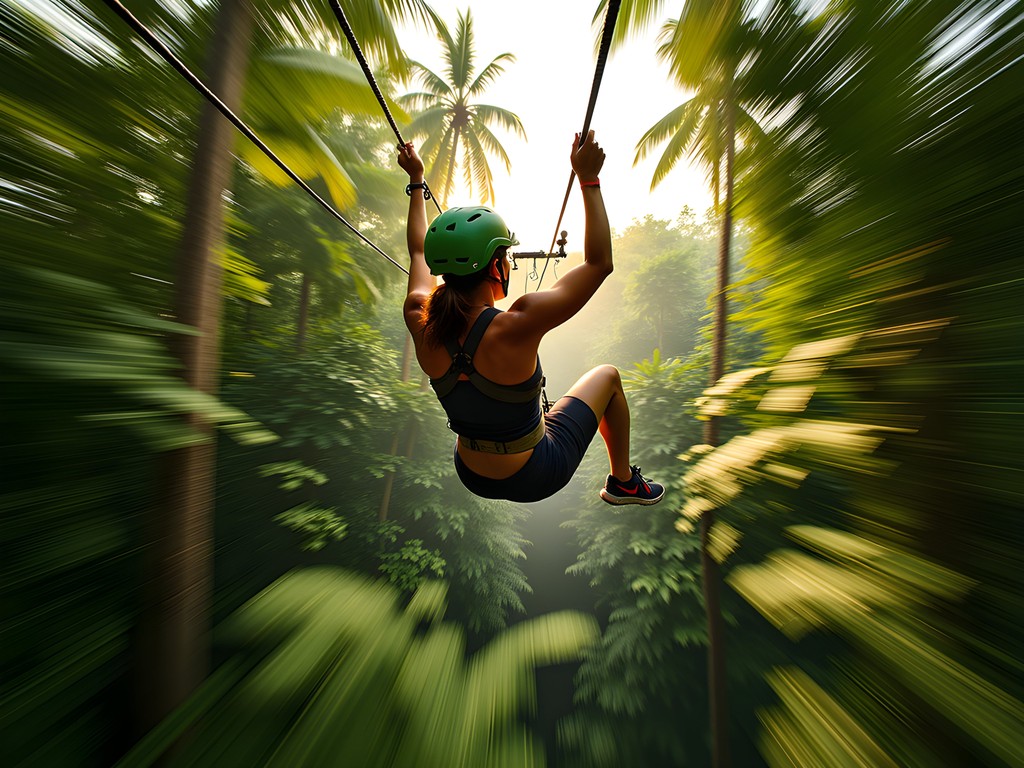
I'll be honest—I approached zip-lining with skepticism. It often feels like the theme park version of adventure. But Monkey Jungle's canopy tour operates differently. The 8-line course integrates genuine ecological education with legitimate adrenaline, and the engineering of the cable systems is impressive.
The longest line stretches 240 meters across a valley, reaching speeds around 60 km/h. The guides explained the cable tension calculations and safety redundancies—music to an engineer's ears. Between lines, naturalist guides identified endemic bird species and explained the reforestation efforts happening throughout the park.
What makes this ideal for groups is the pacing. You're moving through the course together, sharing the experience in real-time. The suspended bridges between platforms add an element beyond simple zip-lining—you're actually traversing the canopy, not just flying through it. Our group of six completed the circuit in about 2.5 hours, including ecology stops.
💡 Pro Tips
- Wear closed-toe shoes with ankle support—the platforms can be slippery
- Gloves are provided, but bring your own lightweight gloves if you prefer better fit
- Book the first morning slot (8 AM) to see more wildlife before heat drives them to cover
- Combine with the on-site botanical garden tour for a half-day experience
6. Ocean World Marina: Swimming with Dolphins (With Reservations)
I'm including this with significant caveats. Ocean World offers dolphin encounters, shark diving, and sea lion interactions—activities that raise legitimate ethical questions about marine mammal captivity. After extensive research and consultation with marine biologists I know through my work, I visited to form my own assessment.
The facility maintains USDA certification and participates in conservation research programs. The enclosures are larger than many facilities, and enrichment protocols appeared robust during our visit. That said, the fundamental question of keeping cetaceans in captivity remains unresolved in my mind.
If your group decides to visit, approach it as an educational experience rather than pure entertainment. Ask guides about the animals' histories, enrichment schedules, and conservation efforts. The facility does rehabilitation work for stranded marine mammals and contributes to research on Caribbean marine ecosystems. For some groups, this provides valuable context; for others, it won't justify the visit. I'm presenting the information so you can make informed decisions aligned with your values.
💡 Pro Tips
- Research current animal welfare standards before booking
- Ask detailed questions about animal sourcing and enrichment programs
- Consider alternative options like wild dolphin watching tours from Cabarete
- If you visit, focus on educational aspects and conservation messaging
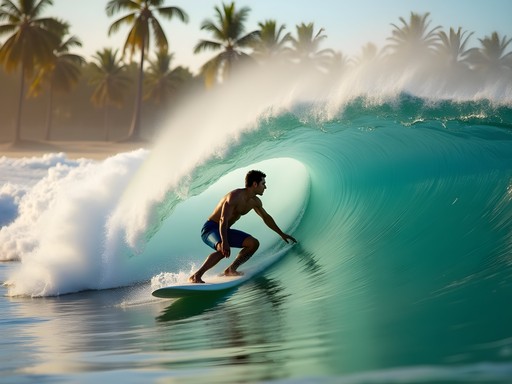
7. Surfing at Encuentro Beach: Wave Mechanics and Community
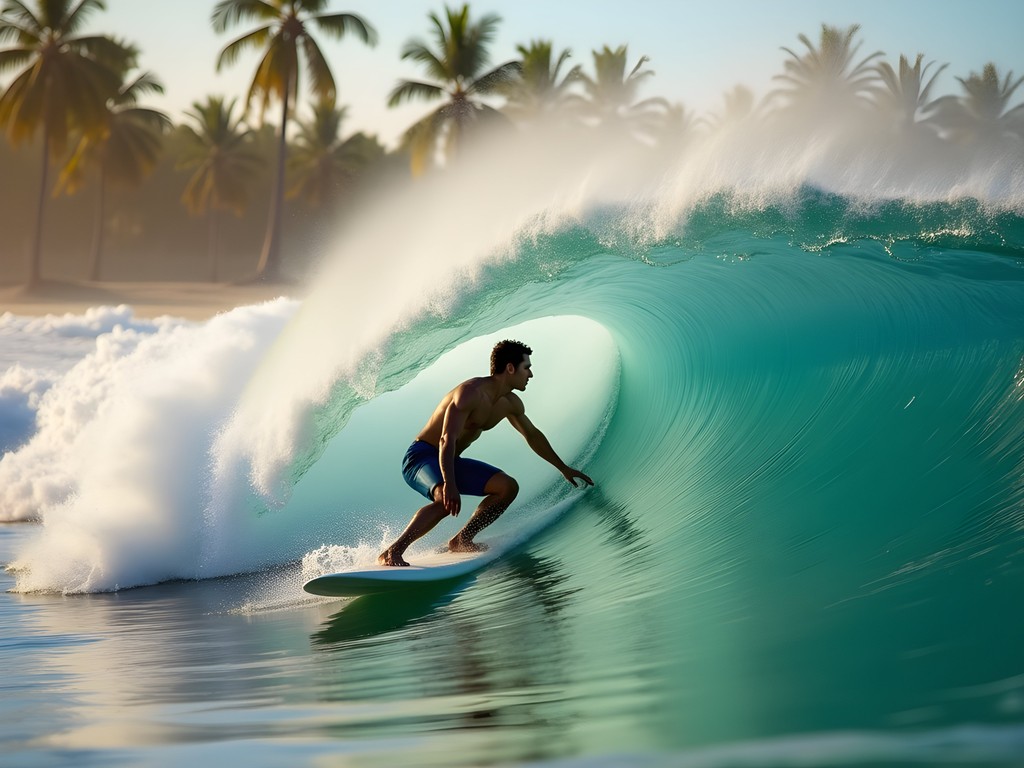
Encuentro Beach hosts the most consistent surf break on the North Coast—a reef break that produces clean rights and lefts when conditions align. We spent three mornings here, and the wave quality exceeded expectations for the Caribbean. The break works best with north swells from December through March, producing shoulder-to-head-high waves with good shape.
The learning curve is gentler than many reef breaks. The inside section offers smaller, mushier waves perfect for intermediate surfers, while the outside break challenges advanced riders. We rented boards from 321 Takeoff Surf School, whose instructors provided excellent technical coaching—breaking down paddle technique, pop-up mechanics, and wave selection with precision.
What struck me most was the international surf community here. On any given morning, you'll share the lineup with locals, expats, and travelers from a dozen countries. The vibe is supportive rather than territorial—people cheer good rides and offer tips. Post-surf, the beachfront cafes become informal networking spaces where our group connected with remote workers, traveling professionals, and local entrepreneurs. I actually met a fellow AI engineer from Barcelona who's spending the winter working from Cabarete.
💡 Pro Tips
- Rent or bring a rash guard with high SPF rating; tropical sun reflects intensely off water
- Surf the inside break first to assess conditions and warm up
- Bring reef booties if you have them—the bottom is rocky coral in places
- Check surf forecasts on Surfline or Magicseaweed before committing to morning sessions
Final Thoughts
Puerto Plata surprised me in the best possible way. I arrived expecting a pleasant beach week between work sprints, and instead discovered an adventure infrastructure that rivals destinations with far more recognition. The concentration of quality activities within a 30-kilometer radius is remarkable—you can waterfall jump in the morning, kitesurf in the afternoon, and mountain bike at sunset.
What makes Puerto Plata exceptional for groups is the scalability. Activities accommodate varying fitness levels and comfort zones. When our group split between canyoning and beach time, both factions had outstanding experiences. The mid-range pricing keeps adventures accessible without sacrificing quality or safety standards.
The Dominican Republic often gets reduced to all-inclusive resort stereotypes, but Puerto Plata's North Coast offers something more substantial. This is active travel with cultural depth, adrenaline with authenticity. Whether you're coordinating a friends' trip, planning a team retreat, or organizing an adventure-focused vacation, Puerto Plata delivers experiences that create genuine bonds and lasting memories. Book the flights, gather your crew, and prepare for the kind of week that recalibrates what you think the Caribbean can offer.
✨ Key Takeaways
- Puerto Plata concentrates 7+ world-class adventure activities within 30 kilometers, ideal for week-long group itineraries
- December through March offers optimal conditions: consistent trade winds for kitesurfing, north swells for surfing, and lower rainfall for canyoning
- Mid-range pricing ($50-150 per activity per person) makes Puerto Plata accessible while maintaining high safety and instruction standards
- The destination supports varying fitness levels—groups can split between intense activities and moderate options without anyone feeling left out
📋 Practical Information
Best Time to Visit
December through March for optimal weather and wind conditions
Budget Estimate
$800-1200 per person for 7 days including activities, accommodation, meals, and transportation (excluding flights)
Recommended Duration
7 days to experience 5-6 activities without rushing
Difficulty Level
Intermediate


Comments
Sage Dixon
Jennifer, this brought back so many memories! I spent three weeks in Puerto Plata back in 2024 and had a similar revelation. Came for the beaches, stayed for the mountains. The canyoning in Cordillera Septentrional is no joke though - I remember one descent where our guide told us the route was used by Taíno people centuries ago. There's something humbling about rappelling down the same waterfalls ancient civilizations once navigated. Also, if anyone's heading there, the mountain bike trails near Tubagua are absolutely pristine in the early morning. You'll have them almost entirely to yourself before 8am.
hikingpro
Okay this post just convinced me to change my entire vacation plans lol. Was gonna do another all-inclusive resort week but this looks SO much better. The mountain biking trails with ocean views sound incredible! How many days would you recommend to hit most of these activities? And is it easy to book tours once you're there or should I arrange everything beforehand?
nomadbuddy
I'd say minimum 5 days to do it right. You can book most stuff when you get there but 27 Charcos fills up fast on weekends
exploreexplorer
Cabarete is the BEST for kitesurfing!
oceanperson
This looks amazing but I've never done anything like canyoning before. Is Puerto Plata good for beginners or should I start somewhere else first?
Sage Dixon
Puerto Plata is actually perfect for beginners! The guides there are super experienced and patient. I did my first canyoning trip in the DR and they walked me through everything. The 27 Charcos especially is designed for all levels - you can literally choose how many waterfalls to do. Start with the first 7-8 if you're nervous, then work your way up. The adrenaline rush is addictive once you get going!
oceanperson
Thank you!! That makes me feel way better about booking it
nomadbuddy
YES!! The 27 Charcos is absolutely insane!! Did it last year and my legs were shaking by charco 15 haha. Pro tip - wear water shoes that actually stay on your feet, lost mine on charco 8 and had to climb barefoot the rest of the way. Still totally worth it though, best adventure I've done in the DR hands down! Did you make it all the way to the top Jennifer?
hikingpro
wait how hard is it really? I'm in decent shape but not like crazy fit
nomadbuddy
It's doable if you're in decent shape! Just lots of climbing and jumping. The guides help a lot. You can also stop at like charco 12 if you get tired
Venture X
Premium card with 2X miles, $300 travel credit, Priority Pass