
Disclosure: This article contains affiliate links. We may earn a commission from purchases at no extra cost to you, which helps our travel content.
When most people think of Reading, Pennsylvania, they picture outlet malls and faded industrial buildings. But beneath this former manufacturing hub lies something unexpected: a landscape forged by geological forces that created some of the East Coast's most challenging adventure terrain. As someone who works with metal and understands how pressure transforms materials, I've come to appreciate how economic pressure transformed Reading into an adventure destination that rivals anything I've experienced in the Pacific Northwest.
Rock Climbing at Birdsboro Quarry: Where Industrial History Meets Vertical Challenge
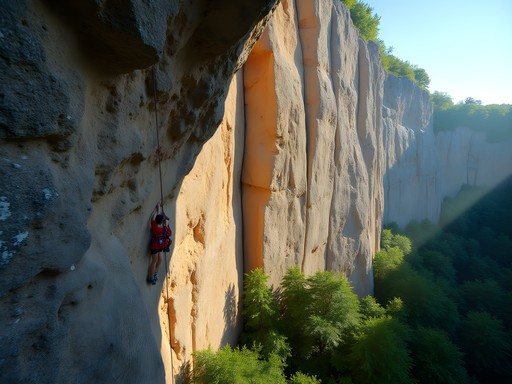
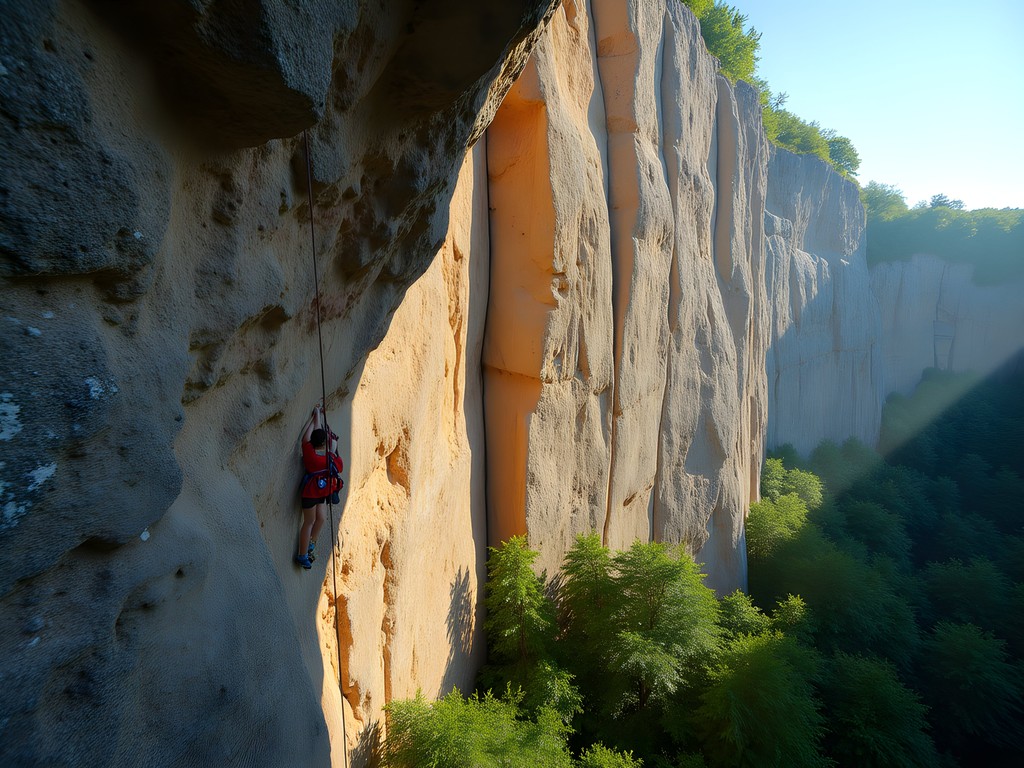
The abandoned quarries around Reading tell a story of extraction and transformation—much like my own welding work. Birdsboro Quarry, just 15 minutes southeast of downtown, features 80-foot vertical walls of metamorphic rock that would challenge even experienced climbers. The geology here is fascinating: these are some of the oldest exposed rocks in Pennsylvania, compressed and folded over millions of years into incredibly solid climbing surfaces.
I've climbed in the Dolomites and Swiss Alps, but Birdsboro's overhangs demand different techniques. The rock face is unforgiving—no manufactured holds, just pure problem-solving. Routes range from 5.9 to 5.13, with several multi-pitch climbs that require advanced rope management. The quarry's industrial past means you'll find unexpected features: old drill holes, metal anchors embedded decades ago, and ledges cut by human hands that now serve as crucial rest points.
Bring your own gear—this isn't a guided tour operation. I recommend a quality climbing helmet because loose rock is common on lesser-traveled routes. The helmet saved me from a nasty injury when my partner dislodged a chunk during a lead climb last summer.
💡 Pro Tips
- Access requires parking at the small lot off Furnace Road—arrive before 8 AM on weekends to secure a spot
- Bring at least 12 quickdraws and a 70-meter rope for the longer routes
- Check with local climbing groups about recent rockfall—conditions change seasonally
- The quarry faces east, so afternoon climbs offer shade in summer heat
Whitewater Kayaking the Schuylkill: Reading's Hidden River Challenge
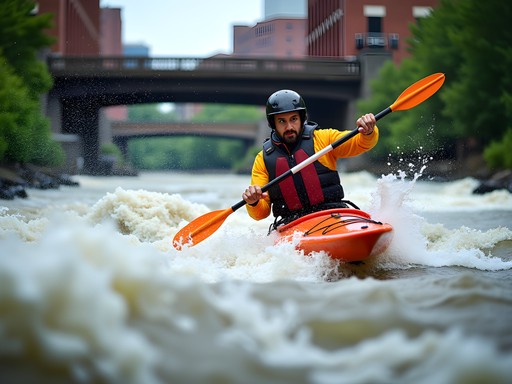
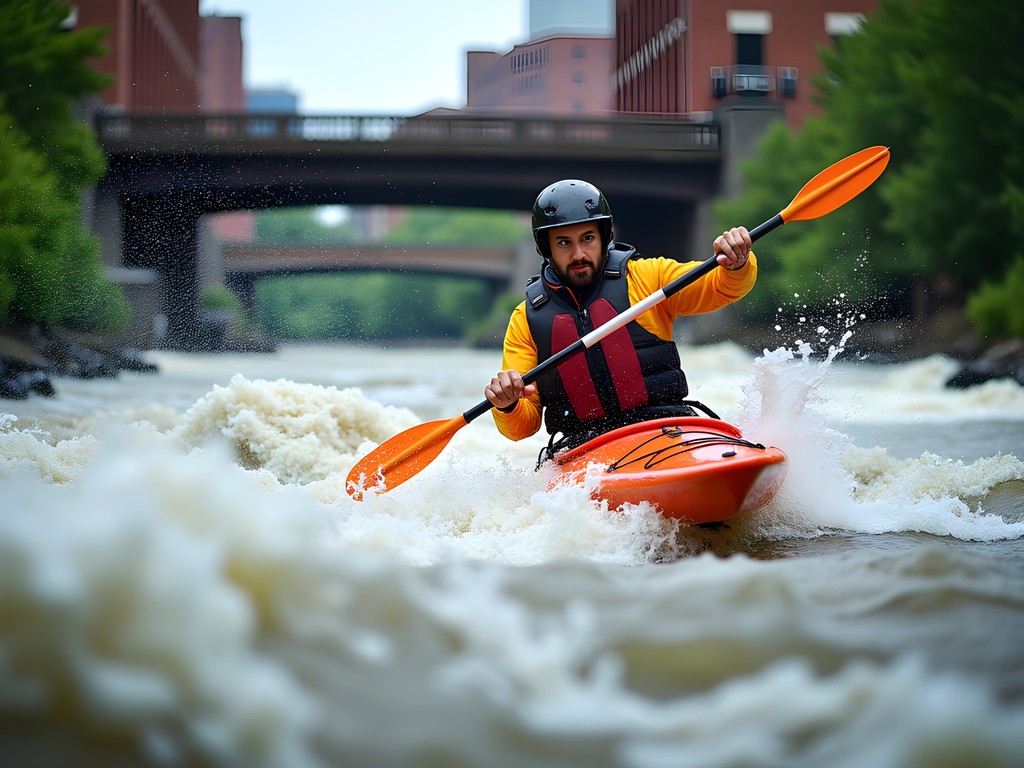
The Schuylkill River through Reading offers something rare in the Mid-Atlantic: technical Class III-IV rapids within city limits. The stretch from the Berks County Heritage Center to the Reading Rowing Club runs about 4 miles with continuous action. What makes this special is the industrial infrastructure—old dam remnants, bridge pilings, and concrete structures create hydraulics that change dramatically with water levels.
I've paddled this section at different flows, and it's like welding different metals—each requires adjusted technique. At 4.5 feet on the Reading gauge, you're looking at solid Class III with powerful eddy lines. Above 6 feet, several features push into Class IV territory with keeper holes that demand respect. The river's industrial past means unexpected obstacles: rebar occasionally appears at lower flows, and old foundation walls create pour-overs that aren't marked on any map.
The local paddling community is tight-knit and knowledgeable. I connected with the Schuylkill River Greenway Association, who organize weekend runs and maintain current beta on hazards. For safety gear, don't skimp—invest in a proper dry suit because the water stays cold even in summer, and multiple swims are likely while learning these features. After one particularly humbling session last July, I appreciated having quality thermal protection during a long swim through the Rock Garden rapid.
💡 Pro Tips
- Check the USGS Reading gauge—optimal flow is 4.5-6.5 feet for advanced paddlers
- Scout the dam remnants at Canal Street before committing—the line changes with every 6 inches of water level
- Shuttle logistics are straightforward: park at the take-out near the Rowing Club, bike or Uber to the put-in
- Avoid weekends during spring runoff when rescue resources are stretched thin
Mountain Biking at Neversink Mountain: Technical Trails with Elevation
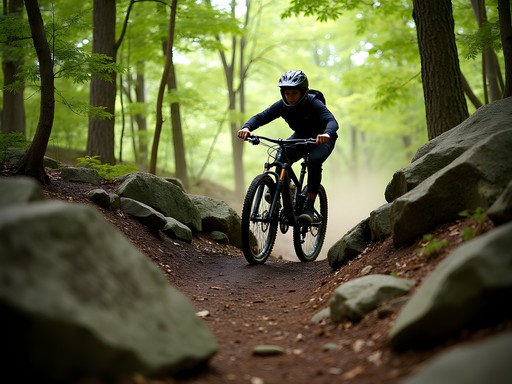
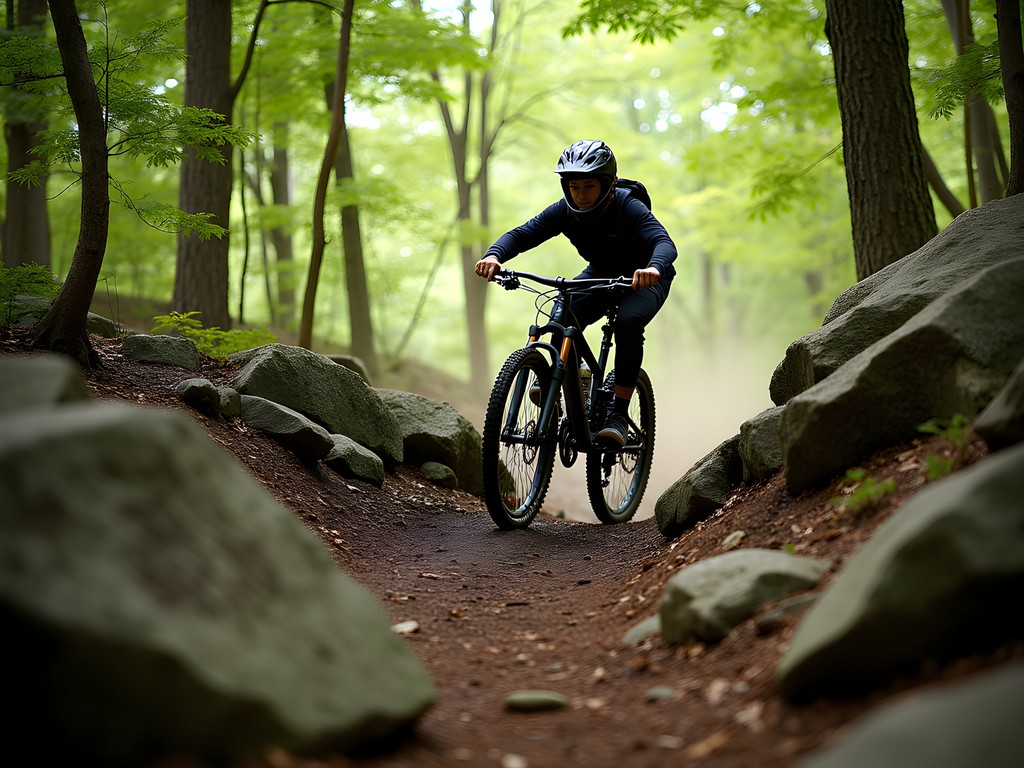
Neversink Mountain Preserve offers 8 miles of trails that climb 800 feet in less than 2 miles—serious elevation for the East Coast. The trail system was built by local mountain bikers who understood how to use the terrain's natural features. Rocky outcrops, root gardens, and steep descents create technical challenges that require advanced bike handling.
The Blue Trail is my go-to for a lung-burning challenge. It's essentially a straight shot up the mountain with sections hitting 20% grade over loose rock. The climbing tests your gear selection and pacing, while the descent demands precise line choice and brake modulation. I've ridden technical trails across the Pacific Northwest, but Neversink's combination of steepness and rock gardens creates unique challenges.
Bike setup matters here. I run a full-suspension trail bike with at least 140mm travel, and I've learned to keep my tire pressure gauge handy—finding the right pressure for these rocks took experimentation. Too high and you're bouncing off line; too low and you risk pinch flats on the sharp Schuylkill schist. I settled on 24 PSI front, 26 rear for my weight and riding style.
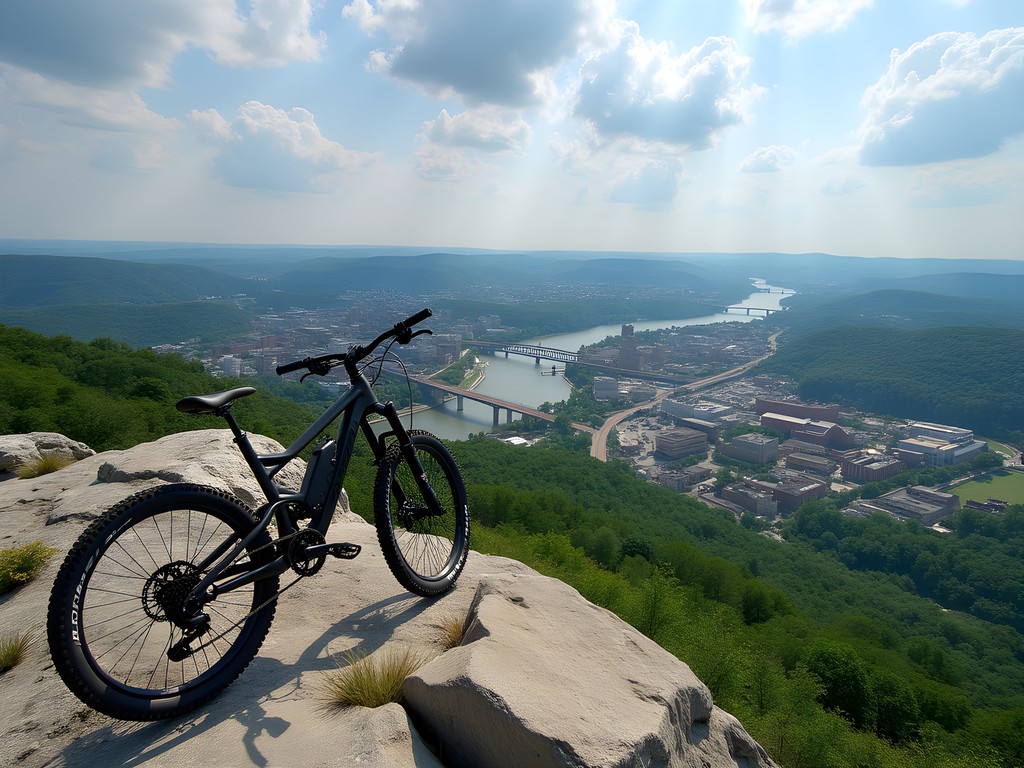
The summit rewards you with views across the Schuylkill Valley, and on clear days, you can trace the river's path through Reading's industrial corridor. It's a reminder that adventure and urban landscapes aren't mutually exclusive—they're often forged together.
💡 Pro Tips
- Trail conditions vary dramatically with weather—avoid within 48 hours of rain to prevent erosion damage
- Bring a comprehensive bike multi-tool because the rocky terrain is hard on equipment
- The parking lot on Clymer Street fills quickly on summer weekends—arrive by 7 AM
- Download the Trailforks app for current trail conditions and user reports

Urban Exploration and Industrial Climbing: Reading's Forgotten Spaces
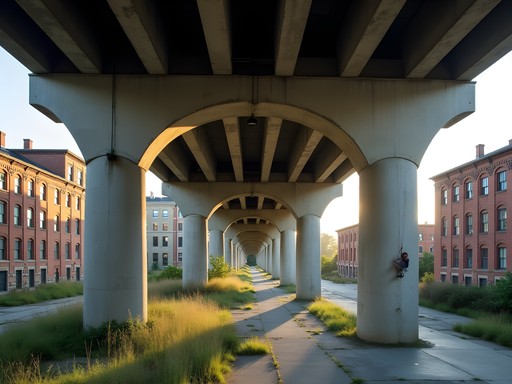
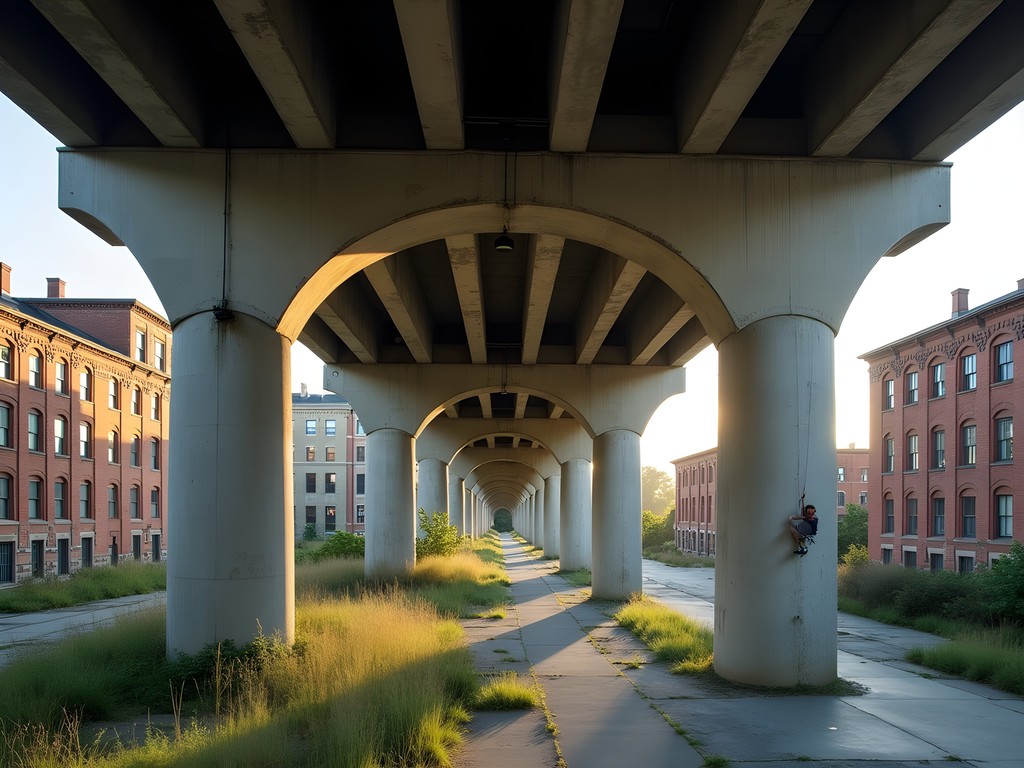
Reading's industrial decline left behind structures that tell stories of American manufacturing—and create unconventional adventure opportunities. I'm not advocating trespassing, but several former industrial sites have been repurposed for legal climbing and exploration. The Reading Viaduct, a massive concrete structure built in 1893, now serves as an elevated park with sections open for bouldering on its support pillars.
What fascinates me as a welder is seeing how these structures were built. The riveted steel work, hand-laid stone foundations, and cast iron details represent craftsmanship that's largely disappeared. When I climb on these surfaces, I'm reading the story of how they were assembled—every weld mark, every bolt pattern tells me something about the workers who built them.
The Reading Railroad Heritage Museum offers guided tours of normally restricted areas, including the massive roundhouse and repair facilities. For adventure seekers interested in industrial history, this provides legal access to spaces that feel like urban exploration. The museum also coordinates with local climbing groups for occasional events at the old coal breaker structures—check their calendar for special access days.
For documenting these spaces, I rely on my action camera mounted on a chest harness. The wide-angle lens captures the scale of these industrial spaces in ways that phone cameras can't match, and the stabilization handles the rough terrain of climbing over old infrastructure.
💡 Pro Tips
- Join Reading Area Rock Climbers (RARC) Facebook group for beta on legal climbing access to industrial sites
- The Heritage Museum tours require advance booking—they fill up quickly during summer months
- Bring a headlamp for exploring darker sections of the viaduct and tunnels
- Respect private property boundaries—Reading's adventure community maintains access through good relationships with property owners
Practical Considerations: Logistics and Local Resources
Reading's adventure scene requires more self-sufficiency than destination resorts. There's no adventure tourism infrastructure—no guide services, no gear rental shops, no rescue teams standing by. This is DIY adventure in its purest form, which means thorough preparation is essential.
Accommodation options are limited but adequate. I've stayed at the DoubleTree downtown, which puts you within 15 minutes of most adventure sites and offers secure bike storage. For budget-conscious travelers, the Microtel on Route 422 is clean and affordable at around $80/night. Avoid the motels along 5th Street—they're sketchy and poorly located for early morning starts.
Food options have improved significantly. The GoggleWorks Center for the Arts houses several cafes serving quality coffee and substantial breakfasts—crucial fuel for big days. For post-adventure meals, Judy's on Cherry serves enormous portions of Pennsylvania comfort food. After a full day on Neversink, their chicken pot pie and local beer hit perfectly.
Gear considerations: Reading isn't close to major outdoor retailers. The nearest REI is 45 minutes away in King of Prussia. Bring everything you need, including spares and repair supplies. I learned this lesson when I destroyed a derailleur hanger on Neversink and spent half a day sourcing a replacement.
Medical facilities are adequate but not specialized. Reading Hospital has a good ER, but they're not equipped for complex climbing or whitewater injuries. Make sure your evacuation insurance is current—I carry a satellite communicator for remote sections of the Schuylkill and quarry areas where cell coverage is spotty.
💡 Pro Tips
- Download offline maps for all areas—cell coverage is unreliable in quarries and on Neversink
- Fill up water bottles in town—natural water sources are limited and contaminated from industrial runoff
- The nearest gear shop with climbing and paddling equipment is Vertical Reality in Pottstown, 30 minutes west
- Summer temperatures regularly hit 90°F with high humidity—start early and carry electrolyte supplements
Final Thoughts
Reading surprised me. I came expecting outlet malls and left with scraped knuckles, tired legs, and a new appreciation for how industrial landscapes can transform into adventure destinations. This isn't Moab or Chamonix—it's grittier, less polished, and requires more self-reliance. But that's precisely what makes it compelling for advanced adventure seekers.
The city's industrial heritage created the terrain we now play on: quarries blasted for stone, rivers channelized for power, mountains left wild because they were too steep for development. There's a metaphor here about transformation under pressure, about how economic hardship can forge new possibilities—much like how heat and pressure transform base metals into something stronger.
If you're looking for Instagram-perfect scenery and hand-holding guide services, skip Reading. But if you want genuine technical challenges, uncrowded terrain, and the satisfaction of discovering something unexpected, this former manufacturing hub delivers an adventure experience that rivals destinations with far bigger reputations. Sometimes the best adventures happen in places nobody's marketing as adventure capitals—you just have to look beneath the surface.
✨ Key Takeaways
- Reading offers advanced-level climbing, paddling, and mountain biking within a compact area, ideal for multi-sport weekend trips
- The lack of commercial adventure infrastructure means thorough preparation and self-sufficiency are essential—bring all gear and spares
- Industrial heritage sites provide unique adventure opportunities not found in traditional outdoor destinations, with technical challenges that rival more famous locations
📋 Practical Information
Best Time to Visit
Late May through September for optimal conditions across all activities, though whitewater is best during spring runoff in April-May
Budget Estimate
$300-500 for a weekend including lodging, food, and fuel (gear not included)
Recommended Duration
2-3 days to experience climbing, paddling, and mountain biking
Difficulty Level
Challenging


Comments
wildqueen
is this stuff safe for beginners? never climbed before but this looks cool
freeway
you def need experience or a guide for the quarry. maybe try an indoor gym first?
Priya Sharma
Freeway is right - Birdsboro is intermediate to advanced. But Neversink has easier mountain bike trails that are perfect for beginners! Start there.
Ahmed Palmer
Excellent piece, Priya. I've been documenting post-industrial adventure tourism across the Rust Belt, and Reading fits perfectly into this emerging pattern. What's fascinating is how these spaces offer technical challenges that purpose-built facilities often can't replicate - the irregular rock faces, the authentic elevation changes. Did you encounter any access issues at the quarry? I've found that liability concerns have closed similar sites in Pittsburgh and Cleveland. The Schuylkill section you covered is particularly interesting given the river's pollution history. Would love to know what the water quality is like these days.
Priya Sharma
Great question Ahmed. Birdsboro requires signing a waiver through the local climbing coalition - they've done amazing work negotiating access. Water quality has improved dramatically, though I'd still recommend a drysuit for kayaking. The urban exploration sites are the grey area legally speaking.
greenseeker
Wait Reading has rock climbing?? Mind blown!
Priya Sharma
Right?! I had the same reaction when I first heard about it. The quarry is legitimately challenging too.
Venture X
Premium card with 2X miles, $300 travel credit, Priority Pass