


Disclosure: This article contains affiliate links. We may earn a commission from purchases at no extra cost to you, which helps our travel content.
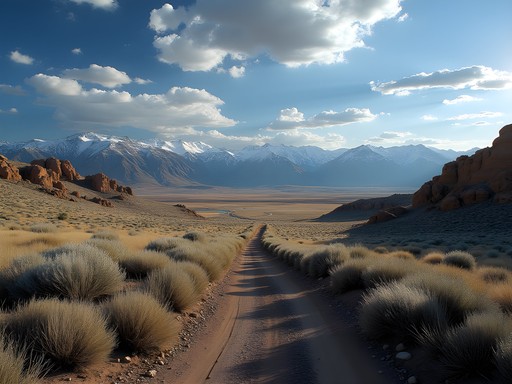
I'll admit it: when my research on indigenous economic development brought me to Riverton, Wyoming, I expected spreadsheets and conference rooms. What I discovered instead was a landscape that demands physical engagement—a rugged wilderness where the economics of survival have shaped cultures for millennia. The Wind River country isn't just adventure terrain; it's a living classroom where the relationship between land, culture, and resilience becomes visceral. This summer expedition challenged my urban sensibilities and revealed connections between place and identity that no dataset could capture.

Understanding Riverton's Cultural and Geographic Context
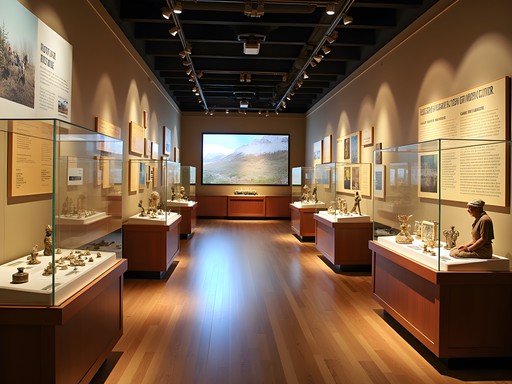
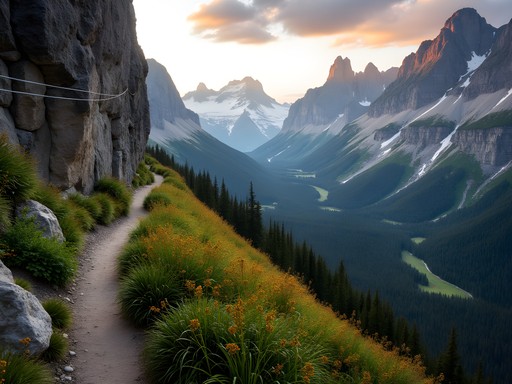
Riverton sits at the confluence of three distinct worlds: the Wind River Range's alpine wilderness, the high desert plains, and the Wind River Indian Reservation—home to the Eastern Shoshone and Northern Arapaho tribes. This isn't generic adventure tourism; it's terrain with profound cultural significance. Before my wife, daughter, and I attempted any off-road exploration, we spent time at the Wind River Heritage Center, understanding that these lands represent ongoing indigenous sovereignty and cultural continuity.
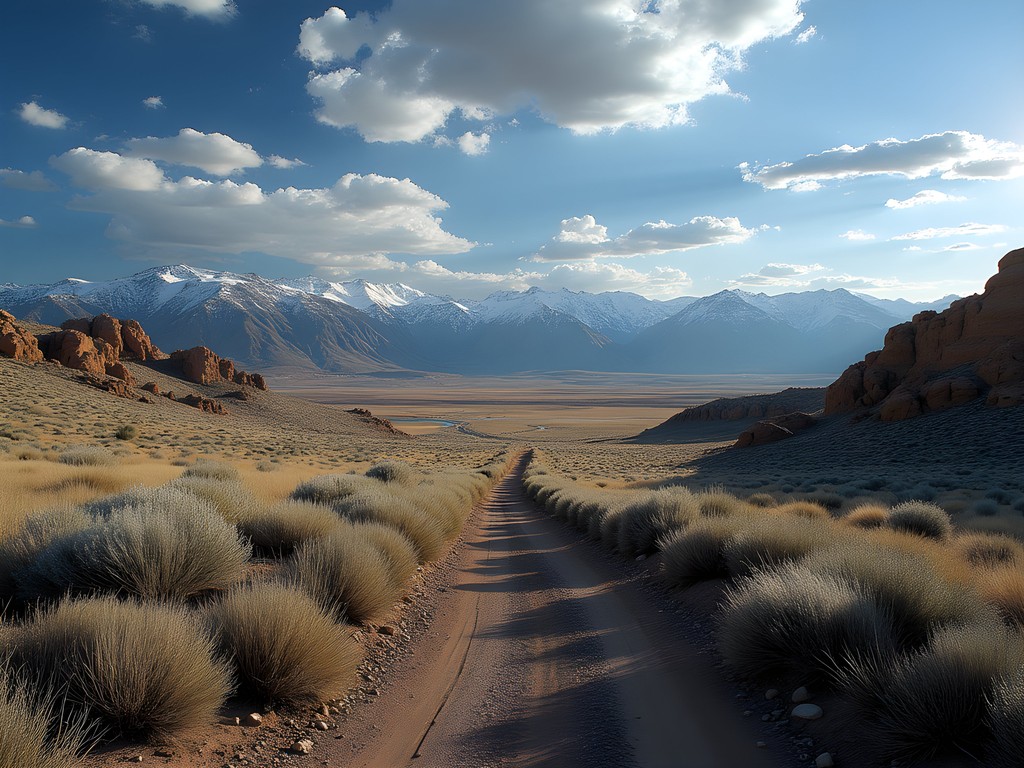
The economic geography here tells a compelling story. Riverton emerged as a homesteading town in the early 1900s, but the surrounding landscape has supported human communities for over 10,000 years. The trails you'll navigate—whether by 4x4 or ATV—often follow ancient pathways used for hunting, trade, and seasonal migration. This historical depth transforms off-roading from mere recreation into something more meaningful: a physical dialogue with landscape that has shaped human adaptation for centuries.
💡 Pro Tips
- Visit the Wind River Heritage Center before heading into backcountry to understand the cultural context of the lands you'll explore
- Obtain proper permits and respect all posted boundaries on reservation lands—cultural sensitivity isn't optional
- Study topographic maps thoroughly; this terrain's elevation changes are dramatic and weather patterns shift rapidly
Essential Gear and Vehicle Preparation
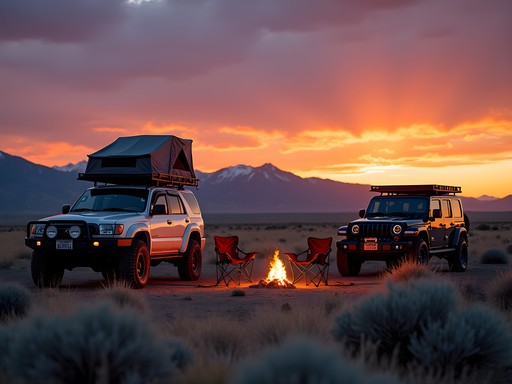
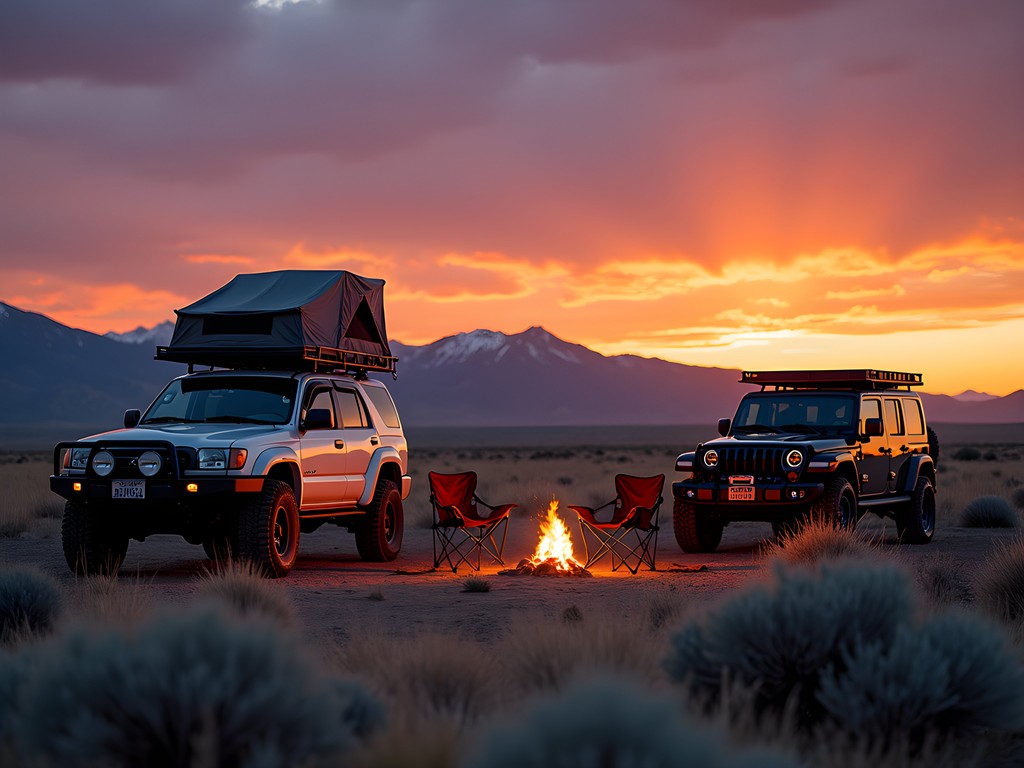
Advanced off-roading in Wind River country demands serious preparation. I learned this the hard way on day two when a sudden afternoon thunderstorm transformed a dry wash into a rushing creek within minutes. Your vehicle needs genuine capability here—this isn't maintained fire road cruising. We rented a well-equipped Jeep Wrangler Rubicon from a local outfitter who understood the terrain's demands.
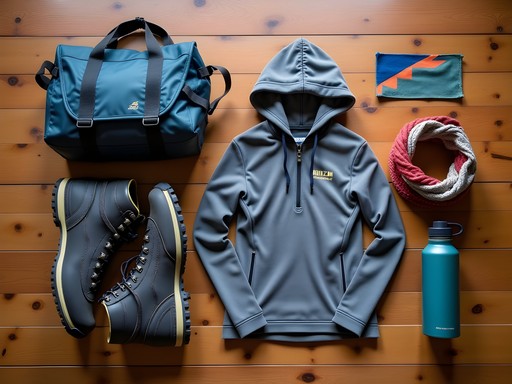
Beyond the vehicle, personal gear makes the difference between adventure and ordeal. The elevation ranges from 4,900 feet in town to over 13,000 feet in accessible alpine areas, creating dramatic temperature swings. I packed a emergency weather radio that proved invaluable for tracking the volatile weather patterns—it doesn't require batteries and receives NOAA alerts, critical when you're hours from cell service. Similarly essential: a proper first aid kit designed for remote backcountry use, not just band-aids and aspirin. The economic principle of redundancy applies perfectly here: backup systems aren't luxuries, they're necessities.
Navigation technology matters, but don't rely solely on GPS. I use a handheld GPS device that includes two-way satellite messaging—when my daughter's group got separated from ours on the Limestone Ridge trail, that communication capability eliminated what could have been a dangerous situation.

💡 Pro Tips
- Rent vehicles locally from outfitters who maintain them for these specific conditions—your daily driver isn't adequate
- Carry twice the water you think you'll need; the high desert environment is deceptively dehydrating at elevation
- Download offline maps for the entire region before departure; cell service is essentially nonexistent in backcountry areas
- Pack recovery gear including tow straps, a shovel, and traction boards—self-recovery skills are essential
Recommended Trail Systems and Routes
The trail networks around Riverton offer everything from moderate high-desert exploration to genuinely challenging alpine routes. We structured our week to build skills progressively, starting with the Limestone Ridge area before attempting more demanding terrain.
Days 1-2: Limestone Ridge and Badwater Creek
These interconnected trails provide excellent introduction to the region's geology and ecosystems. The Badwater Creek route follows an ancient waterway through dramatic limestone formations, offering moderate technical challenges—expect rocky sections requiring careful line selection but nothing requiring extreme articulation. The economic history here is visible: you'll pass abandoned homesteads where families attempted to extract livings from unforgiving land, material evidence of frontier capitalism's human costs.
Days 3-4: Ocean Lake Recreation Area and Boysen Reservoir Backcountry
These areas offer diverse terrain with stunning reservoir views. The trails around Boysen particularly showcase the region's cultural layers—petroglyphs and pictographs mark sites of indigenous significance dating back centuries. We hired a local guide from the Eastern Shoshone tribe for this section, and his interpretation transformed our understanding. The $200 guide fee represented the best investment of our trip, connecting landscape to living culture in ways no guidebook could match.
Days 5-7: Wind River Range Alpine Approaches
The advanced routes approaching the Wind River Range demand everything: technical driving skills, navigation precision, and weather awareness. We tackled the Torrey Creek trail system, which climbs from sagebrush desert into alpine tundra within fifteen miles. The exposure is real—narrow shelf roads with significant drops require absolute focus. My daughter, despite being an experienced passenger on our cultural travels, found this genuinely intimidating. That's appropriate; respect for terrain is survival intelligence.

💡 Pro Tips
- Start each day early—afternoon thunderstorms are nearly guaranteed in summer months and create dangerous conditions
- Travel in groups of at least two vehicles; solo off-roading in this terrain is unnecessarily risky
- Document your route plan and expected return times with someone in town before departing
- Respect wildlife corridors and seasonal closures; this ecosystem supports species found nowhere else

Cultural Engagement and Responsible Tourism
Here's where my economist perspective intersects with ethical travel imperatives: adventure tourism in indigenous territories carries responsibilities beyond Leave No Trace principles. The Wind River Reservation faces significant economic challenges—unemployment rates far exceed national averages, reflecting systemic inequities with deep historical roots. Tourism dollars can contribute to economic development, but only when structured to benefit local communities directly.
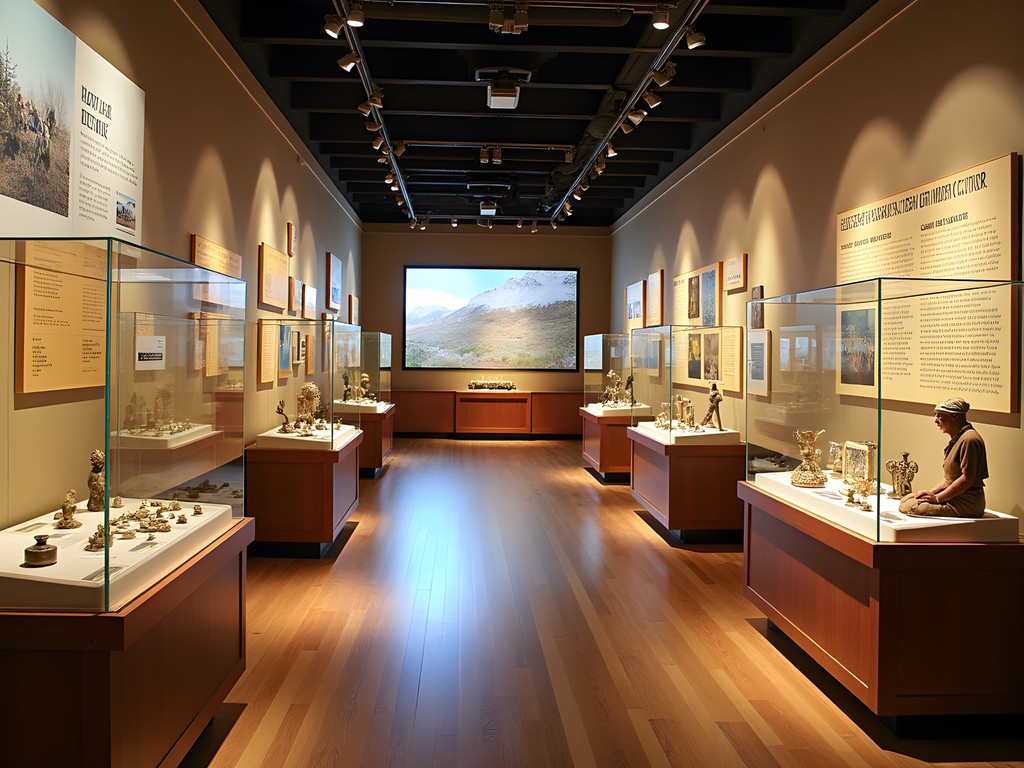
We deliberately chose indigenous-owned businesses for guiding services, purchased supplies from reservation-based stores, and attended a public powwow in Ethete (with appropriate protocols observed). The Wind River Hotel and Casino, tribally owned, became our base—not just for convenience but as conscious economic participation. My research on cultural economics has taught me that tourism either reinforces extractive patterns or supports community self-determination; there's no neutral position.
The Eastern Shoshone and Northern Arapaho communities have complex, sometimes difficult shared history on this reservation. Understanding that context—the forced co-location of historically distinct nations, the ongoing sovereignty struggles, the cultural resilience despite systematic dispossession—transforms adventure travel from consumption to engagement. I'm not suggesting tourists can or should attempt to fully comprehend these complexities in a week. But approaching this landscape with humility and awareness of whose homelands you're traversing represents basic respect.
💡 Pro Tips
- Purchase a tribal fishing or recreation permit if you plan any activities on reservation lands—these fees directly support tribal programs
- Ask permission before photographing any cultural sites, ceremonies, or individuals—not everything is meant for outside documentation
- Support indigenous-owned businesses explicitly; use resources like Native Land Digital to understand whose territories you're visiting
- Attend public cultural events when available, following all stated protocols regarding appropriate behavior and participation
Practical Logistics and Safety Considerations
Riverton's infrastructure serves agricultural and energy industries primarily; tourism amenities are functional rather than polished. The town offers adequate lodging, dining, and services, but this isn't a resort destination. That authenticity is part of the appeal—you're visiting a working community, not a themed experience.
For group travel, accommodation coordination matters. We rented a house through VRBO rather than booking separate hotel rooms, which provided space for evening gear maintenance and route planning. The economics worked better too—roughly $150 per night split among our group versus $100+ per room.
Fuel logistics require attention. Gas stations exist in town, but backcountry exploration burns fuel rapidly, especially in 4x4 low range on technical terrain. We carried emergency fuel containers as backup—the military-spec containers seal properly and won't leak at elevation or during rough travel. Similarly, a portable air compressor proved essential for adjusting tire pressure for different terrain—air down for rocky trails, air up for highway travel.
Medical access is limited. Riverton has a hospital, but serious trauma cases get airlifted to larger facilities hours away. Your group should include at least one person with wilderness first aid certification. We took a weekend WFR course before the trip, and while we fortunately didn't face emergencies, the training fundamentally changed how we assessed risks and made decisions in remote terrain.
💡 Pro Tips
- Book accommodations well in advance for summer travel; options are limited and fill early
- Establish clear communication protocols within your group including radio frequencies and check-in schedules
- Carry comprehensive vehicle insurance with off-road coverage; verify rental agreements cover the specific activities you plan
- Create a detailed gear checklist and conduct shakedown runs before departure—discovering equipment failures in backcountry is dangerous
Final Thoughts
Riverton's rugged wilderness offers more than adrenaline and scenic vistas—though it delivers both abundantly. This landscape demands engagement: physical, mental, and if you're paying attention, ethical. The off-road trails threading through Wind River country connect you to terrain that has shaped human adaptation for millennia, where indigenous communities maintain cultural continuity despite systematic dispossession, where the economics of survival remain visible in abandoned homesteads and ongoing ranching operations.
My background analyzing economic systems has taught me that places aren't just settings for human activity—they're active participants in shaping social organization, cultural expression, and survival strategies. Riverton makes that relationship visceral. The advanced difficulty rating is honest: this terrain will test your skills, equipment, and judgment. But for groups willing to prepare properly and engage respectfully, Wind River country offers transformative adventure that connects physical challenge with cultural depth and historical awareness. Come prepared, travel humbly, and let this landscape teach you what no dataset can capture about resilience, adaptation, and the profound relationship between people and place.
✨ Key Takeaways
- Riverton's off-road terrain demands genuine preparation—advanced skills, proper equipment, and backup systems aren't optional for safe exploration
- Cultural engagement with Wind River's indigenous communities transforms adventure tourism from consumption to meaningful participation in local economies
- Group travel with progressive skill-building allows everyone to develop capabilities while managing risks in genuinely challenging wilderness terrain
📋 Practical Information
Best Time to Visit
Late June through early September for optimal weather and trail access, though afternoon thunderstorms are common throughout summer
Budget Estimate
$2,500-3,500 per person for week-long trip including vehicle rental, fuel, lodging, permits, guide services, and meals
Recommended Duration
7-10 days to properly explore trail systems with progressive difficulty and allow weather contingency days
Difficulty Level
Advanced—requires Experienced Off-Road Driving Skills, Wilderness Navigation Capability, And Physical Fitness For High-Elevation Activity


Comments
oceanseeker
Really appreciate how you framed this as more than just trail porn, Jacob. I've been off-roading for 15 years and the community has definitely evolved in how we think about access and impact. Wind River region is special - those views toward the mountains are something else. One thing I'd emphasize: tell someone your route and expected return time. Cell service is basically nonexistent once you're out there. Also seconding what others said about recovery gear and knowing how to use it before you're axle-deep in mud.
beachbackpacker
If anyone's heading out there, stop by the local visitor center first. The rangers have current trail conditions and can point you toward areas that are open. Some trails close seasonally for wildlife or weather. Also gas up before you head out - learned that lesson the hard way in Wyoming haha
Brian Torres
This post resonates with me, Jacob. Last year I took my family through Colorado's backcountry and that same tension between adventure and responsibility hit home. My 8-year-old asked why we could drive on some land but not other areas, which sparked the best conversation we had all trip about respecting indigenous territories. Wyoming's been on our radar—Riverton specifically sounds perfect for our skill level. Your gear checklist is solid. I'd only add that we always pack my recovery gear even on moderate trails. Saved us once near Moab when another family got stuck and we could help out. The community aspect of off-roading is something I want my kids to understand early.
beachbackpacker
That's really cool you're teaching your kids about responsible travel. More people should do that.
roamfan
Planning a trip for September - is that a good time weather-wise? Also love your photos btw
coolvibes
Went to Riverton two summers ago and totally agree about the landscape being underrated. We mostly stuck to the easier trails since we had a stock Jeep, but even those were gorgeous. The sunsets out there are unreal. Didn't know much about the indigenous history before going - wish I'd read something like this first. Did you camp out there or stay in town?
smartstar
Quick question - can you do these trails in a regular SUV or do you need a serious 4x4?
Brian Torres
Most trails around Riverton require proper 4WD with decent clearance. Stock AWD crossovers won't cut it on the technical sections Jacob describes.
smartstar
Thanks! Guess I'll need to rent something more capable
John Hart
Jacob, your emphasis on cultural engagement alongside adventure tourism is refreshing. I've observed similar tensions in rural Japan where adventure seekers often overlook indigenous perspectives. The Wind River area has such rich Shoshone and Arapaho heritage—did you participate in any cultural programs or guided experiences with local community members? I'm particularly interested in how you navigated the balance between accessing traditional lands and respecting boundaries. Your vehicle preparation section is spot-on, though I'd add that understanding recovery techniques before you need them is crucial in remote terrain.
oceanseeker
Great point about recovery techniques. Learned that the hard way in Utah last year!
wanderlustqueen
This looks amazing!! Adding to my bucket list
sunsetmaster
Going there next month! Thanks for sharing
wavebuddy
Adding this to my bucket list immediately! I've done Moab and some Colorado trails but Wyoming keeps calling my name. How would you rate the difficulty compared to other western off-road destinations?
Savannah Walker
Not Jacob but I've run trails in both areas - Wyoming's challenges are more about weather and remoteness than technical difficulty. You need to be more self-sufficient because help is farther away. Cell service is basically nonexistent in most areas so I always carry my satellite communicator when I'm out there. The terrain itself is amazing though - totally different vibe from the red rock country.
Venture X
Premium card with 2X miles, $300 travel credit, Priority Pass