

Disclosure: This article contains affiliate links. We may earn a commission from purchases at no extra cost to you, which helps our travel content.
As a surveyor who's mapped everything from Louisville's bourbon distilleries to Tokyo's hidden neighborhoods, I thought I'd seen every variation of how cities balance urban density with outdoor access. Then I spent a week in Salt Lake City during winter, and the sheer proximity of world-class climbing gyms to legitimate backcountry skiing terrain completely recalibrated my understanding of adventure infrastructure. This isn't just a ski town with climbing on the side—it's a meticulously planned ecosystem where you can literally go from indoor bouldering to powder skiing in under an hour.

Mapping Your Base Camp: Where to Stay for Multi-Sport Access
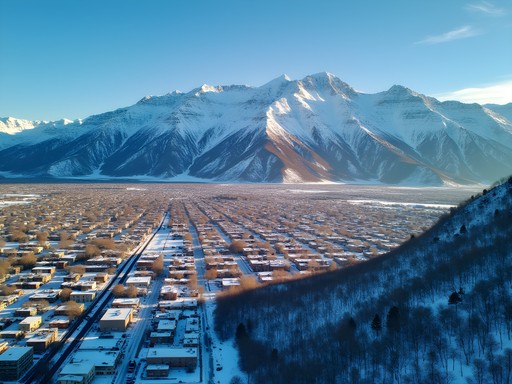
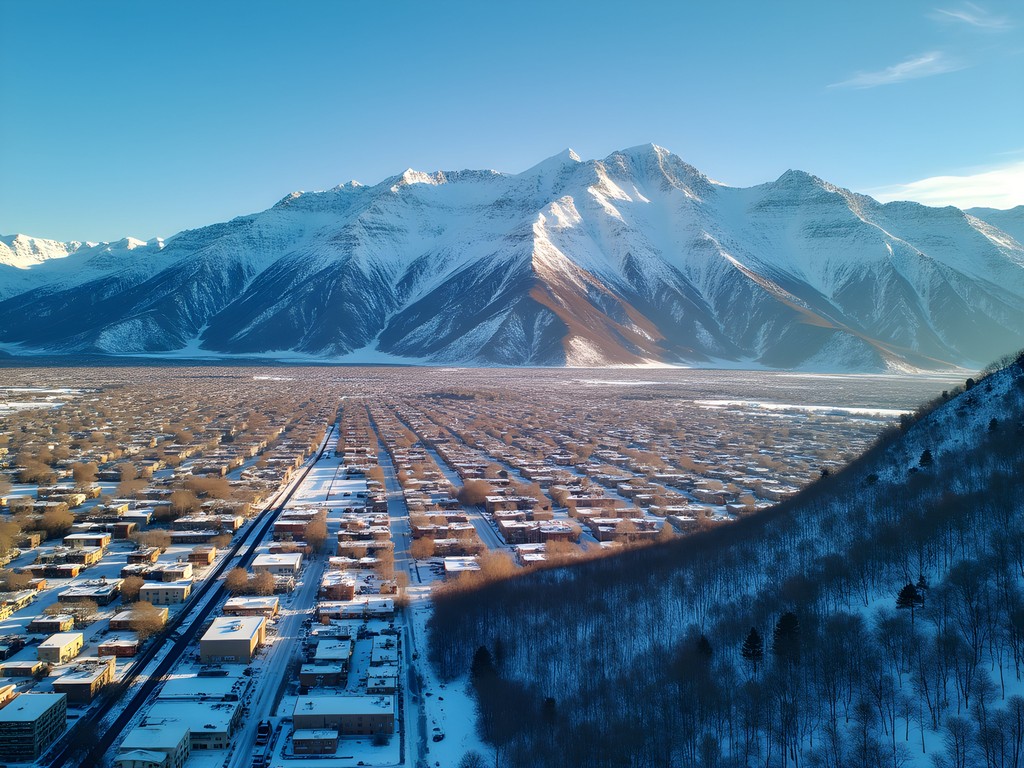
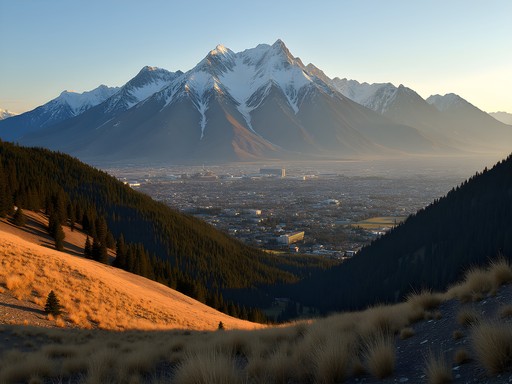
The geography of Salt Lake City is deceptively simple—a grid system pressed against the Wasatch Mountains—but your lodging choice determines everything about your daily adventure radius. After surveying the city's layout and testing transit times, I found the sweet spot for groups is the Sugar House neighborhood, about 15 minutes southeast of downtown. The area has transformed from industrial to maker-hub over the past decade, with climbing gyms, breweries, and gear shops all within walking distance.
For our group of six, we rented a three-bedroom Airbnb near 2100 South and 1100 East. The location gave us equidistant access to Momentum Indoor Climbing (10 minutes), Little Cottonwood Canyon (35 minutes), and downtown's distillery district (12 minutes). The real advantage? Street parking that doesn't require permits and a garage where we could tune skis and dry gear. Budget around $200-250 per night for a group-sized rental with these amenities—split six ways, that's incredibly reasonable for the access you're getting.
💡 Pro Tips
- Download the UTA (Utah Transit Authority) app before arrival—the ski buses to canyon resorts are free with proof of equipment
- Rent a 4WD vehicle even if you're confident drivers; canyon roads require traction devices or AWD/4WD by law during winter
- Book accommodations with a garage or covered parking—scraping ice off windshields at 5am before powder days gets old fast
Urban Climbing Circuit: Momentum, The Front, and Bouldering Projects
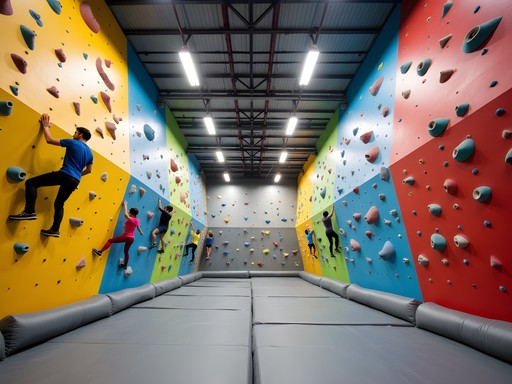
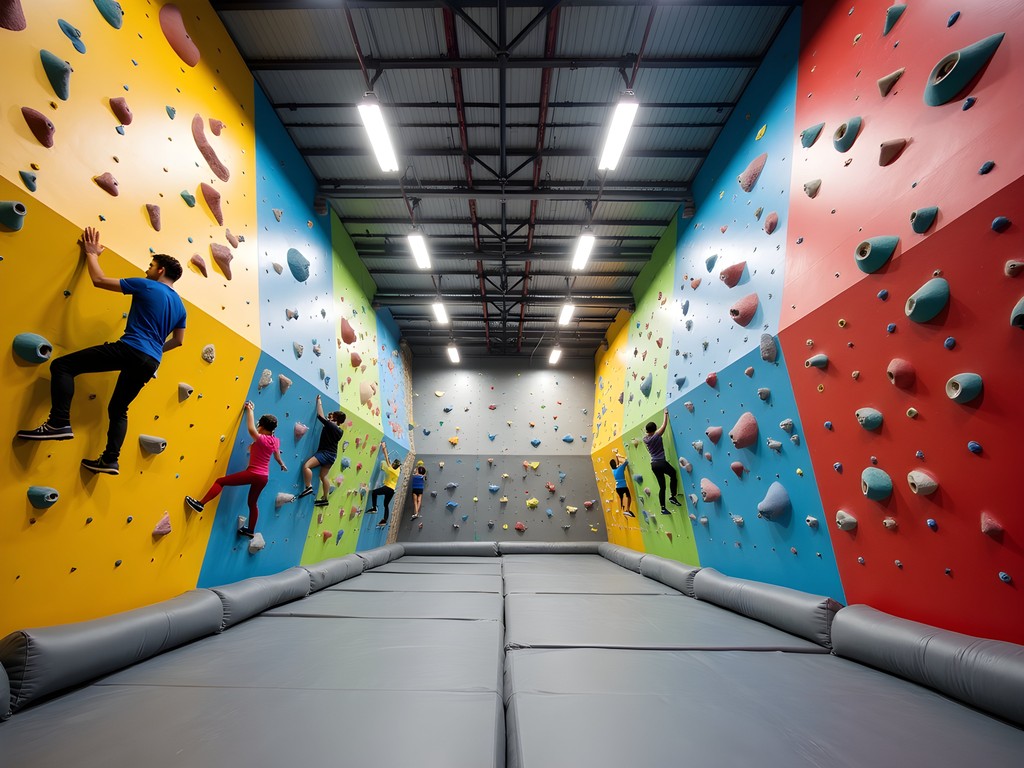
Salt Lake's climbing gym density rivals Portland's coffee shop saturation—there's a reason this city produces Olympic-level climbers. For groups with mixed skill levels, start at Momentum Indoor Climbing in Millcreek. The facility's layout is brilliant from a spatial design perspective: 40-foot lead walls, extensive bouldering terrain, and a dedicated training area all flow without bottlenecks. The setting team rotates problems weekly, so even locals get fresh challenges.
What impressed me most was the community culture. Unlike some climbing gyms where advanced climbers gatekeep beta, Momentum's evening sessions felt like collaborative problem-solving workshops. Our group ranged from V4 to V8 climbers, and we all found projects that pushed our limits. The Front Climbing Club downtown offers a grittier, more warehouse-style experience—perfect for rainy days when the canyons are closed. I always pack my climbing tape for longer sessions; the dry Utah air is murder on finger skin, and proper taping makes the difference between three-hour and six-hour climbing days.
💡 Pro Tips
- Buy day passes ($25) rather than punch cards if you're only in town for a week—the math works better for short visits
- Evening sessions (5-8pm) are packed; go mid-morning or late night (after 9pm) for less crowded walls
- Rent shoes at the gym if you're flying in—TSA agents get weird about climbing shoes in carry-ons, and rental quality is excellent
Backcountry Skiing: Little Cottonwood Canyon and Avalanche Safety
Here's where Salt Lake separates casual adventurers from committed ones. The backcountry access is world-class, but the avalanche terrain is unforgiving. Before our group even considered skinning up, we spent a full day with Utah Avalanche Center taking their recreational Level 1 course. This isn't optional—it's foundational knowledge that could save your life.
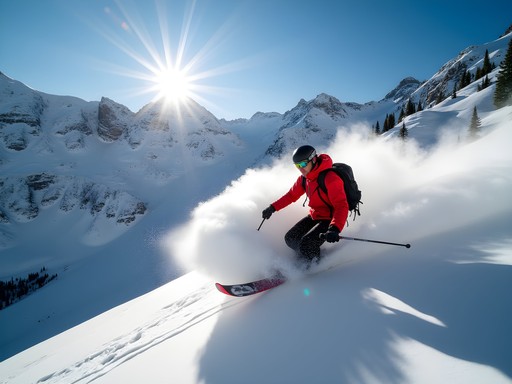
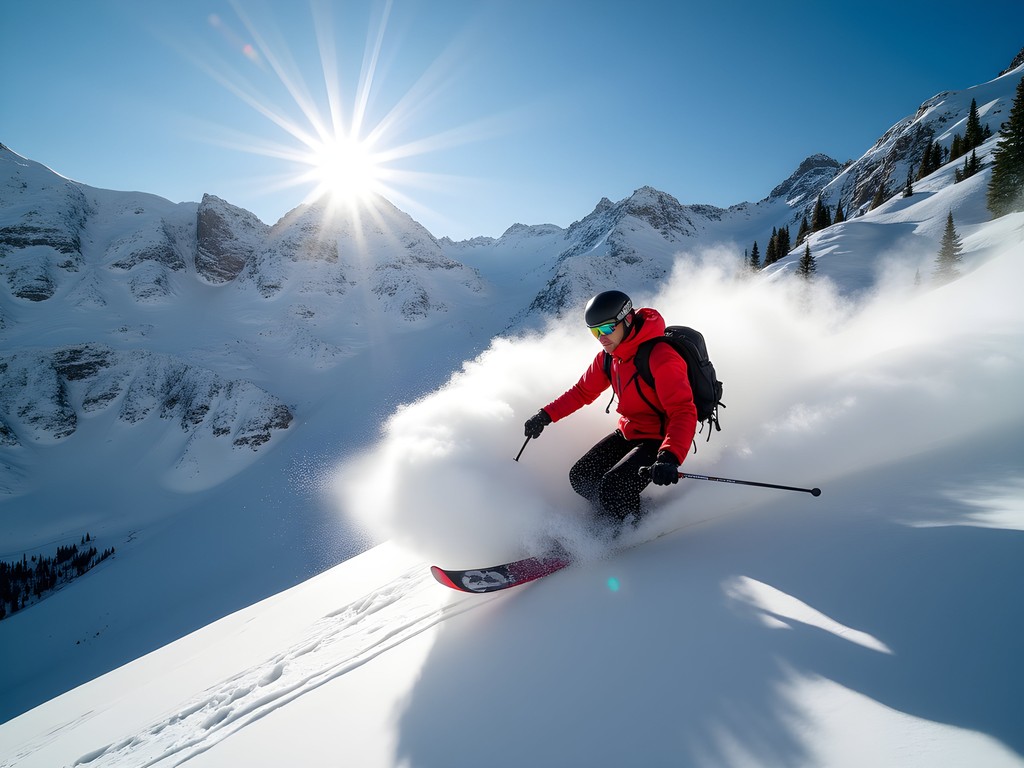
Little Cottonwood Canyon offers the most accessible backcountry terrain for experienced skiers. We focused on the Cardiff Fork area, where you can skin up 2,000 vertical feet and access multiple descent options based on current avalanche conditions. The approach requires crossing private property—respect the access agreements and stay on designated skin tracks. Every morning started with checking the UAC forecast, testing our avalanche beacon, and running transceiver drills. Our group rule: if anyone's beacon isn't functioning perfectly, nobody goes.
The snow quality lives up to the 'Greatest Snow on Earth' marketing. That lake-effect moisture hitting cold continental air creates powder with a density that's somehow both light and stable. We skied knee-deep powder on north-facing aspects that hadn't seen sun in weeks—the kind of conditions that make your quads burn and your face hurt from grinning.
💡 Pro Tips
- Check Utah Avalanche Center forecasts every morning—conditions change rapidly, and yesterday's safe zone is today's slide path
- Skin up early (start by 6:30am) to avoid both crowds and afternoon warming that destabilizes snowpack
- Bring spare skins and a ski repair kit—backcountry equipment failures are common, and self-rescue capability is essential

Rest Day Reconnaissance: Distillery Row and Maker Spaces
After three consecutive days of high-output adventure, even advanced groups need strategic recovery. Salt Lake's craft distillery scene offers the perfect active rest day—you're still exploring and learning, but your legs get a break. The city's unique liquor laws (a legacy of Mormon influence) actually created an interesting maker ecosystem. Distilleries had to get creative with production and distribution, resulting in some genuinely innovative spirits.
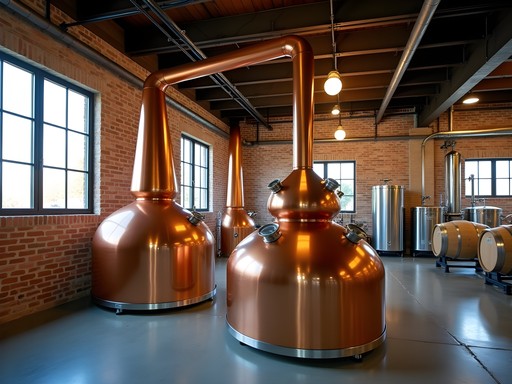
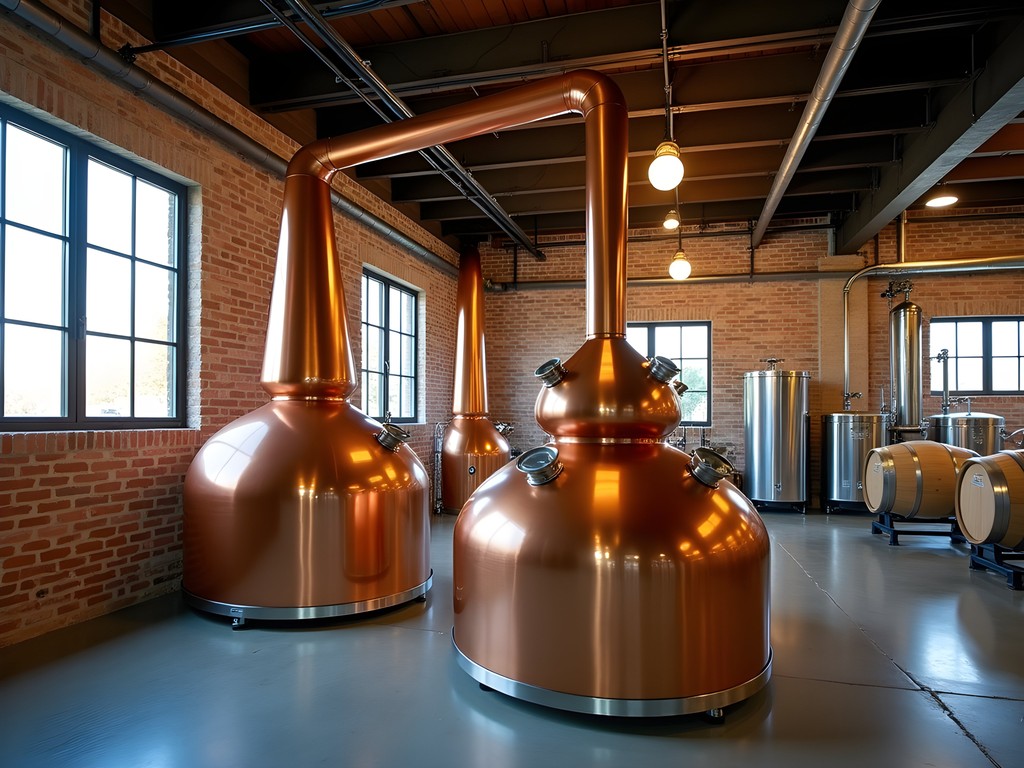
Sugar House Distillery, walkable from our rental, produces an exceptional bourbon that rivals Kentucky craft distilleries I've surveyed. The head distiller, a former structural engineer, designed custom copper stills that maximize flavor extraction while minimizing waste heat—the kind of technical craftsmanship that gets my surveyor brain excited. High West Distillery in Park City (40 minutes from Salt Lake) offers tours that dive deep into blending science. Their Rendezvous Rye uses a solera-style aging system I'd only seen in Spanish sherry production.
Denim & Denim, a maker space in the Granary District, runs evening workshops where you can learn leather crafting or knife making. Our group spent an afternoon forging bottle openers—surprisingly meditative work that gave our climbing-shredded hands something different to focus on.
💡 Pro Tips
- Utah's liquor laws limit bar pours to 1.5 oz, but distillery tastings follow different rules—pace yourself during tours
- Book distillery tours midweek; weekends fill up fast, especially during ski season
- The Granary District (west of downtown) is undergoing rapid transformation—explore now before it gets fully gentrified
Group Logistics: Coordinating Six People Across Multiple Activities
The biggest challenge with advanced group adventures isn't the technical difficulty—it's the coordination complexity. Our crew had different risk tolerances, skill levels, and energy patterns. The solution? Embrace split itineraries with designated regroup points.
We used a shared Google Map with color-coded pins: red for climbing gyms, blue for backcountry access points, green for food/recovery spots, yellow for emergency services. Every morning started with a 15-minute planning session over coffee, where we'd align on the day's primary objective and backup plans. Some days, three people would backcountry ski while three climbed, then we'd all meet for dinner and debrief.
For gear management, we created a shared equipment list in a Google Sheet. This prevented duplicate purchases and identified gaps. We collectively invested in a boot dryer that could handle six pairs of ski boots simultaneously—absolutely worth the $80 split six ways. Wet boots are miserable, and hotel room heaters don't cut it at this activity level.
Food logistics: we meal-prepped breakfasts and lunches at the rental, then explored restaurants for dinners. Budget $15-20 per person for prepared breakfast/lunch ingredients, $30-40 for dinners out. This kept costs reasonable while maximizing adventure time.

💡 Pro Tips
- Assign one person as daily logistics coordinator who handles route planning and weather monitoring—rotate this role to prevent burnout
- Create a group chat specifically for real-time location sharing during backcountry days—separate from your main social chat
- Pack a first aid kit sized for group use, not individual—accidents happen, and comprehensive supplies matter
Final Thoughts
Salt Lake City rewards groups who approach it with both ambition and humility. The climbing challenges your technique, the backcountry tests your judgment, and the altitude humbles your cardiovascular system. But the city's infrastructure—from avalanche forecasting to climbing gym density to maker spaces—provides the support systems that make advanced adventures accessible rather than reckless.
What struck me most, from a surveyor's perspective, is how deliberately this ecosystem has been built. The ski buses aren't an afterthought; they're integrated transit. The climbing gyms aren't just businesses; they're community training grounds for mountain objectives. The distilleries aren't tourist traps; they're legitimate craft operations that happen to welcome visitors.
For groups of experienced adventurers looking to push limits while maintaining safety margins, Salt Lake offers a rare combination: genuine wilderness access with urban amenities less than 30 minutes away. Just remember—advanced doesn't mean invincible. Check the avalanche forecast, warm up before hard climbs, and leave ego at sea level. The mountains will still be there tomorrow.
✨ Key Takeaways
- Salt Lake City's adventure infrastructure supports advanced objectives while maintaining safety systems—use them
- Split itineraries work better than forcing consensus; regroup points keep groups connected without limiting individual goals
- Avalanche education isn't optional; invest in proper training before accessing backcountry terrain regardless of your skiing ability
📋 Practical Information
Best Time to Visit
January through March for optimal snow conditions and stable weather patterns
Budget Estimate
$800-1200 per person for one week including lodging, food, activities, and gear rentals
Recommended Duration
7-10 days to properly acclimate to altitude and complete multiple objectives
Difficulty Level
Advanced
Comments
Brady Parker
Great write-up Akiko. That surveyor's eye really shows in how you mapped out the logistics. I remember my first SLC trip - made the rookie mistake of underestimating the altitude and paid for it on day one at the climbing gym. Now I always build in an adjustment day. The Bouldering Project has this great cafe where I spent my first afternoon just hydrating and watching people climb. Your point about groups is key too - having someone to share beta with at the gym and make backcountry decisions with makes all the difference.
mountainpro
Going in March! Is it too late in the season for good skiing?
Brady Parker
March is actually prime time! I was there mid-March a few years back and the snow was incredible - corn snow in the afternoons, still fresh powder up high in the mornings. The days are longer too so you can fit in more. Just watch the avalanche reports like Akiko says, spring conditions can be tricky.
coffeegal
Been going to SLC for years and this guide captures it perfectly. One thing I'd add - if you're doing the multi-sport thing, stay somewhere near the 9th & 9th neighborhood. Easy access to climbing gyms, close to canyon roads, and tons of good coffee shops for rest days. The Cottonwood canyons get BUSY on powder days so leave early. Also the liquor laws are weird there, just FYI.
Oliver Duncan
Spent three weeks in SLC last winter and Akiko's spot on about the ambition/humility balance. The backcountry access is insane but the avalanche danger is real - saw multiple slides from the road. Momentum climbing gym became my second home on storm days. Also, pro tip: the distillery row is walkable and High West has these whiskey flights that'll warm you right up after a cold day. The maker spaces she mentions are legit too, met some incredible craftspeople there.
mountainpro
Which climbing gym did you like better - Momentum or The Front?
Oliver Duncan
Momentum for sure, better route setting and less crowded in the mornings
sunnyphotographer
Quick question - do you need to take an avalanche safety course before doing Little Cottonwood? Or can you go with a guide?
coffeegal
Definitely take an AIARE 1 course if you're going backcountry! There are local guide services too but the course is worth it long-term
sunnyphotographer
Thanks! That's what I thought
freequeen
This looks amazing!! Adding SLC to my list
Venture X
Premium card with 2X miles, $300 travel credit, Priority Pass