
Disclosure: This article contains affiliate links. We may earn a commission from purchases at no extra cost to you, which helps our travel content.
G'day from Down Under, where the subtropical climate of Queensland's coastline reminds me strangely of both my father's research sites in Costa Rica and my mother's beloved Irish shores—albeit significantly warmer! As a medical researcher tracking climate-health connections, I couldn't resist analyzing Queensland's fascinating coastal microclimate while reconnecting with my Australian cousins for a week of scientific exploration disguised as a beach holiday. What I discovered was a perfect family-friendly coastal paradise with predictable weather patterns, remarkable biodiversity, and beaches that would make any coastal scientist swoon.
Brisbane's Urban Beach Experience: Streets Beach & Beyond
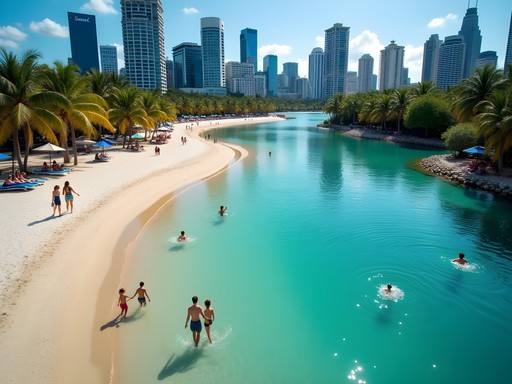
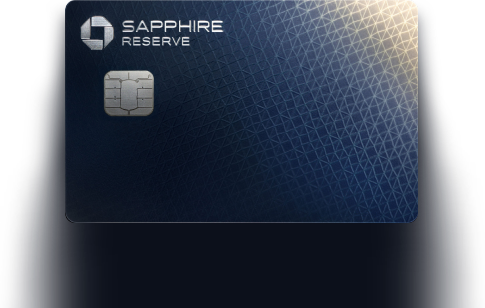
Brisbane itself isn't traditionally known as a beach destination—the city center sits about 15km inland from Moreton Bay. However, the brilliant minds behind South Bank Parklands created something I found absolutely class: Streets Beach, Australia's only inner-city, man-made swimming beach. As someone who's studied coastal engineering projects across three continents, I was genuinely impressed by this 2,000-square-meter lagoon with its white sand and lifeguard-patrolled waters.
For families, this is an absolute godsend. While my cousins' little ones splashed in the crystal-clear water (maintained at a perfect 74°F/23°C), I couldn't help but appreciate how the engineers had created optimal water circulation patterns mimicking natural coastal systems. The adjacent rainforest water feature provides a fascinating microclimate effect, cooling the surrounding area by approximately 3-4°C compared to the city streets.
After a morning swim, we dried off at the nearby Epicurious Garden, where volunteers grow subtropical fruits and vegetables that would never survive Dublin's maritime climate. My quick-dry microfiber towel proved invaluable here—it's become my essential beach companion since that research trip to Thailand's southern islands last year.
💡 Pro Tips
- Visit Streets Beach early morning (before 9am) to avoid crowds and enjoy optimal water quality
- The adjacent Aquativity water park area is perfect for toddlers with its interactive water-play features
- Pack a picnic to enjoy in the grassy areas, but keep an eye out for the clever Australian ibises (locals call them 'bin chickens') who'll steal your lunch
Moreton Bay: The Scientific Wonder at Brisbane's Doorstep
Just a 40-minute ferry ride from Brisbane lies Moreton Island, home to what I consider one of Australia's most underrated coastal ecosystems. As someone raised collecting weather data along Dublin's coastline, I was fascinated by how the massive sand island creates a natural barrier system protecting Brisbane from the full force of Pacific swells.
The western side of Moreton Island offers calm, family-friendly beaches perfect for young swimmers. We spent a day at Tangalooma, where the sheltered waters rarely exceed wave heights of 30cm—ideal for my youngest cousin who's still mastering her doggy paddle. The eastern side presents a dramatic contrast with powerful surf beaches more reminiscent of my research sites along Portugal's Algarve.
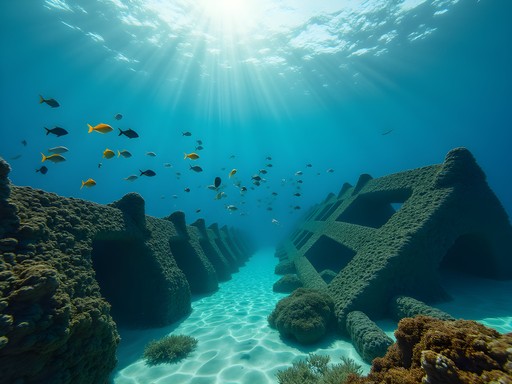
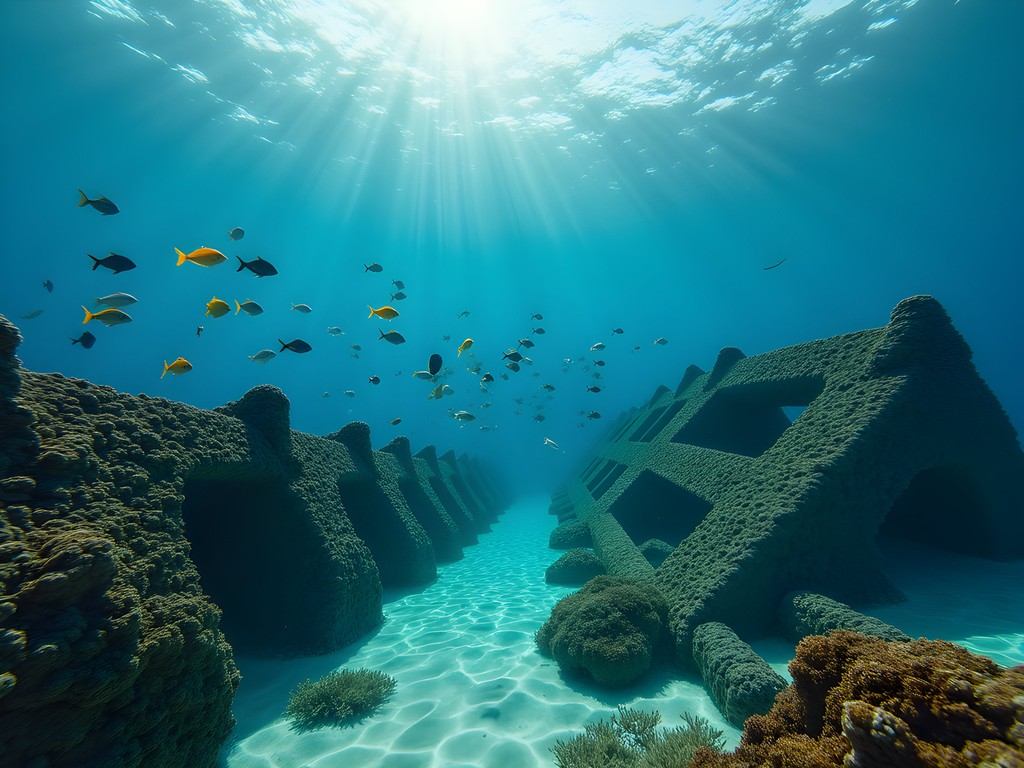
The absolute highlight was the island's famous Tangalooma Wrecks, where 15 deliberately sunk ships have created an artificial reef system. For underwater exploration, my full-face snorkel mask was revolutionary—especially for my cousin's kids who had never snorkeled before. The mask's full-face design eliminates the common problems of fogging and difficult breathing that traditional snorkel tubes cause.
Cén fáth nach bhfuil muid in Éirinn? (Why aren't we in Ireland?) I jokingly asked my cousins as we floated above vibrant coral formations in 25°C water—a far cry from the bracing 10°C summer seas back home!
💡 Pro Tips
- Book the earliest ferry to Moreton Island (usually 7am) for maximum beach time and minimal crowds
- The Tangalooma Wrecks are best snorkeled at mid-tide when water clarity is optimal and currents are minimal
- Pack more water than you think you'll need—the island has limited fresh water supplies and the subtropical sun is deceptively strong
Gold Coast: Analyzing Australia's Most Famous Beach Playground
An hour south of Brisbane lies the Gold Coast, where my meteorological obsessions went into overdrive. The 30km stretch of connected beaches creates a fascinating study in how subtle changes in coastal orientation affect wave patterns, sand quality, and even local wind conditions.
For families with children of different ages, I recommend basing yourselves near Broadbeach or Mermaid Beach. These central locations offer the perfect balance of accessibility and relative calm compared to the famous Surfers Paradise. We stayed at a mid-range apartment at Mermaid Beach with my cousins' three children (ages 5, 8, and 11), which provided the perfect launching point for our daily beach explorations.
Each morning, I'd check the tide prediction app on my phone—an essential tool for coastal exploration that provides remarkably accurate tide predictions and sun/moon data. The Gold Coast's tidal range averages around 1-1.5 meters, creating dramatically different beach conditions throughout the day.
For the little ones, Tallebudgera Creek became our go-to spot. This protected inlet between Burleigh Heads and Palm Beach offers crystal-clear waters with minimal current during slack tide. The creek mouth forms a fascinating study in coastal geomorphology, with sand patterns shifting visibly with each tidal cycle—something my researcher parents would have documented extensively!
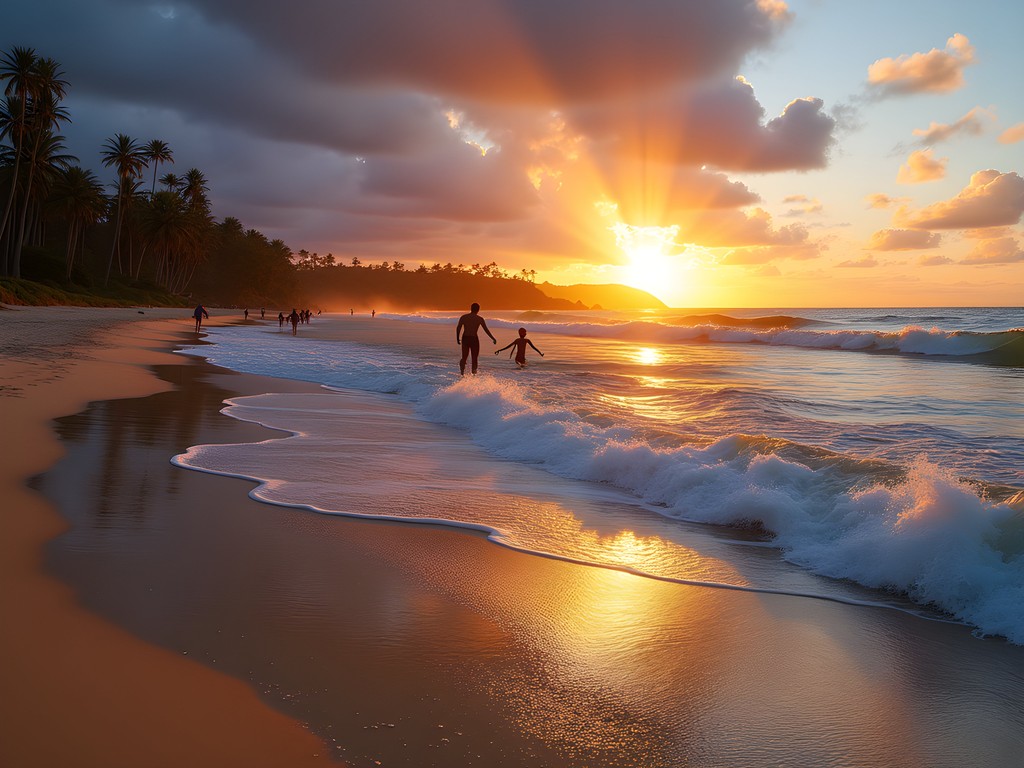
For the older kids and adults, Burleigh Heads provided the perfect balance of waves and safety. The headland creates a partial swell shadow, reducing wave energy by approximately 30% compared to the exposed beaches further north. On particularly hot days, our beach umbrella became the family's salvation—its adjustable clamp attaches to almost anything and provides scientific-grade UPF 50+ protection against Australia's notoriously intense UV radiation.
💡 Pro Tips
- Visit Burleigh Heads National Park early morning for spectacular coastal views without the midday heat
- The southern end of most Gold Coast beaches typically has calmer conditions, making them more suitable for younger children
- Currumbin Wildlife Sanctuary makes a perfect non-beach day activity when the family needs a break from the sun

Weather Patterns & Packing Essentials: A Researcher's Perspective
As someone who grew up collecting weather data alongside my climatologist parents, I approached Queensland's subtropical climate with both professional curiosity and practical preparation. Summer in southeast Queensland (December-February) brings average temperatures of 28-30°C (82-86°F) with humidity levels typically ranging from 65-75%—significantly higher than Ireland's average 60-65%.
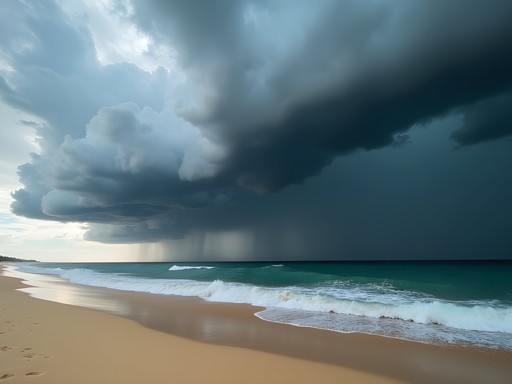
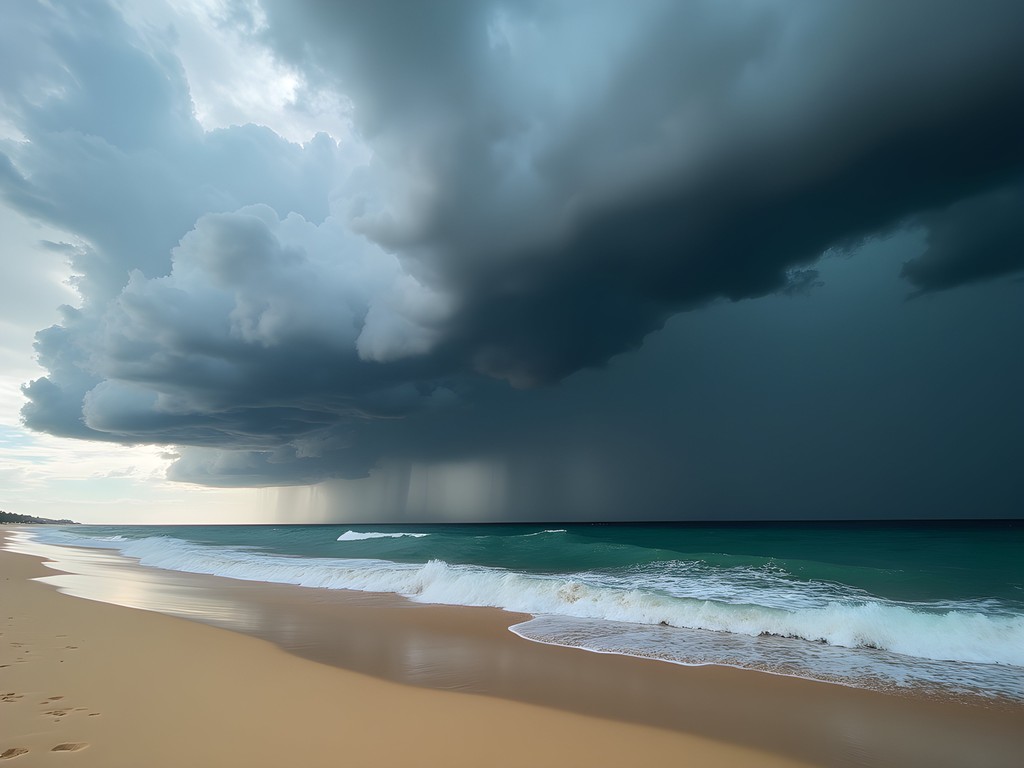
The region's rainfall patterns fascinate me scientifically. Summer brings brief but intense afternoon thunderstorms that typically last 30-60 minutes before giving way to clear evenings. These convective storms result from the rapid heating of land surfaces creating strong updrafts—a phenomenon I've observed similarly in Costa Rica during visits to my father's research sites.
For families visiting during summer, proper sun protection becomes medically significant. Australia has the world's highest skin cancer rates, and Queensland's UV index regularly exceeds 12+ (extreme) during midday hours. Beyond the obvious sunscreen application (reapply every two hours!), I've found the sun protection shirts to be essential—particularly for children who resist regular sunscreen application. The lightweight fabric provides laboratory-verified UPF 50+ protection while its moisture-wicking properties prevent overheating.
For beach days, our family's insulated cooler backpack proved invaluable. Unlike traditional hard coolers, this backpack design made navigating public transport and beach access points significantly easier while keeping our drinks cold for 8+ hours in temperatures exceeding 30°C. The separate dry compartment perfectly stored our valuables safely away from wet swimwear.
¡Qué diferente del clima irlandés! I found myself saying daily—how different from Irish weather indeed!
💡 Pro Tips
- Schedule beach activities before 10am or after 3pm to avoid peak UV radiation hours
- Hydration is critical—aim for 1L of water per person for every 2-3 hours of beach time in summer conditions
- Pack a light rain jacket despite the forecast; afternoon thunderstorms can develop rapidly with minimal warning
Local Food & Coastal Culture: Where Science Meets Sustenance
Queensland's coastal food scene reflects its geographic position at the intersection of subtropical and tropical climate zones. As someone who studies climate impacts on health, I was particularly interested in how local seafood harvesting practices adapt to warming ocean temperatures—a phenomenon affecting coastal communities worldwide.
My cousins introduced me to the Burleigh Heads Farmers Markets (every Saturday), where local fishermen sell their catch directly to consumers. The Moreton Bay bugs (a type of slipper lobster) and fresh prawns were revelations—harvested using more sustainable methods than many commercial operations. For families, these markets offer an educational opportunity to discuss food systems while sampling local delicacies.
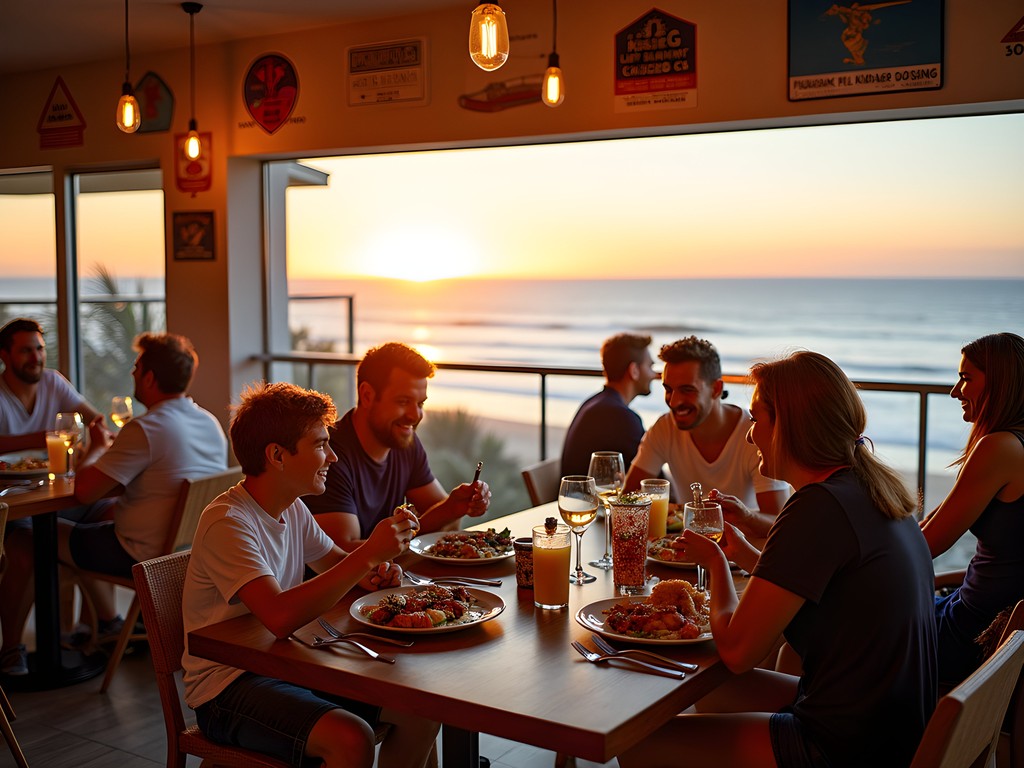
Along the Gold Coast, we discovered that many beachfront surf clubs offer surprisingly affordable family meals with spectacular ocean views. These community institutions were originally established to support volunteer lifesavers but have evolved into social hubs where multiple generations gather. The Currumbin Beach Vikings Surf Club became our regular sunset dinner spot, with main meals averaging AUD$20-25 while supporting local beach safety programs.
For beach picnics, we relied heavily on our insulated water bottles which kept our drinks cold for entire days despite the intense heat. The engineering behind these bottles fascinates me—the vacuum insulation technology creates a thermal barrier that outperforms traditional insulation methods by eliminating conductive heat transfer.
One evening, we treated ourselves to a seafood feast at Rick Shores in Burleigh Heads, where the restaurant's floor-to-ceiling windows sit mere meters from the breaking waves. While definitely a splurge (approximately AUD$100/person), watching the moonlight illuminate the surf patterns while enjoying locally-sourced seafood created the perfect culmination of our coastal exploration.
💡 Pro Tips
- Most beachfront surf clubs welcome non-members and offer excellent value family meals with ocean views
- The Burleigh Farmers Markets (Saturdays) and Miami Marketta (Wednesday, Friday, Saturday nights) offer the best local food experiences
- Ask locals about the 'BYO restaurants'—many excellent seafood places allow you to bring your own wine, significantly reducing your dining costs
Final Thoughts
As our week along Queensland's coastline came to an end, I found myself with pages of climate observations, tide patterns, and coastal formation notes that would make my researcher parents proud. Yet beyond the scientific fascination, this journey reconnected me with Australian family members through shared experiences along these remarkable shores.
The Brisbane to Gold Coast corridor offers the perfect balance of accessibility and natural wonder for families seeking coastal adventures. From the engineered brilliance of Streets Beach to the wild perfection of Burleigh Heads, these shores demonstrate how humans can both respect and interact with coastal environments in sustainable ways.
As I packed my sand-filled waterproof phone case and salt-stained field notebook, I couldn't help but reflect on how coastlines connect us—not just geographically but generationally. My cousins' children now share the same fascination with tidal patterns and weather systems that my parents instilled in me along Irish shores decades ago.
Whether you're chasing perfect waves, searching for safe swimming spots for little ones, or simply seeking to understand how these remarkable coastal systems function, Queensland's shores offer scientific wonder and family memories in equal measure. Just remember to respect the power of both sun and sea—forces that have shaped not just these coastlines, but the culture that thrives along them.
✨ Key Takeaways
- Brisbane and Gold Coast offer complementary coastal experiences—urban beaches to wild shores—perfect for families seeking variety
- Understanding tide patterns and local weather systems significantly enhances beach safety and enjoyment
- Queensland's beach culture centers around surf lifesaving clubs that welcome visitors while supporting essential safety services
📋 Practical Information
Best Time to Visit
October-November or March-April (shoulder seasons with warm temperatures but fewer crowds and thunderstorms)
Budget Estimate
$150-250 AUD per day for family of four (accommodation, food, activities)
Recommended Duration
7-10 days minimum to experience both Brisbane and Gold Coast properly
Difficulty Level
Beginner


Comments
Savannah Torres
Cole, your scientific perspective on the beaches is so refreshing! We took our kids (8 and 10) to this exact route last year, and they were fascinated by the tidal pools at Moreton Bay. We turned it into a mini marine biology lesson! The weather patterns section of your post would have been so helpful before our trip - we got caught in one of those sudden subtropical downpours in January without proper gear. For families reading this: Streets Beach in Brisbane is perfect for kids who aren't confident ocean swimmers yet, and the lifeguards are incredibly vigilant. Also, the little ones loved the whale watching tour from Gold Coast - worth every penny to see their faces when the humpbacks breached!
nomadlover
Just want to add that Burleigh Heads on the Gold Coast was our favorite spot - less crowded than Surfers Paradise but still gorgeous. We watched surfers for hours while having a picnic on the headland. The national park walk there gives amazing views too. I used my waterproof phone case constantly during the trip and it was a lifesaver with all the beach hopping!
adventurerider
Burleigh Heads is the best! Way more chill vibes than Surfers.
Timothy Jenkins
Brilliant write-up, Cole! I was in Brisbane last autumn and completely agree about Streets Beach being an urban marvel. What fascinated me was how they've engineered such a natural-feeling beach environment right in the city center. I spent hours observing how locals use the space differently than tourists. One tip for anyone heading there: the South Bank area around Streets Beach has some exceptional coffee shops where you can people-watch with a flat white in hand. Did you notice how the beach crowd changes completely from morning to evening? I found the early morning swim crowd particularly interesting - very much a local ritual.
coffeeseeker
Those tide pattern notes sound fascinating! Any chance you'll share them in another post?
Cole Gutierrez
Working on compiling them into a mini-guide! Will post in the next few weeks.
oceanfan
Just got back from Queensland last week! Your description of Moreton Bay is spot on. We took a day trip there from Brisbane and the marine life was incredible. Saw dolphins and even a sea turtle! The water clarity reminded me of the Caribbean. Did you get a chance to snorkel while you were there?
citywalker
This guide is perfect timing! I'm heading to Brisbane next month. Did you find public transport sufficient for beach hopping or would you recommend renting a car?
Cole Gutierrez
Public transport works well between Brisbane and Gold Coast (the train is quite efficient), but having a car gives you more flexibility to explore some of the less accessible beaches. If you're sticking to main spots like Streets Beach and Surfers Paradise, you'll be fine without one!
citywalker
Thanks Cole! That's super helpful. I'll probably stick to public transport then since I'm only hitting the main spots this trip.
FamilyTraveler2023
Going there next month with kids (5 and 8). Which beaches would you recommend that are safe for children but still interesting for adults?
Claire Hawkins
Not Cole, but I took my kids there! Streets Beach in Brisbane is perfect for little ones - zero waves and shallow areas. On Gold Coast, Currumbin Creek and Tallebudgera Creek are amazing for kids that age. Protected waters but still beautiful surroundings for adults to enjoy. My kids loved the rockpools at Currumbin too - bring water shoes!
FamilyTraveler2023
Thanks Claire! Water shoes added to our packing list!
BeachComber55
Really cool! The photos of Streets Beach look unreal. Is that actually in the middle of the city?
BrissieLocal
Yep, right in South Bank! It's our urban oasis. Free to use and lifeguard patrolled too.
Jean Wells
Cole, your analytical approach to the coastal formations really resonated with me. I spent three weeks along this stretch last winter (Australian summer) and was struck by how different the Gold Coast beach culture is from Sydney's. The high-rises create a very different atmosphere - more Miami than Bondi. I'd add that Burleigh Heads is worth a full day if readers have time. The national park walk there offers the best of both worlds: natural headland beauty with cafe culture at the base. Also appreciated your tide pattern notes - the currents between Coolangatta and Kirra can be deceptive for swimmers unfamiliar with the area.
moonguide
Burleigh Heads is going on my list now!
moonguide
This looks amazing! How did you get out to Moreton Bay? Thinking of going in March and want to see the dolphins you mentioned.
Jean Wells
Not Cole, but I've done this route twice. There are several ferry operators from Brisbane - the Tangalooma ferry is popular but pricey. I found the Moreton Island Adventures day trip more economical and they include snorkeling gear. Book ahead though, especially for March.
moonguide
Thanks so much! Will check that out
Venture X
Premium card with 2X miles, $300 travel credit, Priority Pass