
Disclosure: This article contains affiliate links. We may earn a commission from purchases at no extra cost to you, which helps our travel content.
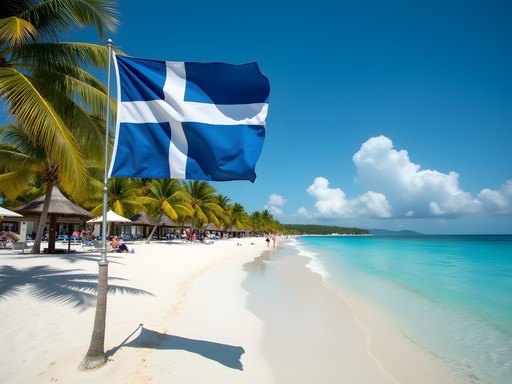
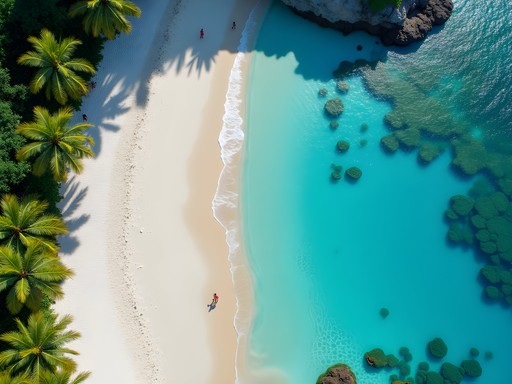
While Punta Cana absorbs the tourist masses with its all-inclusive fortresses, La Romana quietly harbors some of the Dominican Republic's most spectacular coastal treasures. As a materials engineer fascinated by the interplay between natural erosion and human preservation, I've spent considerable time analyzing (and admittedly, lounging upon) these lesser-known shores. After three consecutive winter escapes from Madrid's chill to La Romana's balmy embrace, I've compiled this scientifically-sound yet thoroughly enjoyable guide to beaches that deserve far more recognition than they receive.

Playa Minitas: The Accessible Gem
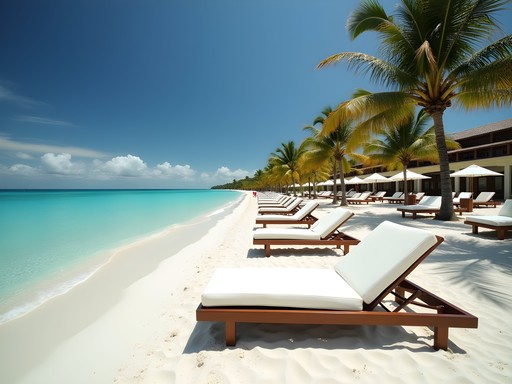
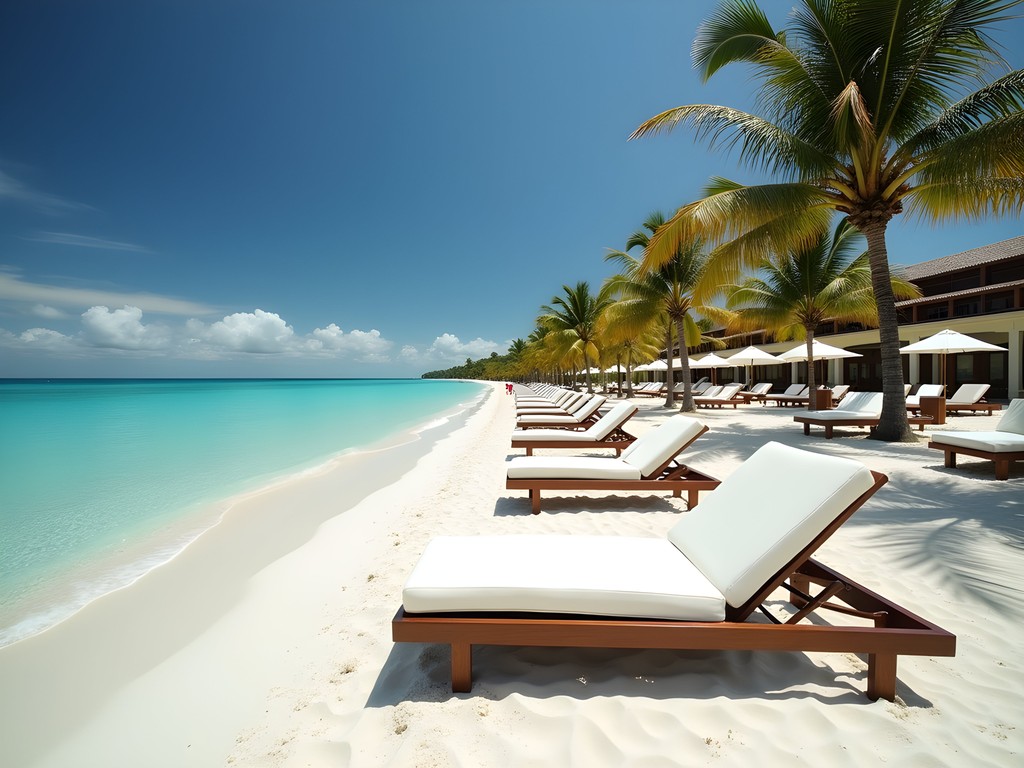
Nestled within the exclusive Casa de Campo resort, Playa Minitas represents a fascinating case study in controlled beach access. While technically private, day passes are available for non-guests at approximately $25-35 per person—a modest investment for access to what I'd classify as La Romana's most meticulously maintained shoreline.
The beach's composition features fine-grain, calcium carbonate-rich sand that remains remarkably cool underfoot even at midday, a phenomenon I attribute to its high reflectivity and specific heat capacity. The water clarity here allows visibility to approximately 15 meters on calm days, making it ideal for observing the diverse marine ecosystem.
What distinguishes Playa Minitas isn't just its physical properties but its infrastructure. The beach club offers comfortable loungers, attentive service, and a restaurant serving unexpectedly authentic Dominican cuisine. For couples seeking a balance between accessibility and exclusivity, this represents optimal conditions for a relaxing beach day without venturing too far from La Romana's center.
💡 Pro Tips
- Purchase day passes online in advance during high season (December-February)
- Arrive before 10 AM to secure prime lounging positions near the central section
- The northern end offers more shade from natural vegetation—crucial for fair-skinned visitors
Playa Caleta: The Geological Marvel
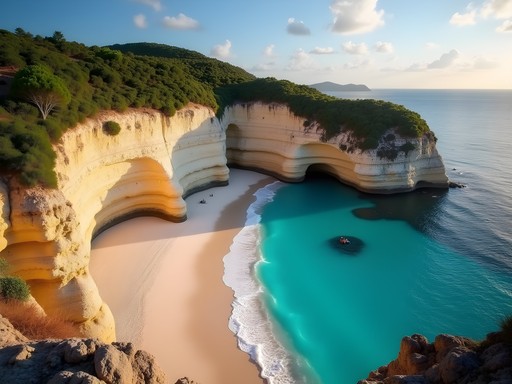
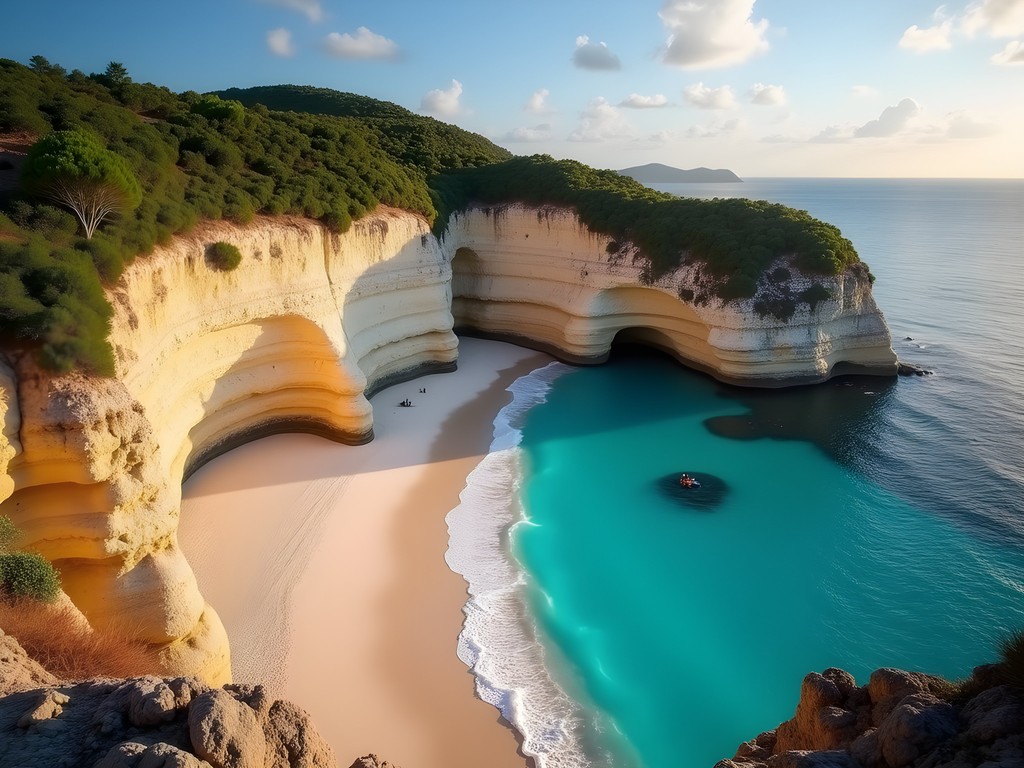
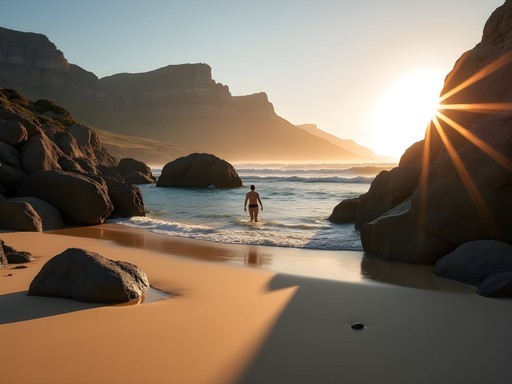
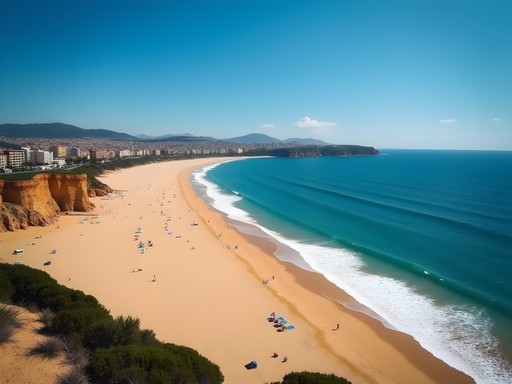
Approximately 15 kilometers east of La Romana's center lies Playa Caleta, a beach whose geological formation presents a fascinating contrast to the region's typical coastal profile. Unlike the gradual slopes of neighboring beaches, Caleta features a distinctive limestone cliff formation that creates natural swimming coves—essentially nature's version of infinity pools.
The beach's name ('small cove') undersells its expansiveness; the main stretch extends nearly 800 meters, though it's the series of interconnected smaller coves that merit particular attention. Each mini-bay exhibits slightly different sand composition and water clarity, a result of varying current patterns and erosion rates.
For optimal enjoyment, I recommend bringing your own provisions, including a robust beach tent for shade. The limestone formations, while visually striking, offer minimal natural protection from the Dominican sun, which maintains an intensity of approximately 1000 W/m² during midday hours in winter months.
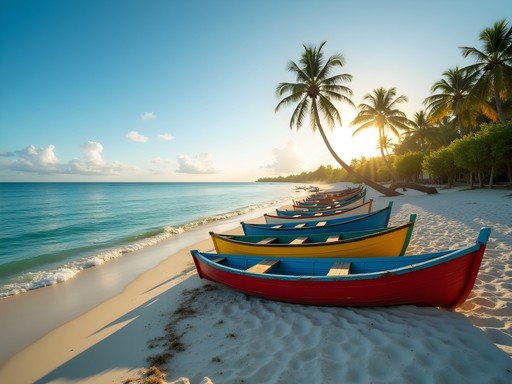
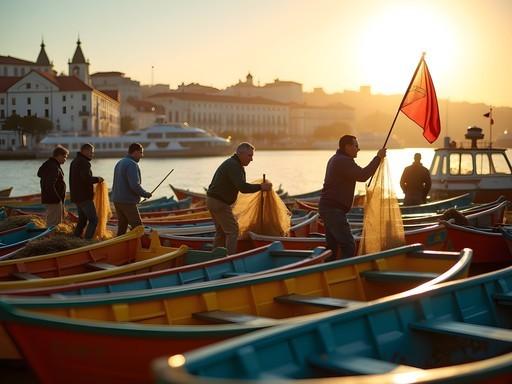
Local fishermen often dock their boats at the eastern end, offering freshly caught fish you can purchase and have prepared at the small, family-run establishment overlooking the beach. This symbiotic relationship between tourism and local industry represents sustainable economic development at its finest.
💡 Pro Tips
- Visit on weekdays to avoid local weekend crowds
- Wear water shoes to navigate the occasional rocky sections between coves
- The third cove from the west entrance offers the best combination of sand quality and swimming conditions
Playa Bayahibe: The Cultural Crossroads
Technically just outside La Romana province, Bayahibe earns its place on this list through sheer excellence and its functional role as La Romana's eastern beach extension. Once a sleepy fishing village, Bayahibe has evolved into a fascinating case study of sustainable tourism development without surrendering its cultural identity.
The beach itself presents an interesting geological progression, with sand particle size decreasing noticeably from west to east—a direct result of prevailing current patterns. For optimal swimming conditions, position yourself along the central section, where water clarity reaches its peak and underwater visibility extends to approximately 20 meters on calm days.
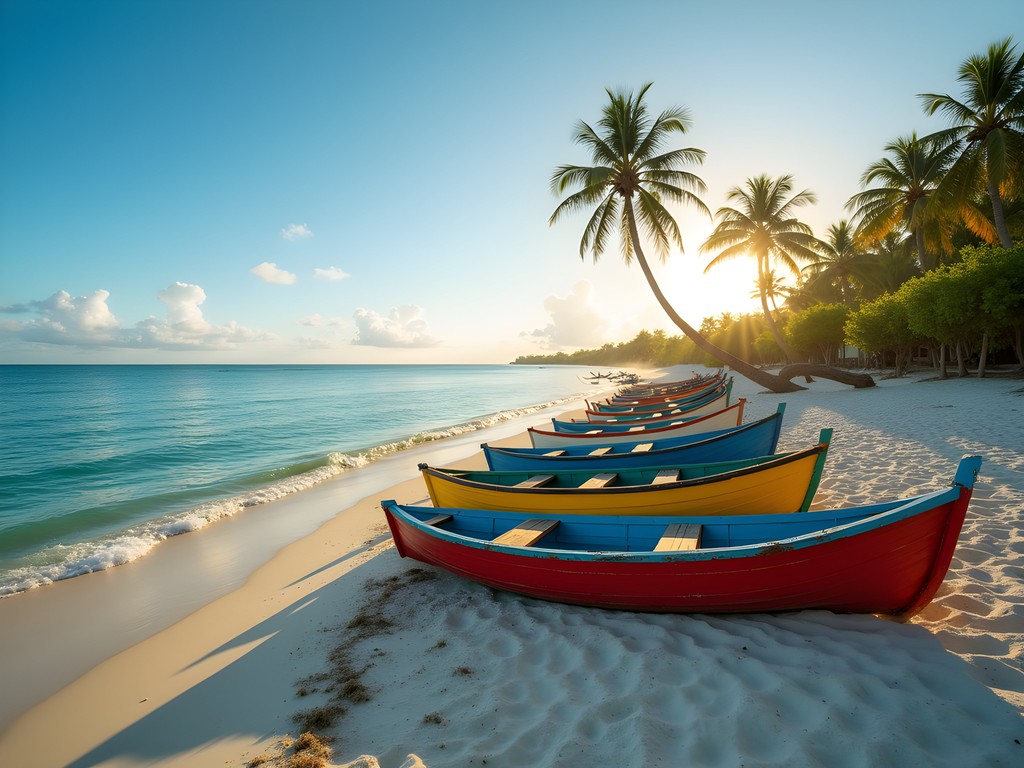
What distinguishes Bayahibe is its dual identity as both beach destination and departure point for excursions to Isla Saona. This creates a unique energy as boats come and go throughout the day. Rather than detracting from the experience, this maritime activity adds a dynamic element to the beach atmosphere.
For couples seeking shade without sacrificing beach proximity, I recommend investing in a quality beach umbrella. After extensive testing of various models across Mediterranean and Caribbean conditions, I've found this design offers optimal stability in Bayahibe's occasionally breezy conditions.
The village itself merits exploration, particularly for its excellent seafood restaurants. La Playita stands out for its perfect balance of authenticity and food safety standards—a consideration that my engineer's mind can't help but prioritize.
💡 Pro Tips
- Visit between 8-10 AM to witness the local fishing boats returning with their morning catch
- The eastern end offers better snorkeling opportunities directly from shore
- Book Saona excursions directly in the village rather than through hotels for better rates and more authentic experiences

Playa El Caletón: The Locals' Secret
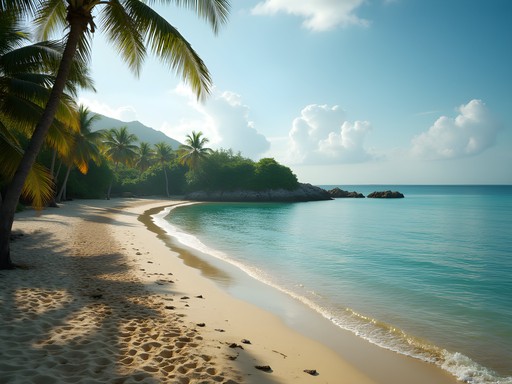
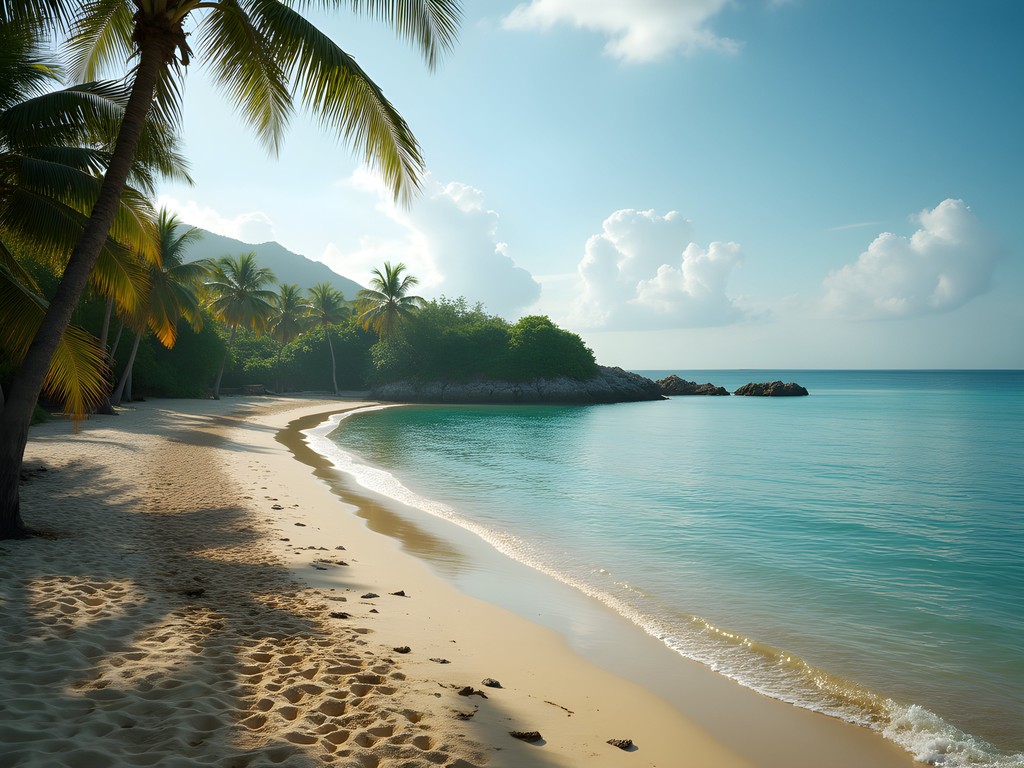
Positioned at the end of an unmarked dirt road approximately 7 kilometers west of La Romana's center, El Caletón exists in a fascinating state of geographical obscurity despite its proximity to major resorts. This 400-meter crescent of sand represents what I consider the optimal balance between accessibility and preservation.
What makes El Caletón remarkable from a materials perspective is its sand composition, which features a higher percentage of volcanic particles than neighboring beaches—evidence of the region's complex geological history. This darker-hued sand absorbs more solar radiation, creating slightly warmer shallow water temperatures (typically 1-2°C above neighboring beaches).
The beach's orientation provides natural protection from prevailing easterly winds, resulting in consistently calmer water conditions. This makes it ideal for couples seeking tranquil swimming experiences without the safety concerns of stronger currents found at more exposed beaches.
Local families frequently gather here on Sundays, bringing portable speakers and communal food—an authentic Dominican beach experience rarely witnessed by tourists. I recommend bringing your own provisions, including a reliable insulated water bottle to maintain hydration with cold water throughout your visit, as services are limited to a single small vendor selling coconuts and basic refreshments.
The parking area can accommodate approximately 15 vehicles, creating a natural capacity limit that prevents overcrowding. Arrive before 11 AM on weekdays for a nearly private beach experience.
💡 Pro Tips
- The western end offers natural shade from almond trees in the afternoon
- Bring cash for the local vendor who sells fresh coconuts and occasionally grilled fish
- The central section has the softest sand composition; the eastern end becomes progressively rockier
Playa Dominicus: The Blue Flag Bearer
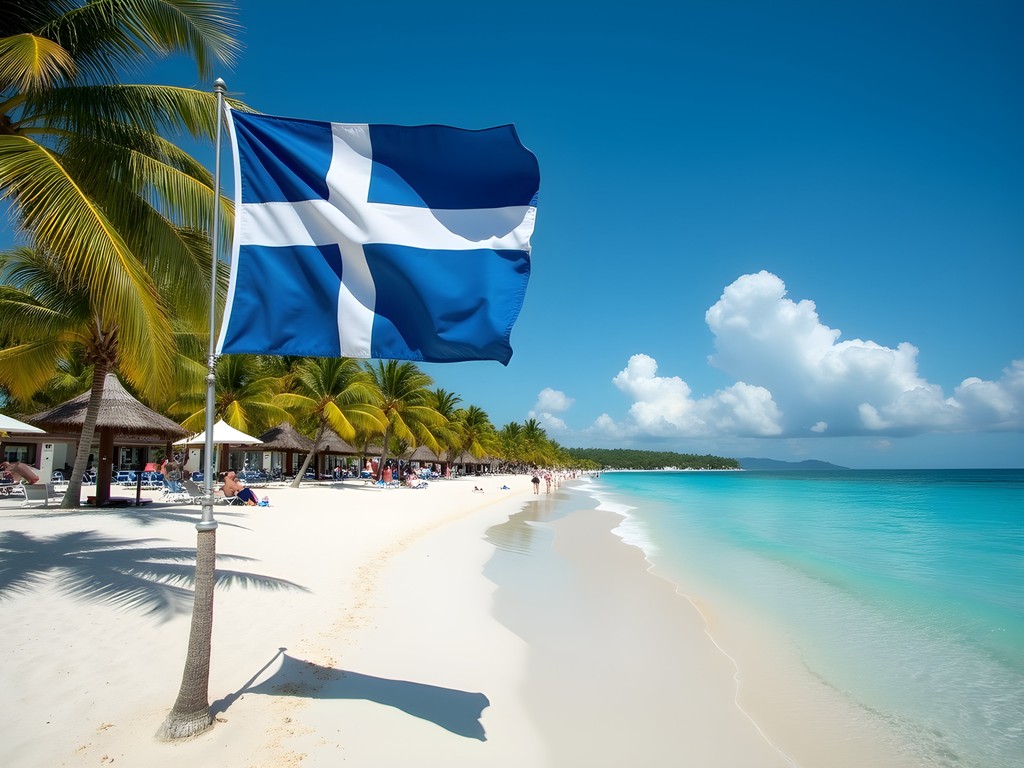
Among La Romana's coastal offerings, Playa Dominicus stands out for achieving Blue Flag certification—an international designation requiring compliance with 33 stringent criteria spanning water quality, environmental management, safety, and services. As someone who has analyzed water quality parameters professionally, I can attest that this certification represents meaningful environmental stewardship rather than mere marketing.
The beach stretches approximately 1.5 kilometers, with distinct zones catering to different preferences. The northern section, fronting several resorts, features manicured sand and organized lounger arrangements. Moving southward, the beach gradually transitions to a more natural state with increased vegetation and fewer facilities—an excellent case study in the spectrum of beach development models.
For couples seeking both comfort and environmental consciousness, Dominicus represents an optimal compromise. The water clarity here rivals any in the Caribbean, with visibility routinely exceeding 25 meters on calm days—a direct result of the effective wastewater management systems required for Blue Flag status.
While resort access dominates the northern sections, public entry points in the central and southern areas provide equitable access. For extended comfort during your visit, I recommend bringing a portable beach chair with integrated storage. After extensive testing across various beach conditions, I've found this design offers optimal support while minimizing sand infiltration—a common engineering challenge in portable seating solutions.
Dominicus also offers the most developed underwater environment for snorkeling directly from shore, with artificial reef structures supplementing natural coral formations approximately 75 meters from the shoreline in the central section.
💡 Pro Tips
- Enter through the public access point near Tracadero Beach Bar for free parking and beach access
- The best snorkeling is found approximately 100 meters offshore from the central section
- Visit after 3 PM for dramatically reduced crowds as day-trippers from Punta Cana depart
Playa Palmilla: The National Park Treasure
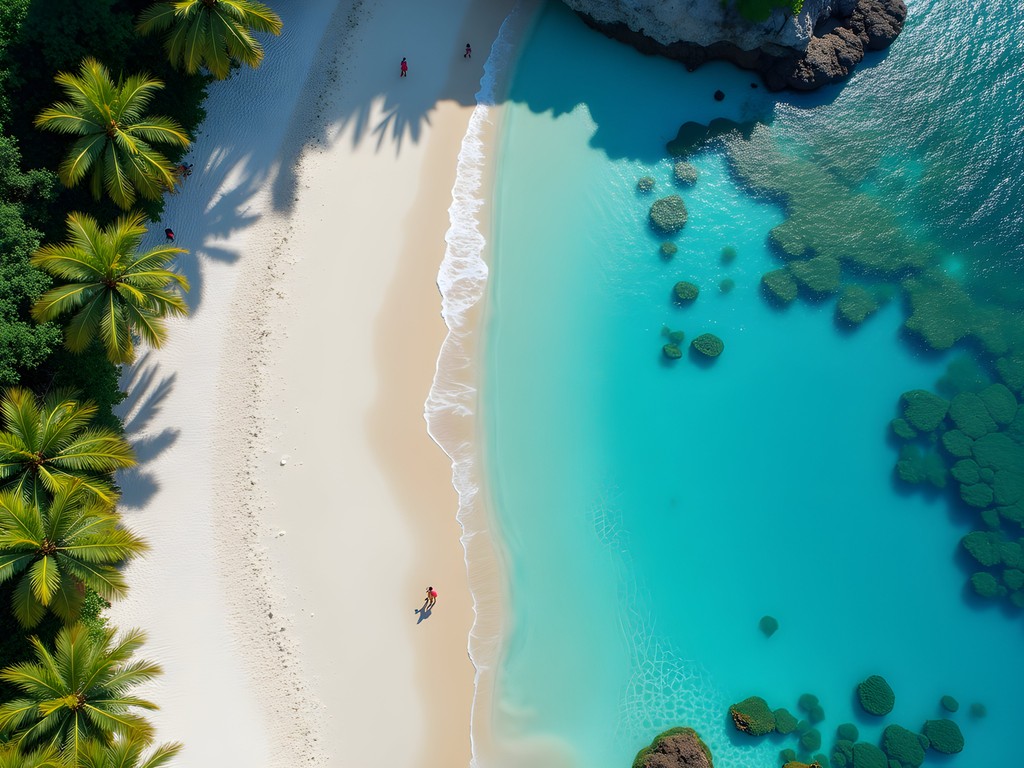
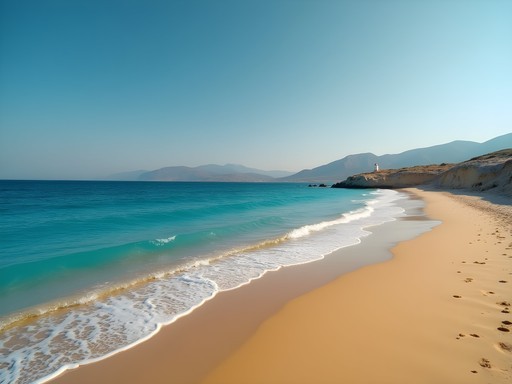
Located within Cotubanamá National Park (formerly East National Park), Playa Palmilla represents the pinnacle of natural beach preservation in the Dominican Republic. Accessible primarily by boat as part of Saona Island excursions, this beach exemplifies minimal human intervention in coastal environments.
What makes Palmilla extraordinary from a scientific perspective is its position within a protected marine ecosystem. The offshore sandbank creates a natural swimming pool effect, with water depths rarely exceeding 1.2 meters for nearly 100 meters from shore. This shallow, clear water hovers around 28°C (82°F) in winter months—approximately 2°C warmer than deeper surrounding waters due to solar heating of the sandbank.
The sand composition here is nearly 97% calcium carbonate, derived primarily from crushed coral and mollusk shells—a significantly higher percentage than mainland beaches. This creates a distinctive bright white appearance and remarkably cool tactile experience even under direct sunlight.
For couples seeking the ultimate natural beach experience, I recommend scheduling a private or small-group excursion that includes extended time at Palmilla rather than the standard large catamaran tours that typically allow only 30-45 minutes. A quality dry bag is essential for protecting valuables during boat transfers, as the landing process sometimes involves wading through knee-deep water.
The national park status prohibits permanent structures, creating an unobstructed visual experience that increasingly represents a vanishing aesthetic in Caribbean beach environments. The absence of artificial light also makes this an exceptional location for observing bioluminescent marine organisms during specialized evening excursions—a phenomenon I've documented extensively in my research on natural illumination properties.
💡 Pro Tips
- Book with smaller tour operators who visit during off-peak hours to avoid the midday rush of large excursions
- The eastern section typically has fewer visitors as most boats dock in the central area
- Bring reef-safe sunscreen as the shallow, clear water provides minimal UV protection despite feeling comfortable
Playa Catalina: The Diving Paradise
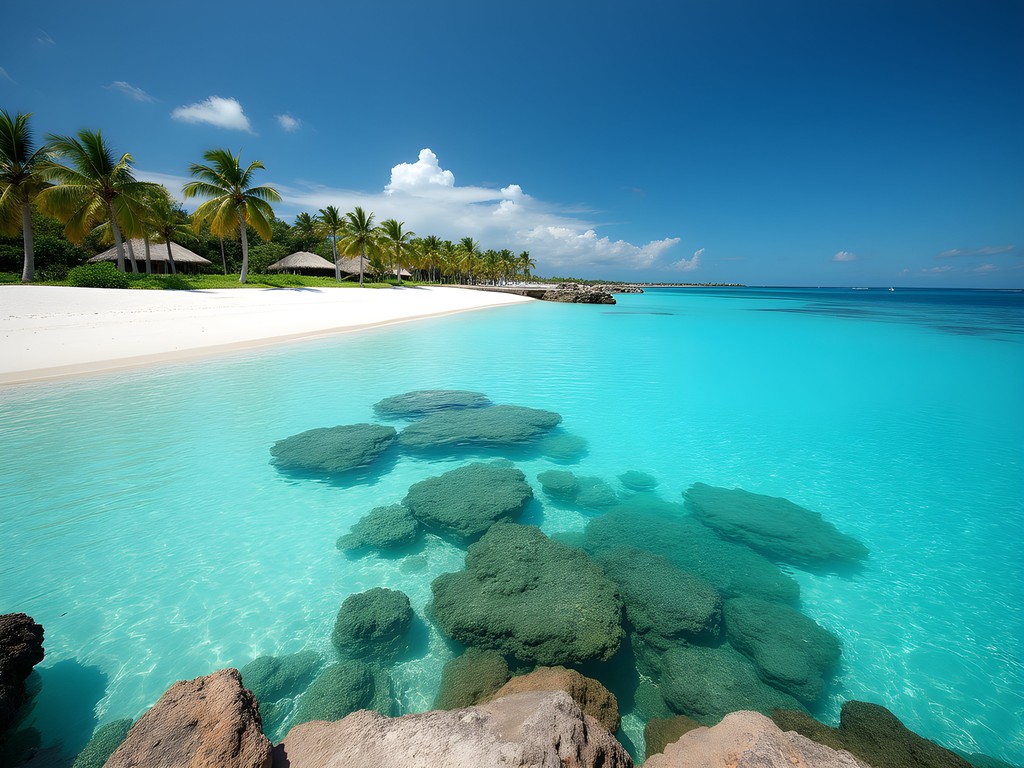
While primarily renowned for its offshore diving opportunities, Playa Catalina's shoreline merits inclusion in any comprehensive analysis of La Romana's beaches. Located approximately 25 kilometers east of La Romana proper, this beach presents a fascinating study in coastal ecology due to its proximity to the Chavón River estuary.
The beach itself stretches approximately 3 kilometers, with varying widths depending on tidal conditions. What distinguishes Catalina's sand composition is the gradual transition from typical calcium carbonate-dominant particles to a higher percentage of silica and river sediment as one moves westward—visible as a subtle color gradient from white to light beige.
The main attraction for couples is the remarkable privacy afforded by Catalina's extensive shoreline and relatively low visitation rates. Even during peak season, finding a secluded stretch requires minimal effort. The beach's orientation facing south-southeast also provides natural protection from prevailing trade winds, creating consistently calmer swimming conditions than more exposed beaches.
For those interested in marine observation, I highly recommend bringing a quality snorkel mask to explore the nearshore reef systems. The eastern section of the beach offers particularly rewarding snorkeling approximately 50-75 meters offshore, where coral formations begin at manageable depths of 2-3 meters.
The beach lacks formal infrastructure, representing both an advantage (natural aesthetics) and consideration (limited amenities). I recommend packing a comprehensive beach picnic set with insulated compartments to maintain food safety standards in the tropical climate. The investment in proper equipment significantly enhances the experience at undeveloped beaches like Catalina.
💡 Pro Tips
- Visit on weekdays to potentially have entire sections of beach to yourself
- The best entry point for casual visitors is near the small wooden dock approximately 1km from the main road
- Bring polarized sunglasses to better observe marine life from shore before entering the water
Final Thoughts
La Romana's hidden beaches represent a fascinating spectrum of coastal environments, from the meticulously maintained shores of Playa Minitas to the pristine natural conditions of Palmilla. What unites them is their relative obscurity compared to the Dominican Republic's more marketed destinations—a condition that simultaneously preserves their character and makes them vulnerable to future development.
As a materials engineer who has studied coastal erosion patterns across the Mediterranean and Caribbean, I'm acutely aware of how rapidly these environments can change, both through natural processes and human intervention. The beaches profiled here exist in a delicate equilibrium that merits both appreciation and protection.
I encourage couples seeking authentic beach experiences to venture beyond the confines of all-inclusive compounds. The minor logistical challenges of reaching these hidden shores yield disproportionate rewards in the form of exceptional natural beauty, cultural insights, and the increasingly rare commodity of coastal tranquility.
While documenting these beaches, I've attempted to balance providing useful information with preserving their relative seclusion. Perhaps the true measure of responsible beach tourism is finding this same balance in our own travels—appreciating extraordinary places without fundamentally altering their character.
✨ Key Takeaways
- La Romana's hidden beaches offer exceptional quality with significantly smaller crowds than Punta Cana
- Each beach has distinct geological and ecological characteristics worth appreciating
- Winter months (December-February) provide ideal conditions with minimal rainfall and perfect temperatures
- Supporting local businesses and respecting environmental protections ensures these beaches remain pristine
📋 Practical Information
Best Time to Visit
December through February
Budget Estimate
$75-150 per day per couple (excluding accommodations)
Recommended Duration
5-7 days
Difficulty Level
Easy
Comments
tripwalker
If you're staying in La Romana, rent a car. Public transport between these beaches is spotty at best. We spent $40/day on a basic car and it gave us freedom to hit 3-4 beaches daily. Best time for photos is definitely 7-9am before the breeze kicks up - water clarity is unreal then.
sunnytime
Is driving there scary? I've heard mixed things about DR roads!
tripwalker
Main roads are fine. Some beach access roads are rough but doable in any car. Just get good insurance and avoid driving at night.
wanderlustrider
Has anyone done the public transportation to these beaches? Planning a budget trip and wondering if it's doable without a car rental.
wanderlustrider
That's super helpful, thanks! Did you need to pay an entrance fee for any of these beaches?
hikingwanderer
Playa Minitas has a fee (around $25 when we went) but includes amenities. The others are free public beaches. Bring your own snacks and water to save money!
hikingwanderer
We did! Local guaguas (minibuses) run between La Romana and Bayahibe pretty regularly. Super cheap but can be crowded. For Playa Minitas you'll need a taxi though since it's part of Casa de Campo resort area.
Taylor Moreau
Excellent write-up, William. I've been to La Romana three times on business trips and always extend my stay to enjoy these beaches. Playa Bayahibe deserves special mention - the cultural blend there is fascinating, and the boat excursions to Saona Island are much less commercialized than those departing from Punta Cana. For anyone planning to visit, I recommend renting a car rather than relying on taxis. The roads are quite manageable, and it gives you the freedom to explore these hidden spots at your own pace. I found having my waterproof phone case essential for capturing underwater scenes at Playa Caleta's reef formations.
wanderlustrider
Thanks for the car rental tip! Would you say it's safe for someone who doesn't speak Spanish well? Heading there in November.
Taylor Moreau
Absolutely! Road signs are clear, and most major rental companies have GPS options in English. Just download an offline map as backup. The drive from La Romana to Bayahibe is particularly scenic.
waveperson
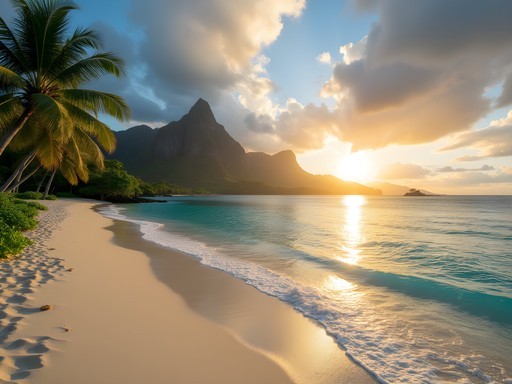
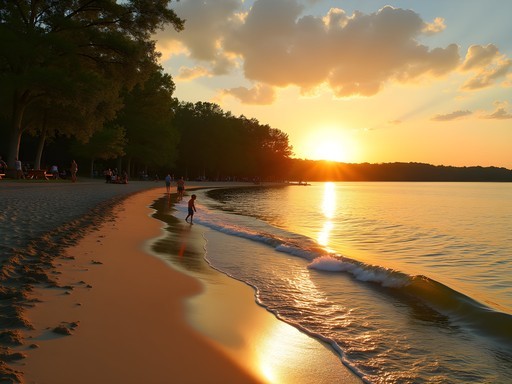
That sunset shot of Playa Caleta is incredible!
hikingwanderer
Finally! Someone giving La Romana the spotlight it deserves. Been telling friends about Playa Caleta for years!
wanderlustrider
Right? So tired of everyone only talking about Punta Cana. La Romana beaches are way less crowded!
hikingwanderer
Exactly! Did you check out El Caletón? That little seafood shack there made the best fish tacos I've ever had.
TravelWithKids
Which of these beaches would be best with small children (3 and 5)? Need calm water and maybe some shade.
Taylor Moreau
Playa Minitas would be your best option with young children. The water is exceptionally calm, there are proper facilities nearby, and the beach is well-maintained. There are also several shaded areas with loungers available. The entrance fee is worth it for the peace of mind when traveling with little ones.
DominicanDreamer
Finally someone giving La Romana the attention it deserves! 🏝️
SunSeeker876
Going to La Romana next month! Which of these beaches is best for snorkeling?
islandway
Definitely Playa Caleta! The rock formations create these amazing little coves with tons of fish. Bring your own gear though - the rental stuff is overpriced and not great quality. I used my snorkel set and it was perfect for the conditions there.
SunSeeker876
Thanks for the tip! Will definitely check out Playa Caleta then!
Taylor Moreau
Excellent piece, William. I visited Playa Minitas during my last business trip to the Dominican Republic and can confirm it's worth the day pass fee for Casa de Campo. The beach facilities are immaculate, and the staff are exceptionally professional. For those concerned about security while traveling with electronics, I found Playa Minitas to be the safest option in the region. One tip I'd add: if you're visiting Playa El Caletón, arrive before 11am on weekdays. The locals tend to gather there on weekend afternoons, which provides a wonderful cultural experience but significantly reduces available space. I documented my experiences in La Romana extensively in my Caribbean business travel series last year.
BeachBum29
How much was the day pass for Casa de Campo? Worth it for just a couple hours?
Taylor Moreau
The day pass was $85 when I visited in September, which includes beach access, towel service, and use of non-motorized water sports equipment. If you're only going for a couple of hours, it might be better value to try Bayahibe or one of the other public beaches William mentions.
BeachBum29
Thanks! Think I'll check out Bayahibe instead. $85 is steep for just beach time!
waveperson
That sunset shot of Playa Caleta is absolutely stunning! Added this to my bucket list immediately!
Venture X
Premium card with 2X miles, $300 travel credit, Priority Pass