
Disclosure: This article contains affiliate links. We may earn a commission from purchases at no extra cost to you, which helps our travel content.
The sound of waves crashing against pristine shores with not a tourist in sight. That's the promise of Piura, Peru's best-kept coastal secret that I discovered last summer. While travelers flock to Lima's beaches or Máncora's party scene, I found myself drawn to the untouched stretches of sand that line Piura's northern coast. Here, where the desert meets the sea in a dramatic display of nature's contrasts, I spent two unforgettable weeks living on local time, collecting stories as vibrant as the region's famous ceramics.

Finding Paradise in Piura's Coastal Corridor
After a bumpy six-hour bus ride from Tumbes, I arrived in Piura city with sand already in my shoes and salt in my hair. This region isn't on most travelers' radars, which makes it the perfect canvas for adventure seekers like me. From Piura city, I used local colectivos (shared taxis) to reach the coastal gems that dot the shoreline.
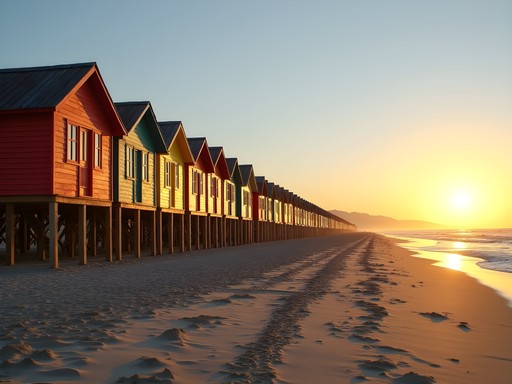
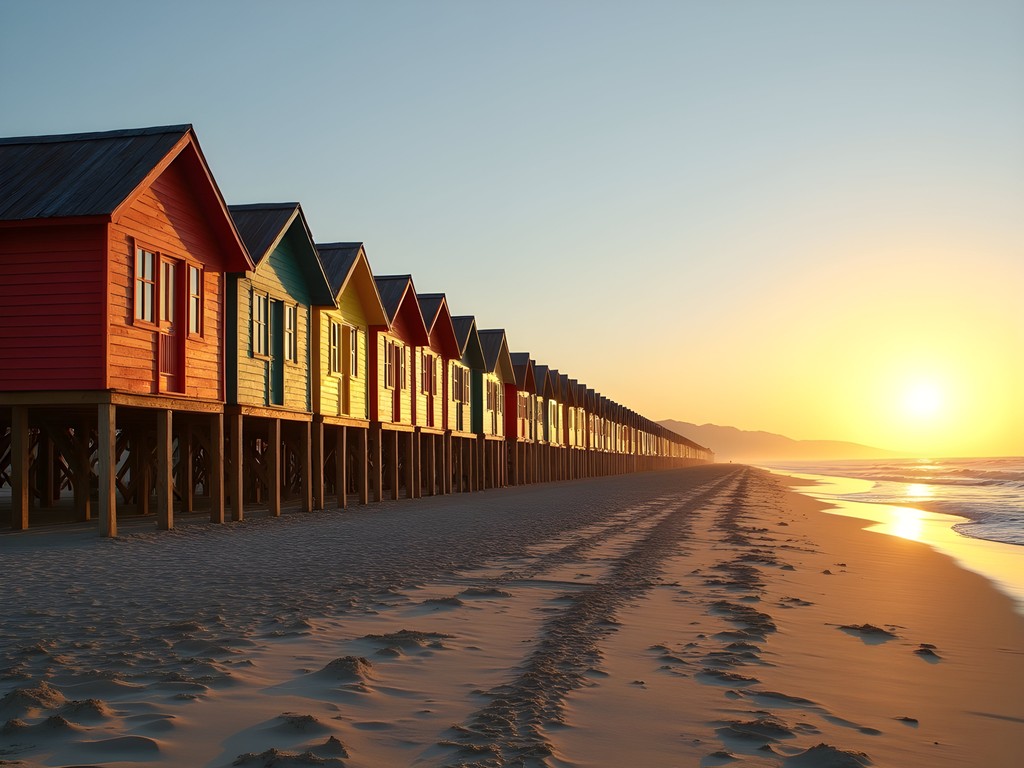
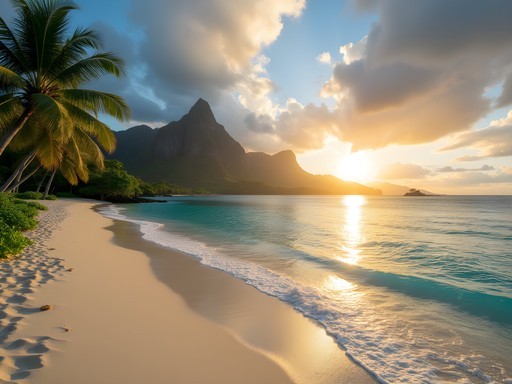
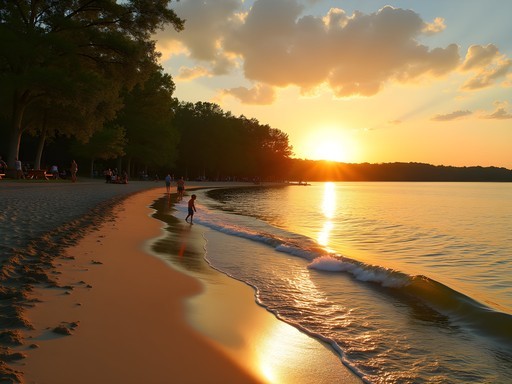
My first stop was Colán, where colorful stilted houses perch directly over the beach, their wooden balconies framing the Pacific horizon. The 14km stretch of golden sand feels endless and eerily empty even during peak season. I spent mornings walking barefoot along shores where fishermen pulled in their morning catch, offering me fresh ceviche for breakfast.
Further north lies Los Órganos, where I swam alongside massive sea turtles who seemed as curious about me as I was about them. My underwater camera became my most treasured possession here, capturing moments beneath the waves that words simply can't describe. The water visibility was so exceptional that I could spot rays gliding along the sandy bottom even without diving equipment.
💡 Pro Tips
- Bring sufficient cash as ATMs are scarce along Piura's coast
- Learn basic Spanish phrases – English is rarely spoken outside tourist areas
- Pack reef-safe sunscreen as the sun is incredibly intense near the equator
The Rhythms of Local Life in Fishing Villages
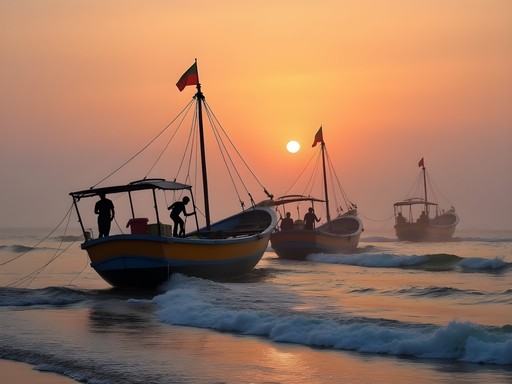
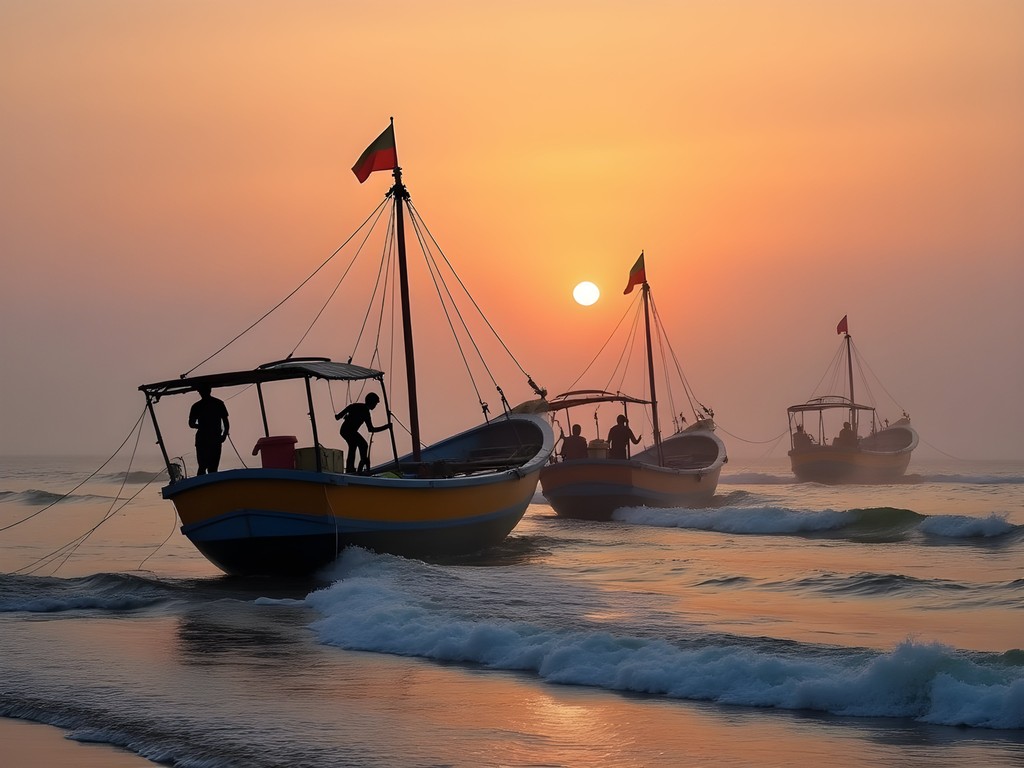
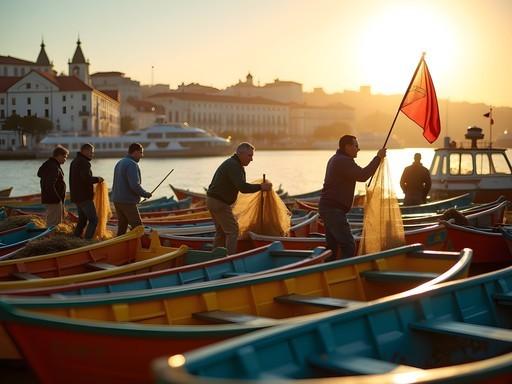
My abuela always told me that to truly know a place, you must eat where the locals eat and rise when they rise. In Piura's fishing villages, this meant 5 AM wake-up calls to watch the wooden boats launch into the dawn-lit Pacific. In Cabo Blanco, once Ernest Hemingway's favorite fishing spot, I befriended Martín, a third-generation fisherman who invited me to join his family for dinner.
Their home, a simple structure with walls adorned by hand-painted ceramic plates, became my classroom for learning the region's culinary secrets. Martín's wife, Elena, showed me how to prepare the perfect sudado de pescado (fish stew), insisting that the ceramic cookware makes all the difference in developing flavors. I've since invested in similar pieces for my Cincinnati kitchen, and she wasn't wrong—the taste transport me back to Peru with every use.
In these villages, afternoons move to the rhythm of hammocks swaying in ocean breezes. Children play impromptu soccer matches on packed sand while elders mend nets in the shade. One afternoon, I joined a group of local women weaving traditional straw hats, my clumsy fingers struggling to mimic their practiced movements as they laughed good-naturedly at my attempts.
💡 Pro Tips
- Accept invitations to local homes – Piurans are genuinely hospitable
- Bring small gifts from your home country to share with families who welcome you
- Try chicha de jora (traditional corn beer) but pace yourself – it's stronger than it tastes
Desert Meets Ocean: Piura's Unique Ecosystem
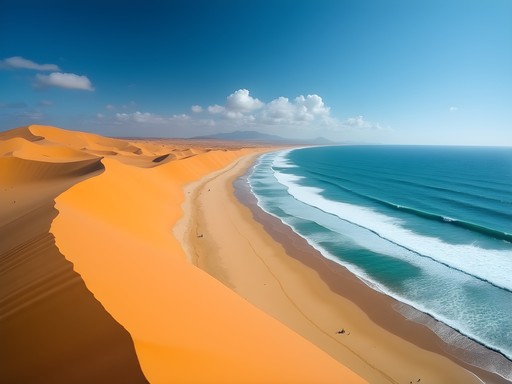
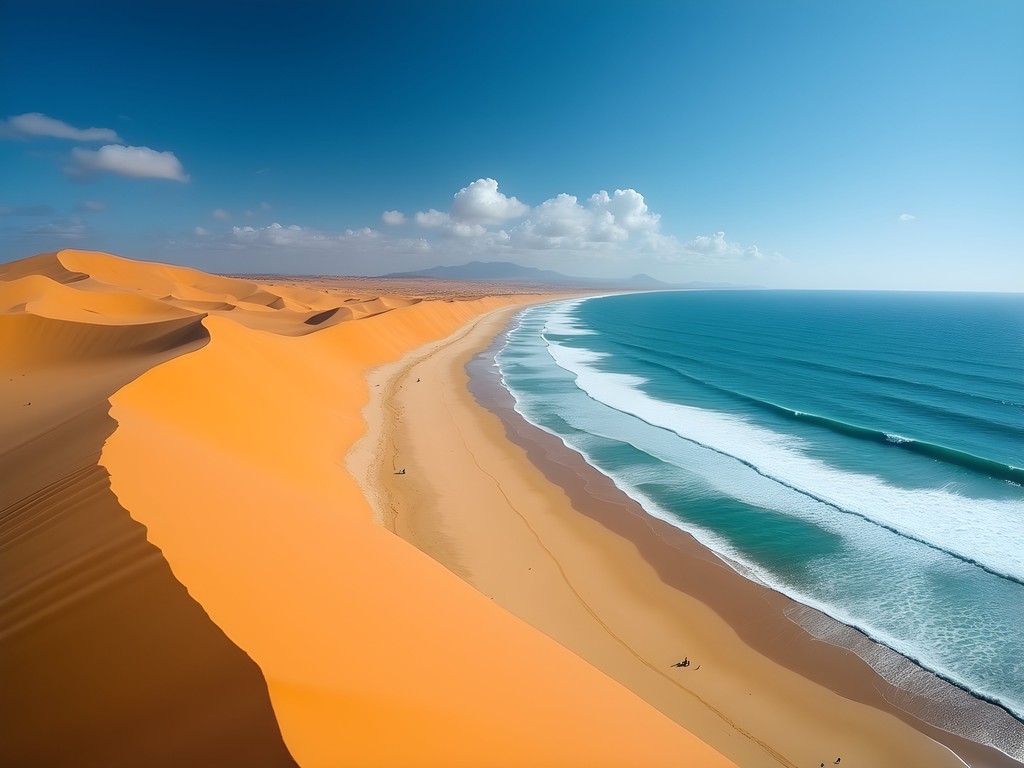
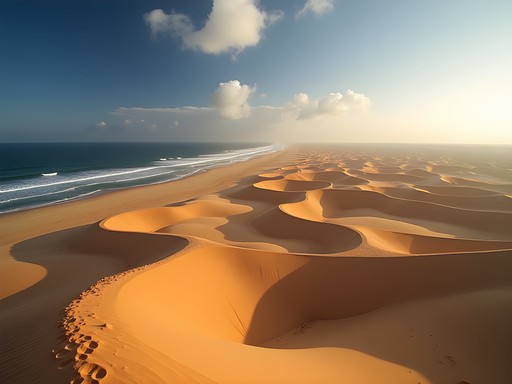
What makes Piura truly special is its position where the Sechura Desert collides with the Pacific Ocean. This creates one of the most unique ecosystems I've ever encountered in my travels. Just inland from the beaches, the landscape transforms dramatically into rolling dunes and sparse, hardy vegetation.
I spent one unforgettable day exploring the desert-beach transition zones with a local guide named Carlos. We hiked through areas where cactus plants somehow thrive mere meters from saltwater, their resilience a testament to nature's adaptability. My hiking sandals proved invaluable as we traversed both sand dunes and rocky tide pools in a single afternoon.
The Illescas Reserved Zone, a protected area south of Piura city, offers the most dramatic examples of this desert-meets-ocean phenomenon. Here, I spotted sea lions lounging on beaches backed by towering sand dunes—a surreal sight that looks like someone photoshopped two entirely different ecosystems together. Bring a dry bag if you visit; the unpredictable combination of desert dust and sea spray can wreak havoc on electronics.
The most magical moment came at sunset in the Ñapique Lagoon, an oasis surrounded by desert, where thousands of flamingos gathered to feed in waters turned golden by the setting sun. The contrast between the harsh desert landscape and these delicate pink birds felt like witnessing a natural miracle.
💡 Pro Tips
- Hire a local guide for desert explorations – the terrain can be disorienting
- Bring twice as much water as you think you'll need
- Wear layers – temperature swings between day and night can exceed 20°C

Surfing Peru's Secret Breaks
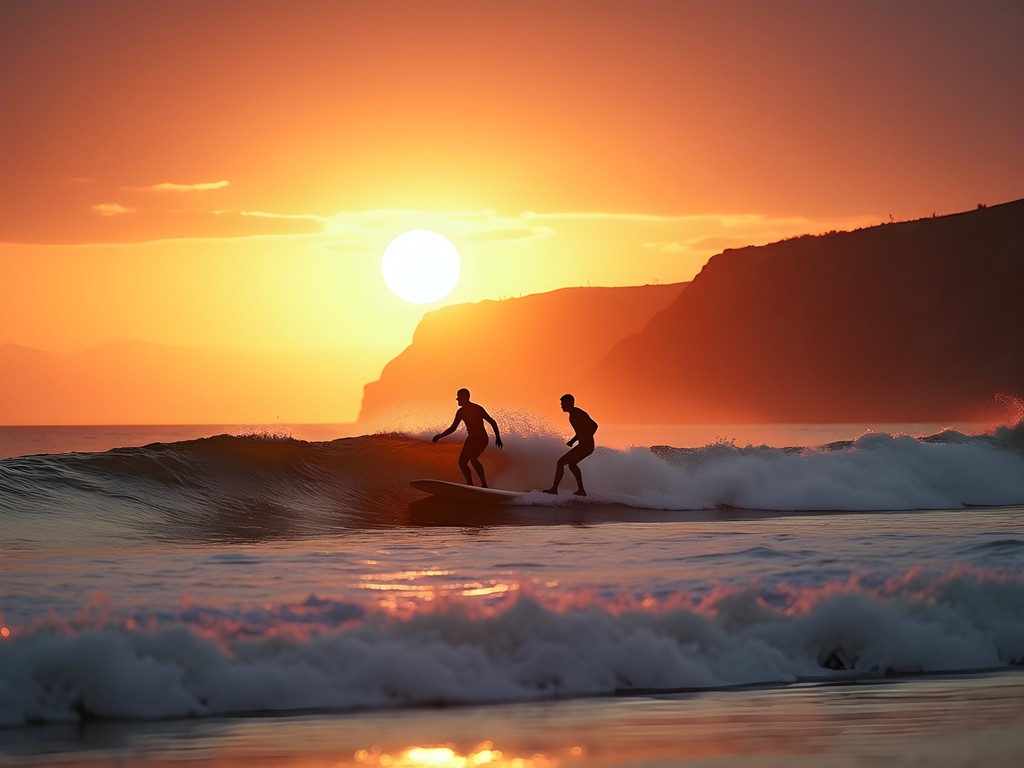
My college tennis background has given me a deep appreciation for all kinds of sports, and in Piura, surfing quickly became my new athletic obsession. While Máncora gets all the surf hype, Lobitos—a former oil town turned surf haven—offers world-class waves without the crowds.
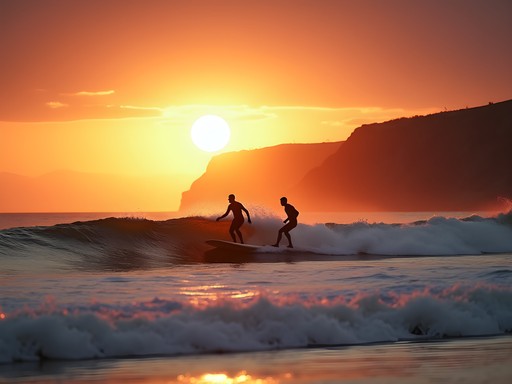
I spent five days learning to surf with Lucía, a local instructor whose patience rivaled that of my strictest tennis coaches. The left-hand point break at Lobitos became my training ground, where I progressed from embarrassing wipeouts to actually riding waves by my final session. My rash guard was essential protection against both the sun and the occasional reef scrape.
What makes Piura's surf scene special isn't just the quality of the waves but the community that surrounds it. Unlike the competitive lineups I've witnessed in more famous surf destinations, here locals welcomed me into the water with genuine smiles and helpful tips. One evening, I joined a beach bonfire where Peruvian and international surfers shared stories over bottles of Cusqueña beer and freshly grilled fish.
For those seeking an even more remote surf experience, Nonura Beach offers pristine waves that sometimes go unridden for days. The journey there involves a dusty drive down unmarked roads, but the reward is having perfect peeling waves virtually to yourself. I recommend bringing a solar charger since electricity is unreliable in these remote coastal areas.
💡 Pro Tips
- Rent boards locally rather than bringing your own – supports the community and saves on baggage fees
- Get a local SIM card with data for navigation – cell coverage is surprisingly good along the coast
- Book surf lessons in advance during peak season (December-March)
Preserving Traditions: Piura's Cultural Heritage
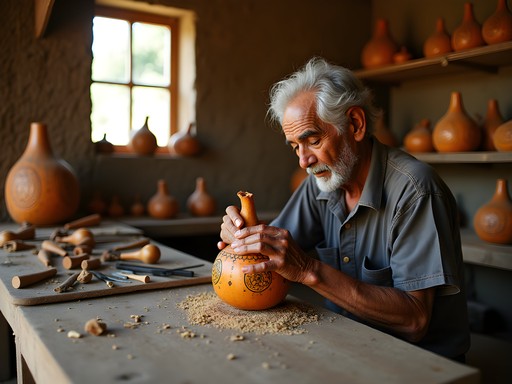
Beyond its natural wonders, Piura captivated me with its rich cultural tapestry that remains largely untouched by tourism's homogenizing influence. In the small town of Catacaos, I wandered through narrow streets where artisans continue centuries-old traditions of silver filigree work and gourd carving.
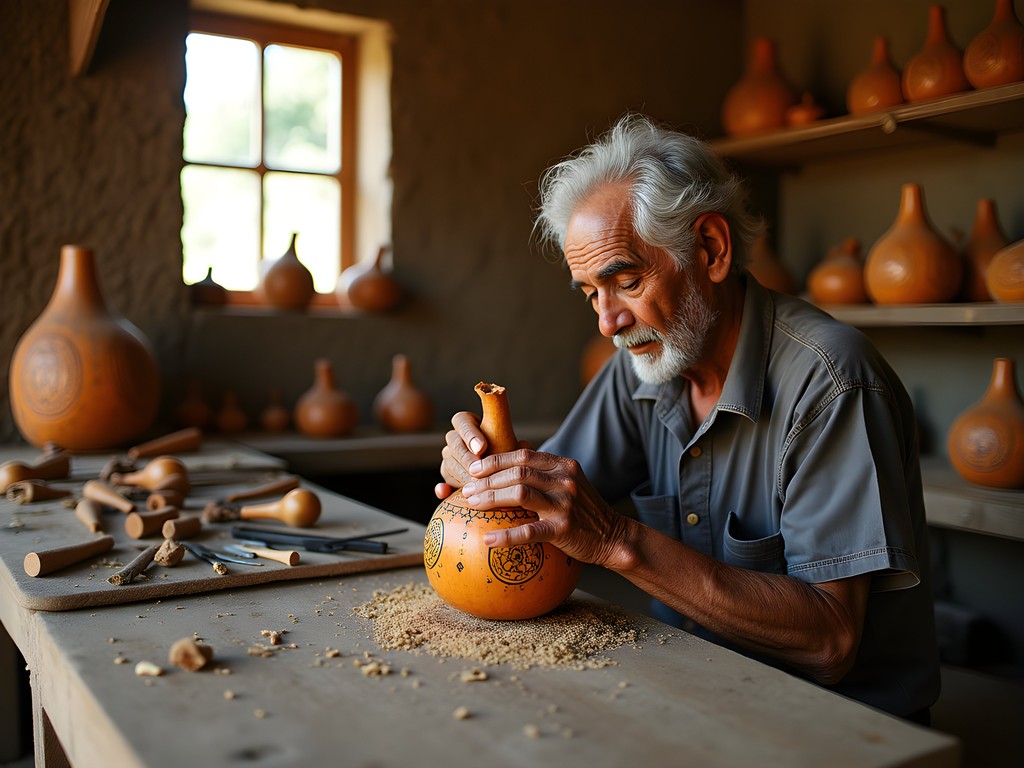
My anthropology background drew me to the workshops where master craftsmen create mate burilado—intricately carved gourds depicting scenes of daily life and ancient mythology. I spent hours watching Don Francisco, whose weathered hands transformed simple dried gourds into storytelling masterpieces. I couldn't resist purchasing a travel journal with a gourd-carved cover that now holds my Piura memories.
The region's textile traditions also caught my attention, particularly the weaving of cotton blankets in Chulucanas. Using techniques passed down through generations, women create vibrant patterns that tell stories of their Tallán ancestors. I participated in a natural dyeing workshop where we used local plants, minerals, and even insects to create the rich colors that characterize Piuran textiles.
The most moving cultural experience came during a local festival in Sechura, where I witnessed the Danza de los Diablicos—a dance representing the clash between indigenous beliefs and Spanish Catholicism. Performers in elaborate devil masks moved through the streets to hypnotic drum rhythms, creating a sensory experience that felt both ancient and vibrantly alive.
💡 Pro Tips
- Ask permission before photographing artisans or their work
- Budget extra for handicrafts – the quality is exceptional and supports traditional livelihoods
- Learn about the symbolism in local art – each pattern and motif tells a specific story
Final Thoughts
As my colectivo pulled away from Piura's coast on my final morning, I watched the landscape transform from azure coastline back to desert expanse, feeling that rare traveler's contentment that comes from discovering a place that hasn't yet been written into every guidebook. Piura offers something increasingly precious in our over-explored world: authenticity without pretense and beauty without barriers.
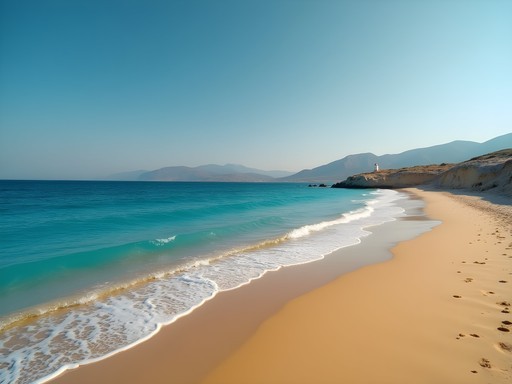
For the solo traveler willing to venture beyond the established Peruvian tourist circuit, these northern shores provide not just stunning beaches but a window into coastal life unchanged by mass tourism. The rewards come in small moments—a perfect wave caught at sunrise, a home-cooked meal shared with newfound friends, or the simple pleasure of being the only footprints on miles of golden sand.
I came seeking untouched beaches but found something more valuable: a reminder that the world still holds secrets for those willing to listen to local stories rather than TripAdvisor reviews. When you go—and I hope you will—tread lightly on these pristine shores. Their magic lies precisely in remaining undiscovered.
✨ Key Takeaways
- Piura offers authentic beach experiences without the crowds found in more famous Peruvian coastal destinations
- Local connections provide the most meaningful experiences—accept invitations and practice your Spanish
- The contrast between desert and ocean creates unique ecosystems worth exploring beyond the beaches
- Supporting local artisans helps preserve cultural traditions that date back centuries
- Travel slowly—the region's charm reveals itself to those who take time to appreciate its subtle rhythms
📋 Practical Information
Best Time to Visit
December to March for warmest waters; April to November for fewer crowds
Budget Estimate
$30-50/day for accommodations, food and local transport
Recommended Duration
Minimum 10 days, ideally 2 weeks
Difficulty Level
Challenging
Comments
Claire Hawkins
Ingrid, this post is making me seriously rethink our Peru itinerary! We were planning the typical Cusco-Lima route with the kids next year, but these empty beaches sound like absolute heaven. I'm curious about the fishing villages you mentioned - are they welcoming to families with young children? My two are 5 and 7, and I'd love for them to experience that authentic coastal life rather than just another resort. Also, how's the food situation? My youngest is a bit picky but we're trying to get him to be more adventurous. The ceviche must be incredible there!
greenninja
ooh good question about the food! I'm wondering about that too
greenninja
Wow this looks amazing!! Never even heard of Piura before 😍
Claire Hawkins
Right?? It's so under the radar! I've been planning Peru trips for years and somehow Piura never came up until recently.
greenninja
Do you think it's good for beginners? I've never surfed but really want to try!
Claire Hawkins
From what I've read, the breaks around Máncora (which is nearby) have some mellow spots perfect for learning. The fishing villages Ingrid mentioned probably have locals who give lessons too - usually way cheaper and more authentic than the touristy surf schools!
travelqueen
Beautiful photos! Is Spanish absolutely necessary or can you get by with English?
happypro8665
Not the author but I've traveled around Peru before. In these small coastal towns, knowing basic Spanish is pretty essential. Very few locals speak English, especially in the fishing villages.
Ingrid Rivera
Happypro8665 is right! Even basic Spanish goes a long way. I'd recommend downloading a translation app that works offline since cell service can be spotty. The locals really appreciate any effort to speak their language!
summerblogger
Those beaches look incredible! Love discovering places that aren't overrun with tourists.
Kimberly Murphy
Just got back from Piura last month and this post captures it perfectly! I'd add that January was an ideal time to visit - warm weather but not too crowded. The surfing at Lobitos was incredible for more experienced surfers. If you're a beginner, Vichayito has gentler waves and a few local instructors who charge about 60 soles (~$15) for a lesson. The seafood is ridiculously fresh - try the arroz con mariscos at any local restaurant. For accommodation, I stayed at a mix of hostels and local guesthouses. Most places aren't online, so just show up and negotiate. I paid between $15-25/night for basic but clean rooms, often with ocean views! The sunset views from the cliffs near Los Órganos are absolutely magical. Bring cash though - ATMs are scarce outside the main towns.
cooladventurer
How did you get around between the different beach towns? Is it easy without renting a car?
Ingrid Rivera
The colectivos (shared vans) are super easy and cheap! They run frequently between all the beach towns along the coast. No need for a rental car at all.
Sage Dixon
Ingrid, this post brings back memories! I stumbled upon Piura's beaches three years ago while doing a South America coastal tour. The contrast between desert and ocean is mind-blowing. For anyone planning to visit, don't miss Máncora if you want a slightly more developed beach town with great seafood. But the real magic happens in the smaller villages Ingrid mentioned. I spent two weeks just surfing and living on $25/day. The breaks near Los Órganos were perfect for intermediate surfers - not too crowded like you'd find in the more popular spots. And the ceviche from the local fishermen? Life-changing. I used my travel hammock to sleep under the stars a few nights - highly recommend for the full experience!
oceanclimber
Wow! Those beaches look amazing! I've only been to Lima and Cusco, had no idea northern Peru had such gorgeous coastline. Adding this to my bucket list!
happypro8665
This looks incredible! How safe would you say Piura is for solo travelers? I'm thinking about heading there in March but haven't seen much info on safety.
Ingrid Rivera
I felt very safe as a solo female traveler! The fishing villages are small communities where everyone knows each other. Just use standard precautions like you would anywhere - don't flash valuables and be aware of your surroundings. The locals were incredibly welcoming!
happypro8665
Thanks Ingrid! That's really reassuring. Can't wait to check it out!
LocalPeruvian
As a Peruvian, I'm happy to see Piura getting some love! If you visit, try to be there for the Festival de San Pedro y San Pablo in June when the fishing villages have amazing celebrations. Also, the seafood is cheapest and freshest very early morning when boats come in!
oceanperson
The festival sounds amazing! Is it crowded with domestic tourists or still relatively unknown?
LocalPeruvian
Mostly locals and some domestic tourists, very few international visitors. Each village has their own celebration, so it never feels too crowded!
Ingrid Rivera
Thank you for sharing that local insight! I missed the festival but would love to return for it someday.
Venture X
Premium card with 2X miles, $300 travel credit, Priority Pass