
Disclosure: This article contains affiliate links. We may earn a commission from purchases at no extra cost to you, which helps our travel content.
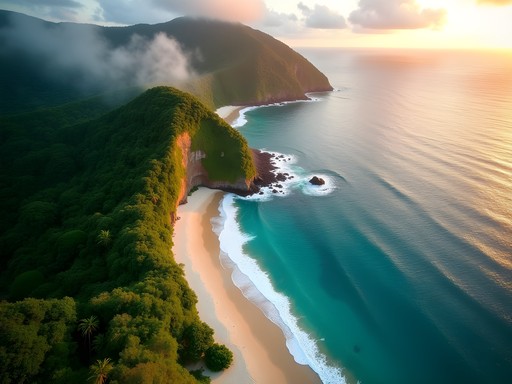
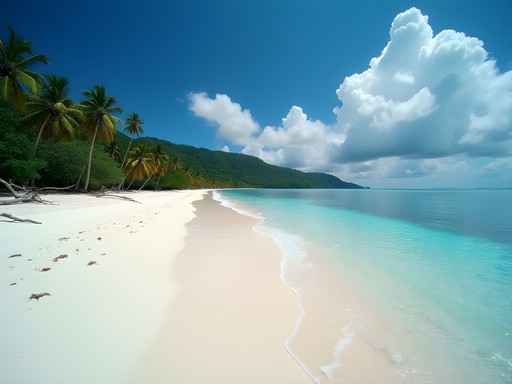
Tamarindo's main beach gets all the attention, but the real magic lies in the hidden coves scattered along this stretch of Pacific coastline. Having spent three research seasons here studying coastal microclimate variations with my dad, I've discovered beaches that most tourists never find. These aren't just pretty spots—they're ecological treasures where you can witness the intersection of weather patterns, marine life, and pure tranquility. Perfect for couples seeking that rare combination of adventure and intimacy.
Understanding Costa Rica's Microclimates: Why These Beaches Stay Hidden
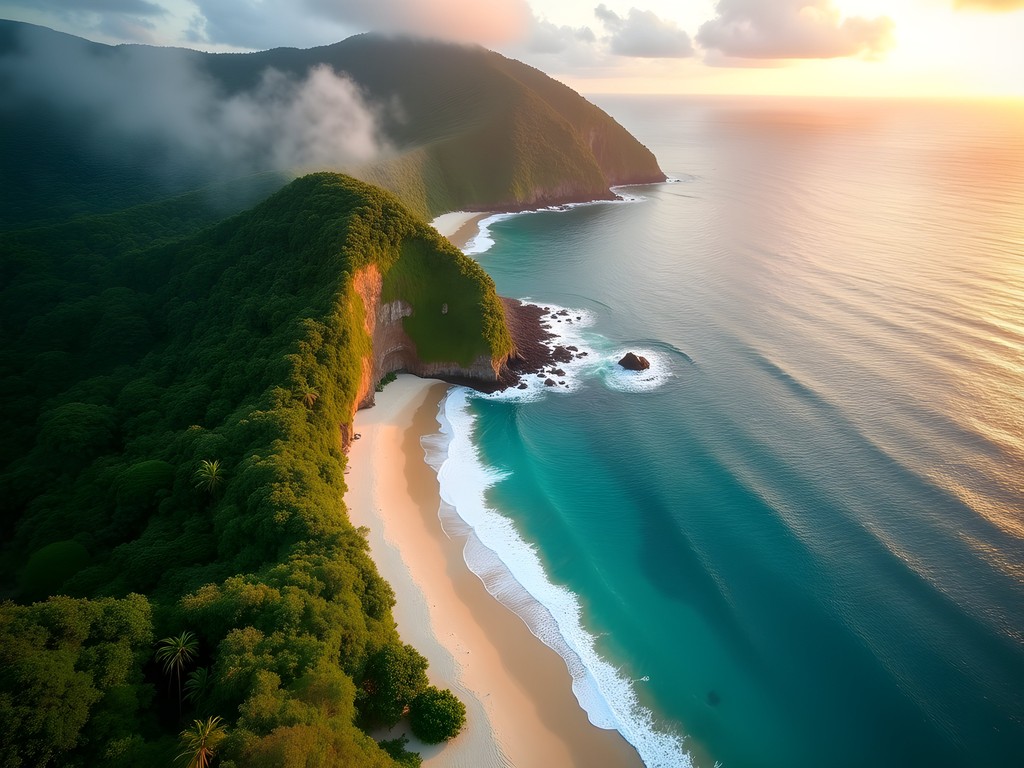
Before we dive into specific locations, let me share something fascinating about this coastline. The Nicoya Peninsula creates unique weather patterns that keep certain beaches perpetually less crowded. Morning offshore winds push clouds inland, creating what locals call 'sombra de montaña'—mountain shadow—that keeps some coves cooler and less discovered.
During my research visits between December and April, I've tracked how these microclimates affect beach conditions. The dry season (your winter escape) brings consistent sunshine, but knowing which beaches catch morning versus afternoon light makes all the difference for couples planning romantic moments. I always keep my weather radio handy to track sudden Pacific weather shifts—it's saved more than one beach picnic from unexpected squalls.
The key is understanding that these hidden beaches aren't just geographically remote; they're climatologically protected. The same orographic lifting that creates afternoon clouds over the mountains keeps coastal temperatures moderated and crowds minimal.
💡 Pro Tips
- Check tide charts before visiting—many hidden coves are only accessible during low tide
- Morning visits (6-9am) offer the calmest waters and best light for photography
- Download offline maps; cell service disappears quickly outside Tamarindo proper
Playa Conchal: The Shell Beach That Time Forgot
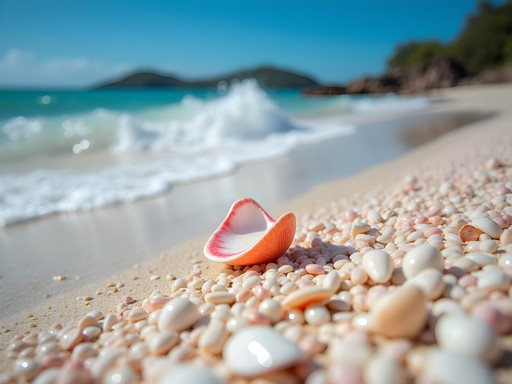
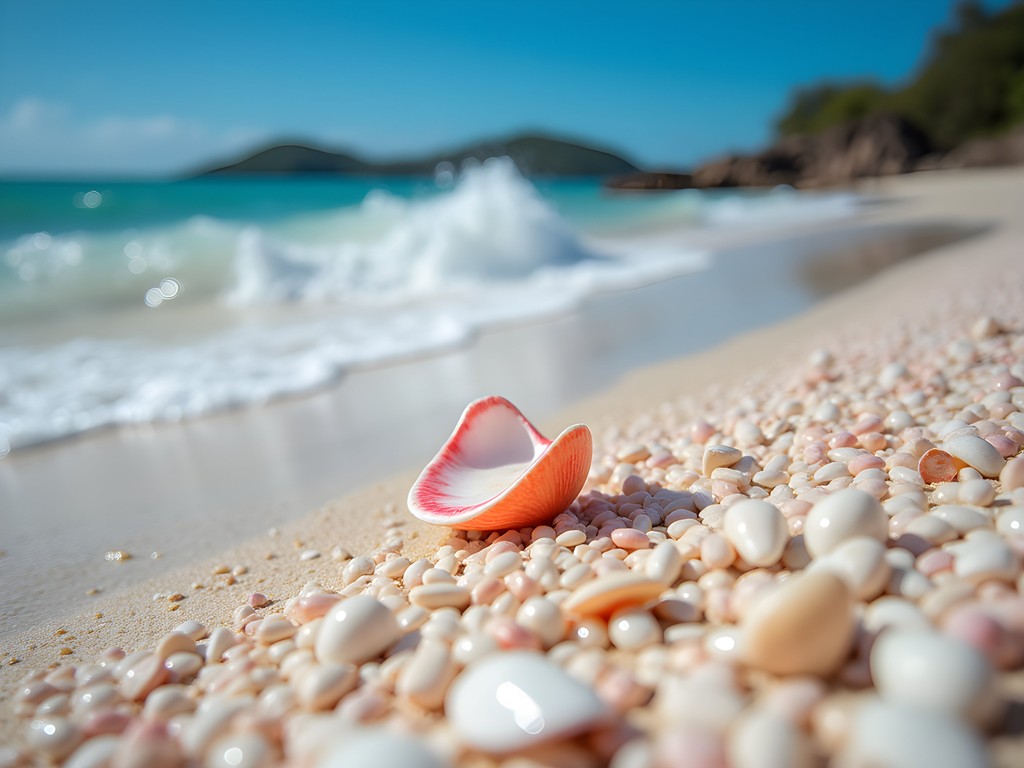
Twenty minutes south of Tamarindo lies what might be the most unique beach in Central America—Playa Conchal, where millions of crushed shells create a shoreline that sparkles like scattered diamonds. The name comes from 'concha' (shell in Spanish), and walking barefoot here feels like a gentle foot massage.
What makes this beach scientifically fascinating is the calcium carbonate composition—those shells create a natural buffer that keeps the water incredibly clear and slightly more alkaline than surrounding beaches. I've measured visibility up to 15 meters here, compared to 8-10 at Tamarindo proper. For couples, this means phenomenal snorkeling right from shore.
The beach curves into a protected bay where offshore winds create ideal conditions for paddleboarding. My tía Maria, who visits from Guanacaste every February, swears the afternoon thermal patterns here are 'perfectos para el amor'—perfect for romance. She's not wrong. As the day heats up, gentle breezes kick in right around 3pm, cooling things down just as the crowds thin.
Access is through Reserva Conchal resort, but public beach access is guaranteed by Costa Rican law. Park at the resort entrance and walk through—just be respectful of the property.
💡 Pro Tips
- Bring water shoes; the shells can be sharp in some areas
- Best snorkeling is along the rocky outcrop on the northern end during high tide
- The beach is clothing-optional after the southern point (FYI for couples seeking privacy)
Playa Negra: Volcanic Sand and Perfect Surf
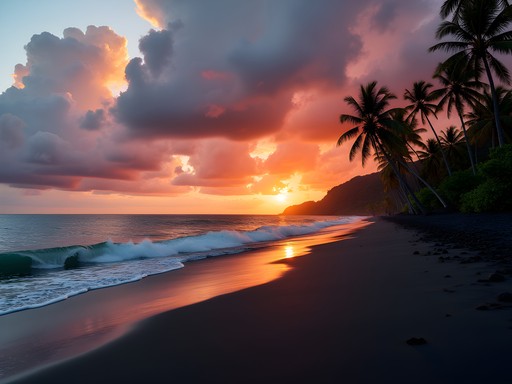
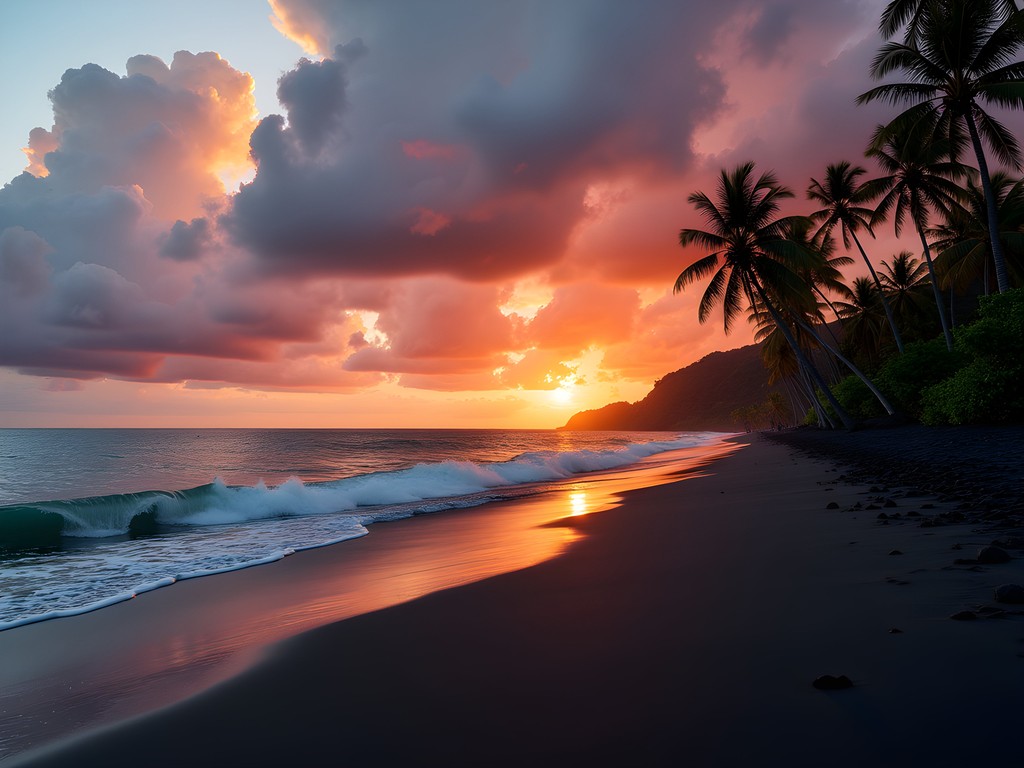
Head north instead of south, and you'll find Playa Negra—a stark contrast to Conchal's white shells. This beach gets its dramatic dark sand from volcanic minerals washed down from the Guanacaste volcanic range. The geological story here spans millennia, and the result is a moody, romantic coastline that feels worlds away from typical tropical beaches.
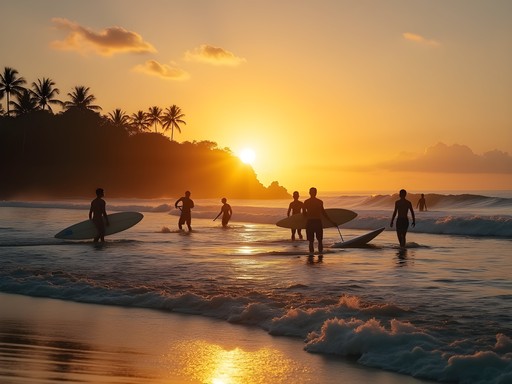
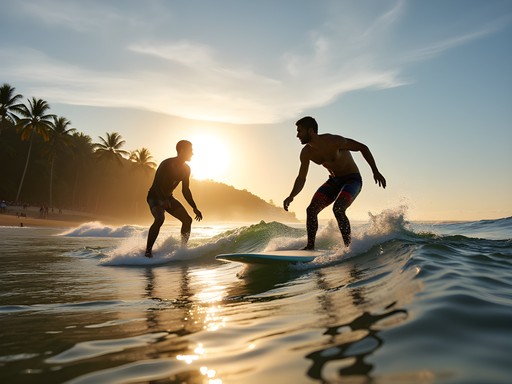
The black sand absorbs heat differently than lighter beaches, creating localized thermal currents that affect wave formation. This is why Playa Negra has some of the most consistent surf breaks in the region—the water temperature differentials create predictable offshore patterns. Even if you're not surfers, watching the morning sessions here is mesmerizing.
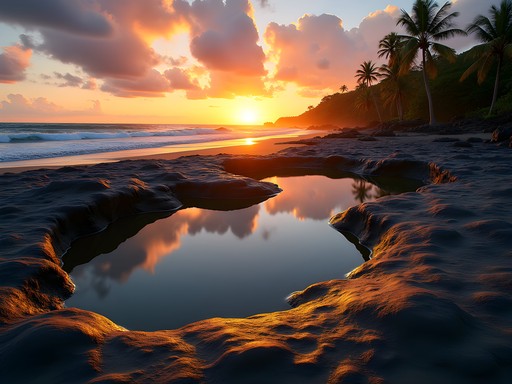
For couples, I recommend the tidal pools at the southern end during low tide. These volcanic rock formations create natural infinity pools where you can soak while watching the sunset. Pack a waterproof speaker and some local cerveza Imperial—the acoustics in these rock formations are surprisingly good.
The beach has a small expat community, and you'll find better food here than in touristy Tamarindo. Try the beachfront sodas (small family restaurants) for authentic casado plates at a fraction of resort prices.
💡 Pro Tips
- The black sand gets extremely hot by midday—visit early morning or late afternoon
- Strong rip currents make swimming dangerous; stick to the protected southern cove
- Bring reef-safe sunscreen; the volcanic rocks harbor sensitive coral colonies

Playa Avellanas and Playa Junquillal: The Twin Secrets
These two beaches sit back-to-back, separated by a rocky headland, and they couldn't be more different despite their proximity. Avellanas faces northwest and catches consistent swells, while Junquillal opens to the west and stays calmer—a perfect metaphor for relationships, actually.
I discovered these beaches during a particularly intense research period studying how coastal orientation affects local weather patterns. Avellanas experiences what meteorologists call 'wave shadowing' from offshore formations, creating sections of calm water even when the surf is pumping. For couples where one wants to surf and the other wants to relax, this is your spot.
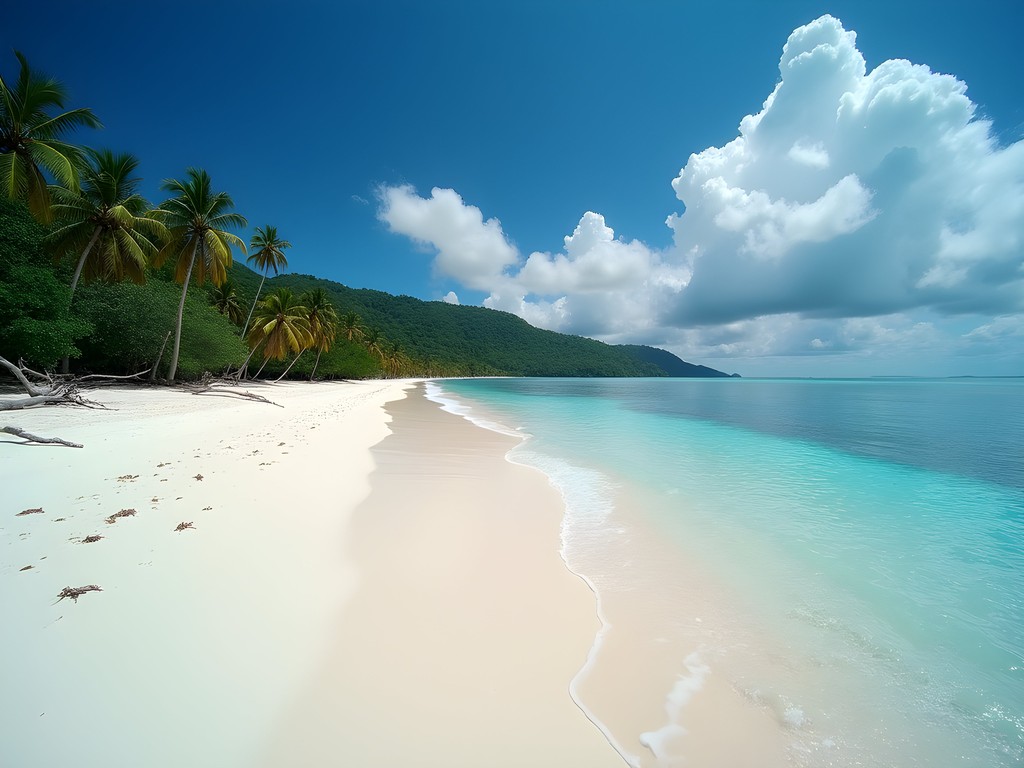
Junquillal, meanwhile, stretches for nearly two kilometers of undeveloped coastline. It's protected by a wildlife refuge, so you'll see scarlet macaws, howler monkeys, and if you're lucky during the right season (July-November), nesting sea turtles. My dad and I documented olive ridley nesting patterns here back in 2019—the arribadas (mass nestings) are one of nature's most spectacular events.
Between the two beaches, you'll find a small tienda where Don Carlos makes the best coconut water I've had outside of my abuela's kitchen in Guanacaste. He harvests them fresh each morning and adds a squeeze of lime—simple perfection.
💡 Pro Tips
- Avellanas has limited shade; bring a beach umbrella or arrive early for palapa spots
- Junquillal is better for swimming but has strong afternoon winds—plan accordingly
- The drive between beaches requires 4WD during rainy season; check conditions first
Playa Minas and Playa Carbón: The Researcher's Favorites
These are my personal favorites, partly because I spent weeks here collecting data, but mostly because they represent coastal Costa Rica at its most authentic. Playa Minas sits in a protected cove where freshwater streams meet the ocean, creating unique brackish zones that support incredible biodiversity.
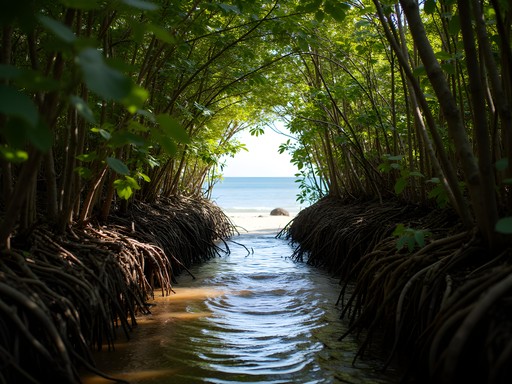
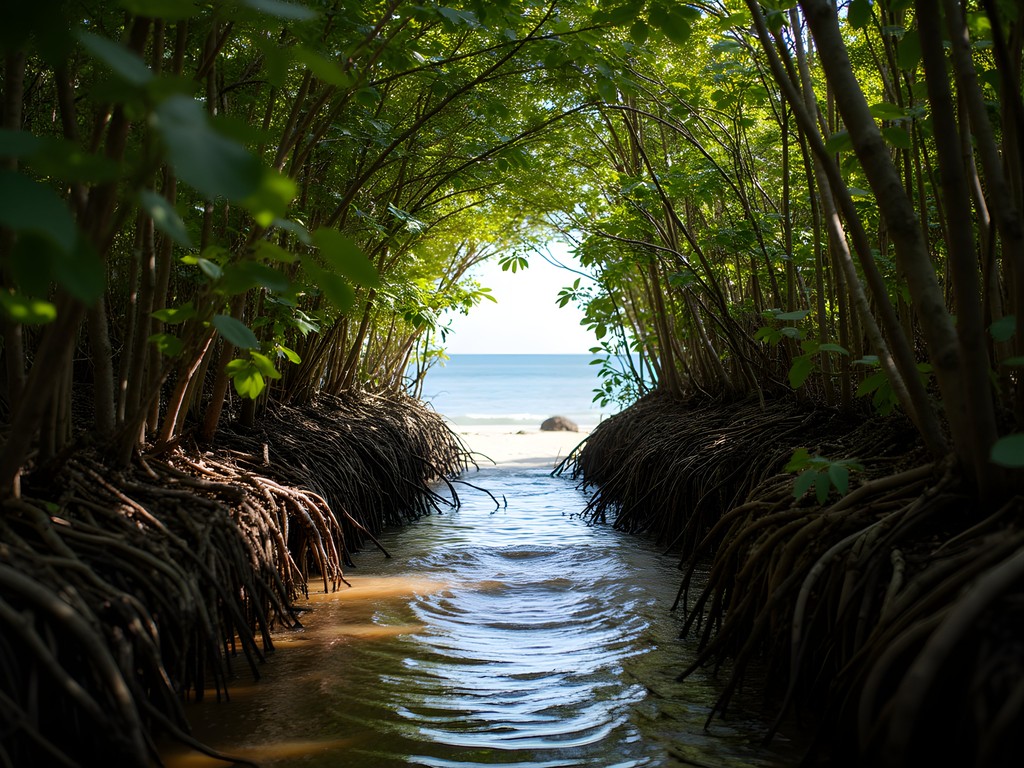
The mangrove-lined approach to Minas means you'll wade through ankle-deep water during high tide—bring a dry bag for your valuables. It's worth it. The beach itself is small, maybe 200 meters of golden sand, but it's surrounded by rock formations that create natural privacy screens. I've visited during peak season and had the entire beach to ourselves for hours.
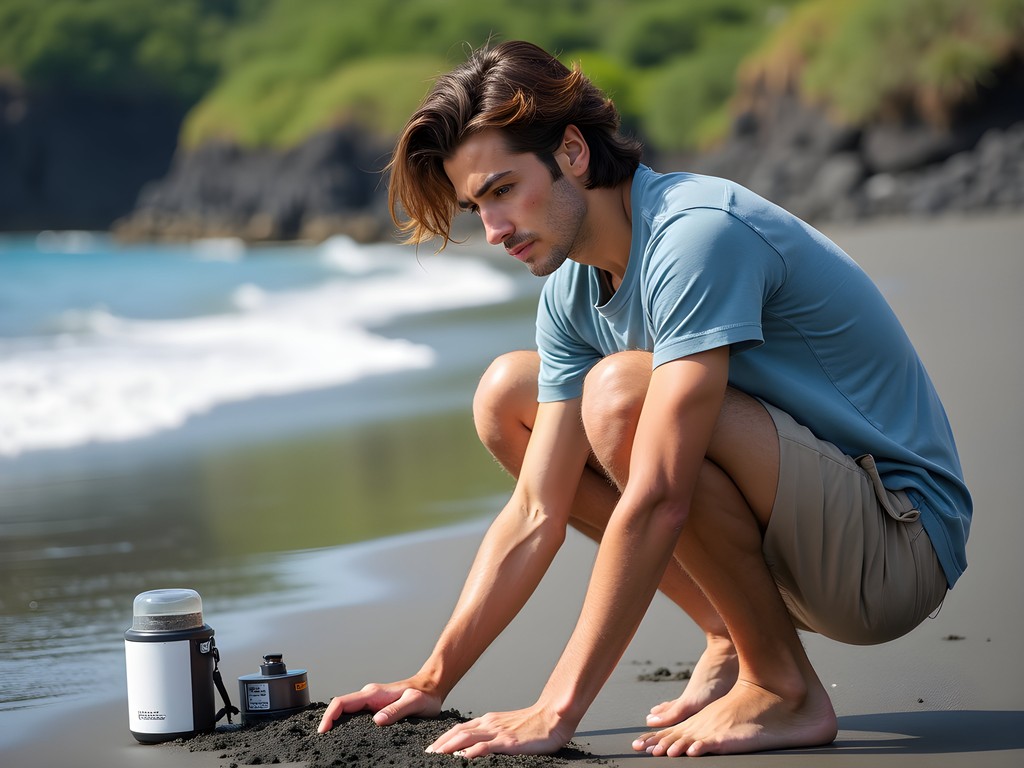
Playa Carbón, just north, takes its name from the charcoal-gray sand created by a different volcanic mineral composition than Playa Negra. The gradient here is fascinating—the sand transitions from dark gray to golden depending on how close you are to the freshwater outflow. For geology nerds like me, it's heaven. For couples, it's a stunning, private paradise.
Both beaches require a bit of effort to reach—rough roads and unclear signage keep them off most tourist radars. That's exactly what makes them special. The local fishing community in nearby Huacas can provide directions, and supporting their sodas helps maintain the authentic character of the area.
💡 Pro Tips
- Visit Minas during falling tide for easiest access through the mangroves
- Bring insect repellent; the freshwater streams attract mosquitoes near dusk
- Neither beach has facilities—pack everything in and pack everything out
Playa Lagarto, Playa Ventanas, and Playa Marbella: The Southern Trio
Heading south from Tamarindo toward Sámara, you'll find three beaches that showcase the incredible diversity of Costa Rica's Pacific coast. Playa Lagarto earned its name from the caimans that inhabit the river mouth—yes, actual caimans. Don't worry; they're more interested in fish than tourists, but it adds an element of wild authenticity you won't find at resort beaches.
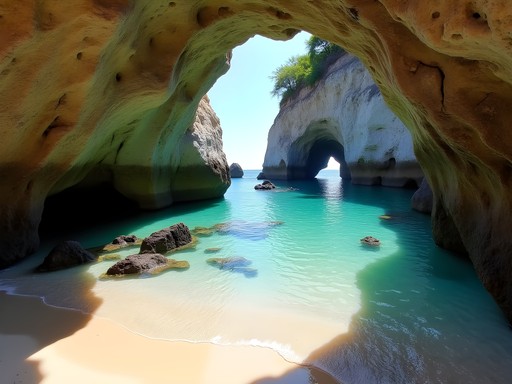
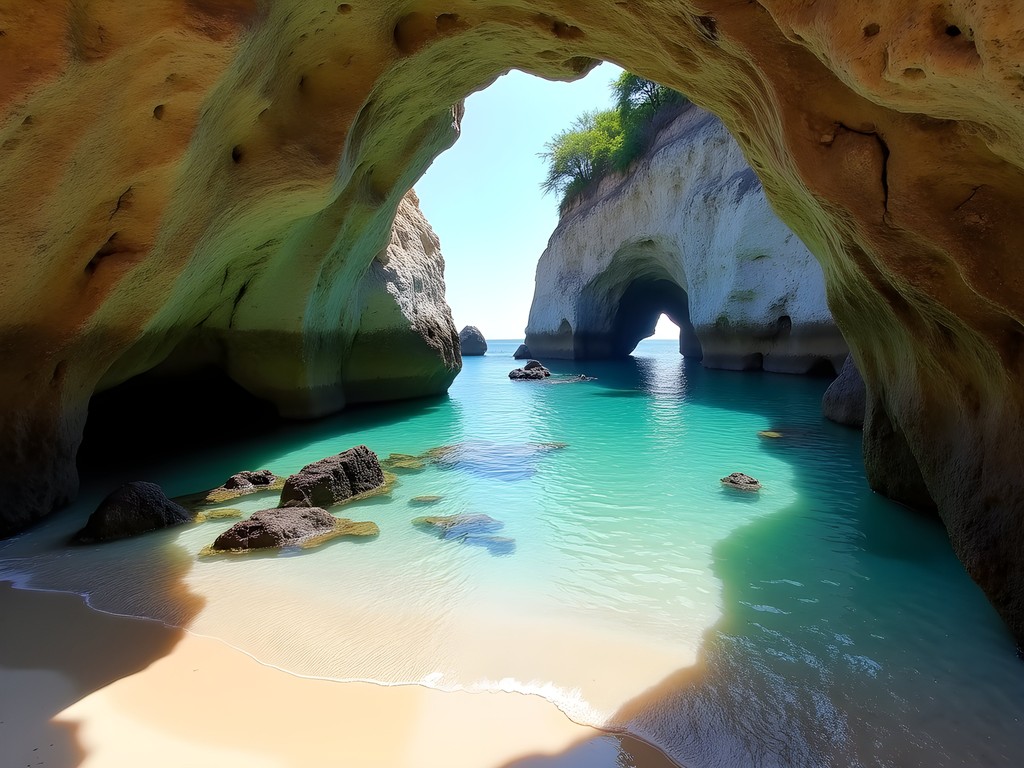
Playa Ventanas (Windows Beach) features natural rock arches carved by millennia of wave action. During low tide, you can walk through these 'windows' and explore tide pools teeming with starfish, sea urchins, and juvenile fish. The geological processes here mirror what I studied along Ireland's western coast—erosion patterns that create natural sculptures. Bring a underwater camera housing if you want to document the marine life in these pools; the water clarity is exceptional.
Playa Marbella rounds out the trio with the calmest waters of the three. The beach curves into a deep bay that blocks most swell energy, creating what my dad calls 'lake conditions'—flat, clear water perfect for stand-up paddleboarding or just floating with a good book. The afternoon onshore breeze here is so predictable you could set your watch by it; thermal heating over land creates a pressure gradient that pulls cool ocean air inland starting around 2pm.
These three beaches see maybe 10% of Tamarindo's crowds, yet they're only 30-45 minutes away. The roads are paved most of the way, making them accessible even for couples in standard rental cars.
💡 Pro Tips
- Visit Ventanas two hours before low tide for the best tide pool exploration
- Lagarto's river mouth creates strong currents—swim only in the protected northern section
- Marbella has a small beach bar with excellent ceviche and cold drinks
Planning Your Hidden Beach Adventure: Practical Tips from the Field
After multiple research seasons and family visits here, I've learned what actually works for exploring these beaches. First, rent a car—public transportation won't get you to most of these spots, and taxis add up quickly. A standard sedan works for dry season (December-April), but consider a 4WD if you're visiting during shoulder season.
Timing matters more than most people realize. The best beach conditions occur during the transition between dry and rainy seasons (late April-May and November-early December). You'll get occasional afternoon showers, but crowds drop by 60%, prices fall, and the landscape is greener. My research data shows these months actually have more sunny beach hours than you'd expect—the rain typically comes in short, predictable bursts.
For couples specifically, I recommend the 'morning exploration, afternoon relaxation' pattern. Hit the more remote beaches (Minas, Carbón, Lagarto) early when access is easiest and temperatures are mild. Return to your base by early afternoon, rest during the heat, then head to easily accessible beaches (Conchal, Marbella) for sunset. This rhythm matches the natural weather patterns and keeps you from getting exhausted.
Pack a proper beach kit: reef-safe sunscreen, a insulated cooler for keeping drinks cold in the tropical heat, water shoes for rocky entries, and a basic first aid kit. The nearest medical facilities are in Tamarindo or Sámara, so being prepared matters. I learned this the hard way after a sea urchin encounter at Ventanas—always shuffle your feet in shallow water!
Stay in Tamarindo itself for convenience, or consider Playa Grande just north for a quieter base with easy access to both northern and southern beaches. Avoid the big resorts; you're paying for amenities you won't use when you're out exploring hidden beaches all day.
💡 Pro Tips
- Download Maps.me or Gaia GPS for offline navigation—cell service is spotty
- Start with the easier beaches (Conchal, Marbella) to gauge your comfort level
- Always tell someone your beach plans; some spots are quite remote
- Bring more water than you think you need—dehydration happens fast in tropical heat
Final Thoughts
These ten hidden beaches near Tamarindo represent what I love most about coastal exploration—the intersection of natural science, cultural authenticity, and pure adventure. Each beach tells a geological story spanning millions of years, while offering couples the rare gift of solitude in an increasingly crowded world.
My dad always says that the best research sites are the ones that make you forget you're working, and these beaches do exactly that. Whether you're watching the sunset from Playa Negra's volcanic sands, exploring tide pools at Ventanas, or floating in Marbella's calm waters, you're experiencing Costa Rica as it was meant to be—wild, beautiful, and wonderfully uncrowded.
The Pacific coast weather patterns that keep these beaches hidden also make them perfect for winter escapes. While you're bundled up back home, these shores offer consistent sunshine, warm water, and the kind of romantic privacy that's increasingly hard to find. Just remember: these beaches stay secret because visitors respect them. Pack out everything you bring in, respect wildlife, and support local communities. That's how we keep paradise paradisiacal.
¡Pura vida, and may your beach discoveries be as rewarding as mine have been!
✨ Key Takeaways
- The best beaches near Tamarindo require some effort but reward you with solitude and stunning natural beauty
- Understanding local weather patterns and tide schedules maximizes your beach experience
- Supporting local communities and practicing leave-no-trace principles helps preserve these hidden gems for future visitors
📋 Practical Information
Best Time to Visit
December through April (dry season) for guaranteed sunshine; late April-May for fewer crowds and lower prices
Budget Estimate
$1,200-2,000 per couple for one week including mid-range accommodation, car rental, meals, and activities
Recommended Duration
7-10 days to properly explore all ten beaches without rushing
Difficulty Level
Easy To Moderate—some Beaches Require Short Hikes Or 4wd Access But None Demand Serious Physical Fitness
Comments
Frank Garcia
Cole, excellent write-up on the microclimate section. I spent two months in Guanacaste last year and was genuinely surprised by how much the conditions varied beach-to-beach. One thing I'd add for readers: the dry season (December-April) makes accessing some of these beaches much easier, as the dirt roads can become quite challenging during the wet season. Playa Junquillal in particular requires a 4x4 or good clearance after heavy rains. The volcanic sand at Playa Negra is worth experiencing—completely different feel underfoot and it stays cooler in the midday sun.
escapechamp
How easy is it to get to these beaches without a rental car? We're trying to do Costa Rica on a budget and wondering if local buses work for these spots?
Frank Garcia
Most of these are accessible via local buses from Tamarindo, though you'll need to plan around the schedule—they're not frequent. Playa Avellanas and Negra are straightforward. For Playa Conchal, you can take the bus toward Brasilito and walk from there (about 15 minutes). I'd recommend staying in one of the smaller villages rather than Tamarindo itself if you're budget-conscious. The price difference is significant, and you'll be closer to these hidden spots anyway.
escapechamp
Perfect, exactly what I needed to know. Thanks!
beachbuddy
Love your photos!
Douglas Bradley
Cole, excellent breakdown of the microclimate variations along this coast. I spent two weeks in the area last year specifically studying the differences between Playa Negra's volcanic composition and the limestone-derived sands further south. What struck me most was how the local communities around these hidden beaches have managed to maintain their authenticity despite Tamarindo's rapid development just kilometers away. The cultural preservation aspect you touched on in your conclusion deserves more attention. Did you notice any significant changes in beach accessibility or development pressure during your three research seasons?
oceannomad
this is really interesting! i had no idea about the different sand types
nomadgal
Going to Tamarindo in March! How do you get to Playa Conchal? Is it walkable or do you need a car?
nomadgal
Thanks! Super helpful
Taylor Moreau
You'll want a car or can take a taxi from Tamarindo - it's about 15 minutes south. The road can be a bit rough during rainy season, but absolutely worth it. I visited last year for a travel conference and spent an extra day exploring. Playa Conchal is stunning, and far less crowded than the main Tamarindo beach.
oceangal3593
OMG Playa Conchal looks AMAZING!! 😍 Adding this to my list right now!
Frank Garcia
Playa Conchal is brilliant, but get there early. By 11am it can get surprisingly busy with day-trippers from the resorts. The shell composition is fascinating—you'll want proper water shoes though, as it's quite different from walking on sand.
oceangal3593
Thanks for the tip! Early mornings are the best anyway 🌅
freepro
are these beaches easy to get to without a car? planning my first solo trip to CR and trying to figure out transportation
Douglas Bradley
Most of these are doable with a combination of local buses and short taxi rides. Playa Negra and Avellanas are the most accessible from Tamarindo—you can catch colectivos that run fairly regularly during high season. Junquillal is trickier and might require arranging transport in advance. I'd recommend staying flexible with your schedule since buses can be unpredictable. The upside is that the harder-to-reach beaches tend to be less crowded, which is exactly what makes them special.
freepro
thanks! super helpful
Taylor Moreau
Excellent piece, Cole. I particularly appreciated your notes on the microclimates - something most travel writers overlook entirely. Playa Negra has become one of my favourite spots for combining work retreats with proper relaxation. The volcanic sand truly does make a difference for the surf conditions. One tip for readers: visit during the shoulder season (late April or early November) for the best balance of weather and fewer tourists.
oceannomad
omg playa conchal looks amazing!! adding to my bucket list
beachbuddy
same! the shell beach sounds incredible
Venture X
Premium card with 2X miles, $300 travel credit, Priority Pass