
Disclosure: This article contains affiliate links. We may earn a commission from purchases at no extra cost to you, which helps our travel content.
When I told my friends I was spending two weeks in Anna Regina, Guyana, the response was universal confusion. 'Where?' they asked. That's exactly why I went. This unassuming town on Guyana's Essequibo Coast offers something increasingly rare: authentic Caribbean-South American culture untouched by tourism infrastructure. It's not easy—the heat is relentless, the amenities basic, and you'll need serious adaptability—but for adventurers seeking genuine immersion on a shoestring budget, Anna Regina delivers experiences you simply can't buy in more developed destinations.

Understanding Anna Regina: Rice Coast Reality Check
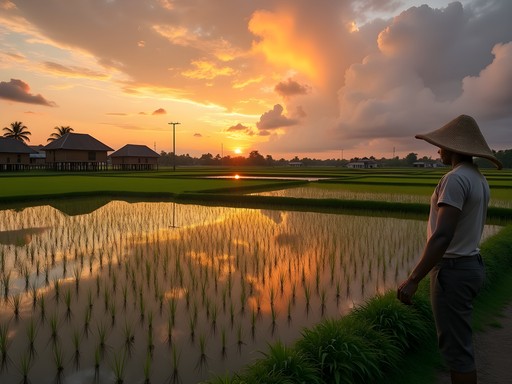
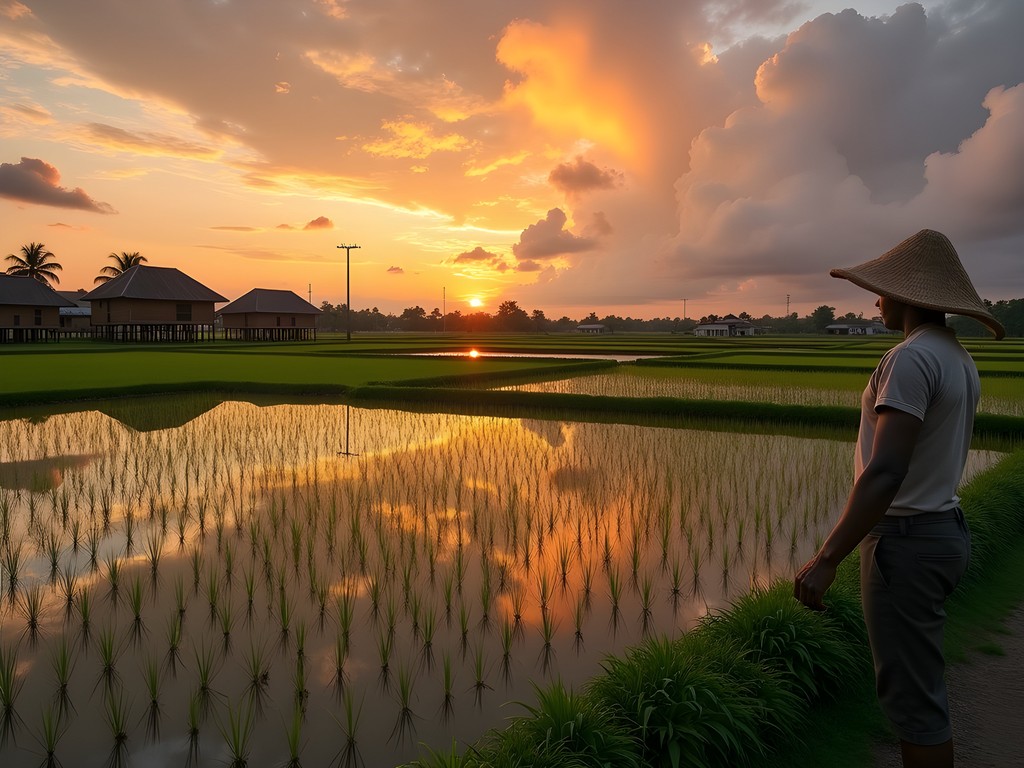
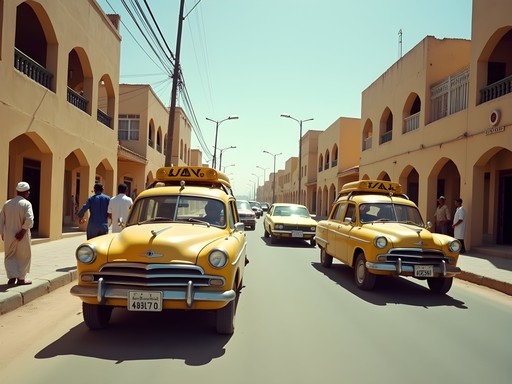
Anna Regina isn't picturesque in the Instagram sense. This is Guyana's rice capital, a working town where tractors outnumber tourists by about 1,000 to 1. The streets flood during rainy season, power outages are routine, and your hotel might be someone's converted house. But here's what drew me in: genuine Caribbean-Guyanese culture, Indo-Guyanese culinary traditions, and access to pristine coastal ecosystems without the crowds.
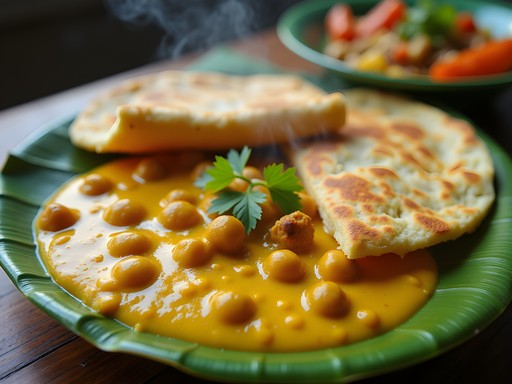
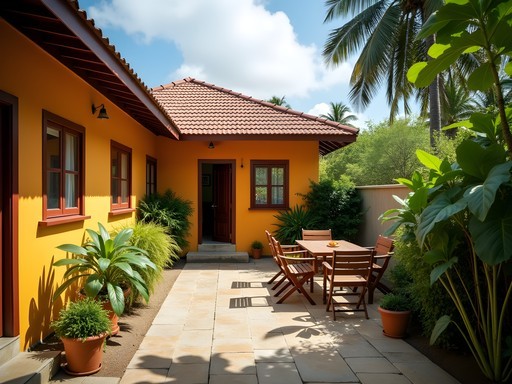
I stayed at a family-run guesthouse for $15 USD per night—basic but spotlessly clean, with a shared kitchen where I learned to make dhal puri from the owner's mother. The lack of tourist infrastructure means you'll interact with locals out of necessity, not novelty. My policy analyst brain loves this: you're contributing directly to local economies, not multinational hotel chains. Bring a portable water filter because tap water isn't reliably potable, and you'll save money while reducing plastic waste—a win for your wallet and the environment.
💡 Pro Tips
- Download offline maps before arrival—cell service is spotty and WiFi scarce
- Bring US dollars in small denominations; ATMs are unreliable and credit cards rarely accepted
- Learn basic Guyanese Creole phrases—English is official but locals appreciate the effort
Navigating Transportation and Logistics
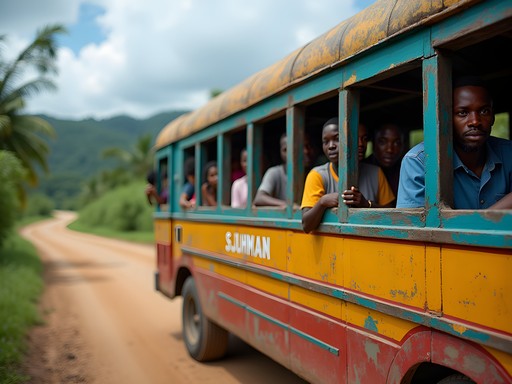
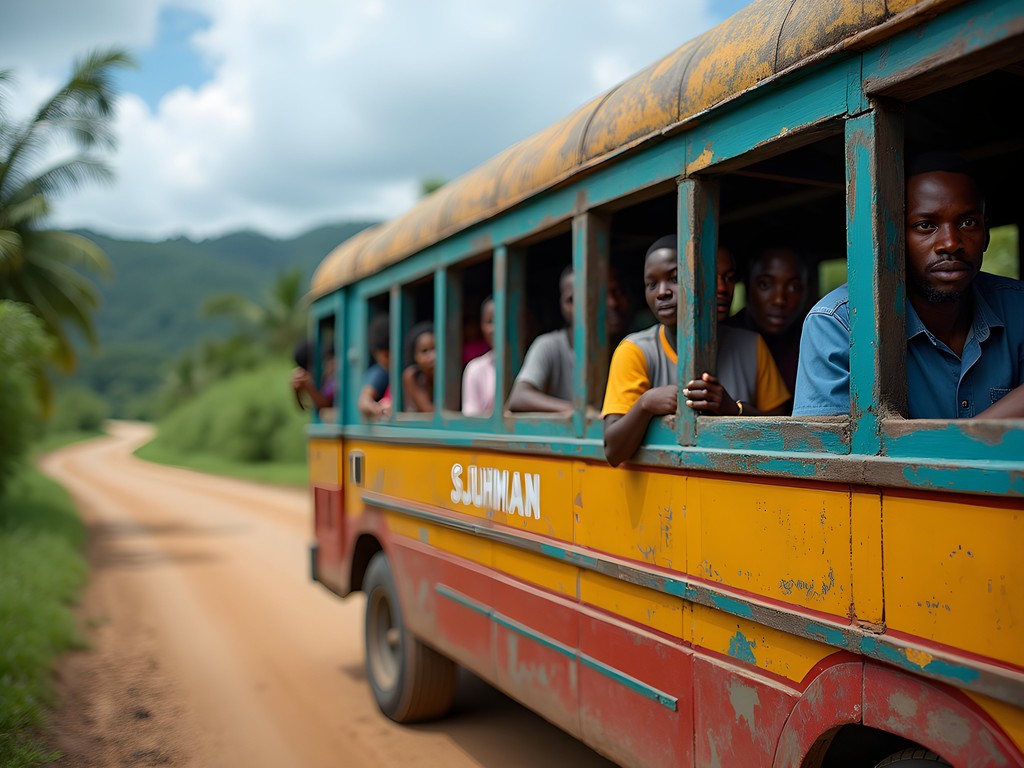
Getting to Anna Regina requires commitment. From Georgetown, you'll take a minibus (around $5 USD) for a bone-rattling 3-4 hour journey, or splurge on a private taxi for $60-80 USD. I chose the minibus—packed with 15 people, chickens, and bags of rice—because that's where the stories happen. The woman next to me shared her cassava bread and invited me to her daughter's wedding the following week.
Once there, transportation is by bicycle, motorbike taxi, or your own feet. I rented a bicycle from a local shop for $2 per day—best decision I made. It gave me freedom to explore the coastal villages, rice processing facilities, and mangrove channels at my own pace. The roads are flat but often rough, so bring a padded bike seat cover to save your backside during long rides. Two weeks of cycling also meant I could eat my weight in roti without guilt.
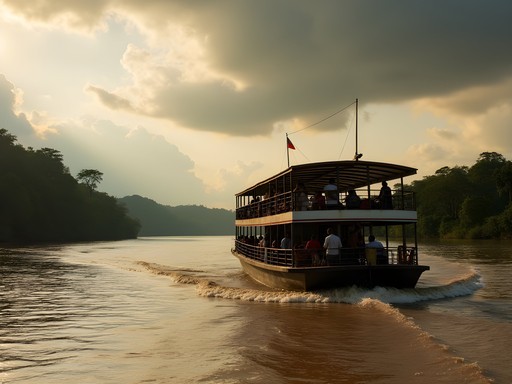
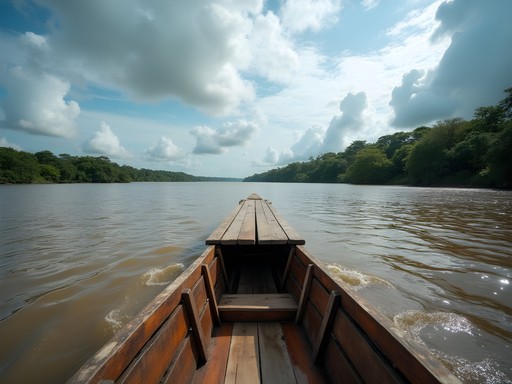
For serious exploration of the Pomeroon River and surrounding creeks, you'll need to negotiate boat rides with local fishermen. I paid about $40 USD for a full-day excursion—split it with other travelers if you can find them (unlikely) or consider it an investment in an unforgettable experience.
💡 Pro Tips
- Negotiate transportation prices before departing, not after arrival
- Carry a small flashlight—street lighting is minimal and power cuts frequent
- Keep a stash of small bills for minibus fares and market purchases
Culinary Adventures on a Rice Coast Budget
Anna Regina's food scene is gloriously unpretentious and absurdly affordable. Forget restaurants—the best meals come from street vendors, market stalls, and family kitchens. I survived two weeks on about $5-8 USD per day, eating better than I do in Columbus.
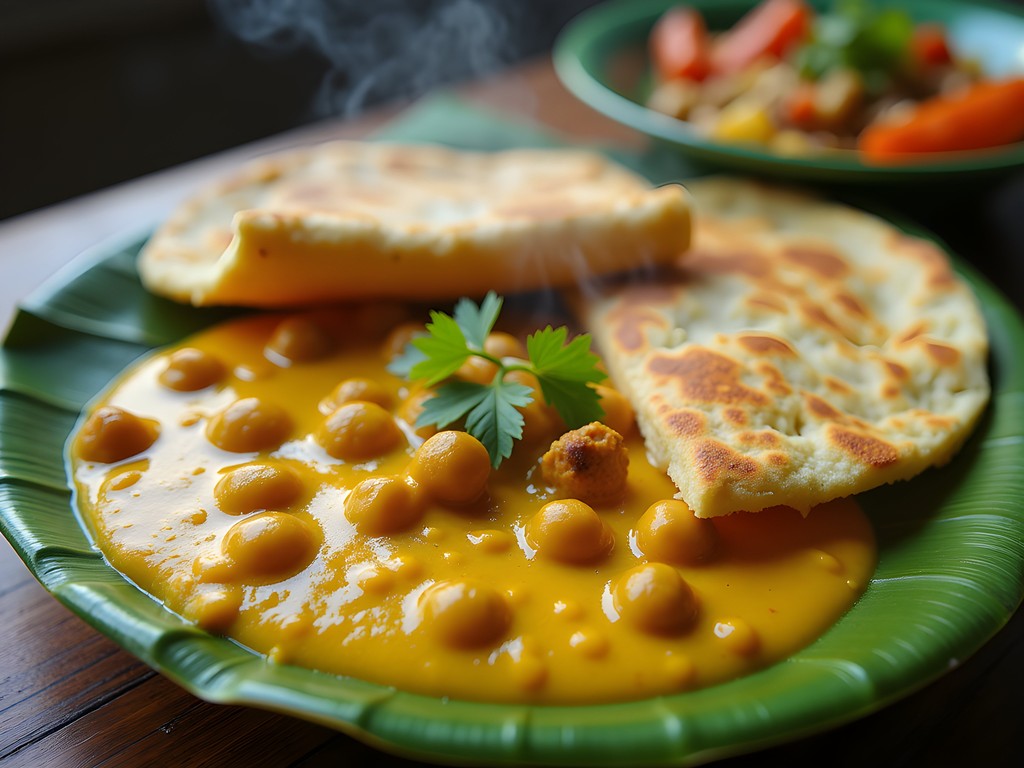
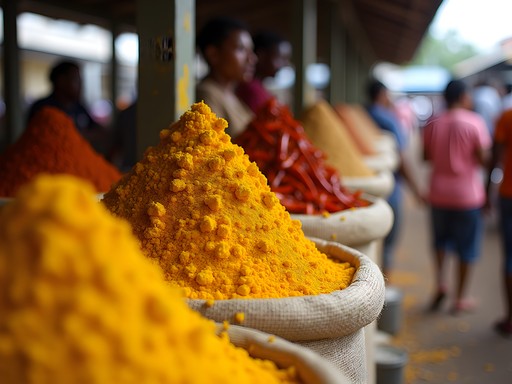
Breakfast means fresh coconut water (50 cents) and cassava pone from the market. Lunch is curry and roti from roadside stands ($2-3 USD), with portions so generous I often saved half for dinner. The Indo-Guyanese influence means incredible vegetarian options—chickpea curry, dhal, fried plantains, and fresh channa. For adventurers with iron stomachs, try the pepperpot stew, though I recommend building up your spice tolerance gradually.
I learned to shop at the Charity Market (a short boat ride away) where produce costs almost nothing. Mangoes, papayas, and bananas became daily staples. Pro tip: bring a collapsible cooler bag to keep fresh fruit and leftovers cool in your guesthouse room—it folds flat when not in use and saved me multiple trips to the market in the oppressive heat.
💡 Pro Tips
- Eat where you see locals eating—the busier the stall, the fresher the food
- Always ask for 'mild' spice level first; Guyanese 'hot' will destroy unprepared palates
- Bring your own reusable containers to reduce plastic waste at takeaway stalls

Coastal Ecosystems and Wildlife Encounters
This is where Anna Regina transforms from interesting to extraordinary. The Essequibo Coast's mangrove systems and tidal channels harbor incredible biodiversity, accessible for minimal cost if you're willing to get muddy.
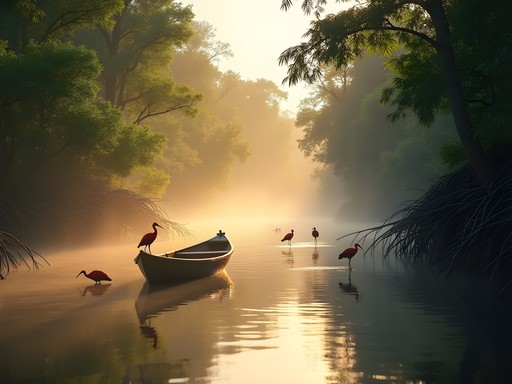
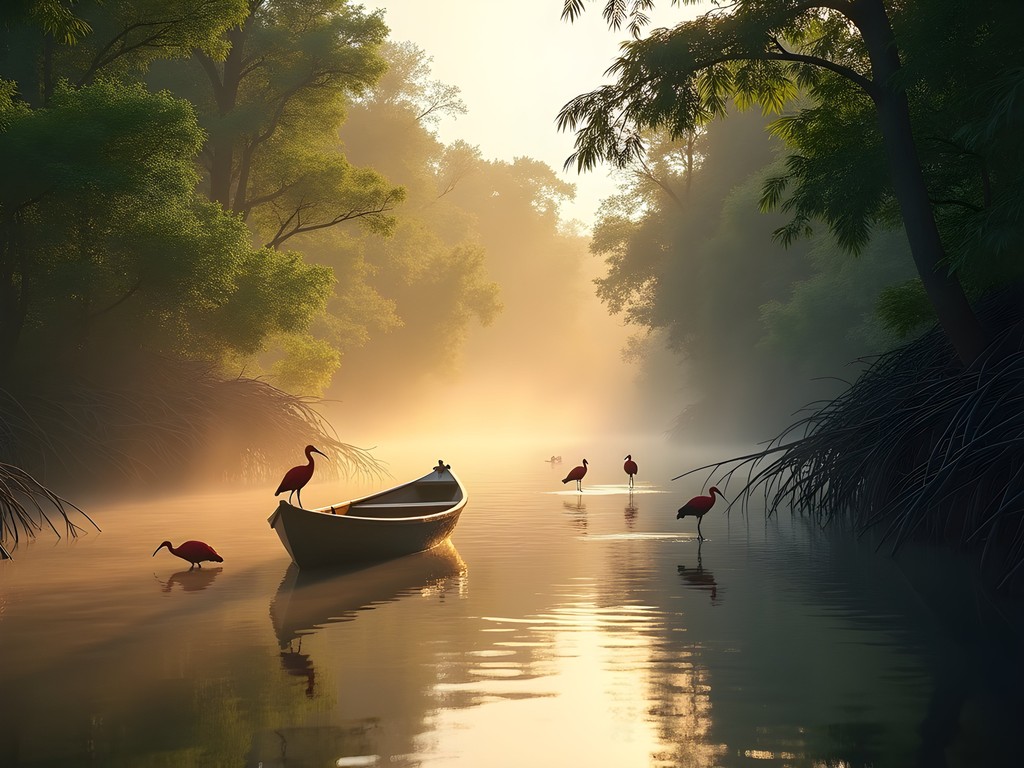
I hired a local guide named Rajesh ($25 per day) who took me through mangrove channels by small boat, spotting scarlet ibis, caimans, and four species of kingfishers. We walked through rice fields at dawn where jabiru storks—massive, prehistoric-looking birds—stalked through the paddies. The lack of tourist infrastructure means wildlife is genuinely wild and remarkably approachable.
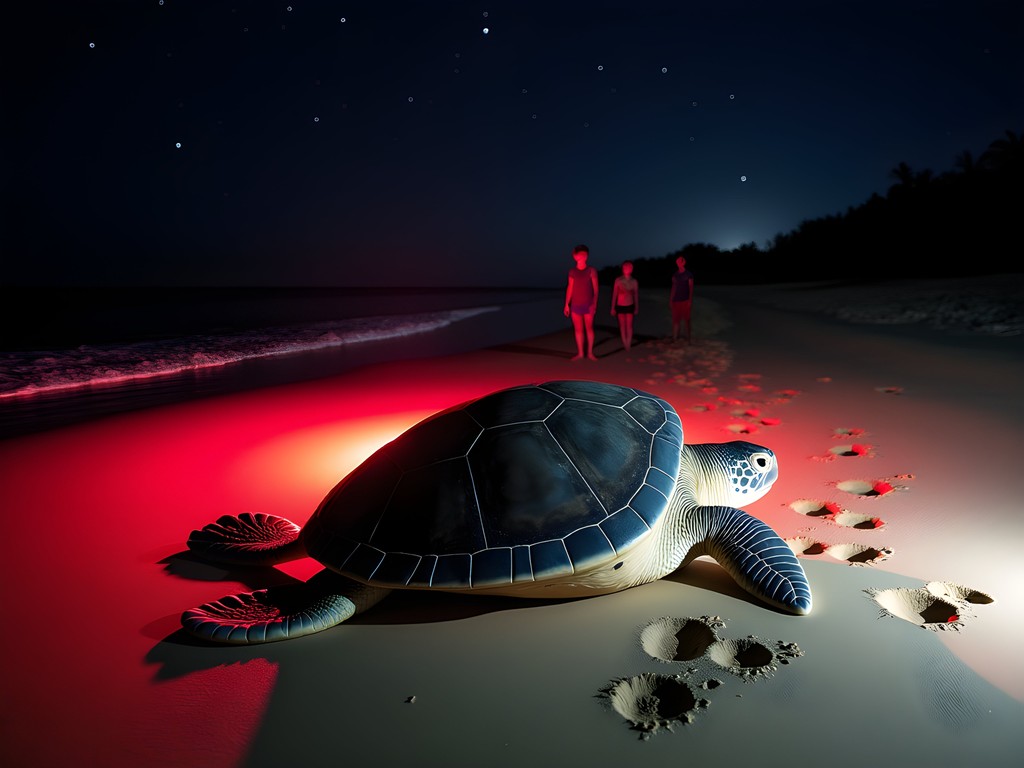
For the truly adventurous, coordinate with local conservation groups working on sea turtle monitoring. I spent three nights camping on a remote beach section, helping tag leatherback turtles. Cost? Just $10 per night for basic camping fees and contributing to the food fund. Bring a mosquito head net because the sandflies are merciless, and a quick-dry towel since everything stays damp in the coastal humidity.
The Pomeroon River, accessible by boat from Anna Regina, offers pristine waterways where you can swim in tea-colored water (tannins from vegetation, completely safe) and visit Amerindian communities who still practice traditional crafts.
💡 Pro Tips
- Wear long sleeves and pants during dawn and dusk wildlife viewing—mosquitoes are aggressive
- Bring binoculars for birdwatching; the diversity rivals more famous South American destinations
- Respect wildlife viewing distances; no guide regulations means you're responsible for ethical behavior
Cultural Immersion and Community Connections
Anna Regina's greatest asset isn't a sight or attraction—it's the people. This is where my Brazilian background helped; the warmth and hospitality reminded me of home, though the cultural blend is distinctly Guyanese.
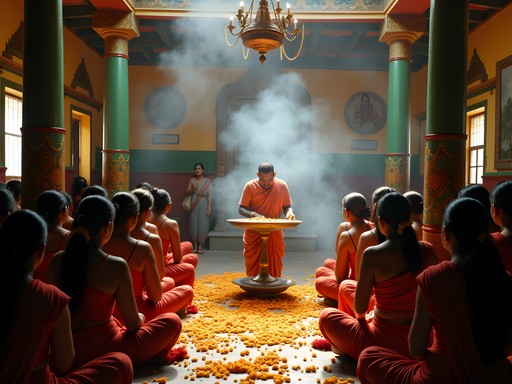
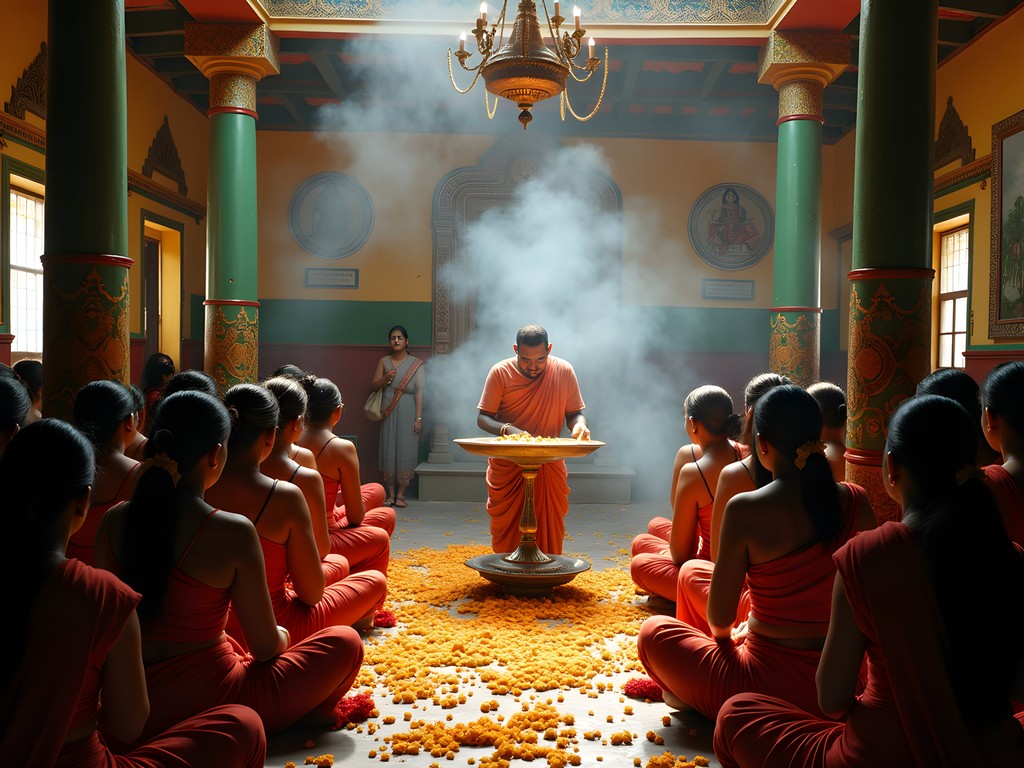
I attended a Hindu temple ceremony in nearby Charity, where the priest explained the rituals in patient detail and invited me to share prasad afterward. I visited a rum shop (basically a bar/social club) where dominoes games last for hours and locals debated cricket with passionate intensity. I was invited to a birthday party, a wedding, and countless family dinners simply because I showed genuine interest in people's lives.
The key is time. Two weeks allowed me to become a familiar face rather than a passing curiosity. I volunteered at a local school teaching basic computer skills (my policy analysis background made me surprisingly useful), which opened doors no guidebook could.
Bring small gifts from your home country—I brought Brazilian coffee and postcards of Rio, which became conversation starters and genuine tokens of appreciation. A portable Bluetooth speaker also proved invaluable for impromptu music sharing sessions; playing Brazilian samba and Guyanese chutney music back-to-back created instant connections.
💡 Pro Tips
- Accept invitations even when they feel inconvenient—that's where authentic experiences happen
- Learn about Guyana's complex ethnic history before arriving to navigate social dynamics respectfully
- Offer skills or knowledge exchange rather than money when people help you
Final Thoughts
Anna Regina isn't for everyone, and that's precisely its appeal. If you need reliable WiFi, air conditioning, and English-language menus, this isn't your destination. But if you're an experienced traveler seeking the kind of authentic immersion that's increasingly rare—the kind where you return home with friends, not just photos—Anna Regina delivers.
My two weeks cost approximately $450 USD total, including accommodation, food, transportation, and activities. That's less than a weekend in many tourist hotspots, yet the experiences were infinitely richer. I learned traditional cooking techniques, participated in conservation work, improved my Creole, and gained perspectives on coastal development challenges that inform my policy work today.
This is advanced-level budget travel. You'll face discomfort, uncertainty, and moments of frustration. You'll also discover a Guyana that exists far from the Kaieteur Falls Instagram posts—a working community navigating modernization while preserving cultural identity. That's the Guyana worth knowing.
Ready to explore somewhere truly off the beaten path? Anna Regina is waiting, utterly indifferent to whether you show up or not. And that indifference, paradoxically, is what makes it so welcoming.
✨ Key Takeaways
- Budget $400-500 USD for two weeks including accommodation, food, and local transportation
- Advanced difficulty means embracing basic amenities, unreliable infrastructure, and genuine cultural immersion
- Wildlife and ecosystem access rivals more famous destinations at a fraction of the cost
- Success requires flexibility, cultural sensitivity, and willingness to engage deeply with local communities
📋 Practical Information
Best Time to Visit
September to November (fall) offers drier conditions and harvest season cultural events
Budget Estimate
$400-500 USD for 2 weeks
Recommended Duration
2 weeks minimum to build community connections
Difficulty Level
Advanced
Comments
Hayden Butler
Francesca, this is exactly the kind of content we need more of in travel blogging. I spent three months exploring Guyana back in 2024, and Anna Regina was one of those places that completely surprised me. Everyone rushes to Kaieteur Falls or the Rupununi, but the Essequibo Coast has this raw authenticity that's disappearing everywhere else. The homestay experience you mentioned - staying with local families - that's where the real cultural exchange happens. I remember this woman named Miss Patricia who taught me to cook cook-up rice properly. Her kitchen didn't have running water, but the meal was better than anything I've had in five-star hotels. One tip I'd add: bring a good insect repellent. The mosquitoes near the canals at dusk are relentless. I learned that the hard way!
roamzone202
wait so is this place mosquito hell? kinda worried now lol
Hayden Butler
Haha not hell, just be prepared! They're mainly bad at dawn and dusk near water. During the day you're fine. Just pack repellent and long sleeves for evenings.
waveace
the rice field photos are incredible!! adding this to my bucket list for sure. how's the weather in january?
Francesca Smith
Thank you! January is actually perfect - it's the dry season so not too rainy. Hot and humid though, bring light clothes!
nomadnomad
Love this. Real travel right here.
roamzone202
omg this looks amazing!! never even heard of this place before lol. how did you get there from georgetown? and is it safe to travel solo?? i'm planning a south america trip and this could be perfect
Francesca Smith
Hey! There are minibuses from Georgetown that take about 2 hours, super cheap. I felt totally safe the whole time - people were incredibly welcoming. Just brush up on your basic creolese phrases and you'll be golden!
roamzone202
awesome thanks!!
Venture X
Premium card with 2X miles, $300 travel credit, Priority Pass