

Disclosure: This article contains affiliate links. We may earn a commission from purchases at no extra cost to you, which helps our travel content.
Standing in Pripyat's abandoned central square last spring, my dosimeter clicking softly in my pocket, I realized this journey into the Chernobyl Exclusion Zone was unlike any adventure I'd undertaken. As a network engineer who normally chases perfect weather patterns and coastal swells, I found myself drawn to this place where nature and technology collided in the most dramatic way possible. The good news? Visiting Chernobyl is safer, more affordable, and more accessible than most people think—especially if you're traveling solo on a mid-range budget.
Understanding the Real Costs and Safety
Let me address the elephant in the room: radiation safety. After researching extensively and consulting with radiation protection specialists, I invested in a quality dosimeter to monitor exposure throughout my visit. The reality is that a standard one-day tour exposes you to roughly 0.002-0.006 millisieverts—about the same as a dental X-ray.
Budget-wise, expect to spend $95-$150 USD for a full-day group tour from Kyiv, which includes transportation, guide services, lunch, and all necessary permits. I booked with a mid-tier operator for $110, splitting the difference between bargain-basement options and premium small-group tours. Solo travelers benefit here because there's no single supplement—you're joining a group regardless. Tours run year-round, but spring (April-May) offers the perfect combination: mild weather, blooming vegetation creating haunting contrasts with abandoned buildings, and fewer crowds than summer months.
💡 Pro Tips
- Book at least 10 days in advance—the exclusion zone requires government permits with your passport details
- Wear long pants and closed-toe shoes (required for safety, not optional)
- Bring cash in Ukrainian hryvnia for souvenirs at the checkpoint—cards aren't accepted
Choosing the Right Tour for Solo Travelers
After comparing a dozen operators, I identified three budget-friendly tiers. Basic tours ($95-$110) cover standard sites: Pripyat ghost town, the reactor exterior, Duga radar, and select villages. Mid-range tours ($120-$150) add extended time in Pripyat, visits to lesser-known locations, and smaller groups (10-15 people versus 20-30). Premium tours ($200+) offer two-day experiences with overnight stays in Chernobyl town.
For solo travelers on a weekend trip, the mid-range one-day tour provides the sweet spot. I traveled with Chernobyl Tour, joining a group of eight other solo adventurers—a German photographer, two Australian backpackers, and several Eastern European history enthusiasts. The smaller group meant more flexibility for photography stops and deeper conversations with our guide, a former plant worker's son who grew up in Pripyat.
The technical side fascinates me: guides carry professional-grade radiation monitors and conduct regular checks. They'll scan your shoes before lunch and again before leaving the zone. This systematic approach to safety, combined with strict route adherence, means tourist areas have been thoroughly mapped and approved for specific exposure times.
💡 Pro Tips
- Read recent reviews focusing on guide knowledge—this makes or breaks the experience
- Avoid the absolute cheapest operators; they often have the largest groups and rushed schedules
- Ask if lunch is included and where it's served (cafeteria in Chernobyl town is the standard)
What to Pack for Your Chernobyl Visit
Packing for Chernobyl requires a different mindset than typical adventure travel. You'll be walking 5-7 kilometers throughout the day, often through overgrown areas and crumbling buildings. I wore my most comfortable hiking boots—ones I didn't mind potentially discarding if contamination occurred (it didn't, but the psychological comfort mattered).
Bring a power bank because you'll be photographing constantly and there's no opportunity to charge devices during the 10-hour tour. My phone died at 60% battery from the cold spring morning and constant camera use. I also packed a insulated water bottle since staying hydrated is crucial, and the cafeteria coffee isn't winning awards.
One unexpected essential: a N95 respirator mask. While not required, spring winds kick up dust in abandoned buildings, and you'll want protection from particulates (radioactive or otherwise) when exploring interior spaces. My guide appreciated that I came prepared—it showed respect for the environment and personal safety.
💡 Pro Tips
- Pack snacks—lunch is basic cafeteria fare, and it's a long day
- Bring layers; spring mornings are cold (5-10°C), but afternoons warm up significantly
- Don't bring drones—they're strictly prohibited throughout the exclusion zone

The Experience: What Actually Happens
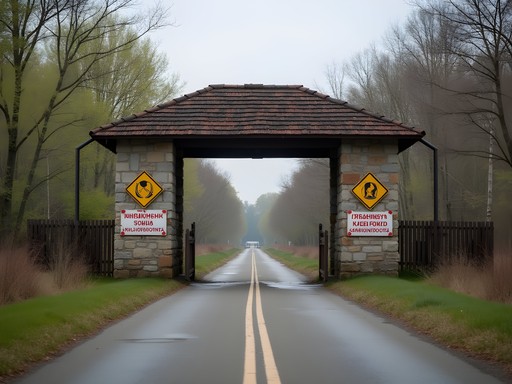
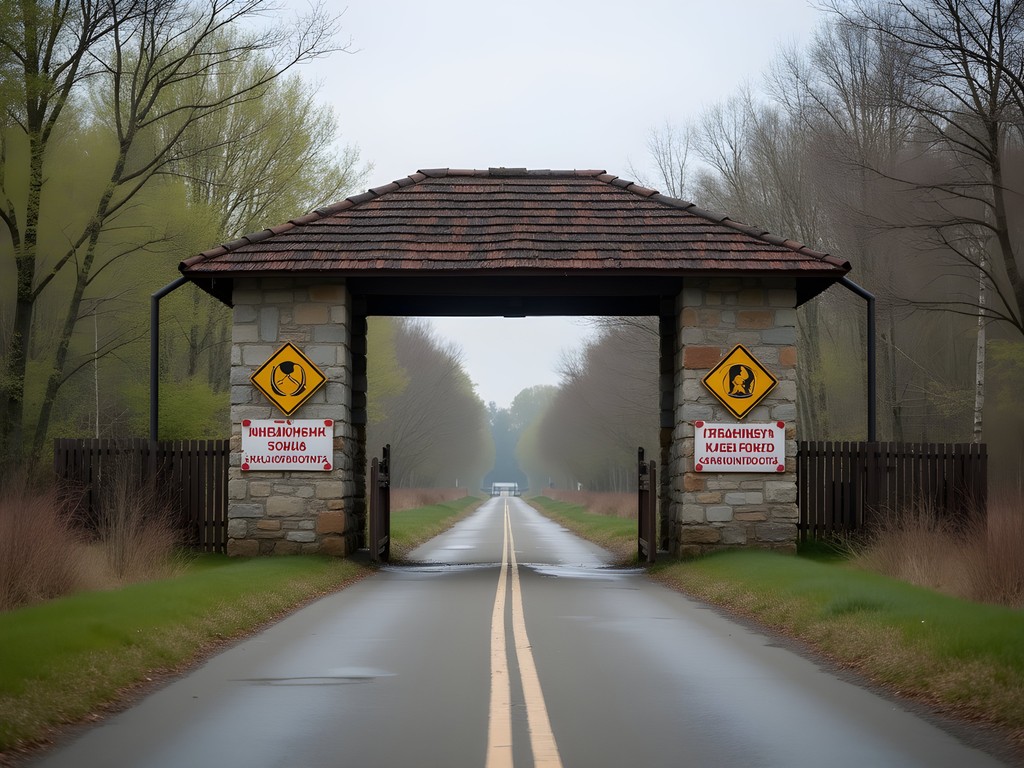
Tours depart Kyiv around 7-8 AM, reaching the exclusion zone's outer checkpoint (30km) after a two-hour drive. Here, your documents are checked and you receive your first safety briefing. The landscape between the 30km and 10km checkpoints reveals nature's resilience—forests have reclaimed farmland, and wildlife populations have exploded without human presence.
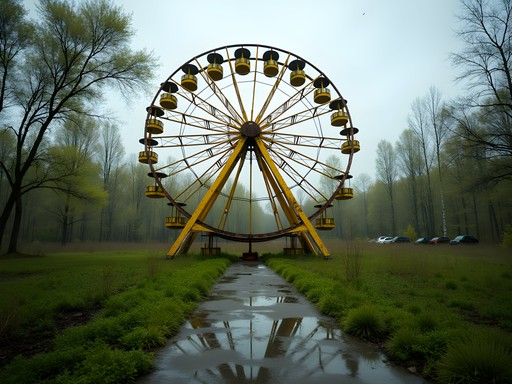
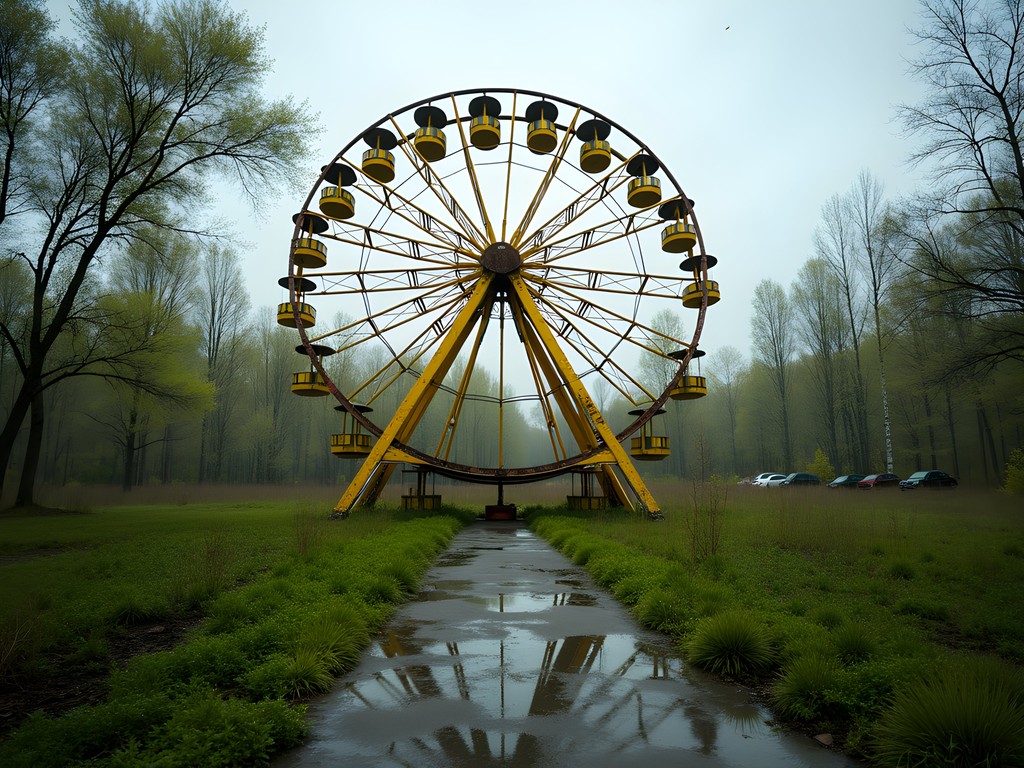
Pripyat itself is surreal. Walking through the central square where my grandparents' generation once shopped, I felt the weight of technological failure and human hubris. The amusement park, scheduled to open May 1st but never used, stands as perhaps the most photographed symbol of the disaster. Our guide explained how radiation patterns varied wildly—some areas register background levels while others, just meters away, require limited exposure time.
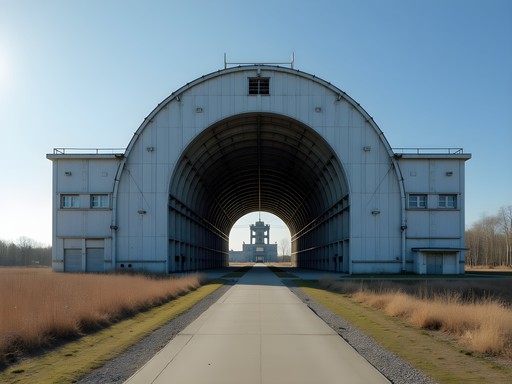
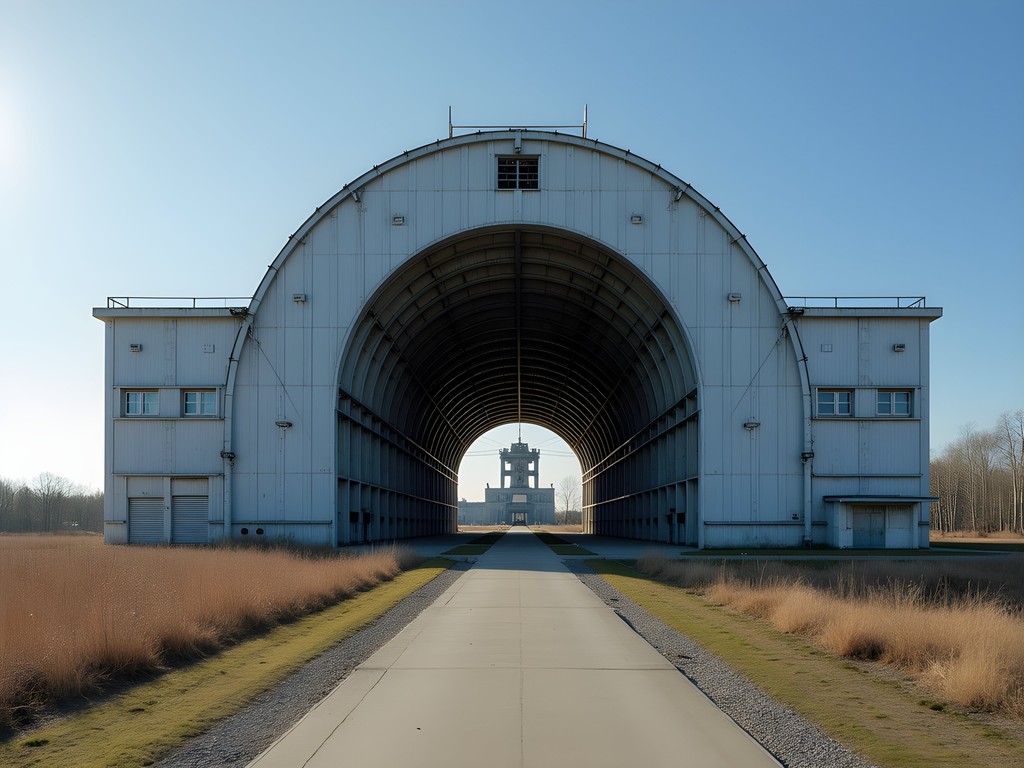
The Duga radar, a massive over-the-horizon system I'd only read about in Cold War technology forums, exceeded expectations. Standing beneath its 150-meter-tall lattice structure, I appreciated the engineering ambition—and the secrecy that surrounded it. As someone who works with network infrastructure, seeing this analog predecessor to modern early-warning systems was genuinely moving.
Lunch in Chernobyl town's cafeteria felt oddly normal—workers still maintain the zone, and life continues for those who choose to work here. The food is simple but sufficient: soup, bread, a main course, and tea. Everything is thoroughly monitored for contamination before entering the zone.

💡 Pro Tips
- Ask questions—guides are incredibly knowledgeable and appreciate genuine interest
- Respect photography restrictions, especially near active areas and security checkpoints
- Don't touch anything without guide permission; some objects retain higher radiation levels
Practical Logistics for Weekend Visitors
Most international travelers combine Chernobyl with a Kyiv weekend. I arrived Friday evening, spent Saturday on the tour, and had Sunday to explore Ukraine's capital before flying out Monday morning. Budget accommodations in Kyiv run $20-40/night for hostels or budget hotels near the city center.
Tour pickup typically happens at Independence Square or major hotels, with return around 6-7 PM. This leaves Friday and Sunday for Kyiv exploration—I recommend the Maidan area, St. Sophia's Cathedral, and the surprisingly excellent street food scene.
One logistical note that caught me off guard: Ukrainian SIM cards are incredibly cheap ($5-10 for tourist packages) and essential for coordinating tour pickup and staying connected. I grabbed one at the airport, and it saved considerable stress. Also, download offline maps—cell service is spotty in the exclusion zone, though your guide handles all navigation.
For those interested in the technical aspects like I am, consider bringing a notebook for taking notes during the tour. I documented radiation readings, architectural details, and ecological observations that later helped me process the experience and share accurate information with friends.
💡 Pro Tips
- Book Kyiv accommodation near metro stations for easy tour pickup access
- Exchange some currency to hryvnia—it stretches further than euros or dollars
- Allow buffer time in your schedule; tours occasionally run late due to checkpoint delays
Final Thoughts
Chernobyl challenged my assumptions about adventure travel. I've surfed remote Pacific breaks, documented traditional weaving techniques in mountain villages, and installed monitoring systems in extreme weather—but nothing prepared me for the emotional and intellectual impact of walking through humanity's most significant nuclear disaster site. The intersection of nature reclaiming space, technological failure, and preserved history creates an experience that's simultaneously sobering and strangely hopeful.
For solo travelers on a budget, Chernobyl represents exceptional value. Where else can you access such a historically significant site, learn from expert guides, and join fellow adventurers for under $150? The spring season particularly rewards visitors with mild weather and dramatic visual contrasts between nature's resilience and human abandonment.
If you're considering this trip, stop hesitating. Book a mid-range tour, pack appropriately, and approach the experience with respect and curiosity. You'll return with photographs, stories, and perspectives that few travelers can claim. Just remember: this isn't disaster tourism—it's bearing witness to history, understanding technological risks, and appreciating the complex relationship between humans and the environments we create.
✨ Key Takeaways
- Budget $95-$150 for a quality day tour, plus $50-75 for Kyiv accommodation and meals
- Spring offers ideal weather conditions and fewer crowds than summer peak season
- Radiation exposure is minimal and comparable to a single flight—safety protocols are thorough and professional
📋 Practical Information
Best Time to Visit
April-May for spring conditions, September-October for autumn colors
Budget Estimate
$200-300 total (tour, accommodation, meals, transport)
Recommended Duration
2-3 days (1 day tour + Kyiv exploration)
Difficulty Level
Moderate


Comments
Savannah Walker
Love this Brian! Chernobyl completely changed my perspective on what 'dark tourism' means. I went in expecting something exploitative but it felt genuinely educational and respectful. The guides are often locals who have family stories connected to the disaster, which adds such depth. My biggest surprise was how nature has reclaimed everything - the trees growing through buildings, the wildlife everywhere. It's haunting but also strangely beautiful. Worth every penny of that budget tour price!
mountainbackpacker
How strict are they about the clothing rules? I read somewhere you need long sleeves and pants even in summer but wasn't sure if that's enforced or just recommended. Planning to go in July and trying to pack light.
Savannah Walker
They're pretty strict about it! I tried showing up in capris once and had to change. It's for your own protection from dust and particles. Just wear light breathable fabrics - I survived August in linen pants and a cotton long sleeve.
escapelife
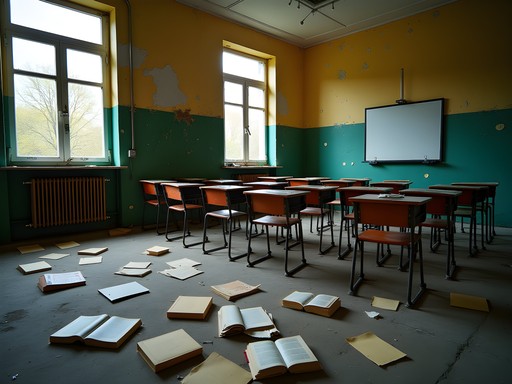
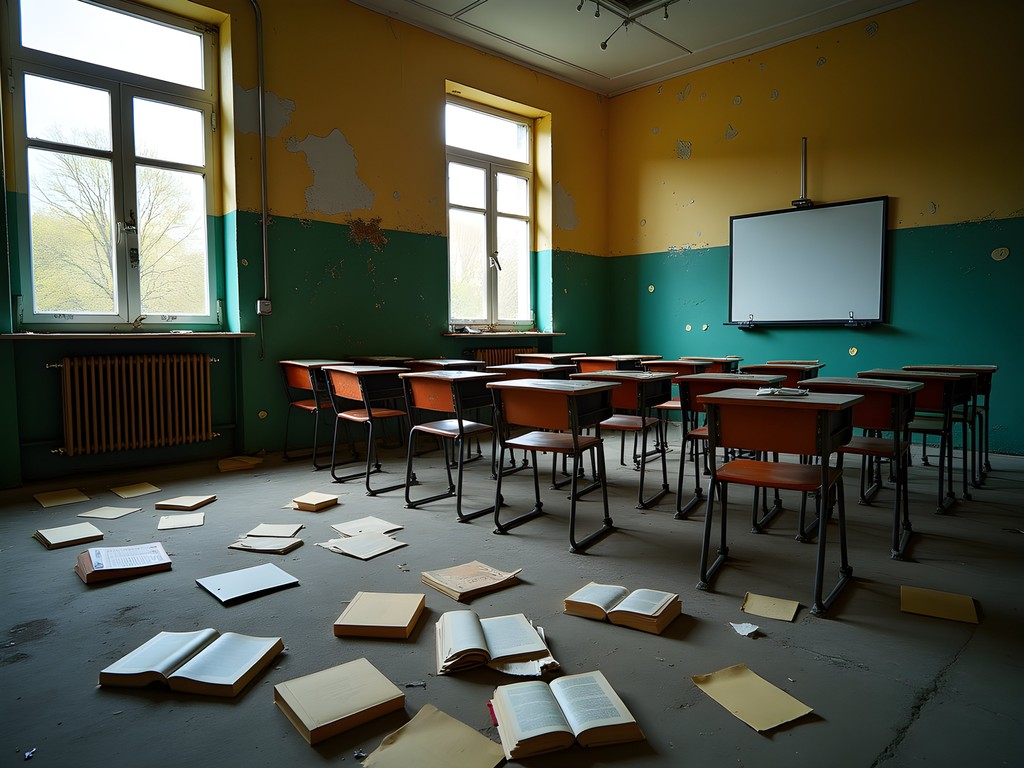
I went in 2024 and honestly it was one of the most surreal experiences. The abandoned school with all the gas masks scattered around really got to me. One thing I'd add to your packing list - bring way more water than you think you need. We were there in summer and there's literally nowhere to buy anything once you're in the zone. Also comfortable shoes are a MUST, we walked so much more than I expected.
mountainbackpacker
good call on the water. i always bring my hydration pack for day trips like this, way easier than carrying bottles
roammood
this is wild, definitely adding to my list
George Hayes
Great breakdown Brian! We actually considered Chernobyl for our Eastern Europe trip last year but ended up skipping it with the kids (they were 8 and 11 at the time). The age restrictions made sense but I'm definitely keeping this on my list for when they're older. Your point about the budget tours being just as safe as the premium ones is reassuring - I'd been wondering if cheaper meant cutting corners on safety protocols. Did you notice much difference in group sizes between the budget and mid-range options?
Brian Rivera
Budget tours were actually smaller! Like 8-10 people vs 15+ on some premium ones. The main difference was lunch quality and transport comfort, not safety at all.
smartmate
did you really need to bring your own dosimeter or do the tours provide them? trying to figure out what's actually necessary vs overkill
Brian Rivera
Tours provide them! I brought my own just because I'm a data nerd, but totally not necessary. Save your money for the tour itself.
smartmate
cool thanks!
Venture X
Premium card with 2X miles, $300 travel credit, Priority Pass