
Disclosure: This article contains affiliate links. We may earn a commission from purchases at no extra cost to you, which helps our travel content.
When my buying trip to Johannesburg suddenly included a two-week extension to Zimbabwe, I nearly declined—my budget spreadsheets were screaming. But FOMO won, and I found myself in Gweru, Zimbabwe's third-largest city, with limited funds and unlimited curiosity. What followed was a masterclass in budget travel that I'm still raving about months later. Forget what you've heard about African safaris being exclusively for the luxury traveler—Gweru offers an incredible sweet spot of authentic experiences at prices that won't make your credit card company send a wellness check. From up-close wildlife encounters that rival any high-end game reserve to cultural immersions that feel priceless (but actually cost next to nothing), I'm breaking down how students and budget travelers can experience this underrated Zimbabwean gem without the premium price tag. Consider this your curated buying guide to the best of Gweru—where the value proposition is simply too good to pass up.
Getting to Gweru: Transportation Hacks That Won't Break the Bank
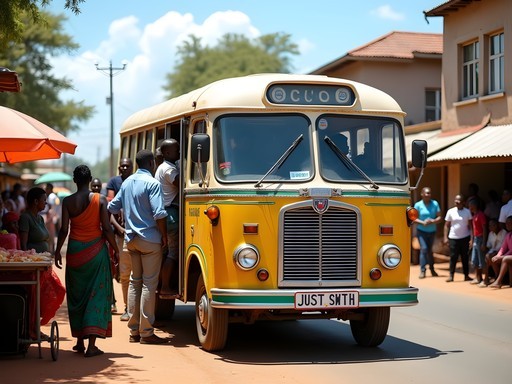
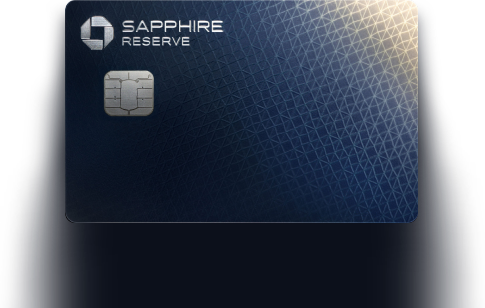
First things first—getting to Gweru doesn't have to drain your savings. After landing in Harare (I snagged a $420 round-trip from Johannesburg by setting fare alerts three months in advance), I faced the classic backpacker dilemma: comfort versus cost. The luxury coaches advertised online wanted $45 for the Harare-Gweru route, but local intel led me to Mupfumi Bus Terminal where I caught a kombi (minibus) for just $12.
The four-hour journey was what I'd call a 'character-building experience'—packed seating, occasional stops for vendors selling everything from roasted maize to phone chargers, and Zimbabwean gospel music at full volume. But those minor discomforts came with major benefits: authentic local interaction and serious savings.
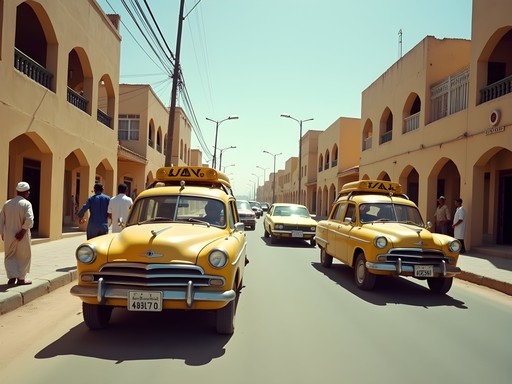
For moving around Gweru itself, forget Uber (it doesn't exist here) and embrace the emergency taxi system—essentially informal shared taxis that run set routes for about $0.50 per ride. I tracked routes on my phone using the offline maps app which saved me countless times when navigating between attractions without cell service.
If you're feeling adventurous and staying longer than a few days, consider the ultimate budget move: bicycle rental. I found a weekly rental for $15 at a shop near Cecil Avenue, which not only saved on transportation costs but added an element of freedom to explore the city's wide, surprisingly bikeable streets at my own pace.
💡 Pro Tips
- Book intercity buses at the terminal directly rather than online to save up to 70%
- Download Maps.me and the Gweru area before arrival—GPS works without data
- Learn basic Shona phrases like 'mhoro' (hello) and 'ndapota' (please)—locals appreciate the effort and often respond with better prices
Wildlife on a Shoestring: Antelope Park Alternatives
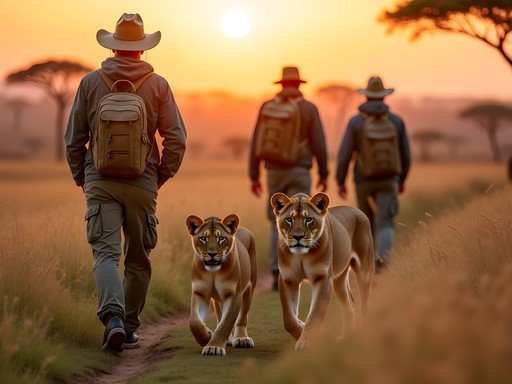
Let's address the elephant in the room (pun absolutely intended): Antelope Park is Gweru's crown jewel attraction, but at $80+ for their signature lion encounter, it's not exactly student-budget friendly. After some serious comparison shopping—a skill that translates surprisingly well from fashion buying to travel planning—I discovered budget alternatives that delivered equally impressive wildlife experiences.
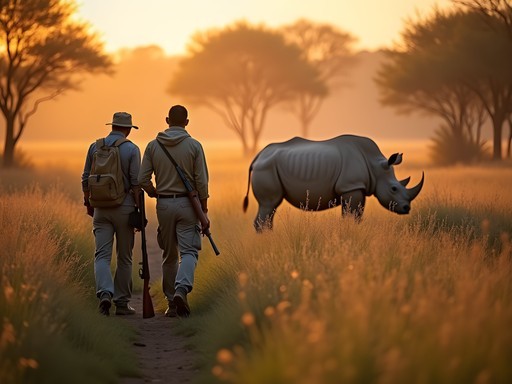
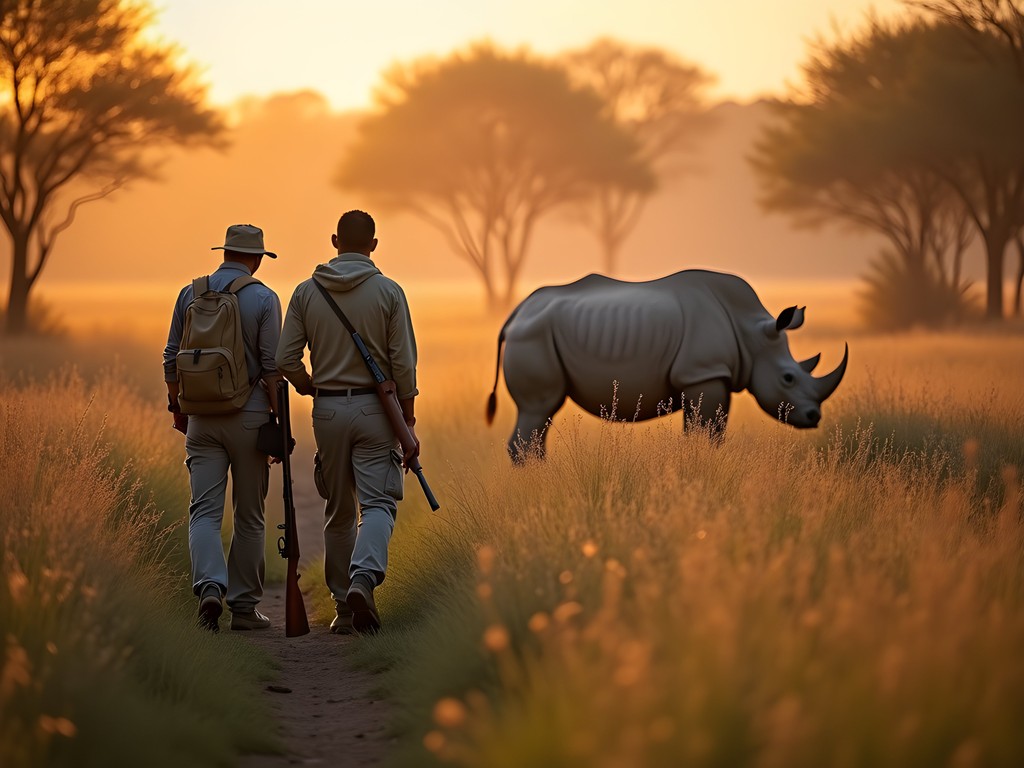
My top value pick: Nalatale Wildlife Sanctuary, located 30km outside Gweru. This lesser-known reserve charges just $25 for a half-day guided tour that includes rhino tracking on foot. Yes, on foot. The adrenaline rush of following a ranger through brush to spot these magnificent creatures from a safe distance beats any overpriced safari experience I've had elsewhere.
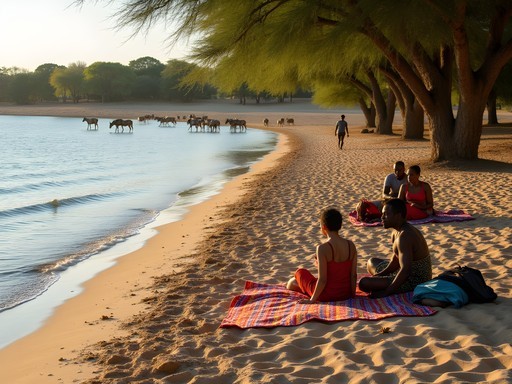
For the ultimate budget wildlife experience, I spent a morning at Gweru's Municipal Game Park ($8 entrance). While smaller than commercial operations, I had close encounters with zebras, impalas, and ostriches in a relaxed setting without the crowds. The secret? Arriving at opening time (6:30am) when animals are most active and temperatures are manageable.
Documenting these wildlife encounters requires reliable equipment. My compact zoom lens was perfect for capturing distant animals without carrying professional-grade gear. It's lightweight, versatile, and the image stabilization handled the shakiness of excitement when a giraffe decided to inspect our vehicle a little too closely.
While not free, the Gweru Military Museum's small wildlife exhibit (entrance $5) offers an educational perspective on conservation efforts plus the chance to see smaller species like servals and African wildcats that are typically elusive in larger reserves.
💡 Pro Tips
- Visit Municipal Game Park on weekdays for even smaller crowds and occasional 2-for-1 student discounts
- Pack a small cooler with lunch supplies from local markets to avoid overpriced concessions at wildlife parks
- Ask local university students for recommendations—I found Nalatale through a conversation at a coffee shop
Cultural Immersion Without the Premium Price Tag
In the retail world, we talk about 'value perception'—how customers perceive worth beyond price. Gweru's cultural experiences embody this concept perfectly, offering rich experiences that feel exclusive but cost surprisingly little.
The Zimbabwe Military Museum ($7 entrance) might sound niche, but it provides crucial context for understanding the country's complex history. I spent three fascinated hours exploring aircraft displays and historical exhibits that contextualized modern Zimbabwe far better than any guidebook.
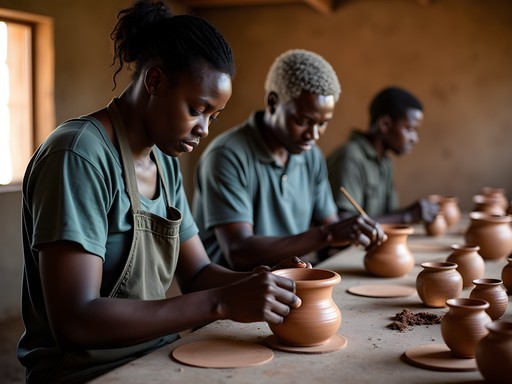
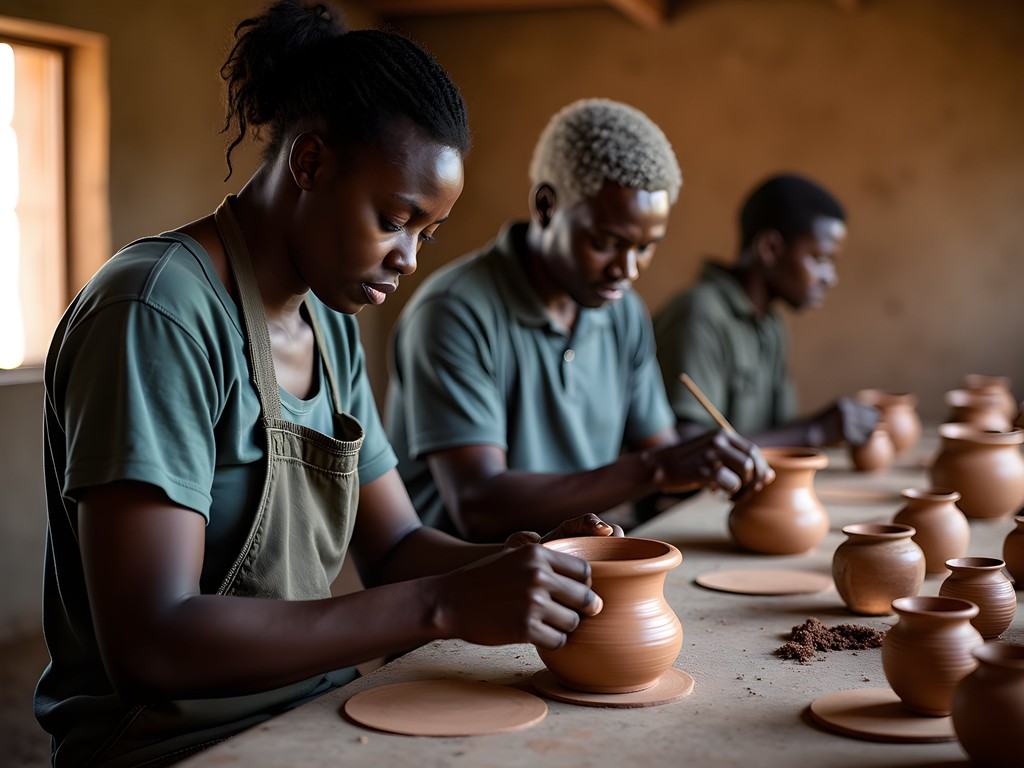
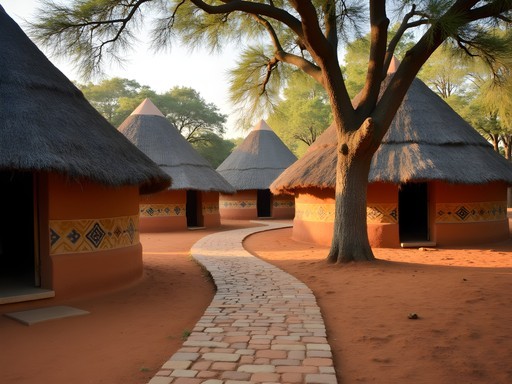
For a deeper cultural dive, I signed up for a community-based workshop through Gweru Arts Centre. For just $15, I joined a four-hour traditional pottery class led by local artisans. Beyond learning techniques passed through generations, this workshop connected me with locals in a meaningful way that typical tourist activities rarely achieve.
The Midlands Black Rhino Conservancy offers a unique cultural-meets-conservation experience. Their $30 day program includes both wildlife viewing and visits to surrounding communities where you'll learn about conservation from the perspective of those living alongside these magnificent animals. The program includes a traditional lunch, which was one of my most memorable meals in Zimbabwe.
Don't miss Gweru's vibrant market scene. While Kudzanai Bus Terminus Market seems chaotic at first glance, it's a treasure trove of handcrafted goods at wholesale prices. As a retail buyer, I was in heaven examining the craftsmanship of wood carvings and textiles. I purchased several hand-woven baskets for under $5 each that would easily fetch $50+ in boutiques back home. When shopping, I relied on my anti-theft crossbody bag which kept my valuables secure while leaving hands free for examining merchandise—essential in busy market environments.
💡 Pro Tips
- Visit markets in late afternoon when vendors are more willing to negotiate prices
- Bring small USD denominations ($1-$5 bills) for easier transactions and better rates
- Ask permission before photographing people or cultural practices

Eat Like a Local: Gweru's Food Scene on a Student Budget
If there's one area where Gweru truly shines for budget travelers, it's the food scene. Forget overpriced tourist restaurants—the city's authentic eateries offer incredible value that would make any cost-conscious foodie celebrate.
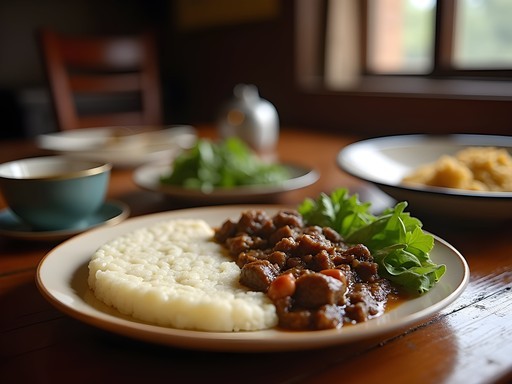
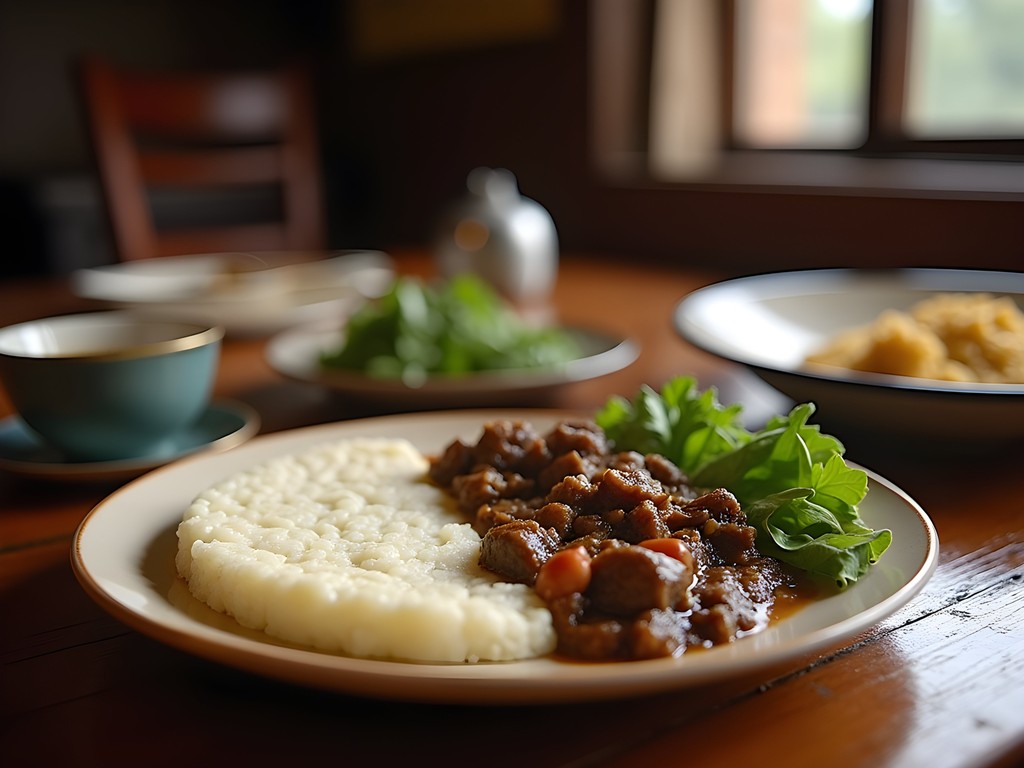
My daily food budget averaged $12-15, which included three substantial meals plus snacks. The secret? Embracing sadza (a cornmeal staple similar to polenta) with various stews at local spots like Chitukuko Restaurant near the city center. A filling lunch here costs around $3 and introduces you to authentic Zimbabwean flavors that chain establishments simply can't replicate.
For breakfast, the markets around Cecil Avenue offer fresh mangoes, bananas, and avocados at prices that made me question everything I knew about produce economics—I regularly purchased enough fruit for two days for under $2. Pair this with fresh bread from Bakery On The Go (about $0.50 for a substantial loaf) and you've got breakfast sorted for next to nothing.
Street food deserves special mention, particularly the maputi (roasted maize snack) and madora (mopane worms) for the adventurous. While the latter required serious culinary courage, they're protein-rich and cost pennies. The maputi became my go-to hiking snack, offering satisfying crunch and flavor for about $0.25 per bag.
For dinner splurges, Cecil Boutique Hotel's restaurant offers a surprising happy hour deal—half-price sadza and nyama (meat) platters on Wednesdays, bringing a normally $12 meal down to $6. The quality rivals upscale establishments but at budget-friendly prices.
Staying hydrated is crucial in Zimbabwe's climate, and bottled water costs add up. I saved approximately $30 over two weeks by bringing my water purifier bottle which let me safely drink tap water throughout my stay. The initial investment pays for itself within a week of travel in regions where bottled water is otherwise a daily necessity.
💡 Pro Tips
- Ask for 'takeaway' options at local restaurants—portions are often larger and cheaper than dining in
- Visit Gweru Farmers Market (Saturdays only) for the freshest produce at wholesale prices
- Learn the phrase 'ndiri kuda kudya' (I want to eat) to break the ice at local eateries
Budget Accommodation: Where to Stay Without Breaking the Bank
Accommodation typically devours travel budgets, but Gweru offers remarkable alternatives to overpriced hotels. After researching options with the same intensity I apply to sourcing new merchandise lines, I found several gems that balanced comfort, safety, and affordability.
My top recommendation: Cecil Backpackers Lodge, where I snagged a clean private room with shared bath for $18/night. This centrally-located hostel offers secure storage, reliable Wi-Fi (crucial for keeping up with work emails), and a communal kitchen that saved me hundreds on dining expenses. The social atmosphere introduced me to other budget travelers, including local university students who shared invaluable tips about free events and hidden attractions.
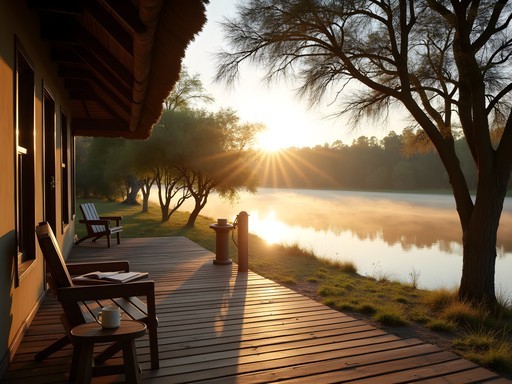
For those seeking more privacy without the premium price, Antelope Lodge offers budget cabins starting at $25/night when booked directly rather than through online platforms. While basic, these cabins include private bathrooms and are located near Antelope Park, saving on transportation costs if wildlife viewing is your priority.
The ultimate budget hack? Gweru's homestay network, accessed through the local tourism office rather than international booking sites. I spent four nights with the Moyo family ($15/night including breakfast) in their spare room. Beyond the cost savings, this experience provided cultural insights no hotel could offer—from learning to cook sadza to understanding daily Zimbabwean life beyond tourist attractions.
No matter where you stay, security remains important. I kept valuables organized and protected in my portable travel safe which secures to fixed objects in rooms without safes. This simple precaution allowed me to explore without worrying about documents and electronics, particularly in shared accommodation settings.
One surprising option: Midlands State University offers vacation rentals in student dorms when school is out of session (approximately $12/night). These bare-bones accommodations aren't listed online—you'll need to inquire directly at the housing office upon arrival, but they represent the absolute best value for truly budget-conscious travelers.
💡 Pro Tips
- Book accommodations directly by phone or email rather than through booking platforms to avoid commission fees
- Consider alternating between budget and ultra-budget options to extend your trip length
- Bring a lightweight sleeping bag liner for peace of mind in budget accommodations
Final Thoughts
Two weeks in Gweru taught me that the most memorable travel experiences rarely correlate with price tags—a lesson that translates perfectly to my work in retail buying. I arrived expecting compromises due to my budget constraints but left with experiences that felt exclusive despite their affordability. Zimbabwe may face economic challenges, but for budget travelers, this creates unique opportunities to experience extraordinary wildlife and cultural riches at a fraction of costs elsewhere in Africa. The connections I made with locals, from pottery artisans to my homestay family, provided context and depth that no luxury safari could match. If you're a student or budget traveler weighing destination options, I can't recommend Gweru strongly enough—it's the ultimate example of high-value, low-cost travel that delivers returns far beyond your investment. Just remember to bring an adventurous spirit, comfortable walking shoes, and enough space in your luggage for those irresistibly priced handcrafts.
✨ Key Takeaways
- Zimbabwe's economic situation creates unique opportunities for budget travelers to experience premium wildlife encounters at a fraction of costs elsewhere in Africa
- Cultural experiences through community-based tourism offer both the best value and most authentic connections
- Transportation and accommodation represent the biggest potential savings areas—focus your research here
- Local food options are both the most economical and the most authentic way to experience Zimbabwean cuisine
📋 Practical Information
Best Time to Visit
May-September (dry season with mild temperatures)
Budget Estimate
$30-40 per day including accommodation, food, transportation and activities
Recommended Duration
7-14 days
Difficulty Level
Moderate (Language Barriers And Limited Infrastructure Require Flexibility)
Comments
nomadnomad
Going there next month!! Any specific food places you'd recommend? I want to try everything local
summerking
not the author but we ate at this place called Midlands Hotel when we passed through and it was really good and cheap
nomadnomad
thanks!!
backpackstar
Love the photos!
Timothy Jenkins
Excellent write-up, Jose. I visited Gweru three years ago and your transportation tips are spot-on. The local kombis are indeed the way to go - I saved hundreds compared to tourist shuttles. One addition: the National Museum of Military History is often overlooked but absolutely worth the $2 entrance fee. The curators are incredibly knowledgeable and will spend hours sharing stories if you show genuine interest. Also recommend chatting with vendors at Kudzanai Market for authentic food experiences. The sadza and nyama combo there was better than any restaurant meal I had.
summerking
adding that museum to my list!
moonguy
How hard is it to get the visa? And did you need any vaccinations before going?
Timothy Jenkins
Visa on arrival is straightforward for most nationalities - around $30 USD. Yellow fever certificate required if coming from endemic areas. I'd also recommend malaria prophylaxis depending on the season you're visiting.
moonguy
thanks! super helpful
summerking
This is awesome!! Zimbabwe has been on my list forever
islandbuddy
pro tip - download maps.me before you go, saved me so many times in zim when data was spotty
TravelBugMike
Going there in June! Which local restaurant was your favorite?
Jose McDonald
Mama T's near the bus station—sadza and stew for under $3. Can't beat it!
Scarlett Bryant
Jose, this is such a practical guide! I've been to Victoria Falls twice but never made it to Gweru. Your point about the local kombis vs tourist shuttles is spot-on—I've found this pattern across Southern Africa. The cultural immersion section particularly resonated with me. When you mentioned the craft markets, did you find vendors were open to negotiation? Also curious about your accommodation choices. I'm planning a business trip to Harare in April and considering adding a few days in Gweru based on this post.
Jose McDonald
Thanks Scarlett! Yes, definitely room for negotiation at the markets—respectful haggling is expected. I stayed at a guesthouse near the city center for $18/night. Happy to send you details if you're interested!
Scarlett Bryant
That would be fantastic, thank you!
islandbuddy
Love this! Zimbabwe is so underrated
Jose McDonald
Right?? I was blown away by how much there was to do on a budget
Sarah Powell
Great budget breakdown, Jose. When analyzing travel costs in Zimbabwe, it's important to note the currency situation remains fluid. I'd recommend bringing USD in small denominations, as the exchange rates for electronic payments can be less favorable. For accommodation, I found Gweru's Antelope Lodge offers weekly rates that are 30% less than their daily rate if you ask directly (not advertised online). This reduced my 5-night stay from $175 to $125 total. Their free bicycle rentals also eliminated transportation costs within the city. One data point worth sharing: wildlife viewing costs have risen 12% since 2023 at the major parks, making your alternative suggestions even more valuable for budget travelers.
Jose McDonald
Sarah, that's such valuable intel about Antelope Lodge! I stayed at a different place but will definitely check them out next time. And you're absolutely right about the USD in small denominations - I should have emphasized that more in the post.
Venture X
Premium card with 2X miles, $300 travel credit, Priority Pass