
Disclosure: This article contains affiliate links. We may earn a commission from purchases at no extra cost to you, which helps our travel content.
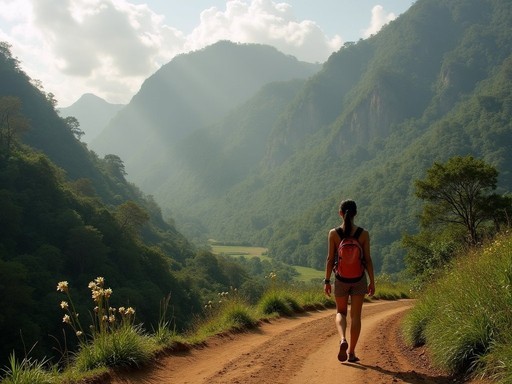
The road to Maliana winds through terraced hillsides and past small villages where life unfolds at a pace dictated by the rhythms of nature rather than the digital clock. As my 4x4 taxi navigated the final mountain pass, revealing the valley town nestled below, I felt that familiar rush of discovery that only truly off-grid destinations provide. Having spent years documenting the intersection of human-made spaces and natural landscapes across four continents, I've developed a particular fondness for places that exist on the periphery of the tourist map. East Timor (Timor-Leste) itself remains Southeast Asia's least-visited nation, and Maliana—a modest regional hub in the western highlands near the Indonesian border—represents a genuine frontier for travelers seeking authentic cultural experiences without the infrastructure (or costs) of more established destinations. What follows is my account of a week spent exploring this remarkable corner of one of the world's youngest nations, where colonial Portuguese architecture meets indigenous traditions against a backdrop of mist-shrouded mountains.

Understanding Maliana: Context and Arrival
Maliana sits approximately 130 kilometers southwest of Dili, East Timor's capital city. The journey itself is part of the experience—a 4-5 hour drive through landscapes that shift dramatically from coastal plains to cloud-piercing mountains. As an interior designer accustomed to analyzing how spaces reflect cultural values, I found myself captivated by the transition from Dili's Portuguese colonial buildings and UN-constructed infrastructure to the more traditional architectural forms that dominate Maliana's outskirts.
The town served as a district capital during Indonesian occupation (1975-1999) and witnessed significant violence during East Timor's struggle for independence. Today, physical reminders of this troubled history remain visible in certain buildings, but the overwhelming sense is one of a community looking forward rather than back.
I arranged my transportation from Dili through my guesthouse, paying $45 for a seat in a shared 4x4—substantially cheaper than the $80-100 private taxi option. The microlets (minibuses) that locals use cost under $10 but require multiple transfers and significantly more time. For those seeking maximum budget efficiency, these are viable but require patience and basic Tetum or Indonesian language skills.
Upon arrival, I checked into Pousada de Maliana, a simple guesthouse offering basic but clean rooms for $15 per night, including breakfast. More upscale accommodation exists at Uma Maliana ($30-40), while those seeking deeper immersion can arrange homestays through the local tourism office for around $10 per night including meals.
My first evening was spent simply walking the main street as the golden hour light illuminated the central market area, where vendors were packing away the day's unsold produce. The air carried the scent of wood smoke and coffee—two constants in East Timorese daily life. A plate of grilled fish with rice at a local warung (small restaurant) cost just $2.50, accompanied by strong, locally-grown coffee for another 25 cents.
💡 Pro Tips
- Arrange transportation to Maliana at least a day in advance—vehicles fill quickly
- Download maps.me before arrival as internet connectivity is limited
- Bring sufficient cash as ATMs are unreliable and credit cards rarely accepted
Sacred Spaces: Where Animism Meets Catholicism
My professional interest in how sacred spaces reflect cultural values found rich material in Maliana and its surroundings. East Timor presents a fascinating study in religious syncretism, where deep-rooted animist traditions coexist with the Catholic faith introduced during Portuguese colonization.
The town's central church—Igreja de São António—stands as the most prominent architectural statement, its whitewashed walls and simple bell tower reminiscent of rural Portuguese ecclesiastical design but adapted to local materials and climate conditions. Sunday morning service provides visitors an opportunity to witness how thoroughly Catholicism has been embraced while simultaneously transformed by Timorese culture. The vibrant textiles worn by churchgoers echo traditional tais patterns, while certain ritual elements incorporate subtle nods to pre-Christian spiritual practices.
More compelling for those interested in indigenous spiritual traditions are the uma lulik (sacred houses) found in villages surrounding Maliana. These structures serve as repositories of ancestral objects and sites for important ceremonies. Accessing these requires both permission and guidance from local authorities. I arranged a visit through my guesthouse owner to a nearby village where a newly reconstructed uma lulik stood as a testament to cultural resilience.
The building's distinctive high-pitched roof and intricate wooden carvings demonstrated sophisticated architectural knowledge passed through generations. My guide—a young man named João who had returned to his village after university studies in Dili—explained how the structure's proportions and orientation followed precise traditional requirements. No nails or modern fasteners were used in its construction; instead, natural fibers bound wooden elements together in techniques dating back centuries.
For photographing these sacred spaces, I relied on my compact camera, which offers excellent low-light performance without the intimidating presence of larger equipment. Always request permission before photographing any religious site or ceremony, and be prepared to make a small donation to the community or church.
💡 Pro Tips
- Always ask permission before entering or photographing sacred structures
- Remove shoes when entering uma lulik (sacred houses)
- Dress modestly when visiting churches or traditional villages (covered shoulders and knees)
Mountain Trails and Border Lands
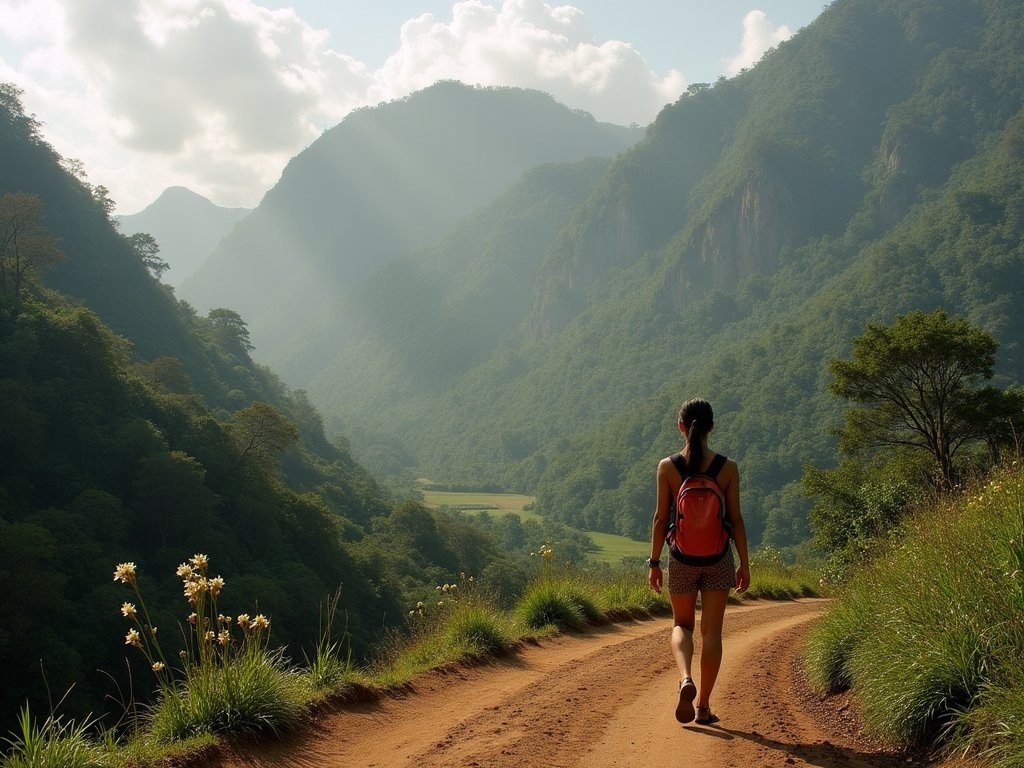
Maliana's position in the western highlands makes it an excellent base for budget-conscious hikers seeking to explore East Timor's mountainous interior. Unlike the more established trails near Dili or around Mount Ramelau, the paths here remain largely unmarked and untraveled by tourists, offering a profound sense of discovery.
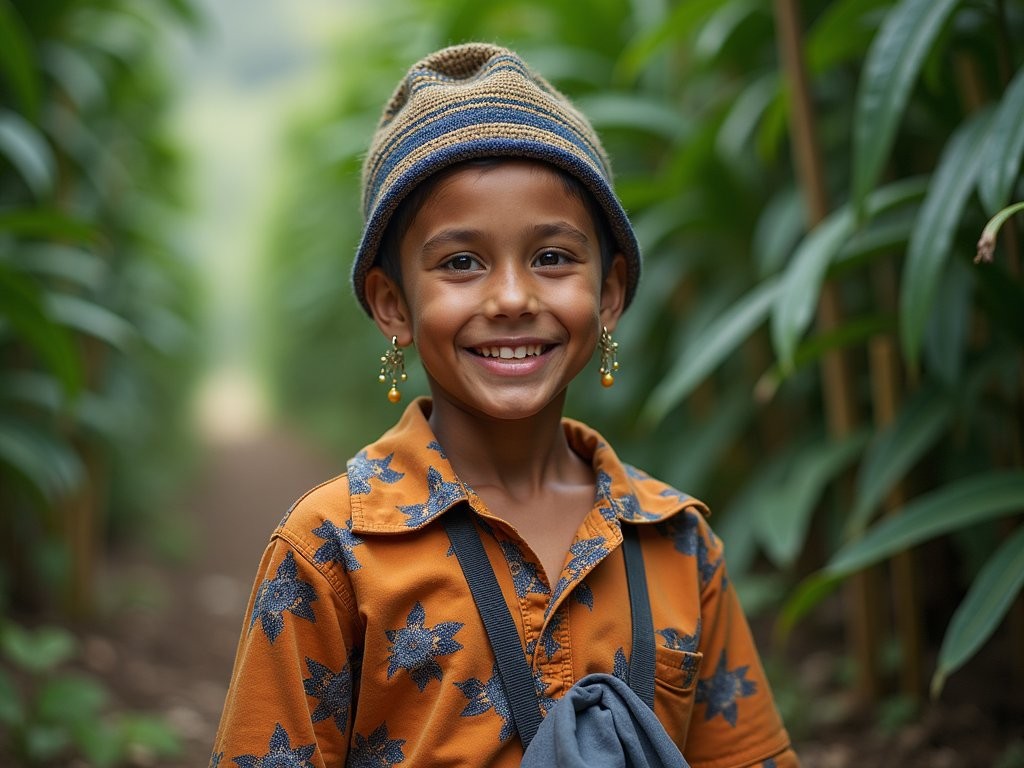
My most memorable excursion was a day hike to Saburai Mountain, which forms part of the border with Indonesia. I hired a local guide named Marcos for $20—an essential expense not only for navigation but also for cultural context and safety. The trail began just outside town, quickly ascending through coffee plantations where farmers were selectively harvesting ripe cherries. The cultivation methods here remain largely traditional, with coffee plants growing beneath the shade of larger trees in a sustainable agroforestry system.
As we climbed higher, the landscape transitioned to more pristine forest patches interspersed with grasslands offering sweeping views back toward Maliana and beyond to Indonesian West Timor. Marcos pointed out medicinal plants used in traditional healing practices—knowledge that resonated with my own experiences with alternative medicine during my recovery period in Arizona years ago.
The border itself is marked intermittently by simple concrete posts rather than fences, a reminder of the relatively recent establishment of East Timor as an independent nation. Military presence is minimal but evident; we encountered a small East Timorese patrol who checked our identification but were friendly upon learning we were simply hiking.
For this kind of trekking, reliable footwear is essential. My hiking boots proved their worth on the sometimes steep and slippery terrain. Equally important was carrying sufficient water—at least 3 liters per person—as sources along the route can be unreliable, especially in the dry season.
The round trip took approximately 7 hours, including frequent stops for photographs and rest. We encountered no other hikers, though occasionally passed local farmers moving between plots or tending to livestock. The physical challenge was moderate to difficult, primarily due to the heat and humidity rather than technical difficulty of the trail itself.
💡 Pro Tips
- Always hire a local guide for hikes—trails are unmarked and you're supporting the local economy
- Start hikes early (6-7am) to avoid afternoon heat and potential thunderstorms
- Carry more water than you think you'll need—purification options are limited

Local Markets: The Economic and Social Heartbeat
As someone who has spent a career analyzing how spaces influence human interaction, I find markets particularly revealing of a community's character. Maliana's central market operates daily but reaches its vibrant peak on Saturday mornings when farmers from surrounding villages arrive with their produce and handicrafts.
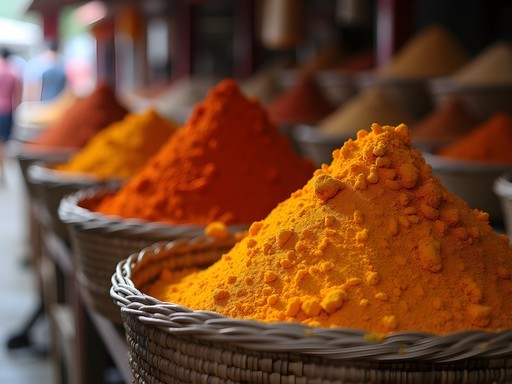
The market occupies several interconnected areas spreading from a central covered structure. Unlike the more tourist-oriented markets in Dili, prices here reflect the local economy—vegetables, fruits, and staples sell for pennies rather than dollars. The layout follows a logical organization that reveals itself only after multiple visits: household goods cluster near the main entrance, followed by dry goods, vegetables, meat and fish (arrive early for these), with handicrafts and textiles toward the periphery.
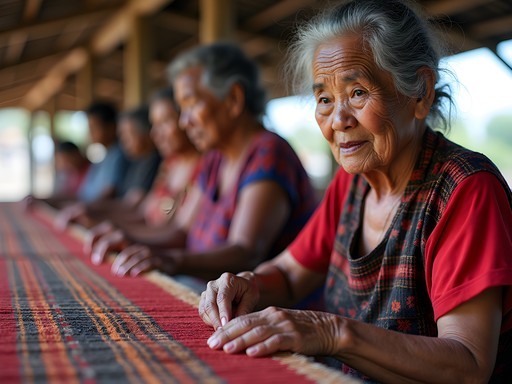
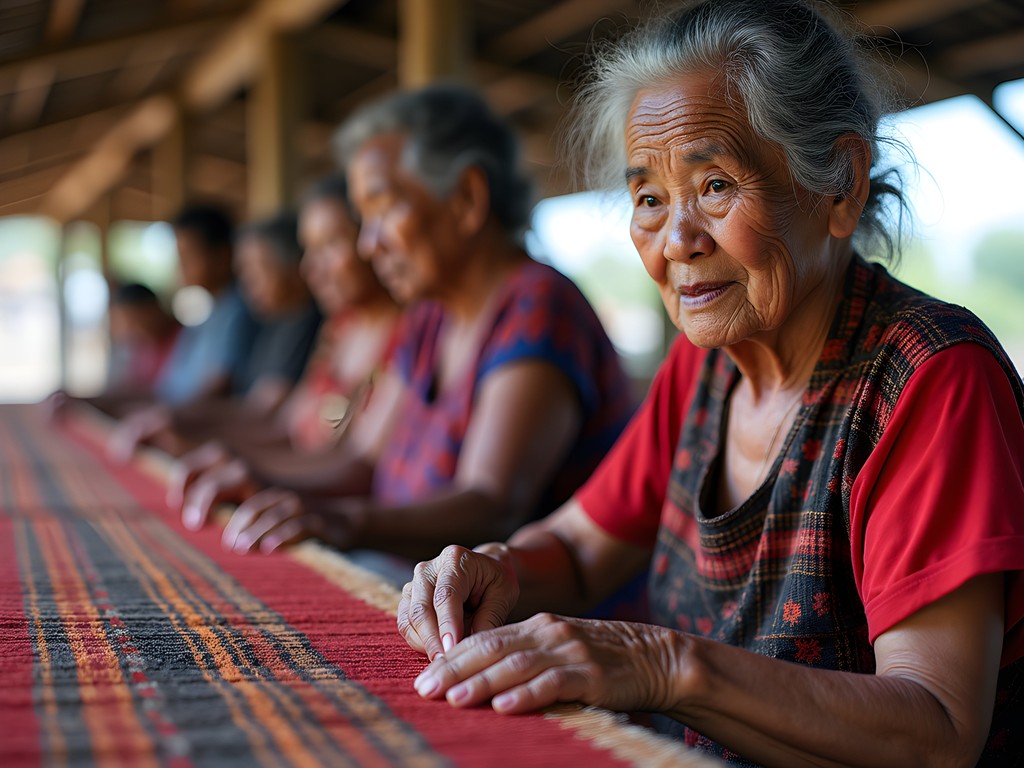
The traditional tais textiles found here represent some of East Timor's most significant cultural expressions. Each region produces distinctive patterns and motifs, with Maliana's style recognizable for its predominant use of black, red, and gold geometric designs. Unlike the tourist-oriented textiles in Dili, these are produced primarily for local use in ceremonies and important life events. Prices reflect the weeks of labor involved—expect to pay $25-50 for an authentic piece, negotiated respectfully.
Beyond material goods, the market functions as an information exchange and social hub. My attempts at basic Tetum phrases were met with genuine appreciation and often led to conversations through a mix of limited shared language and expressive gestures. One elderly weaver spent nearly an hour demonstrating her technique using a traditional backstrap loom, a moment I captured with my smartphone, which proved invaluable for documenting these spontaneous cultural exchanges without being intrusive.
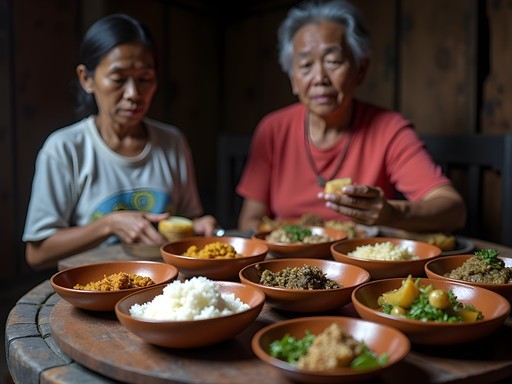
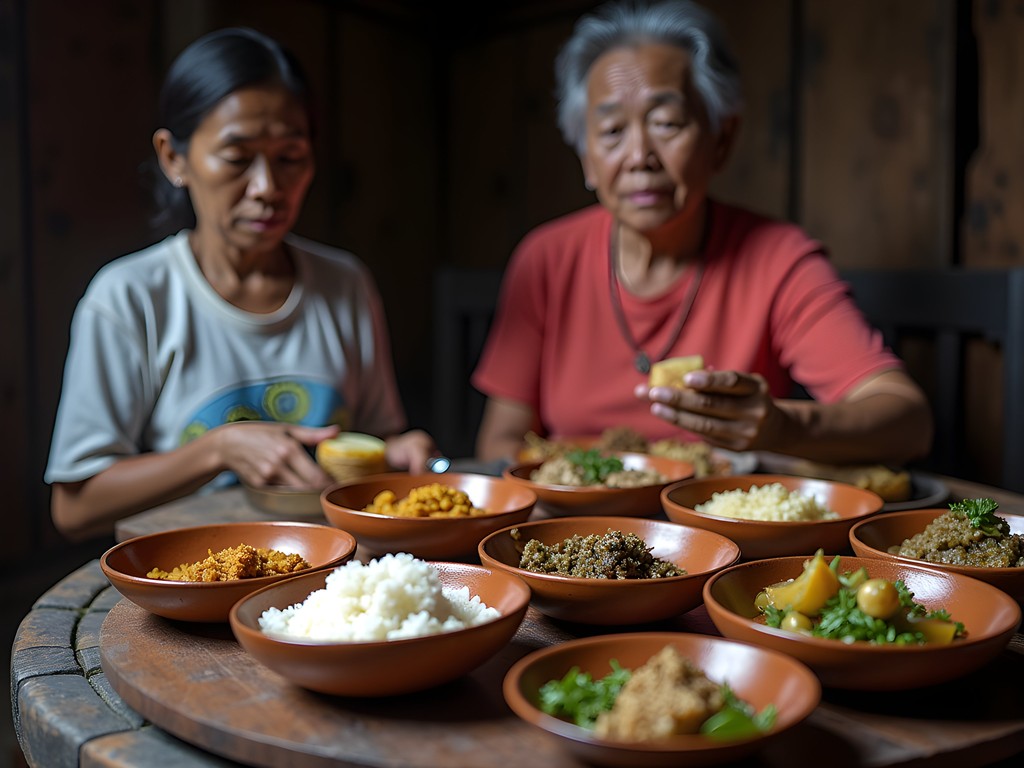
Food stalls around the market's perimeter offer the opportunity to sample local specialties at minimal cost. The katupa (rice cooked in coconut leaves) served with chicken and vegetables became my regular lunch, costing just $1.50. Coffee stands serve the excellent local arabica for 25 cents a cup, brewed strong and sweet unless you specify otherwise.
For budget travelers, the market also provides an opportunity to stock up on fresh fruit, bread, and snacks at prices far below what you'll find elsewhere. A bunch of bananas costs around 50 cents, while a bag of fresh bread rolls is typically 25 cents.
💡 Pro Tips
- Visit the market early (6-8am) for the freshest selection and to observe the most activity
- Bring small denominations of US dollars or local currency for purchases
- Ask permission before photographing vendors or their goods
Sustainable Budget Accommodation and Food
Accommodation options in Maliana reflect its status as a regional administrative center rather than a tourist destination—a refreshing authenticity that budget travelers will appreciate. During my week-long stay, I split my time between two establishments to experience different perspectives of the town.
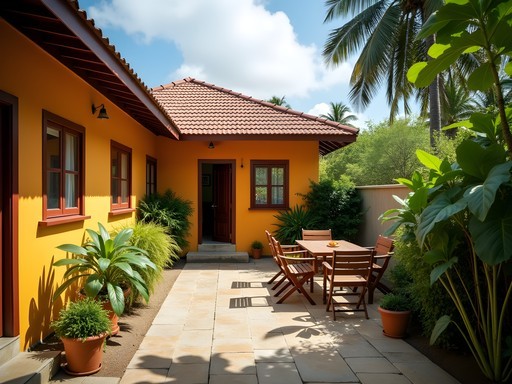
Pousada de Maliana offers the most established option, with basic but clean private rooms with fans (no air conditioning) and shared bathrooms for $15 per night including a simple breakfast of bread, fruit, and coffee. The Portuguese-influenced building wraps around a central courtyard where guests naturally gather in the cooler evening hours. The owner, Senhora Maria, speaks reasonable English and can arrange guides and transportation.
For a more immersive experience, I spent three nights in a homestay arranged through the local tourism office located near the market. For $10 per night, I stayed with the family of a local teacher, which included breakfast and dinner. While the physical accommodations were simpler—a foam mattress on the floor with mosquito netting—the cultural exchange was invaluable. Limited common language meant communication happened through gestures, drawings, and the universal language of shared meals.
Regardless of where you stay, a sleep sheet is essential for both hygiene and comfort, as bedding standards vary considerably. I also found my portable fan indispensable during the hot, still nights when power outages are common.
For meals, small warungs (family-run eateries) line the main street, serving simple but satisfying dishes for $1.50-3.00. These typically offer some variation of rice with vegetables, chicken, fish, or occasionally beef, along with local coffee or tea. My favorite became Warung Mimosa, where the daily special was always the best option—particularly the grilled fish on Fridays when fresh catches arrive from the coast.
Self-catering is also viable, with the market providing affordable ingredients and a few small shops selling packaged goods. If your accommodation provides access to a kitchen (most homestays will), you can prepare simple meals for pennies. During my stay, I often made breakfast of fresh papaya and bread, packed a lunch of boiled eggs and bananas for hiking days, and then enjoyed a prepared dinner at a local warung.
Drinking water requires planning—I brought a water purification system but found that most guesthouses and restaurants sell boiled water that can be used to refill bottles for about 25 cents per liter. This approach minimizes plastic waste while supporting local businesses.
💡 Pro Tips
- Book the first night's accommodation in advance, then explore options once you arrive
- Bring earplugs—roosters, dogs, and early morning market activity start before dawn
- Learn basic food vocabulary in Tetum or Indonesian to communicate dietary preferences
Connecting with Community: Beyond Tourism
The most meaningful experiences in Maliana came through moments of genuine connection that transcended the typical tourist-local dynamic. With virtually no tourism infrastructure, interactions here feel refreshingly authentic—people are curious about visitors but not conditioned to see them primarily as economic opportunities.
One avenue for deeper engagement came through the local school, where I arranged to give an informal presentation about architectural design to secondary students. As a visiting professional with a specific skill set, I found educators eager to expose their students to different perspectives. This required advance arrangement through the district education office (located near the main market) and flexibility regarding facilities—my 'presentation' involved hand-drawn sketches rather than digital slides due to power limitations.
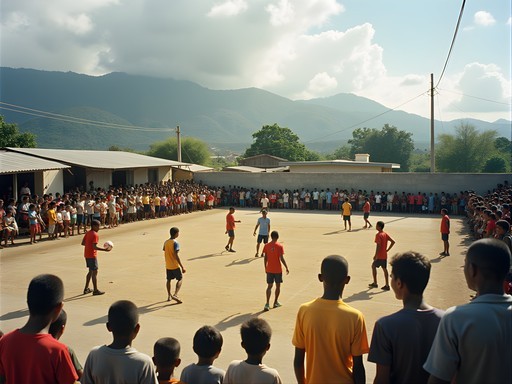
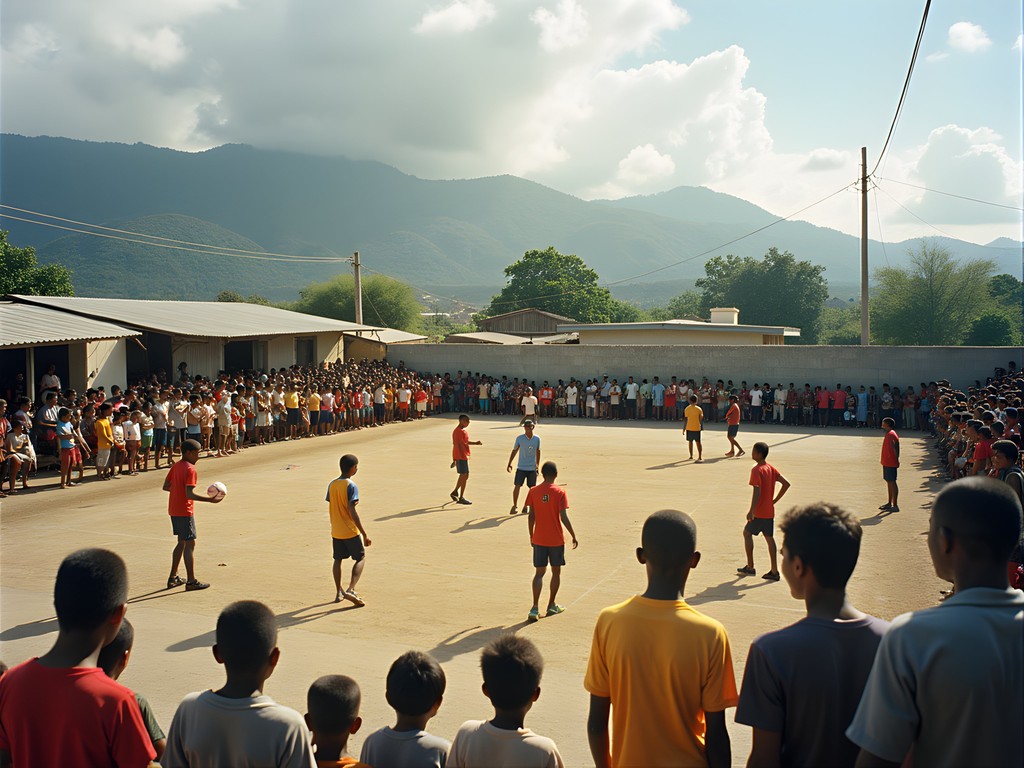
Another connection point emerged through Maliana's weekly soccer matches held at the modest stadium on the eastern edge of town. These Sunday afternoon games draw substantial crowds and provide a window into community life. The stadium itself interested me from an architectural perspective—a simple concrete structure that nonetheless serves as a vital public space. I was quickly adopted by a group of enthusiastic fans who explained the local rivalries and player backgrounds despite our language barriers.
For those interested in East Timor's complex history, conversations with elders can provide profound insights, though sensitivity is essential. My homestay host's father had lived through Portuguese colonization, Indonesian occupation, and finally independence. Over several evenings, with his son translating, he shared stories that illuminated how these political transitions affected daily life in Maliana—from changes in education systems to the rebuilding of community structures after conflict.
The weekly church service offers another window into community life, regardless of your religious affiliation. The Sunday morning Catholic mass brings together people from across the social spectrum and provides an opportunity to observe community dynamics. The building itself represents an interesting architectural adaptation of Portuguese colonial design to local materials and climate conditions.
These connection points require patience, cultural sensitivity, and a willingness to communicate through limited shared language. I found that carrying photographs of my home, family, and work helped facilitate conversations, as did learning basic greetings and thank-you phrases in Tetum. Small gifts of practical items (school supplies, English-language books, medical supplies) are appreciated but should be given thoughtfully rather than as transaction expectations.
💡 Pro Tips
- Learn at least basic greetings in Tetum—'bondia' (good morning) and 'obrigado' (thank you) go a long way
- Bring printed photographs of your home and family to share during conversations
- Respect the community's pace—relationships develop slowly but meaningfully
Final Thoughts
As my week in Maliana drew to a close, I found myself reluctant to leave this pocket of authenticity in an increasingly homogenized world. The town offers no spectacular single attraction to draw conventional tourists, yet its very ordinariness—the rhythm of market days, the soccer matches, the evening gatherings at simple coffee shops—provides something increasingly rare: a genuine glimpse into a community living on its own terms rather than performing for visitors.
For the budget traveler willing to embrace basic conditions and communication challenges, Maliana rewards with experiences that feel earned rather than purchased. The connections I made here—from the textile weaver who spent hours demonstrating her craft to the family who welcomed me into their home—represent travel in its most meaningful form: as a bridge between different ways of understanding the world.
As East Timor gradually develops its tourism infrastructure, places like Maliana will inevitably change. My hope is that they do so on their own terms, preserving the cultural authenticity and community bonds that make them special. Until then, for those willing to step far from the beaten path, Maliana waits—not with spectacular sights, but with something perhaps more valuable: a chance to experience a place as it truly is.
✨ Key Takeaways
- Maliana offers authentic cultural immersion at budget prices for travelers willing to embrace basic conditions
- Local guides are essential for both safety and cultural context when exploring surrounding mountains and villages
- Learning basic Tetum phrases significantly enhances the experience and shows respect for local culture
- The Saturday market provides the best opportunity to observe local life and purchase authentic handicrafts
📋 Practical Information
Best Time to Visit
May to November (dry season)
Budget Estimate
$25-35 per day including accommodation, food, and local transportation
Recommended Duration
5-7 days
Difficulty Level
Challenging

Comments
Savannah Torres
Brandon, this is such a beautiful piece! I'm curious about traveling to places like Maliana with children - did you see many families there? We're always looking for authentic experiences off the tourist trail, but I wonder about the practicalities in such remote areas. The sacred spaces you mentioned sound fascinating though. There's something special about places where different belief systems coexist so naturally.
starnomad
Would love to hear about this too. Thinking about bringing my nephew on a trip
starnomad
How easy is it to get around without knowing the local language? I've been wanting to explore East Timor but worried about the logistics in smaller towns like this.
moonmood
not OP but i found people super helpful even with basic english. just smile a lot lol
Savannah Torres
I haven't been to Maliana specifically, but we did travel through rural parts of Timor-Leste with our kids last year. Portuguese and Tetum are the main languages, but you can get by with gestures and a translation app. The locals are incredibly patient and welcoming. Just be prepared for things to move slowly - which honestly becomes part of the charm once you adjust to the pace!
moonmood
This looks incredible! Adding to my list
smartnomad
Adding this to my bucket list right now!
Willow Sanchez
Brandon, your writing about the animist-Catholic blend really captured something I've been trying to articulate about East Timor for years. I visited Maliana during Corpus Christi celebrations in 2024 and witnessed this incredible procession where traditional tais cloth and Catholic imagery merged so seamlessly. The way communities there have woven their ancestral beliefs into Christian practice without losing either tradition is something I rarely see written about with such nuance. Did you get to visit any of the sacred houses (uma lulik) in the surrounding villages? I found those experiences to be the most profound part of my time there, though I know they're not always accessible to visitors.
wanderlustexplorer
This is so interesting! How do you approach visiting sacred sites respectfully as a tourist?
starguide9086
YES! Finally someone writing about Maliana!! I spent three weeks there in 2025 and it completely changed my perspective on travel. The border lands section of your post brought back so many memories - I did that same mountain trail you mentioned and met the most incredible local guide who shared stories about the Indonesian occupation. The sacred spaces are truly special. One tip for anyone going: bring cash from Dili because there's literally ONE ATM in town and it's unreliable. I learned that the hard way! Also the Sunday market is absolutely worth planning your trip around.
backpackbuddy
Good to know about the ATM situation! Thanks!
escapephotographer
Your photos are gorgeous! The one of the terraced hillsides at sunrise is stunning. What camera setup were you using? The lighting is perfect.
wanderlustexplorer
Really appreciate the budget breakdown in your post. I'm planning East Timor for September and was worried about costs. The market section was super helpful - love that you can get fresh meals for under $3. Did you try any specific dishes you'd recommend?
Brian Torres
Brandon, this really resonates with me. I took my family through East Timor two years ago and we skipped Maliana because everyone said it was "too remote" for kids. Reading your piece about the markets and the blend of animism and Catholicism makes me realize what we missed. The way you describe the terraced hillsides reminds me of our time in northern Laos - that same feeling of stepping into a different rhythm of life. We're planning another Southeast Asia trip for 2027 and I'm definitely adding Maliana to the itinerary this time. Did you find the guesthouses family-friendly at all?
smartnomad
Would love to hear about this too! Thinking of bringing my partner and her 8yo nephew.
winterway
How did you arrange the 4x4 taxi from Dili? Did you book in advance or just show up?
starguide9086
Not Brandon but I went last year - you can just show up at the bus terminal in Dili early morning. Drivers are there looking for passengers!
Venture X
Premium card with 2X miles, $300 travel credit, Priority Pass