


Disclosure: This article contains affiliate links. We may earn a commission from purchases at no extra cost to you, which helps our travel content.
The chaotic symphony of Nairobi's streets might initially overwhelm your senses, but don't let that—or misconceptions about cost—keep you from exploring Kenya's fascinating capital. Having navigated my fair share of supposedly 'expensive' destinations on modest budgets (my insurance salary only stretches so far!), I've mastered the art of experiencing vibrant cities without emptying my wallet. On my recent third visit to Nairobi, I challenged myself to experience this East African hub on just $30 a day. Spoiler alert: not only is it entirely possible, but you'll discover a richer, more authentic side of the city than most tourists ever see.

Budget Accommodation: Beyond the Tourist Traps
After a particularly disastrous splurge on a supposedly 'mid-range' hotel during my first Nairobi visit (complete with non-functioning Wi-Fi and mysterious nocturnal noises), I've learned where the genuine bargains hide. Hostels in Nairobi offer exceptional value, particularly in the Kilimani and Westlands neighborhoods, where you'll find clean dormitories starting at $8-12 per night.
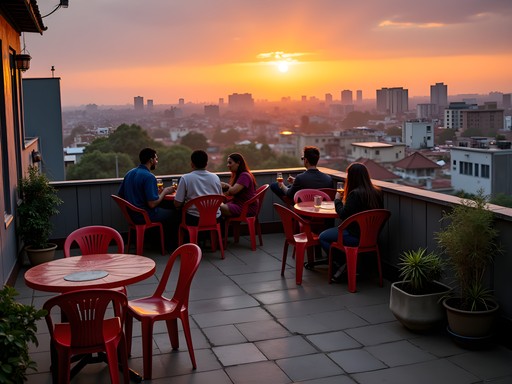
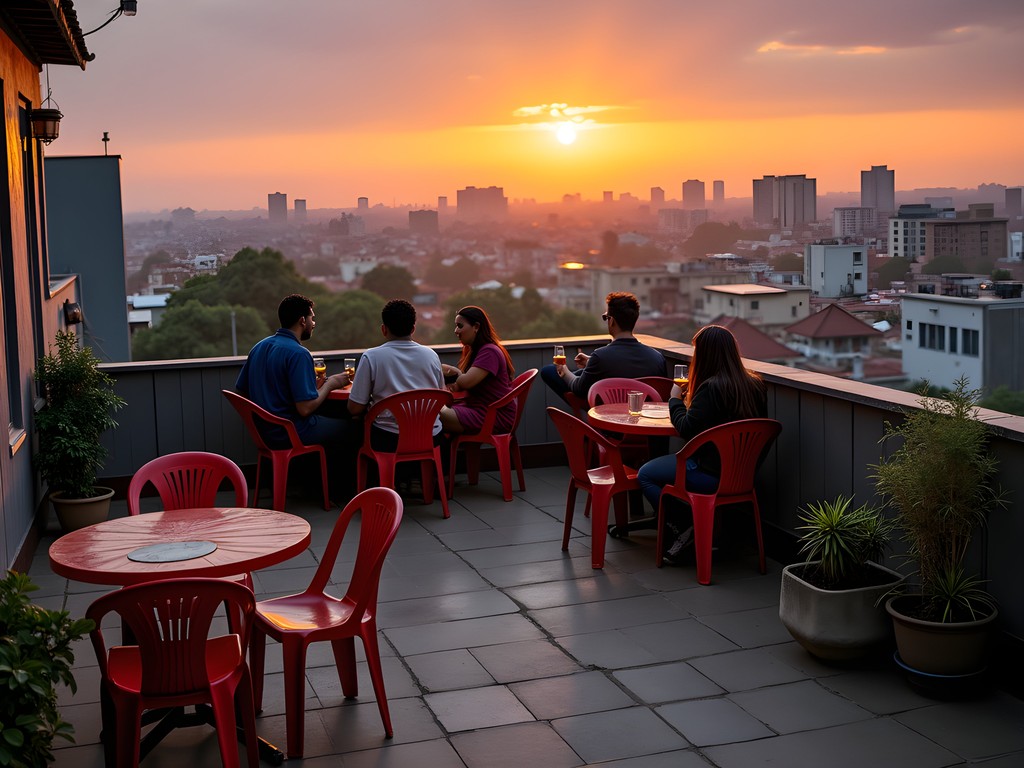
Milimani Backpackers became my home base this trip—basic but impeccably clean with a garden courtyard where travelers swap tips over Tusker beers. For those craving more privacy, numerous guesthouses in residential neighborhoods offer rooms from $15-20, often including breakfast. I stayed three nights at Khweza Bed & Breakfast in Eastleigh, where the rooftop terrace provided stunning city views and the included breakfast of mandazi (Kenyan donuts) and fruit saved me daily food costs.
Before booking anywhere, I recommend packing a lightweight sleep liner for peace of mind in variable accommodation conditions. It's become my non-negotiable travel companion across Southeast Asia and Africa.
💡 Pro Tips
- Book accommodations that include breakfast to save on daily food costs
- Consider staying slightly outside the city center—transportation is cheap and you'll experience more authentic neighborhoods
- Always read recent reviews, particularly from solo female travelers, for safety insights
Navigating Nairobi: Transport on a Shoestring
Nairobi's infamous traffic jams can test even the most patient traveler, but they needn't drain your budget. The ubiquitous matatus (minibuses) are not just transportation but cultural experiences in themselves—mobile art galleries plastered with everything from hip-hop icons to political slogans, pumping Kenyan beats as they navigate the city. At 30-50 Kenyan shillings per ride (roughly $0.25-0.45), they're unbeatable value.
During my first matatu experience years ago, I clutched my bag with white knuckles, certain I'd miss my stop or worse. Now, I navigate the system with relative confidence, though I still use the offline maps app to track my journey, as matatu routes aren't marked on Google Maps.
For first-timers, start with Route 34 (connecting the city center with Westlands) or Route 23 (linking downtown with Kilimani)—both pass major landmarks and are less crowded than others. When matatus aren't practical, Uber and Bolt offer remarkably affordable rides, typically $2-5 within the central areas. I've found Bolt slightly cheaper, but Uber more reliable during peak hours.
Walking is viable in certain areas during daylight hours, particularly around the central business district and Westlands, though always remain aware of your surroundings and keep valuables secure with a anti-theft crossbody bag, which has proven invaluable across my travels in crowded urban environments.

💡 Pro Tips
- Download the Uber and Bolt apps before arriving—they're safer and more economical than street taxis
- Ask locals or your accommodation host to explain the matatu routes relevant to your destinations
- For matatus, have small denominations ready and watch how locals pay to understand the correct fare
Eating Like a Local: Culinary Adventures Under $10/Day
My grandmother always said you haven't truly visited a place until you've eaten where the locals eat, and nowhere is this more financially advantageous than Nairobi. The city's vibrant food scene offers delicious meals at prices that would make European street food vendors blush with shame.
Start your day at a local kibanda (small restaurant) with a hearty breakfast of mandazi (Kenyan donuts) and chai (spiced tea) for under $1. For lunch, the food stalls around City Market serve generous portions of nyama choma (grilled meat, typically goat or beef) with ugali (maize porridge) and sukuma wiki (collard greens) for $2-3.
My personal discovery this trip was K'Osewe Ranalo Foods on Kimathi Street, where $4 buys an enormous plate of traditional Kenyan dishes. Their tilapia with ugali transported me straight to Lake Victoria's shores, though fair warning—Kenyans look amused watching foreigners navigate whole fish with just their hands and ugali!
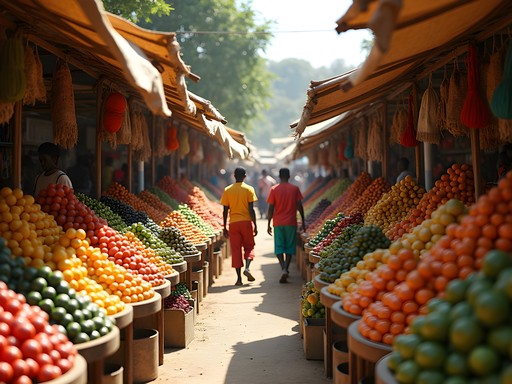
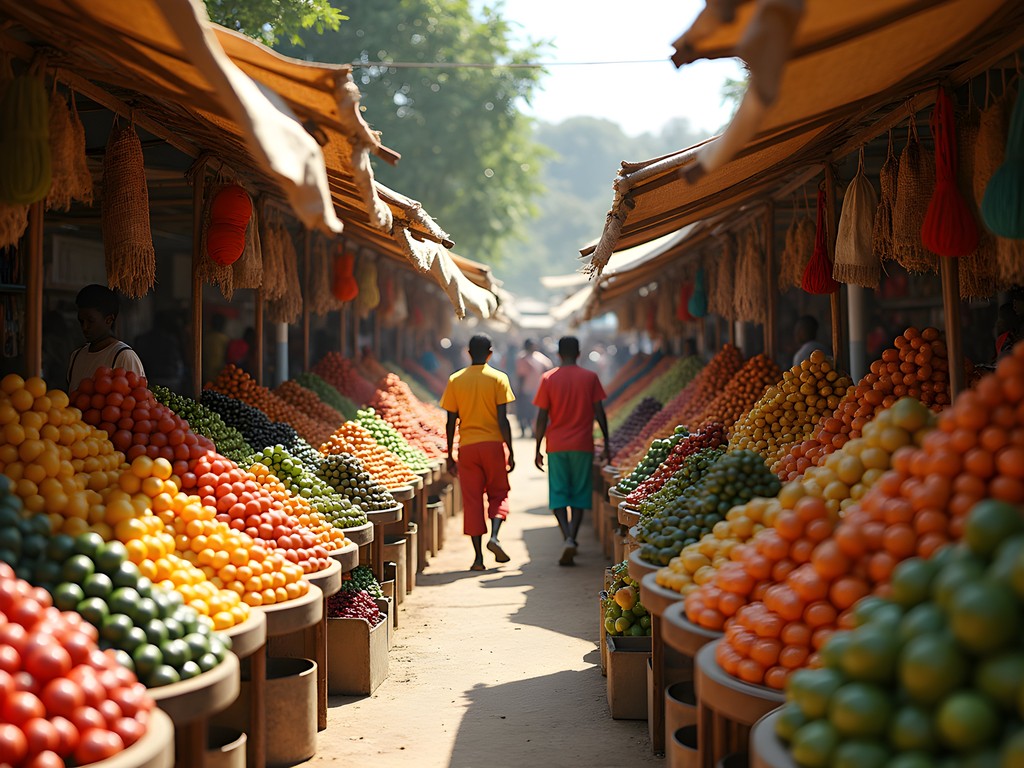
For self-catering options, Nairobi's markets offer abundant fresh produce at bargain prices. Wakulima Market (City Market) became my morning ritual, where I'd stock up on mangoes, passion fruits, and avocados for impromptu picnic lunches. I always carry my collapsible food container for market purchases and restaurant leftovers—it's saved me countless shillings and reduced my plastic waste considerably.
Staying hydrated is essential in Nairobi's equatorial climate, but bottled water costs add up. I purify tap water with my trusty water purifier bottle, which has kept me safely hydrated across four continents without a single stomach upset.
💡 Pro Tips
- Look for restaurants filled with locals rather than tourists—the food will be both better and cheaper
- Learn basic food terms in Swahili; vendors often offer better prices when you demonstrate cultural interest
- Visit markets near closing time for the best deals on fresh produce

Free and Nearly-Free Attractions: Beyond the Safari Circuit
While many visitors use Nairobi merely as a gateway to expensive safaris, the city itself offers remarkable experiences that cost little to nothing. The Nairobi National Museum ($12 entrance for foreigners) provides an excellent overview of Kenya's cultural and natural history, with the added bonus of beautiful grounds perfect for a packed lunch.
My unexpected favorite discovery was the Nairobi Railway Museum ($3 entrance), where I spent hours exploring vintage steam engines and colonial-era carriages. As the daughter of an airline mechanic, I've inherited a fascination with transportation history, and this hidden gem satisfied that curiosity while providing respite from Nairobi's bustling streets.
For a taste of local creative energy, visit the GoDown Arts Centre (free entry) in the Industrial Area, where you can watch artists at work and perhaps pick up unique souvenirs directly from creators. I found a beautiful hand-carved wooden pendant that reminds me of Nairobi's creative pulse every time I wear it.
The Karura Forest Reserve charges a modest $5 entrance fee but delivers extraordinary value with its network of trails leading to hidden waterfalls and caves once used by Mau Mau freedom fighters. I spent an entire day here with my hiking daypack filled with market picnic supplies, not seeing another tourist for hours.
For evening entertainment, check university notice boards for free film screenings, poetry readings, and musical performances. The University of Nairobi often hosts cultural events open to the public, offering authentic entertainment without the tourist markup.

💡 Pro Tips
- Visit museums on weekday afternoons when they're least crowded
- Download the free 'Nairobi Now' app for updated listings of free events and exhibitions
- Many religious sites welcome respectful visitors outside of service times—Jamia Mosque and All Saints Cathedral are architectural treasures
Craft Connections: Affordable Artisanal Experiences
My passion for traditional crafts has taken me from Bulgarian pottery workshops to Vietnamese silk weavers, but Kenya's artisanal traditions hold a special place in my heart. While the upscale Maasai Markets cater increasingly to tourists, Nairobi harbors authentic craft experiences that won't break your budget.
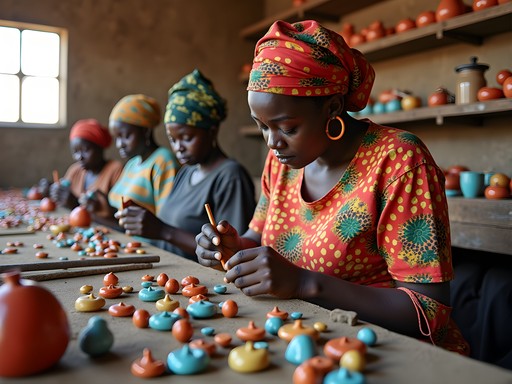
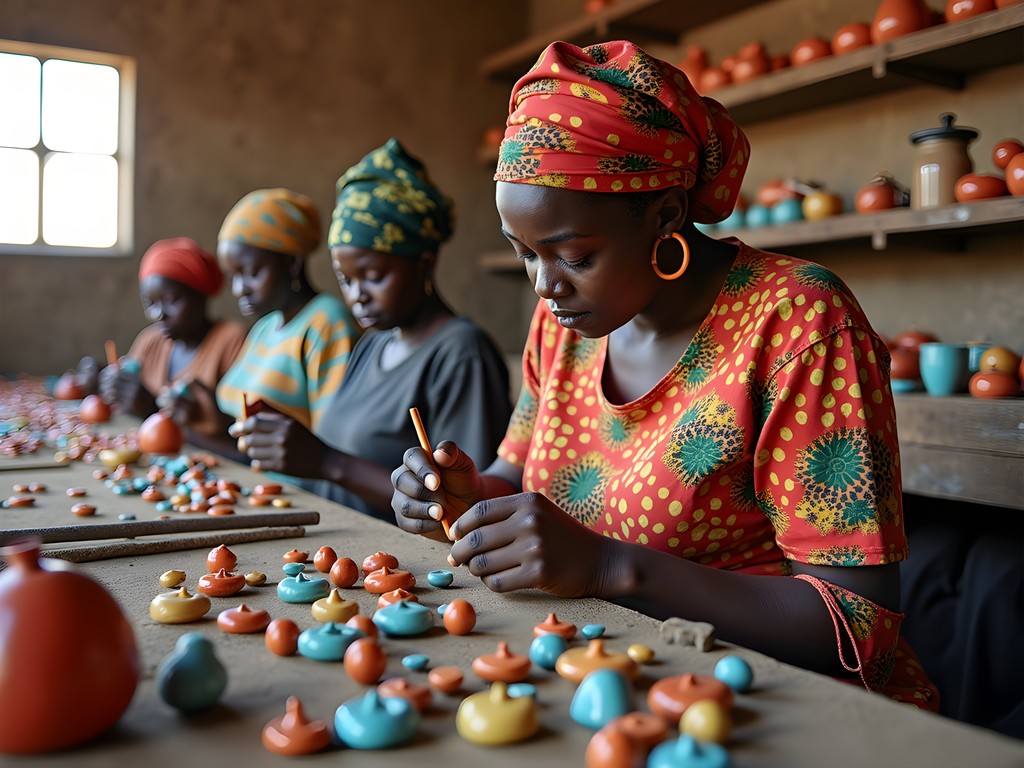
The Kazuri Beads Workshop in Karen offers free tours where you can watch local women transform clay into vibrant ceramic jewelry. What began as a social enterprise employing single mothers has grown into an internationally recognized brand while maintaining its community focus. I spent a fascinating morning chatting with Margaret, a beadmaker for 15 years, about how traditional designs have evolved to meet contemporary tastes.
For textile enthusiasts, seek out the Spinners Web collective on Kitisuru Road, where you can browse (no pressure to buy) incredible textiles from across East Africa. I was particularly drawn to the kikoi fabrics—traditionally woven cotton cloths with distinctive striped patterns that make perfect lightweight travel towels.
The most budget-friendly craft experience was my impromptu afternoon at the Woodcarvers Market near Racecourse Road. Unlike the tourist-oriented markets, this is where many of Nairobi's woodcarvers actually work. I spent hours watching artisans transform jacaranda and olive wood into everything from salad servers to elaborate sculptures, all while sharing stories in a mixture of broken English and my even more broken Swahili.
Before visiting any craft center, I recommend carrying a small travel sketchbook. Not only does sketching help me remember details better than photographs, but it's also opened countless conversations with artisans curious to see how I interpret their work.
💡 Pro Tips
- Visit workshops early in the day when artisans are beginning their work and have more time to chat
- Learn a few craft-related terms in Swahili—artisans appreciate the effort and often share more about their techniques
- If you're genuinely interested in learning, some craftspeople offer informal lessons for small fees or even just the cost of materials
Final Thoughts
As my matatu rattled toward Jomo Kenyatta International Airport on my final day, I tallied my expenses: seven days in Nairobi had cost me just under $200—comfortably under my $30/day target. But the real value wasn't measured in shillings saved. By traveling on a shoestring, I'd experienced a Nairobi most safari-bound tourists never see—I'd shared meals with university students discussing politics, learned traditional wood carving techniques from master craftsmen, and discovered hidden city viewpoints known only to locals.
Nairobi isn't just affordable—it's a masterclass in how budget travel often delivers the richest experiences. The city rewards those willing to step away from tourist circuits with genuine connections, cultural insights, and memories that no luxury safari could provide. As my grandmother would say, 'La vera ricchezza è nelle esperienze'—true wealth lies in experiences. And by that measure, my budget stay in Nairobi made me feel like a millionaire.
So pack your sense of adventure (and perhaps that water purifier I mentioned), embrace Nairobi's chaotic energy, and discover how $30 a day can open doors to experiences that are, quite simply, priceless.
✨ Key Takeaways
- Nairobi offers authentic experiences at remarkably low prices when you embrace local transportation, food and accommodation
- The connections you make with local artists, vendors and residents become the most valuable souvenirs
- Budget travel in Nairobi isn't about deprivation—it's about accessing a more authentic side of the city that many tourists miss
📋 Practical Information
Best Time to Visit
Year-round, though June-September and January-February offer the most pleasant weather
Budget Estimate
$25-30 per day excluding flights
Recommended Duration
5-7 days
Difficulty Level
Easy








Comments
photoguide
Great article but I'd add one thing - the Nairobi National Park is technically over your $30/day budget (entry is $43 for foreigners) but absolutely worth saving for! Where else can you see giraffes with skyscrapers in the background? I spent a morning there and then did all the free activities you mentioned for the rest of my trip to balance it out. The David Sheldrick elephant orphanage is another splurge worth making room for in a budget trip.
oceanchamp
Love how you captured the real Nairobi! Those matatu rides are unforgettable.
Casey Andersson
Interesting perspective on budget travel in Nairobi! I typically go the luxury route when I visit Kenya (The Giraffe Manor is my absolute favorite splurge), but after reading this I'm inspired to try a more local experience next time. I did venture into the CBD on my last visit and found the energy absolutely electric. One recommendation for those wanting to balance budget with comfort - I used this city guide which has an excellent section on mid-range dining options that won't break the bank but still offer a nice atmosphere. The food markets you mentioned are definitely authentic but can be overwhelming for first-timers to Africa.
redhero
Giraffe Manor is on my dream list! Maybe someday when I'm not on a shoestring budget 😂
redhero
Just got back from Kenya last month and followed some of your tips in Nairobi before heading on safari. The Railway Museum was such an unexpected gem! Only 600 KSH entrance and fascinating colonial history. We also found an amazing coffee shop in Westlands called Wasp & Sprout that had decent prices and fast wifi - perfect for planning our next moves. One thing though - prices have definitely gone up since you wrote this. We struggled to keep it under $35/day, especially for accommodation. The Airbnb you recommended in Kilimani was fully booked, so we ended up at Milimani Backpackers which was decent but $15/night now. Still a great guide overall!
roamwalker9128
Great post! How safe did you feel using public transport? I've heard mixed things about security in Nairobi, especially for solo travelers.
Aria Bianchi
Thanks for asking! I felt reasonably safe during daytime hours. The key is to be aware of your surroundings, avoid displaying valuables, and ask locals (like hostel staff) which routes/areas to avoid. Matatus during rush hour are crowded but generally fine. For evenings, I'd recommend using Little Cab as Sophia mentioned above.
Sophia Gomez
This brings back memories! I was in Nairobi last year for a business conference and extended my stay for 4 days on a tight budget. The matatus are indeed an adventure - colorful, chaotic, and absolutely the best way to experience local life. One tip I'd add: download the Little Cab app (Kenya's version of Uber) for those late night returns to your accommodation when matatus aren't running. Prices are super reasonable and it's much safer than hailing random taxis. Also, the Maasai Market on Saturdays was my favorite spot for authentic souvenirs without the tourist markup!
coolchamp
Thanks for the Little Cab tip! Adding that to my notes.
Sophia Gomez
No problem! It's a lifesaver, especially if you're staying a bit outside the city center.
coolchamp
This is exactly what I needed! Bookmarking for my trip next year!
sunsetace
I was so nervous about visiting Nairobi last year but it ended up being amazing! The National Museum was definitely worth the entrance fee. One tip - I found a great deal on accommodation by booking a university guesthouse (Kenyatta University Guest House). It was super basic but clean and safe, and only about $15/night. The staff were incredibly friendly too!
KenyaTraveler
Great post! As a local, I'd recommend trying the chapati at Tastee Chapati in Westlands - only 100 KSH and delicious. Also, Sundays at Uhuru Park are free and there's always something happening!
Frank Garcia
Tastee Chapati is amazing! I practically lived on their chapati beans combo when I was there.
happyway
Just booked my tickets after reading this!! Can't wait to try the chapati you mentioned!
Venture X
Premium card with 2X miles, $300 travel credit, Priority Pass