


Disclosure: This article contains affiliate links. We may earn a commission from purchases at no extra cost to you, which helps our travel content.
Twenty years of covering international sporting events taught me one invaluable lesson: behind every competition lies a complex cultural ecosystem that demands understanding. Shanghai, China's pulsating commercial heart, operates on similar principles. As someone who's visited this metropolis multiple times—first as a sports journalist covering the Shanghai Masters tennis tournament and later as a cultural observer—I've witnessed its transformation into a global business powerhouse where ancient traditions and hypermodern ambitions coexist in fascinating tension. When my recent assignment brought me back to explore the city's business landscape, I discovered that success here requires more than just standard corporate protocols. It demands cultural fluency, relationship intelligence, and strategic patience—skills that parallel my journey navigating the nuanced sporting traditions across Asia. This guide distills my experiences into practical wisdom for executives seeking to thrive in what might be the world's most dynamic business environment.

Understanding Shanghai's Business Ecosystem
Shanghai presents a fascinating contradiction—a city simultaneously embracing global capitalism while operating within China's unique political and cultural framework. This duality creates a business environment unlike any other I've encountered across my travels through forty-seven countries.
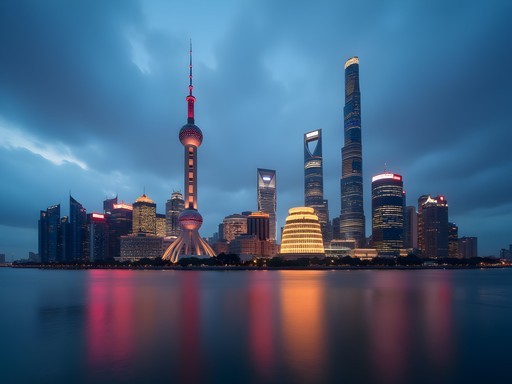
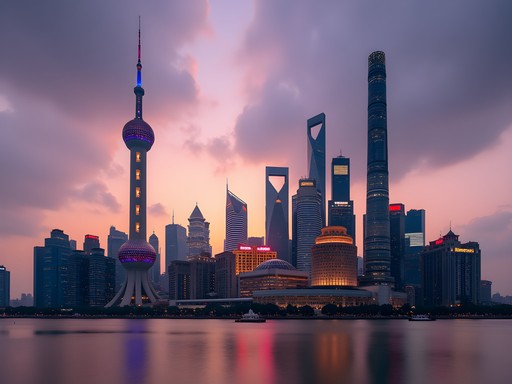
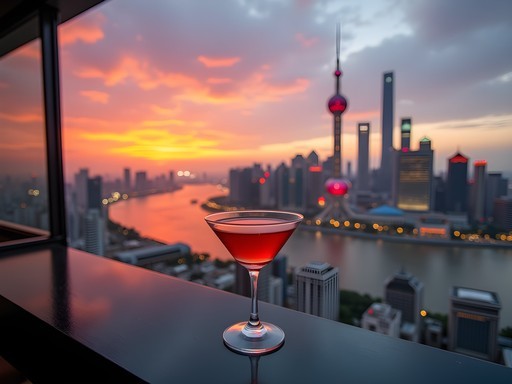
The city divides naturally into distinct business districts, each with its own character and specialty. Pudong, rising from farmland just thirty years ago, now stands as a monument to China's economic miracle with its futuristic skyline anchored by the Shanghai Tower and the Oriental Pearl TV Tower. This is where you'll find the financial institutions, multinational headquarters, and the Shanghai Stock Exchange.
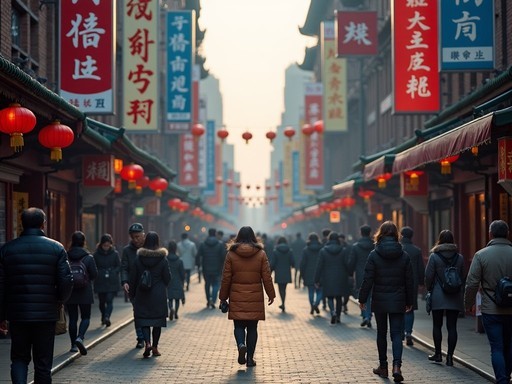
Across the Huangpu River, Puxi contains the historic Bund and neighborhoods like Jing'an and Xujiahui, where many advertising, media, and technology firms cluster in renovated lane houses and colonial-era buildings. Further west, Hongqiao houses numerous regional headquarters thanks to its proximity to the international airport and high-speed rail hub.
What fascinates me most is how these geographic divisions reflect deeper business cultures. In my conversations with local executives, I've observed that Pudong operations often embody more formal, state-influenced business practices, while Puxi startups might adopt more internationally-aligned approaches. Understanding these subtle distinctions can significantly impact your business strategy.
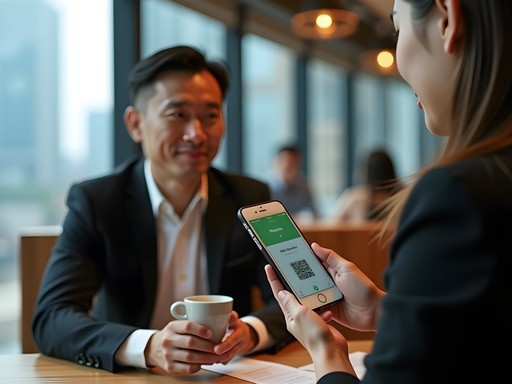
During my recent visit, I noticed the accelerating integration of digital ecosystems into every aspect of business. Shanghai operates almost entirely through digital payment systems like Alipay and WeChat Pay, making cash nearly obsolete. Even street vendors scan QR codes rather than accept physical currency. Before arriving, ensure you've set up a digital wallet that works with Chinese payment systems to avoid being functionally cashless.
💡 Pro Tips
- Download and set up WeChat before arrival—it's essential for both communication and payments
- Research which district aligns with your industry before booking accommodations
- Consider hiring a local business consultant for your first ventures into the market
Navigating Cultural Protocols and Business Etiquette
My background covering cricket in India and rugby in New Zealand taught me that sporting traditions often reveal deeper cultural values. Similarly, Shanghai's business customs reflect centuries-old social principles that continue to influence modern transactions.
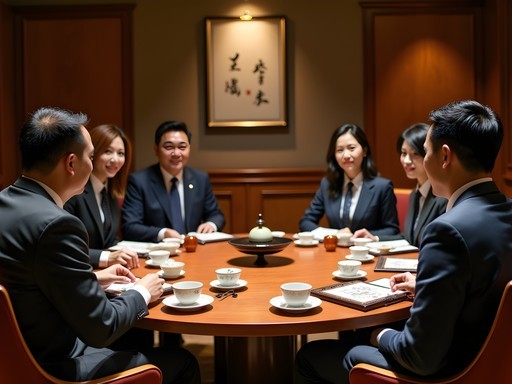
The concept of guanxi—relationship building—remains fundamental despite Shanghai's cosmopolitan veneer. During my recent stay, I observed numerous business discussions where the actual negotiation began only after several social meals and seemingly unrelated conversations. One technology executive told me, "We spent three evenings discussing everything from calligraphy to cricket before ever mentioning contract terms."
This approach contrasts sharply with the efficiency-focused Western business model I experienced while working in Arizona. In Shanghai, rushing directly to business matters signals disrespect and can permanently damage relationships. Instead, successful executives invest in relationship development before expecting substantive progress.
Face (mianzi) represents another crucial cultural concept. Actions that might seem minor in Wellington or Mesa—publicly correcting someone's error or declining an invitation—can cause significant offense in Shanghai by making someone "lose face." I witnessed a promising joint venture collapse when an American executive bluntly criticized his Chinese counterpart's proposal during a group meeting rather than addressing concerns privately.
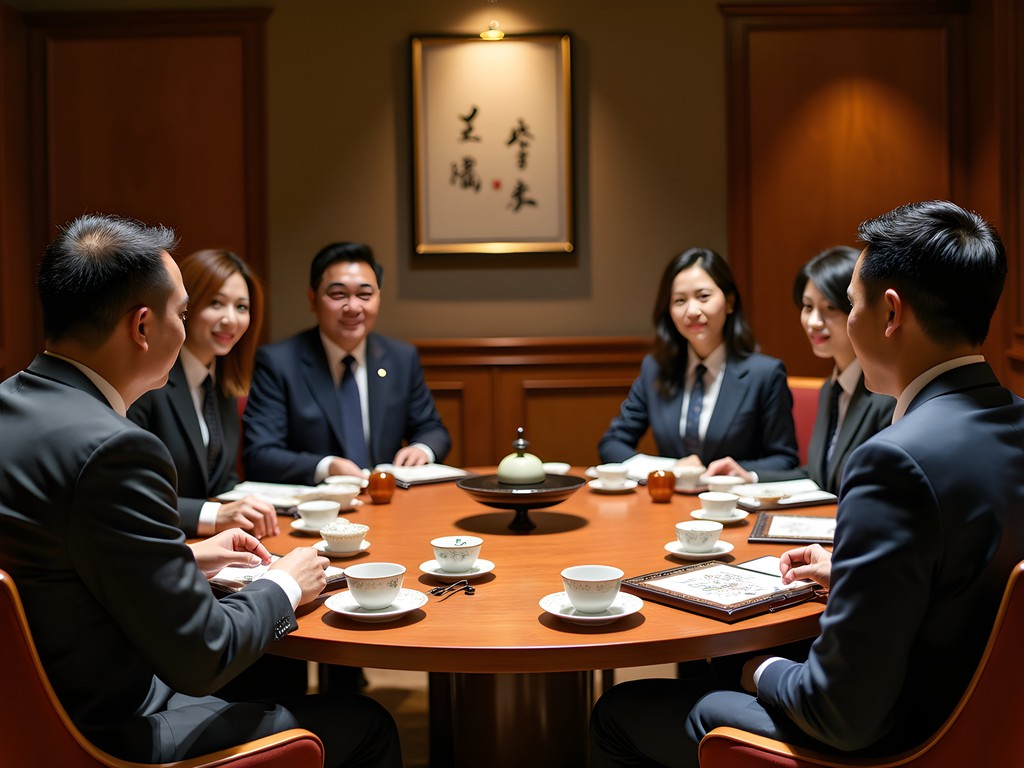
Business cards remain surprisingly important in this digital age. Carry plenty of high-quality cards printed in both English and simplified Chinese. Present and receive cards with both hands, and take a moment to read the card before carefully placing it on the table during meetings or in a card holder—never slide it into a back pocket.
During formal dinners, understand that seating arrangements follow strict hierarchical protocols. The host sits facing the door with the guest of honor to their right. As a visitor, wait to be seated rather than choosing your own place. When I first experienced this custom while covering a sports sponsorship event, I mistakenly sat in the wrong position, causing a momentary but awkward reshuffling.
💡 Pro Tips
- Always bring quality business cards with Chinese translation on the reverse side
- Accept offered food and drink during meetings—refusing can be considered impolite
- Learn basic Mandarin phrases; even limited efforts demonstrate respect
Strategic Accommodation and Transportation
My approach to business travel has always been influenced by my sports journalism days, where strategic positioning near venues maximized productivity. In Shanghai, this principle applies even more critically due to the city's vast scale and notorious traffic congestion.
For accommodations, I recommend basing yourself according to your primary business objectives. During my recent stay, I chose the Mandarin Oriental Pudong for its proximity to financial district meetings. The property offers not just luxurious rooms but critically important business services like translation, meeting facilities, and staff who understand the nuances of Chinese business protocols. The hotel's concierge proved invaluable in arranging last-minute meeting venues and navigating cultural questions that arose during negotiations.
If your work centers around the more traditional business areas in Puxi, consider properties along the Bund like the Waldorf Astoria or the Peninsula, which provide convenient access to the older commercial districts while offering spectacular views of the Pudong skyline—a compelling backdrop for informal business discussions.
Transportation strategy requires careful consideration in Shanghai. While the metro system is remarkably efficient and extensive—covering 800+ kilometers with 19 lines—it becomes unbearably crowded during rush hours. As a business traveler on a tight schedule, I found hiring a car with driver the most productive option. This approach eliminated navigation stress, provided a mobile office environment, and offered flexibility when meetings ran long or locations changed unexpectedly.
My driver, Mr. Zhang, became an unofficial cultural advisor, explaining local contexts and offering insights on everything from appropriate meeting gifts to restaurant recommendations. This arrangement cost approximately 1,200 yuan (about $165) daily—a worthwhile investment considering the time saved and stress avoided.
For shorter distances, DiDi (China's equivalent to Uber) works efficiently, though you'll need a Chinese phone number and payment method. The app offers an English interface, making it navigable for international visitors. Keep in mind that most drivers speak limited English, so having your destination written in Chinese characters is essential.
Despite Shanghai's reputation for gridlock, I was impressed by the punctuality expected in business settings. Meetings typically start precisely on schedule, so build substantial buffer time into your transportation plans. As we say in cricket, better to be at the crease early than rush your approach to the pitch.

💡 Pro Tips
- Download and set up the DiDi app before arrival for easier local transportation
- Request business cards from your hotel in Chinese to show drivers your return destination
- Consider booking hotels with Executive Lounges for impromptu meeting spaces

Digital Infrastructure and Communication Strategy
Shanghai's digital landscape presents a fascinating paradox: it's simultaneously one of the world's most digitally advanced cities and one where Western executives often feel technologically stranded. This disconnect stems from China's unique digital ecosystem, largely separated from global platforms by the "Great Firewall."
During my recent visit, I immediately noticed how WeChat has evolved beyond messaging into an all-encompassing super-app handling everything from payments to booking services to business networking. It functions as LinkedIn, WhatsApp, Venmo, Uber, and OpenTable combined into a single platform. Establishing a fully-functional WeChat account before arrival is perhaps the single most important technical preparation for business in Shanghai.
Internet connectivity presents significant challenges for foreign executives. Most Western sites and services—Google, Gmail, WhatsApp, Facebook, Twitter, and many news outlets—are inaccessible without a VPN (Virtual Private Network). However, using VPNs exists in a legal gray area that has become increasingly problematic. I recommend setting up a reliable VPN service before entering China, as downloading these services within the country is difficult and potentially monitored.
Even with a VPN, connection speeds can frustrate those accustomed to seamless connectivity. During important video conferences with my Wellington team, I experienced unpredictable quality that complicated communication. For critical virtual meetings, consider booking a conference room at your hotel or a serviced office space with dedicated business internet.
Mobile connectivity is excellent throughout Shanghai, but your home provider's roaming charges may be prohibitive. I purchased a local SIM card at the airport (passport required) for approximately 200 yuan ($28), which provided ample high-speed data for my week-long stay. This approach also gives you a local number, essential for business contacts and services like DiDi.
For presentations and document sharing, come prepared with multiple formats and physical backups. Cloud services often work unpredictably, and I've witnessed several colleagues unable to access critical files during meetings. USB drives remain surprisingly relevant here, despite feeling obsolete elsewhere in my travels.
Finally, consider the timing challenges when communicating with colleagues outside China. When working from Shanghai with my team in New Zealand, our available windows for real-time discussion were limited to early mornings and late evenings. Establishing clear communication protocols before your trip helps manage expectations and prevents frustrating delays.

💡 Pro Tips
- Set up and test your VPN before entering China
- Bring physical business materials as backup for cloud-based presentations
- Purchase a local SIM card immediately upon arrival for better connectivity
Cultural Immersion as Business Strategy
Throughout my career covering international sports, I've observed how understanding local cultural contexts provides competitive advantages—whether predicting how Sri Lankan cricketers might approach a rain-affected pitch or appreciating why certain rugby traditions matter deeply in Pacific Island communities. This principle applies powerfully to Shanghai's business environment, where cultural fluency translates directly to commercial opportunity.
While Shanghai presents itself as China's most international city, successful business relationships still depend on demonstrating respect for and interest in Chinese culture. During my recent visit, I witnessed several Western executives struggle when treating Shanghai merely as another global business hub rather than a distinctly Chinese one with its own cultural grammar.
I recommend allocating time for cultural exploration even during compressed business trips. The Shanghai Museum in People's Square offers an accessible introduction to Chinese artistic traditions through its world-class collection of bronzes, ceramics, calligraphy, and jade. During my visit, I noticed several business groups using the museum as both cultural education and neutral meeting ground.
Yu Garden (Yuyuan) in the Old City provides insight into classical Chinese garden design principles that continue to influence aesthetic values in contemporary contexts. When I mentioned my visit there during a business dinner, it sparked a fascinating discussion about traditional design philosophy's application to modern architectural projects—ultimately strengthening my relationship with a potential partner.
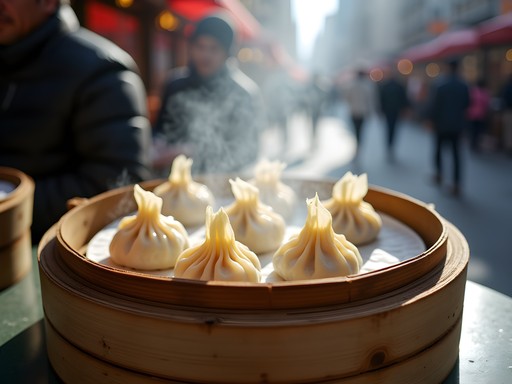
Food plays a central role in Shanghai's business culture. Beyond formal banquets, casual meals offer authentic connection opportunities. I found Xiao Long Bao (soup dumplings) at Din Tai Fung in Xintiandi to be both delicious and an excellent conversation starter about regional variations in Chinese cuisine. Similarly, a tea ceremony experience at Tianshan Tea City demonstrated my interest in traditional practices while creating a relaxed setting for relationship building.
For longer stays, consider taking a Chinese language course before arrival. Even basic Mandarin phrases signal respect and commitment to understanding the culture. When I used my limited Mandarin during meetings, it noticeably warmed the atmosphere despite my imperfect pronunciation.
Most critically, approach cultural experiences with genuine curiosity rather than as obligatory checkboxes. My background exploring the cultural contexts of sporting traditions has taught me that authentic interest transcends language barriers and creates meaningful connections. In Shanghai's relationship-focused business environment, these connections often prove more valuable than technical expertise or pricing advantages.

💡 Pro Tips
- Schedule business dinners at restaurants serving regional Chinese cuisines to demonstrate cultural interest
- Learn about current Chinese holidays or festivals before your trip for relevant conversation topics
- Visit a traditional tea house with business associates for informal relationship building
Final Thoughts
Shanghai demands more than standard business approaches—it requires cultural intelligence, strategic patience, and relationship investment that may feel unfamiliar to Western executives. Yet these challenges make success here particularly rewarding. As someone who has spent decades observing how cultural contexts shape outcomes in international settings, I've found Shanghai to be the ultimate expression of this principle in the business world. The city rewards those who approach it with respect for its complexities and willingness to adapt. Whether negotiating partnerships in Pudong's glass towers or building relationships over Longjing tea in a centuries-old garden, Shanghai offers unparalleled opportunities for those who understand that business here is never merely transactional—it's deeply cultural, profoundly personal, and ultimately transformative.
✨ Key Takeaways
- Invest time in relationship-building before expecting business progress
- Master the digital ecosystem (especially WeChat) before arrival
- Position your accommodations strategically to minimize transportation challenges
- Demonstrate genuine interest in Chinese culture as a business advantage
📋 Practical Information
Best Time to Visit
Spring (April-May) or Fall (September-October)
Budget Estimate
$500-800 per day including luxury accommodation, transportation, and meals
Recommended Duration
Minimum 1 week for meaningful business development
Difficulty Level
Advanced




Comments
Sophia Gomez
Amit, this is such a comprehensive guide! I spent three weeks in Shanghai last year working with a startup accelerator, and your point about relationship investment really resonates. Western executives often underestimate how much time you need to invest in building guanxi before any real business happens. I learned this the hard way when I tried to rush a partnership discussion in week one. Also, your accommodation advice is spot on - I stayed at a serviced apartment in Xintiandi and having that home base with reliable wifi made all the difference. The cultural intelligence piece can't be overstated. I actually brought a translation device as backup and it saved me a few times in taxi situations. One tip I'd add: download the Metro Man app before you go - it works offline and is way better than Google Maps for the subway system.
Douglas Bradley
Amit, excellent breakdown of Shanghai's business landscape. I'd add one observation from my own visits: the importance of understanding the city's dual nature between state-owned enterprises and private tech companies. The meeting dynamics can be dramatically different. Also, for executives unfamiliar with Chinese dining etiquette, consider hiring a local business consultant for your first few dinners - the seating arrangements, toasting protocols, and conversation flow are an art form that can make or break deals. The investment pays for itself in avoided missteps.
escapebuddy
I was in Shanghai last fall for a conference and this guide nails it. The business card exchange protocol is SO important - I almost messed it up on day one. Also totally agree about staying near the metro. We stayed in Jing'an district and could get anywhere in 20 minutes. The VPN thing is real though, get that sorted before you fly.
photobuddy
Which VPN did you use? Need recommendations
escapebuddy
I used ExpressVPN and it worked pretty well most of the time. Some days were spotty but good enough for emails and basic stuff.
starpro
The business card etiquette part is so important! I went to Shanghai for a conference in 2024 and didn't know about the two-hands thing. Felt like such an idiot when my colleague quietly corrected me after. Also totally agree about WeChat - literally everyone uses it for everything. I got a good VPN service before my trip and it made staying connected way easier. The metro card tip is gold too, saved me so much time.
Douglas Bradley
The business card protocol catches so many first-timers. I always tell people: receive with both hands, actually read it, and never write on it or put it in your back pocket. Small gestures carry significant weight in Chinese business culture.
redperson
The metro system there is amazing!
adventurelife
Really cool guide!
blueclimber
Quick question - did you set up WeChat before arriving or is it easy to do there? I've heard mixed things about needing someone to verify your account.
Sophia Gomez
Definitely set it up before! You'll need someone who's already on WeChat to verify you. I had a colleague help me before my trip. Total lifesaver because literally everything runs through WeChat there.
blueclimber
Thanks! That's super helpful.
photobuddy
Really helpful! Heading there in March.
sunnyfan
This is super helpful! Quick question - you mentioned staying in Pudong vs Puxi. I've got meetings in both areas next month. Worth switching hotels or just deal with the commute? Also the VPN thing is real, learned that the hard way on my last trip lol
Douglas Bradley
I'd recommend staying in Puxi (Jing'an or French Concession area) if you're doing both. The metro is incredibly efficient and you'll have better dining options after hours. The cross-river commute isn't bad but you'll appreciate being centrally located.
sunnyfan
Thanks! That's what I was leaning toward anyway
Sarah Powell
Having worked with several American tech companies establishing Shanghai offices, I'd emphasize the importance of having a trusted local advisor beyond just a translator. The regulatory landscape shifts frequently, and what worked six months ago may not apply now. Also, the section on WeChat could be expanded - it's not just for messaging but essentially your business lifeline. You can schedule meetings, send documents, make payments, and even sign contracts through it. Learning its business functions should be part of any executive's pre-trip preparation.
beachguide
Sarah - any recommendations for finding a good local advisor? Going through my company's standard channels has been frustratingly slow.
Sarah Powell
American Chamber of Commerce in Shanghai has been my go-to resource - they have a network of vetted advisors across various industries. Worth the membership fee just for the connections.
Venture X
Premium card with 2X miles, $300 travel credit, Priority Pass