
Disclosure: This article contains affiliate links. We may earn a commission from purchases at no extra cost to you, which helps our travel content.
Berlin surprised me. As someone who spends most weekends chasing trails through desert canyons, I expected the urban density to feel suffocating. Instead, I found a city that approaches art with the same raw, unfiltered energy I associate with backcountry running—no pretense, just pure creative expression. During a week-long break between forensics conferences, I traded my trail shoes for walking boots and mapped out Berlin's art districts with the same methodical approach I use for analyzing data patterns. What I discovered was a city where creativity isn't confined to museums but spills onto every available surface.
Navigating Kreuzberg and Friedrichshain: Street Art as Living Archive
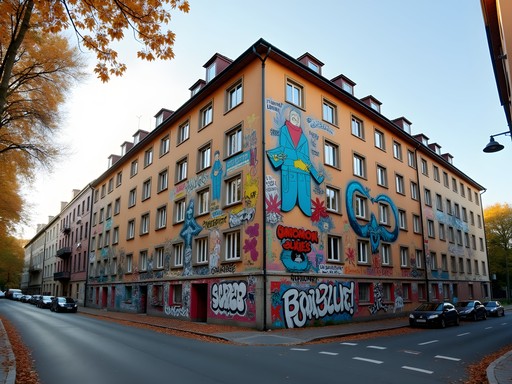
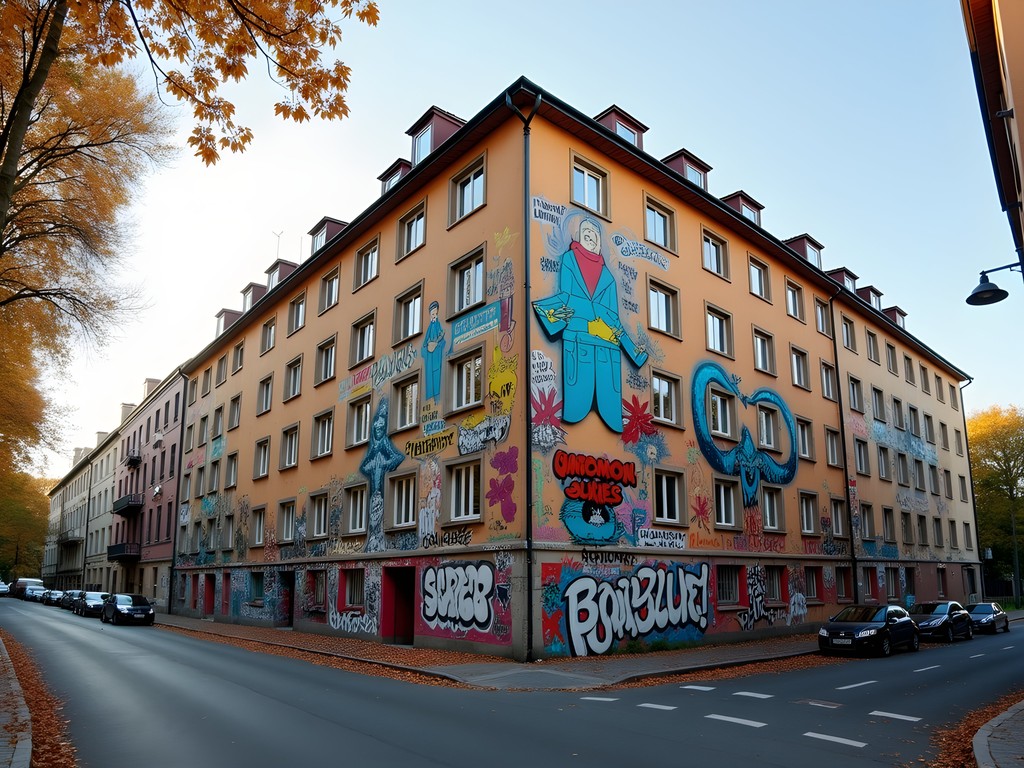
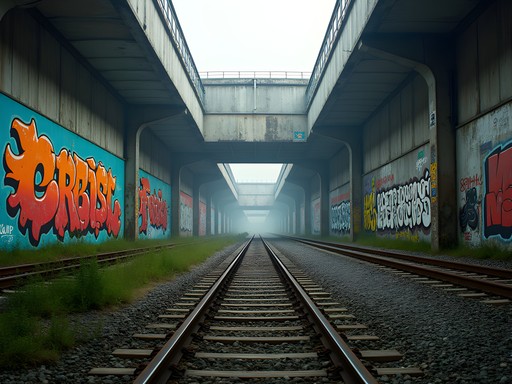
The street art in Kreuzberg and Friedrichshain functions like a constantly updating database—layers upon layers of visual information, each telling stories about political movements, cultural shifts, and individual resistance. I spent three mornings systematically photographing sections of the East Side Gallery and the backstreets around RAW-Gelände, documenting how pieces evolve, get tagged over, and sometimes reappear.
The most compelling work isn't along the tourist-heavy East Side Gallery stretch. Head to Wrangelstraße and the residential blocks between Görlitzer Park and Kottbusser Tor. I mapped a 5-kilometer walking route that took me past commissioned murals, spontaneous tags, and entire building facades transformed into political statements. The physical act of covering this distance on foot—similar to a recovery run—allowed me to notice details I'd have missed from a bike or transit.
One practical note: bring a portable phone charger because you'll burn through battery documenting these pieces. I learned this the hard way on day two when my phone died halfway through photographing a massive mural near Schlesisches Tor.
💡 Pro Tips
- Start early (7-8 AM) when light is best for photography and streets are quieter
- Download the Street Art Berlin app offline—it works without data and maps major pieces
- Wear comfortable walking shoes with good arch support; you will cover 15-20km daily
- Respect private property boundaries; not all street art is meant to be accessed up close
Independent Galleries and Project Spaces: Where Emerging Artists Actually Show
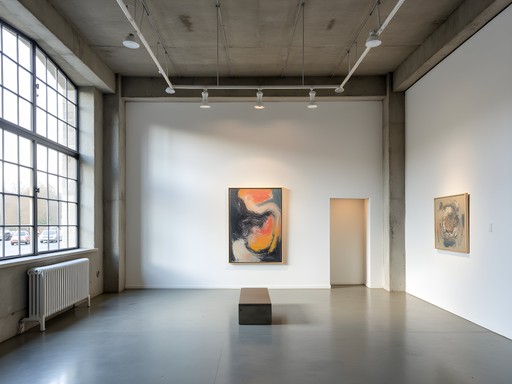
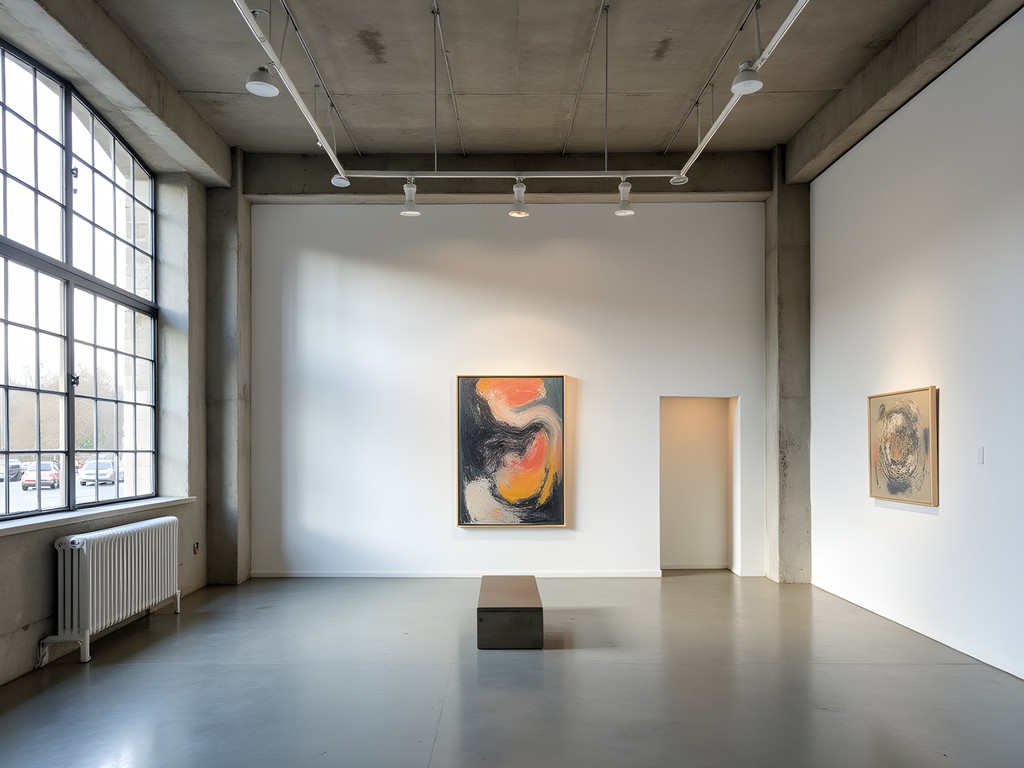
Museums are fine, but Berlin's real art pulse beats in temporary project spaces and independent galleries scattered across former industrial buildings. I approached gallery-hopping like reconnaissance work—researching opening times, cross-referencing exhibition schedules, and identifying clusters to maximize efficiency.
The Wedding and Moabit districts house dozens of artist-run spaces in converted warehouses. Places like Haus am Lützowplatz, KW Institute for Contemporary Art, and the galleries around Auguststraße in Mitte operate on irregular schedules. I used a pocket notebook to track opening hours and jot down artist names worth researching later—my phone's note app felt too sterile for this kind of organic discovery.
Most galleries are free, making this the most budget-friendly aspect of Berlin's art scene. The challenge is timing. Many spaces only open Thursday through Sunday, and some require appointments. I scheduled my week with gallery visits on Thursday evening (many stay open until 9 PM for vernissages) and Saturday afternoons. The social aspect reminded me of post-race gatherings—strangers united by shared interest, willing to discuss technique and inspiration over cheap wine.
💡 Pro Tips
- Check contemporary-art-berlin.com weekly for current exhibitions and opening receptions
- Gallery districts cluster: Auguststraße in Mitte, Potsdamer Straße in Tiergarten, Brunnenstraße in Wedding
- Opening receptions (vernissages) typically occur Thursday 6-9 PM with free drinks
- Don't hesitate to ask gallery staff questions—most speak English and genuinely want to discuss the work
Teufelsberg: Cold War Ruins Meet Urban Exploration
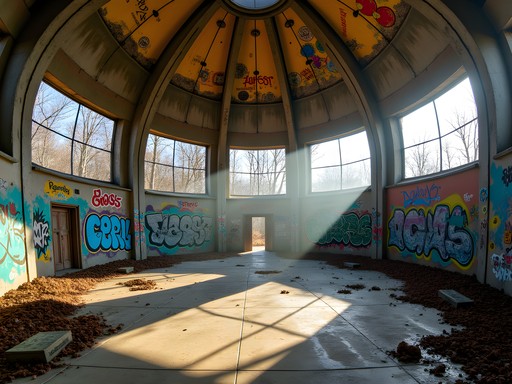
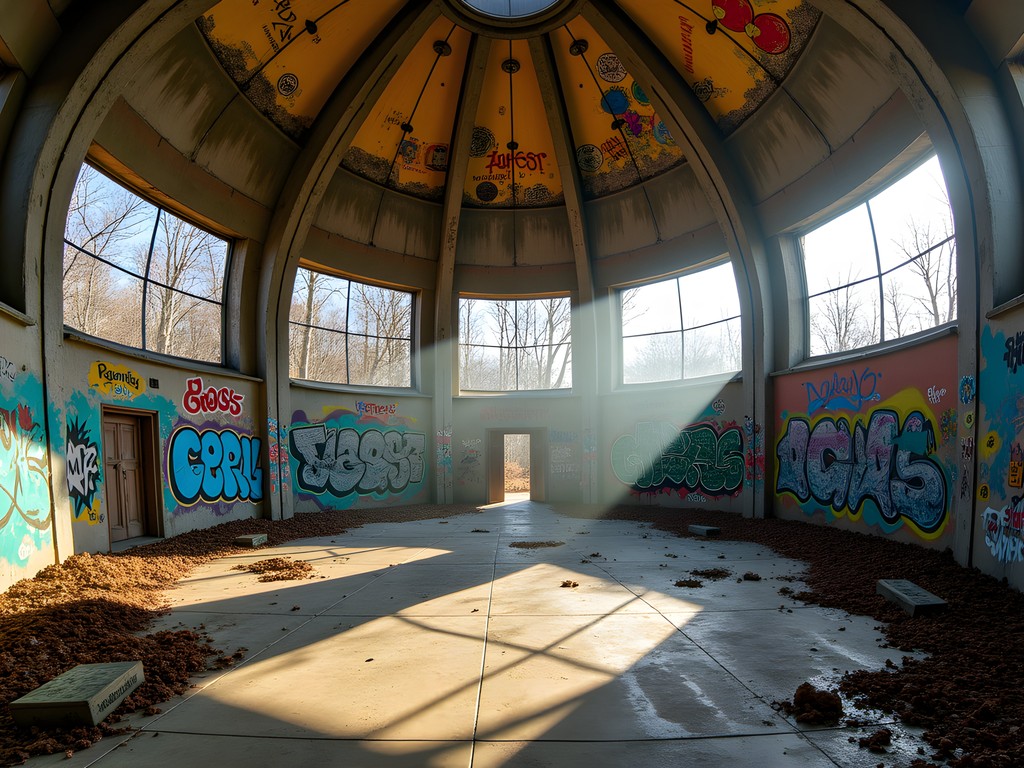
Teufelsberg—the Devil's Mountain—represents the intersection of history, abandonment, and unauthorized art that defines Berlin's creative ethos. This former NSA listening station on a man-made hill in Grunewald forest became an illegal canvas for street artists after its abandonment in the 1990s. Now it operates as a quasi-legal attraction.
The 30-minute S-Bahn ride to Grunewald followed by a 2-kilometer uphill walk through forest felt like returning to familiar terrain. The elevation gain is minimal by trail running standards—about 80 meters—but the contrast between dense forest and sudden emergence at the graffiti-covered radar domes creates genuine impact.
Inside the deteriorating buildings, every surface bears layers of spray paint. The acoustics in the main dome are remarkable—sound reflects in ways that make you hyper-aware of spatial dimensions. I spent an hour photographing how autumn light filtered through broken windows onto tagged walls, creating unintentional compositions. The entrance fee (currently €8-10, cash only) supports the artists who maintain the space and continue adding to it.
Bring a headlamp if you visit late afternoon; interior spaces get dark quickly, and the stairwells are unlit. This isn't a polished tourist attraction—floors are uneven, railings are missing, and you're exploring at your own risk.
💡 Pro Tips
- Take S-Bahn S7 or S75 to Grunewald station, then follow Teufelsseechaussee trail markers
- Wear closed-toe shoes with grip; floors inside buildings are debris-covered and occasionally wet
- Cash only for entrance fee; no facilities or food available on-site
- Best light for photography: late morning or golden hour before sunset

Performance and Experimental Spaces: Beyond Visual Art
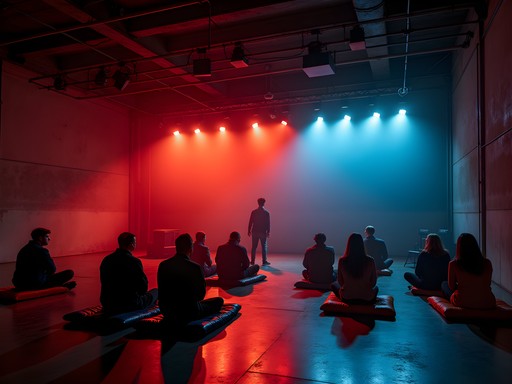
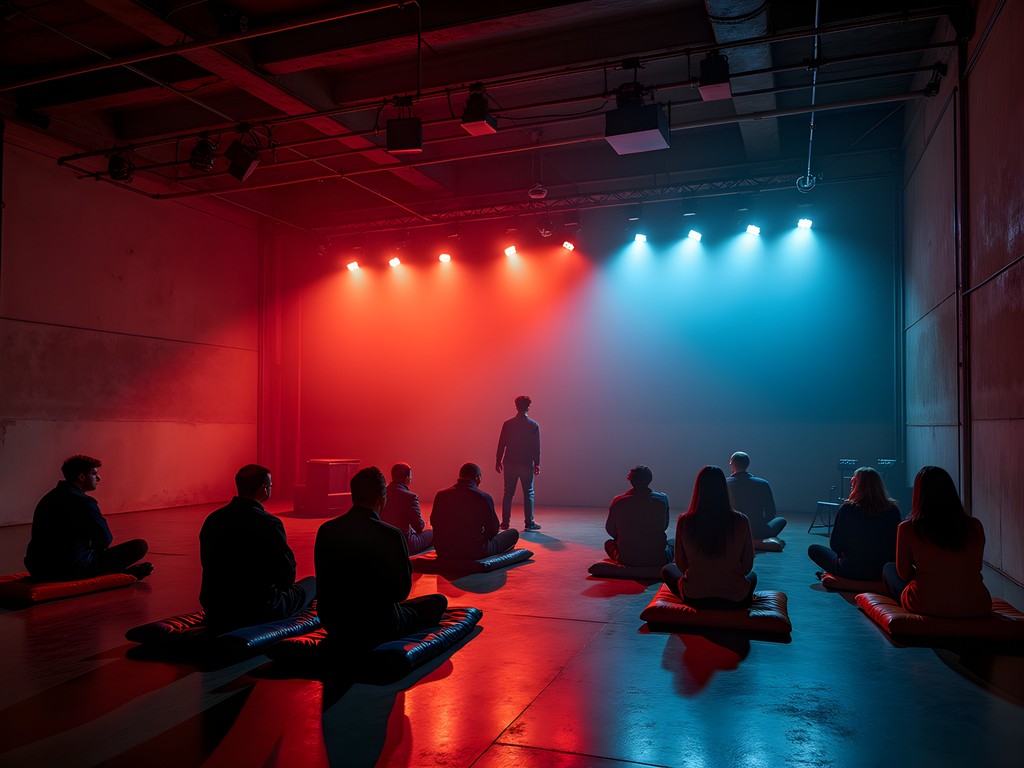
Berlin's experimental performance scene operates in spaces that constantly shift and reinvent themselves. I attended three events during my week: a sound installation at Berghain Kantine (yes, the famous club has a daytime cultural program), an experimental theater piece at HAU Hebbel am Ufer, and a multimedia performance at Haus der Kulturen der Welt.
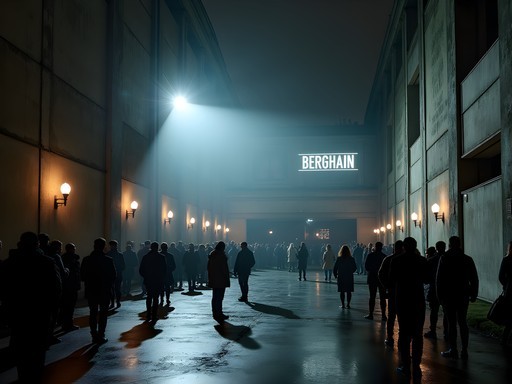
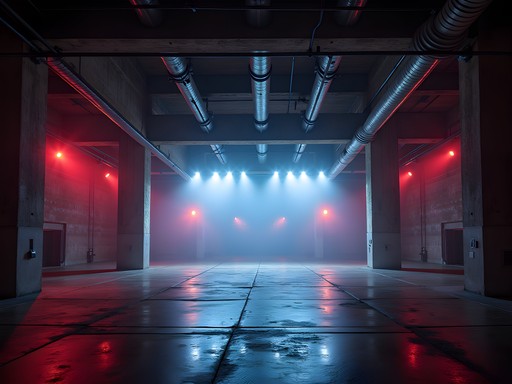
The Berghain Kantine experience particularly resonated. Entering the legendary club in daylight, for a seated sound performance rather than techno, felt like accessing a restricted server through an unexpected port. The space's acoustics—designed for electronic music—transformed ambient sound compositions into something physical and immersive. Tickets were €12, purchased online in advance.
HAU Hebbel am Ufer programs cutting-edge theater and dance across three venues. I caught a contemporary dance piece that incorporated projection mapping and live coding—the intersection of technology and performance art aligned perfectly with my background. Tickets range €10-25, with last-minute student discounts often available at the box office.
For scheduling and tickets, I relied on a German phrasebook more than expected. While most venues have English websites, phone inquiries and box office interactions often defaulted to German. Basic phrases made these exchanges smoother.
💡 Pro Tips
- Book experimental performances 1-2 weeks ahead; capacity is often limited
- HAU offers 50% discount on unsold tickets 30 minutes before showtime for under-30s
- Berghain Kantine daytime events require separate tickets from nighttime club entry
- Haus der Kulturen der Welt has free exhibitions alongside ticketed performances
Practical Logistics: Moving Through Berlin's Art Geography
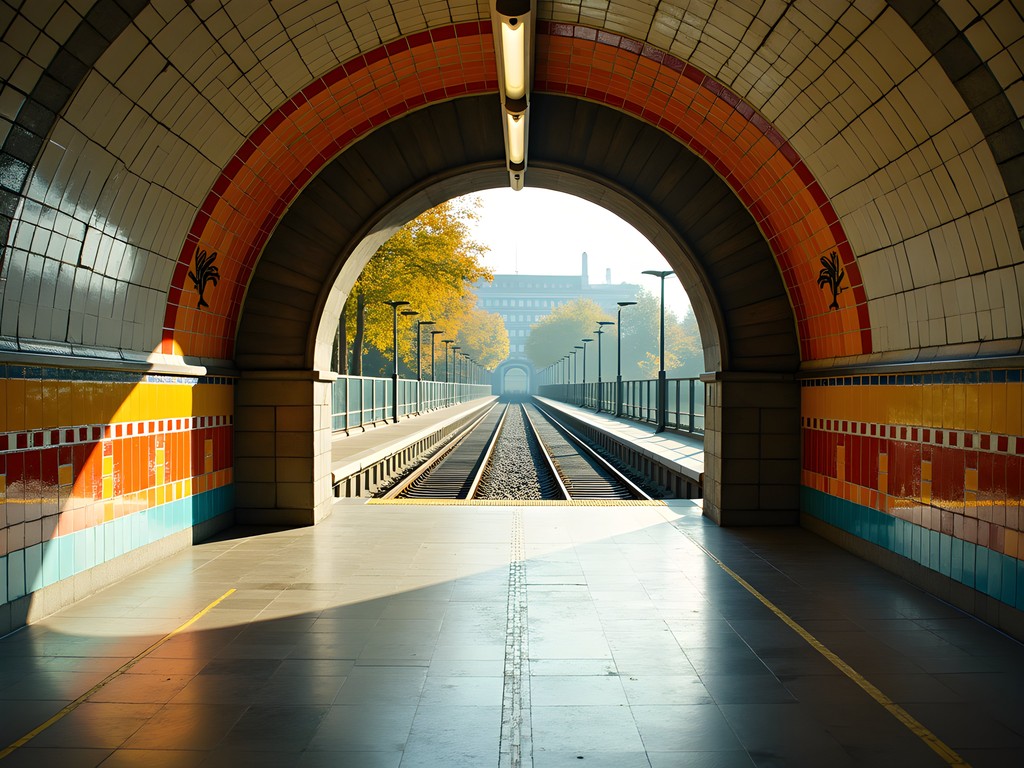
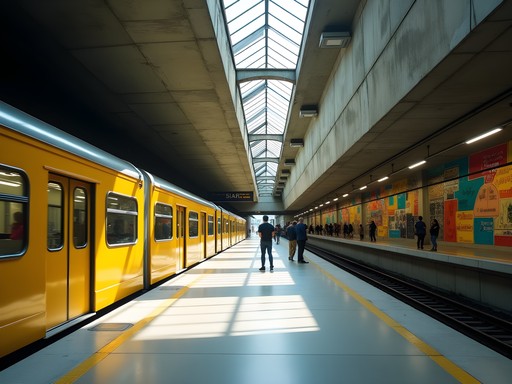
Berlin's art scene spreads across distinct neighborhoods, requiring strategic planning. I purchased a 7-day AB zone transit pass (€36) on arrival, which covered everything except Teufelsberg. The U-Bahn and S-Bahn system operates with German efficiency, though weekend schedules shift and some lines close for construction.
I mapped daily routes to cluster geographically proximate locations, minimizing backtracking. A typical day: morning street art documentation in Kreuzberg, afternoon gallery visits in Mitte, evening performance in Neukölln. This approach logged 18-22 kilometers daily—substantial walking that required proper preparation.
Accommodation-wise, I stayed in a Kreuzberg hostel (€28/night for a private room in 6-bed dorm). Hostels in Friedrichshain and Neukölln offer similar rates with better access to alternative art spaces. Budget another €25-30 daily for food—supermarkets like Lidl and Aldi keep costs down, while €3-4 döner kebabs provide reliable fuel between locations.
The quick-dry towel I packed proved essential for hostel stays—compact, fast-drying, and necessary when facilities are shared. Small detail, but these micro-efficiencies matter when you're covering significant distance daily.
💡 Pro Tips
- Download Berlin transit maps offline through BVG app; cell service is spotty underground
- Most galleries and museums close Mondays; plan accordingly
- Supermarkets close Sundays except at major train stations; stock up Saturday
- Bring a water bottle with filter if concerned about tap water, though Berlin's is excellent
Final Thoughts
Berlin's art scene operates with the same uncompromising authenticity I seek in backcountry trails—raw, unmediated, and occasionally challenging to access. The city rewards methodical exploration and willingness to venture beyond established tourist circuits. My forensics background taught me to look for patterns in apparent chaos, and Berlin's creative landscape revealed clear structures beneath its anarchic surface.
The week cost approximately €450 total (accommodation, transit, food, entrance fees), proving that cultural immersion doesn't require luxury budgets. Solo travel allowed me to set my own pace, spending three hours at Teufelsberg or thirty minutes at a gallery depending on interest rather than group consensus.
For travelers accustomed to outdoor adventure, Berlin's urban exploration offers parallel satisfactions: discovery, physical engagement with space, and authentic connection to place. The city's art isn't preserved behind glass—it's living, evolving, and accessible to anyone willing to walk its streets with attention and openness.
✨ Key Takeaways
- Berlin's most compelling art exists outside traditional museums in street art districts, independent galleries, and experimental performance spaces
- Budget €400-500 for a week of intensive cultural exploration including accommodation, transit, food, and entrance fees
- Plan routes geographically to cluster locations; expect to walk 15-20 kilometers daily across diverse neighborhoods
- Fall offers ideal conditions—comfortable temperatures for extensive walking, fewer tourists than summer, and active gallery programming
📋 Practical Information
Best Time to Visit
September through November for comfortable walking weather and active gallery season
Budget Estimate
€400-500 for one week including accommodation, transit, food, and cultural activities
Recommended Duration
5-7 days to thoroughly explore major art districts and attend multiple performances
Difficulty Level
Moderate - Requires Extensive Daily Walking And Navigation Of Sprawling Urban Geography
Comments
winterexplorer
The street art photos are amazing
globequeen
Going in March!! Any specific galleries you'd recommend in Kreuzberg?
Frank Garcia
Really appreciate the Teufelsberg section, Adam. I visited last summer and the logistics can be tricky—the site's technically closed but guided tours run on weekends. The graffiti layers are fascinating from a cultural preservation standpoint, though there's an ongoing debate about whether the constant repainting destroys or enhances its historical value. Did you go with a tour group or find another way in? Also curious about your take on the gentrification tension in Friedrichshain—many of those galleries you mentioned are facing displacement as rents skyrocket.
winterexplorer
Wait, do you need a tour to see Teufelsberg? Can you just show up?
Frank Garcia
Officially yes, you need a tour. It's fenced off. Tours are around €15 and run most days in summer, weekends in winter.
globequeen
Love this! Berlin is so underrated beyond the party scene
Frank Garcia
Completely agree. The techno reputation overshadows everything else the city offers culturally.
Venture X
Premium card with 2X miles, $300 travel credit, Priority Pass