
Disclosure: This article contains affiliate links. We may earn a commission from purchases at no extra cost to you, which helps our travel content.
Berlin hit me differently than any city I'd mapped before. As a surveyor who's spent years documenting urban transformations, I expected to appreciate its architecture and planning. What I didn't expect was how this city's layers—from Cold War scars to cutting-edge maker spaces—would completely rewire my understanding of authentic urban living. After three visits and countless hours wandering its neighborhoods with both my professional eye and wandering heart, I've learned that Berlin rewards those who look beyond the obvious checkpoints and tourist circuits.
Master the U-Bahn and S-Bahn Like a Local
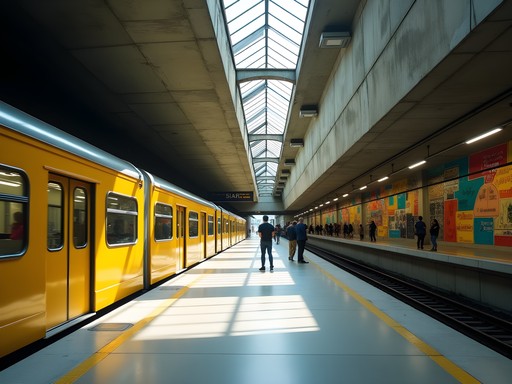
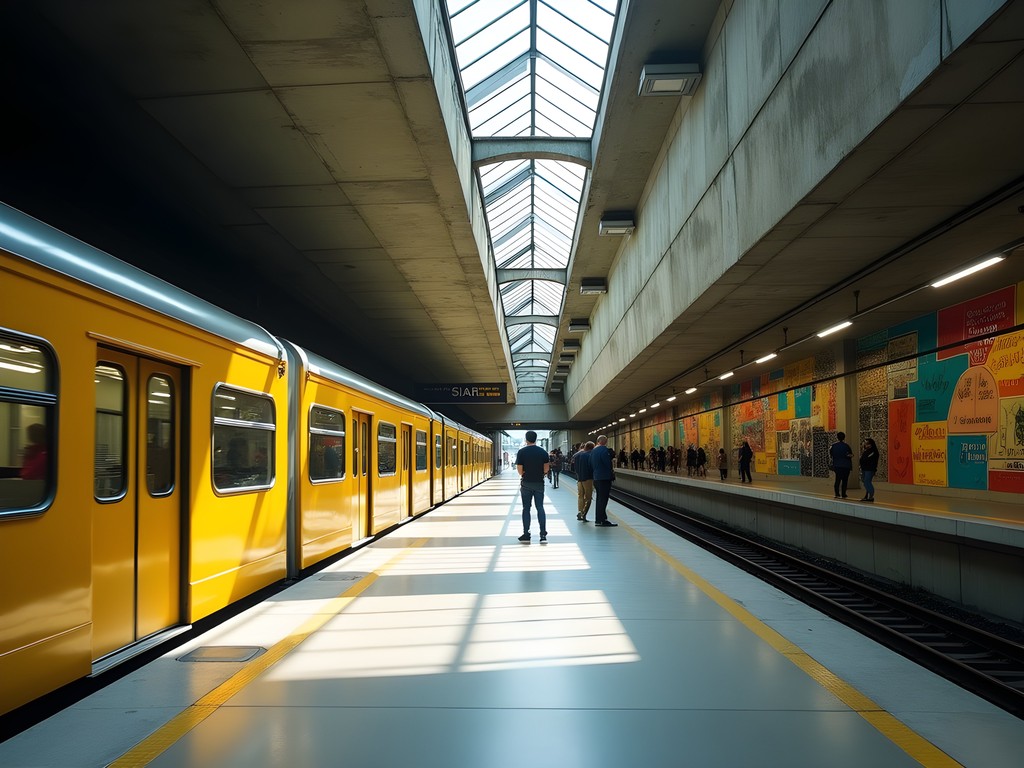
Berlin's public transit system is your skeleton key to the city, but tourists often fumble the basics. The trick isn't just buying tickets—it's understanding the unwritten rules. Berliners treat the U-Bahn like their living room: quiet, efficient, and respectful. Download the BVG app before you arrive, but here's what no guidebook tells you: the AB zone ticket covers 90% of what you'll actually want to see, and the 7-day group ticket (Kleingruppenkarte) is perfect for traveling with 2-5 people.
I learned this the hard way during my first visit when I over-invested in the ABC zones. The real insider move? Get a portable phone charger because you'll be using your phone constantly for the BVG app, and Berlin's older U-Bahn stations don't always have charging options. The S-Bahn ring (Ringbahn) is your best friend for orientation—ride it once around to get your bearings, and you'll start seeing how the neighborhoods connect like puzzle pieces.
💡 Pro Tips
- Always validate your ticket in the yellow boxes—inspectors show no mercy to tourists
- The U8 line cuts through the most diverse neighborhoods and gives you the real Berlin in 45 minutes
- Late-night weekend trains run all night—no need for expensive taxis
- Stand right, walk left on escalators, and never make eye contact if you don't want conversation
Decode the Neighborhood System: Where to Actually Stay
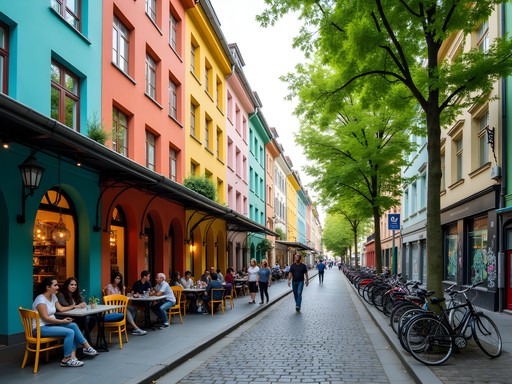
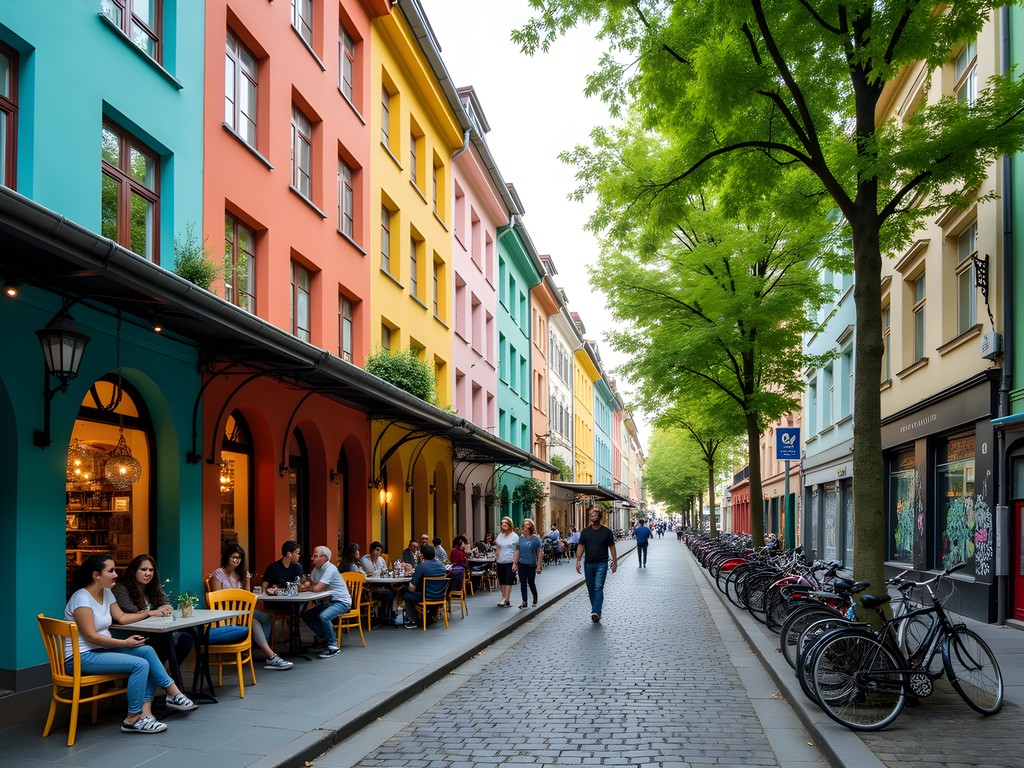
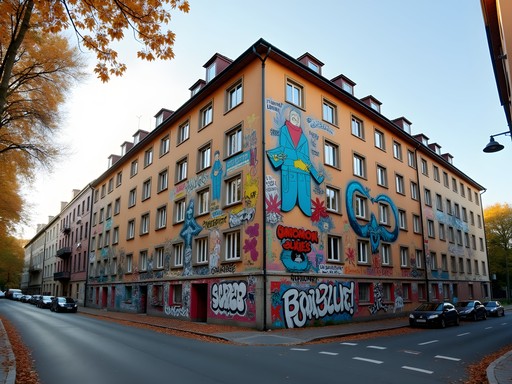
Berlin isn't one city—it's a constellation of distinct neighborhoods, each with its own personality. From my surveyor's perspective, understanding Berlin's kiez (neighborhood) culture is crucial. Forget Mitte for accommodation unless you enjoy tourist prices and mediocre everything. The real magic happens in neighborhoods like Neukölln, where Turkish bakeries sit next to experimental galleries, or Friedrichshain, where Cold War history meets contemporary maker culture.
I stayed in Prenzlauer Berg during my second visit and finally cracked the code. This former East Berlin neighborhood has evolved from squatter haven to family-friendly creative hub while maintaining its edge. The key is finding accommodations near a U-Bahn stop but on quieter side streets—Berlin's courtyard buildings (Hinterhöfe) offer surprising tranquility. Look for Airbnbs or small hotels in the triangle between Schönhauser Allee, Kastanienallee, and Eberswalder Straße. You'll pay 30-40% less than Mitte while being surrounded by actual Berliners going about their lives.
💡 Pro Tips
- Neukölln offers the best value and most authentic food scene—stay near Hermannplatz
- Kreuzberg is split: SO36 is grittier and cheaper, Bergmannkiez is quieter and pricier
- Wedding is Berlin's next hot neighborhood—get there before everyone else does
- Avoid staying directly on Karl-Marx-Allee unless you love traffic noise and concrete
Embrace Späti Culture and Grocery Store Strategy
One of Berlin's greatest gifts to humanity is the Spätkauf—those magical corner stores that stay open late and function as neighborhood living rooms. Berliners grab a beer from the Späti, sit on the curb, and socialize. It's not drinking; it's culture. The unwritten rule: buy from the Späti, consume nearby, and clean up after yourself. My favorite discovery was that many Spätis have better snack selections than restaurants, especially for vegetarians.
For longer stays, master the German grocery store hierarchy. Aldi and Lidl are your budget champions with surprisingly good quality. Rewe and Edeka offer more variety at mid-range prices. Bio Company is where you'll find organic everything but at a premium. Here's the insider move that saved me: German grocery stores don't provide bags, and you bag your own groceries at lightning speed. Bring a reusable shopping bag or buy the sturdy ones at checkout—you'll use them constantly. Also, invest in a bottle opener because German apartments rarely have them, and twist-offs don't exist here.
💡 Pro Tips
- Pfand (deposit) system: return bottles and cans at grocery stores for cash back—usually 8-25 cents per item
- Sunday shopping is nearly impossible—stock up Saturday or find a Späti
- Bakeries (Bäckerei) are everywhere and offer better breakfast than cafes at half the price
- German supermarket checkout is a competitive sport—bag fast or face judgment

Navigate Berlin's Maker Spaces and Workshop Culture
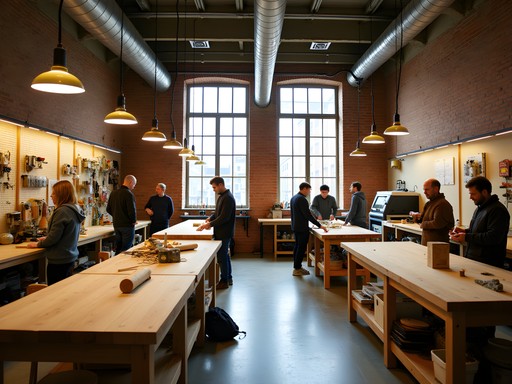
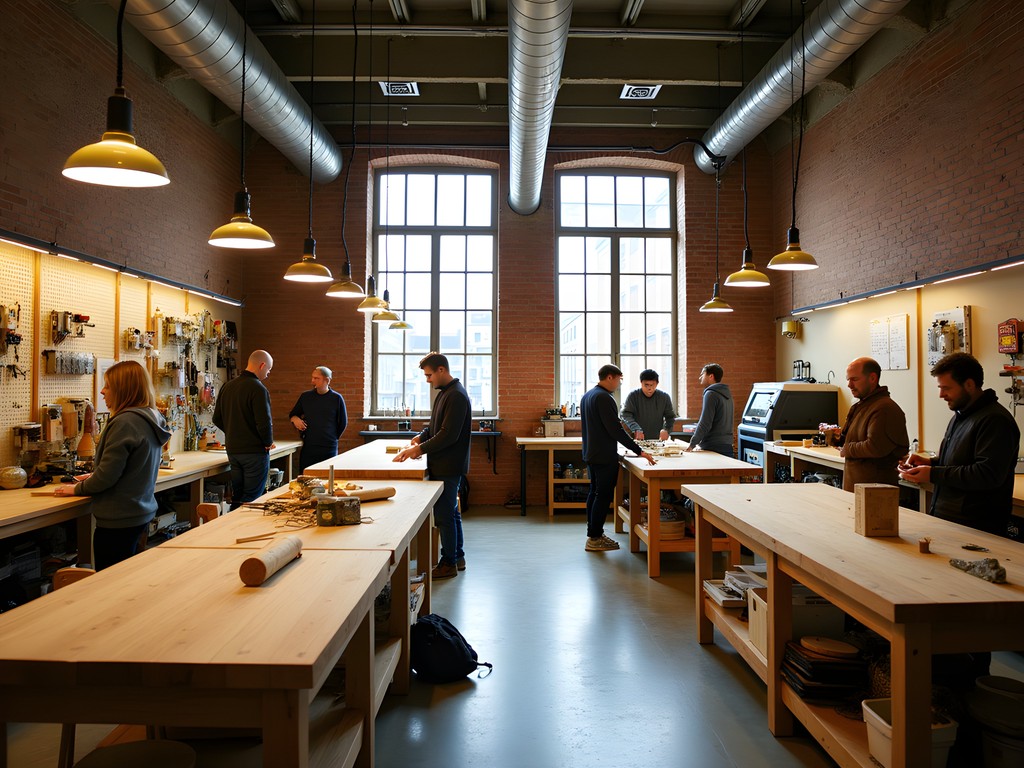
This is where Berlin absolutely shines for anyone interested in craft and creation. The city has more maker spaces, workshops, and creative collectives than anywhere I've documented. From my professional perspective studying production spaces, Berlin's approach to accessible craftsmanship is revolutionary. Places like Fab Lab Berlin offer drop-in sessions where you can use laser cutters, 3D printers, and CNC machines for minimal fees.
The real insider tip? Many of these spaces host open houses and workshops in English during summer months. I stumbled into a letterpress workshop in Kreuzberg where I printed my own postcards for €15. The community aspect is what struck me—Berliners genuinely want to share skills and space. Check platforms like Meetup.com and Eventbrite for maker events, but also look for flyers in cafes. The DIY ethos here isn't precious or exclusive; it's practical and welcoming. For anyone interested in distillery culture like me, Berlin has a growing craft spirits scene with several small producers offering tours—though nothing quite matches Kentucky's scale.
💡 Pro Tips
- betahaus in Kreuzberg offers day passes for coworking and often hosts maker events
- Urban Spree in Friedrichshain combines gallery space with workshops and has a great beer garden
- Many maker spaces require membership, but summer open houses are free or donation-based
- Bring your own materials when possible—supplies can be expensive or limited
Master the Art of Berlin Dining: From Döner to Fine Dining
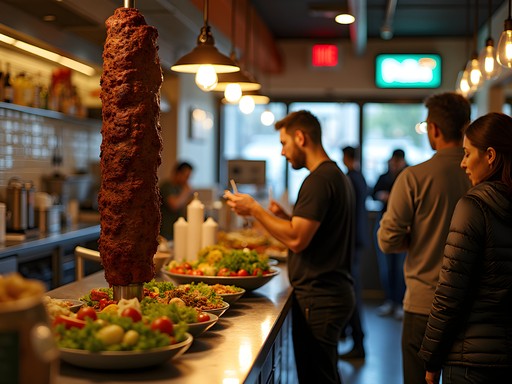
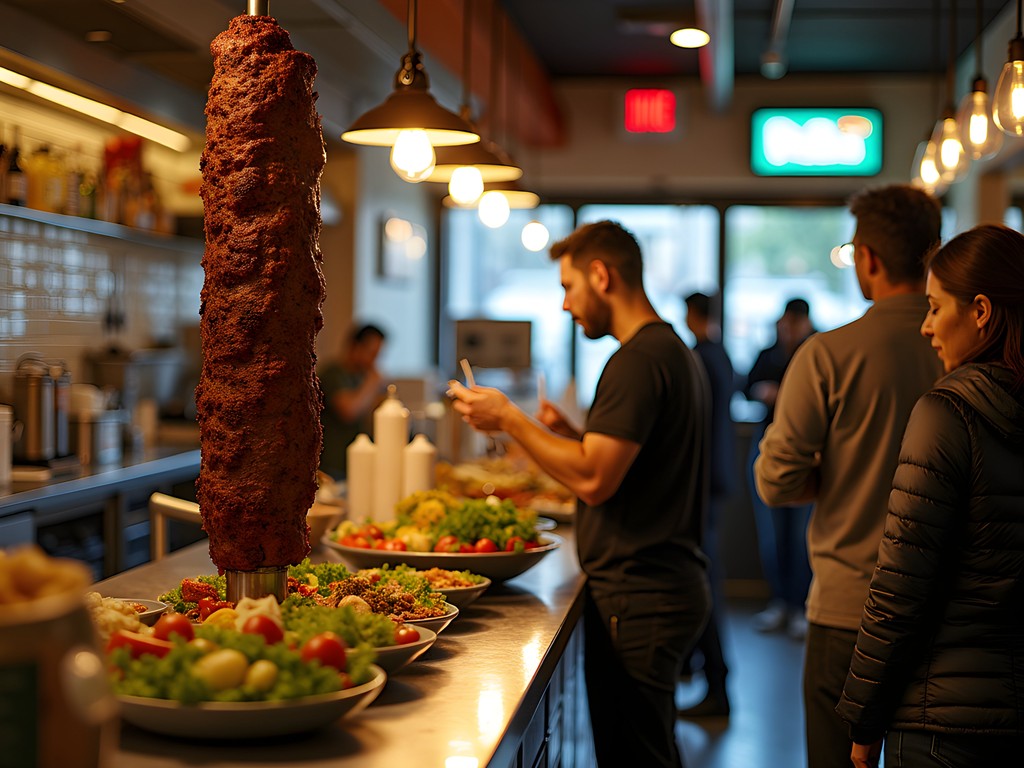
Berlin's food scene operates on different logic than other European capitals. The best meals often come from the most unassuming places, and Michelin stars matter less than neighborhood reputation. The döner kebab here isn't just fast food—it's a cultural institution. Mustafa's Gemüse Kebap has famous lines, but locals know that nearly every neighborhood has equally good options without the wait.
Here's what transformed my Berlin eating: embrace the international food scene. This city does Vietnamese, Turkish, Middle Eastern, and Korean food better than most cities in those regions. The German food? It's hearty and seasonal, but you'll find the most interesting versions in neighborhood Gaststätten (traditional pubs) rather than tourist restaurants. My mapping of food districts revealed that the best concentration of diverse, affordable options runs along the U8 line from Gesundbrunnen to Neukölln. Budget €8-12 for excellent meals, €15-20 for very good sit-down dining, and anything over €25 should be spectacular. A insulated water bottle is essential—Berlin tap water is excellent, and you'll save a fortune skipping bottled water at restaurants.
💡 Pro Tips
- Lunch specials (Mittagstisch) offer the same food as dinner for 30-40% less
- Tipping is 5-10% and you tell the server the total amount—don't leave cash on the table
- Reservations are increasingly necessary, even at casual spots—book 2-3 days ahead
- Many restaurants are cash-only, especially neighborhood favorites—always carry euros
Understand Berlin's Unique Social Codes and Unwritten Rules
Berlin has a reputation for being unfriendly, but that's a misreading of the culture. Berliners value directness, efficiency, and personal space above performative friendliness. As someone who grew up navigating both Japanese and American social codes, I found Berlin's approach refreshingly honest. Don't expect small talk with cashiers or servers—they're not being rude, they're being professional. But strike up a conversation at a bar or park, and you'll find people surprisingly open and engaged.
The key insight from my time surveying the city's social geography: Berlin operates on a respect-through-distance model. Give people space, don't be loud in public transit or residential areas after 10 PM, and never jaywalk in front of locals (even if no cars are coming). The payoff? When you show you understand these codes, Berliners treat you as a temporary insider rather than a tourist. Learn a few German phrases—even badly pronounced German gets more respect than assuming everyone speaks English. That said, English fluency is high, especially among younger Berliners and in creative industries.
💡 Pro Tips
- Sunday is sacred quiet time—no loud activities, no glass recycling, minimal noise
- Direct eye contact and firm handshakes matter in formal situations
- Asking 'Sprechen Sie Englisch?' before launching into English shows respect
- Berliners will correct your German—take it as helpful, not critical
- Queue culture is serious—never cut in line or you'll hear about it
Final Thoughts
Berlin rewards the patient observer and punishes the rushed tourist. These twelve tips are really about shifting your mindset from visitor to temporary resident—a distinction Berliners recognize and appreciate. The city's greatest gift isn't its monuments or museums; it's the permission to slow down, observe, and participate in urban life at a human scale. From my surveyor's perspective, Berlin is still being written, still transforming, still figuring itself out. That makes it the perfect city for travelers who want to engage rather than just consume.
Your week in Berlin should leave you with more questions than answers, more curiosity than completion. That's when you know you've done it right. The city doesn't reveal itself in seven days, but it will show you enough to understand why people from everywhere choose to stay. Pack light, stay curious, and remember: Berlin doesn't care if you like it or not. But if you approach it with respect and openness, it might just become one of your favorite cities to map and remap, visit after visit.
✨ Key Takeaways
- Master public transit and neighborhood geography before diving into attractions—Berlin rewards spatial understanding
- Embrace the local rhythm: Spätis, Sunday quiet, direct communication, and the DIY maker culture
- Eat internationally, shop locally, and remember that the best Berlin experiences happen in neighborhoods, not tourist zones
📋 Practical Information
Best Time to Visit
June through August for warm weather, outdoor activities, and extended daylight; September for fewer crowds and still-pleasant weather
Budget Estimate
€50-70 per person per day including accommodation, food, transit, and activities (sharing accommodation with a group significantly reduces costs)
Recommended Duration
7 days minimum to properly explore neighborhoods and settle into the rhythm; 10-14 days ideal for deeper exploration
Difficulty Level
Moderate
Comments
smartlife
what about day trips from berlin? worth it or should I just stay in the city the whole time?
Akiko Thomas
If you have more than 5 days, Potsdam is absolutely worth a day trip. The palaces and gardens are stunning. But honestly, Berlin itself has so much depth that I'd prioritize exploring different neighborhoods first before venturing out.
triplover1483
Love this! Bookmarked for my trip in September.
Hannah Woods
Strong piece, Akiko. Your surveyor background really shows in how you've mapped the neighborhood dynamics. I'd add one thing to your grocery strategy: Lidl and Aldi are great for basics, but Turkish supermarkets (especially in Kreuzberg and Neukölln) offer incredible produce at half the price. The prepared foods section alone is worth the trip. Also agree completely on the transportation - the ring system confused me initially, but once you understand it, the whole city opens up. I used this transit app which helped decode the S-Bahn vs U-Bahn routes faster than Google Maps.
nomadninja
how much German do you need? my language skills are pretty basic
Hannah Woods
English works fine in Berlin, especially in central areas. That said, learning basic phrases (danke, bitte, entschuldigung) goes a long way with locals. I've found Berliners appreciate the effort even if you butcher the pronunciation.
roamperson
This is EXACTLY what I needed!! Going in April and was feeling overwhelmed. The maker space section is so cool - had no idea Berlin had that scene!
Bella Johansson
Akiko, your point about Späti culture really resonates! I spent three weeks in Neukölln last fall and those late-night corner stores became my lifeline. There's something magical about grabbing a beer at 11pm and sitting on the canal with locals. I remember one evening, the Späti owner recommended a Turkish bakery two blocks over that wasn't in any guidebook - best börek I've ever had. Berlin really does reward those who slow down and observe. The U-Bahn tip is spot-on too. I saved probably 40 euros by getting the weekly pass instead of doing single tickets.
smartlife
did you feel safe in neukolln at night? reading mixed things online
Bella Johansson
Completely safe in my experience. Just use normal city awareness - stick to well-lit streets, know your route home. The reputation is overblown honestly.
redwanderer
which neighborhood would you recommend for a first timer? staying for 5 days in May
Akiko Thomas
For a first visit, I'd say Prenzlauer Berg or Friedrichshain. Good transport connections and you'll get a feel for both the polished and grittier sides of Berlin. Avoid Mitte unless you want tourist crowds.
redwanderer
perfect thanks! will check out friedrichshain
wanderphotographer
Really useful tips, thanks!
Venture X
Premium card with 2X miles, $300 travel credit, Priority Pass