Disclosure: This article contains affiliate links. We may earn a commission from purchases at no extra cost to you, which helps our travel content.
When most travelers think of Puerto Rico, pristine beaches and the cobblestone streets of Old San Juan typically come to mind. But just east of the capital lies Carolina, a vibrant community where Afro-Puerto Rican heritage pulses through every street corner. As someone who's spent years studying biodiversity across cultural landscapes, I've discovered that understanding a region's human history is just as crucial as its natural one. My recent week in Carolina with my research colleagues revealed a cultural ecosystem as rich and diverse as any I've documented in my scientific career.

The Historical Roots of Carolina's Cultural Landscape
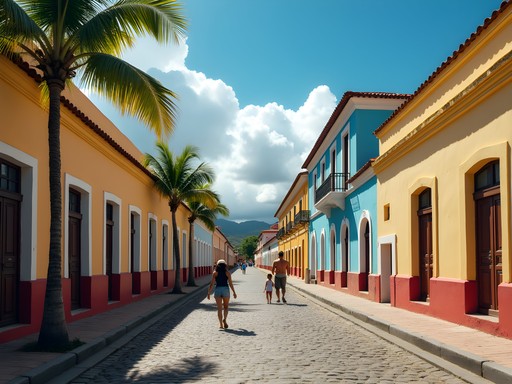
Like any good field researcher, I began my exploration of Carolina by understanding its origins. Founded in 1857, Carolina's identity was shaped by the sugar plantations that once dominated the landscape, bringing enslaved Africans whose cultural influences remain vibrantly alive today.
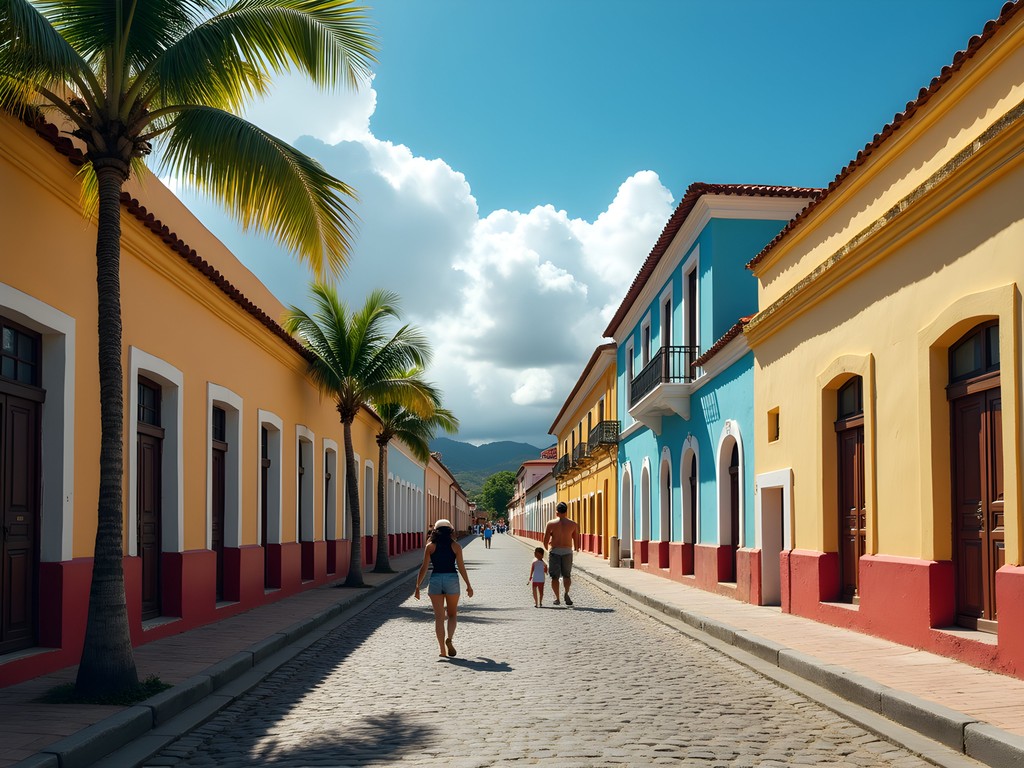
While strolling through Carolina's historic district with Dr. Elena Rodríguez, a local cultural anthropologist, she explained how the town evolved from agricultural roots to become part of the San Juan metropolitan area while maintaining its distinct cultural identity. 'What you're seeing here,' she told me, 'is cultural resilience in action.'
To truly appreciate this history before arriving, I recommend reading Puerto Rico history book, which provided excellent context on the island's complex colonial history and Afro-Caribbean influences. The chapters on cultural development were particularly enlightening for understanding the foundations of the music and dance we'd later experience.
💡 Pro Tips
- Visit the Museo del Historia de Carolina for an excellent overview of the town's development and cultural significance
- Take the walking tour of historic sugar plantation sites offered on Saturdays (book at least 3 days in advance)
- Download the free Carolina Cultural Heritage app for self-guided exploration
Bomba: The Rhythmic Soul of Resistance
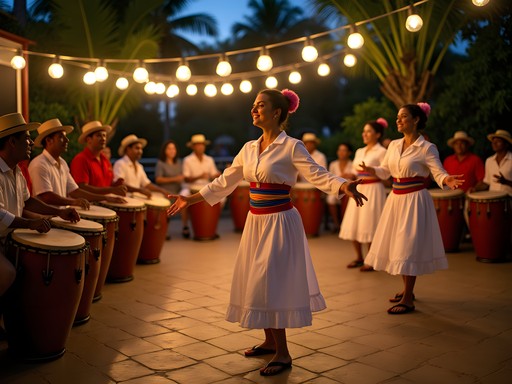
If there's one cultural expression that embodies Carolina's Afro-Puerto Rican heritage, it's bomba. This traditional dance and music form originated among enslaved Africans as both entertainment and resistance—a communication system beyond the overseers' understanding.
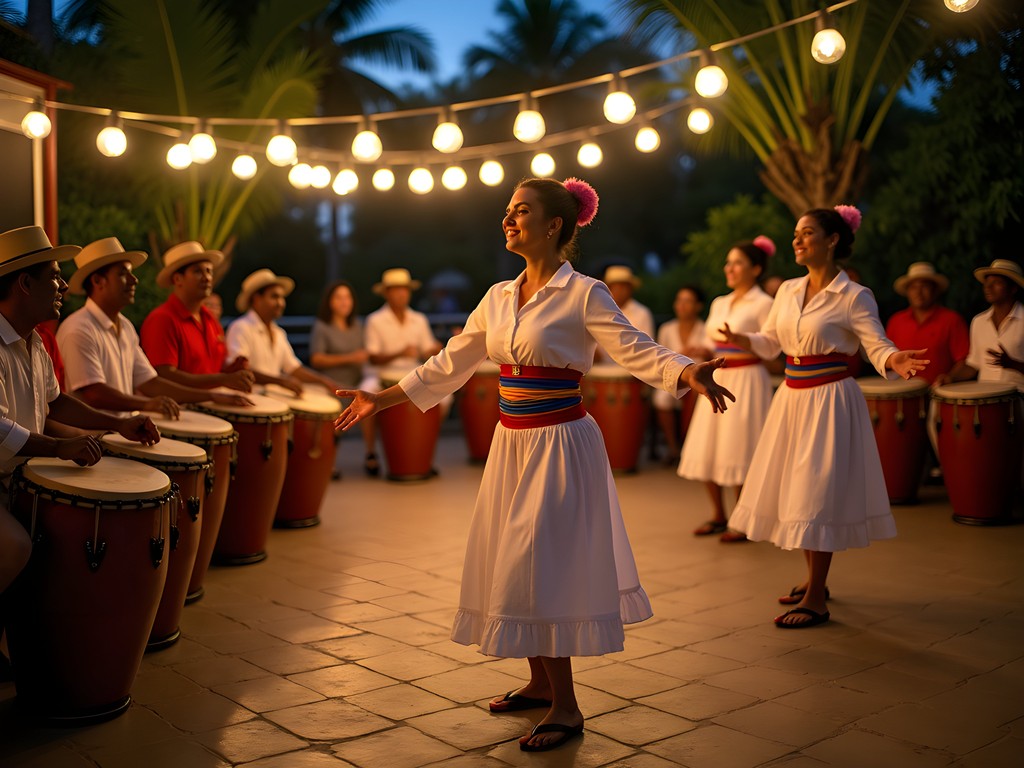
My wife and I spent an unforgettable evening at Centro Cultural de Bomba y Plena, where we not only watched but participated in this powerful tradition. As a biologist accustomed to observing rather than participating, I'll admit I was initially hesitant when invited to join the circle. But there's something transformative about stepping into that space where dancer and drummer engage in spontaneous conversation—the dancer's movements commanding the drummer's beats.
'The body speaks what words cannot,' our instructor Marisol explained as she guided us through basic steps. 'This is how our ancestors preserved their humanity.'
For the experience, I wore my breathable linen shirt which proved perfect for the humid evening and energetic dancing. My wife was glad she'd packed her foldable hand fan which came in handy during breaks between dances.
💡 Pro Tips
- Book bomba workshops at least a week in advance as they often sell out
- Wear comfortable, breathable clothing as the dancing is energetic
- Don't be shy about participating – instructors are patient with beginners
Culinary Heritage: Tasting Carolina's History
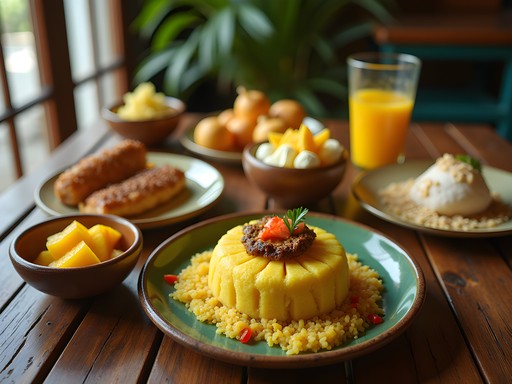
As both a scientist and a food enthusiast, I've always believed that a region's cuisine tells the story of its people. Carolina's Afro-Puerto Rican culinary traditions offer a delicious history lesson through dishes that blend Spanish, African, and indigenous Taíno influences.
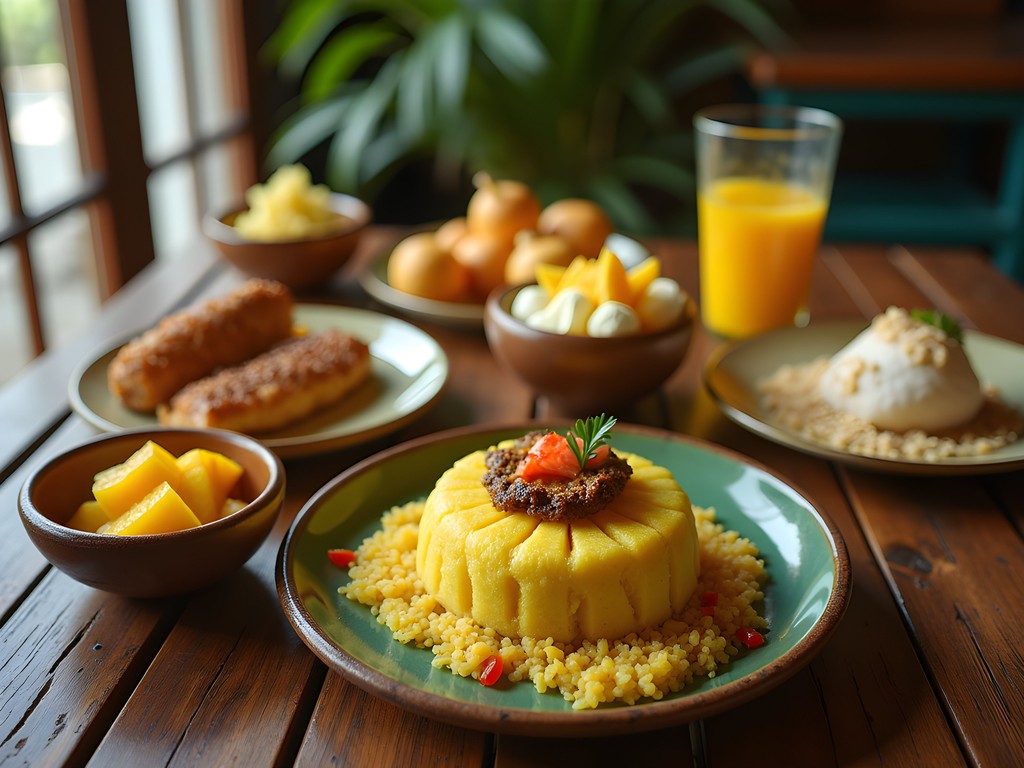
At Restaurante Raíces (not to be confused with the tourist-oriented one in Old San Juan), we discovered authentic mofongo—mashed plantains with garlic, pork cracklings, and various toppings. The owner, Doña Carmen, explained how this dish represents the perfect fusion of cultures: plantains from Africa, cooking techniques from Spain, and local ingredients from Taíno traditions.
For home cooks wanting to recreate these flavors, I recommend picking up a Puerto Rican cookbook, which offers excellent authentic recipes with cultural context.
Perhaps most fascinating was our visit to Loíza Aldea, just outside Carolina proper, where we participated in a cooking workshop focused on coconut-based dishes. Using a traditional coconut grater (which I later purchased to bring home), we learned to prepare tembleque, a coconut pudding dessert with roots in both European custards and African palm-based sweets.
💡 Pro Tips
- Visit the Carolina Farmers Market on Saturdays for local ingredients and prepared foods
- Book culinary workshops through the Carolina Tourism Office at least 3 days in advance
- Ask for the 'menu de la casa' at smaller restaurants for the most authentic experience

Festivals and Celebrations: Living Heritage
Timing your visit to coincide with one of Carolina's cultural festivals offers the most immersive experience. We were fortunate to witness the Festival de Santiago Apóstol, held annually in July, which blends Catholic traditions with Afro-Puerto Rican elements in a fascinating cultural synthesis.
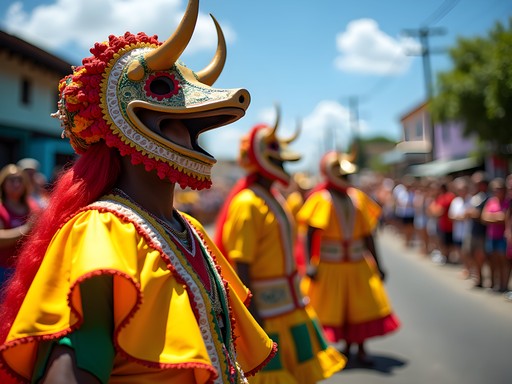
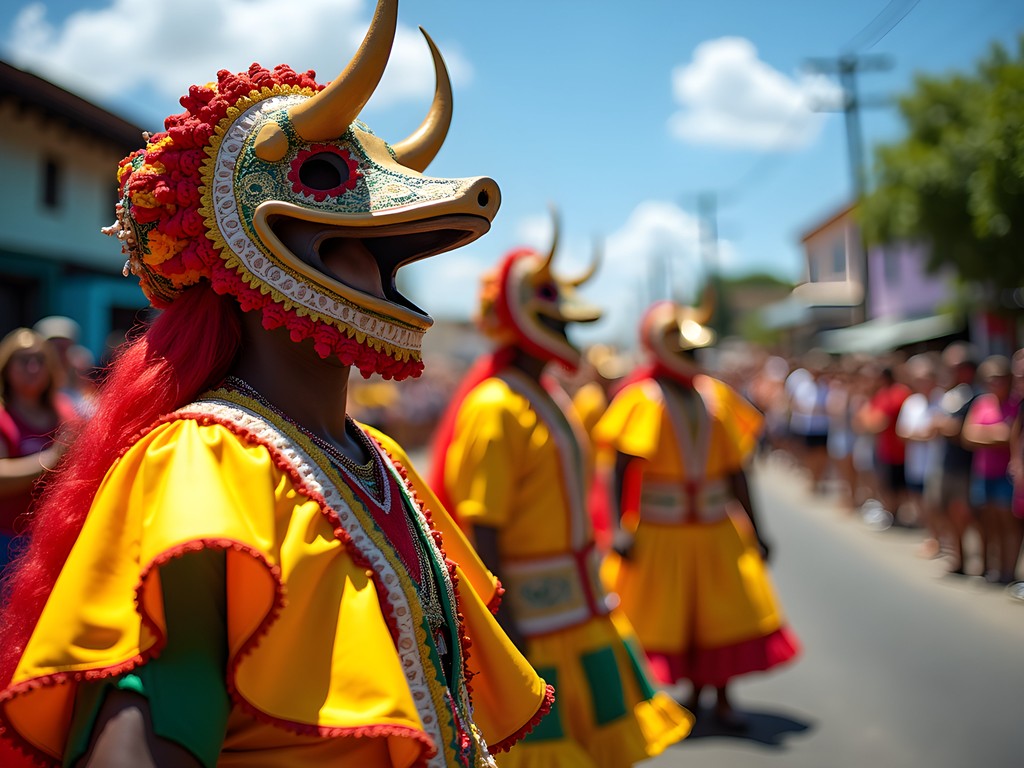
The festival's highlight was the vejigante procession—dancers in colorful, horned masks and vibrant costumes representing a blend of African, Spanish, and Caribbean mythological figures. These elaborate masks, I learned, were traditionally made from coconut husks, though many artisans now use papier-mâché techniques.
To capture these vibrant moments, I used my waterproof phone case which protected my phone during an unexpected afternoon shower while allowing me to take photos throughout the festivities. For longer events, my portable phone charger was invaluable as constant photo-taking quickly drains battery life.
What struck me most was how these celebrations serve as living museums—cultural knowledge passed through generations not in glass cases but through active participation. Children as young as five performed traditional dances with impressive skill, ensuring these traditions continue for generations to come.
💡 Pro Tips
- Check Carolina's cultural calendar before planning your trip to coincide with festivals
- Bring ear protection if you're sensitive to loud music, as celebrations can be boisterous
- Purchase vejigante masks from local artisans as meaningful souvenirs that support traditional crafts
Natural Connections: Ecology and Culture
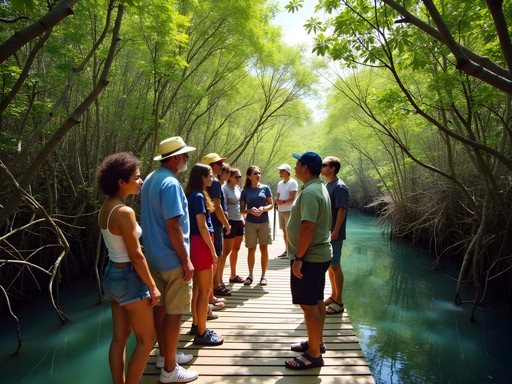
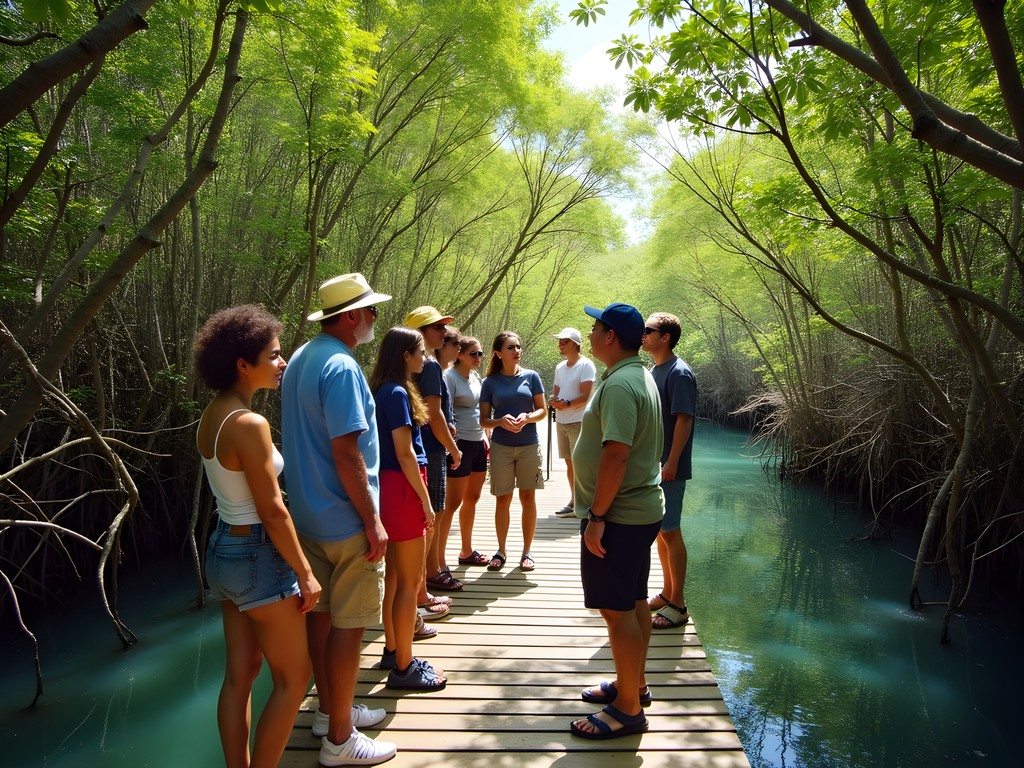
As a wildlife biologist, I couldn't help but observe how Carolina's cultural expressions are deeply connected to its natural environment. This was particularly evident during our visit to Piñones State Forest, where mangrove ecosystems have historically provided both sustenance and cultural materials to local communities.
Our guide, Roberto, a local ecologist with deep family roots in the area, showed us how traditional fishing techniques evolved alongside ecological knowledge. 'My grandfather could read the mangroves like a book,' he explained. 'The birds, the tides, the color of the water—all told him where to find fish.'
For exploring these areas, I found my quick-dry hiking sandals essential for navigating between mangrove roots and shallow waters. The terrain can be challenging, so proper footwear makes all the difference.
What fascinated me most was learning how bomba rhythms often mimic natural sounds—from waves to rainfall to bird calls—creating a cultural expression deeply rooted in ecological awareness. This connection between cultural preservation and environmental conservation offers powerful lessons for sustainability efforts worldwide.
💡 Pro Tips
- Take the guided ecological tour of Piñones State Forest which includes cultural history
- Visit early morning or late afternoon to avoid midday heat and see more wildlife
- Bring reef-safe sunscreen as many activities take place where runoff reaches sensitive marine ecosystems
Final Thoughts
Carolina offers couples a profound cultural immersion that goes far beyond Puerto Rico's postcard beaches. Through bomba rhythms that speak of resistance and resilience, culinary traditions that tell stories of cultural fusion, and festivals that keep heritage vibrantly alive, visitors gain a deeper understanding of Afro-Caribbean identity that enriches any Puerto Rican experience.
As a biologist, I've always believed that diversity—both biological and cultural—creates resilience. Carolina exemplifies this principle, showing how African, Spanish, indigenous and modern influences have woven together to create something uniquely Puerto Rican yet distinctly its own.
Whether you're dancing to bomba drums, savoring coconut-infused delicacies, or exploring the ecological knowledge embedded in local traditions, Carolina invites you to experience Puerto Rico's heritage with all your senses. This isn't just tourism—it's a meaningful cultural exchange that will transform your understanding of the Caribbean's complex history and vibrant present.
✨ Key Takeaways
- Carolina offers authentic cultural experiences beyond the typical tourist attractions of Puerto Rico
- Timing your visit around cultural festivals provides the most immersive experience
- Learning about Afro-Puerto Rican traditions enhances appreciation of the island's complex history
- Supporting local artisans, restaurants and cultural centers helps preserve traditional practices
- The connections between ecology and culture demonstrate how environment shapes cultural expression
📋 Practical Information
Best Time to Visit
Summer (June-August) for maximum festival experiences, particularly July for Santiago Apóstol Festival
Budget Estimate
$120-200 per day per couple including accommodations, meals, and cultural activities
Recommended Duration
5-7 days for comprehensive cultural immersion
Difficulty Level
Moderate (Requires Some Planning For Cultural Events And Workshops)



Comments
Nicole Russell
I visited Carolina last summer and the food scene is INCREDIBLE! I took a cooking class where we made mofongo and learned about how West African techniques merged with indigenous ingredients. The woman teaching us shared stories her grandmother told her about the old plantations. It was such an emotional and delicious experience. Also the frituras at the local kiosks are life-changing - don't skip those! George, did you get to try any of the bacalaítos?
citystar
Adding this to my list!! Which cooking class did you do?
Nicole Russell
It was through a family-run place called Cocina de Abuela - they only do small groups. Book ahead though, they fill up fast!
oceanwalker1416
George, do you have specific recommendations for bomba workshops? We're planning a trip in March and would love to participate in something authentic rather than touristy.
George Hayes
Yes! Look for workshops at Villa Palmeras community center - they're run by local families who've been practicing bomba for generations. Much more intimate than hotel shows. Go on weekends if you can!
oceanwalker1416
Perfect, thanks so much!
citystar
This is exactly what I've been looking for! So tired of the same beach posts.
wandermaster
Right?? There's so much more to PR than just the tourist spots
backpackpro
Going next month, can't wait!
nomadqueen
I was just in Carolina in December and can confirm everything in this article! The bomba experience was unforgettable. One tip - try to learn a few basic Spanish phrases before you go. While some folks speak English, the deeper cultural experiences are so much richer when you can communicate a bit. Also the mofongo at this little spot near the plaza was incredible, wish I could remember the name!
springway
Ooh yes! What Spanish phrases would you say are most useful??
luckytime
Thanks for sharing this!
Hunter Thompson
Brilliant post, mate! I spent three weeks in Puerto Rico last summer and honestly wish I'd known about this side of Carolina. Did all the touristy bits in Old San Juan (which were great, don't get me wrong) but this cultural immersion sounds so much more meaningful. The festival section really caught my eye - are these year-round or seasonal? Planning another trip and would love to time it right to catch some authentic celebrations.
photodiver
Love this! Quick question - is Carolina easy to reach from San Juan? We're staying in Condado for a few days and would love to do a day trip. Also curious about the food scene you mentioned - any specific restaurants you'd recommend?
starbackpacker
Super close. Like 20 min drive or you can take público
backpackpro
Really cool perspective. Most PR guides skip this completely.
Nicole Russell
George, this is SO important! I visited Carolina last year and the bomba workshop I took completely changed my understanding of Puerto Rican culture. The connection between the music, the resistance, and the community is just incredible. Did you get a chance to visit any of the local bomba schools? I went to one in Loíza (just next door) and the elder who taught us had stories that brought me to tears. Would love to know which spots you recommend in Carolina specifically!
luckytime
Which workshop did you do? I'm going in March and want to book something authentic
Nicole Russell
I went through a community center in Loíza but I think George's article mentions some in Carolina proper. Definitely book ahead though!
Venture X
Premium card with 2X miles, $300 travel credit, Priority Pass