


Disclosure: This article contains affiliate links. We may earn a commission from purchases at no extra cost to you, which helps our travel content.
Standing in the heart of Cuenca's historic center, where cobblestone streets intersect beneath the imposing blue domes of the New Cathedral, I found myself mentally mapping the city like a digital forensics case—each alleyway a thread of data, each colonial building a file waiting to be explored. After countless ultra-marathons through the American Southwest, I'd traded desert trails for Ecuador's cultural highlands, seeking the kind of authentic experience that doesn't populate Instagram feeds but rather reshapes your understanding of place and community.

Navigating Cuenca's UNESCO Heritage Center
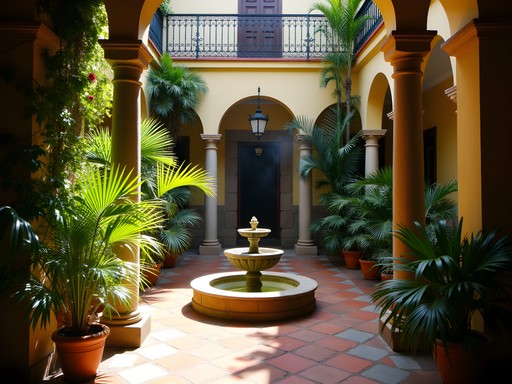
Cuenca's colonial core operates like a well-preserved system architecture—elegant, purposeful, and revealing its secrets only to those who know how to look. The city's UNESCO World Heritage designation isn't just a label; it's a living testament to 16th-century Spanish urban planning that remains remarkably intact.
I spent my first two days systematically exploring the historic center, starting each morning at Parque Calderón and working outward in concentric circles. The methodical approach paid off, revealing hidden courtyards, artisanal workshops, and local-only cafés that don't appear on typical tourist itineraries.
The 10-block radius surrounding the central plaza contains over 50 significant historical structures, including the Old and New Cathedrals. I found the early mornings (before 8 AM) and late afternoons (after 4 PM) offered the clearest views and best light for photography, when most tour groups were absent. My trail running headlamp proved unexpectedly useful for exploring the dimly lit interiors of smaller churches and museums.

💡 Pro Tips
- Visit the New Cathedral's blue domes for $2 between 2-4 PM for the shortest lines
- The free walking tour that departs from Parque Calderón at 10 AM provides excellent historical context
- Many museums close on Mondays and during the 12-2 PM lunch period; plan accordingly
Artisan Workshops & Cultural Immersion
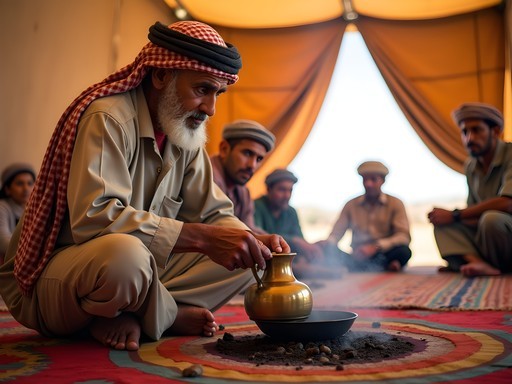
If Cuenca were a complex network system, its artisan workshops would be the hidden nodes processing centuries of cultural data. Unlike the tourist-oriented demonstrations I've encountered elsewhere, Cuenca's craftsmanship remains refreshingly authentic.
The Panama hat (which ironically originated in Ecuador, not Panama) workshops in Cuenca offer a fascinating glimpse into this precision craft. I spent a full morning at Homero Ortega's workshop, where fifth-generation weavers demonstrated techniques unchanged for centuries. The finest hats can take months to complete and be rolled tight enough to pass through a wedding ring.
For those seeking hands-on experiences, I recommend the ceramic workshops in the San Sebastián neighborhood. After three failed attempts, I finally produced a passable small bowl under the patient guidance of Señor Guillermo, whose family has worked with clay for four generations. I tracked my workshop visits in my waterproof notebook, which handled the clay dust and water splashes without issue.

💡 Pro Tips
- Book artisan workshops at least one day in advance as many operate on limited schedules
- Most workshops expect cash payment in small bills; ATMs are limited outside the city center
- Bring a small gift from your home country when visiting family-run workshops—it opens doors to deeper conversations
Market Immersion & Culinary Discoveries
The markets of Cuenca function as the city's data exchange centers—nodes where information, goods, and cultural practices converge. My systematic exploration of these markets revealed patterns and connections that casual visitors often miss.
Mercado 10 de Agosto, the central market, operates across three distinct floors, each with its own rhythm and purpose. The ground level houses fruit vendors with produce organized by altitude zones—coastal bananas and pineapples giving way to highland blackberries and exotic tree tomatoes. The second floor's food stalls serve authentic Ecuadorian cuisine at prices 70% lower than tourist restaurants.
The true discovery came at Mercado 9 de Octubre, where I followed my analytical instincts to the medicinal herbs section. There, elderly curanderas (traditional healers) prescribed herbal remedies with the same confidence and precision that my cybersecurity colleagues approach network diagnostics. When a persistent altitude headache struck on day three, the herbal tea mixture I was given worked more effectively than any pharmacy solution.
For early morning market visits, my insulated travel mug kept my Ecuadorian coffee hot while navigating the busy stalls, and its secure lid prevented spills when jostled in the crowds.

💡 Pro Tips
- Visit markets before 9 AM to see the most authentic local interactions and freshest produce
- Try hornado (roast pork) at Mercado 10 de Agosto stall #18—the best in the city according to locals
- Learn basic food-related Spanish phrases; market vendors rarely speak English but appreciate effort

Trail Running the Cajas National Park
While Cuenca's urban core offers cultural immersion, the surrounding natural landscapes provide equally powerful experiences. As a dedicated trail runner, I couldn't resist exploring the high-altitude terrain of nearby Cajas National Park, a stark contrast to my usual desert running routes in New Mexico.
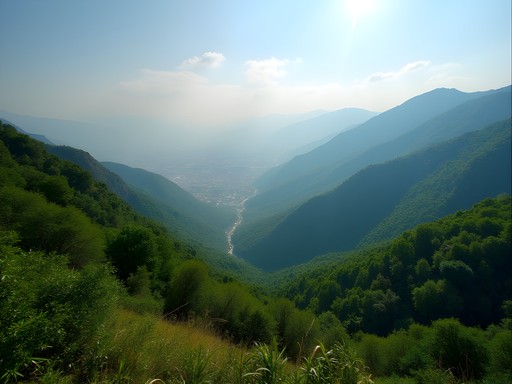
Just 30 kilometers west of Cuenca, Cajas National Park sits at elevations between 3,100 and 4,450 meters (10,170-14,600 feet). The park's 270+ glacial lakes and páramo ecosystem create a technical running environment that demands respect and proper preparation. The thin air at this altitude immediately recalibrated my expectations—paces that feel comfortable in Albuquerque became challenging here.
I tackled the 14km Route 1 (Llaviucu-Laguna Toreadora) trail, which climbs through multiple ecological zones. The trail begins in cloud forest before ascending to the stark, windswept páramo highlands. The constantly changing weather meant I relied heavily on my packable rain jacket and merino wool buff, switching between configurations as conditions shifted from sunny to misty to rainy within a single hour.

💡 Pro Tips
- Acclimatize in Cuenca for at least 48 hours before attempting Cajas National Park trails
- Register at the park entrance and inform rangers of your planned route—cell service is non-existent
- Pack for four seasons in one day regardless of the forecast; weather changes rapidly at high elevation
Local Connections Through Language Exchange
In digital forensics, access to protected systems often requires specific authentication protocols. Similarly, accessing authentic cultural experiences in Cuenca requires language skills that go beyond basic tourist phrases.
Despite my Mexican-American heritage, my Spanish needed refinement for Ecuadorian contexts. I discovered Cuenca's thriving language exchange community through the weekly Gringo Night at Café Eucalyptus, where locals seeking English practice meet travelers wanting Spanish immersion. These structured exchanges led to invitations to family dinners, local festivals, and even a traditional Cañari wedding in a nearby village—experiences inaccessible through conventional tourism channels.
For couples visiting Cuenca, these language exchanges offer a unique opportunity to connect with local residents while developing practical communication skills. My partner in these exchanges was Juan Carlos, a university professor eager to improve his technical English vocabulary. Our conversations evolved from basic introductions to nuanced discussions of environmental conservation in the Cajas watershed.
To track new vocabulary and cultural notes, I relied on my pocket translator device, which handled Ecuadorian regionalisms better than smartphone apps and worked offline in remote areas.

💡 Pro Tips
- Language exchanges happen at Café Eucalyptus (Tuesdays, 5-7 PM) and Café La Mesa (Thursdays, 6-8 PM)
- Learn Ecuador-specific vocabulary, particularly food terms that differ from Mexican or Spanish usage
- Prepare conversation topics in advance to overcome initial awkwardness in language exchanges
Final Thoughts
As I packed my gear for the return flight to Albuquerque, I realized that Cuenca had recalibrated my approach to cultural immersion. Like a well-executed forensic analysis, the most valuable discoveries came not from following predetermined scripts but from systematic exploration and pattern recognition. The UNESCO-listed architecture provided the framework, but it was the human connections—artisans, market vendors, trail guides, and language exchange partners—that revealed the city's true operating system.
For couples seeking authentic experiences in Latin America, Cuenca offers an ideal balance of structured heritage and spontaneous discovery. The city rewards methodical exploration while leaving room for the serendipitous encounters that transform tourism into genuine cultural exchange. Whether you're analyzing colonial architecture, decoding market systems, or mapping high-altitude trail networks, Cuenca presents a complex but navigable cultural landscape that changes how you understand not just Ecuador, but the very nature of travel itself. The question isn't whether you should visit Cuenca, but rather, how deeply you're willing to immerse yourself in its layered reality.
✨ Key Takeaways
- Cuenca rewards systematic exploration beyond the UNESCO sites with authentic cultural exchanges
- Language skills open doors to experiences inaccessible through conventional tourism
- The combination of colonial heritage and surrounding natural landscapes provides a comprehensive Ecuadorian experience
📋 Practical Information
Best Time to Visit
Year-round, with June-August offering driest conditions
Budget Estimate
$30-50 per day per person (excluding flights)
Recommended Duration
5-7 days
Difficulty Level
Easy
Comments
Taylor Moreau
Excellent write-up, Adam. I spent a week in Cuenca last year combining business meetings with cultural exploration, and your observations about the UNESCO center are spot on. The juxtaposition of colonial architecture with contemporary Ecuadorian life creates such a unique atmosphere. I'd add that the Sunday flower market at Plaza de las Flores is absolutely worth experiencing if anyone's timing allows. The locals are incredibly warm and patient with visitors attempting Spanish. Did you get a chance to visit any of the chocolate makers in the area?
summerpro
Going there next month! Any tips on the best time to visit the markets?
blueninja
Early morning is always best for markets anywhere in South America. Like 7-8am before the tourist crowds
winterfan
This looks amazing! How did you find the artisan workshops? Can you just walk in or do you need to book ahead?
Adam Spencer
Most of them you can just walk in! The hat weavers especially are super welcoming. A few of the bigger ceramic studios appreciate if you call ahead, but honestly just wandering around the artisan district worked great for me.
winterfan
Perfect, thanks! Planning a trip for October so this is super helpful
Amanda Morris
Beautiful piece, Adam. Your description of the market immersion brought me right back to my own time wandering through Mercado 10 de Agosto. There's something profoundly grounding about those sensory experiences - the smell of fresh herbs, the rhythm of vendors calling out prices, the vibrant colors of produce you've never seen before. I found that my best cultural insights came not from planned activities but from those unstructured market mornings with a terrible coffee and an open curiosity. The way you've woven the tech metaphors throughout is clever too - makes the content accessible without losing the depth.
summerlover
Those cathedral photos are stunning!!
coolguy8443
This looks amazing! Quick question - where did you stay in Cuenca? Trying to figure out the best neighborhood for first-timers. Also how many days would you recommend to really experience everything you mentioned?
summergal
Not the author but I stayed in El Centro and it was perfect for walking everywhere
Amanda Morris
I'd echo staying in El Centro. The colonial architecture alone is worth it for the morning walks. I spent 5 days there and felt it was just right - enough time to slow down and absorb the culture without feeling rushed.
blueninja
The Cajas section got me so pumped!! I'm a trail runner too and had no idea Ecuador had terrain like this. Adding it to my bucket list ASAP. How technical were the trails? And what was the altitude like for running?
summerlover
Same!! Those photos are incredible
Jean Wells
Adam, your approach to the artisan workshops resonates with my own experiences in South America. I spent three weeks in Cuenca last year and found that the Panama hat workshops were particularly fascinating from a cultural preservation standpoint. The generational knowledge transfer happening in those spaces is remarkable. Did you find language barriers significant when engaging with the artisans? I'm curious about your methodology for deeper cultural engagement beyond surface-level tourism.
summerpro
Good question about language! I'm planning a trip and my Spanish is pretty basic
summergal
Love this! Cuenca is so underrated
culturevulture75
Those market photos are making me hungry! 🤤
Venture X
Premium card with 2X miles, $300 travel credit, Priority Pass