


Disclosure: This article contains affiliate links. We may earn a commission from purchases at no extra cost to you, which helps our travel content.
There's something about cities in transition that pulls me in—that raw energy when industrial bones meet creative vision. Durham, North Carolina caught me by surprise on a spring weekend visit. What I expected to be a quick stopover between projects became a study in adaptive reuse and community-driven cultural revival. The old American Tobacco Campus, once the heart of an industry that defined this city, now pulses with galleries, restaurants, and makers' spaces that honor the past while building something entirely new.

The American Tobacco Historic District: Where Industrial Meets Imaginative
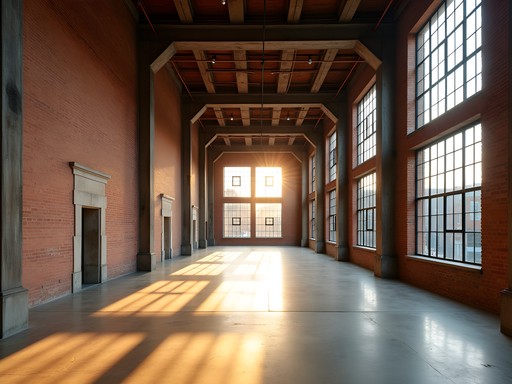
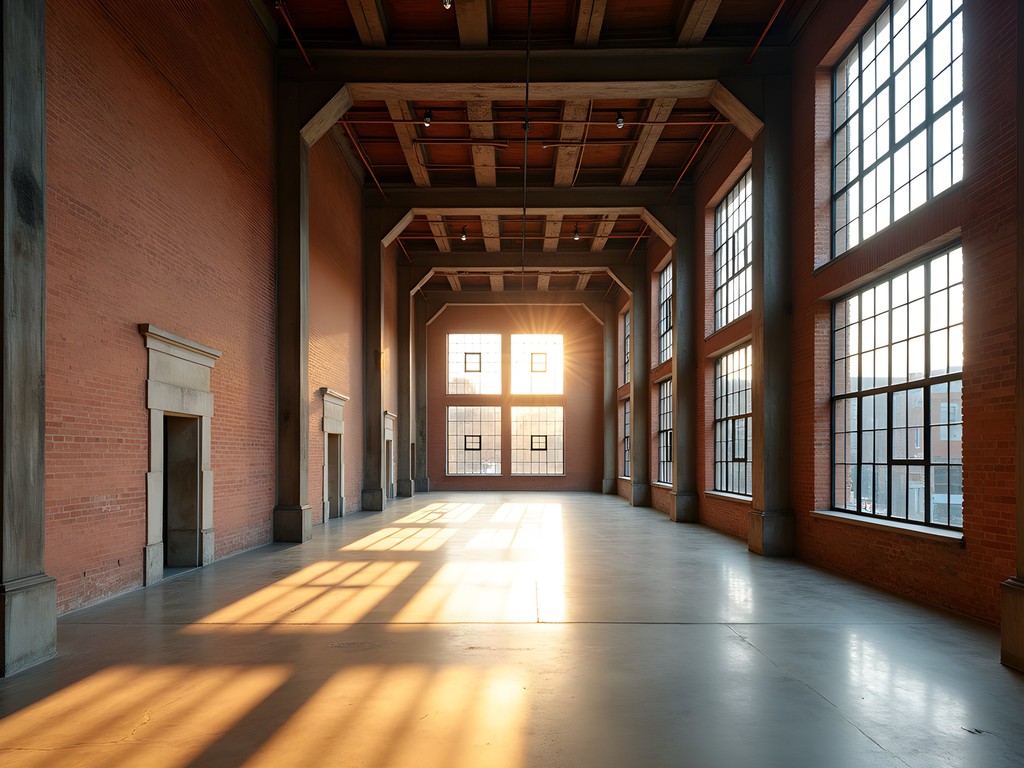
Walking through the American Tobacco Campus feels like stepping into a living canvas where history provides the texture. These massive brick warehouses, built in the early 1900s, have been transformed into a mixed-use district that manages to feel both reverent and alive. The original timber beams, exposed brick, and industrial windows frame contemporary galleries, restaurants, and event spaces.
I spent a Saturday morning sketching the architectural details—the way morning light filters through century-old windows, casting geometric shadows on polished concrete floors. The campus hosts regular art markets and cultural events, but even on quiet weekdays, there's an energy here. Local artists have studios tucked into corners, and you'll often find them working with doors open, happy to chat about their process.
The Durham Farmers Market sets up here on Saturdays from April through October, and it's become one of my favorite markets in the Southeast. Unlike the overly curated markets I've seen elsewhere, this one maintains an authentic connection to regional growers. I picked up heritage tomato starts and talked growing techniques with a farmer who's been working the same land for three generations—the kind of conversation that reminds you why supporting local food systems matters.
💡 Pro Tips
- Visit the Durham Farmers Market early (8-9 AM) for the best selection and to chat with vendors before the crowds arrive
- Many of the artist studios in the tobacco warehouses welcome visitors—look for open doors and don't hesitate to say hello
- Park once and explore on foot; the entire district is highly walkable with courtyards and connecting pathways between buildings
Central Park School for Children: Art as Community Infrastructure
One discovery that particularly resonated with me was the Central Park School for Children, housed in a former hosiery mill. This isn't just another private school—it's a progressive arts-focused institution that opens its facilities to the community for workshops, performances, and exhibitions. The building itself is a masterclass in adaptive reuse, maintaining industrial character while creating light-filled learning spaces.
I attended an evening ceramics demonstration here, part of their community arts series. Watching local potters work while surrounded by student artwork reminded me why I left commercial illustration—there's something powerful about spaces where making things is valued as much as consuming them. The school's philosophy of integrating arts across all learning mirrors what I've seen work in places like rural Japan, where craft traditions remain woven into daily life.
For couples visiting, check their event calendar. The Friday evening workshops and performances offer intimate experiences that feel more like being invited into a creative community than attending a tourist activity. I picked up a small ceramic piece from one of the teaching artists—now it holds my brushes in my Hamilton studio, a daily reminder of Durham's creative generosity.

💡 Pro Tips
- Check the school's public event calendar before your visit; many workshops welcome drop-ins for a small materials fee
- The surrounding neighborhood has excellent coffee shops and lunch spots—make it part of a morning arts walk
- Support the teaching artists by purchasing work when available; prices are reasonable and pieces are truly one-of-a-kind
Ninth Street and the DIY Arts Corridor
If the American Tobacco Campus represents Durham's polished transformation, Ninth Street shows you the scrappy, ongoing creative process. This historic commercial district has become a hub for independent bookstores, record shops, vintage clothing boutiques, and artist-run galleries. It's the kind of neighborhood where a handwritten sign in a window might lead you to a third-floor studio full of screen-printed textiles or experimental photography.
I spent an afternoon here with a portable speaker clipped to my bag, sketching storefronts while local musicians busked nearby—the small speaker let me capture field recordings of street sounds that later influenced a series of paintings. The Regulator Bookshop anchors the district, and it's the kind of independent bookstore that still hand-writes staff recommendations and hosts readings that feel like living room conversations.
For couples, this is where you'll find the date spots locals actually use. Small plates at Piedmont, vinyl browsing at Schoolkids Records, coffee at Cocoa Cinnamon—these aren't Instagram destinations; they're places built on genuine community connection. The neighborhood has that perfect density where you can wander without a plan and stumble into exactly what you didn't know you were looking for.

💡 Pro Tips
- Visit Cocoa Cinnamon for coffee—they source directly from farmers and the space itself is a lesson in thoughtful design
- Ninth Street connects to several residential neighborhoods with beautiful historic homes; extend your walk to see Durham's architectural variety
- Many shops here are closed Mondays, so plan your visit for Tuesday through Sunday

Durham Central Park: The Green Heart of Creative Community
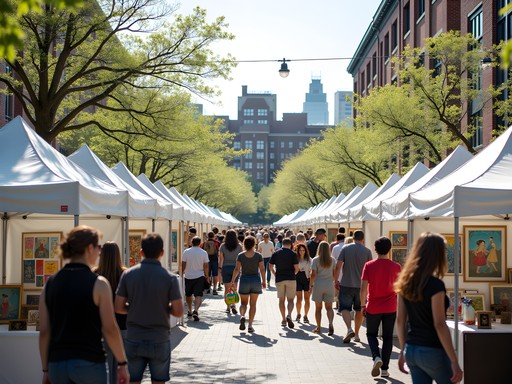
What struck me most about Durham wasn't any single building or gallery—it was how the city has maintained public space as central to its identity. Durham Central Park, a five-acre urban park, serves as the city's living room. It's where the farmers market happens, where food trucks gather on summer evenings, where families spread blankets for concerts and festivals.
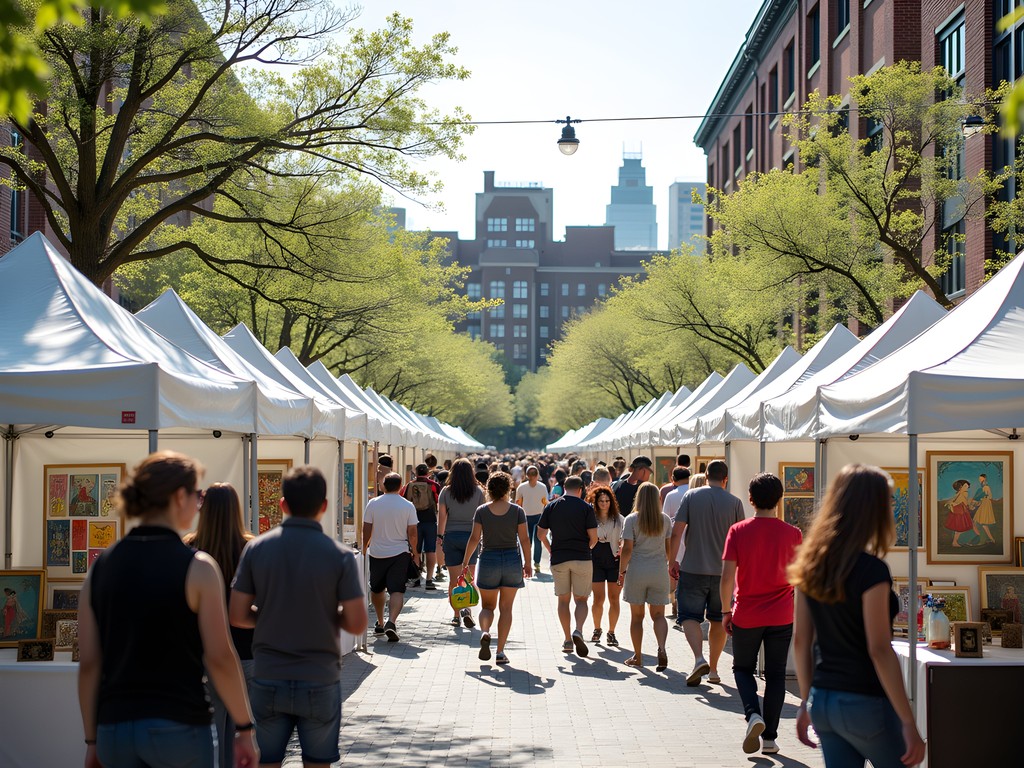
I visited during the spring Centerfest Arts Festival, and watching thousands of people move through artist booths set up in a reclaimed urban park crystallized something I've been thinking about since my time in Japan: cultural vitality requires physical space dedicated to gathering. Durham has resisted the urge to monetize every square foot, instead investing in places where community can happen organically.
Bring a picnic blanket and plan to spend time here, especially if you're visiting during market hours or festival weekends. The park borders the old tobacco warehouses, so you can easily flow between structured activities and spontaneous hangouts. I met a couple from Raleigh who drive over every Saturday just to spend mornings here—they said it reminds them why they stayed in North Carolina instead of moving to bigger cities.
💡 Pro Tips
- The park hosts free concerts and movie screenings in summer—check the Durham Central Park website for the current schedule
- Several excellent food options surround the park; grab takeout and eat outside when weather permits
- The playground and open lawn make this genuinely family-friendly if you're traveling with kids
Practical Notes for a Weekend in Durham
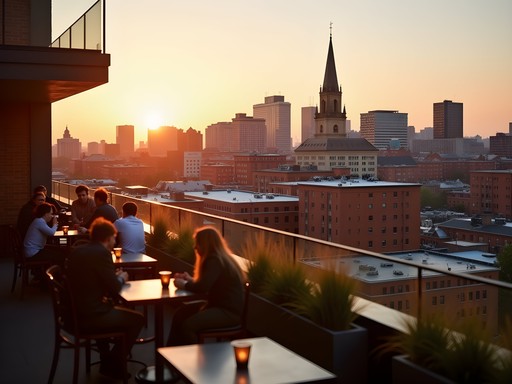
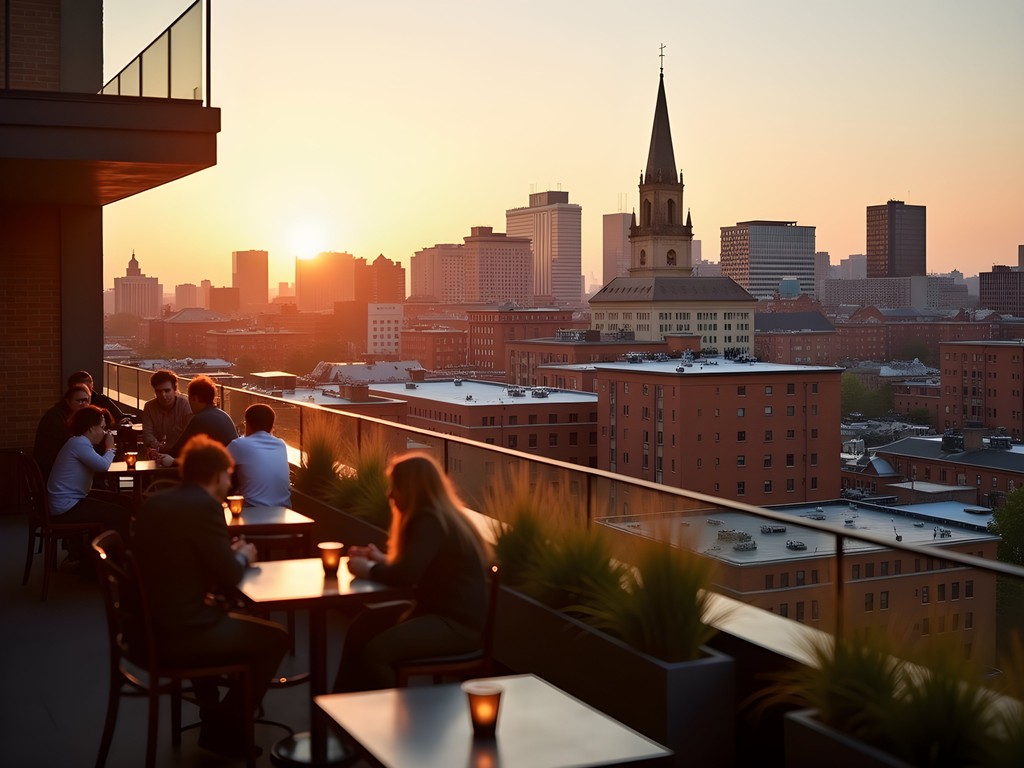
Durham works best as a slow-paced weekend rather than a checklist destination. I stayed at the Durham Hotel in the downtown district—the rooftop bar offers views across the changing cityscape, and the location puts you within walking distance of most cultural sites. For mid-range budgets, expect to spend $150-200 per night for comfortable accommodations with character.
The city is compact enough that you can walk or bike most places, though ride-sharing is readily available. I recommend bringing a reusable water bottle and a small daypack for market purchases—Durham's emphasis on sustainability means many vendors prefer you bring your own bags.
Spring (March through May) offers ideal weather and the full farmers market season. The city comes alive with outdoor events, and the light has that particular quality that makes everything look paintable. For couples, the pace here allows for genuine connection rather than rushed sightseeing—long breakfasts, afternoon gallery browsing, evening walks through historic neighborhoods. It's a city that rewards presence over productivity.
💡 Pro Tips
- Book accommodations early if visiting during Duke University events or major festivals—the city's hotel inventory is limited
- Many restaurants here are reservation-recommended for dinner, especially on weekends
- Durham's creative community is welcoming but genuine—approach interactions with curiosity rather than consumption
Final Thoughts
Durham reminded me why I document places like this—not because they're undiscovered (locals have known about Durham's creative energy for years), but because they offer a model for how cities can transform without erasing their identity. The tobacco warehouses could have become generic luxury condos. Instead, they house farmers markets, artist studios, and community gathering spaces.
This matters beyond Durham. As I've traveled through Portugal, Japan, and Colombia, I've seen how cities either resist change and stagnate, or embrace development that displaces the communities that made them interesting. Durham seems to be threading a difficult needle—growing and changing while maintaining the creative accessibility that sparked its renaissance.
For couples looking for a weekend that combines cultural exploration with genuine relaxation, Durham offers something increasingly rare: a city in conversation with itself about what it wants to become. You're not just observing this transformation—you're participating in it every time you buy from a local maker, eat at a community-focused restaurant, or spend an afternoon in a reclaimed public space. What will your visit to Durham inspire you to reimagine in your own community?
✨ Key Takeaways
- Durham's renovated tobacco warehouses demonstrate how industrial heritage can be transformed into vibrant cultural spaces without erasing history
- The city's farmers markets and artist studios offer authentic engagement with local makers and growers rather than curated tourist experiences
- A weekend in Durham works best with a slow pace that emphasizes connection over checklist sightseeing—plan for lingering rather than rushing
📋 Practical Information
Best Time to Visit
Spring (March-May) for ideal weather and full farmers market season
Budget Estimate
$400-600 for a weekend (accommodations, meals, activities for two)
Recommended Duration
2-3 days for a relaxed exploration
Difficulty Level
Easy


Comments
Sage Dixon
Alexander, this really captures what makes Durham special. I spent a week there last fall documenting the street art scene for my blog, and I was blown away by how organic the creative community feels—nothing manufactured about it. The Ninth Street corridor reminded me of Philadelphia's Fishtown about 15 years ago, before the big money moved in. One spot you didn't mention: the Durham Fruit Company building has some incredible murals and a few artist studios that do open houses on first Fridays. Also, if anyone's visiting, don't sleep on the food scene. The mix of Southern tradition and experimental cuisine is unreal.
mountainqueen
Yes! The food is amazing there. Had the best tacos of my life on Ninth Street.
mountainqueen
Love this! Durham is so underrated.
travellife
How long would you recommend spending in Durham to really explore the creative scene? Planning a Raleigh trip and wondering if it's worth adding a few days.
Sage Dixon
I'd say at least 2-3 days! There's so much more than what Alexander covered here. The food scene alone deserves a full day, and you'll want time to just wander the neighborhoods.
travellife
Perfect, thanks! Will plan for 3 days then.
Venture X
Premium card with 2X miles, $300 travel credit, Priority Pass