

Disclosure: This article contains affiliate links. We may earn a commission from purchases at no extra cost to you, which helps our travel content.
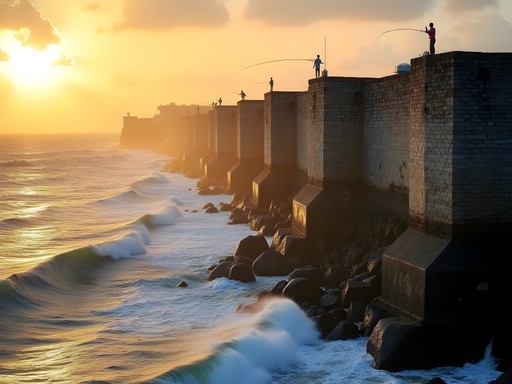
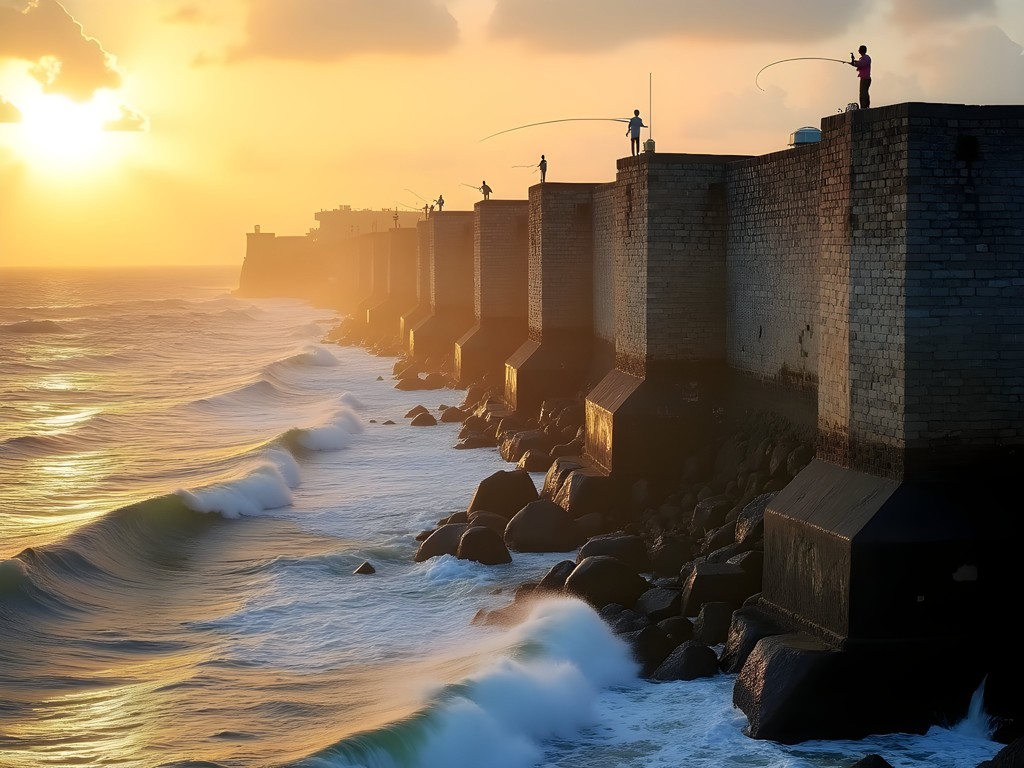
Standing atop the ancient ramparts of Galle Fort as the Indian Ocean crashes below, I'm struck by how this UNESCO World Heritage site embodies the beautiful collision of cultures that defines Sri Lanka. The Portuguese began these walls in the 16th century, the Dutch perfected them in the 17th, and the British later added their touches—yet within this European colonial shell thrives a distinctly Sri Lankan soul. As someone who's spent years studying how design principles transcend time and cultures, Galle Fort feels like a living laboratory where East meets West in the most harmonious ways imaginable.

Walking Through Centuries: Galle Fort's Architectural Story
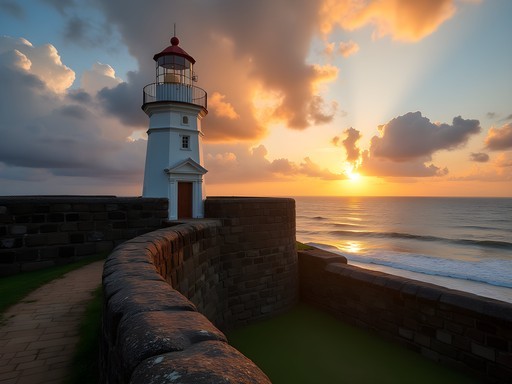
My love affair with Galle begins each morning with a sunrise walk along the massive stone fortifications. The geometry of these defenses—their perfect angles and strategic positioning—reminds me of ancient ball courts I've studied in Mexico, where form followed function with mathematical precision.
The Dutch Reformed Church stands as the fort's spiritual anchor, its floors paved with gravestones bearing Dutch inscriptions that tell stories of merchants, officials, and their families who lived and died thousands of miles from home. What fascinates me most is how the building incorporates local construction techniques with European design principles—a physical manifestation of cultural exchange.
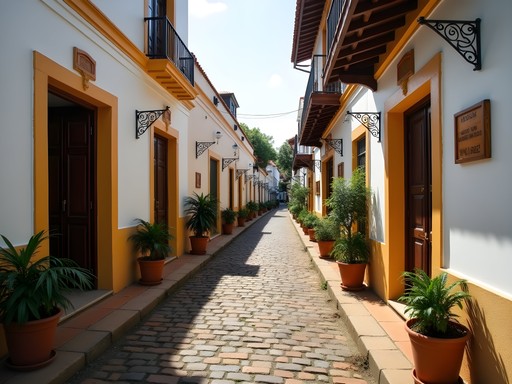
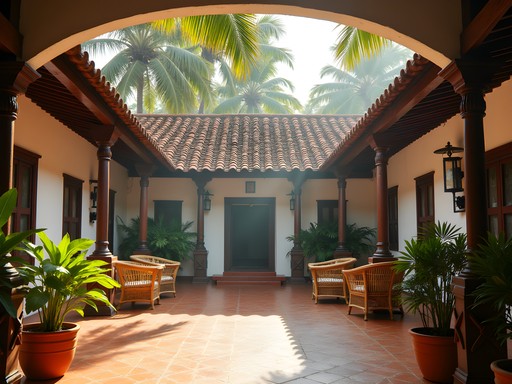
The streets themselves form a perfect grid, unusual for Asian cities of the era but typical of Dutch colonial planning. Walking these lanes, you'll notice how the buildings feature a unique architectural hybrid: European facades with deep verandas adapted to tropical climate, high ceilings for heat circulation, and inner courtyards that would feel at home in both Mediterranean and Asian traditions.
For the best exploration experience, I recommend starting your walks early with a pair of comfortable walking sandals that can handle both cobblestones and beach access points. The fort's compact nature means you'll be covering the same ground multiple times, discovering new details with each pass.
💡 Pro Tips
- Visit the Maritime Museum to understand how Galle's strategic location shaped its multicultural identity
- Look for the small stone markers with VOC (Dutch East India Company) insignia throughout the fort
- The best light for photography hits the colonial buildings in early morning and late afternoon
The Artisans of Galle: Where Tradition Meets Innovation
What truly separates Galle from other colonial outposts across Asia is its thriving artisan community. The fort has become a haven for Sri Lankan craftspeople who blend traditional techniques with contemporary design—something that resonates deeply with my background in design anthropology.
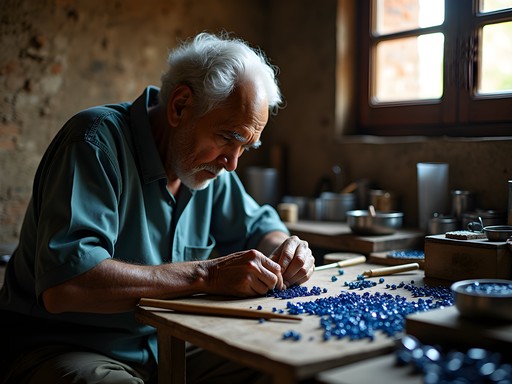
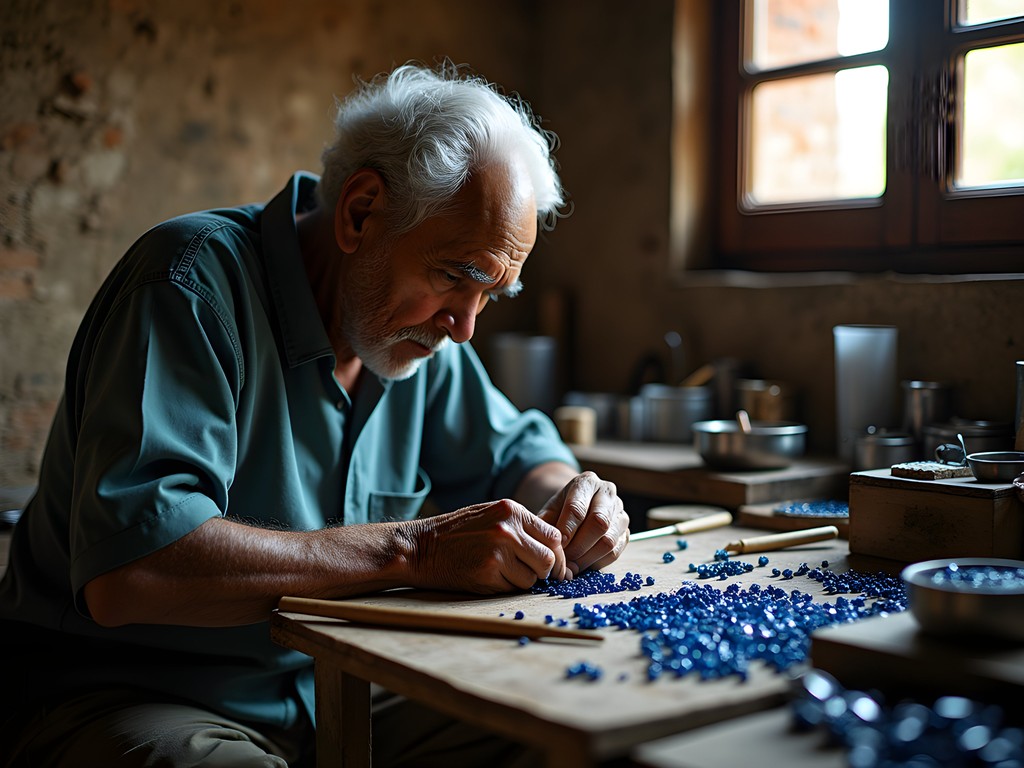
The gemstone workshops represent one of Sri Lanka's oldest craft traditions. The island's sapphires, particularly the distinctive cornflower blue varieties, have been coveted since ancient times. I spent an afternoon with a third-generation gem cutter who explained how the trade has evolved while maintaining core techniques passed through generations.
For those interested in bringing home authentic craftsmanship, I recommend visiting Stick No Bills for vintage-style travel posters that capture the essence of Sri Lanka's colonial and post-independence aesthetic. Their limited edition prints make meaningful souvenirs that support local artists.
Textile arts flourish here too, with several workshops producing handloom fabrics in vibrant colors. I was particularly drawn to Barefoot's collection, where traditional patterns are reimagined in contemporary designs. Consider picking up a sarong – not just as a beach cover-up but as a versatile travel companion that can serve as a blanket, pillow, or impromptu picnic cloth during your journeys.
💡 Pro Tips
- Ask artisans about their process—most are happy to demonstrate their craft if you show genuine interest
- When buying gemstones, only purchase from established shops with proper certification
- Many workshops are closed during the hottest hours (12-2pm), plan your visits accordingly
Culinary Crossroads: Tasting Galle's Colonial Heritage
The culinary landscape of Galle Fort tells the story of its complex history through flavor. Dutch, Portuguese, British, Arab, Malay, and Indian influences have all left their mark on Sri Lankan cuisine, creating a fusion that predates the modern gastronomic trend by centuries.
My morning ritual begins at the Heritage Café, where the coffee culture introduced by the Europeans meets local tropical fruits in refreshing combinations. Their avocado and king coconut smoothie bowls provide perfect fuel for exploration in the tropical heat.
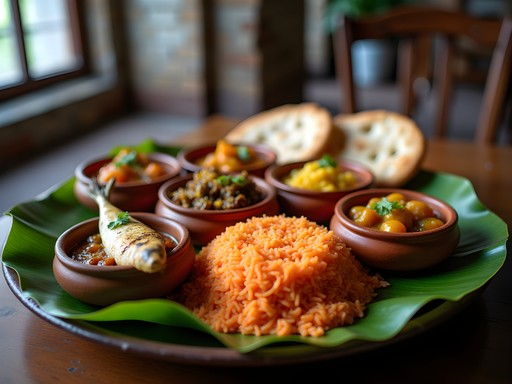
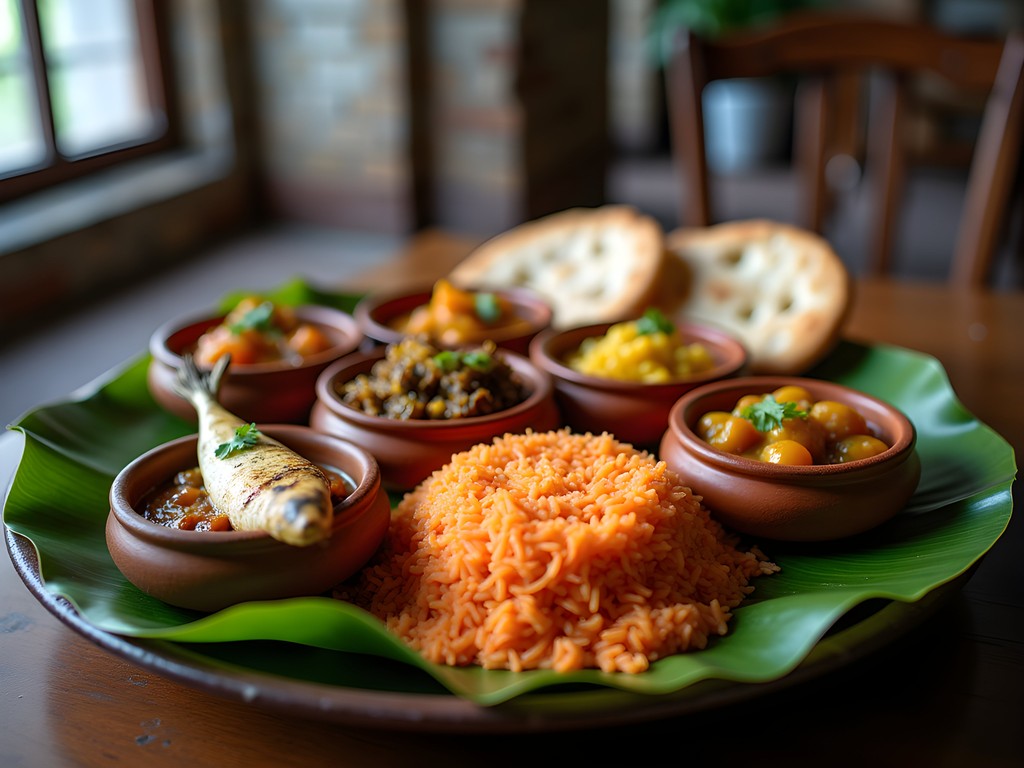
For lunch, I seek out rice and curry—Sri Lanka's daily staple that varies dramatically across the island. Within the fort, Hoppa Galle Fort serves some of the most authentic versions I've found, with up to 12 different curry varieties accompanying perfectly prepared rice. The sambols (spicy condiments) deserve special attention—pol sambol made with freshly grated coconut remains my addiction.
Dinner presents the opportunity to experience how contemporary Sri Lankan chefs are reinterpreting their culinary heritage. Church Street Social at the Fort Bazaar hotel serves innovative dishes that honor tradition while introducing creative twists. Their black pork curry, a dish with Portuguese origins, demonstrates how foreign techniques were adapted using local ingredients.
Cooking enthusiasts should consider bringing home authentic spices. I recommend picking up a Sri Lankan spice set to recreate these flavors at home. The unique curry powder blends from Sri Lanka differ significantly from their Indian counterparts, with more cinnamon, cardamom and fewer hot chilies.
💡 Pro Tips
- Always specify your spice tolerance when ordering—'Sri Lankan spicy' is considerably hotter than most Western palates expect
- Try egg hoppers for breakfast—these bowl-shaped rice flour pancakes with a soft-cooked egg in the center are a perfect introduction to Sri Lankan flavors
- The best seafood restaurants are actually just outside the fort walls—ask your accommodation for current recommendations as they change seasonally

Beyond the Walls: Cultural Connections in Galle's Surroundings
While the fort captivates, some of my most meaningful experiences have come from venturing just beyond its walls to engage with contemporary Sri Lankan life. The contrast between preserved colonial spaces and vibrant local communities provides perspective on how heritage sites exist within living cultures.
Just a short tuk-tuk ride away, Yatigala Temple offers a glimpse into Sri Lanka's Buddhist traditions that long predate colonial influence. The reclining Buddha statue and ancient rock inscriptions connect visitors to spiritual practices that have remained constant despite centuries of foreign presence on the island. When visiting temples, I always pack a quick-dry travel scarf to cover shoulders respectfully while staying cool in the tropical heat.
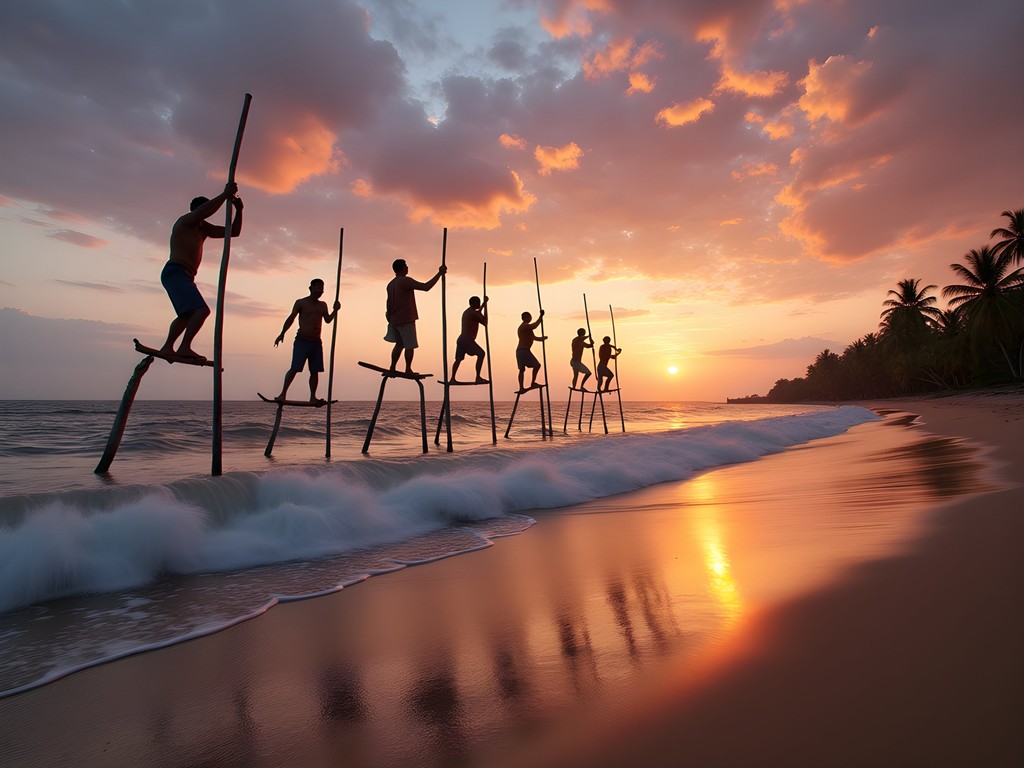
For a deeper understanding of rural Sri Lankan life, I recommend a morning visit to Koggala Lake, where stilt fishermen practice their precarious art at sunrise. This fishing technique developed during WWII when food shortages and limited shore access forced innovation. Though now partly maintained for tourism, it represents the resourcefulness that characterizes Sri Lankan cultural adaptations.
The nearby town of Habaraduwa hosts a sea turtle conservation center where you can learn about protection efforts for these endangered creatures. The staff's passionate explanations about traditional beliefs regarding turtles alongside scientific conservation approaches perfectly illustrate how Sri Lanka bridges traditional knowledge with contemporary practices.
💡 Pro Tips
- When visiting Buddhist temples, dress modestly with shoulders and knees covered, and remove shoes before entering sacred spaces
- For authentic stilt fishing photography, arrive before 7am—later sessions are often staged for tourists
- Support ethical wildlife experiences by researching organizations before visiting—the best conservation centers prioritize education over entertainment
Evening Rhythms: Galle Fort After Dark
As someone who's explored ancient sites worldwide, I've found that experiencing a place after sunset reveals dimensions invisible in daylight. Galle Fort transforms completely after dark, when day-trippers depart and the community reclaims its spaces.
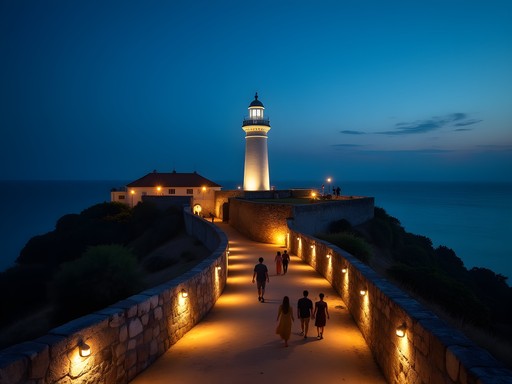
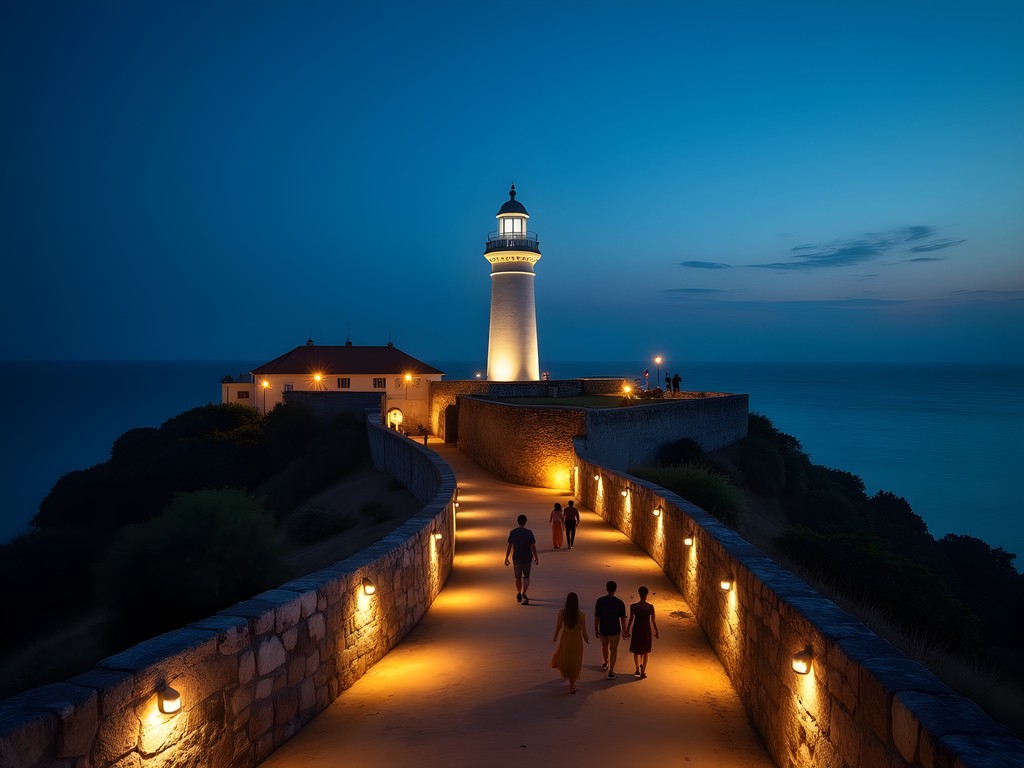
The evening promenade along the ramparts is a social institution. Families stroll, couples find private corners, and visitors mingle with locals against the backdrop of the lighthouse beam sweeping across dark waters. The fort walls create natural amphitheaters where impromptu music performances sometimes occur—I once spent an unforgettable evening listening to a local string quartet playing both Western classical pieces and traditional Sri Lankan melodies.
The Galle Literary Festival (when scheduled) brings international and Sri Lankan authors together for readings and discussions that often extend into evening salon-style gatherings at the Amangalla or Galle Fort Hotel. Even outside festival dates, these historic hotels welcome visitors for evening drinks in atmospheric colonial settings.
For night photography enthusiasts, I recommend bringing a compact travel tripod to capture the fort's illuminated bastions and the star-filled sky above. The contrast between ancient stones and twinkling lights creates magical images.
My favorite evening ritual involves a simple sunset drink at one of the wall-top cafés, watching fishing boats return to harbor as the fort's stones glow golden in the fading light—a moment where time seems suspended between centuries.
💡 Pro Tips
- The flag bastion near the lighthouse offers the best sunset views over the cricket stadium and harbor
- Many shops close early (around 6pm), but cafés and restaurants typically remain open until 10pm or later
- Carry a small flashlight for walking the ramparts after dark—lighting is atmospheric but minimal in some sections
Final Thoughts
As I run my hand along the weathered coral and limestone walls of Galle Fort one final time, I'm reminded that the most fascinating destinations are those where multiple historical threads intertwine to create something entirely unique. This UNESCO site isn't preserved in amber—it's a living community where Sri Lankans continue to write their story within walls built by distant empires.
What makes Galle truly special isn't just its architectural splendor or its picturesque setting, but how it demonstrates cultural resilience and adaptation. The fort's residents have transformed colonial impositions into something distinctly their own—creating art, cuisine, and traditions that honor multiple heritages while remaining authentically Sri Lankan.
For couples seeking a weekend of cultural immersion, Galle offers the perfect balance of structured exploration and serendipitous discovery. Come with curious minds and comfortable shoes, but leave your itinerary flexible enough to follow the unexpected invitation, the aromatic spice trail, or the sound of temple drums that might lead to your most meaningful experience. In Galle, the most valuable souvenir is the understanding that cultural exchange—even when beginning with conquest—can ultimately create something beautiful that belongs to all humanity.
✨ Key Takeaways
- Galle Fort uniquely blends Dutch colonial architecture with vibrant Sri Lankan culture in a living, breathing community
- Early morning and evening offer the most authentic experiences when day-trippers are absent
- Venturing just beyond the fort walls provides context for understanding how this heritage site fits within contemporary Sri Lankan life
📋 Practical Information
Best Time to Visit
December through April (dry season)
Budget Estimate
$75-150 per day for mid-range accommodations and dining
Recommended Duration
2-3 days minimum
Difficulty Level
Easy

Comments
GlobalNomad
Nicole, your section on the artisans really resonated with me. I spent a week in Galle last year and took a traditional mask-making workshop with a local family. The cultural significance behind each design is fascinating! Also spent an afternoon learning lace-making techniques from elderly women whose families have been doing it since Portuguese times. These hands-on experiences were the highlight of my Sri Lanka trip - so much more meaningful than just shopping for souvenirs.
TravelWithKids
Did you find the mask-making suitable for children? We're bringing our 9 and 11 year olds next spring.
GlobalNomad
Absolutely! The family I worked with had their own children helping out. They'll simplify the designs for kids and help with the carving parts. Your children will love it!
luckyking
Just came back from Galle last month and your post captures it perfectly! We spent three days exploring and still didn't see everything. The jewelers in the fort are incredible craftsmen - I watched them making the most intricate silver pieces. And don't even get me started on the food! That crab curry at Church Street Social was life-changing!
Nicole Knight
So glad you enjoyed it too! Church Street Social was one of my favorites as well - did you try their coconut pancakes for breakfast?
luckyking
Yes! With that kithul treacle drizzled on top - divine! Also loved the egg hoppers from the street vendors in the morning.
WanderlustJen
Those photos of the ramparts at sunset! 😍 Stunning!
backpackguide
What's the best way to get from Colombo to Galle? Train or bus?
luckyking
Train 100%! The coastal route is breathtaking and it's super cheap. Get the express train if you can, but book in advance as it fills up fast.
Nicole Russell
This brings back so many memories of my trip last summer! The culinary section of your post is spot on - I still dream about that fish curry I had at a tiny family-run place near the lighthouse. One tip for anyone heading there: don't miss the spice markets just outside the fort walls. I took a cooking class with a local family who showed me how to blend the perfect Sri Lankan curry powder. Also, I found my travel journal perfect for sketching the architectural details and jotting down recipes. The cultural immersion in Galle is truly unparalleled in Sri Lanka!
travelace
Adding this to my 2027 plans!
coffeemood
Going to Sri Lanka in January - is Galle Fort worth a full day or just a half-day visit?
Nicole Russell
Definitely worth a full day at minimum! I'd even recommend staying a night within the fort if possible - the atmosphere changes completely after day-trippers leave. The boutique hotels in converted colonial buildings are magical experiences themselves.
coffeemood
Thanks for the tip! Just booked a night at a heritage hotel inside the fort walls!
greenlover
Those sunset views from the ramparts look incredible!
springseeker875
Wow, your photos are absolutely stunning! Adding this to my bucket list right now!
Frank Garcia
Brilliant piece on Galle Fort, Nicole. The architectural analysis is spot on - I was particularly struck by how the Dutch colonial influences blend with Sri Lankan elements when I visited last year. The ramparts at sunset are indeed magical, but I'd add that early morning (around 6am) offers an equally compelling experience with fewer tourists. Did you manage to visit any of the local mask-making workshops? The traditional craftsmanship there provides fascinating insight into Sri Lankan folklore that complements the colonial narrative.
Nicole Knight
Thanks Frank! I did visit a mask workshop just outside the fort walls - absolutely fascinating. You're right about the early mornings too - I caught a few sunrises and the light was spectacular for photography.
Venture X
Premium card with 2X miles, $300 travel credit, Priority Pass