
Disclosure: This article contains affiliate links. We may earn a commission from purchases at no extra cost to you, which helps our travel content.
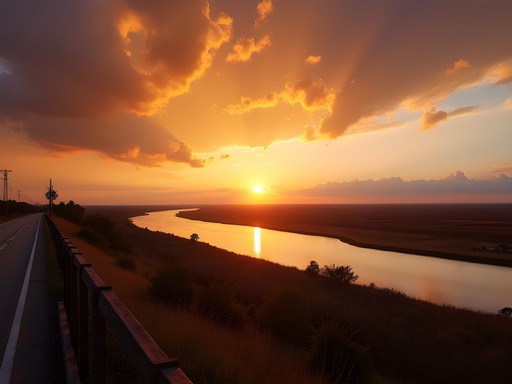
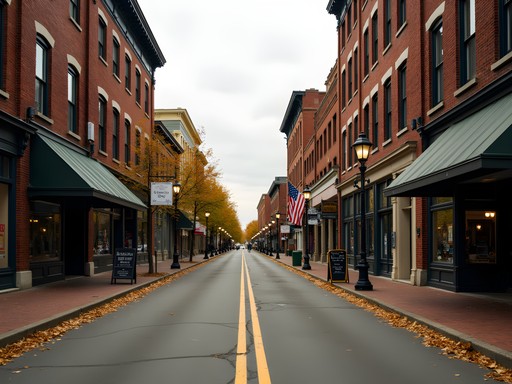
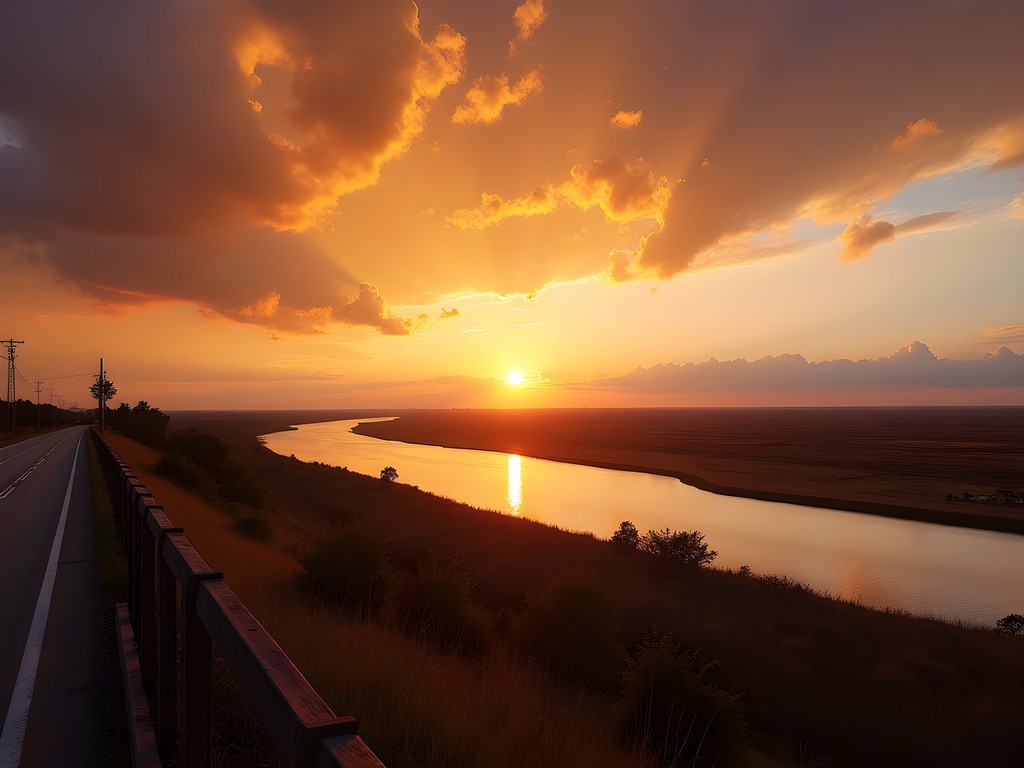
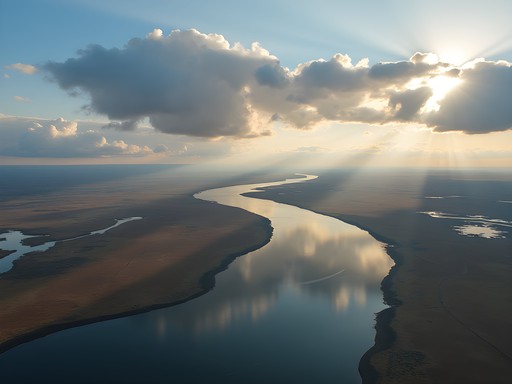
Standing on the levee overlooking the Mississippi River at sunset, I realized Greenville holds something increasingly rare: authentic cultural preservation without the tourist veneer. This Delta town of roughly 30,000 residents punches well above its weight in cultural significance, serving as a crucible for American blues music and a living laboratory of Southern foodways. Over seven days last October, I documented a side of Mississippi that challenges preconceptions and rewards those willing to engage deeply with its layered history.

The Blues Highway: Highway 61 and Musical Heritage
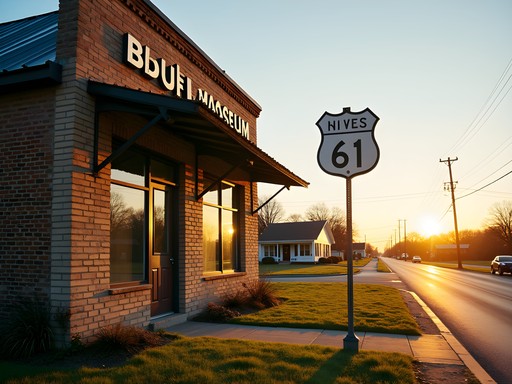
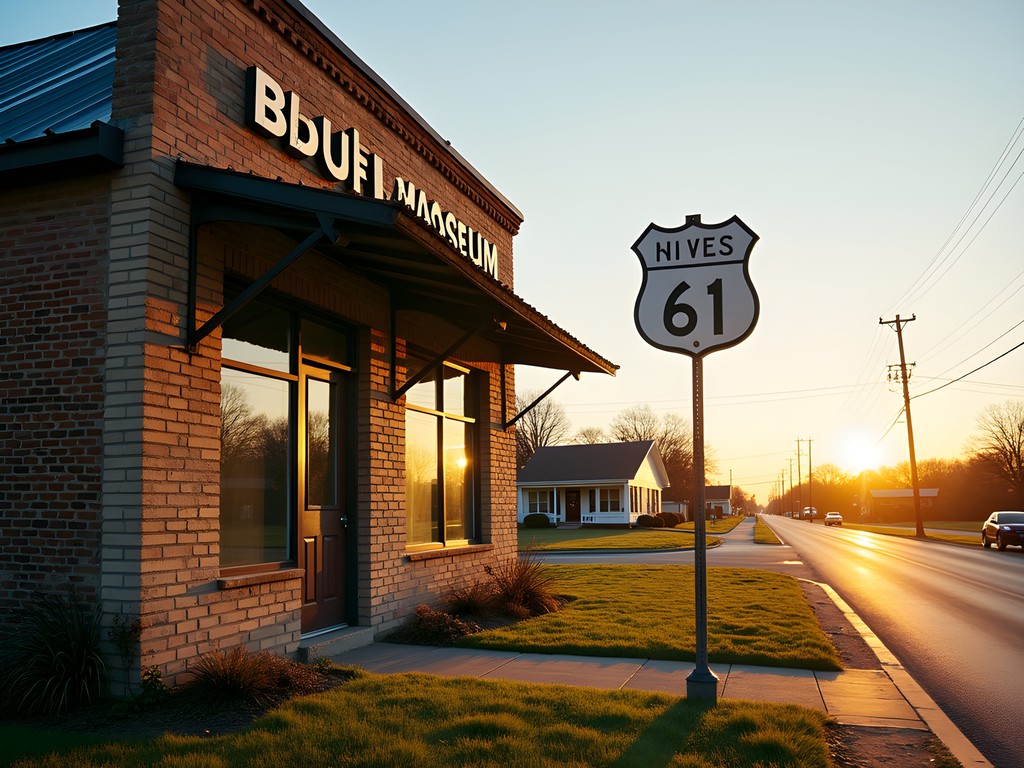
Highway 61 runs through Greenville like a cultural artery, connecting this Delta town to the broader narrative of American music history. I spent my first two days exploring the musical landscape, starting at the Highway 61 Blues Museum. The curator, a third-generation Greenville resident, walked me through exhibits documenting the Great Migration and how Delta blues evolved from field hollers into the foundation of rock and roll.
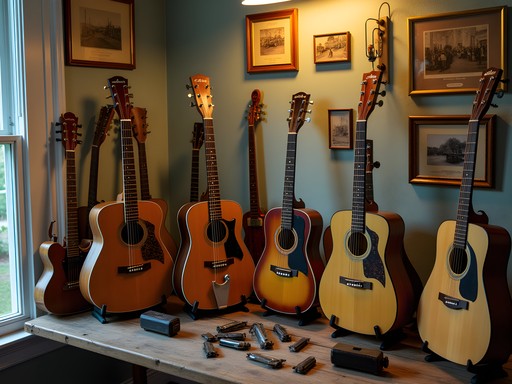
The real education happened at night. Greenville's juke joints—particularly Walnut Street Blues Bar and Perry's Flowing Fountain—offer unfiltered access to living blues tradition. These aren't reconstructed tourist attractions; they're working-class venues where locals gather and visiting musicians still pay homage to the Delta sound. I documented several sessions with my portable audio recorder, capturing the raw acoustics that digital streaming can't replicate. The technical specifications matter here: these spaces weren't designed for performance but for community, and that authenticity translates directly into the music's emotional resonance.
Timing your visit around the monthly blues jam sessions provides the most authentic experience. The musicians range from septuagenarians who knew the legends personally to young players keeping the tradition alive through technical mastery and genuine reverence.
💡 Pro Tips
- Visit juke joints midweek for smaller crowds and more intimate performances
- Bring cash—most venues don't accept cards and tipping musicians directly is customary
- Download offline maps; cellular service can be spotty in rural Delta areas
- Respect photography boundaries; always ask permission before shooting in music venues
BBQ Science: Understanding Delta Smoking Traditions
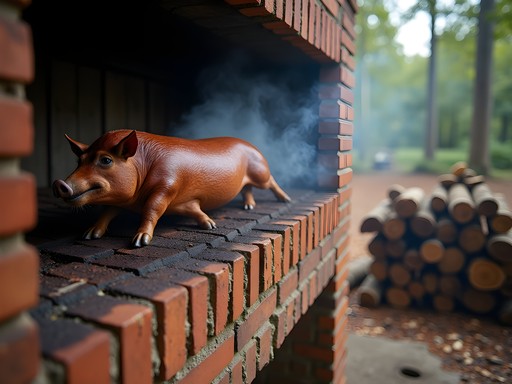
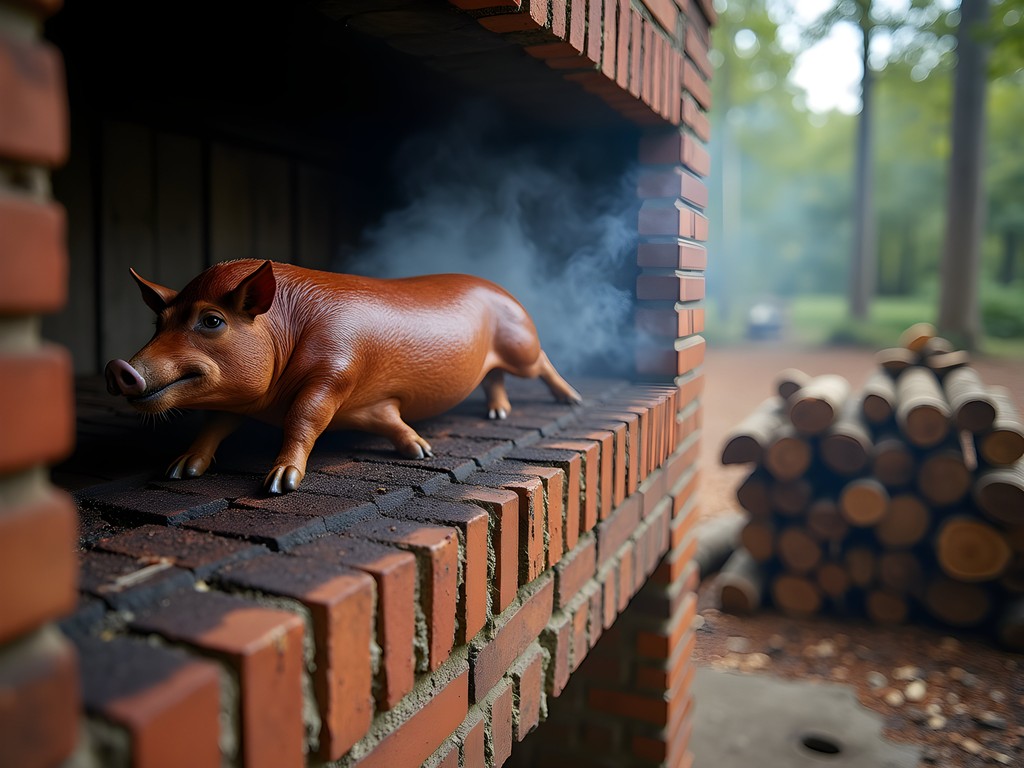
My engineering background made Greenville's BBQ culture particularly fascinating from a technical standpoint. Delta-style BBQ represents a distinct regional variation, characterized by whole-hog smoking, tangy vinegar-based sauces, and cooking times that extend 12-18 hours over indirect heat.
I spent a full day at Sherman's, where pitmaster James Sherman walked me through his process. The thermal dynamics of maintaining 225°F in a custom-built brick pit, the wood selection (exclusively hickory in this region), and the chemical reactions during the Maillard process—it's applied food science meeting cultural tradition. Sherman's family has operated this location since 1969, and the accumulated knowledge rivals any engineering manual.
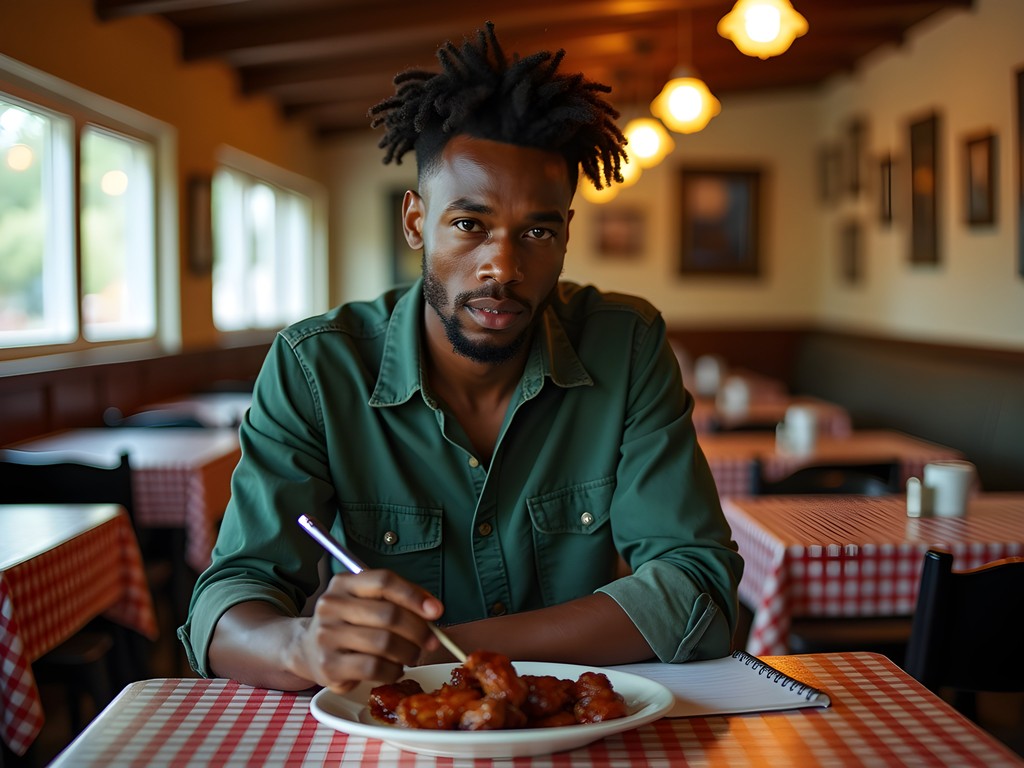
Doe's Eat Place, while famous for steaks, offers exceptional tamales—a Delta specialty reflecting the region's Mexican immigrant influence from the early 1900s. The cultural fusion here predates modern food trends by a century. I recommend the insulated food carrier if you're planning to transport BBQ back to your accommodation; the temperature control prevents the rendered fat from congealing and maintains optimal texture.
For groups, consider arranging a private BBQ tutorial at one of the smaller operations. Several pitmasters offer hands-on sessions where you'll learn fire management, meat selection, and sauce chemistry. The technical knowledge transfers surprisingly well to home cooking, though replicating the flavor requires commitment to the time-intensive process.
💡 Pro Tips
- Order BBQ by the pound for group sampling across multiple establishments
- Arrive before noon at popular spots—many sell out by early afternoon
- Request extra sauce on the side to experience the meat's smoke ring before adding condiments
- Most BBQ joints are cash-only operations
Cotton and Conversation: Agricultural Heritage Sites
The Mississippi Delta's identity remains inseparable from cotton agriculture, and Greenville offers several sites where this complex history receives honest examination. The Greenville History Museum presents agricultural mechanization alongside the human cost of sharecropping systems, avoiding neither the technological innovation nor the social injustice.
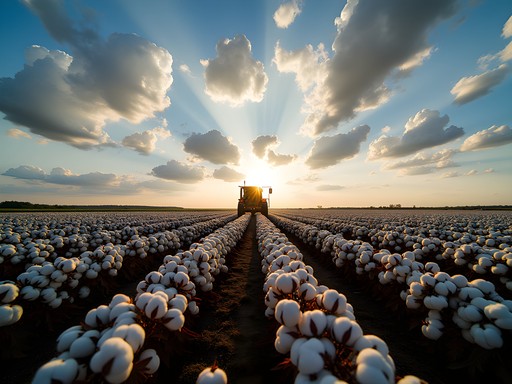
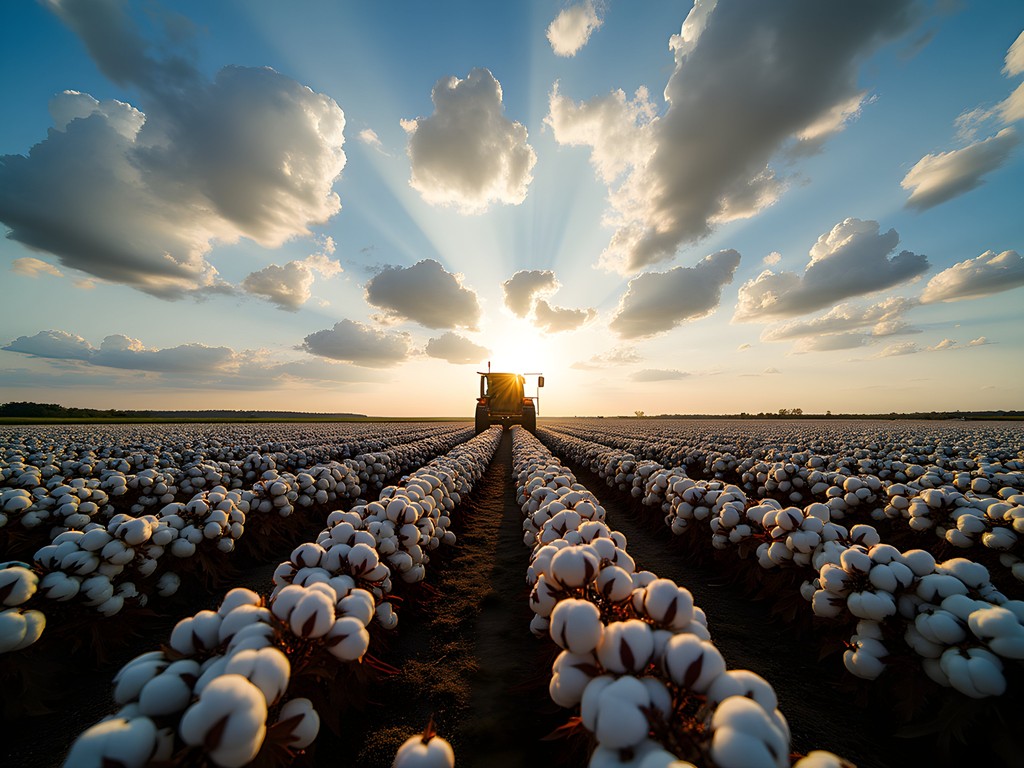
I drove out to the rural areas surrounding Greenville, where active cotton fields stretch to the horizon. October timing proved ideal—harvest season provides visual drama as mechanical pickers work the fields, and several operations welcome observers. The scale of modern agriculture here is staggering: GPS-guided equipment, yield monitoring systems, and precision irrigation represent engineering sophistication that contrasts sharply with the region's modest infrastructure.
The E.E. Bass Cultural Arts Center houses rotating exhibits on Delta culture, including agricultural photography collections that document the transition from hand-picking to mechanization. For photography enthusiasts, the flat Delta landscape offers unique challenges and opportunities. I used my circular polarizer filter to manage the intense sky reflections and enhance the cotton's texture against October's deep blue skies.
Engaging with local historians and farmers provides context that static exhibits can't match. The Greenville Public Library maintains an extensive Delta history collection, and librarians can connect visitors with community members willing to share oral histories. This direct engagement transforms abstract history into personal narrative.
💡 Pro Tips
- Contact farms in advance if you want field access during harvest season
- Respect private property—always obtain permission before photographing working agricultural land
- The flat terrain offers minimal shade; bring sun protection even in fall
- Rural roads can be poorly marked; download offline GPS maps before leaving town

River Culture: The Mississippi's Influence
The Mississippi River shapes Greenville's identity as profoundly as any cultural force. I spent several mornings on the levee system, which offers elevated perspectives for both photography and contemplation. The engineering required to manage this waterway—lock systems, levees, and flood control infrastructure—represents one of humanity's most ambitious ongoing projects.
Lake Ferguson, an oxbow lake created when the Army Corps of Engineers straightened the river channel, provides recreational access and ecological diversity. I documented several bird species here, including great blue herons and various waterfowl. The field guide proved invaluable for species identification, and the lake's accessibility makes it ideal for group nature outings without requiring specialized equipment or expertise.
The Greenville Cypress Preserve, a 16-acre protected area, showcases the region's pre-development ecology. Bald cypress trees rising from standing water create cathedral-like spaces, and the boardwalk system allows close observation without environmental impact. This preservation effort, managed by local volunteers, demonstrates community commitment to maintaining natural heritage alongside cultural traditions.
For drone operators, the river landscape offers compelling perspectives, though you'll need to observe FAA regulations carefully. The flat terrain provides excellent line-of-sight, but wind conditions off the water can be challenging. I found early morning flights produced the best atmospheric conditions and lighting.
💡 Pro Tips
- Levee access is generally permitted but check for posted restrictions during flood conditions
- Bring insect repellent for wetland areas, even in fall
- River conditions change rapidly; check local advisories before any water-based activities
- The Cypress Preserve boardwalk can be slippery after rain—wear appropriate footwear
Practical Considerations for Group Travel
Greenville's mid-range accommodation options center around national chain hotels near Highway 82, with the Hampton Inn and Comfort Suites offering the most consistent quality. For groups, consider renting a house through local property managers—several historic homes near downtown accommodate 6-8 people and provide more authentic neighborhood context than hotel corridors.
Transportation requires planning. Greenville lacks public transit, and ride-sharing services operate sporadically. Renting a vehicle is essential; I recommend a full-size SUV for groups, which provides comfort for rural road conditions and space for BBQ takeout containers. The car organizer kept our various purchases, photography equipment, and food acquisitions properly separated during our travels.
Cell service through major carriers is generally reliable in town but becomes inconsistent in rural areas. Download offline maps and any essential information before departing your accommodation. I used the portable wifi hotspot to maintain connectivity for real-time research and social media documentation, which proved particularly valuable when exploring areas outside Greenville proper.
Dining reservations aren't typically necessary except for Doe's Eat Place on weekend evenings. Most establishments operate on a first-come basis, which actually enhances the casual, welcoming atmosphere that characterizes Delta hospitality. Budget approximately $15-25 per person for BBQ meals, $30-50 for sit-down restaurants, and factor in cash for music venues and tips.
💡 Pro Tips
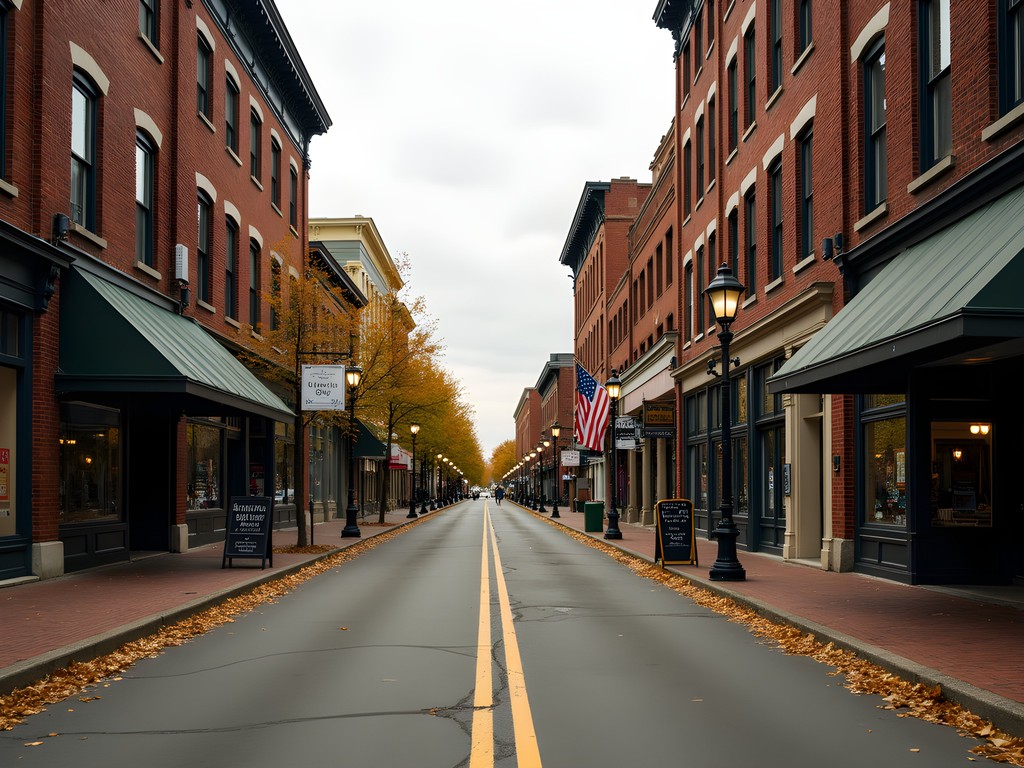
- Greenville's downtown is walkable, but you'll need transportation for most cultural sites
- Gas stations can be sparse in rural areas—maintain at least a half tank
- Local businesses often close earlier than urban travelers expect; plan accordingly
- ATMs are limited outside downtown; withdraw sufficient cash in advance
Final Thoughts
Greenville rewards travelers who approach it with curiosity rather than expectations. This isn't a destination that packages its culture for convenient consumption—it asks for engagement, patience, and genuine interest in understanding the Delta's complex narrative. The week I spent here challenged my assumptions about American regional culture and reinforced my belief that authentic cultural preservation requires active community participation, not just institutional memory.
For groups seeking cultural immersion beyond surface-level tourism, Greenville offers rare access to living traditions. The blues music continues evolving while honoring its roots, the BBQ represents generations of technical refinement, and the agricultural landscape tells stories of both innovation and injustice. This complexity makes Greenville fascinating for travelers willing to sit with uncomfortable histories while celebrating genuine cultural achievements.
The technical aspects of documenting this trip—from recording live music to photographing cotton fields—required adapting my usual approach to respect both the subjects and the context. That adaptation process itself became part of the journey's value, reminding me that cultural photography demands more than technical excellence; it requires ethical engagement and authentic connection.
✨ Key Takeaways
- Greenville's cultural authenticity stems from living traditions, not reconstructed tourist attractions
- Fall timing provides ideal weather, harvest season agricultural access, and regular music programming
- Group travel works best with rental transportation and flexible scheduling to accommodate spontaneous cultural encounters
- Genuine engagement with local community members transforms the experience from observation to participation
📋 Practical Information
Best Time to Visit
September through November for comfortable temperatures, harvest season, and consistent music programming
Budget Estimate
$800-1200 per person for week-long trip including mid-range accommodation, meals, rental car share, and activities
Recommended Duration
5-7 days for comprehensive cultural immersion
Difficulty Level
Easy
Comments
Jennifer Rodriguez
Great post! For budget travelers, Greenville is actually perfect. Accommodations are reasonable (under $80/night for decent places), BBQ meals are $10-15, and most of the cultural experiences are free or donation-based. I mapped out a 3-day Delta blues trail from Clarksdale through Greenville to Vicksburg last year for under $300 total including gas. The key is staying in local motels instead of chains and eating where locals eat. The Mississippi Blues Trail guidebook helped me find all the historical markers. This region rewards slow travel and genuine curiosity over luxury.
islandking
Never been to Mississippi. Is this a safe area for travelers? What's there to actually do?
Olivia Sanchez
It's safe, just use common sense like anywhere. The 'what to do' is really about slowing down and experiencing the culture - talking to people, listening to music, eating amazing food, learning the history. It's not a checklist destination.
redclimber
What's the best time of year to visit? Worried about summer heat.
Jennifer Rodriguez
Spring or fall for sure. Summer in the Delta is brutal - we're talking 95+ with humidity. October through April is your sweet spot.
Olivia Sanchez
Douglas, this captures the Delta so perfectly. I'm from New Orleans and thought I knew Southern culture, but the Mississippi Delta is its own universe. There's something about standing on those levees watching the river that makes you understand why the blues sounds the way it does. The isolation, the vastness, the weight of history. I spent three days in Greenville two years ago and still think about the conversations I had with folks at the cotton gin museum. That agricultural heritage is so tied to everything - the music, the food, the rhythm of life there. It's not always comfortable history, but it's essential.
tripdiver
Went through Greenville last fall on a Delta road trip and completely agree about the authenticity. The BBQ joints don't mess around - we hit up Doe's Eat Place and some smaller spots locals recommended. Highway 61 has this haunting quality when you're driving it, especially early morning. Did you make it to any of the juke joints? We caught some live blues at a place that was literally someone's backyard.
mountainway
Juke joints in someone's backyard?? That sounds amazing, got a name?
tripdiver
Honestly can't remember the name, it wasn't really advertised. Just asked around at the gas station and someone gave us directions lol
mountainway
This is exactly what I'm looking for! Real culture, not tourist traps.
nomadstar2931
Pro tip - go in April or October. Summer heat in the Delta is absolutely brutal but spring and fall are perfect. Also the Mississippi Blues Trail markers are all over the region, makes for an amazing self-guided tour if you have a few days!
roamzone
is it safe to travel solo there?
Jennifer Thomas
I traveled solo and felt totally fine! People were super friendly and helpful. Just use common sense like anywhere.
Jose McDonald
YES! This post is everything! I rode my motorcycle through the Delta two summers ago and Greenville was a total highlight. Highway 61 is such an epic ride, man. I met this older guy at a gas station who used to play drums in local blues bands and he invited me to this backyard cookout where people were just jamming. No stage, no tickets, just pure music. The cotton fields stretching forever, the heaviness of the history there - it's intense but important. Everyone should experience this part of America. The BBQ smoke traditions you mentioned are no joke - I watched a pitmaster tend his smoker for HOURS.
nomadstar2931
backyard jams are the BEST way to experience real blues culture!! sounds incredible
greenqueen
Love the sunset photo from the levee!
Venture X
Premium card with 2X miles, $300 travel credit, Priority Pass