


Disclosure: This article contains affiliate links. We may earn a commission from purchases at no extra cost to you, which helps our travel content.
Having analyzed innovation ecosystems across six continents, I find myself increasingly drawn to places where old wealth has quietly fostered cultural excellence for generations. Greenwich, Connecticut represents a fascinating case study in this regard—a place where capital accumulation from previous technological revolutions (railroad, finance, early computing) created an enduring ecosystem of cultural patronage. Unlike the ostentatious displays of newly-minted tech wealth in Silicon Valley, Greenwich's affluence manifests in meticulously preserved historic properties, world-class private collections made public, and institutions that have refined their operations over decades. This weekend exploration offered me valuable insights into how multigenerational wealth develops different patterns of cultural investment compared to more recent innovation hubs I've documented.

The Bruce Museum: Where Science Meets Old Money Patronage
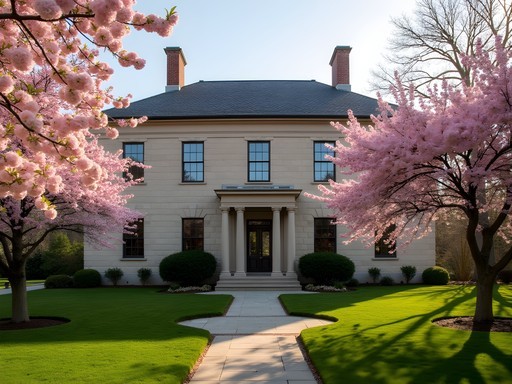
The Bruce Museum exemplifies Greenwich's approach to cultural institutions—housed in a former private mansion donated to the town in 1908 by textile merchant Robert Moffat Bruce. What fascinates me most is how the museum has evolved from a single wealthy patron's collection into a sophisticated institution balancing scientific inquiry with artistic excellence.
During my visit, I was particularly impressed by the museum's current expansion project, which will double its size to over 70,000 square feet. The $60+ million investment demonstrates how old wealth continues to sustain cultural infrastructure in ways fundamentally different from the tech philanthropy models I've observed in San Francisco or Seattle.
The natural history exhibits maintain scientific rigor while the art collections reveal a curatorial sophistication that reflects generations of connoisseurship. The mineral collection particularly impressed me—having visited technology museums worldwide that showcase rare earth minerals critical to computing, seeing these elements displayed for pure aesthetic appreciation rather than industrial application offered an interesting counterpoint.
What sets the Bruce apart from museums in newer wealth centers is its unassuming integration into the community fabric. Unlike the architectural showpieces that tech billionaires often fund, the Bruce maintains a human scale that prioritizes the visitor experience over donor recognition.

💡 Pro Tips
- Visit on weekdays to avoid weekend crowds from New York City day-trippers
- Check their calendar for evening events that often include wine receptions and expert talks
- The expansion project means certain collections rotate—check the website for current exhibits
Greenwich Historical Society: Decoding Elite Cultural Preservation
The Greenwich Historical Society campus in Cos Cob offers a fascinating window into how communities with significant resources approach historical preservation. Having analyzed innovation districts globally, I'm always interested in how different societies document their technological and economic transitions.
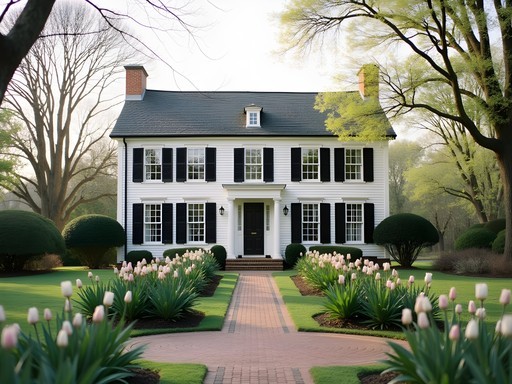
The recently completed $12 million campus reimagination project demonstrates a level of historical preservation that requires both substantial capital and multigenerational commitment. The meticulously restored Bush-Holley House (dating to 1730) served as the centerpiece of the Cos Cob art colony that helped establish American Impressionism—a movement that parallels interesting patterns I've observed in how artistic communities often precede innovation hubs.
What struck me most was the society's archival approach. Their climate-controlled storage facilities house over 40,000 artifacts, photographs, and documents cataloging Greenwich's evolution from agricultural community to finance and technology enclave. The technological infrastructure supporting this preservation effort is impressive—rivaling systems I've seen at major university research libraries.
For documenting my visit, I relied on my trusty mirrorless camera, which handled the challenging lighting conditions inside the historical buildings remarkably well. The dynamic range captured both the interior details and the bright spring gardens visible through the windows—essential for properly documenting these spaces.
The Historical Society's approach to contextualization—explaining not just what happened but why it matters economically and socially—creates a surprisingly honest assessment of wealth's role in shaping American communities.

💡 Pro Tips
- Book the guided tour of Bush-Holley House for insights not available to self-guided visitors
- The research library requires appointment but grants access to remarkable archives
- Visit during weekdays when staff-to-visitor ratios allow for more in-depth conversations
The Glass House: Modernist Innovation in Old Money Context
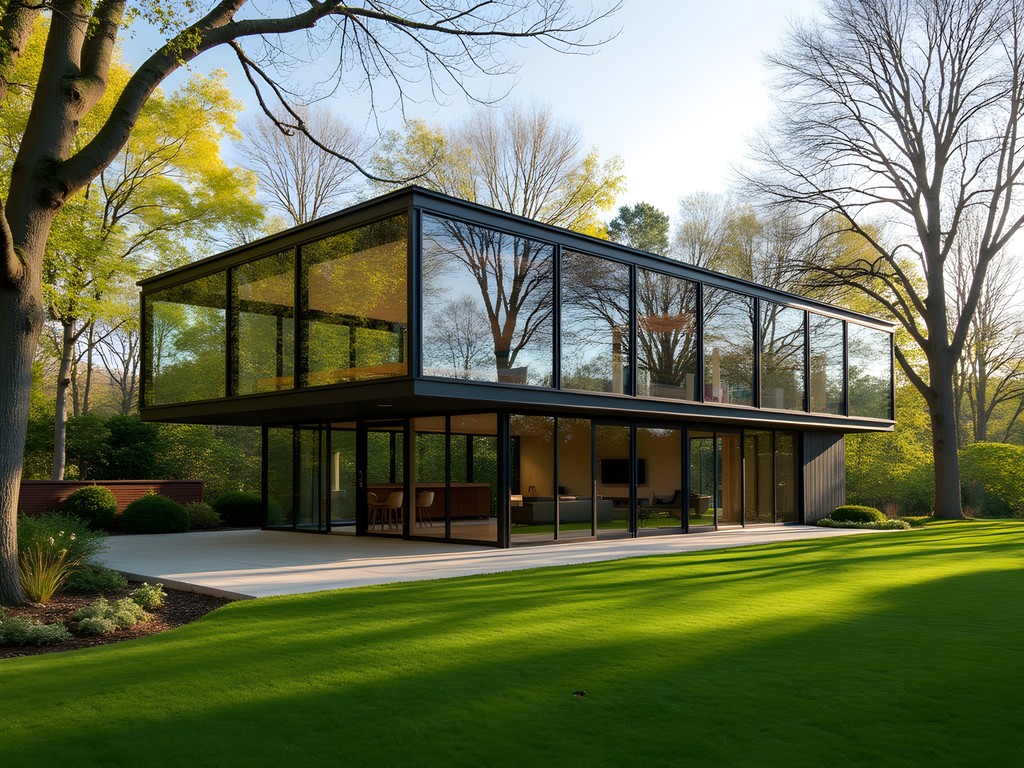
Philip Johnson's iconic Glass House represents a fascinating inflection point where Greenwich's old money culture embraced architectural modernism. Located just a short drive from Greenwich proper in New Canaan, this National Trust Historic Site offers an essential counterpoint to the colonial and Victorian aesthetics that dominate the region.
As someone who has documented innovation ecosystems worldwide, I find the Glass House particularly compelling as an early example of technological minimalism—a design philosophy that now dominates Silicon Valley aesthetics from Apple stores to tech campuses. Johnson's 1949 transparent structure anticipated by decades the glass-box transparency that technology companies would later adopt as visual shorthand for organizational openness.
The reservation-only tour system (which I booked three months in advance) creates an intentionally limited visitor experience that contrasts sharply with the mass-market approach of most cultural attractions. This exclusivity paradoxically serves the site's architectural integrity—allowing visitors to experience the property much as Johnson and his guests would have.
For architecture and design enthusiasts, I recommend bringing a compact binoculars to appreciate distant architectural details across the 49-acre property. The site encompasses fourteen structures beyond the Glass House itself, each representing different architectural approaches Johnson explored throughout his career.
What makes this site particularly valuable is how it documents the transition from old wealth's traditional aesthetic conservatism toward the modernist sensibilities that would later characterize new technology wealth. Johnson, himself heir to an old money fortune, used his privilege to advance architectural innovation in ways that parallel how today's tech wealth sometimes drives cultural transformation.
💡 Pro Tips
- Book tours at least 3 months in advance for weekend slots
- The photography policy allows non-commercial photos but no tripods
- Spring visits showcase the landscape architecture when dogwoods and fruit trees bloom

Greenwich Avenue: The Subtle Economics of Elite Commercial Districts
While technically a shopping district, Greenwich Avenue warrants analysis as a cultural institution in its own right. Unlike the innovation districts I typically document, Greenwich Avenue represents a commercial ecosystem optimized for wealth preservation rather than wealth creation—an important distinction that shapes its character.
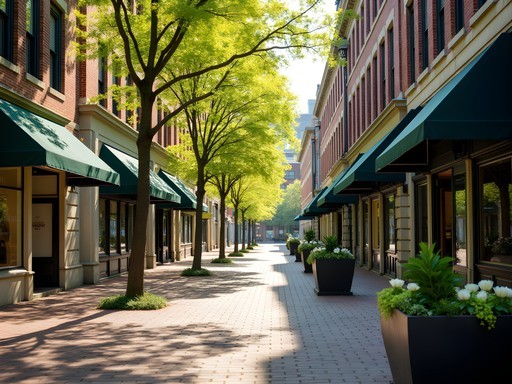
The avenue's carefully curated mix of high-end retail, galleries, and dining establishments creates what urbanists would identify as a 'third place'—neither home nor work, but a social space where community connections form. What distinguishes Greenwich Avenue from luxury shopping districts in newer wealth centers is its pedestrian scale and architectural continuity, with buildings dating from the late 19th to mid-20th centuries creating a coherent streetscape.
I spent a fascinating afternoon analyzing the retail mix, noting how it balances global luxury brands with locally-owned establishments that have operated for generations. This equilibrium between global and local represents a sophisticated economic development strategy that newer wealth centers often struggle to achieve.
For those interested in understanding Greenwich's cultural positioning, I recommend a stop at Diane's Books—an independent bookseller whose carefully curated selection reflects the intellectual interests of the community far better than algorithmic recommendations ever could. Their local history section provides excellent context for visitors.
To properly document the architectural details along the avenue, I used my travel tripod, which proved invaluable for capturing the ornate facades in consistent lighting conditions. Its compact size when folded didn't draw attention, important in a setting where discretion is valued.
What makes Greenwich Avenue culturally significant is how it embodies old money's preference for understatement—luxury here is signaled through quality materials and craftsmanship rather than ostentatious branding, a sharp contrast to the consumption patterns in many newer technology wealth centers.

💡 Pro Tips
- Visit on weekday mornings when locals conduct their business and the authentic community rhythm is most evident
- The avenue slopes significantly—start at the top and work your way down
- Street parking is challenging—use the municipal lots just off the main avenue
Audubon Center: Environmental Stewardship as Cultural Value
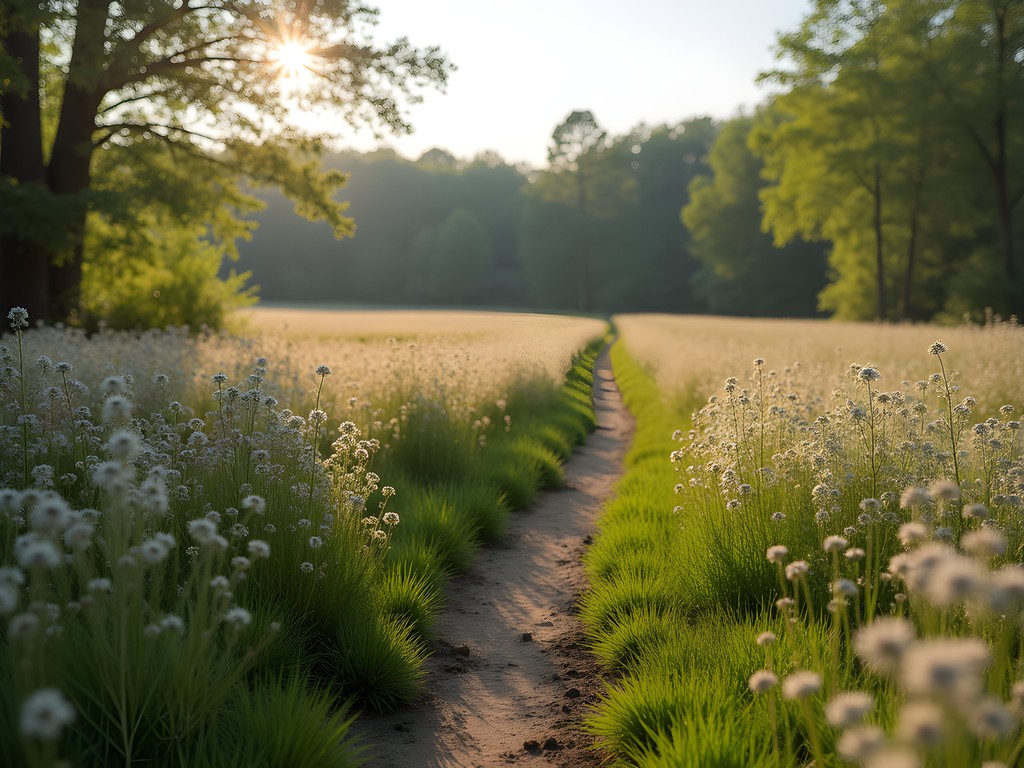
The Greenwich Audubon Center represents an interesting case study in how old wealth communities approach environmental conservation differently than newer technology wealth centers. Established in 1943 on land donated by early conservationists, the 285-acre sanctuary now serves as the National Audubon Society's first environmental education center.
What distinguishes this center from environmental initiatives in newer wealth centers is its longitudinal approach—seven decades of continuous conservation work have created datasets and ecological outcomes that short-term, heavily-funded tech philanthropy simply cannot match. The center's hiking trails traverse diverse habitats including meadows, streams, and hardwood forests that have been protected from development pressure despite the astronomical land values in Greenwich.
During my spring visit, I observed their ongoing hawk migration monitoring program, which has continuously tracked raptor populations since 1985. This kind of sustained scientific observation exemplifies how multigenerational wealth can support environmental research that operates on timescales beyond typical funding cycles.
The center's approach to technology is particularly interesting—rather than emphasizing flashy digital interfaces, their education programs focus on direct observation and field research methods. This reflects a sophisticated understanding that environmental literacy develops through sustained engagement with natural systems rather than mediated digital experiences.
For visitors interested in birdwatching, I found my field guide invaluable for identifying the numerous spring migrants. The center's location along the Atlantic Flyway makes it an exceptional spot for observing seasonal bird movements.
The Audubon Center demonstrates how Greenwich's cultural values extend beyond traditional arts into environmental stewardship, with conservation ethic functioning as a form of cultural capital transmitted across generations.
💡 Pro Tips
- Visit during weekday mornings for optimal birdwatching and fewer visitors
- The Hilfiger Children's Learning Center offers excellent programming for families
- Download their trail map in advance as cellular coverage can be spotty in parts of the sanctuary
Final Thoughts
Greenwich's cultural institutions reveal important patterns in how multigenerational wealth creates different forms of cultural capital than the more recently formed technology fortunes I typically study. The sustained, patient capital deployed across decades has produced institutions with remarkable depth and resilience. For visitors accustomed to the innovation ecosystems of Silicon Valley, Austin, or Boston, Greenwich offers an instructive counterpoint—demonstrating how wealth can foster cultural excellence through persistence rather than disruption. My weekend exploration merely scratched the surface of Greenwich's cultural offerings, but provided valuable comparative data for my ongoing documentation of how different economic models shape cultural production. For couples seeking both intellectual stimulation and refined experiences, Greenwich offers an accessible weekend destination that illuminates the subtle but profound differences between old and new models of wealth-driven cultural patronage.
✨ Key Takeaways
- Greenwich's cultural institutions demonstrate how multigenerational wealth creates different patterns of cultural investment than newer tech fortunes
- Spring visits maximize the experience of both architectural and natural heritage
- Advance planning is essential for key sites like the Glass House that limit visitor numbers
- The pedestrian-friendly scale of Greenwich makes it ideal for couples seeking a refined weekend exploration
📋 Practical Information
Best Time to Visit
April-June (spring)
Budget Estimate
$500-800 per day including luxury accommodations
Recommended Duration
2-3 days
Difficulty Level
Easy



Comments
escapeace1985
Is this doable as a day trip from Boston? Or should we stay overnight?
wanderperson
Day trip is fine but it's like 2.5-3 hours each way. Depends how early you want to start. I'd probably just stay in NYC and train up for the day instead
wintervibes
Love the photos of the Glass House!
wanderperson
Pro tip: the Bruce Museum has free admission on Tuesdays. Saved me $15 and it wasn't crowded at all. Also grabbed lunch at a deli nearby instead of the fancy restaurants - Greenwich prices are no joke lol
wintervibes
Good to know about Tuesday! Thanks
redlover
Really cool photos! That Glass House shot is incredible.
Sophia Gomez
I visited Greenwich last fall for a business conference and ended up spending an extra day just exploring. The Bruce Museum was such a pleasant surprise - I wasn't expecting that level of quality in a smaller institution. The Glass House tour needs to be booked WAY in advance though, like weeks ahead. Also, parking on Greenwich Avenue is brutal on weekends. I ended up using the train from Grand Central which was honestly the better choice. The town has this interesting vibe where everything looks understated but you can tell it's all incredibly expensive. Worth a day trip from NYC for sure.
escapeace1985
How far in advance did you book the Glass House? Planning a trip in spring
Sophia Gomez
I booked about 3 weeks out and got lucky with a cancellation. I'd say minimum 2-3 weeks, more if you want weekend slots.
beachnomad127
Never thought of Greenwich as a travel destination but this looks cool!
hikingmaster
Do you need a car to get around or can you walk between these places?
luckynomad
Bruce Museum and Greenwich Ave are walkable from the train station. Glass House is outside town though, you'd need a car or uber for that one.
luckynomad
Love this perspective! Never thought about Greenwich this way.
Marco Flores
I visited Greenwich last fall and was honestly surprised by how approachable these institutions were despite the town's reputation. The Bruce Museum had this incredible exhibition on Long Island Sound ecology - very different from what I expected from an 'old money' museum. The staff were passionate and welcoming. One tip: parking on Greenwich Avenue can be tricky on weekends. There's a public lot behind the library that's easier. Also, grab coffee at that little place near the train station - can't remember the name but it had amazing pastries and locals were super friendly.
redlover
Was it expensive? I'm planning a trip but Greenwich sounds pricey lol
Marco Flores
The museums are actually pretty reasonable! Bruce Museum is like $15. It's the restaurants and shops that'll get you haha. Pack snacks maybe?
roamgal
This looks amazing! Quick question - is the Bruce Museum worth it if you're only in town for a day? Trying to figure out what to prioritize.
luckynomad
Definitely! It's not huge so you can do it in 2 hours. The Glass House needs advance booking though, just FYI.
roamgal
Perfect, thanks so much!
Venture X
Premium card with 2X miles, $300 travel credit, Priority Pass