
Disclosure: This article contains affiliate links. We may earn a commission from purchases at no extra cost to you, which helps our travel content.
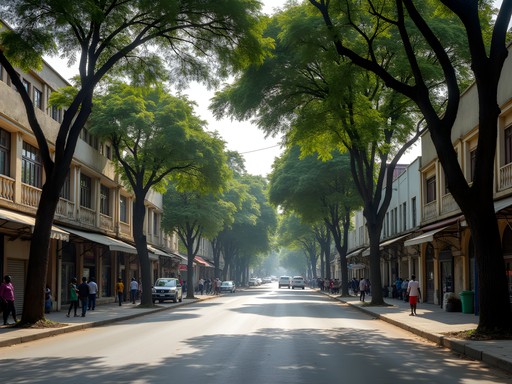
When I told colleagues I was heading to Kinshasa to explore contemporary African art, I got more than a few raised eyebrows. But here's what I've learned through years of traveling to unexpected destinations: the places that challenge you most often reward you with the most authentic cultural experiences. The Democratic Republic of Congo's capital pulses with creative energy that rivals any art scene I've encountered—from Paris to New York. This isn't your typical travel itinerary, and that's exactly why it matters.
Understanding Kinshasa's Artistic Renaissance
Kinshasa's art scene exists at a fascinating intersection of colonial history, post-independence identity, and contemporary African expression. Much like studying battlefield landscapes helps me understand military strategy, exploring Kinshasa's art requires understanding its context. The city emerged from decades of conflict and political instability with artists using their work as both documentation and defiance.
The contemporary movement here draws from traditional Congolese aesthetics while addressing modern themes—corruption, resilience, hope, and urban life. Artists like Chéri Samba and Chéri Cherin paved the way for a new generation working in everything from painting to installation art. What strikes me most is the accessibility of art here. Unlike European galleries where you need appointments and hushed voices, Kinshasa's art spills onto streets, into markets, and across neighborhoods. Before departing, I spent evenings reading Congo history book which provided crucial context for understanding the themes I'd encounter in the artwork.
💡 Pro Tips
- Learn basic French phrases—English is rarely spoken outside international hotels
- Hire a local guide for your first few days to navigate safely and understand cultural context
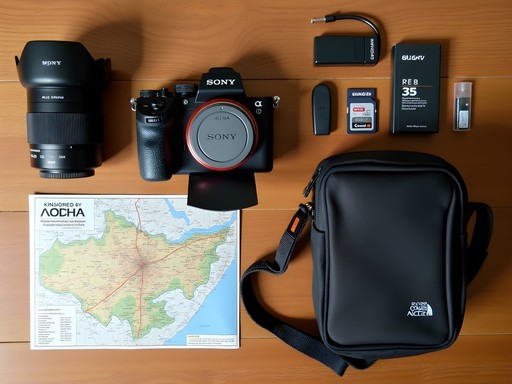
- Always ask permission before photographing artwork or artists
- Carry small denomination US dollars for purchases—many artists prefer cash transactions
Navigating the Gallery Circuit: Académie des Beaux-Arts and Beyond
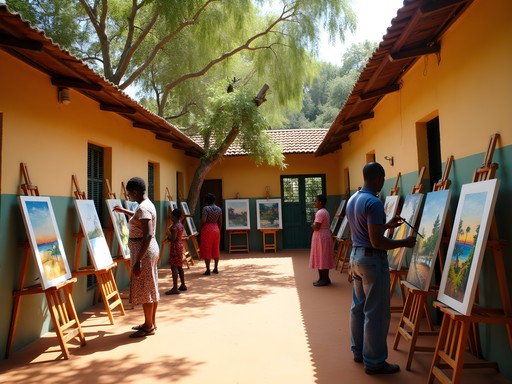
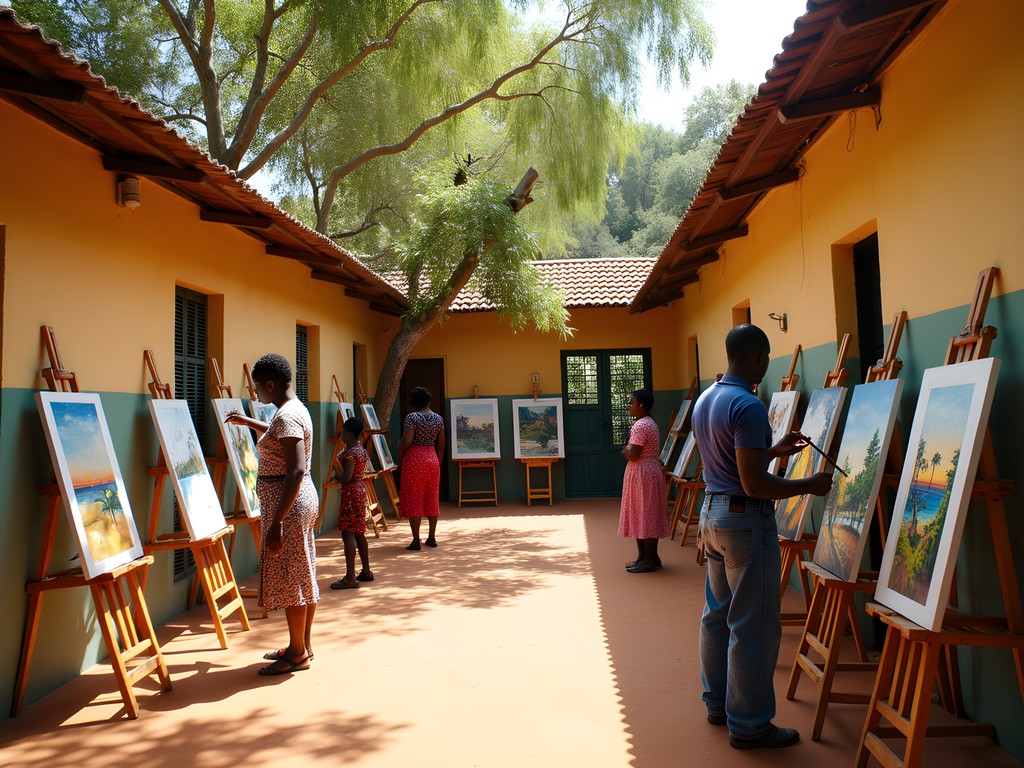
Start your art exploration at the Académie des Beaux-Arts, the epicenter of formal art education in Kinshasa. Located in the Gombe district, this institution has produced generations of Congolese artists. The campus itself feels like an open-air gallery, with student works displayed throughout courtyards and hallways. I spent an entire morning here, and the professors were remarkably welcoming—eager to discuss their students' work and the evolution of Congolese art.
From there, head to Galerie Waza in the Lingwala commune. Owner Bea Diallo curates exhibitions that bridge traditional and contemporary work. During my visit, I witnessed a powerful installation addressing resource extraction—themes that resonated with my supply chain background in uncomfortable ways. The Kin ArtStudio in Ma Campagne offers another perspective, focusing on emerging artists experimenting with mixed media. Pro tip: gallery hours are suggestions rather than rules here. Call ahead or have your hotel concierge confirm opening times. I keep contact information organized in my waterproof notebook—essential when your phone battery dies or you're in areas with limited connectivity.
💡 Pro Tips
- Visit galleries between 10 AM and 4 PM for the most reliable access
- Bring a local SIM card with data—addresses in Kinshasa can be challenging to locate
- Budget $50-200 for smaller artworks if you're interested in purchasing
- Request artist contact information if you're interested in commissioning work
The Street Art Trail: Matonge and Masina
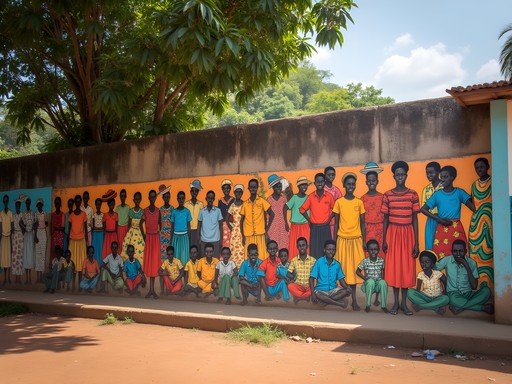
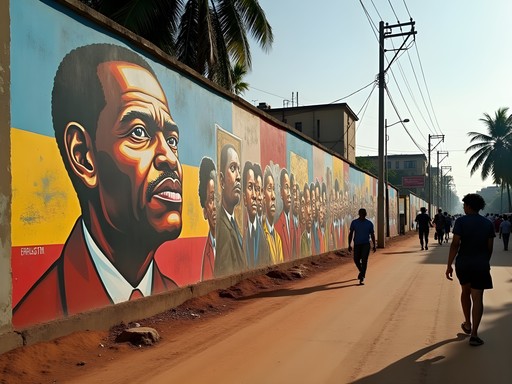
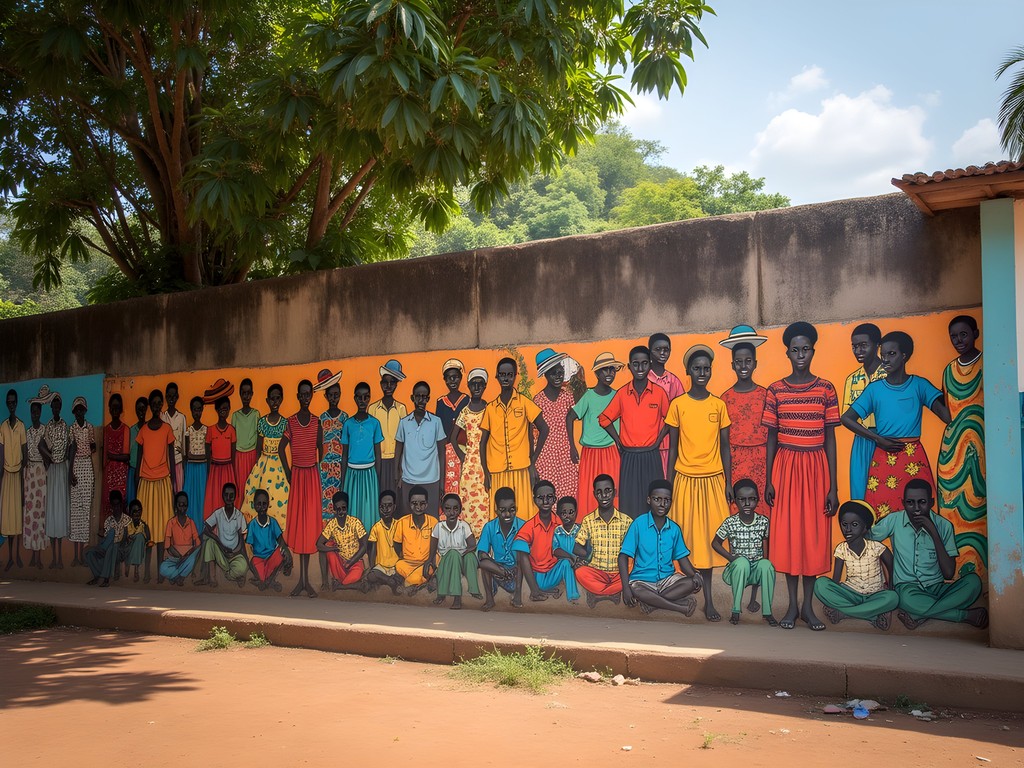
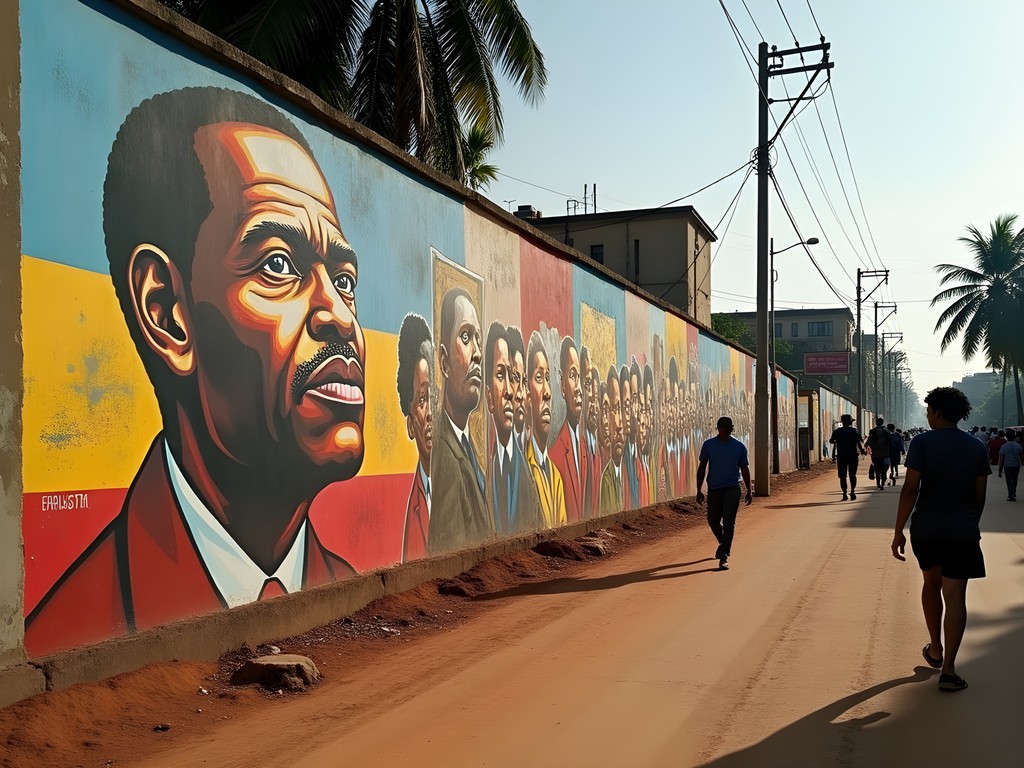
If galleries represent Kinshasa's formal art establishment, the streets showcase its raw creative pulse. The Matonge district—named after a neighborhood in Brussels—explodes with color and commentary. Here, murals address everything from political corruption to football fandom. I recommend starting early morning when light is best for photography and streets are less chaotic.
My guide, Jean-Paul, a former art student turned cultural liaison, explained how many murals serve as community newspapers—visual stories for a population where literacy rates vary. One massive piece near the central market depicted the Congo River as a lifeline, with historical scenes flowing into contemporary urban life. The detail was extraordinary, rivaling anything I've seen in Berlin or Buenos Aires.
The Masina commune offers a grittier, more politically charged art scene. Murals here often appear overnight, anonymous artists making statements about government policies or social issues. It's street art as resistance, reminiscent of the propaganda posters I've studied from various conflicts. This area requires a trusted guide for safety—this isn't the place for wandering solo. The afternoon heat can be brutal, so I relied heavily on my insulated water bottle to stay hydrated during long walking tours through neighborhoods with limited amenities.
💡 Pro Tips
- Start street art tours by 7 AM to avoid midday heat and capture best light
- Wear closed-toe shoes—streets can be unpaved and debris-filled
- Bring extra cash to support local artists you encounter working on pieces
- Download offline maps before venturing into less-touristed communes

Artist Studios and Ateliers: Where Creation Happens
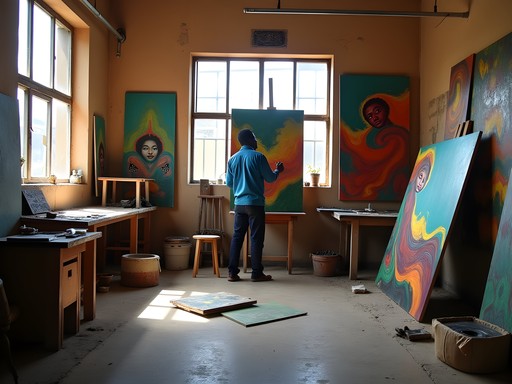
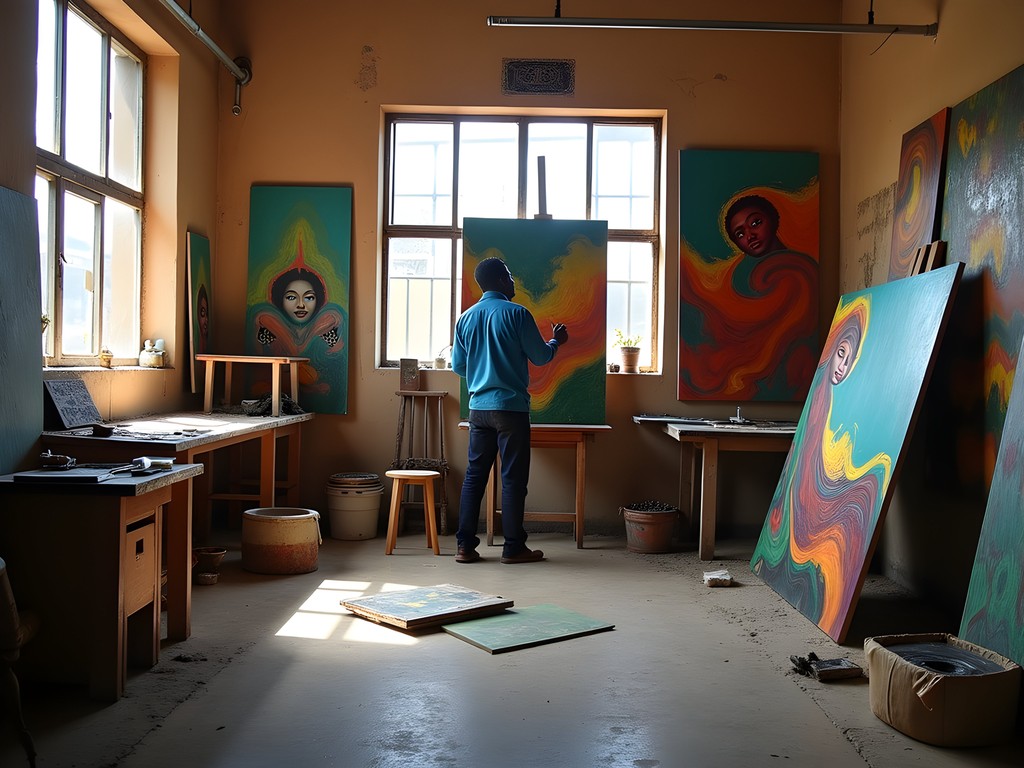
The most memorable part of my Kinshasa art journey happened in the studios themselves. Through gallery connections, I arranged visits to three working ateliers in the Kintambo district. Watching artists work—the smell of paint, the chaos of materials, the intensity of creation—provides context no gallery can match.
At Studio Bakwa, I met painter Thérèse Izay, whose work explores feminine identity in post-colonial Africa. Her studio, a converted garage with natural light flooding through improvised skylights, felt simultaneously makeshift and purposeful. We discussed her process over Primus beer (the local brew), and she explained how material scarcity forces creative problem-solving. Many artists here create their own canvases, mix their own paints, and build their own frames—a level of self-sufficiency I deeply respect.
Another studio visit introduced me to sculptors working with reclaimed materials—copper wire from electronics, wood from demolished buildings, metal from vehicles. The resourcefulness reminded me of military logistics: accomplish the mission with available resources. These artists aren't waiting for perfect conditions; they're creating despite limitations. Studio visits typically cost $20-30 as a courtesy fee, and many artists welcome the opportunity to sell directly, bypassing gallery commissions.
💡 Pro Tips
- Arrange studio visits through galleries or your hotel concierge—don't show up unannounced
- Bring a small gift (coffee, art supplies, or quality chocolate) as a gesture of appreciation
- Be prepared for basic facilities—many studios lack running water or consistent electricity
- If purchasing artwork, discuss shipping logistics carefully—international shipping from DRC is complex
Practical Considerations: Safety, Logistics, and Cultural Sensitivity
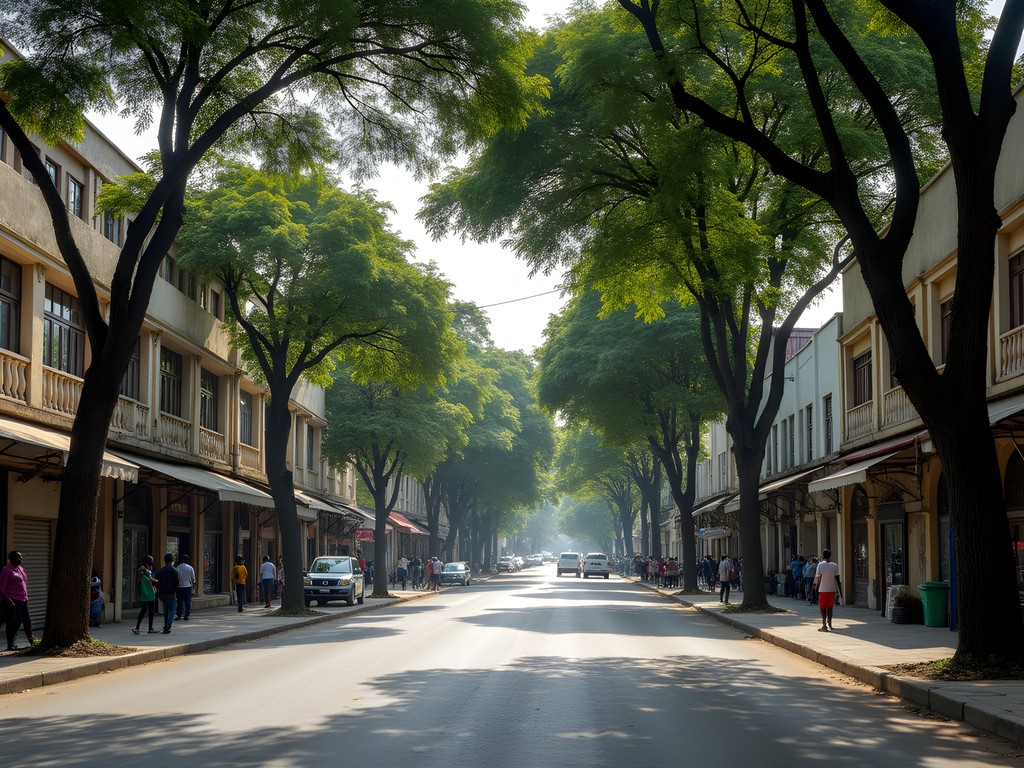
Let me be direct: Kinshasa isn't a beginner destination. This is advanced-level travel requiring preparation, flexibility, and cultural awareness. I've navigated challenging destinations from rural Vietnam to remote Australian outback, and Kinshasa demands similar respect and preparation.
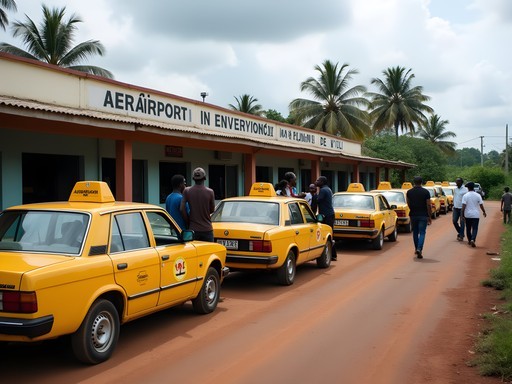
Security is real but manageable. I stayed at Pullman Kinshasa Grand Hotel in Gombe, which offers reliable security, consistent power, and staff experienced with international guests. Daily rates run $150-200, reasonable for mid-range comfort in this context. Hire drivers through your hotel rather than flagging taxis—my driver, Michel, became an invaluable resource for navigation and cultural translation.
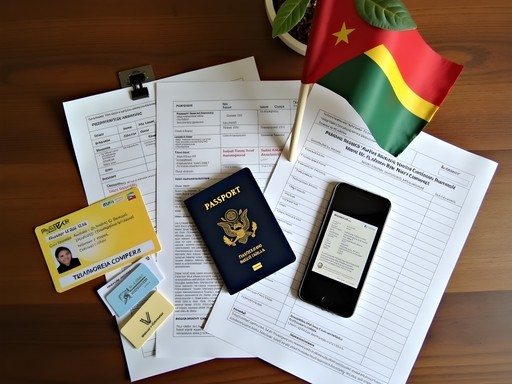
Health preparations are non-negotiable. Yellow fever vaccination is required for entry. I also took malaria prophylaxis and carried a comprehensive first aid kit including water purification tablets for situations where bottled water wasn't available. The portable door lock provided extra security in my hotel room—small peace of mind that helped me sleep better.
Cultural sensitivity matters enormously. Photography requires permission, especially of people and their artwork. Dress conservatively—I wore long pants and collared shirts throughout. Learn basic French greetings and show genuine interest in people's stories. The Congolese people I encountered were remarkably warm once they understood I was there to learn, not judge.
💡 Pro Tips
- Register with your embassy upon arrival and keep emergency contacts accessible
- Carry photocopies of passport and visa separately from originals
- Use ATMs only in hotels or major banks during daylight hours
- Keep a low profile—avoid displaying expensive electronics or jewelry
- Purchase comprehensive travel insurance that includes emergency evacuation coverage
Final Thoughts
Kinshasa challenged my assumptions about African art, urban creativity, and what constitutes essential travel experiences. This isn't a destination for collecting passport stamps or Instagram moments—it's for travelers genuinely interested in understanding how art functions as historical record, political commentary, and cultural preservation.
The artists I met in Kinshasa work with a urgency and authenticity that humbled me. They're not creating for wealthy collectors or international acclaim; they're documenting their reality and imagining their future. As someone who values cultural preservation and authentic experiences, I found this more meaningful than any sanitized gallery opening in Western capitals.
Is Kinshasa right for every traveler? Absolutely not. But for experienced solo travelers willing to step outside comfort zones, this city offers artistic experiences unavailable anywhere else. The art scene here isn't curated for tourists—it exists for Kinshasa itself, and we're privileged witnesses if we approach it with proper respect and preparation. My grandfather used to say that the most important history happens in places people are afraid to look. Kinshasa's art scene proves him right once again.
✨ Key Takeaways
- Kinshasa's art scene requires advanced travel skills, cultural sensitivity, and proper preparation including health precautions and security awareness
- The most authentic experiences happen in artist studios and street art districts rather than formal galleries—arrange access through local contacts
- Budget $2,000-3,000 for a week including mid-range accommodation, guided tours, artwork purchases, and comprehensive logistics support
📋 Practical Information
Best Time to Visit
June through September (dry season with cooler temperatures)
Budget Estimate
$2,000-3,000 for one week including accommodation, guides, transportation, and artwork purchases
Recommended Duration
7-10 days minimum to properly explore galleries, street art, and artist studios
Difficulty Level
Advanced—requires Extensive Preparation, Cultural Awareness, And Comfort With Challenging Travel Conditions

Comments
cityfan
How many days would you recommend spending there to see the art scene properly? Planning a central Africa trip for later this year.
Frank Carter
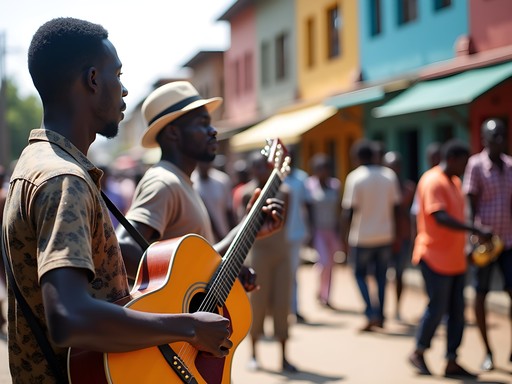
I'd say minimum 4-5 days to really appreciate it without rushing. A week is ideal if you want to visit artist studios and maybe catch some live music too.
cityfan
Perfect, thanks!
sunnyguy
Love the mural photos!
nomadbackpacker
Never would have thought about Kinshasa but this looks amazing!
Marco Flores
Man, this brings back memories! I spent three weeks in Kinshasa last spring and the art scene completely blew my mind. One thing I'd add - don't sleep on the smaller ateliers in Masina. I stumbled into this one studio where artists were working with recycled materials, creating these massive sculptures from old car parts and electronics. Ended up buying a small piece that's now hanging in my apartment. The artist, Tshala, even invited me to dinner with his family. Those spontaneous moments are what travel is all about.
hikingguide
What's the visa situation like for Kinshasa? Is it easy to get?
Marco Flores
Not OP but I went last year - you need to apply in advance, can't get visa on arrival. Took about 2 weeks for me through the Paris embassy. Bit of paperwork but straightforward.
Timothy Jenkins
Brilliant write-up, Frank. I visited Kinshasa back in 2024 and completely agree about the artistic renaissance happening there. The energy in Matonge is unlike anywhere else I've been. For anyone planning a trip, I'd add that visiting during the Festival Amani (if it coincides) gives you an even deeper dive into the music and art scene. The Académie des Beaux-Arts was a highlight for me too - spent an entire afternoon just talking with students there about their work and influences.
Frank Carter
Great tip about Festival Amani! I missed it unfortunately but heard amazing things. The students at Académie were so welcoming, agreed.
sunsetclimber
This is awesome! I've been following African art for a while but never thought about actually going to Kinshasa. The street art photos are incredible. How easy was it to get around? Did you hire a guide or just explore on your own? I'm curious about the safety situation too since I've heard mixed things.
Frank Carter
Hey! I worked with a local guide for the first few days which really helped. Once I got my bearings, I felt comfortable exploring Matonge on my own during daylight. Definitely recommend connecting with someone local initially.
sunsetclimber
Thanks! That makes sense. Appreciate the honest take.
Venture X
Premium card with 2X miles, $300 travel credit, Priority Pass