
Disclosure: This article contains affiliate links. We may earn a commission from purchases at no extra cost to you, which helps our travel content.
The first time I stepped foot in Kinshasa, it felt like diving into an undiscovered coral reef—vibrant, complex, and pulsing with life beneath the surface. As someone who's spent more time tracking athletes than artistic movements, the Democratic Republic of Congo's capital hit me with the force of a championship wave. Here, music isn't just heard; it's experienced, embodied, and woven into the very fabric of daily life. This sprawling metropolis along the Congo River might not top most travelers' bucket lists, but for the adventurous soul seeking authentic cultural immersion, Kinshasa's artistic renaissance offers a masterclass in resilience, creativity, and joy.

Finding the Rhythm: Kinshasa's Musical Heartbeat
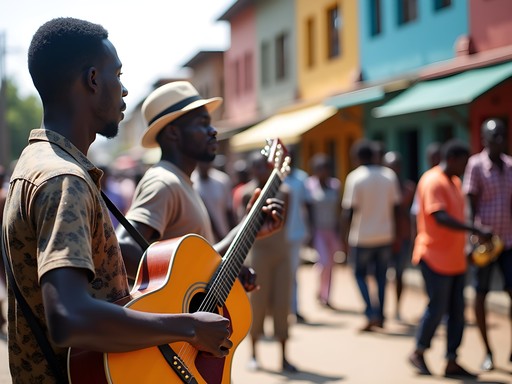
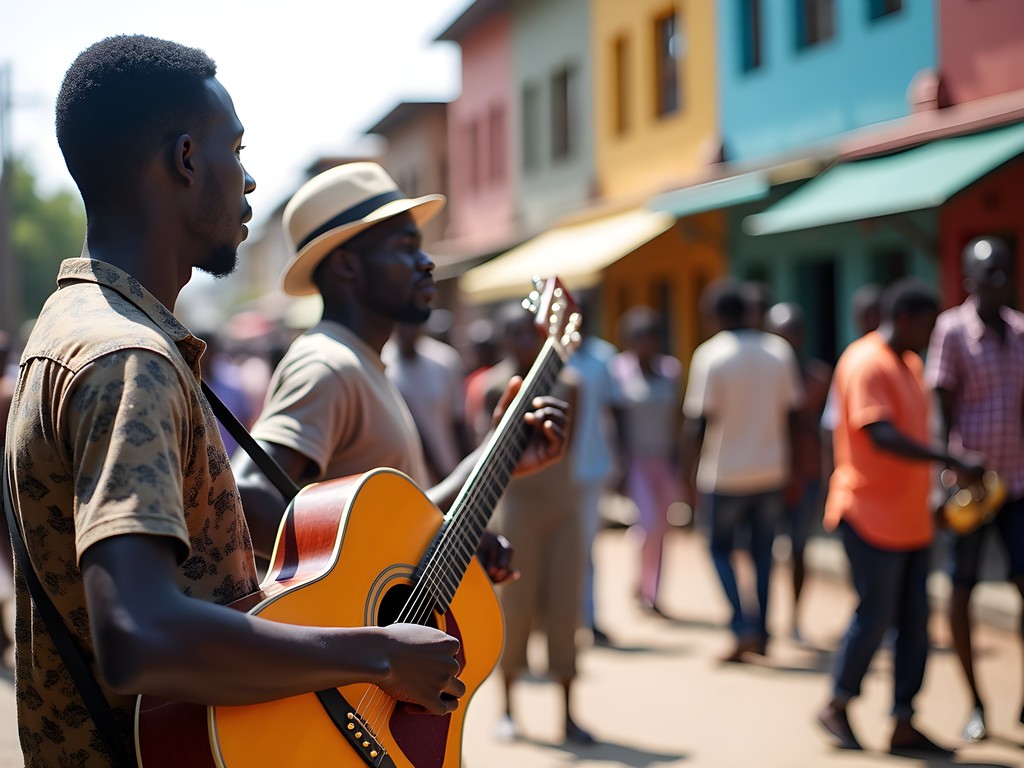
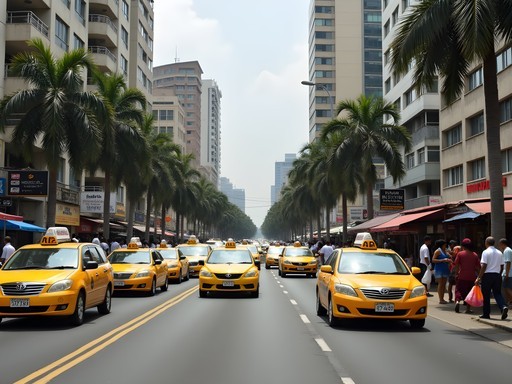
Kinshasa's relationship with music runs deeper than the mighty Congo River that defines its geography. From the moment you arrive, sound becomes your primary guide—rumba, soukous, and ndombolo rhythms spill from doorways, taxis, and portable speakers carried by stylish sapeurs parading down Boulevard du 30 Juin.
My journey began at Le Café Culturel de Matonge, a legendary spot where I sipped strong Congolese coffee while local musicians casually assembled for impromptu afternoon jam sessions. The café's owner, François, explained how Congolese rumba evolved from Cuban influences but transformed into something uniquely Kinois through the alchemy of local languages and experiences.
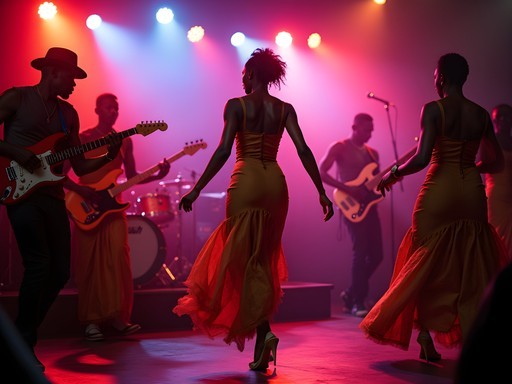
No musical exploration of Kinshasa is complete without experiencing a live performance. At Chez Ntemba, I witnessed guitar virtuosos whose fingers moved with the precision and speed of Olympic sprinters, while vocalists delivered harmonies that seemed to physically move through the crowd like waves. Bring a pair of comfortable dancing shoes because sitting still is simply not an option.
The crown jewel of my musical journey was attending a rehearsal of Orchestre Symphonique Kimbanguiste—Africa's first and only all-Black symphony orchestra. Watching these musicians, many self-taught, masterfully interpret both Western classical pieces and Congolese compositions in a modest rehearsal space was a profound reminder of how art transcends circumstance.
💡 Pro Tips
- Visit Le Café Culturel de Matonge in the afternoon to catch spontaneous jam sessions
- Ask taxi drivers for recommendations on the best live music venues that week—they always know where the real action is
- Bring cash for venue cover charges as credit cards aren't widely accepted
The Canvas of Kinshasa: Art Spaces Reimagined
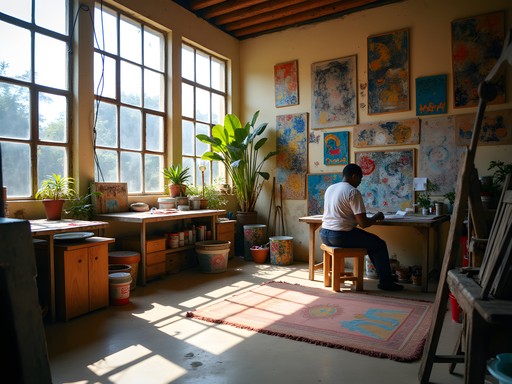
While Kinshasa's music scene first captured my heart, its visual arts landscape quickly commanded my attention. The city has become an unlikely incubator for contemporary African art, with creators who transform everyday materials into profound statements on politics, identity, and urban life.
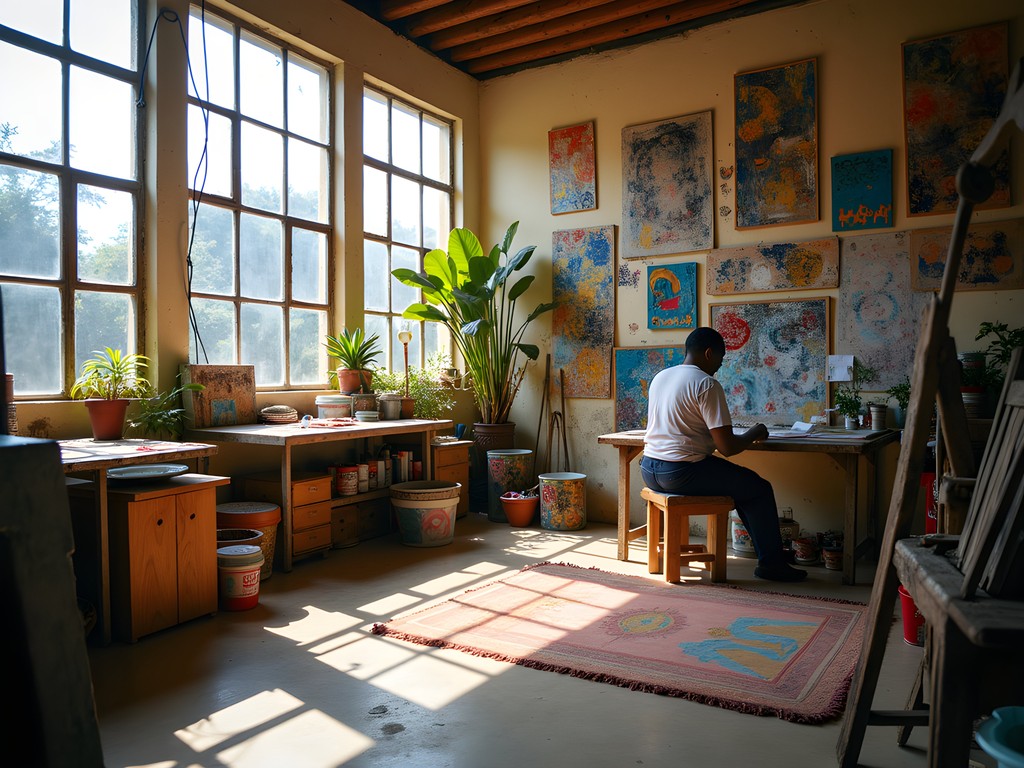
My exploration began at Kin ArtStudio, where founder Vitshois Mwilambwe Bondo has created both a gallery and mentorship space for emerging artists. Here, I met painters using everything from traditional pigments to recycled plastics, their canvases speaking volumes about life in one of Africa's largest urban centers.
The Académie des Beaux-Arts offers a more formal approach, housed in a colonial-era building where art students sketch under mango trees in the courtyard. The contrast between the structured academic setting and the revolutionary works being produced created a fascinating tension.
The most unexpected art experience came at SADI (Studios d'Art et Design Industriel), where artists create incredible sculptures from discarded materials. I watched in awe as a young sculptor transformed old mobile phone components into an intricate model of Kinshasa's skyline. To document these incredible works, I relied on my travel notebook for sketches and notes—sometimes technology just doesn't capture the essence like pen on paper.
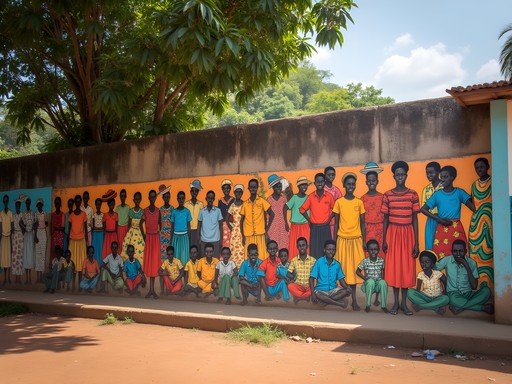
Don't miss the street art that transforms Kinshasa's walls into open-air galleries. The murals along Rue Bokassa tell stories of historical resistance and contemporary dreams, creating a visual narrative that runs parallel to the city's oral traditions.
💡 Pro Tips
- Visit galleries in the morning when artists are often present and willing to discuss their work
- Bring small denominations of USD for purchasing art directly from creators
- Ask permission before photographing artworks or artists
Cultural Crossroads: Where Tradition Meets Innovation
Kinshasa exists at a fascinating intersection of traditional Congolese culture and cutting-edge artistic innovation. This tension creates spaces where past and future converse in ways I've rarely witnessed elsewhere.
At the National Museum of the Democratic Republic of Congo, I spent hours examining traditional masks and ceremonial objects that have influenced generations of Congolese artists. The museum's guide, Emmanuel, explained how these historical pieces continue to inspire contemporary creators while serving as cultural anchors in a rapidly changing urban landscape.
For a more immersive experience, I attended a workshop at Centre Wallonie-Bruxelles where traditional percussion techniques were being taught alongside electronic music production. Young producers sampled sounds from traditional instruments like the likembe (thumb piano) and incorporated them into hypnotic dance tracks. If you're interested in music production, bring a portable audio recorder to capture these unique sonic landscapes—with permission, of course.
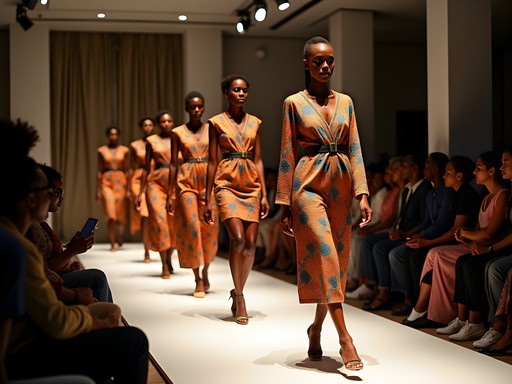
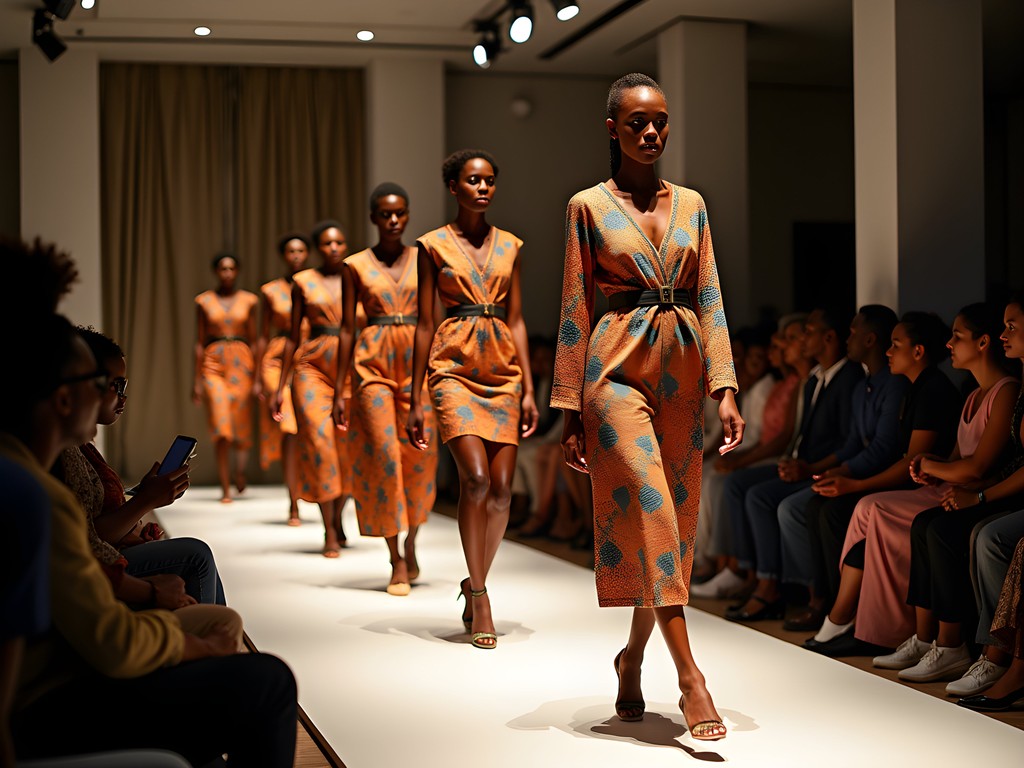
One evening, I was invited to a fashion show at Kin Plaza Arpthotel featuring designers who blend traditional Congolese textiles with contemporary silhouettes. Models strutted down the runway in pieces that told stories of cultural heritage while pointing toward a bold future. I protected myself from the intense evening humidity with a facial mist that kept my makeup intact through the event.
Perhaps the most powerful example of this cultural fusion came at a spoken word event at Timbuktu, where poets switched effortlessly between Lingala, French, and English, their verses addressing everything from colonial history to modern politics with equal parts reverence and revolution.
💡 Pro Tips
- Learn basic greetings in Lingala to connect more deeply with local artists and musicians
- Attend cultural events at Centre Wallonie-Bruxelles, which regularly hosts free workshops and performances
- Visit the National Museum early in your trip to gain context for the contemporary art you'll encounter

Navigating Kinshasa: Practical Considerations for Cultural Explorers
Let's be real—Kinshasa isn't for travel rookies. This isn't the well-trodden path of European capitals or Caribbean resorts. As someone who's navigated remote coral reefs and Scottish highlands, I still found Kinshasa to be a masterclass in adaptability.
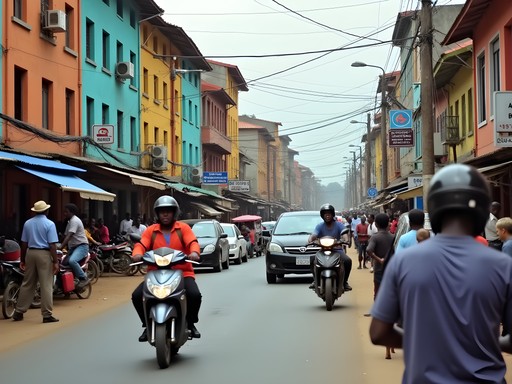
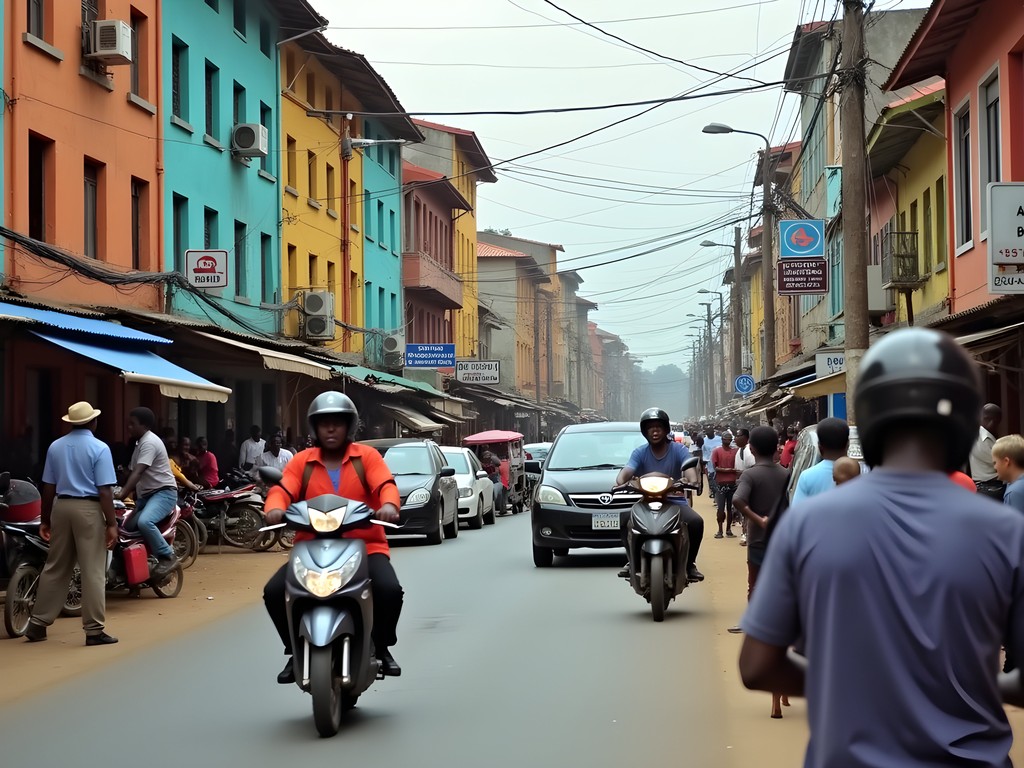
First, logistics: arrange reliable transportation through your accommodation. I stayed at Pullman Kinshasa Grand Hotel, which offered a perfect balance of comfort and local character. The hotel staff connected me with Marcel, a driver who became my cultural ambassador, navigating both physical streets and social protocols with equal expertise. Having a trusted driver is worth every franc—I recommend budgeting $40-50 per day for this essential service.
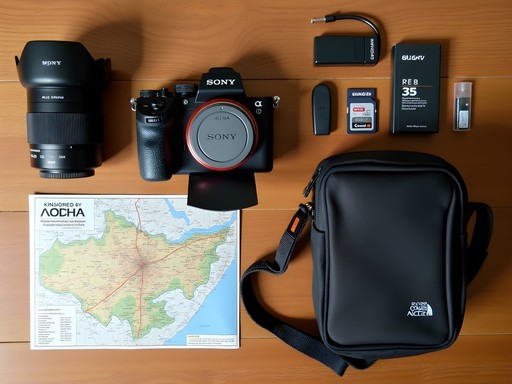
Safety deserves mention without sensationalism. Like any major city, Kinshasa has areas to embrace and others to avoid. I never felt threatened, but I also never flashed expensive equipment or wandered aimlessly. Keep valuables secure in a anti-theft crossbody bag and maintain situational awareness as you would in any urban environment.
Connectivity can be challenging, so I came prepared with a global SIM card that provided reasonable data access throughout my stay. This proved invaluable for mapping, translation, and staying connected with local contacts.
Finally, embrace the pace. Things rarely run on schedule in Kinshasa—this isn't a deficiency but a different relationship with time. What might seem like a delay often transforms into an unexpected opportunity to connect with locals or discover something entirely unplanned. Some of my most memorable conversations happened while waiting for events that started hours after their advertised time.
💡 Pro Tips
- Arrange a trusted driver through your hotel rather than hailing taxis on the street
- Bring USD in small denominations as ATMs can be unreliable and many places prefer cash
- Download offline maps and translation apps before arrival as internet connectivity can be inconsistent
Final Thoughts
As my week in Kinshasa drew to a close, I found myself sitting at a rooftop bar overlooking the Congo River, watching the sunset paint the water in hues that reminded me of the coral reefs that first sparked my love of exploration. A local band was setting up nearby, their instruments promising another night of musical discovery.
Kinshasa isn't an easy destination. It demands patience, flexibility, and a genuine willingness to engage beyond surface-level tourism. But for those willing to dive deeper, the cultural treasures waiting beneath the sometimes chaotic surface offer rewards few other destinations can match.
Like the best sporting events I've covered, Kinshasa doesn't give up its stories easily—you have to earn them through persistence and presence. What emerges is a portrait of a city reinventing itself through artistic expression, where creativity isn't a luxury but a vital means of communication and survival.
I came seeking music and art; I left with a profound appreciation for how cultural expression can flourish even in challenging circumstances. Kinshasa taught me that true resilience isn't just about enduring—it's about creating beauty in unexpected places. And isn't that the greatest victory of all?
✨ Key Takeaways
- Kinshasa's vibrant music scene offers authentic cultural immersion that goes beyond typical tourist experiences
- The contemporary art movement provides powerful insights into Congolese identity and urban life
- Working with local guides and drivers is essential for navigating the city safely and meaningfully
- Patience and flexibility are required, but the cultural rewards are worth the challenges
📋 Practical Information
Best Time to Visit
May-September (dry season)
Budget Estimate
$100-150/day (mid-range)
Recommended Duration
5-7 days
Difficulty Level
Challenging

Comments
backpackking
Great post! How did you handle safety concerns? Been wanting to visit DRC but always hesitant because of what's in the news.
Ariana Ford
Valid concern! Kinshasa is quite different from eastern DRC (where most conflicts are). I stayed in recommended areas, used trusted drivers arranged through my hotel, and didn't wander alone at night. Common sense goes a long way. Also found my phrase book super helpful for communicating with locals.
Oliver Duncan
This brings back memories! I spent three weeks in Kinshasa last year and the music scene absolutely blew me away. Found myself in a tiny club near Matonge where a soukous band had the whole place dancing until sunrise. The way Kinois musicians blend traditional rhythms with modern influences is unlike anything I've heard elsewhere. Did you make it to any of the community art workshops? There was one run by a collective of young artists repurposing industrial waste into incredible sculptures. Kinshasa definitely deserves more attention on the cultural tourism map.
Ariana Ford
Oliver! So great to see you here. I did visit a similar workshop - might be the same one! Was it near the old factory district? The creativity there was off the charts. And yes, the soukous scene is incredible - I'm still listening to tracks I discovered there.
Oliver Duncan
That's the one! Amazing how they're transforming that space. Still have a small sculpture on my desk that reminds me of those rhythms every day.
dreamnomad
Wow! Never considered Kinshasa as a destination but your post has me intrigued! Those sunset photos over the Congo River are stunning!
Ariana Ford
Thanks @dreamnomad! The sunsets there truly are magical - there's something about the way the light hits the river that can't be captured even in photos.
oceanbuddy
How did you handle transportation around the city? Is it easy to get between these cultural spots?
Ariana Ford
I mostly used pre-arranged drivers through my hotel. The art districts aren't too far from each other, but traffic can be intense. Taxis are available but negotiate the fare before getting in. Public transport exists but can be challenging if you don't speak French or Lingala.
moonfan
Adding this to my list!
Frank Garcia
Strong article. I spent three weeks in Kinshasa last year doing research on urban cultural movements in Central Africa. What struck me most was exactly what you captured - the tension between preservation and innovation. The younger generation of artists are creating something entirely new while still honoring traditional forms. From a practical standpoint: French is essential, English won't get you far. Cash economy dominates. The French phrasebook was invaluable for me. Also, yellow fever vaccination is mandatory and they actually check at the airport.
backpackguide
Been to Kinshasa twice now and yeah the music scene is legit. Pro tip - don't just stick to the tourist-friendly venues. Some of the best experiences I had were at smaller neighborhood bars where locals hang out. Obviously use common sense and maybe go with someone who knows the area. The street food is also amazing if you're adventurous. Prices are higher than you'd expect though, Kinshasa isn't a budget destination.
moonfan
Good to know about prices, thanks!
mountainwalker
Really interesting read! I'm more of a nature person usually but this is making me reconsider. Quick question - what's the best time of year to visit? I'm assuming there's a rainy season to avoid? Also curious about accommodation options - did you stay in hotels or something more local?
summeradventurer
THIS POST!!! I've been to 47 countries and Central Africa is the one region I haven't explored yet. Your descriptions are making me want to book a flight RIGHT NOW. The way you describe the music scene - "pulsing with life beneath the surface" - that's exactly what I look for in my travels. Authentic cultural experiences that most tourists miss. How many days would you recommend spending there? And were you able to catch any live performances? I'd kill to see some live rumba congolaise!
Frank Garcia
Not the author but I'd say minimum 5-7 days to really get a feel for the city. There's so much more depth than you initially see.
sunnyone5327
Love the sunset photo!
Venture X
Premium card with 2X miles, $300 travel credit, Priority Pass