Disclosure: This article contains affiliate links. We may earn a commission from purchases at no extra cost to you, which helps our travel content.
Standing in a Lake Charles kitchen at dawn, watching a third-generation Cajun grandmother transform the holy trinity of celery, bell peppers, and onions into something transcendent, I realized this corner of Louisiana holds the kind of cultural authenticity I've been chasing across the Pacific and Mediterranean. As a chef who's spent years exploring how food connects us to place and heritage, Lake Charles offered something rare: a living, breathing culture where traditions aren't performed for tourists—they're simply how people live. For couples seeking genuine connection beyond the typical tourist trail, this Southwest Louisiana gem delivers soul-deep experiences that'll change how you think about American culture.

Cook Your Way Into Cajun Hearts
The best way to understand any culture is through its food—not just eating it, but making it. In Lake Charles, several local families open their kitchens for intimate cooking experiences that feel less like classes and more like being adopted for an afternoon.
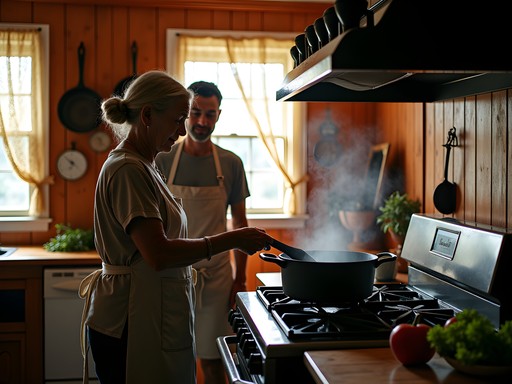
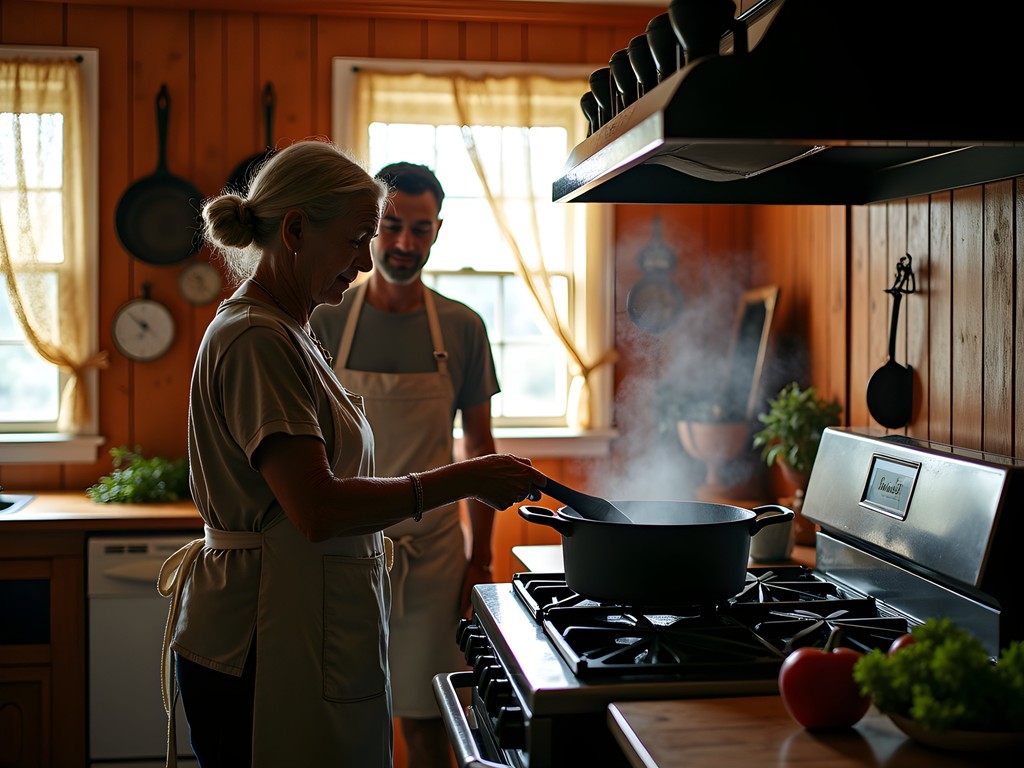
I spent a morning with Miss Loretta at her home just outside downtown, learning to make proper gumbo from scratch. The lesson started at 6 AM because, as she explained while handing me coffee strong enough to strip paint, 'Good gumbo takes all day, cher.' We made roux the traditional way—no shortcuts, constant stirring, that meditative rhythm that turns flour and oil into liquid gold. Between stirring sessions, she shared stories about her grandmother's healing herbs and how Cajun cooking is fundamentally about making something extraordinary from whatever the land provides.
What struck me most was the parallel to Māori kai traditions—both cultures understand that food carries whakapapa, lineage. Every dish tells a story of adaptation, resilience, and community. For couples, cooking together in this setting creates memories that restaurant meals simply can't match. You'll leave with recipes, yes, but also with an understanding of why Cajuns guard their food traditions so fiercely.
Bring a cast iron skillet home with you—it's the essential tool for recreating these dishes, and like any good relationship, it only gets better with time and proper seasoning.
💡 Pro Tips
- Book cooking experiences at least two weeks ahead—these are intimate, family-run operations with limited spots
- Come hungry but not full—you'll taste everything multiple times throughout the cooking process
- Ask about family recipes and stories, not just techniques—the cultural context makes the food come alive
- Bring a notebook for recipes, but know the best lessons are the ones you can't write down
Dance Until Your Feet Remember What Your Mind Forgot
If Cajun food is the heart of the culture, zydeco and Cajun music are its pulse. Lake Charles has several dance halls where locals gather on weekends, and unlike tourist-trap venues, these places exist for the community first.
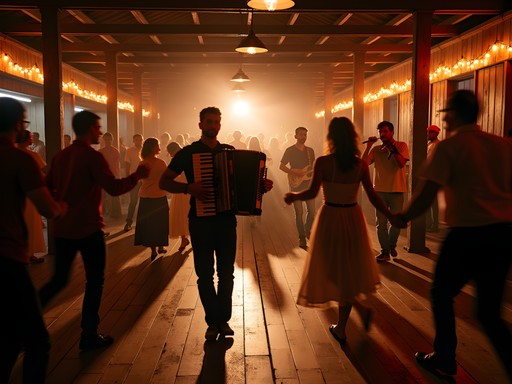
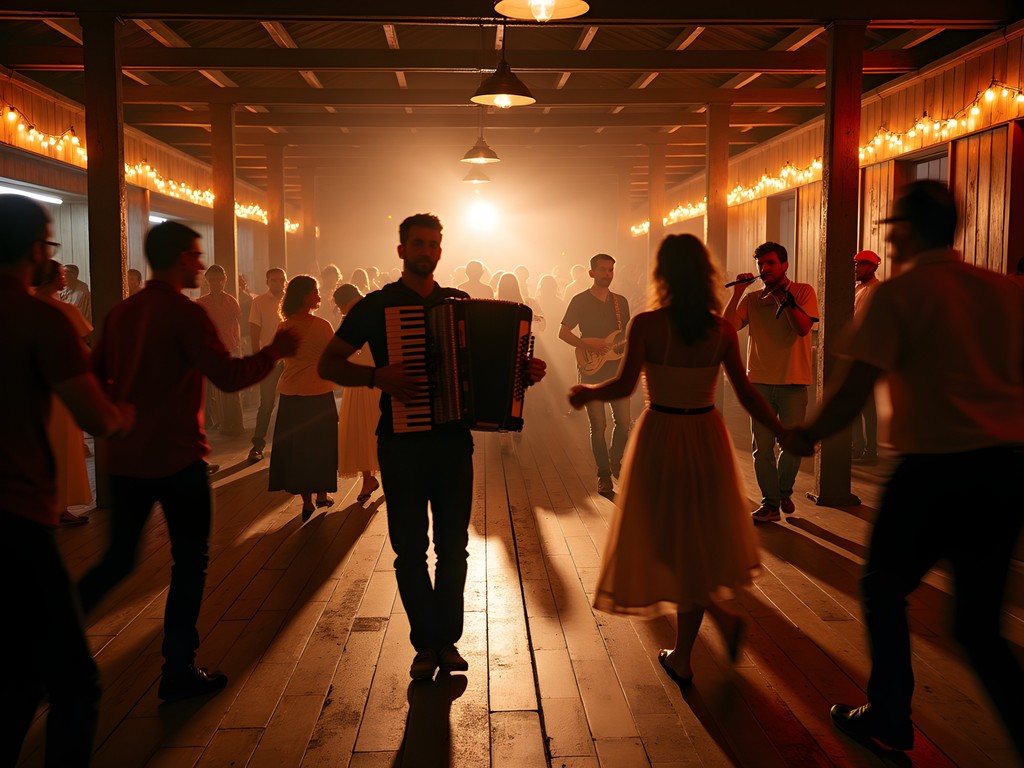
We stumbled into Cotten's Club on a Saturday night—literally stumbled, because we followed the accordion music echoing down the street. Inside, three generations moved across a worn wooden floor with the kind of unselfconscious joy that makes you forget to feel awkward about not knowing the steps. Within minutes, a woman who introduced herself only as 'Tante Marie' pulled my wife onto the floor for a Cajun two-step lesson.
Here's what I love about these dance halls: nobody cares if you're terrible. The culture of inclusion runs deep. Couples who can barely walk in step will find themselves swept into the rhythm, guided by patient locals who remember when they were learning too. The music—live bands playing accordions, fiddles, and washboards—creates an atmosphere where movement becomes conversation.
For couples especially, there's something healing about dancing together in a space with no pretense. You're not performing; you're participating in something bigger than yourselves. My Italian wife, who grew up with Mediterranean folk traditions, felt immediately at home. 'It's like tarantella,' she said, 'but with more cayenne pepper.'
The dress code is refreshingly simple: comfortable shoes you can actually dance in. I wore my dance shoes and they handled hours on the floor without complaint.
💡 Pro Tips
- Arrive by 8 PM to watch the locals warm up—you'll learn more from observation than any formal lesson
- Don't sit at tables near the dance floor unless you want to be pulled up to dance (which you should)
- Buy the band's CD if they're selling them—these are working musicians keeping traditions alive
- Bring cash for cover charges and drinks—many halls are cash-only operations
Fish Where the Locals Fish, Eat What They Catch
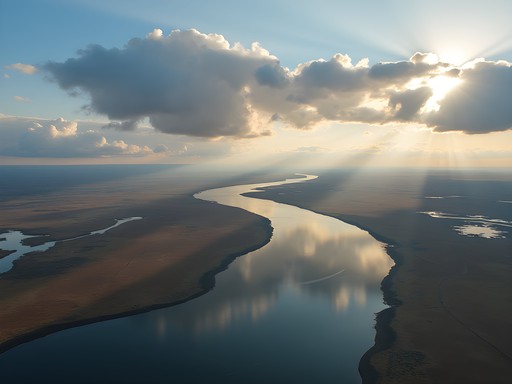
The waterways around Lake Charles—the Calcasieu River, the marshes, the interconnected bayous—are the region's lifeblood. To understand Cajun culture without experiencing these waters is like trying to understand Māori culture without acknowledging the moana.
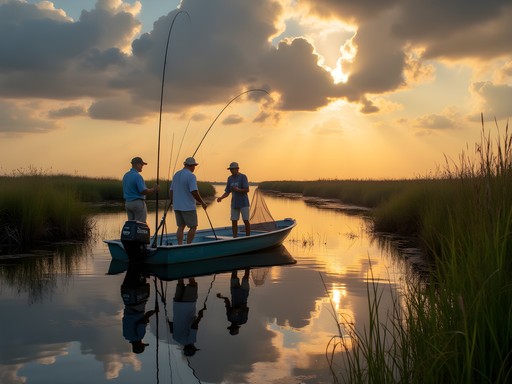
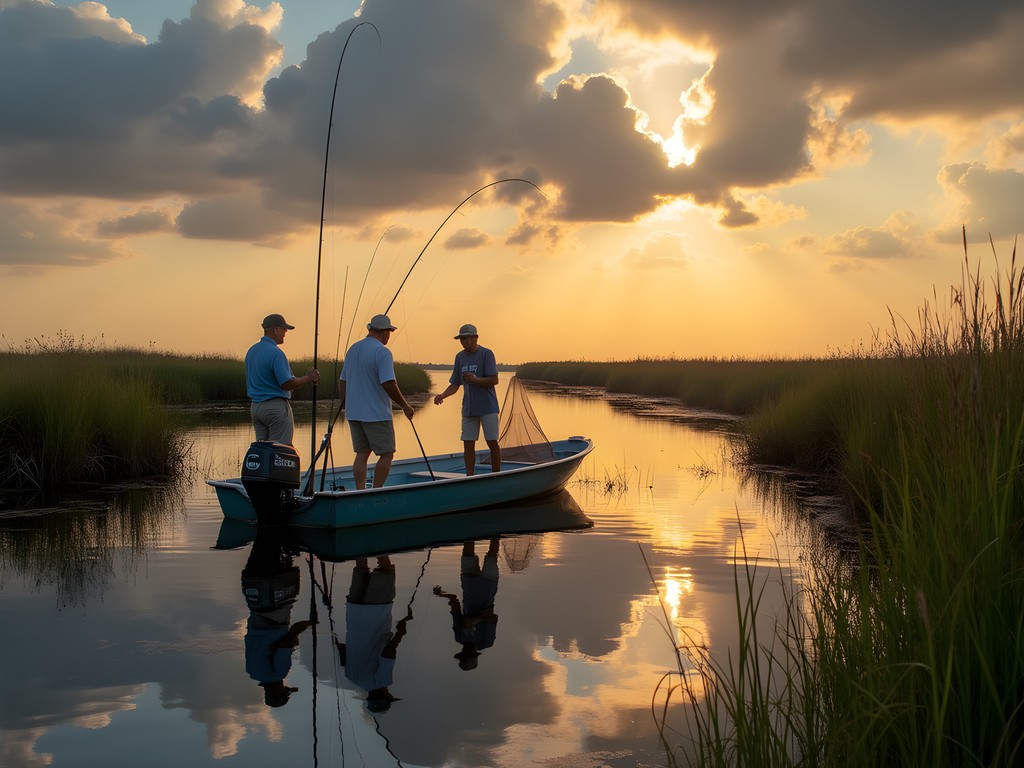
We booked a half-day fishing charter with Captain Ray, a fourth-generation commercial fisherman who now guides visitors through the marshes. This wasn't sport fishing for trophy catches; this was subsistence fishing education. Ray taught us to read the water, identify the subtle signs of redfish and speckled trout, and understand how these ecosystems sustain both wildlife and human communities.
What made the experience transcendent was what happened after: Ray took us to his sister's restaurant where the chef—his niece—prepared our catch three different ways. Blackened, in a courtbouillon, and as ceviche with local citrus. Eating fish you caught hours earlier, prepared by someone whose family has cooked these waters' bounty for generations, creates a connection to place that no restaurant experience can match.
For couples, there's something primal and bonding about working together to catch your dinner. My wife, who'd never fished before, landed a three-pound redfish and wouldn't stop talking about it for days. That shared accomplishment, that direct connection to the food chain, reminded us both why we travel: to remember we're part of something larger than our daily routines.
Bring sun protection—the marsh reflections are intense. I never head out on water without my sun hat and a good sunscreen.
💡 Pro Tips
- Book morning charters—the fish are more active and you'll avoid the afternoon heat
- Tell your captain if you want to learn traditional techniques, not just catch fish quickly
- Arrange cooking services in advance—some captains have restaurant partnerships, others don't
- Bring a cooler if you want to take extra catch back to your accommodation

Trace the Creole-Cajun Heritage Trail
Lake Charles sits at the fascinating intersection of Creole and Cajun cultures—two distinct but intertwined traditions that many outsiders conflate. The Southwest Louisiana Creole-Cajun Heritage Trail offers a self-guided journey through this complex history, and it's essential for anyone wanting to understand the region beyond stereotypes.
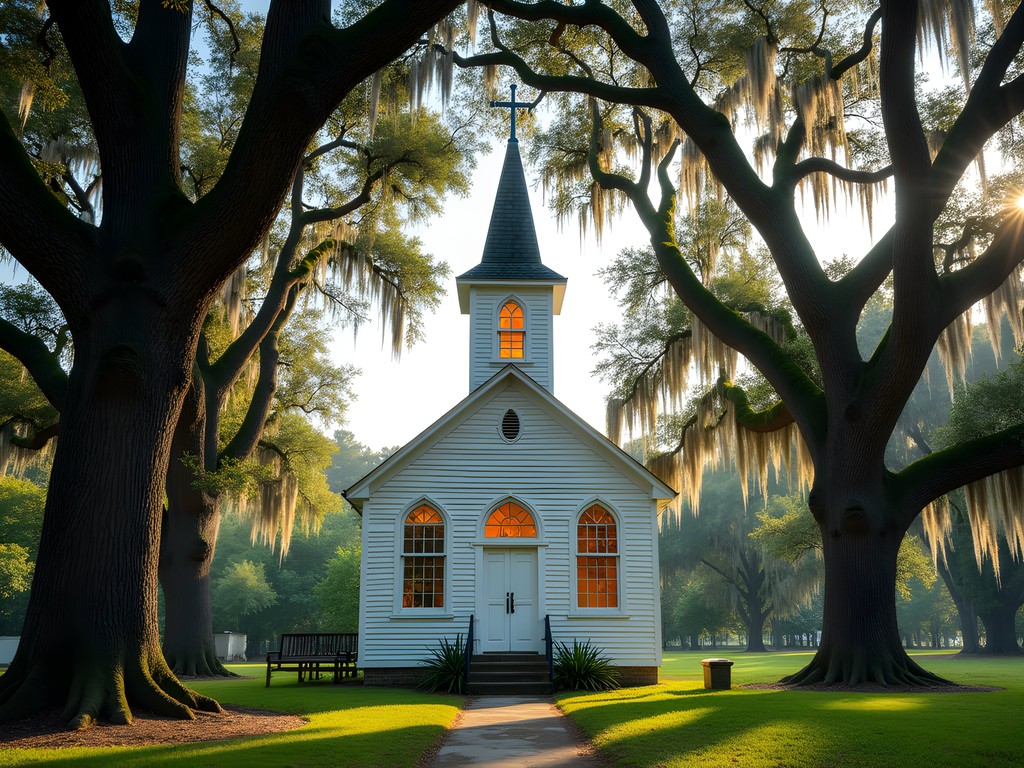
We spent two days following the trail, stopping at historic churches, cemeteries, and cultural centers. The African American Museum in Lake Charles provided crucial context about Creole contributions to regional culture—the music, the food, the language all bear African influences that deserve recognition. At the Creole Nature Trail Adventure Point, we learned how geography shaped settlement patterns and cultural development.
What resonated with me, coming from my own mixed heritage, was seeing how cultures blend and maintain distinct identities simultaneously. The Cajuns (Acadian French refugees) and Creoles (mixed African, French, Spanish, and Native American heritage) created something entirely new while honoring their roots. It's a story of adaptation and resilience that parallels indigenous experiences worldwide.
For couples interested in cultural depth, this trail offers conversation starters that'll last long after you leave. We found ourselves discussing identity, belonging, and cultural preservation—heavy topics made accessible through personal stories and physical places. The trail includes several historic homes where descendants still live, maintaining traditions their ancestors established centuries ago.
Document your journey with a audio recorder—many elderly residents share oral histories you'll want to preserve and reflect on later.
💡 Pro Tips
- Download the trail map and audio guide before you start—cell service is spotty in rural areas
- Allow full days for each section rather than rushing through—this isn't a checklist experience
- Visit the African American Museum first for essential historical context
- Respect that some trail sites are active churches and homes—this is living history, not a theme park
Experience a Traditional Boucherie
This one's not for everyone, but if you're serious about understanding Cajun culture, attending a boucherie—a traditional community hog butchering and feast—offers unfiltered insight into how this culture has survived.
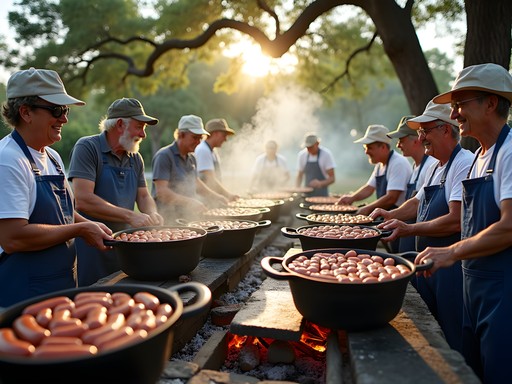
We were invited to a family boucherie outside Lake Charles through connections we'd made at the cooking class. I'll be honest: watching a hog butchered at dawn isn't romantic in the conventional sense. But there's something profound about witnessing a community come together to transform an animal into dozens of dishes, using every part with respect and skill.
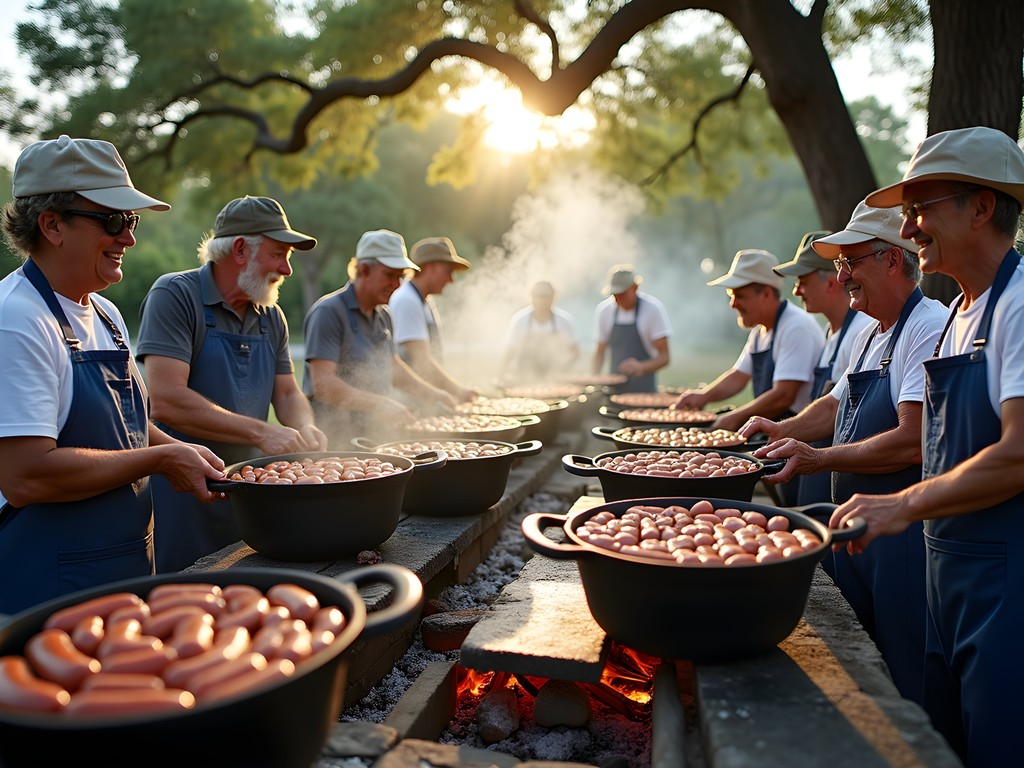
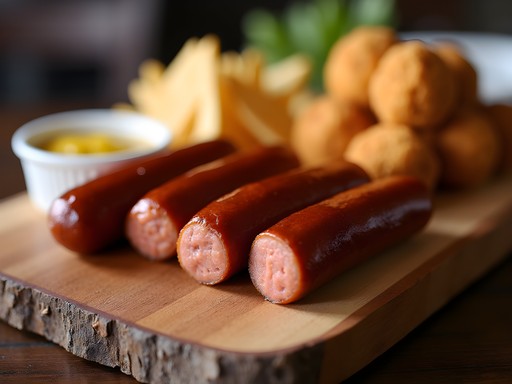
The process is intensely social. Different families handle different tasks—some make boudin, others cracklins, some prepare backbone stew. Children learn by watching; elders supervise and tell stories. By noon, tables groan under the weight of fresh sausages, head cheese, grattons, and dishes whose names I still can't pronounce correctly.
What struck me most was the parallel to Māori hangi traditions—the same communal labor, the same respect for the animal, the same understanding that food is how we take care of each other. My wife, despite being initially squeamish, found herself fascinated by the sausage-making process and the women's easy camaraderie as they worked.
For couples, this experience strips away any romantic notions about 'authentic culture' and replaces them with something better: genuine understanding. You'll see how traditional practices require community, skill, and commitment. You'll understand why Cajuns worry about losing these traditions as younger generations move to cities.
Boucheries typically happen in cooler months (November through March), so spring visitors might miss them. However, some cultural centers offer demonstration boucheries during festivals.
💡 Pro Tips
- Ask locals about upcoming boucheries rather than searching online—these are often private family events
- Come prepared to help with simple tasks if invited—participation is the point
- Bring an appetite and an open mind—you'll taste things you can't find in any restaurant
- Respect that this is a working event, not entertainment—observe, learn, but don't get in the way
Final Thoughts
Lake Charles taught me something I've learned in indigenous communities worldwide: the most authentic cultural experiences aren't the ones marketed to tourists, they're the ones locals do for themselves. By approaching Cajun culture with respect, curiosity, and willingness to participate rather than just observe, couples can access experiences that transform how you see American culture.
This isn't the sanitized, packaged Louisiana of tourist brochures. It's messier, more complex, and infinitely more rewarding. You'll eat food that makes your taste buds weep with joy. You'll dance until your feet hurt and your face aches from smiling. You'll meet people whose generosity and cultural pride remind you that in our disconnected modern world, some communities still know how to live.
For my wife and me, Lake Charles became an unexpected touchstone—a place that reminded us why we travel together, why we seek out cultures that maintain their traditions against homogenizing forces. If you're willing to wake up early, get your hands dirty, and approach this culture with humility, Lake Charles will reward you with memories that outlast any photograph.
Kia ora and laissez les bons temps rouler—may the good times roll, and may they roll with purpose, connection, and a damn good roux.
✨ Key Takeaways
- Authentic Cajun experiences require participation, not observation—come ready to cook, dance, and engage with locals
- The culture is living and evolving, not a museum piece—respect that you're entering people's actual lives, not a theme park
- Food is the gateway to everything else—start with cooking classes and let relationships develop from there
📋 Practical Information
Best Time to Visit
March through May for spring weather, festivals, and outdoor activities without summer heat
Budget Estimate
$1,200-2,000 for a week including mid-range accommodation, experiences, meals, and rental car
Recommended Duration
5-7 days to properly experience cultural immersion without rushing
Difficulty Level
Easy—accessible Experiences With Welcoming Locals, Though Some Cultural Sensitivity Required

Comments
travelrider
Going there in May! Any specific recommendations for the fishing tour guides?
Tyler Ferrari
Ask around at the local bait shops near the marina - that's honestly how I found the best guides. The ones advertising online weren't as authentic. Look for captains who've been fishing these waters their whole lives.
travelrider
Thanks so much!
Frank Garcia
This resonates deeply with my experiences documenting traditional cultures. The cooking class approach is brilliant - I've found that food preparation is often the most accessible entry point into authentic cultural exchange. The grandmother teaching you likely shared stories and techniques that have been passed down orally for generations. Did you notice any French Creole linguistic elements in the cooking instructions? I've read that Lake Charles still has pockets of French speakers, particularly among the older generation. The point about marketed vs. genuine experiences is spot on - the commodification of indigenous and traditional cultures is something I've been analyzing across different destinations.
Tyler Ferrari
Absolutely! She switched between English and Cajun French throughout, especially when talking about specific techniques. Words like 'faire un roux' were always in French. Her granddaughter translated some of the stories for me. That linguistic code-switching was fascinating to witness.
roamphotographer
Love this! What time of day did you do the fishing experience? Wondering about lighting for photos.
Tyler Ferrari
We went out around 5:30am - golden hour on the water was absolutely stunning. The locals fish early to beat the heat. Bring a polarizing filter if you have one!
roamphotographer
Perfect, thanks!
Venture X
Premium card with 2X miles, $300 travel credit, Priority Pass