Disclosure: This article contains affiliate links. We may earn a commission from purchases at no extra cost to you, which helps our travel content.
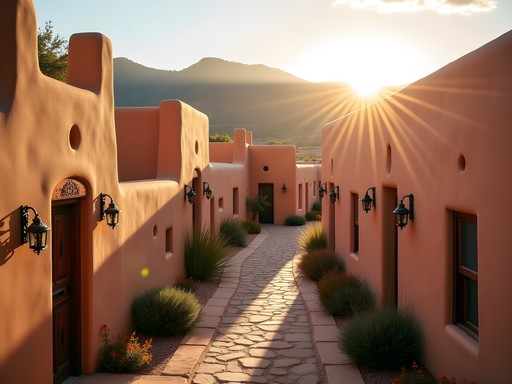
The morning light in Santa Fe hits differently. It bathes the adobe buildings in a warm, golden glow that feels almost sacred – which seems fitting for a place where art and spirituality have been intertwined for centuries. My week exploring the indigenous heritage of this high desert city left me transformed, not just as a photographer but as a human connecting with stories told through generations of skilled hands and resilient spirits.

Understanding Santa Fe's Indigenous Roots
Before diving into Santa Fe's vibrant indigenous art scene, I felt it essential to ground myself in the historical context of this special place. Santa Fe sits on the ancestral lands of the Tewa-speaking Pueblos, with a complex history spanning over 1,000 years before European contact.
On my first morning, I joined a walking tour led by a Pueblo guide who shared perspectives rarely found in guidebooks. I'd prepared by reading Indigenous New Mexico, which offered crucial context about the 19 Pueblos and their distinct traditions.
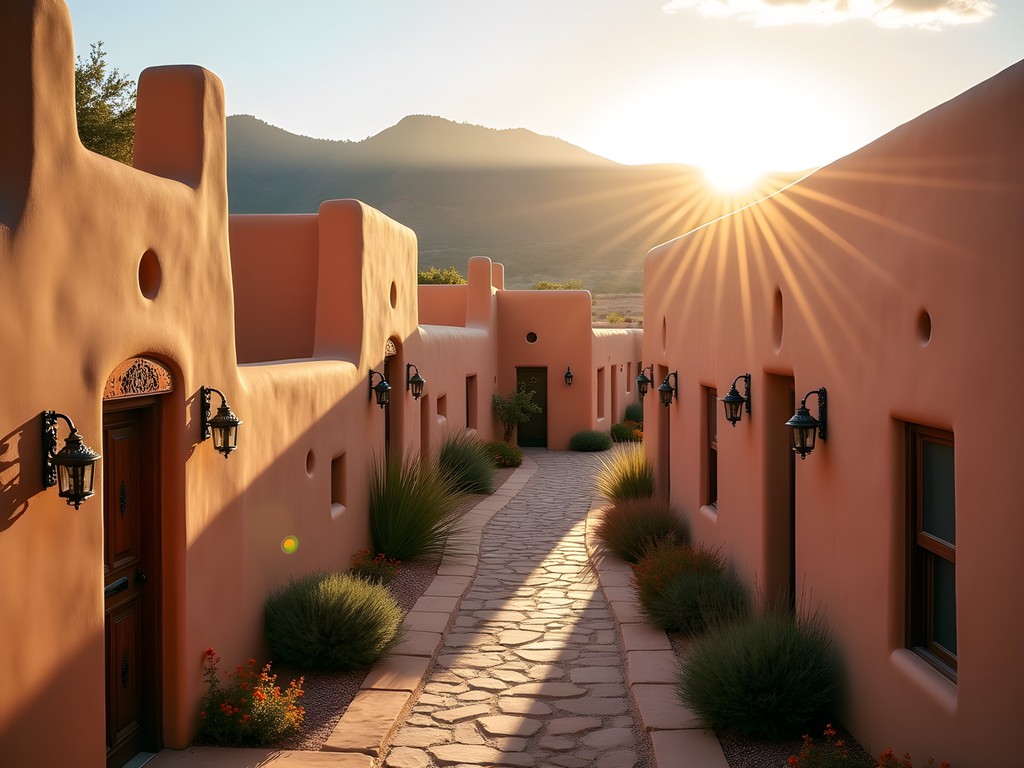
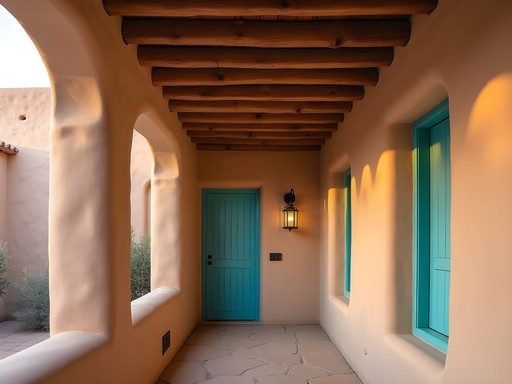
What struck me most was learning how the famous adobe architecture – now synonymous with Santa Fe style – originated from indigenous building practices long before Spanish colonization. The city's iconic Palace of the Governors, the oldest continuously occupied public building in the U.S., stands as a physical timeline of these cultural intersections.
💡 Pro Tips
- Book indigenous-led tours at least a week in advance as they often sell out
- Visit the New Mexico History Museum first to gain historical context
- Remember that each Pueblo has its own language, governance, and artistic traditions
Navigating the Santa Fe Indian Market
If you're planning your Santa Fe visit in August, the Santa Fe Indian Market should anchor your itinerary. As someone who's experienced art markets across five continents, I can confidently say nothing compares to this gathering of over 1,000 indigenous artists from more than 200 tribes across North America.
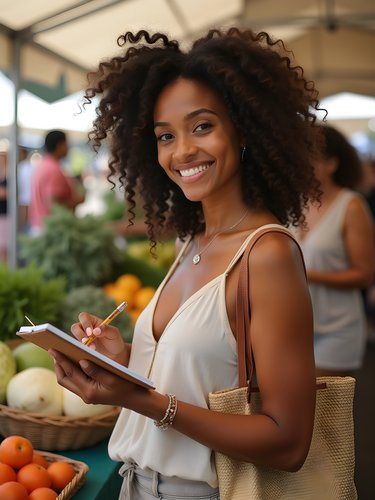
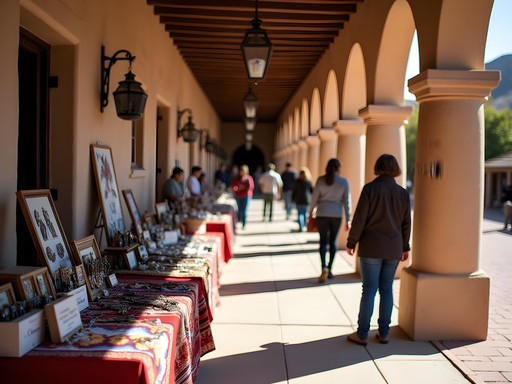
I spent two full days wandering the plaza, my crossbody bag (a lifesaver for keeping essentials secure while leaving hands free for photography and purchases) filled with my market essentials. The atmosphere buzzes with creative energy as artists showcase everything from traditional pottery and textiles to contemporary painting and sculpture.
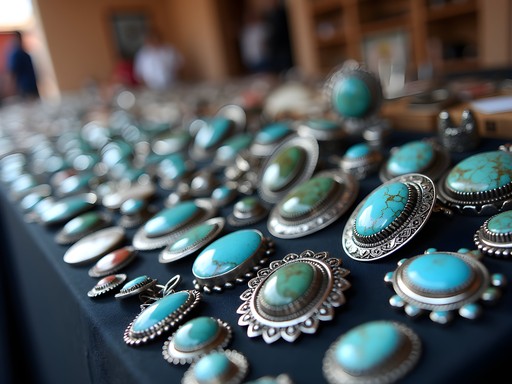
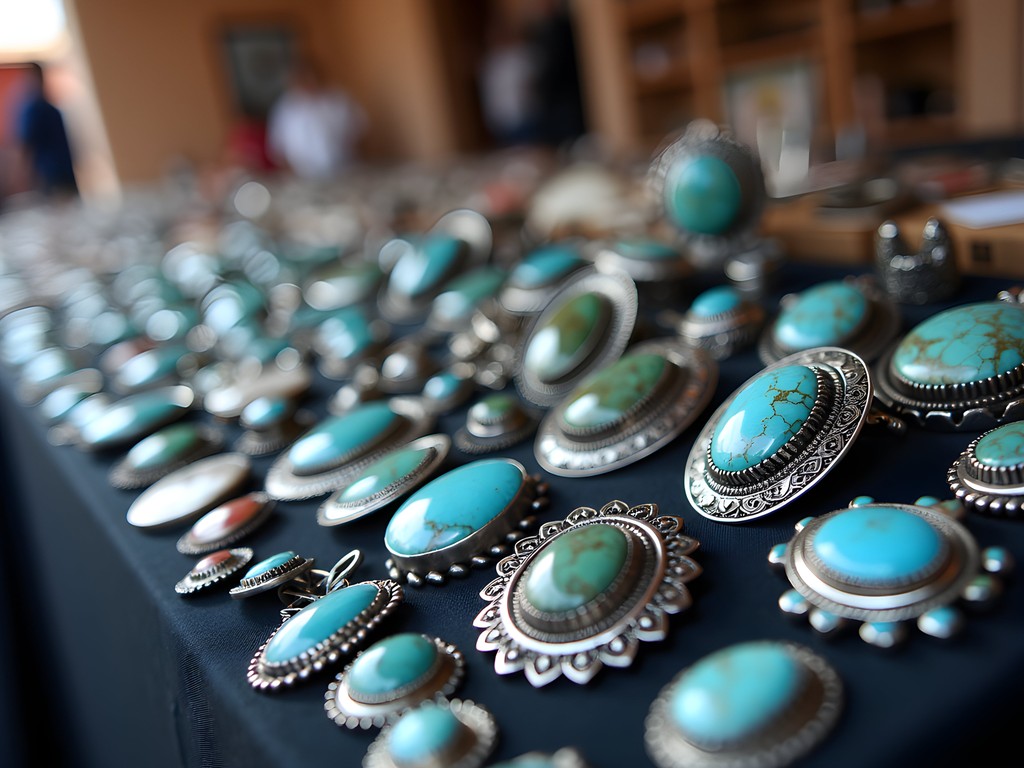
My most treasured purchase? A small silver pendant from a Zuni artist who explained how his family has passed down silversmithing techniques for five generations. I was particularly moved by his story of incorporating traditional symbols into contemporary designs – a perfect metaphor for indigenous art's living, breathing evolution.
💡 Pro Tips
- Arrive at the Indian Market early (7-8 AM) to avoid crowds and have meaningful conversations with artists
- Bring cash as many artists, especially those from remote areas, don't accept cards
- Ask permission before photographing artists or their work
Museum of Contemporary Native Arts: Beyond Stereotypes
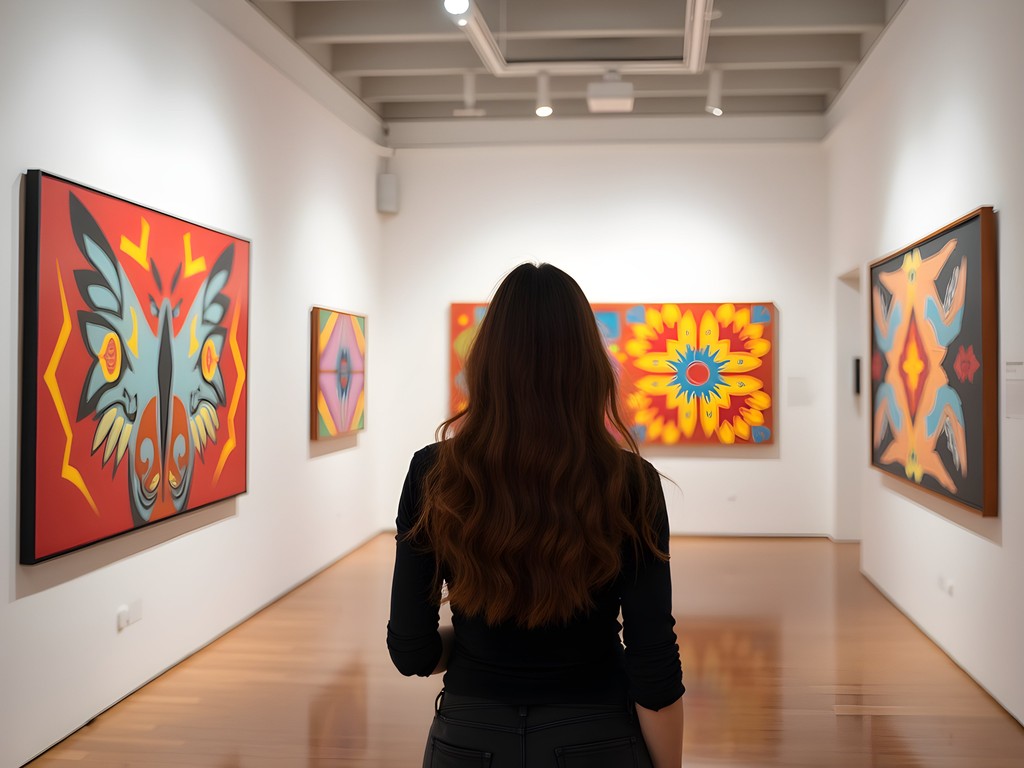
While Santa Fe offers several world-class museums featuring indigenous art, the Museum of Contemporary Native Arts (MoCNA) delivered the most profound experience for me. Located in the historic Santa Fe Federal Building, MoCNA houses the country's most progressive collection of contemporary indigenous art.
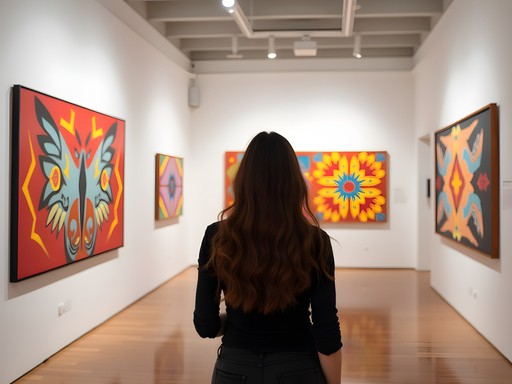
What sets this museum apart is its commitment to showcasing living indigenous artists who challenge stereotypes while honoring their cultural heritage. During my visit, an exhibition featuring mixed-media installations explored themes of environmental justice through indigenous perspectives – a powerful reminder that Native American art isn't frozen in time but actively engaging with today's most pressing issues.
I spent hours in the museum store afterward, eventually selecting a beautiful art book and a handwoven basket made by a Hopi artist – now one of my favorite containers for storing photography accessories at home.
💡 Pro Tips
- Check the museum's calendar for artist talks and demonstrations
- Allow at least 2-3 hours to fully appreciate the exhibitions
- The museum offers student discounts with valid ID

Immersive Cultural Experiences: Beyond Observation
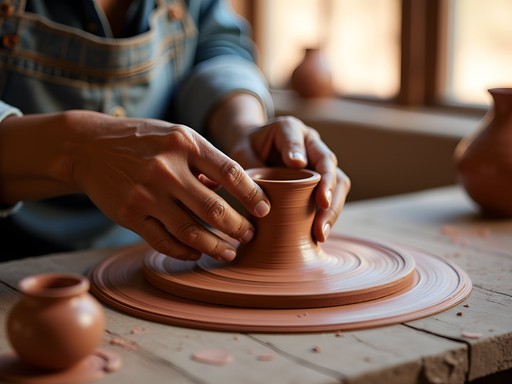
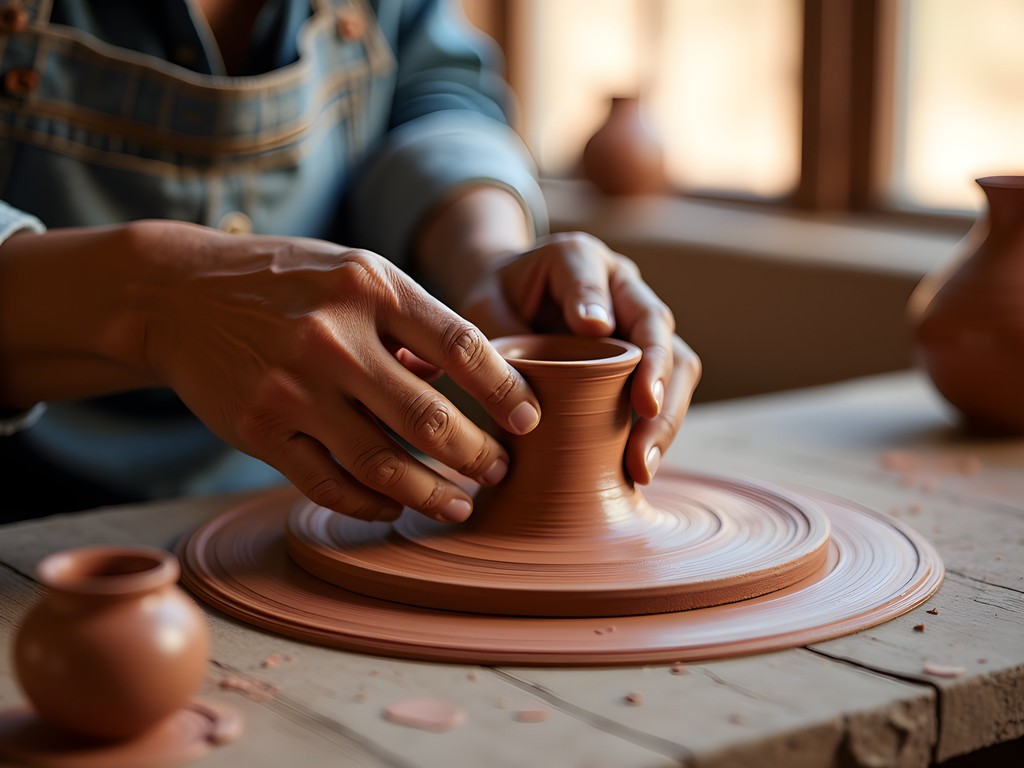
My most memorable experiences in Santa Fe came from participatory cultural encounters that went beyond mere observation. At the Poeh Cultural Center in nearby Pojoaque Pueblo, I joined a half-day pottery workshop where a Tewa artist taught traditional coiling methods using clay gathered from the surrounding landscape.
The pottery tools I brought along proved unnecessary – our instructor provided traditional tools made from gourds and wood that connected us to centuries of artistic practice. My humble pot won't win any awards, but creating it while learning about clay's spiritual significance offered insights no museum placard could provide.
Another highlight was attending a feast day at one of the nearby pueblos. These ceremonial days when pueblos welcome respectful visitors provide rare opportunities to witness living traditions. I watched in awe as dancers moved in patterns unchanged for centuries, their moccasins creating gentle rhythms in the dust – a reminder that what might appear as 'performance' to outsiders is deeply spiritual practice for participants.
💡 Pro Tips
- Always confirm which feast days are open to visitors and follow all photography/recording restrictions
- Book workshops through established cultural centers rather than commercial operators
- Dress modestly and respectfully when visiting pueblos (covered shoulders, longer skirts/pants)
Ethical Shopping: Supporting Indigenous Artists Directly
Beyond the Indian Market, Santa Fe offers year-round opportunities to purchase authentic indigenous art. However, navigating this landscape ethically requires awareness of the unfortunate prevalence of counterfeit Native American art.
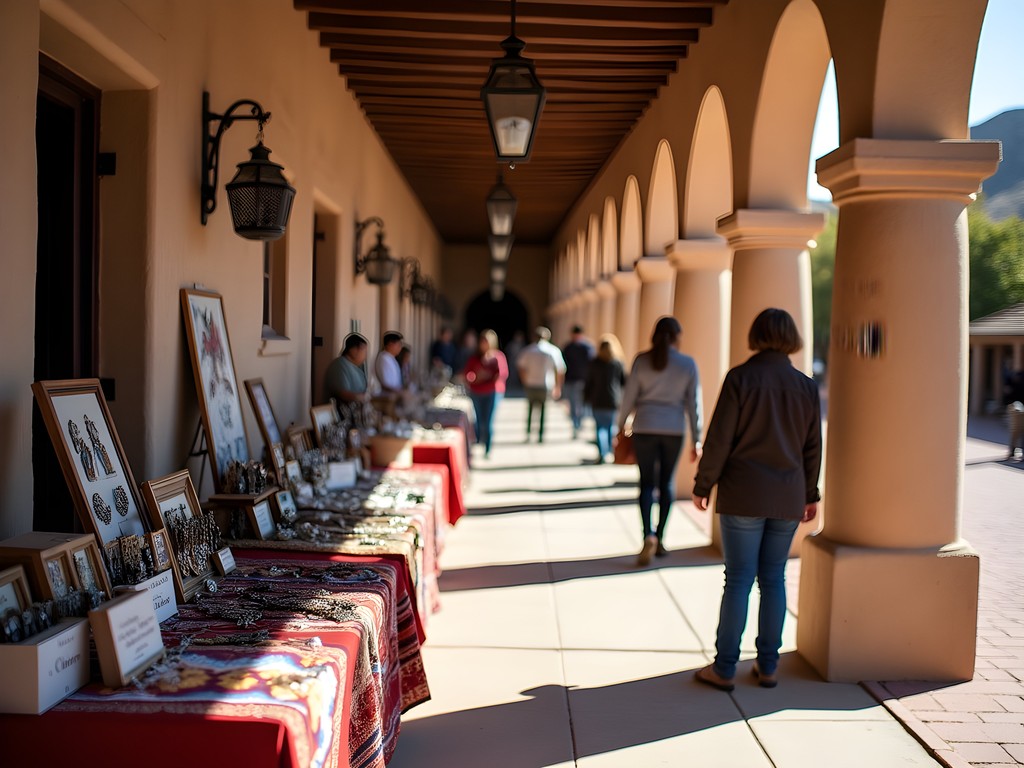
The Portal Program at the Palace of the Governors remains my top recommendation for everyday purchasing. Here, indigenous artists sell their work directly under the building's historic portal (porch), with strict verification ensuring authentic Native-made items. I spent mornings here with my insulated water bottle, chatting with artists while admiring their work displayed on colorful Pendleton blankets.
For higher-end purchases, I researched galleries with established relationships with indigenous artists who receive fair compensation. The IAIA Museum of Contemporary Native Arts store and the Case Trading Post at the Wheelwright Museum both maintain ethical standards while offering exceptional art.
My most meaningful purchase? A small painting from a Diné (Navajo) artist who explained how she incorporates traditional sand painting techniques into contemporary compositions – a perfect example of living tradition.
💡 Pro Tips
- Ask for authenticity certificates for significant purchases
- Be suspicious of deeply discounted 'Native-inspired' items in tourist shops
- Learn about the Indian Arts and Crafts Act which protects against misrepresentation
Final Thoughts
As my week in Santa Fe drew to a close, I found myself sitting on a bench in the plaza, watching the last golden light illuminate the adobe buildings. My camera remained in my bag – some moments deserve to be experienced rather than captured.
What I've taken away from Santa Fe goes far beyond the pottery and jewelry carefully wrapped in my luggage. I've gained a deeper appreciation for indigenous art as not just beautiful objects but as living cultural expressions with unbroken connections to ancient traditions.
If you're considering a cultural journey to Santa Fe, I encourage you to come with an open heart and a willingness to listen. The stories woven into the art here have survived centuries of challenges, and by engaging respectfully, we become small threads in their continuing narrative. This city has taught me that the most meaningful souvenirs aren't things at all, but rather new perspectives that transform how we see the world long after we've returned home.
✨ Key Takeaways
- Prioritize indigenous-led experiences for authentic cultural understanding
- Research the specific cultural protocols before visiting pueblos or attending ceremonies
- Support Native artists directly through verified venues like the Portal Program
📋 Practical Information
Best Time to Visit
Summer (especially August for Indian Market)
Budget Estimate
$150-250/day including mid-range accommodations
Recommended Duration
5-7 days
Difficulty Level
Moderate
Comments
Jean Wells
Claire, I appreciate your nuanced approach to covering Santa Fe's indigenous heritage. Having visited three times over the past decade, I've observed how the presentation and interpretation of Native American art has evolved. Your point about the Museum of Contemporary Native Arts moving beyond stereotypes resonates strongly. One aspect I found particularly enlightening on my last visit was attending artist talks during the Indian Market. These discussions provided crucial context about how traditional techniques are being reimagined by contemporary artists. For those planning to visit, I recommend researching which artists will be speaking beforehand. Also worth noting is the importance of understanding the difference between mass-produced "Native-inspired" items and authentic, artist-created works. The Indian Arts and Crafts Act protects Native artists, but as visitors, we should educate ourselves on recognizing authentic work and supporting the actual creators.
Claire Mason
Such an important point about authentic vs. mass-produced work, Jean. I should have emphasized that more. The artist talks were indeed illuminating - I attended one with a Navajo weaver that completely changed how I understand textile arts.
globeblogger
Loved this post! I spent 10 days in Santa Fe last spring and everything you wrote resonates. The Museum of Contemporary Native Arts was such an eye-opener - completely changed how I think about Native American art beyond pottery and jewelry. Also if anyone's planning a trip, try to catch one of the traditional dances at one of the pueblos. We went to a feast day at San Ildefonso and it was incredibly moving. Just be respectful, don't ask too many questions during the ceremony, and definitely don't take photos unless explicitly told it's okay.
Douglas Bradley
Really appreciate how you approached this topic, Claire. Too many travel writers treat indigenous culture like a tourist attraction rather than living traditions. I visited Taos Pueblo last year and the experience was profound, but I wish I'd read something like this first. One tip I'd add: when visiting pueblos, remember that photography policies vary and some areas are completely off-limits during ceremonies. Always ask permission first. Also, buying directly from artists rather than intermediary shops ensures your money goes to the actual creators. The conversations I had with artists about their work and techniques were honestly the highlight of my trip.
vacationmood
Great point about the photography! Didn't know that
vacationbackpacker
Going there in March - is the Indian Market only in summer or are there other times to see it?
globeblogger
The big one is August but there's a smaller winter market in November! Still totally worth visiting in March though, the galleries are open year-round.
vacationbackpacker
Thanks! Good to know
vacationmood
This is amazing! Adding Santa Fe to my bucket list!!
Savannah Torres
Claire, your section about moving beyond observation really resonated with me. When I took my kids (8 and 10) to Santa Fe last year, I was worried they'd get bored at the cultural sites, but they absolutely loved the hands-on workshops at the Museum of Indian Arts & Culture. The pottery-making class taught by a San Ildefonso artist was their favorite part of the entire trip! It created such a deeper connection than just looking at exhibits. For families visiting, I'd also recommend the seasonal dance performances at the plaza - my kids were mesmerized, and it sparked great conversations about cultural appreciation versus appropriation. Santa Fe really is one of those rare places where the tourist experience can transcend into something genuinely educational and meaningful.
redone4460
Just got back from Santa Fe last week and this post is spot on! The Museum of Contemporary Native Arts was the highlight of our trip - totally changed my perspective. We caught a poetry reading by a Navajo artist that blew me away. Pro tip: the museum cafe serves traditional blue corn pastries that are AMAZING. Also worth mentioning that many galleries on Canyon Road represent indigenous artists, so you can explore those even if you miss the big markets.
freeking958
Those blue corn pastries sound delicious! Adding that to my list for when I visit next spring.
wanderninja
Is it appropriate for non-Native visitors to purchase things like kachina dolls? I want to support indigenous artists but don't want to be disrespectful.
Savannah Torres
Great question! Most artists at the markets are selling specifically to visitors. The key is buying authentic pieces directly from Native artists rather than mass-produced items. Many artists are happy to explain the significance of their work.
wanderninja
Thanks Savannah! That makes sense. I'll make sure to buy directly from artists.
Amit Sullivan
Claire, your piece captures the spiritual essence of Santa Fe beautifully. My wife and I spent three weeks there last autumn, and that quality of light you describe is truly transcendent. We were fortunate enough to meet a Zuni silversmith who showed us his workshop outside of town. One thing visitors should know - when visiting pueblos, always check photography policies first. Some sacred sites prohibit photos entirely, while others require permits. I've found that the cultural guide provides excellent context about protocols when visiting indigenous sites. The respect you show goes a long way in creating meaningful connections.
beachwalker
Great post! I'm planning a trip next summer - is the Santa Fe Indian Market only in August or are there smaller versions year-round?
Amit Sullivan
The big market is definitely mid-August, but there are smaller art markets throughout the year. The Winter Indian Market happens in November/December and is much less crowded!
beachwalker
Thanks Amit! That's perfect timing for my trip. Do you recommend booking accommodation well in advance for the winter market too?
Amit Sullivan
For Winter Market, a month ahead should be fine. Nothing like the summer crush where you need 6+ months lead time!
Venture X
Premium card with 2X miles, $300 travel credit, Priority Pass