Disclosure: This article contains affiliate links. We may earn a commission from purchases at no extra cost to you, which helps our travel content.
The moment my feet touched Cape Verdean soil, I knew this wasn't going to be the typical island getaway most travelers seek. As the Atlantic breeze carried unfamiliar spices and the distant pulse of batuku drums across Santa Maria's shoreline, my EMT instincts kicked in – observing, analyzing, seeking connections. Cape Verde sits at a powerful crossroads of African, Portuguese, and Brazilian influences, creating a cultural tapestry as vibrant as the azure waters surrounding the archipelago. Having spent years documenting how traditional practices create healing spaces across continents, I found Sal Island to be an unexpected treasure trove of wisdom where wellness traditions, community rituals, and natural medicine converge. This two-week journey through Santa Maria and beyond revealed layers of Cape Verdean life that most beach-seekers never experience – sacred spaces where the island's soul truly resides.

The Sacred Geometry of Santa Maria: Finding Balance Beyond the Beach
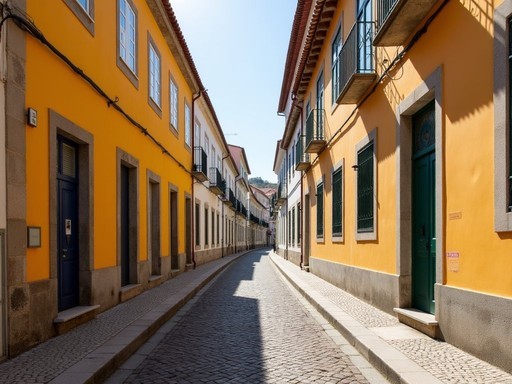
Santa Maria's grid-like colonial layout reveals itself as you venture beyond the beachfront resorts, but there's a deeper pattern at work here – one that speaks to my fascination with how communities structure themselves around healing spaces. The town unfolds like a body's circulatory system, with the central square functioning as its heart, pumping visitors and locals through arterial streets that connect sacred and communal spaces.
As an EMT, I'm trained to find patterns in chaos – vital signs that reveal underlying conditions. Walking Santa Maria's streets each morning, I noticed how the town awakens in concentric circles. Fishermen return at dawn to the pier (locally called the pontão), where women gather to clean and prepare the catch. This daily ritual creates the first energy center of the day, a node of commerce and community that's been functioning this way for generations.
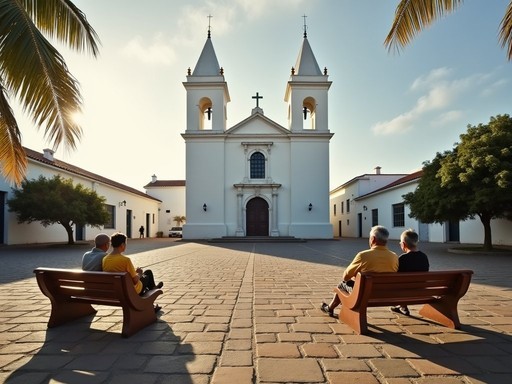
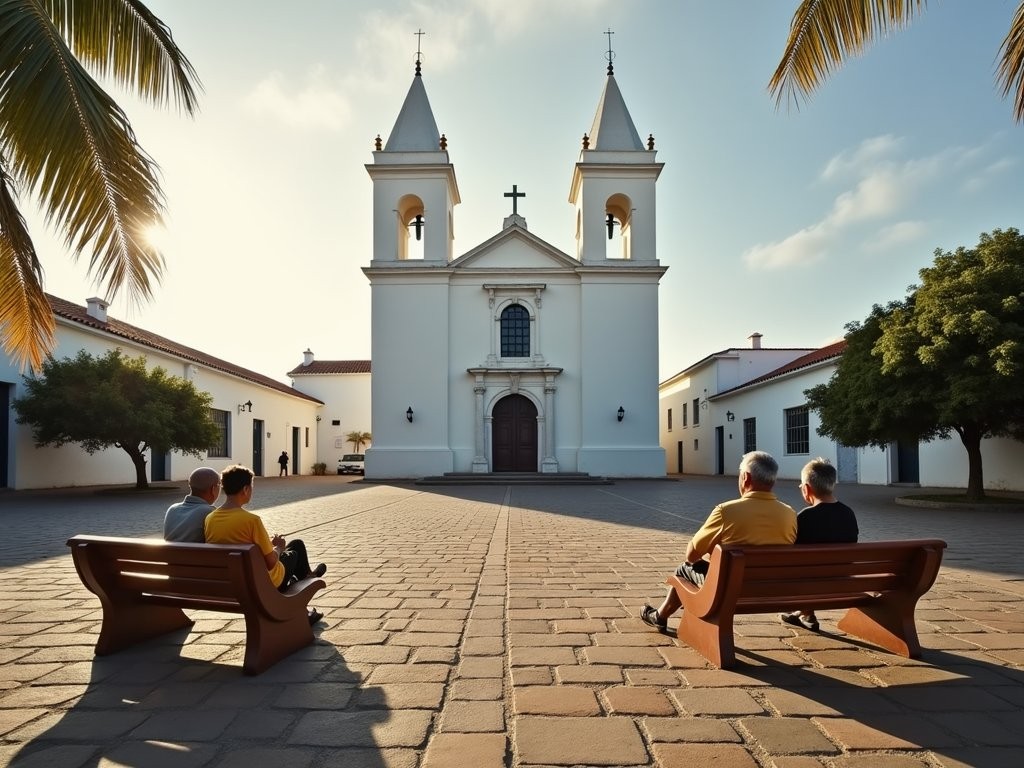
I found myself drawn to the geometric precision of Santa Maria's Catholic church, not just for its architectural symmetry but for how it serves as both spiritual anchor and navigational landmark. The church plaza transforms throughout the day – morning prayers give way to afternoon gatherings of elders playing oril (a traditional board game), creating a living timeline of the community's relationship with this sacred space.
For those seeking to understand Santa Maria beyond its tourist façade, I recommend exploring with intention rather than itinerary. Each morning, I'd set out with my travel journal to document the patterns I observed – which corners hosted impromptu music sessions, where locals gathered for morning coffee, which doorways featured protective symbols blending Catholic and West African traditions.
What emerged was a map not found in guidebooks – a sacred geometry of community life that reveals itself only through patient observation. This practice of mindful exploration became my daily meditation, grounding me in Cape Verde's rhythms far more effectively than any beach yoga session could.
💡 Pro Tips
- Visit Santa Maria's church during non-service hours when locals gather in the plaza
- Walk the full perimeter of town before cutting through its center to understand its layout
- Note the location of communal water sources - they often mark important social gathering points
Healing Hands: Traditional Medicine Practices of Sal Island
The parallels between emergency medicine and traditional healing have always fascinated me. Both require quick assessment, resource management, and an intimate knowledge of the human condition. On my third day in Santa Maria, a chance encounter with Dona Elisa, a respected curandeira (traditional healer) in her seventies, opened a doorway into Cape Verde's rich pharmacopeia.
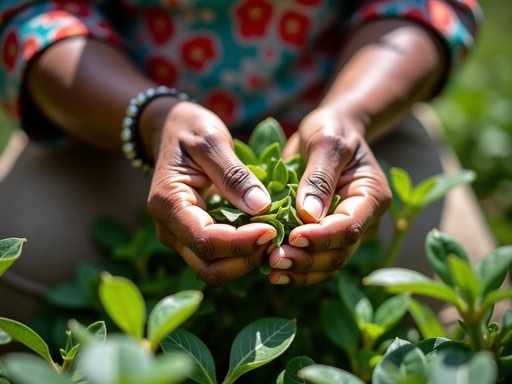
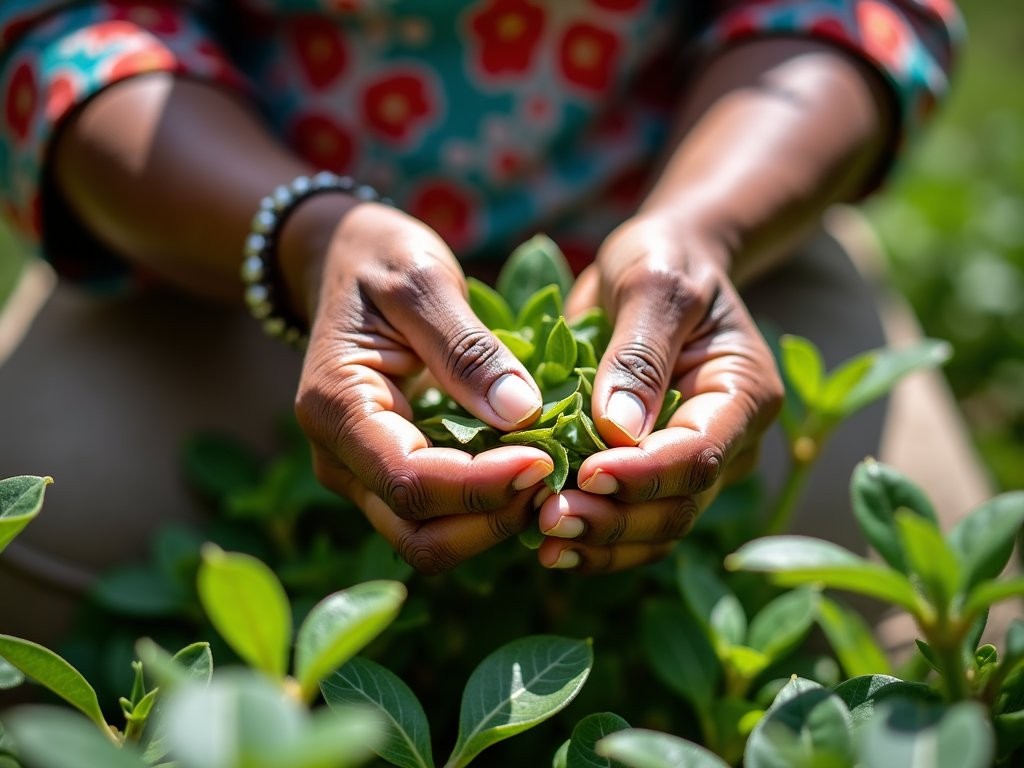
Dona Elisa's weathered hands moved with the same confident precision I've seen in veteran trauma surgeons. She invited me to her modest home on the outskirts of town, where her courtyard garden burst with medicinal plants – many familiar to my Mi'kmaq grandmother, despite growing continents apart. The universal language of healing plants transcends geography.
"These leaves," she explained, crushing a sprig of what I recognized as a type of artemisia, "pull the fever from the body." She demonstrated how to prepare an infusion, her methodology meticulous and measured – not unlike how we prepare IV solutions in the ambulance.
What struck me most was Dona Elisa's holistic approach. In emergency medicine, we're often forced to compartmentalize – treat the immediate threat, stabilize, transport. But Dona Elisa's practice embraces the whole person, considering emotional and spiritual equilibrium as crucial to physical healing.
I spent three afternoons with her, documenting her knowledge in my waterproof notebook as we hiked the island's interior collecting plants. She showed me how locals use salt from Sal's famous salt pans for everything from preserving food to treating skin conditions. The island's name isn't coincidental – salt has shaped both the landscape and healing traditions here.
For travelers interested in Cape Verdean traditional medicine, respect must come first. These aren't tourist attractions but living practices. Many healers welcome respectful visitors, especially those with genuine interest in medicinal plants. Small gifts of appreciation are customary – I brought Dona Elisa a selection of dried herbs from my own garden in Philadelphia, creating a bridge between our different but parallel healing traditions.
💡 Pro Tips
- Ask permission before photographing any healing ceremony or medicinal preparation
- Bring a small gift when visiting local healers (tea, honey, or dried herbs are appropriate)
- Visit the salt pans of Pedra de Lume to understand the island's connection to salt as medicine
The Rhythmic Pulse: Music as Cultural Medicine
In emergency medicine, we're trained to find the rhythm – whether it's chest compressions during CPR or the vital cadence of a patient's pulse. Cape Verde exists in a constant state of rhythm, where music isn't entertainment but lifeblood. The islands produced Cesária Évora, the legendary 'Barefoot Diva,' but the musical tradition extends far beyond any single performer.
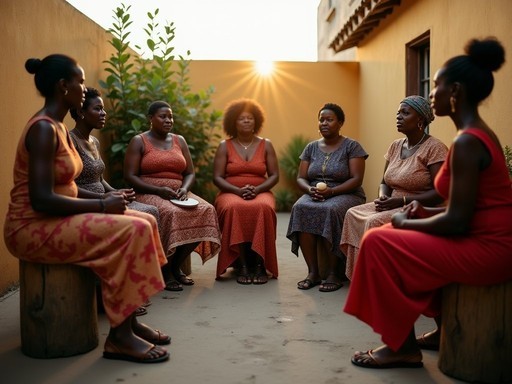
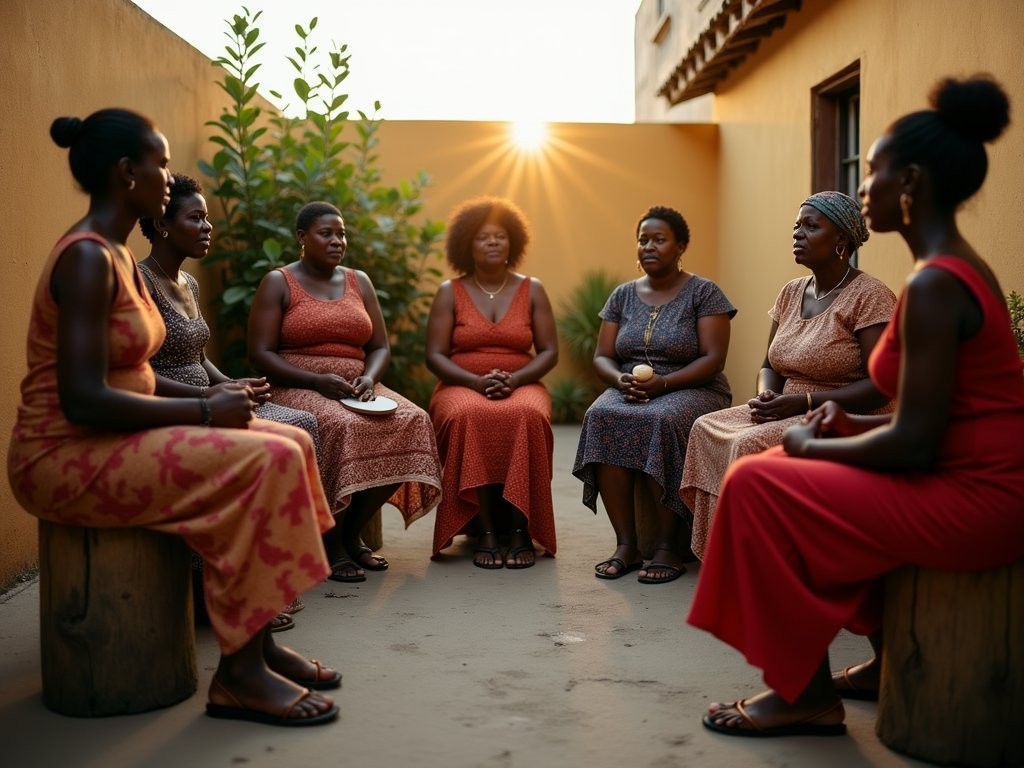
On my fifth evening in Santa Maria, I followed the sound of drums to a small courtyard tucked behind the main tourist strip. There, a multi-generational group gathered for what I learned was a regular batuku session – Cape Verde's indigenous rhythm performed traditionally by women slapping rolled cloth between their thighs while singing stories of island life.
The batuku circle operates with the precision of a well-run trauma bay – each person knowing their role, responding to subtle cues, building toward a collective healing experience. The leader, a woman named Carla with eyes that held decades of island stories, explained that batuku originated among enslaved West Africans, becoming both resistance and resilience.
"When we play," she told me as the rhythm intensified around us, "we remember with our bodies, not just our minds."
That phrase resonated deeply with my understanding of somatic memory – how trauma and healing both leave imprints in our physical forms. What Western medicine is only beginning to understand about embodied memory, Cape Verdean musical traditions have known for centuries.
Over my two weeks, I discovered that music in Cape Verde serves functions that parallels emergency protocols – it establishes community connection, processes collective trauma, celebrates survival, and passes crucial knowledge between generations. The funana accordion drives dancers into trance-like states that release stress more effectively than any pharmaceutical I've administered.
For travelers seeking authentic musical experiences, patience and respect open doors. I carried my portable Bluetooth speaker to share music from my Mi'kmaq heritage when invited – creating cultural exchange rather than one-way observation. This simple gesture often led to impromptu jam sessions where musical traditions separated by oceans found surprising harmonies.
💡 Pro Tips
- Attend batuku sessions on Sunday afternoons when multiple groups often gather
- Visit Santa Maria's Cultural Center for schedules of music workshops open to visitors
- Respect photography restrictions during spiritual aspects of performances

Tasting Terroir: The Medicinal Gastronomy of Cape Verde
My passion for food trucks began with documenting the mobile kitchens that sustained hospital staff during long shifts – places where comfort and nourishment merged during crisis. While Cape Verde hasn't embraced the food truck revolution, its street food culture operates on the same principle: strategic nourishment where people need it most.
Cachupa, Cape Verde's national dish, embodies this philosophy perfectly. This slow-cooked stew of corn, beans, and whatever protein is available evolved from necessity but transformed into cultural cornerstone. Like many traditional foods worldwide, cachupa contains built-in medicinal properties – the slow extraction of nutrients, the complementary proteins, the preservation techniques – all developed through generations of observation and necessity.
On Sal Island, where fresh water is precious and local agriculture limited, food preservation becomes both art and science. At the Santa Maria market, I watched vendors prepare dried fish using salt harvesting techniques unchanged for centuries. The vendor, noticing my professional interest, demonstrated how different salt curing methods produce distinct flavors and preservation qualities.
"This one," she explained, holding up a particularly aromatic fish, "we prepare with herbs for new mothers. It builds strength in the blood."
As both an EMT and someone with indigenous heritage, I recognized the nutritional wisdom in this practice – the protein and mineral-rich food specifically prepared for postpartum recovery. Modern medicine might prescribe iron supplements; Cape Verdean tradition embeds the same nutritional therapy within cultural practice.
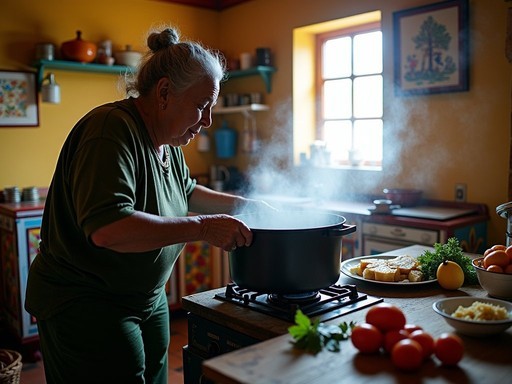
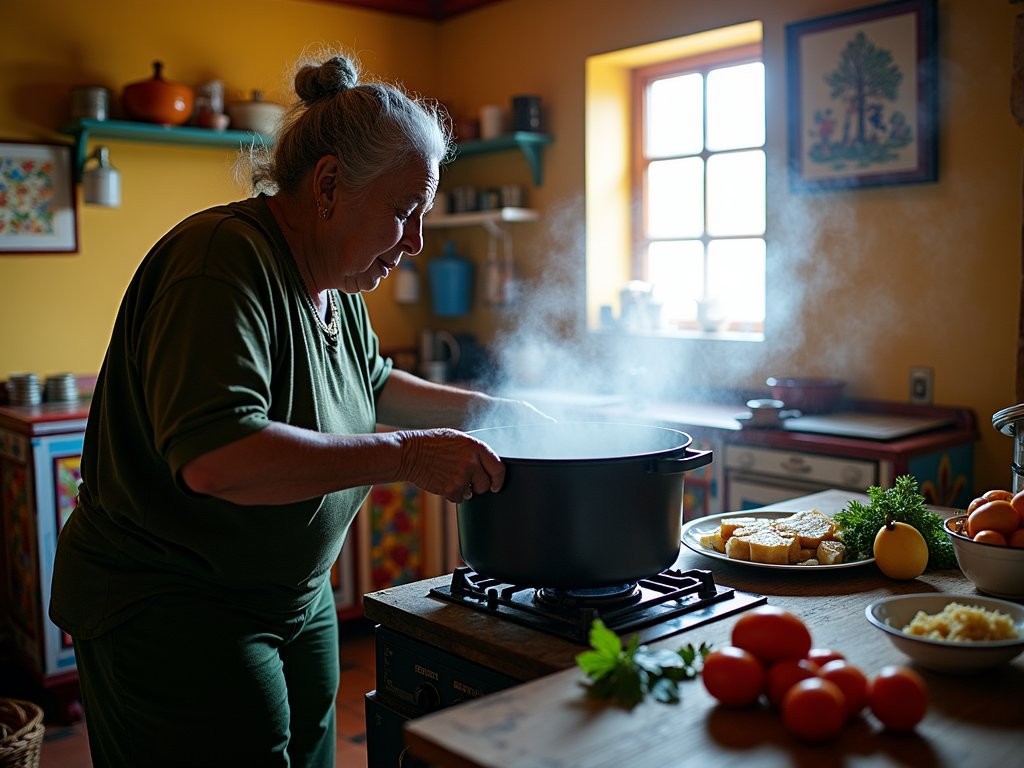
I spent one illuminating afternoon with a local chef who specializes in medicinal cooking. We prepared caldo de peixe (fish broth) infused with local herbs specifically sequenced to aid digestion. The precision in her methodology – which ingredients were added when, at what temperature, with what intention – mirrored the protocols we follow when administering medications.
For travelers with dietary restrictions, Cape Verde presents challenges but also opportunities. I navigate food sensitivities by carrying a food allergy translation card in Portuguese, which proved invaluable in smaller establishments. Most restaurants in Santa Maria can accommodate basic dietary needs, but understanding the cultural significance of food sharing helps navigate potential awkwardness when declining certain dishes.
💡 Pro Tips
- Visit the Santa Maria fish market before 9am to see the morning catch and preservation process
- Ask for 'cachupa refogada' (refried cachupa) for breakfast – it's the traditional way to use leftovers
- Look for restaurants where locals eat their Sunday lunch – this is when traditional dishes are most authentic
Sacred Waters: Connecting with Cape Verde's Maritime Spirituality
Water holds memory. This isn't just poetic metaphor but scientifically documented reality – water molecules arrange themselves differently based on their environment. As someone who's witnessed both the destructive and healing properties of water throughout my emergency response career, I'm drawn to how coastal cultures develop spiritual relationships with the ocean that surrounds them.
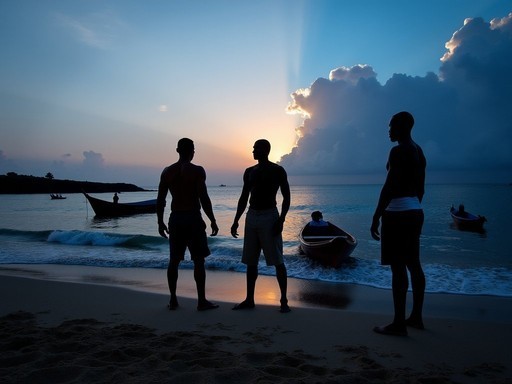
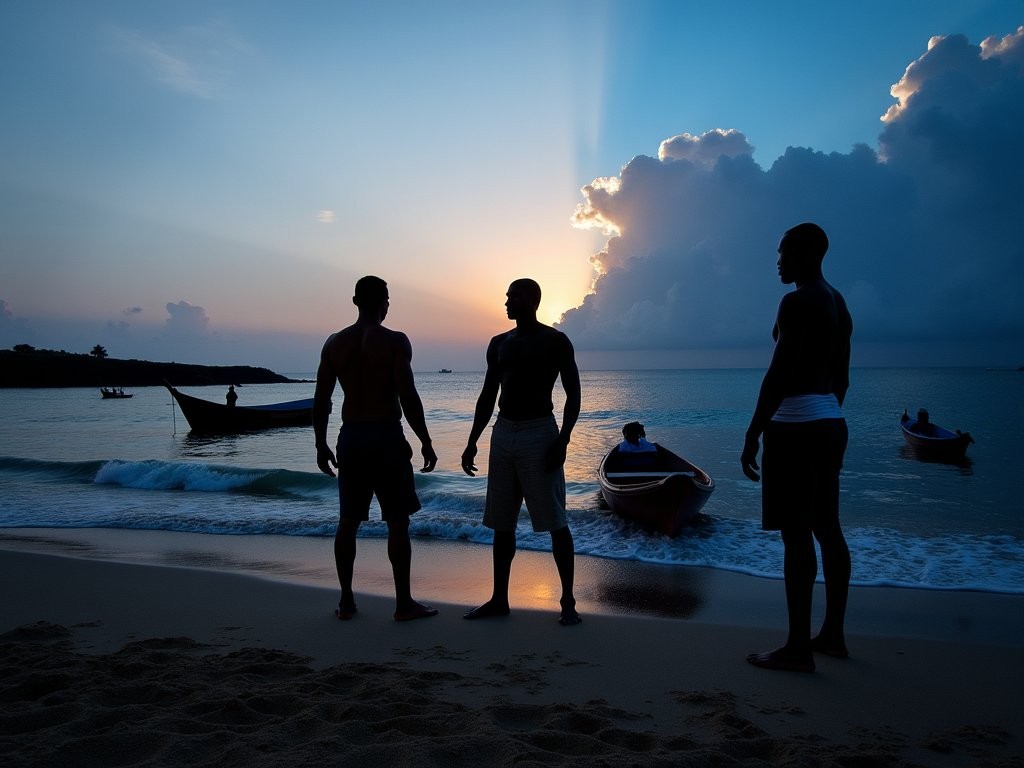
Cape Verde's relationship with water is complex and sacred. The Atlantic that isolates these islands also connects them to three continents, creating a unique maritime spirituality that blends African, European, and indigenous beliefs. On the northeastern coast of Sal, I participated in a predawn ritual that local fishermen perform before venturing to sea – a practice combining Catholic prayer with West African water spirits.
My guide, Manuel, a third-generation fisherman with hands mapped by salt and sun, explained that these rituals aren't superstition but practical spiritual technology. "The ocean gives life but demands respect," he said, pouring a small libation of grogue (local sugar cane spirit) into the waves. "This is how we maintain balance."
As someone who's performed emergency water rescues, I recognized the psychological function of these rituals – they acknowledge danger while affirming human agency, creating mental preparedness for the unpredictable nature of the sea.
Further inland, I discovered how freshwater scarcity shapes spiritual practice. Natural springs on this arid island are treated as sacred sites, with specific protocols for approach and collection. At one such spring near Espargos, I observed an elderly woman performing a cleansing ritual that struck me as remarkably similar to the sterile technique we use in emergency medicine – a methodical approach that honors both practical necessity and deeper meaning.
For visitors wanting to experience Cape Verde's water spirituality respectfully, timing matters. The Festival of São João (St. John) in June features water rituals where even outsiders may participate if properly invited. During my stay, I found that simply sitting quietly near the fishermen's harbor at dawn, observing without intruding, often led to organic conversations about these practices.
I documented these experiences using my underwater camera, which allowed me to capture both above and below the waterline – a visual representation of how Cape Verdean spirituality exists at the threshold between worlds. The resulting images reveal patterns in water movement that echo the sacred geometry I'd observed throughout the island's cultural spaces.
💡 Pro Tips
- Visit fishing harbors before sunrise to observe pre-fishing rituals (maintain respectful distance)
- Bring a small offering (flowers or fruit, never money) when visiting natural springs
- Learn basic greetings in both Portuguese and Cape Verdean Creole to show respect when approaching sacred spaces
Cultural Crossroads: Navigating the African-Portuguese Fusion
Cape Verde exists at a unique cultural intersection – geographically African yet deeply influenced by Portuguese colonialism, with additional layers from its role in transatlantic trade. This creates a cultural complexity that defies simple categorization, something I recognize from navigating my own mixed Scottish-Canadian and Mi'kmaq heritage.
In Santa Maria, this fusion manifests most visibly in language. Cape Verdean Creole (Kriolu) serves as the heart language of everyday life, while Portuguese remains the language of government and education. The melodic flow between these languages creates a linguistic ecosystem where code-switching isn't just common but art form. During my two weeks, I carried a small phrasebook and made daily efforts to learn new Kriolu expressions, which invariably delighted locals accustomed to tourists defaulting to English.
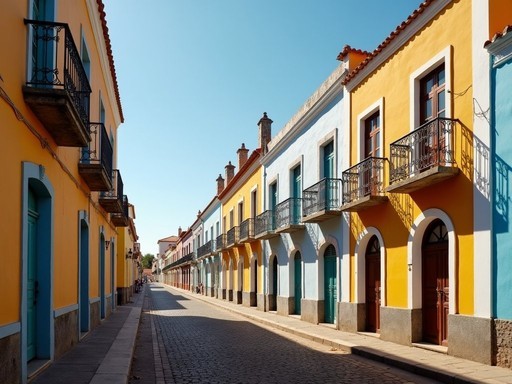
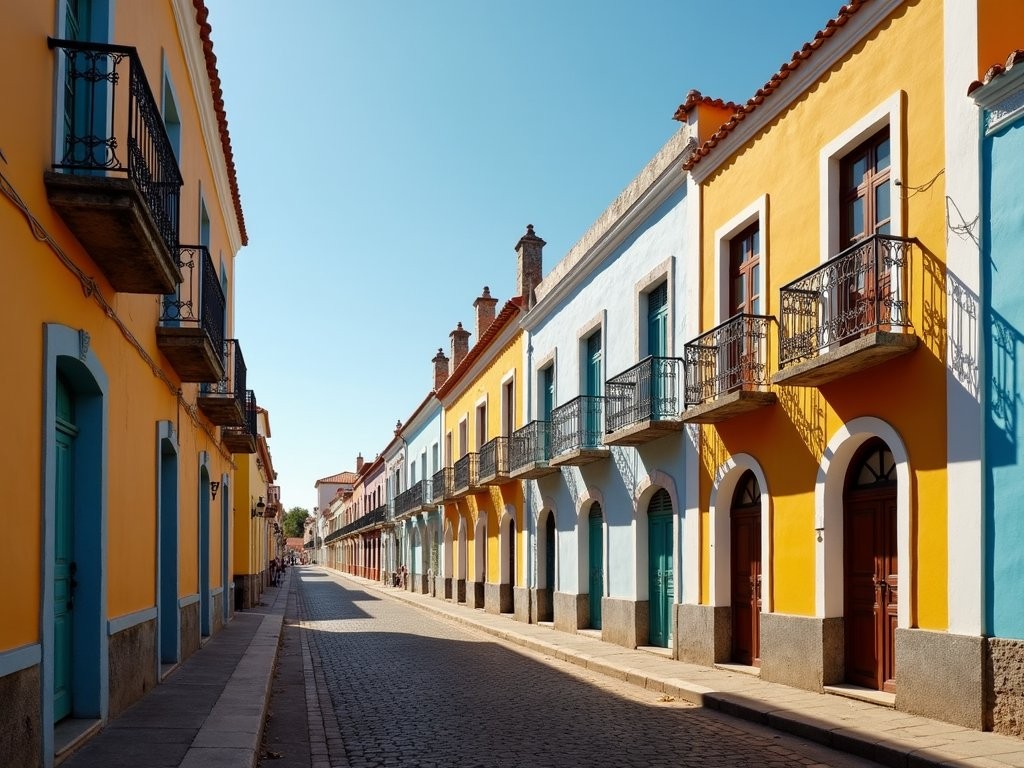
The architectural landscape tells this fusion story visually. Portuguese colonial buildings with their distinctive pastel facades and ornate balconies stand alongside structures that incorporate African spatial concepts – particularly the importance of communal courtyards and transitional spaces between public and private realms. In Santa Maria's older neighborhoods, I noticed how homes orient around shared outdoor cooking areas, creating community bonds through daily food preparation.
Religious practice perhaps best exemplifies Cape Verde's cultural synthesis. The Catholic calendar provides the framework for major celebrations, but these events incorporate distinctly West African elements – particularly in music, movement, and spiritual cosmology. During a local saint's day celebration, I observed how Catholic imagery was adorned with symbols that predated Christianity's arrival on these shores.
For travelers seeking to understand this cultural complexity, I recommend visiting during transitional moments in the day. Sunset in Santa Maria's main plaza reveals a fascinating choreography of social interactions that demonstrate the blend of Portuguese leisure traditions (the evening passeio or stroll) with West African communal gathering practices. I spent several evenings simply observing this dance of cultural elements from a café terrace, noting patterns in my journal.
Navigating this cultural landscape respectfully requires awareness of both colonial history and contemporary identity. Cape Verdeans have forged a distinct national character from these historical influences – neither purely African nor European but uniquely Cape Verdean. As a visitor with mixed heritage myself, I found that acknowledging this complexity rather than seeking simplistic cultural categories opened meaningful conversations with locals proud of their multifaceted identity.
💡 Pro Tips
- Learn basic greetings in Kriolu rather than defaulting to Portuguese or English
- Visit both the Catholic church and traditional spiritual practitioners to understand religious syncretism
- Attend cultural performances at Santa Maria's Cultural Center where traditional and contemporary forms merge
Final Thoughts
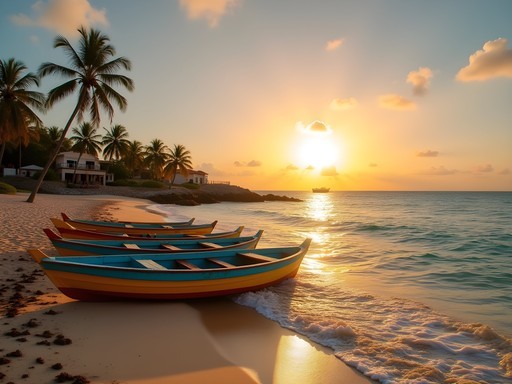
As my two weeks in Santa Maria drew to a close, I found myself sitting on the pier at sunset, watching fishermen return with their day's catch while tourists strolled by, largely oblivious to the cultural symphony unfolding around them. Cape Verde isn't simply a beach destination – it's a living laboratory of resilience, adaptation, and healing wisdom. The true magic of these islands exists in the spaces between categories – neither fully African nor European, neither entirely traditional nor modern, but something uniquely Cape Verdean that defies easy classification. For couples seeking connection beyond the typical resort experience, Santa Maria offers a rare opportunity to witness how different cultural traditions can blend into something greater than their parts. This is the lesson Cape Verde offers our divided world – that boundaries are permeable, that healing comes through integration rather than separation, and that the most sacred spaces often exist at the crossroads. As you plan your own journey to these remarkable islands, I encourage you to pack not just sunscreen and swimwear, but curiosity and respect for the cultural depth that makes Cape Verde truly extraordinary.
✨ Key Takeaways
- Cape Verde's cultural identity emerges from the fusion of African, Portuguese and maritime influences
- Traditional healing practices incorporate both physical remedies and community-based wellness approaches
- Music serves as both cultural preservation and healing modality throughout Cape Verdean society
- Respectful cultural engagement requires understanding Cape Verde's complex colonial history and contemporary identity
📋 Practical Information
Best Time to Visit
September to November (fall shoulder season)
Budget Estimate
$80-120 USD per day for mid-range accommodations, meals and activities
Recommended Duration
Minimum 10 days, ideally 2 weeks
Difficulty Level
Beginner
Comments
islandphotographer
What camera gear did you bring Sage? Heading there in March and trying to figure out what to pack. Also, were locals comfortable being photographed during ceremonies and cultural events?
Sage Dixon
Always asked permission first! Most people were fine with it once we'd built rapport. I kept it simple - mirrorless camera and one versatile lens. The light there is incredible so you don't need much.
dreamnomad976
Pro tip for anyone going - stay in a local guesthouse rather than the resort strip. We stayed with a family in Santa Maria and they invited us to a baptism celebration. Got to experience real Cape Verdean hospitality and the grandmother taught us to make cachupa from scratch. Also the live music scene in the smaller venues is where it's at. Skip the touristy beach bars.
roamseeker
This is super helpful, thanks! Any guesthouse recommendations?
dreamnomad976
Casa Familiar near the town center was perfect for us. Family run, super clean, amazing breakfast
Jean Wells
Your observations about the intersection of food, medicine, and culture in Cape Verde align with patterns I've documented across West African islands. The cachupa you described isn't just comfort food - it's a preservation of agricultural history and communal healing practices. I'd be curious to know if you encountered any resistance to outsiders participating in traditional medicine ceremonies, or if locals were generally welcoming? In my solo travels through similar communities, I've found the key is approaching with genuine respect rather than tourist curiosity. The 'sacred geometry' framework you've applied here is particularly insightful.
Sage Dixon
Great question Jean. I found locals incredibly welcoming when I approached with humility and genuine interest. Building relationships over days rather than expecting instant access was key. The sacred geometry concept came from conversations with a local artist who explained how traditional practices create balance.
coollegend
The photos are stunning!! Adding this to my bucket list
Taylor Moreau
Sage, this is a wonderfully nuanced piece. I've been traveling to Cape Verde for business for nearly a decade and I'm ashamed to say I've missed much of what you've captured here. The section on music as cultural medicine particularly struck me - I've attended countless morna performances but never understood the deeper healing context. Your approach to travel writing reminds me why I started this work in the first place. Next trip, I'm blocking out extra time to explore beyond my usual hotel-office-airport routine.
roamseeker
Going there next month! Any tips for first timers?
Taylor Moreau
Learn a few words of Kriolu - locals really appreciate it. Also, don't rush. Cape Verdean time moves differently and that's part of the charm.
journeywanderer
YES!! Finally someone gets it! I spent 3 weeks in Cape Verde last year and everyone back home was like 'how were the beaches?' and I'm like... the MUSIC though! The people! The food! I took a grogue distillery tour in Santa Maria and learned so much about the island's history. The traditional medicine section really resonated with me - my host family's grandmother made this incredible herbal tea when I had a cold and I felt better within hours. Did you get to visit any of the local healers Sage? Would love to know more about that experience!
Sage Dixon
The grogue tour is amazing! Yes, I spent an afternoon with a local healer named Dona Maria - absolutely transformative. She taught me about different plant medicines native to the island. Planning a follow-up post about it!
journeywanderer
Can't wait to read that!! Definitely subscribing for updates
nomadgal
Love this perspective! Question - how's the language barrier? I speak some Portuguese but is Kriolu very different? Trying to figure out if I should brush up before my trip.
Claire Hawkins
Portuguese helps but Kriolu is definitely its own thing. People really appreciate when you try though! Learn a few basic phrases and you'll be golden.
mountainperson
Going in March! Any tips on what to bring?
Sage Dixon
Light layers! It's windier than you'd expect. Also bring an open mind and patience - island time is real there :)
Claire Hawkins
Sage, this resonates so much! We took our kids to Cape Verde two years ago and stumbled into a neighborhood festa that wasn't in any guidebook. The grandmother hosting it insisted we stay for dinner and taught my daughter how to make cachupa. Those unplanned moments of genuine connection are what travel is really about. The way you describe the medicinal gastronomy reminds me of that evening - food as community, as medicine, as story. Beautiful piece.
Venture X
Premium card with 2X miles, $300 travel credit, Priority Pass