
Disclosure: This article contains affiliate links. We may earn a commission from purchases at no extra cost to you, which helps our travel content.
The first time I heard a proper pūkāea—a traditional Māori trumpet—echo through Te Papa Tongarewa, I felt it in my chest before I understood what I was hearing. That visceral connection to sound, story, and place defined my weekend exploring Māori heritage in Wellington. As someone who spent years arguing for indigenous rights to waterways back in the States, I approached this experience with both curiosity and respect, knowing that authentic cultural immersion requires listening more than observing. Wellington offers something rare: indigenous culture woven seamlessly into a modern capital city, accessible yet profound.

Te Papa Tongarewa: Your Essential Starting Point
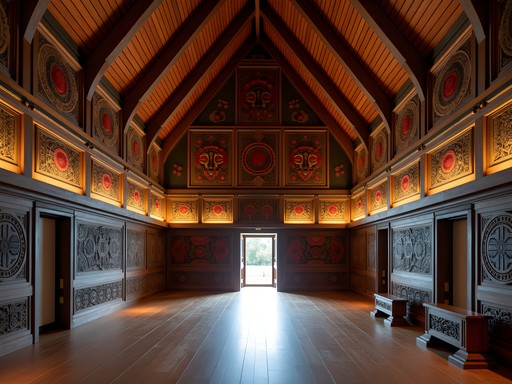
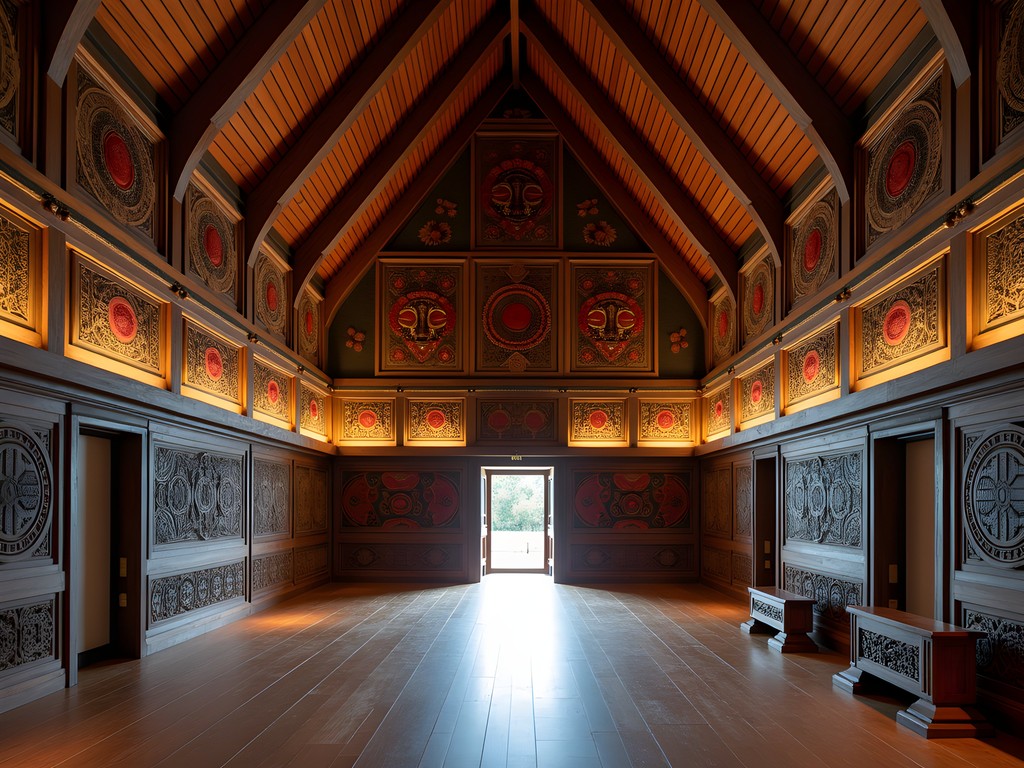
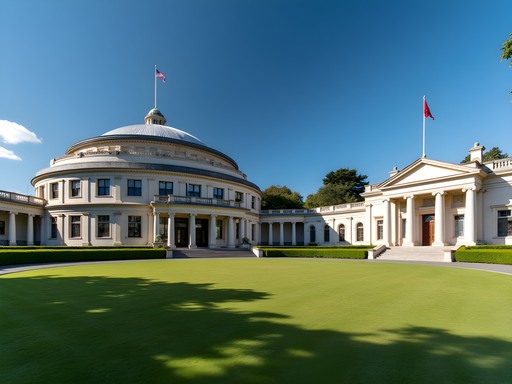
Te Papa—which translates to 'our place'—isn't just New Zealand's national museum; it's the most comprehensive introduction to Māori culture you'll find anywhere. The fourth floor houses the Māori galleries, where you'll encounter everything from ancestral wharenui (meeting houses) to contemporary Māori art that challenges colonial narratives.
I spent nearly four hours here on my first visit, and honestly, I could have used six. The Treaty of Waitangi exhibition provides crucial historical context—as a lawyer, I found the legal implications of this 1840 document fascinating and troubling. The museum doesn't shy away from difficult truths about colonization, which I deeply respect.
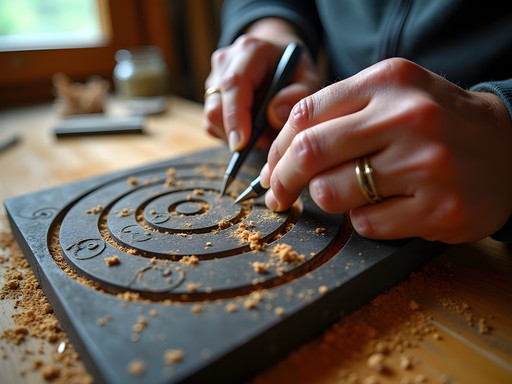
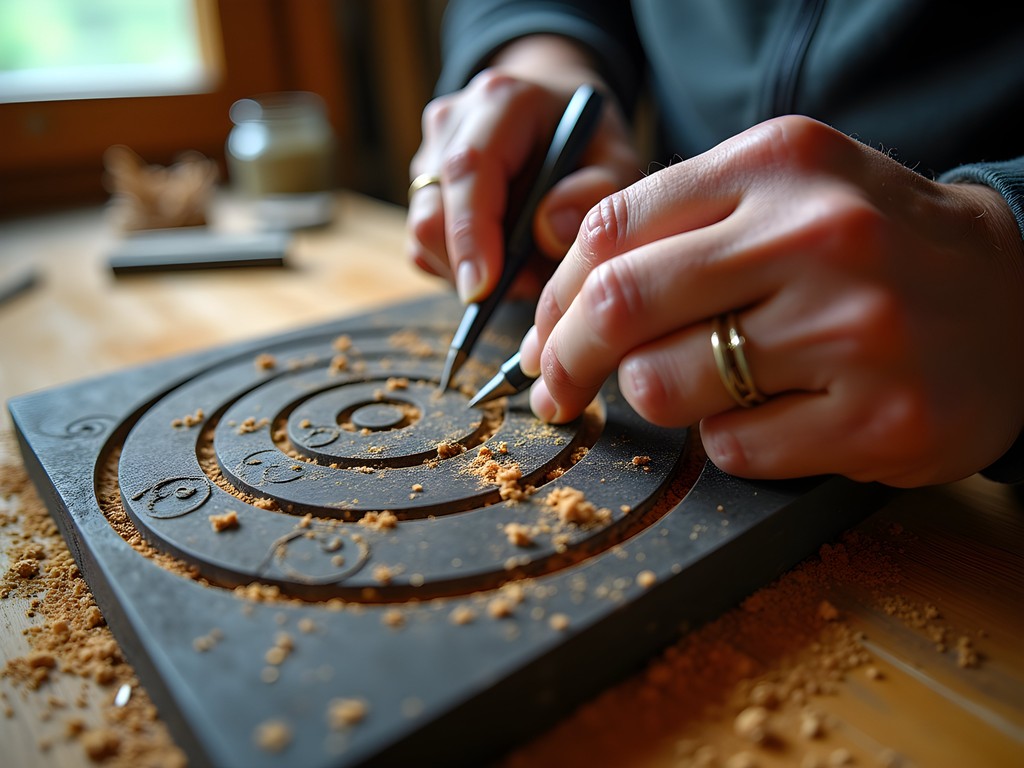
The interactive elements make this accessible for all knowledge levels. Don't miss the marae (ceremonial gathering place) where you can participate in a pōwhiri (welcoming ceremony) if you time it right. I'd recommend bringing a portable phone charger because you'll be using your phone constantly for the audio guides and taking photos of the intricate whakairo (carvings).
💡 Pro Tips
- Visit on weekdays before 11am to avoid cruise ship crowds
- Download the Te Papa app beforehand for enhanced audio tours
- Allow at least 3 hours just for the Māori galleries—don't rush this
Zealandia: Where Culture Meets Conservation
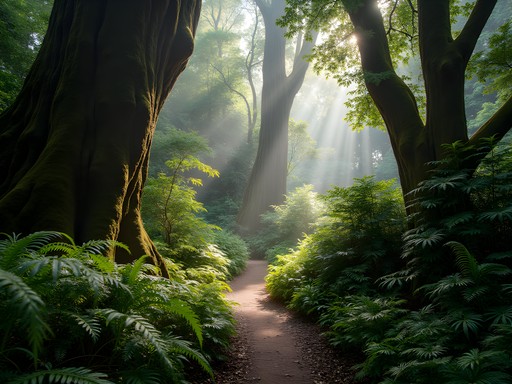
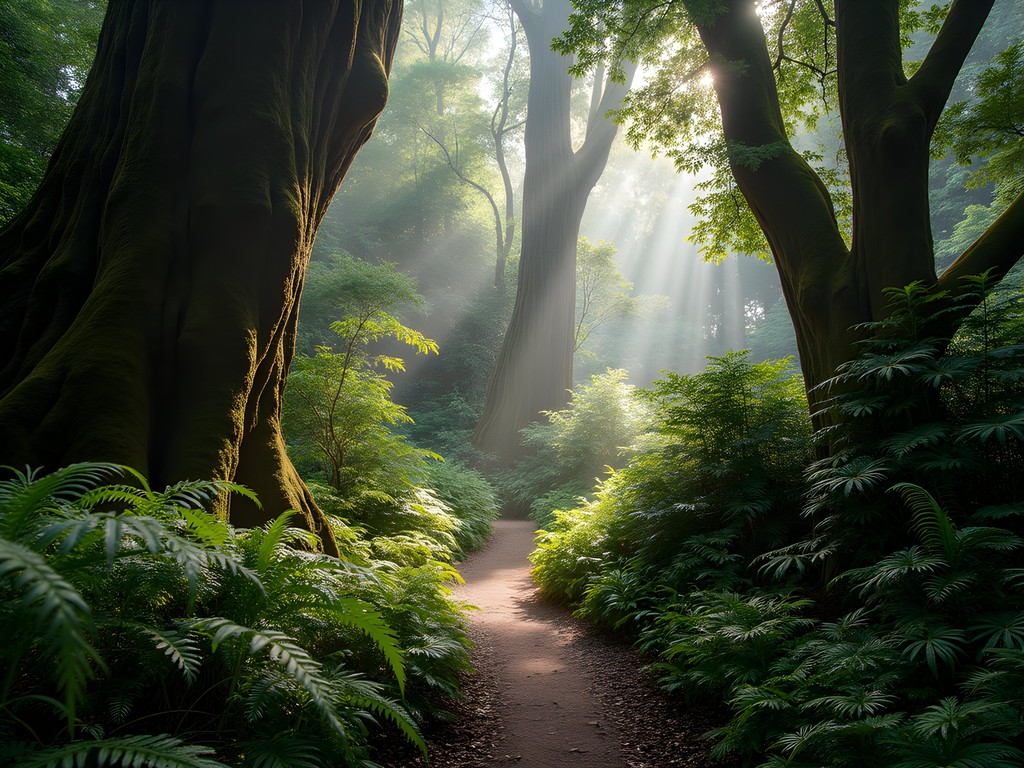
Here's where my environmental law background and travel interests collide beautifully. Zealandia is a 225-hectare ecosanctuary just ten minutes from downtown Wellington, and it's deeply connected to Māori concepts of kaitiakitanga (guardianship of the environment).
The sanctuary works closely with local iwi (tribes) to restore the landscape to its pre-human state. I joined the dawn chorus tour—yes, it starts at 6am, and yes, it's worth it—where our guide explained how Māori oral traditions preserved knowledge about extinct species long before Western science caught up. The legal framework protecting this sanctuary incorporates both Crown law and Māori customary rights, creating a model I wish we'd implement more in the States.
The night tours are magical. Tuatara—ancient reptiles that predate dinosaurs—emerge after dark, and seeing them feels like witnessing a living connection to the stories carved into those wharenui at Te Papa. Bring layers; Wellington's wind is no joke after sunset. I wore my merino wool base layer under a fleece and was perfectly comfortable.
💡 Pro Tips
- Book the dawn or dusk tours for the best wildlife viewing and smallest crowds
- The Māori-focused tours run select Saturdays—check the website and book ahead
- Wear sturdy hiking shoes; the trails can be muddy and steep in sections
Whairepo Lagoon: Urban Waterway with Deep Roots
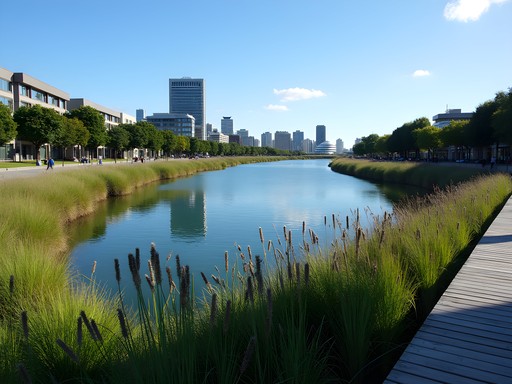
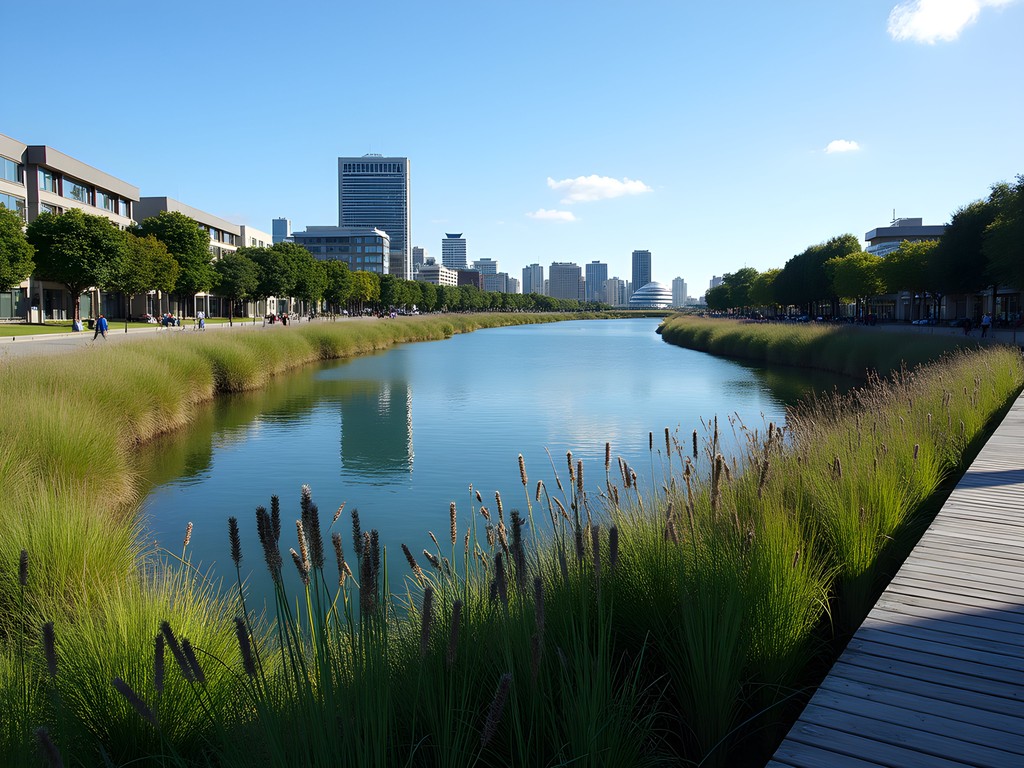
As someone who literally fought for river rights, I was drawn to Whairepo Lagoon on Wellington's waterfront. This might seem like just another pleasant urban water feature, but it's actually a carefully restored wetland that holds significance for Te Ātiawa, the local iwi.
The lagoon was once part of a larger wetland system that provided mahinga kai (food gathering places) for Māori communities. Colonial development buried it under reclaimed land, but recent restoration efforts—guided by mātauranga Māori (Māori knowledge)—have brought it back. The interpretive signs along the waterfront walk explain how traditional resource management practices are being reintegrated into modern urban planning.
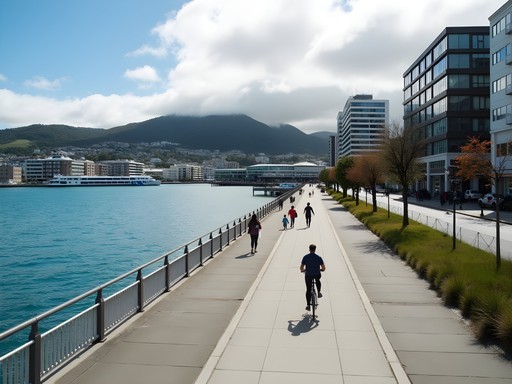
I spent an hour here just watching the water and reading the bilingual signage. It's a quiet spot for reflection, and it illustrates something crucial: Māori culture in Wellington isn't confined to museums and formal experiences. It's embedded in the landscape itself, if you know where to look. The waterfront walk is perfect for an early morning run or bike ride—I grabbed one of the city's bike-share bikes and covered the whole route in about 45 minutes.
💡 Pro Tips
- Visit during low tide to see the full extent of the lagoon ecosystem
- The nearby Wharewaka Function Centre offers Māori cultural performances and hangi dinners
- Download the Wellington Waterfront Walk app for additional historical context

Practical Cultural Engagement: What You Need to Know
Here's where my legal training comes in handy—understanding the protocols. Māori culture has specific tikanga (customs) that visitors should respect, and Wellington's cultural institutions do an excellent job explaining these without making you feel like you're walking on eggshells.
When visiting marae or participating in cultural experiences, a few basics: remove shoes before entering buildings, don't sit on tables (they're for food), and if you're invited to speak during a pōwhiri, keep it brief and sincere. Photography rules vary—always ask first, especially during ceremonies.
I'd recommend picking up a copy of Māori Made Easy before your trip. Learning even basic greetings like 'Kia ora' (hello) and 'Ngā mihi' (thanks) shows respect and opens doors. I fumbled through a few phrases at Te Papa and had the most wonderful conversation with a Māori elder who appreciated the effort, however imperfect.
For food experiences, seek out restaurants incorporating Māori ingredients and techniques. I had an incredible meal at a place using traditional hāngī cooking methods—food slow-cooked in an earth oven—paired with contemporary New Zealand wine. The intersection of traditional and modern felt authentically Wellington.
💡 Pro Tips
- Book cultural experiences through Māori-owned tour operators when possible
- Ask questions respectfully—most cultural guides welcome genuine curiosity
- Budget extra for purchasing directly from Māori artists and craftspeople
Beyond the Tourist Trail: Deeper Connections
If you have time beyond the weekend, consider these deeper dives: The Waiwhetu Stream restoration project in Lower Hutt involves local iwi in environmental rehabilitation—as an environmental lawyer turned traveler, I found this fascinating. The Wellington Tenths Trust occasionally offers public talks about urban Māori land rights and contemporary issues.
The City Gallery Wellington often features Māori contemporary artists whose work challenges, provokes, and celebrates indigenous identity in the 21st century. I saw an exhibition that used traditional weaving techniques with modern materials like fiber optics—mind-blowing.
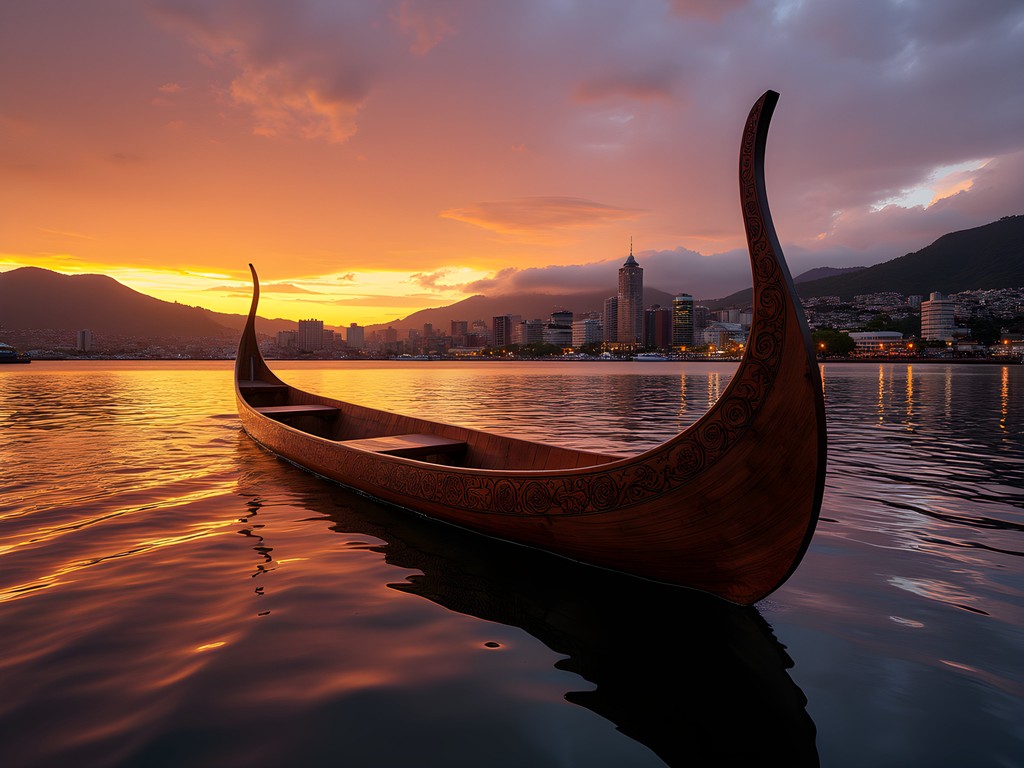
For couples specifically, I'd suggest the evening cultural performance at Wharewaka, followed by dinner at one of the nearby waterfront restaurants. It's intimate, educational, and genuinely romantic in a way that doesn't feel manufactured for tourists. My friends who visited as a couple said it was a highlight of their New Zealand trip.
One last resource: grab a New Zealand guidebook that includes detailed cultural context. The Māori language glossary alone is worth it, and it helped me understand the place names and concepts I encountered throughout Wellington.
💡 Pro Tips
- Check the Wellington City Council website for free Māori cultural events
- The Wellington Public Library has an excellent Māori history collection
- Consider timing your visit with Matariki (Māori New Year) celebrations in June/July
Final Thoughts
What struck me most about experiencing Māori heritage in Wellington wasn't the spectacular carvings or the powerful performances—though those were incredible. It was the living, breathing integration of indigenous culture into every aspect of the city. From bilingual street signs to environmental restoration projects guided by traditional knowledge, Wellington demonstrates what meaningful cultural respect looks like in practice.
As someone who's spent years in courtrooms arguing about indigenous rights, seeing those principles actually implemented in daily life was both inspiring and humbling. This isn't culture preserved in amber; it's culture actively shaping the present and future.
For couples seeking a weekend that's intellectually engaging, emotionally resonant, and genuinely transformative, Wellington's Māori heritage experiences deliver. You'll leave with more questions than answers—which is exactly as it should be. The point isn't to 'complete' your understanding of Māori culture in 48 hours; it's to begin a relationship with it that continues long after you leave.
Ready to experience Wellington's Māori heritage for yourself? Start planning now, book those cultural tours in advance, and approach the experience with open ears and an open heart. Haere mai—welcome.
✨ Key Takeaways
- Te Papa's Māori galleries provide essential context—allocate at least 3 hours
- Zealandia demonstrates how indigenous environmental knowledge informs modern conservation
- Authentic cultural engagement requires understanding and respecting tikanga (Māori customs)
📋 Practical Information
Best Time to Visit
Year-round, though June-July offers Matariki (Māori New Year) celebrations
Budget Estimate
$400-600 NZD per person for weekend including accommodation, cultural experiences, and meals
Recommended Duration
2-3 days minimum
Difficulty Level
Easy



Comments
Amit Sullivan
Beautiful piece, Cameron. As a local, I'm always pleased when visitors take the time to engage meaningfully with Māori culture rather than treating it as a photo opportunity. One thing I'd add for your readers: if you visit Whairepo Lagoon, go early morning or late afternoon. The light is spectacular, and you'll often see locals fishing there using traditional methods. I once spent an hour talking with a kuia (elder) who explained the tikanga around the waterway—it completely changed how I understood that space. Also, the City Council runs occasional guided heritage walks that connect multiple sites. Worth checking their calendar.
tripwalker7122
thanks for the tip about the heritage walks! will definitely look into that
winterperson
Just visited last week and WOW the pūkāea demonstration was incredible!! Gave me actual chills. The guide explained so much about the cultural significance and I learned way more than I expected. Also the wharenui at Te Papa is stunning, definitely don't rush through that part. Cameron you captured the experience perfectly!
happybackpacker
ok now im even more excited to go!!
happybackpacker
Really cool post! Adding this to my NZ list
tripwalker7122
How long should I plan for Te Papa? heading there in march and trying to figure out my schedule
Amit Sullivan
I'd give yourself at least 3-4 hours, honestly. The Māori galleries alone could take you two hours if you really engage with everything. And if there's a cultural performance happening, definitely stay for that—they're usually around 45 minutes and absolutely worth it.
tripwalker7122
perfect thanks! will plan for a full afternoon then
mountainadventurer
YES! Wellington is so underrated for cultural tourism. Everyone goes to Rotorua but Welly has such an authentic, lived-in feel to the Māori heritage. Plus you get the amazing food scene and craft beer as a bonus 😄
wanderluststar
Right?? The coffee alone is worth the trip lol
Amit Sullivan
Cameron, this is a beautifully written piece that honors the depth of Māori culture in our city. I've lived in Wellington for thirty years and still discover new layers to these stories. One thing I'd add for visitors: the Wellington Tenths Trust often hosts cultural workshops where you can learn basic te reo Māori phrases, traditional weaving, or carving techniques. They're usually small groups and incredibly welcoming to manuhiri (visitors). The investment in learning even a few words - kia ora, tēnā koe, ka pai - opens so many doors. And if you're here on a weekend, the harbourside market sometimes has Māori artisans selling authentic pounamu and bone carvings - much more meaningful than tourist shop replicas.
springbuddy
OMG I'm going to Wellington in March and this post has me SO EXCITED!!! Adding all of these to my itinerary right now. The Whairepo Lagoon looks stunning in your photos! 😍
backpackbackpacker4139
been to wellington twice and somehow missed zealandia both times lol. sounds like i need to go back. the conservation + culture angle sounds really cool, not just the usual museum stuff. anyone know if its easy to get to without a car? staying in the city center when i go back in march
Sarah Powell
There's a shuttle from the city! I took it and it was super easy. Runs pretty regularly during the day.
backpackbackpacker4139
awesome thank you!
hikingrider
This might sound dumb but what's the proper etiquette when visiting Māori cultural sites? I don't want to be disrespectful as a first-time visitor to NZ.
Amit Sullivan
Not dumb at all! Great question. Generally: don't sit on tables (they're for food, considered tapu), remove shoes when entering wharenui (meeting houses), and don't eat or drink inside sacred spaces. Most importantly, just be respectful and observant - if you're unsure, ask. Kiwis and especially Māori hosts appreciate genuine interest and questions.
hikingrider
Thank you so much! Really helpful.
cityblogger
do you need to book the cultural performances in advance or can you just show up??
Cameron Lawson
Definitely book ahead, especially in summer. Te Papa's performances can fill up quickly. Check their website a few days before you visit.
Venture X
Premium card with 2X miles, $300 travel credit, Priority Pass