Disclosure: This article contains affiliate links. We may earn a commission from purchases at no extra cost to you, which helps our travel content.
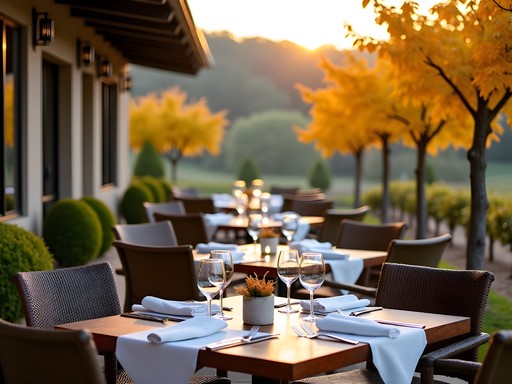
Standing in the early morning mist at Hahoe Folk Village, watching steam rise from a bowl of freshly made Andong jjimdak, I realized this city had hit it out of the park—culinarily speaking. Andong isn't just South Korea's spiritual heartland; it's a place where food tells stories that stretch back centuries. My mother taught me that the best way to understand a culture is through its stars and its cuisine, and in Andong, both shine brilliantly. This fall, I spent a week eating my way through this UNESCO City of Folk Traditions, and what I discovered was a batting lineup of flavors that could rival any world-class restaurant scene.

The Andong Soju Experience: More Than Just a Drink
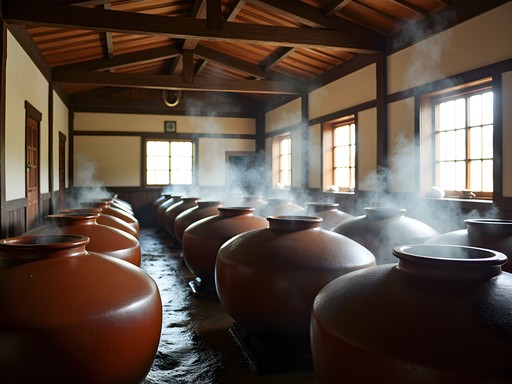
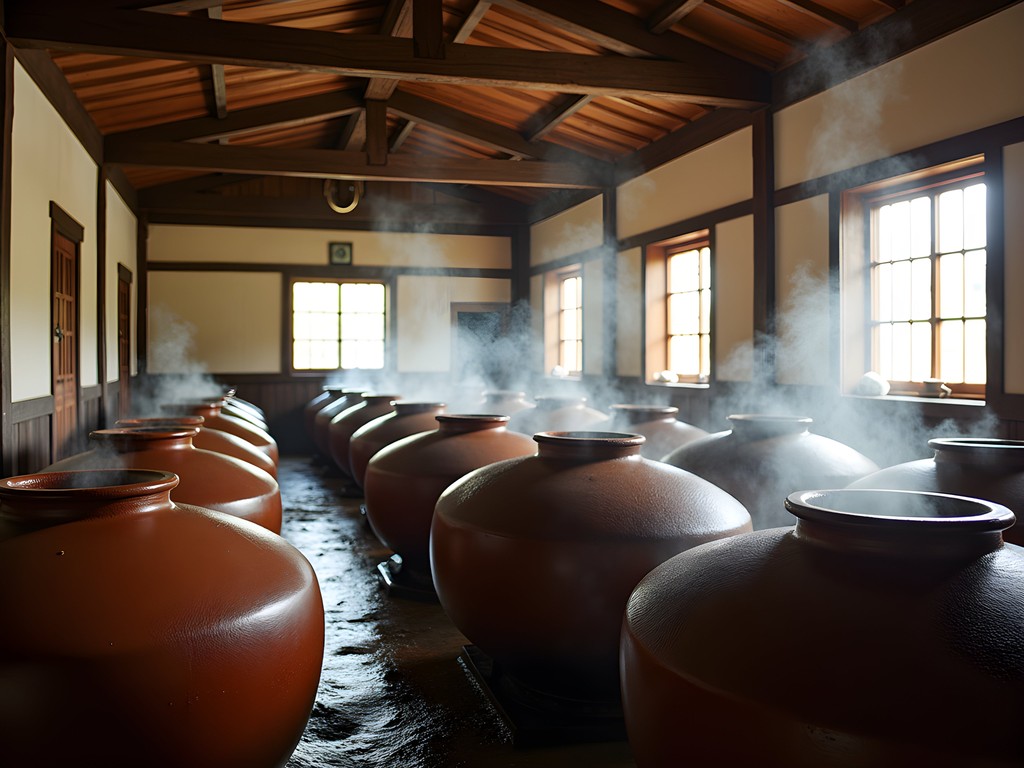
Let me be straight with you: Andong soju isn't the stuff you slam at Seoul karaoke bars. This is the original, distilled using traditional methods that date back to the Goryeo Dynasty. At 45% alcohol, it's nearly triple the strength of commercial soju, with a complex flavor profile that reminds me of a smooth sake with a kick.
I spent an afternoon at the Andong Soju Museum, where master distiller Kim Taek-sang walked me through the fermentation process. The rice, nuruk (fermentation starter), and mountain spring water create something that tastes like liquid history. Pro tip: visit Mammoth Bakery afterward—their soju bread is legendary, and yes, it contains actual Andong soju.
For the full experience, grab a bottle of authentic Andong soju from a local market and pair it with some dried squid. I packed mine carefully in a wine bottle protector for the flight home—these reusable sleeves saved my precious cargo from any baggage handling disasters.
💡 Pro Tips
- Visit the Andong Soju Museum on weekday mornings for smaller crowds and better interaction with staff
- Purchase soju directly from traditional distilleries like Boksoondoga for authentic varieties unavailable elsewhere
- Pair Andong soju with fatty foods—the alcohol cuts through richness beautifully
Andong Jjimdak: The Dish That Defines a City
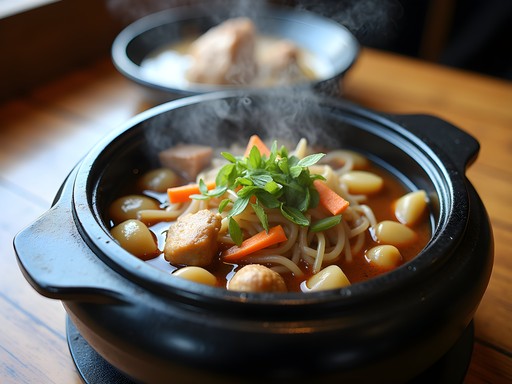
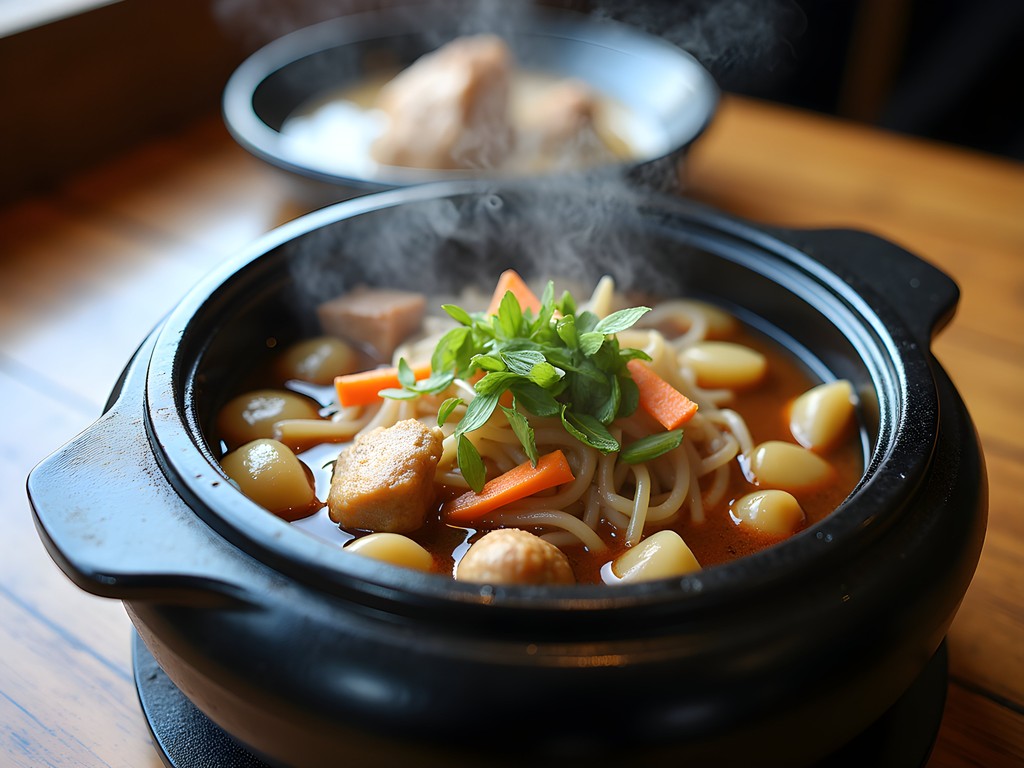
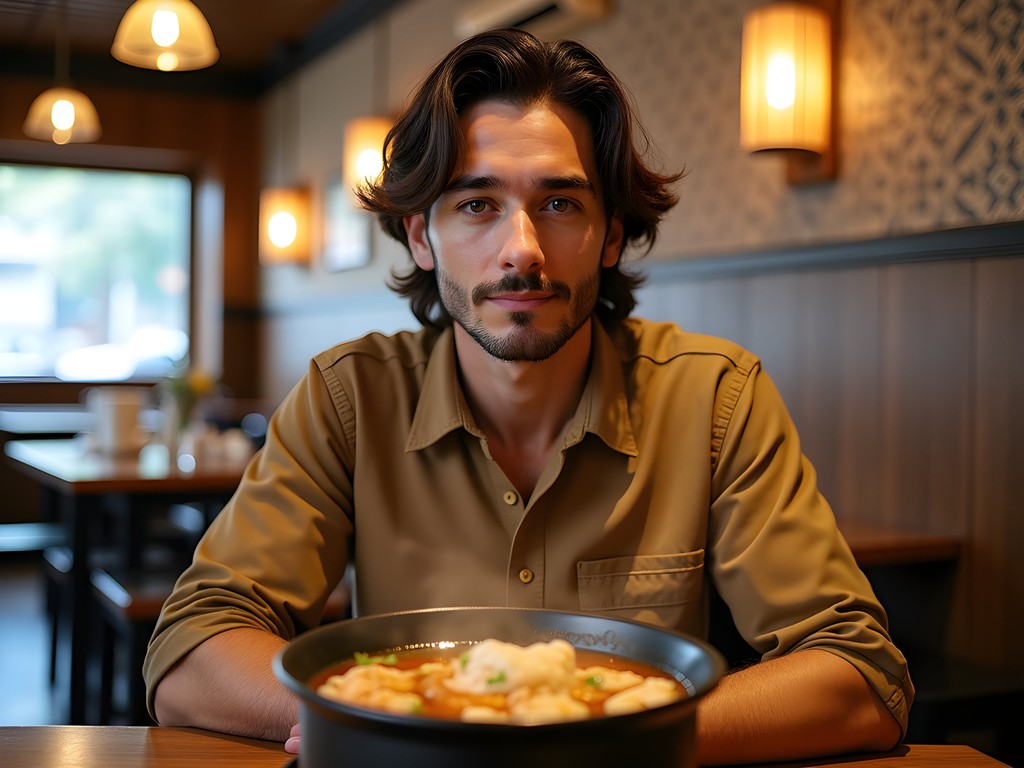
If you only eat one thing in Andong—and trust me, that would be a mistake—make it jjimdak. This braised chicken dish with glass noodles, vegetables, and a sweet-savory soy sauce is Andong's culinary home run. The name literally means 'steamed chicken,' but it's actually braised, which tells you everything about how food traditions evolve.
I hit up three famous jjimdak restaurants during my week: Jjimdak Alley near Andong Station (the tourist favorite), Heotjesabap (where locals actually eat), and Mammoth Restaurant (yes, different from the bakery). Each had its own style—some sweeter, others spicier, but all absolutely stellar.
The key is in the dangmyeon (sweet potato glass noodles) that soak up that incredible sauce. I watched the ajumma at Heotjesabap prepare a massive pot, and the technique is all about timing—add the vegetables at precise intervals so everything finishes perfectly. She told me, through my limited Korean and lots of hand gestures, that patience is everything. Gaman, gaman—wait, wait—my mother would say the same thing.
One practical note: jjimdak is typically served family-style and portions are huge. Order the medium size even if you're solo; you'll want leftovers. I brought a insulated food container on my day trips to keep leftovers warm for lunch—game changer for budget travelers.
💡 Pro Tips
- Order jjimdak medium-spicy first; you can always add more gochugaru (red pepper flakes) at the table
- Visit Jjimdak Alley around 11:30 AM to beat the lunch rush but still get fresh preparations
- Ask for extra dangmyeon (glass noodles) at no charge—most restaurants happily oblige
Hahoe Village: Where Food Meets Living History
About 30 minutes from downtown Andong, Hahoe Folk Village isn't just a UNESCO World Heritage site—it's a functioning village where people actually live in traditional hanok houses. And where there are people, there's incredible food.
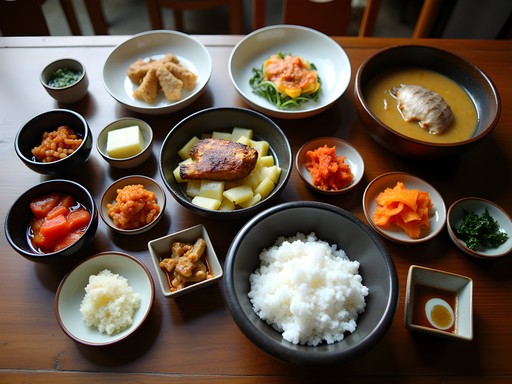
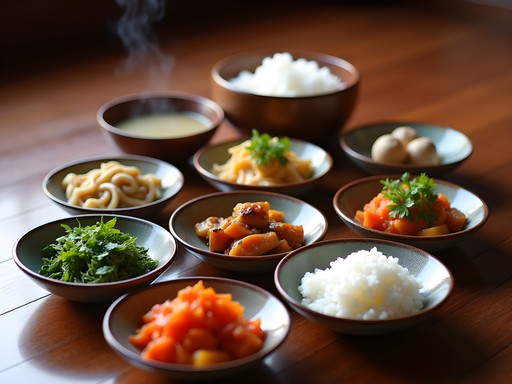
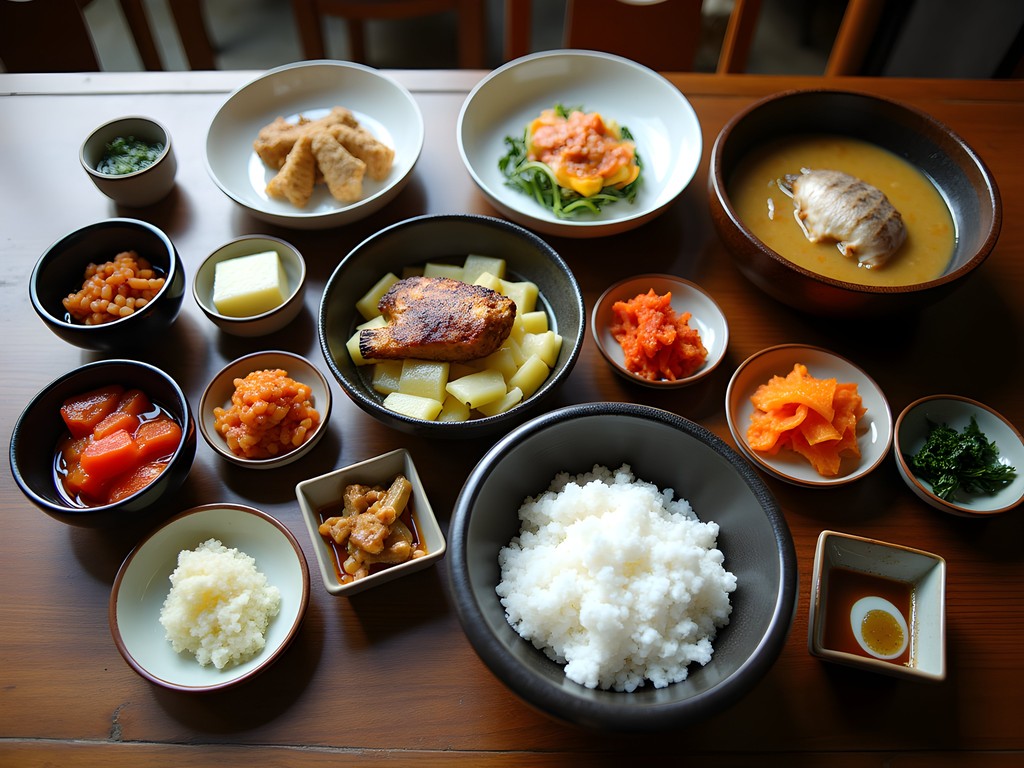
I stayed at a hanok guesthouse run by a family that's lived there for six generations. Breakfast was a revelation: homemade doenjang jjigae (fermented soybean paste stew), freshly made kimchi, grilled mackerel, and about a dozen banchan (side dishes). My host grandmother, who spoke no English, taught me how to properly fold ssam (lettuce wraps) with rice, ssamjang, and whatever else looked good. It reminded me of my mother showing me how to fold origami—precise, deliberate, with centuries of technique behind every movement.
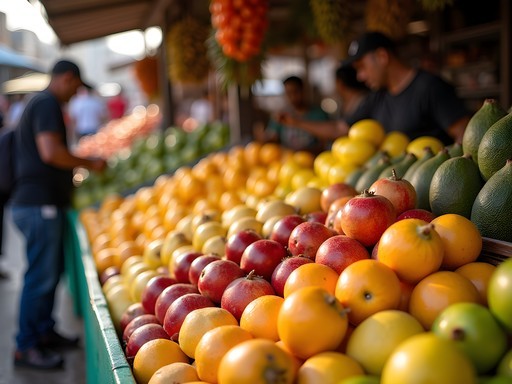
The village market operates on weekends and is where locals source ingredients. I picked up some dried persimmons, locally made gochugaru, and a jar of aged doenjang that smelled like umami heaven. For anyone serious about Korean cooking, this is your ingredient home run.
One unexpected highlight: the mask dance performances happen regularly, and afterward, there's always a communal meal. I've been to my share of cultural performances around the world, but eating with the performers and other villagers felt genuinely special—like being invited into someone's home rather than watching from the bleachers.
💡 Pro Tips
- Book hanok accommodation at least two months ahead for fall visits—the village has limited guesthouses
- Bring a reusable water bottle; the village has few convenience stores but several natural spring water sources
- Attend the Hahoe Mask Dance performance at 3 PM on weekends, then join the communal dinner if offered

Street Food and Market Adventures
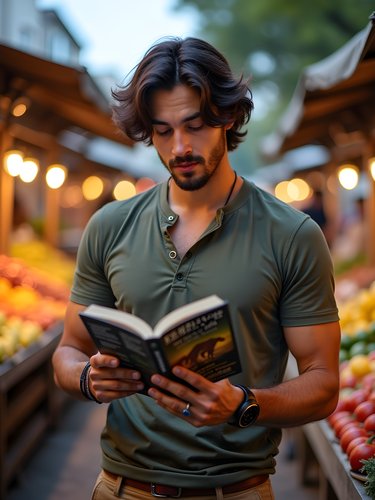
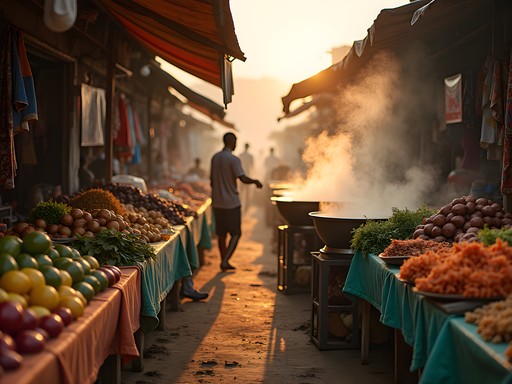
Andong's traditional market (Andong Gudam Market) operates daily and transforms into a night market on weekends. This is where I found some of my favorite cheap eats and cultural moments.
The heotjesabap stalls serve traditional meal sets in brass bowls—the name means 'fake ritual food' because it mimics the elaborate dishes prepared for ancestral rites but made affordable for commoners. It's basically Korea's original meal prep concept, and it's brilliant. For about $8, you get soup, rice, and an array of banchan that would cost triple in Seoul.
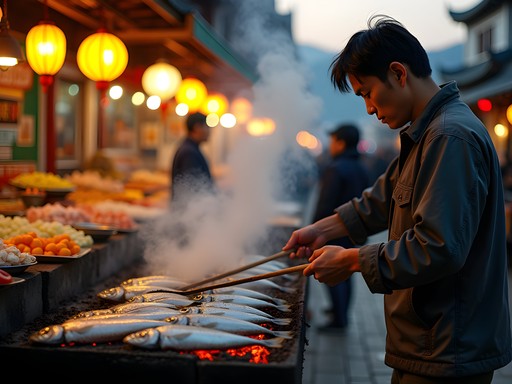
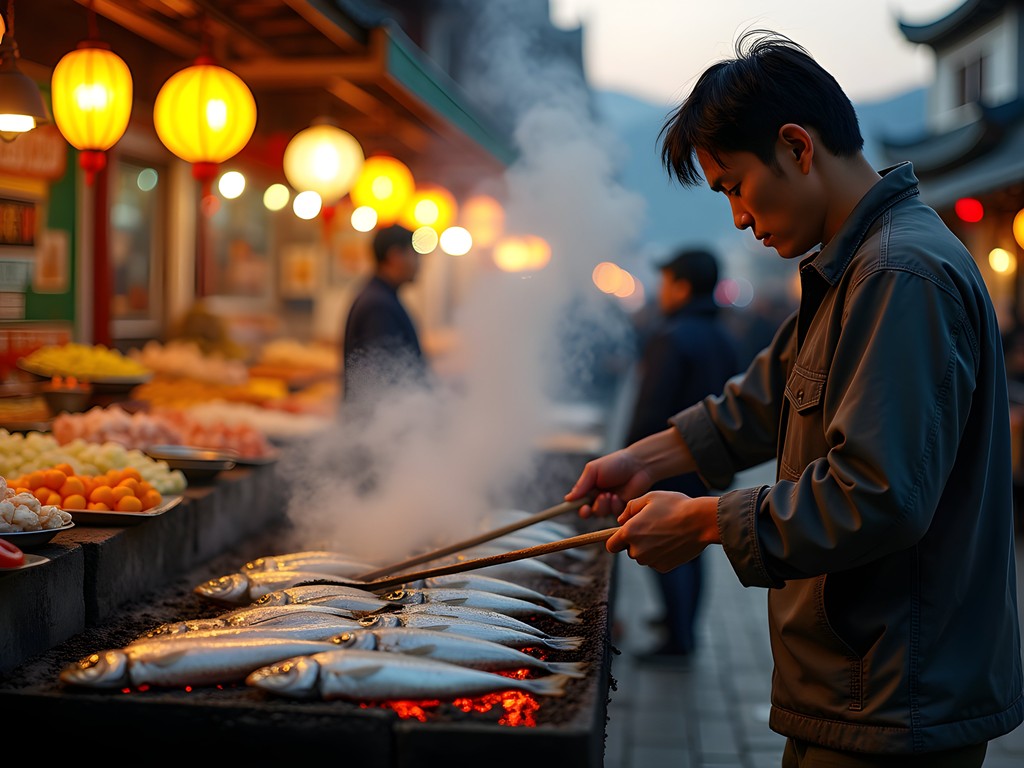
I also discovered Andong's saba (mackerel) obsession. The city is landlocked, but centuries ago, mackerel was salted and transported from the coast. Now it's a local specialty, grilled fresh and served with mu-namul (seasoned radish) and ssamjang. The fish stalls open around 5 PM, and the smell alone is worth the visit.
For solo travelers, the market is perfect for assembling picnic supplies. I'd grab some freshly made hotteok (sweet pancakes), dried persimmons, and local rice cakes, then head to Woryeonggyo Bridge for sunset. The bridge lights up beautifully at night, and eating while watching the Nakdong River flow by became my evening ritual.
Practical gear note: Korean markets get crowded, and you'll want your hands free. I used a crossbody bag to keep my phone, wallet, and snacks secure while browsing—the slash-proof construction gave me peace of mind in crowded spaces.
💡 Pro Tips
- Visit the market around 4 PM when vendors are setting up but crowds haven't arrived yet
- Bring cash—many vendors don't accept cards, and ATMs can have long lines on weekends
- Try the dried persimmons from stalls near the east entrance; they're sweeter and less expensive than packaged versions
Temple Food and Seasonal Specialties
One of my most memorable meals happened at Bongjeongsa Temple, about 16 kilometers from downtown. This isn't a restaurant—it's an actual Buddhist temple where you can arrange temple stay programs that include communal meals.
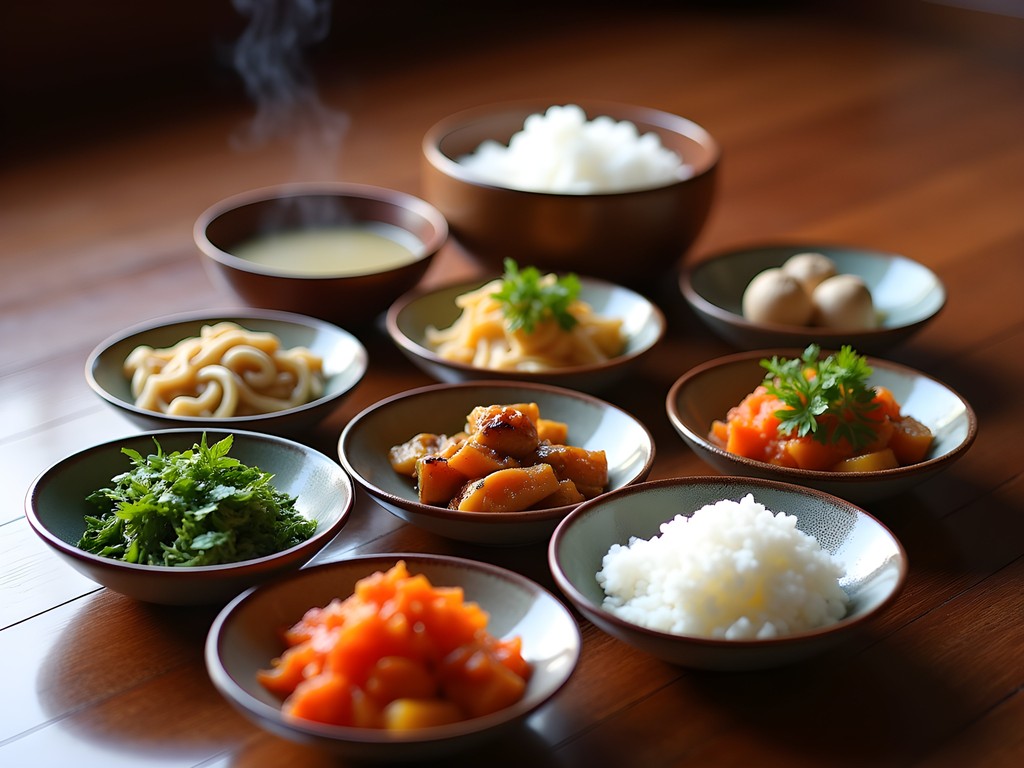
Temple food (sachal eumsik) is vegan, uses no alliums (garlic, onions, etc.), and focuses on seasonal ingredients prepared simply. After years of eating my way through elaborate dishes, the simplicity hit different. Sesame-seasoned vegetables, mushroom soup, perfectly cooked barley rice, and homemade tofu that tasted like clouds. The monk who served us explained that mindful eating is part of practice—every bite intentional, nothing wasted.
Fall is ideal for this experience because it's persimmon and chestnut season. The temple grounds were covered in falling leaves, and we helped harvest chestnuts before the meal. It reminded me of my mother's philosophy: understanding where food comes from makes it taste better. She was right, as usual.
If a full temple stay feels too intense, visit for lunch (reservations required). The temple is also one of Korea's oldest wooden structures, so you're getting cultural and culinary education in one trip. Bring a reusable utensil set—the temple appreciates visitors who minimize waste, and you'll look like you know what you're doing.
💡 Pro Tips
- Book temple stay programs at least three weeks in advance through the official Templestay website
- Wear comfortable, modest clothing—you'll be sitting on the floor for meals
- Participate in the morning meditation and chanting even if you're not Buddhist; it enhances the food experience
Final Thoughts
Andong taught me that the best food cities aren't always the ones with Michelin stars and Instagram-famous restaurants. Sometimes they're the places where grandmothers still make kimchi the way their grandmothers did, where soju is a craft passed down through generations, and where a bowl of braised chicken can tell you more about a culture than any guidebook.
As I packed my bags—carefully wrapping my market finds in the packing cubes that kept everything organized—I realized I'd barely scratched the surface. A week in Andong is like watching the first few innings of a great baseball game: you get the rhythm, understand the strategy, but you know the best moments are still ahead.
For solo travelers, Andong offers something rare: a chance to slow down, eat exceptionally well on a mid-range budget, and connect with Korean culture in its most authentic form. The locals are patient with foreigners attempting Korean, the food is consistently excellent, and the fall colors provide a backdrop that makes every meal feel like a special occasion. Mata kite kudasai—until we meet again, Andong. I'll be back for extra innings.
✨ Key Takeaways
- Andong's food scene offers exceptional value with authentic dishes at mid-range prices, perfect for solo travelers on a budget
- Fall provides ideal weather, seasonal specialties like persimmons and chestnuts, and stunning foliage throughout the city
- Staying in Hahoe Village and participating in temple stays transforms meals from transactions into cultural exchanges
📋 Practical Information
Best Time to Visit
September through November for fall colors and comfortable temperatures
Budget Estimate
$600-900 for one week including accommodation, meals, and local transport
Recommended Duration
7 days to fully explore food culture and surrounding areas
Difficulty Level
Moderate—some Korean Language Helpful But Not Required, Cultural Customs To Learn
Comments
backpackchamp
Great post Casey! I've been to Andong three times now and it never gets old. Pro tip: if you're visiting Hahoe Village, go early morning like you did or late afternoon to avoid the tour groups. The mask dance performance at 3pm is worth catching too. And definitely hit up the traditional market on weekends - the heotjesabap (ritual food) stalls are incredible. It's food you won't find anywhere else in Korea.
islandone
oh good to know about the timing! will definitely go early
islandone
Going there next month, thanks for the tips!
skyway
how spicy is the jjimdak? i'm not great with super hot food
backpackchamp
It's actually pretty mild! You can always ask for less spice too. Most places are used to tourists asking.
dreamlegend
Beautiful photos!
Hunter Thompson
Mate, Andong is brilliant! I went last autumn and the soju museum was a proper highlight. Did you try making your own at the traditional distillery? They let you bottle some to take home. Also the jjimdak at that place near the bus terminal (can't remember the name but it had the red sign) was unreal. Way better than the touristy spots in Seoul. The whole vibe of Andong is just more authentic, you know?
skyway
which bus terminal? is it easy to get there from Seoul?
Hunter Thompson
Yeah super easy! Express bus from Dongseoul Terminal, takes about 3 hours. Buses run every hour or so.
moonzone
omg that jjimdak looks amazing!! adding this to my korea list
Venture X
Premium card with 2X miles, $300 travel credit, Priority Pass