
Disclosure: This article contains affiliate links. We may earn a commission from purchases at no extra cost to you, which helps our travel content.
When I first started researching Funchal for a weekend getaway, I approached it like debugging code—methodically analyzing each component before seeing how they integrate into something remarkable. What I discovered was a culinary ecosystem where centuries-old wine traditions intersect with Atlantic-influenced cuisine, creating experiences that reward both planning and spontaneity. This Portuguese archipelago capital offers couples an accessible entry point into sophisticated gastronomy without the pretension or price tags of mainland European wine regions.

Understanding Madeira Wine: A Technical Breakdown
Madeira wine isn't just fortified wine—it's the result of a controlled oxidation process that would ruin most wines but creates something extraordinary here. The estufagem heating method, which ranges from 45-50°C for three months, essentially accelerates aging in a predictable way. Think of it as stress-testing wine to create resilience.
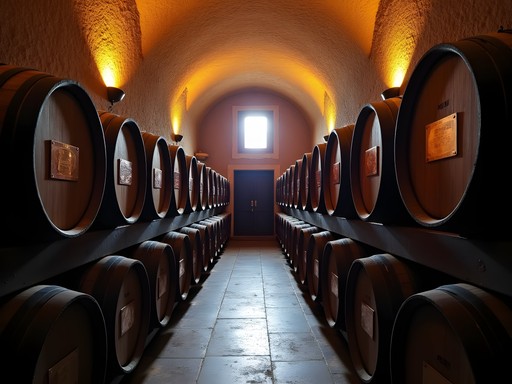
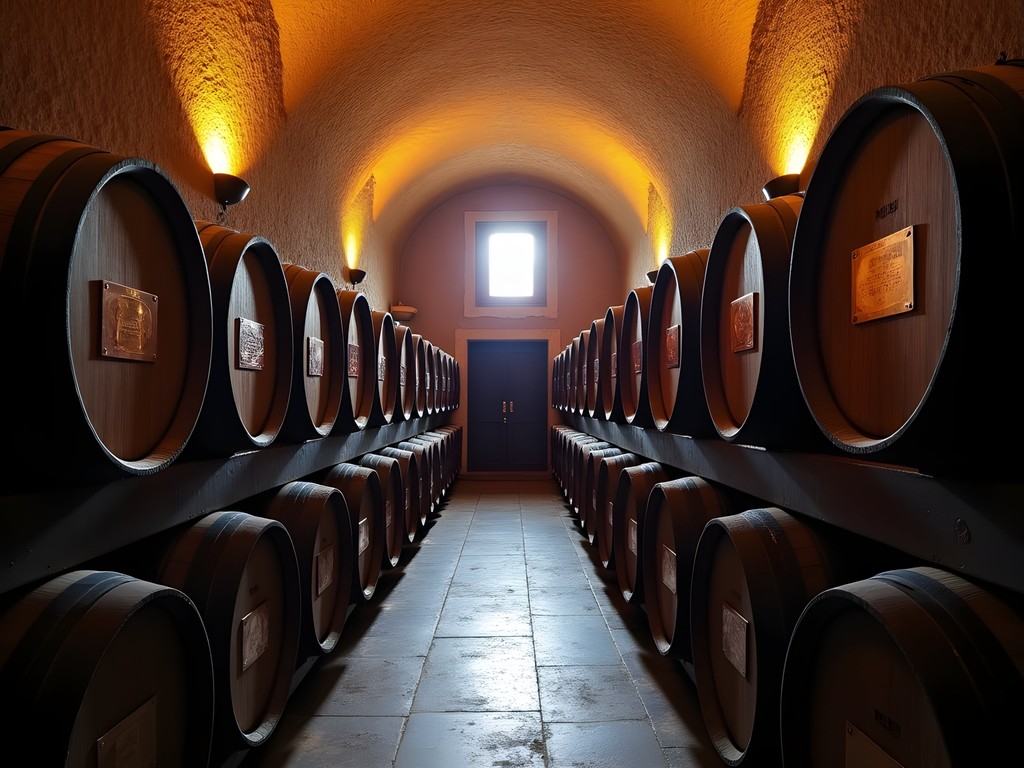
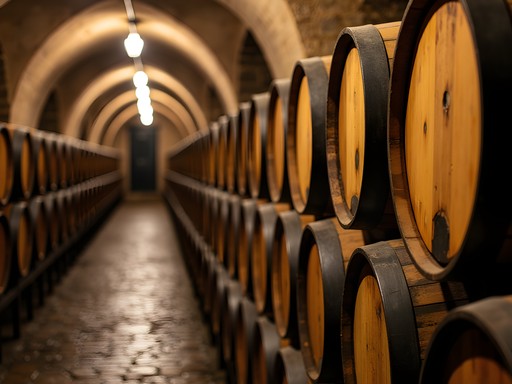
I visited Blandy's Wine Lodge in the historic zone, where 600-year-old barrels line the canteiro lofts. The guide explained how the four main grape varieties—Sercial, Verdelho, Bual, and Malmsey—map to a dryness spectrum. As someone who appreciates systematic categorization, this clicked immediately. Start with a Verdelho if you're uncertain; it's the medium-dry middle ground that showcases Madeira's characteristic nutty, caramelized notes without overwhelming sweetness.
The tasting room experience costs €12-18 per person for standard tours, with premium tastings reaching €35. Book morning slots when your palate is freshest. I brought my wine preservation system on this trip, which proved invaluable for preserving opened bottles back at our accommodation—Madeira's complexity deserves multiple tastings, not rushed consumption.
💡 Pro Tips
- Visit wine lodges between 10am-12pm when tasting rooms are less crowded and guides have more time for questions
- Request vintage Madeira tastings if available—the 20+ year aged bottles reveal the wine's true archival potential
- Pair Sercial with almonds, Verdelho with aged cheese, Bual with dried fruits, and Malmsey with dark chocolate for optimal flavor mapping
Mercado dos Lavradores: Data Gathering at the Source
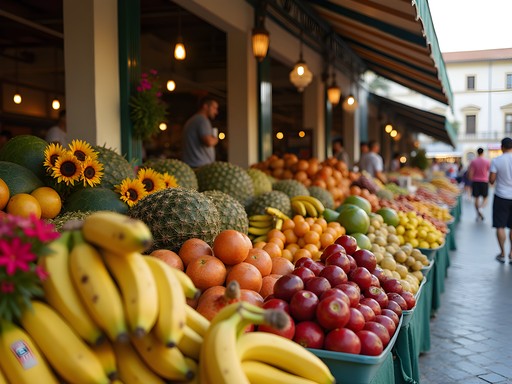
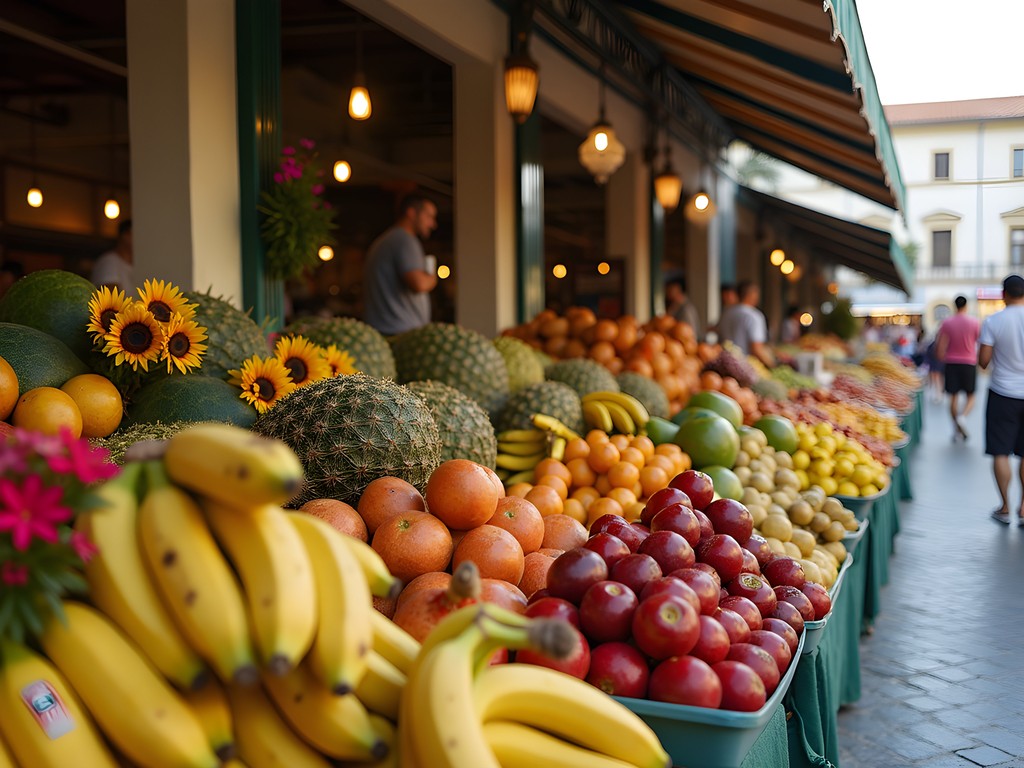
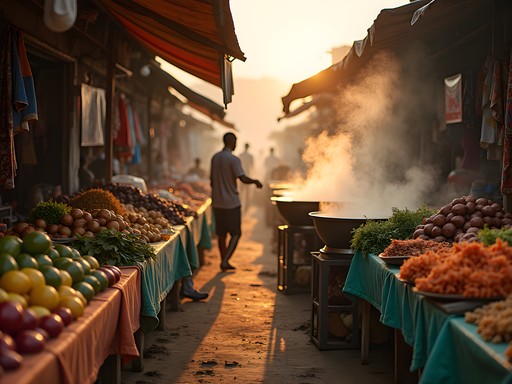
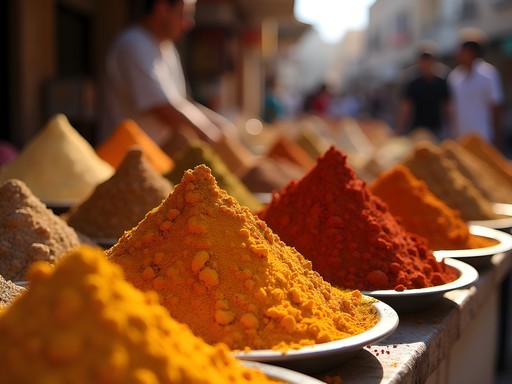
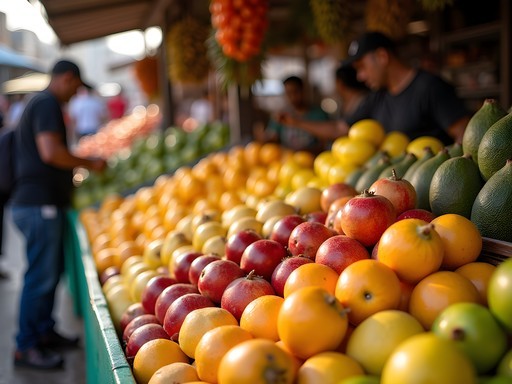
The Mercado dos Lavradores operates as Funchal's culinary database—raw ingredients, preparation methods, and local food culture all accessible in one indexed location. Friday and Saturday mornings transform the 1940s Art Deco building into controlled chaos, with vendors arriving from mountain villages with produce you won't find elsewhere.
I spent two hours here on a Saturday, documenting the unfamiliar: tabaibo (a succulent used in salads), purple sweet potatoes, and at least twelve banana varieties I couldn't name. The fish hall on the lower level showcases Atlantic catches—black scabbardfish (espada), tuna, and lapas (limpets) arranged on ice like a marine biology exhibition.
The vendors selling bolo do caco (traditional flatbread) with garlic butter offer the best value breakfast in Funchal at €2.50. I watched the preparation process: dough pressed on hot basalt stones, creating those characteristic char marks. The woman explained how sweet potato in the dough creates moisture retention—a technique borrowed from necessity when wheat was scarce. Grab a insulated food container before your trip; it's perfect for transporting market finds back to your accommodation for later enjoyment, especially those still-warm pastries.
💡 Pro Tips
- Arrive by 8:30am for peak selection and cooler temperatures—the market gets uncomfortably crowded after 10am
- Bring small euro notes (€5 and under) as many vendors cannot break large bills
- Download a Portuguese-English translation app beforehand; many mountain farmers speak limited English but appreciate the effort
Espetada and Traditional Cuisine: Execution Matters
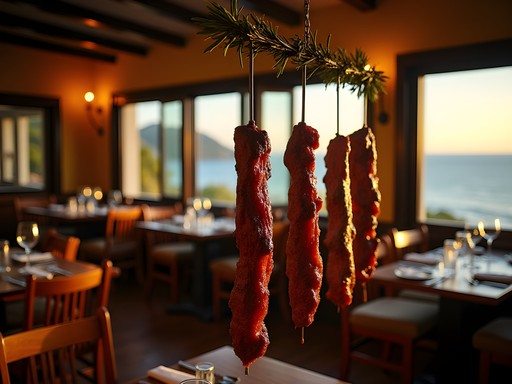
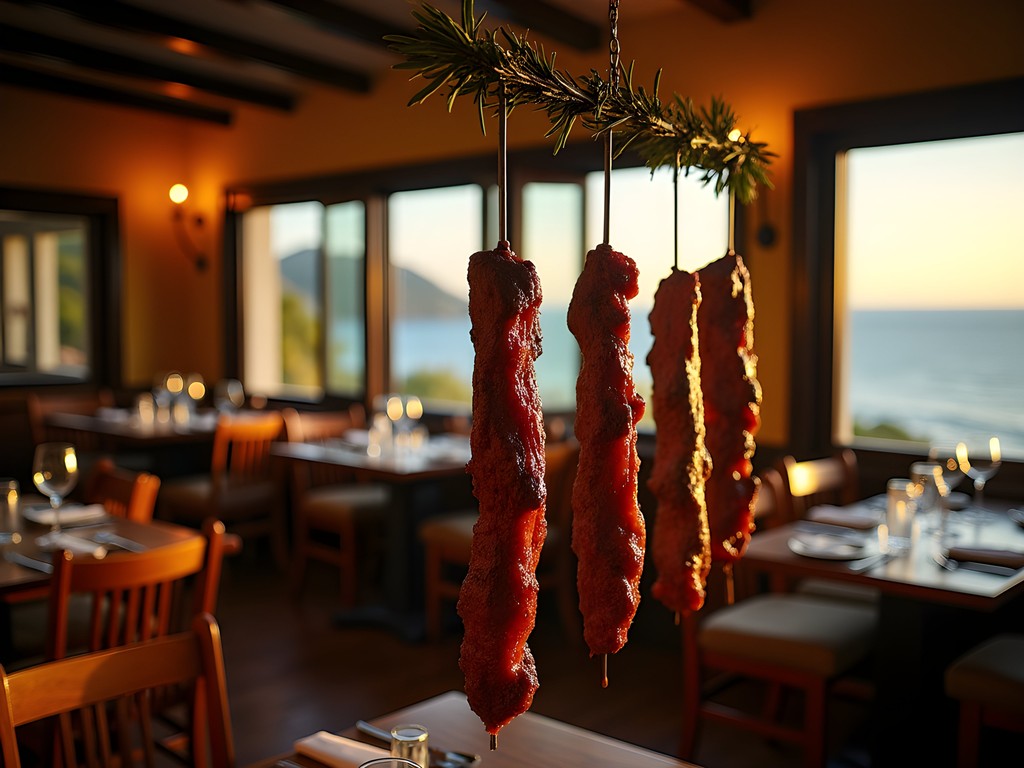
Espetada—beef skewered on laurel branches and grilled—demonstrates how technique transforms simple ingredients. The restaurants in the Zona Velha (Old Town) hang the skewers vertically from hooks, allowing fat to baste the meat as it drips downward. It's an elegant gravity-assisted cooking method.
Restaurante do Forte, built into a 17th-century fortress, executes this perfectly. Their espetada uses local beef (ask for "vaca"), seasoned only with sea salt and garlic, served with milho frito (fried polenta cubes) and bolo do caco. The €18 portion easily feeds two. Request a window table at sunset—the Atlantic views provide context for why Madeiran cuisine centers on preservation and intensity of flavor.
For lapas (limpets), try Taberna Madeira near the cathedral. They grill them with garlic butter and lemon—simple preparation that lets the mineral, oceanic flavor dominate. At €8 for six, it's an affordable entry into Madeira's relationship with the sea. The texture resembles firm calamari with an umami depth that pairs excellently with Verdelho.
Document your culinary journey properly with a portable label maker—I use mine to tag wine bottles and food containers with tasting notes and dates, creating a searchable archive of flavor discoveries that proves invaluable for future reference.
💡 Pro Tips
- Order espetada medium-rare ("mal passado") unless you prefer well-done; the vertical cooking continues after serving
- Request the poncha (traditional sugarcane spirit cocktail) with your meal—the citrus cuts through rich meat perfectly
- Avoid restaurants with aggressive touts outside; quality establishments don't need to solicit customers from the street

Wine Pairing Dinner: Integration Testing
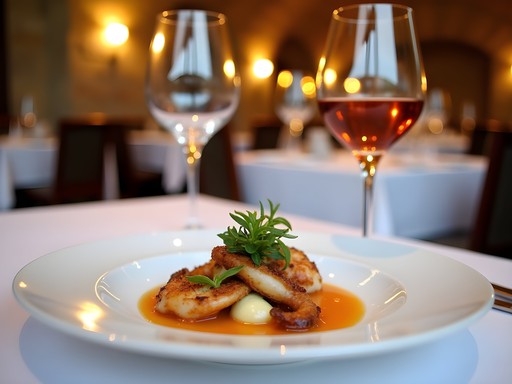
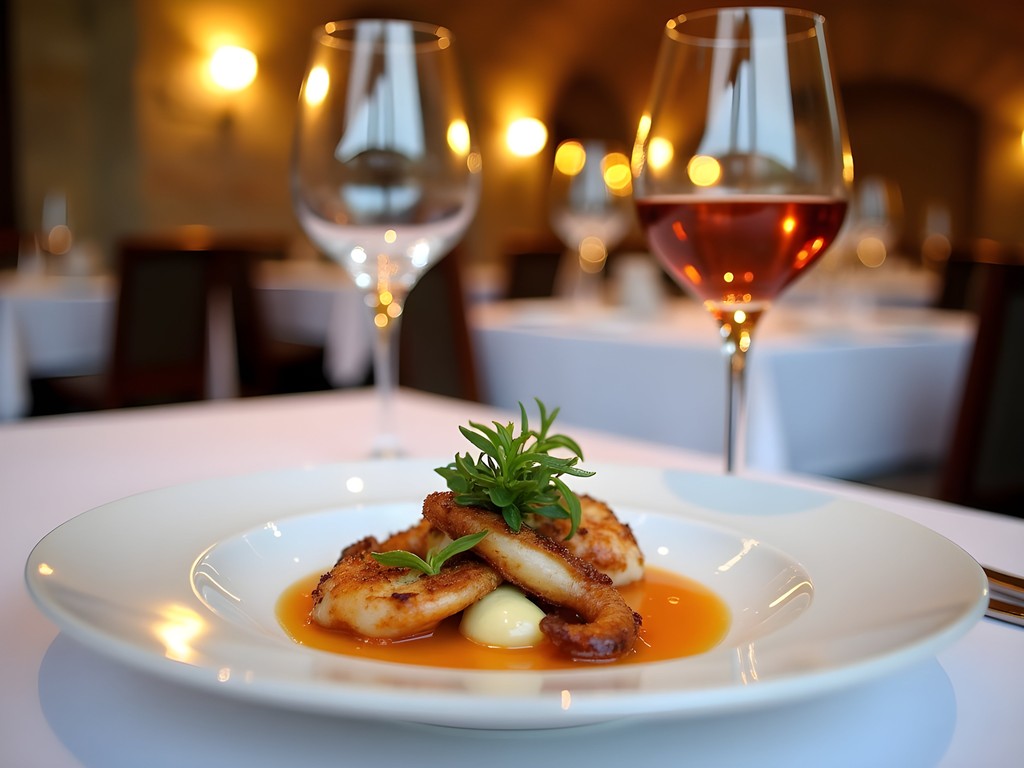
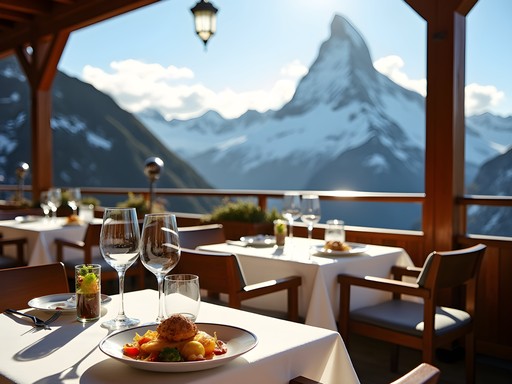
Armazém do Sal, housed in a converted 16th-century salt warehouse, offers the most sophisticated wine pairing experience in Funchal without crossing into unapproachable territory. Their five-course tasting menu (€65 per person) pairs each dish with different Madeira expressions, demonstrating the wine's versatility beyond dessert.
The sommelier, Ricardo, explained his pairing logic with the precision I appreciate: dry Sercial with octopus carpaccio (acidity cuts protein richness), Verdelho with seared tuna (medium body matches fish density), Bual with duck (sweetness balances gamey notes). This systematic approach demystifies wine pairing—it's pattern matching, not mysticism.
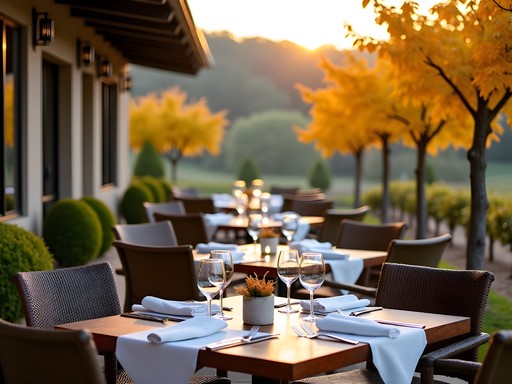
The restaurant's stone walls and exposed beams create an intimate atmosphere perfect for couples. Request the vault room if available; it seats only twelve and feels like dining in a wine cave. Reservations essential, especially Thursday through Saturday. Book at least three days ahead via their website.
For those serious about developing their palate, bring a wine tasting journal to record impressions systematically. I structure my notes by appearance, aroma categories, taste components, and food pairing observations—creating a personal database that improves decision-making on future wine purchases.
💡 Pro Tips
- Inform the restaurant of dietary restrictions when booking; they'll adjust the menu and pairings accordingly
- Pace yourself with water between courses—five wine pairings over two hours requires hydration management
- Ask Ricardo about his vertical tastings if you're genuinely interested; he occasionally opens older vintages for engaged guests
Pastry Traditions and Coffee Culture: Morning Protocols
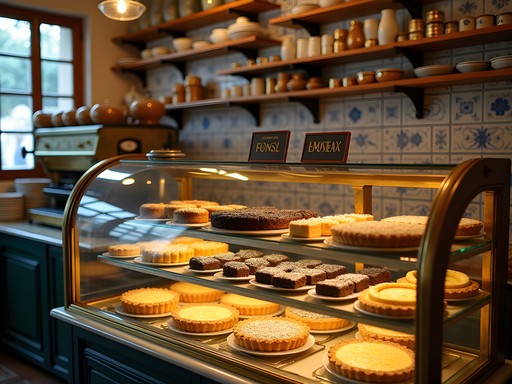
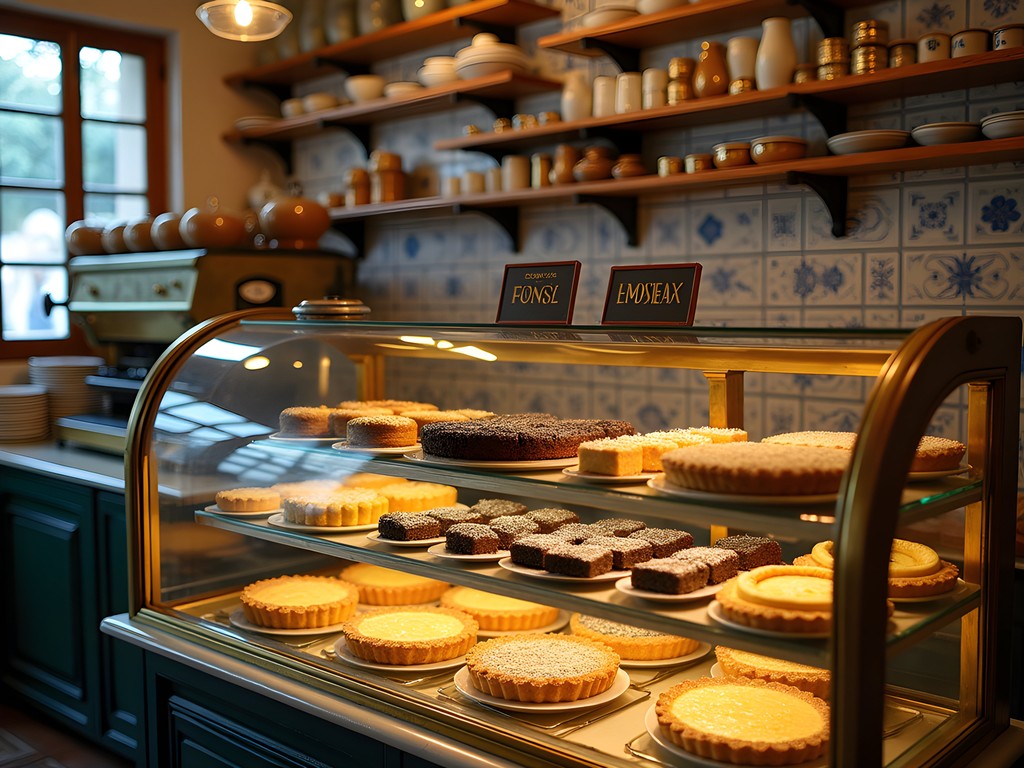
Funchal's pastelarias operate on a rhythm worth adopting: morning coffee with pastries around 9am, then again around 4pm. Fabrica Santo António, a working bakery since 1893, produces bolo de mel (honey cake) using a recipe that predates refrigeration—molasses, spices, and nuts create a dense, dark cake that improves with age, much like Madeira wine itself.
Their queijadas (cheese tarts) demonstrate Portuguese pastry engineering: a crisp shell containing a filling that's simultaneously creamy and firm, sweet but not cloying. At €1.30 each, they're absurdly good value. Order a bica (espresso) and eat standing at the bar like locals—table service adds unnecessary time and cost.
For serious pastry education, visit Casa do Povo da Camacha on the outskirts (20-minute bus ride). This community center's café serves traditional sweets made by local women using family recipes. The broas de mel (honey cookies) here taste different from every other version I tried—slightly less sweet, more aromatic. The woman behind the counter explained they use honey from specific elevation ranges where bees feed on endemic flowers.
Keep your pastries fresh during exploration with a reusable silicone food bag—they're leak-proof, won't crush delicate items, and eliminate single-use plastic waste, aligning with sustainable travel principles.
💡 Pro Tips
- Buy bolo de mel early in your trip; it travels well and makes an excellent gift that captures Madeira's preservation traditions
- Ask for pastries "para levar" (to go) if you want to picnic—they'll package them properly for transport
- Visit pastelarias between 7-9am for items fresh from the oven; afternoon offerings are often reheated
Final Thoughts
Funchal's gastronomy scene rewards the same approach I use in software development: understand the foundational components, test systematically, and document results for iteration. The wine lodges provide historical context, the market reveals raw ingredients, restaurants demonstrate execution, and pastry shops showcase preservation traditions that made survival possible on an Atlantic island.
For couples seeking a weekend that balances sophistication with accessibility, Funchal delivers exceptional value. You're experiencing centuries-old traditions without the crowds of Porto or Lisbon, at prices that allow for experimentation rather than careful rationing. The compact geography means you can walk between most destinations, and the year-round mild climate eliminates seasonal planning complexity.
Start with Blandy's wine tour for context, spend a morning at Mercado dos Lavradores gathering data, lunch on espetada in the Old Town, and book one elevated dinner at Armazém do Sal. Fill the gaps with pastries, poncha, and spontaneous discoveries. That's your minimum viable product for a Funchal food weekend—everything else is iteration and optimization based on your preferences.
✨ Key Takeaways
- Madeira wine's complexity comes from controlled oxidation and heating—understanding the process enhances appreciation beyond simple tasting
- Funchal's compact layout and walkable distances make it ideal for couples wanting culinary immersion without logistical complexity
- Mid-range budgets (€150-200 per day for two) provide access to quality experiences from historic wine lodges to elevated dining
📋 Practical Information
Best Time to Visit
Year-round destination; September-November offers harvest activities and fewer tourists while maintaining pleasant weather
Budget Estimate
€150-200 per day for two people including wine tours, quality meals, market purchases, and occasional splurge dining
Recommended Duration
2-3 days for core gastronomy experiences; 4-5 days to include mountain village food exploration
Difficulty Level
Easy
Comments
Savannah Torres
We took our kids to Funchal last year and the Mercado dos Lavradores was honestly the highlight! My 8-year-old still talks about the passion fruit she tried there. One tip for families - the espetada portions are HUGE, so definitely plan to share. We also found a great little restaurant near the market that did a kids' version with smaller skewers. The wine tastings were obviously adults-only, but many places had fresh juices for the kids. Such a family-friendly destination overall!
dreamchamp
Good to know about the portion sizes! Going with my sister's family in June.
bluegal
Love the tech analogies lol, makes total sense!
dreamfan
This looks amazing! Quick question - how sweet is Madeira wine? I'm not usually into sweet wines but this tour sounds incredible.
sunsetqueen
There's actually dry varieties too! Sercial is pretty dry, you'd probably like it.
dreamfan
Oh perfect, thanks!
redchamp
Pro tip - skip the tourist wine shops in the old town and go straight to Blandy's Wine Lodge for the real deal. Better prices and actual history.
cooldiver
How much did the wine tour cost roughly?
Elijah Ross
The full day tour I did was around €85 per person including tastings and lunch. Worth every euro!
cooldiver
Thanks! Not bad at all
Savannah Walker
Elijah, I love how you compared the wine tasting to debugging code—such a unique perspective! I visited Funchal last fall and did a similar food tour. The Mercado dos Lavradores completely blew me away with all the exotic fruits I'd never seen before. Did you try any of the bolo do caco bread stands? I found this tiny place near the market that made them fresh with garlic butter and it was honestly the best thing I ate all week. Also totally agree about the espetada—watching them hang those skewers over the fire is half the experience. The theatrics matter!
redchamp
Which place near the market? I need to know!
Savannah Walker
It was called O Tapassol! Small spot with blue tiles outside. Cash only though!
greenhero
The market photos are amazing! Going in May
Elijah Ross
You'll love it! May is perfect weather for exploring the food scene.
Venture X
Premium card with 2X miles, $300 travel credit, Priority Pass