
Disclosure: This article contains affiliate links. We may earn a commission from purchases at no extra cost to you, which helps our travel content.
The first thing that hits you in Gonaïves isn't the history—though as Haiti's City of Independence, there's plenty of it. It's the aromas. Walking through the bustling streets of this revolutionary city in January, when the air is crisp and celebrations of Haiti's independence still linger, I found myself on an unexpected culinary journey that told the story of a nation more honestly than any history book could. This is Haiti through its flavors—complex, resilient, and utterly unforgettable.

The Revolutionary Breakfast: Haiti's Morning Rituals
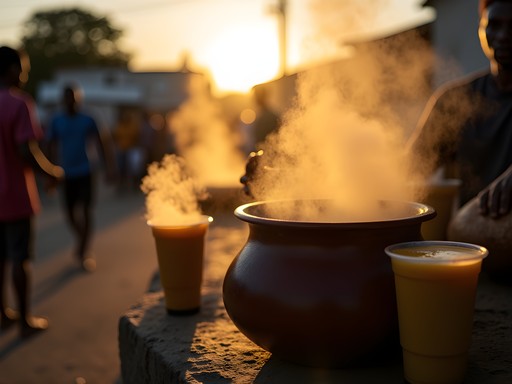
My days in Gonaïves began before sunrise, when the streets were still quiet except for the occasional rooster and the soft sounds of charcoal fires being lit. Breakfast in Haiti isn't just a meal—it's a ritual that connects modern Haitians to their revolutionary ancestors.
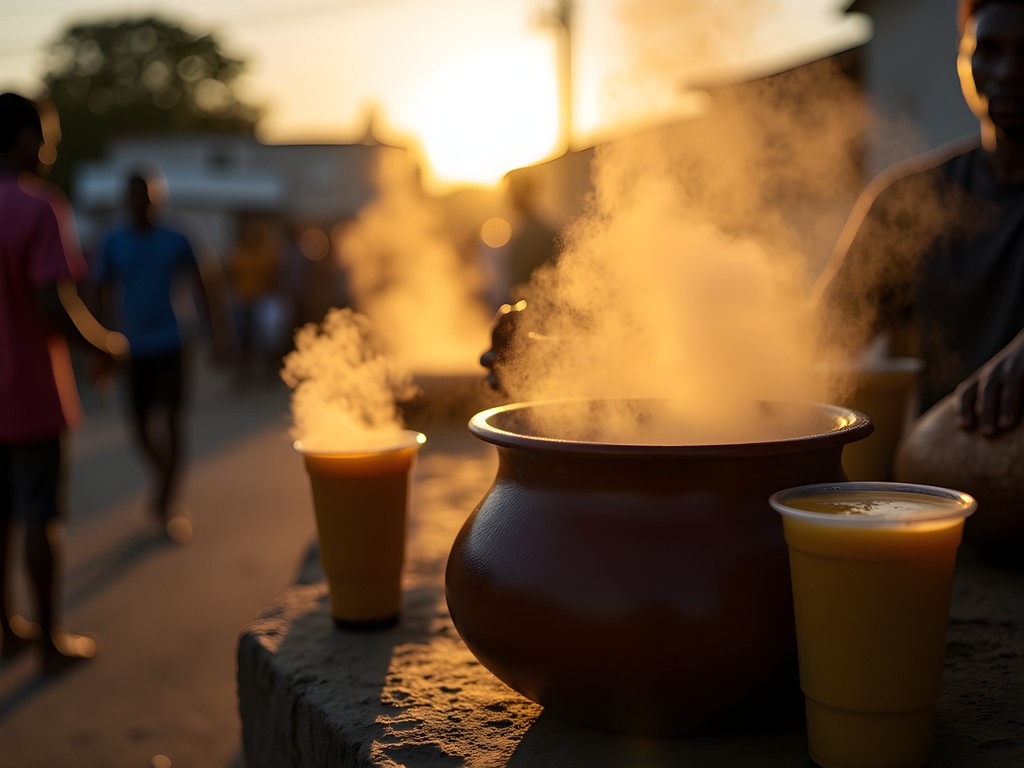
The cornerstone of this ritual is akasan, a thick, creamy cornmeal beverage spiced with star anise, cinnamon, and vanilla. Often served in simple plastic cups from street vendors, this morning elixir carries echoes of both African and indigenous Taíno traditions. I found myself addicted to this comforting drink, especially when paired with pain patate—a sweet potato bread that balances earthy sweetness with warm spices.
For those mornings when we planned longer excursions into the surrounding countryside, I'd prepare a quick coffee using my portable coffee maker. The ability to brew a proper cup while watching the city wake up from my guesthouse balcony became one of my favorite rituals during the trip.
💡 Pro Tips
- Look for *akasan* vendors with the longest local lines—they usually have the best balance of spices
- Ask for your *pain patate* slightly warmed—it brings out the cinnamon notes
- Try *labouyi bannann* (plantain porridge) at least once—it's heartier and perfect for active days
Market Immersion: Navigating Gonaïves' Culinary Bazaars
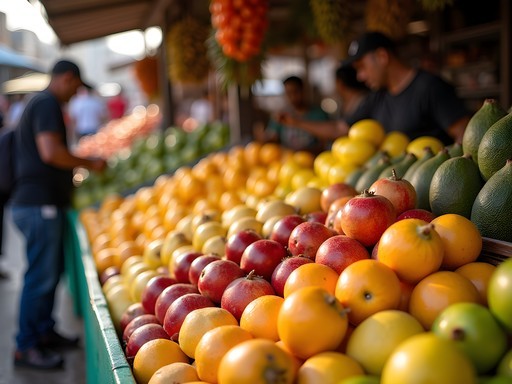
If you want to understand Haiti—really understand it—you need to visit its markets. In Gonaïves, the central market pulses with an energy that's almost overwhelming to the uninitiated. This is where my multicultural background proved invaluable; navigating chaotic markets is something I've done from Tokyo to São Paulo, but Haiti's markets have their own distinct rhythm.
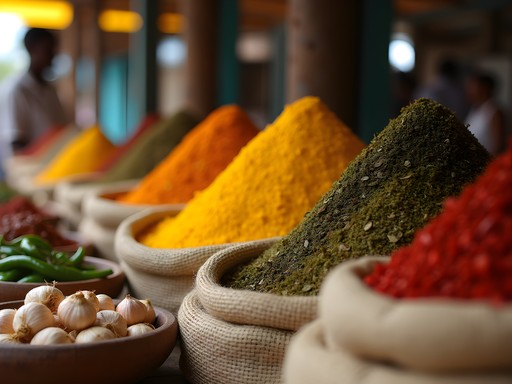
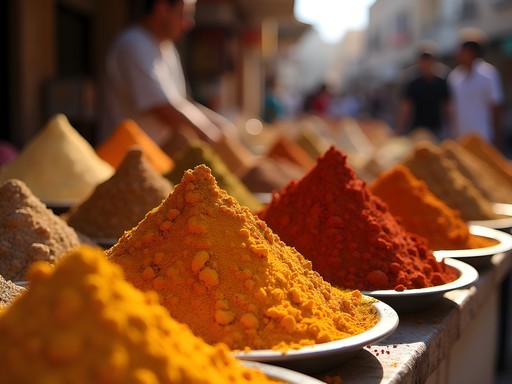
The key is to arrive early, around 7 AM, when produce is freshest and the heat hasn't yet intensified. Vendors arrange pyramids of mangoes, piles of root vegetables, and bundles of fresh herbs with artistic precision. The market is organized in loose sections, with meat vendors clustered in one area (be prepared for the full farm-to-table reality here) and spice merchants in another.
I spent hours wandering through the labyrinthine pathways, filling my collapsible market bag with ingredients I'd later use in an impromptu cooking class with a local family. The bag's sturdy construction handled everything from heavy root vegetables to delicate herbs, and folded down to nothing when not in use—essential for a traveler trying to pack light.
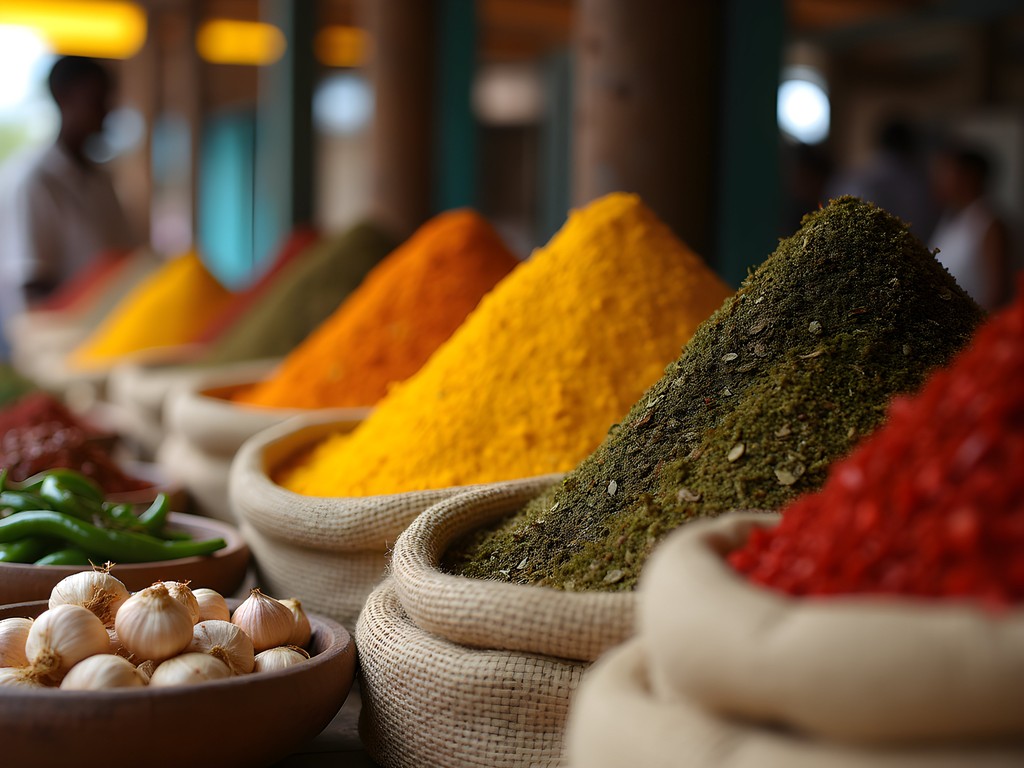
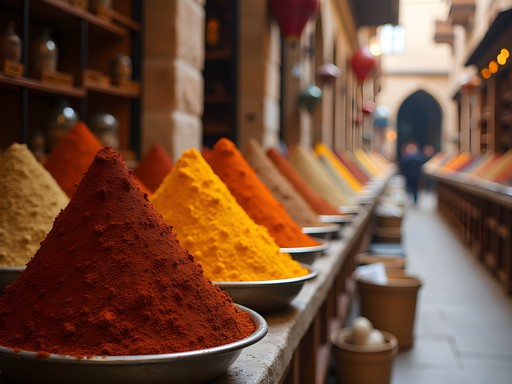
Don't miss the spice section, where you can find the components of epis—Haiti's essential flavor base that combines herbs, peppers, garlic, and other aromatics. Most vendors will happily sell you pre-made epis paste, vacuum-sealed for travel.
💡 Pro Tips
- Bring small denominations of gourdes (Haitian currency) for easier transactions
- Learn the phrase 'Konbyen?' (How much?) and basic numbers in Haitian Creole
- Ask permission before photographing vendors or their goods
Soup Joumou: Tasting Freedom in a Bowl
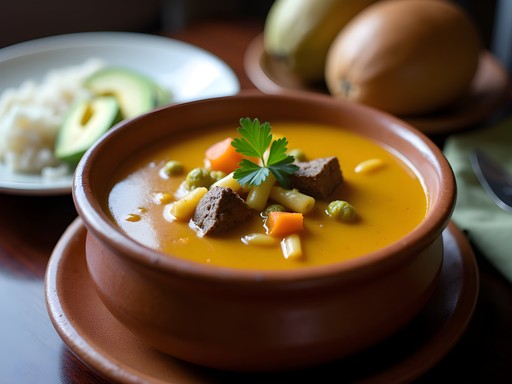
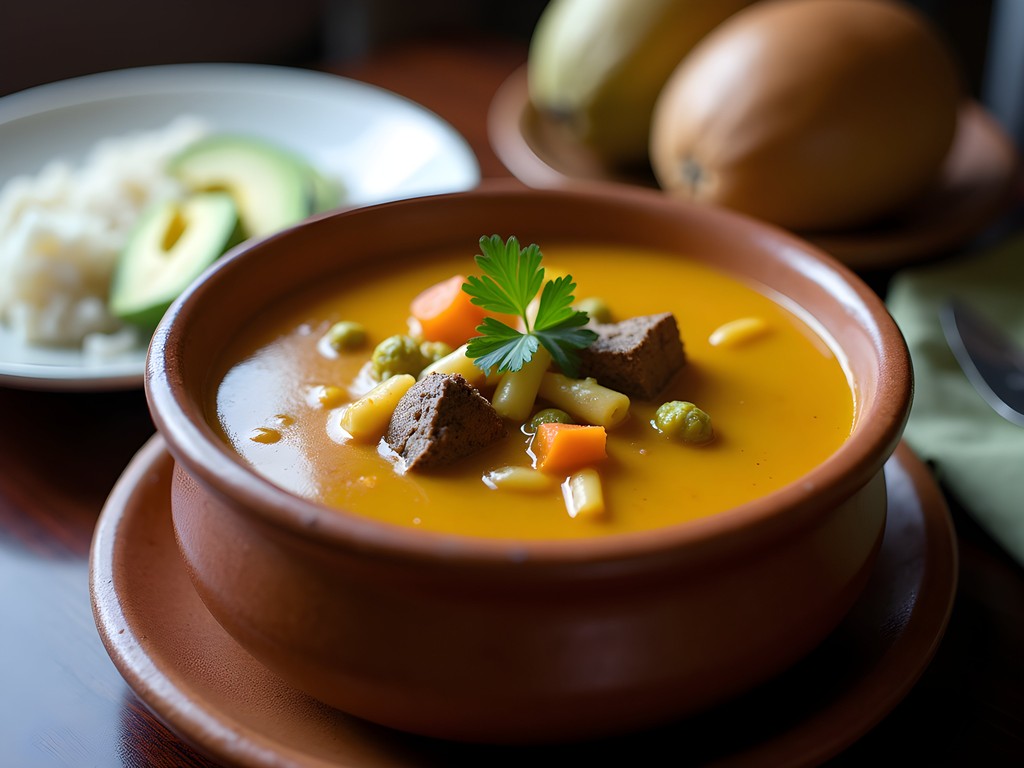
No culinary exploration of Gonaïves would be complete without soup joumou—Haiti's freedom soup. This bright yellow pumpkin soup carries profound historical significance; during colonial times, enslaved Haitians were forbidden from consuming this dish, which was reserved for their French oppressors. After gaining independence on January 1, 1804, Haitians reclaimed the soup as a symbol of their freedom.
I was fortunate to visit during early January, when the soup is most prevalent. Every restaurant and many homes prepare it, particularly around Independence Day celebrations. The best version I tasted came from a small, family-run establishment three blocks from Place de l'Indépendance.
The soup combines pumpkin or squash with beef, vegetables, pasta, and a complex blend of spices. What struck me most was how the dish balances richness with brightness—much like Haiti itself. Each family has their own variation, but the symbolic importance remains constant.
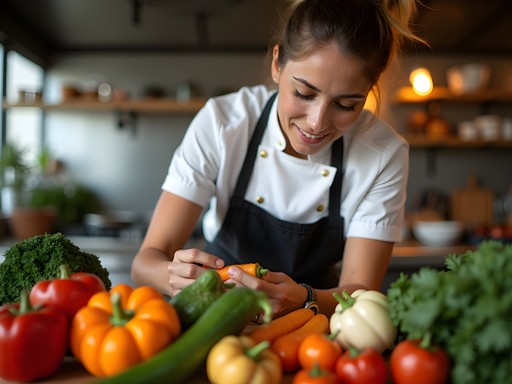
After several attempts at making the soup in my guesthouse kitchen, I invested in a spice grinder to properly prepare the aromatic spice blends essential to Haitian cooking. The difference between pre-ground and freshly ground spices was immediately apparent in the depth of flavor.
💡 Pro Tips
- Ask locals where they get their soup joumou on Independence Day for the most authentic experience
- The soup typically contains meat, but vegetarian versions can sometimes be found at restaurants catering to tourists
- Learn the story behind the soup to appreciate its cultural significance

Street Food Adventures: Gonaïves After Dark
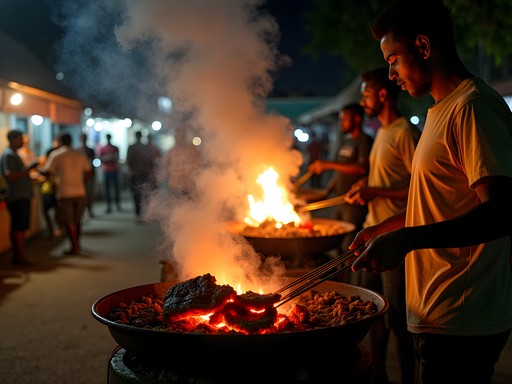
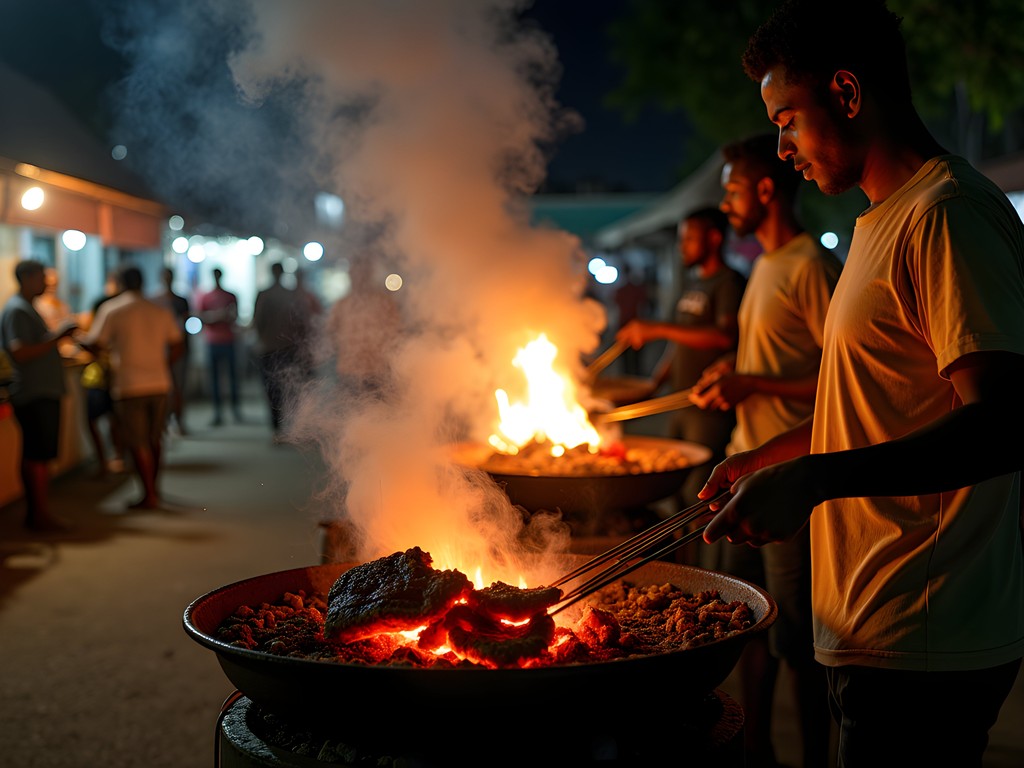
As the sun sets over Gonaïves, the city transforms. Street food vendors emerge, setting up makeshift grills and fryers that illuminate the darkening streets with their warm glow. This is when Haiti's culinary scene truly comes alive, offering some of the most flavorful—and budget-friendly—dining experiences.
Griyo (fried pork) became my evening obsession. Marinated in sour orange juice and spices, then slow-cooked before being fried to perfection, this dish represents Haitian cooking at its finest. Served with pikliz—a vinegary, spicy cabbage slaw that cuts through the richness—it's a combination that haunts my dreams months later.
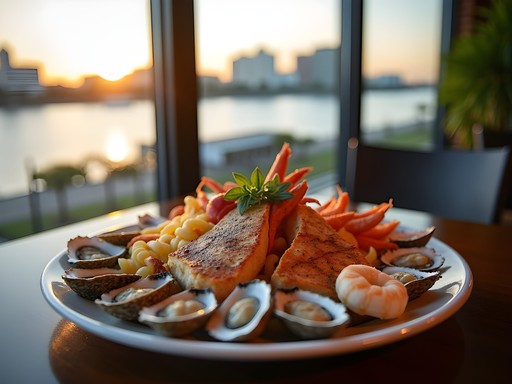
Street vendors also offer bannann peze (twice-fried plantains), akra (malanga fritters), and marinad (fried savory dough pockets). Walking through the streets with a paper plate of mixed street foods became our nightly ritual.
Navigating street food in Haiti requires some precautions. I always carried my portable water purifier to ensure I had safe drinking water without generating plastic waste. The bottle's filter removes bacteria and parasites while improving taste—essential when exploring regions with limited potable water infrastructure.
For those concerned about digestive issues, I recommend digestive enzymes. Taking these before indulging in unfamiliar foods helped me enjoy everything Gonaïves had to offer without any unwanted consequences.
💡 Pro Tips
- Look for vendors with high turnover and food that's cooked fresh in front of you
- Carry hand sanitizer and small bills for easier transactions
- Start with milder options like bannann peze before trying spicier dishes
Rum Culture: Clairin and Haiti's Spirit Traditions
No exploration of Haitian culinary culture would be complete without acknowledging its rum traditions. While the commercial Barbancourt rum is Haiti's most famous export, in Gonaïves I discovered clairin—Haiti's indigenous spirit that tells a far more interesting story.
Unlike standardized commercial rums, clairin is produced by small-scale distillers using traditional methods and wild yeast fermentation. Each producer's clairin has a distinct terroir, reflecting the specific sugarcane variety, soil, and production methods.
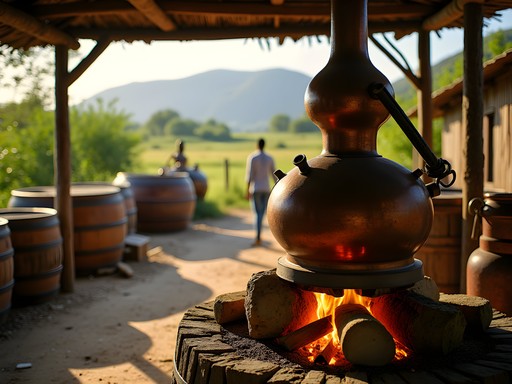
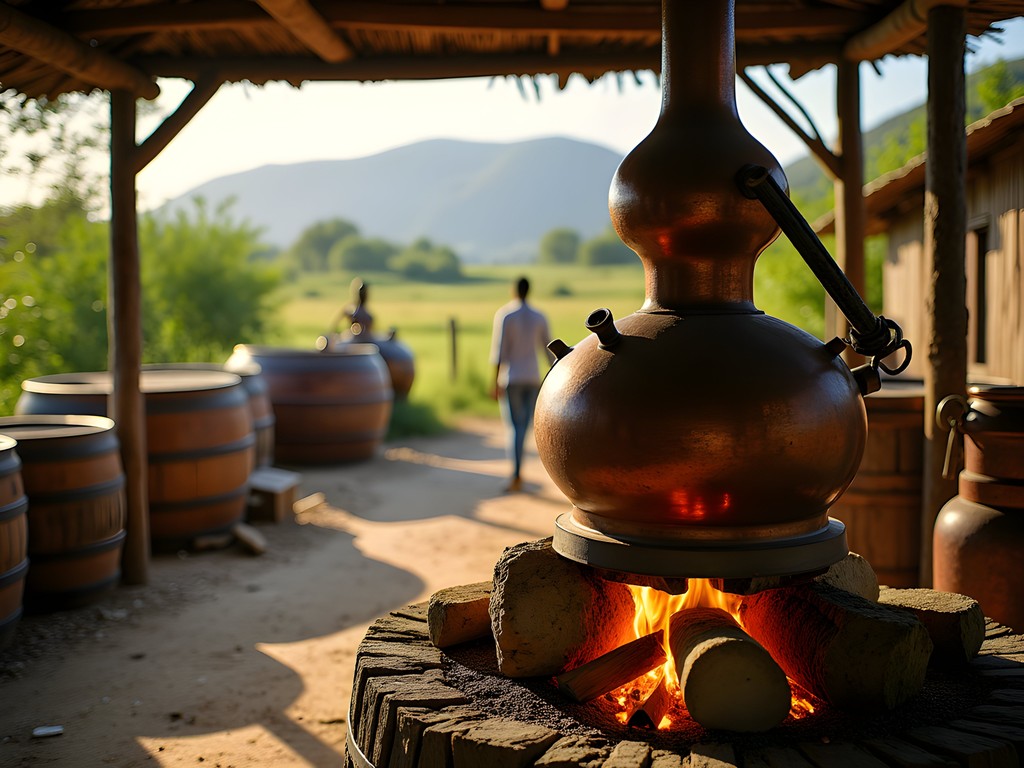
I arranged a visit to a local clairin distillery just outside Gonaïves through my guesthouse host. The operation was rustic—a far cry from the polished rum distilleries of the Caribbean tourist circuit. Sugarcane was crushed by hand, the juice fermented in wooden vats, and distillation happened in small copper pots over wood fires.
The resulting spirit is complex and alive with flavor—grassy, funky, and utterly unique. Most clairin is consumed locally, making it a true taste of place that can't be replicated elsewhere.
For evening tastings back at my guesthouse, I used my insulated tumbler which kept drinks at the perfect temperature without condensation—particularly useful in Haiti's humidity. The tumbler's durability also meant I could toss it in my day pack without worry.
💡 Pro Tips
- Always drink clairin in moderation—it's typically higher proof than commercial rum
- Ask about the specific production methods and sugarcane variety used
- Try clairin with a splash of fresh lime juice or in a simple cocktail with local fruit juices
Final Thoughts
As my week in Gonaïves came to an end, I realized that through its food, I'd gained a deeper understanding of Haiti than any historical tour could provide. In each bowl of soup joumou, I tasted revolution; in the morning akasan, cultural resilience; in street-side griyo, community celebration; and in clairin, artisanal tradition persisting against all odds.
Haiti challenges travelers in many ways—infrastructure is limited, poverty is visible, and comfort zones are quickly left behind. Yet for couples willing to embrace these challenges together, the rewards are immeasurable. You'll discover flavors you've never encountered, connect with some of the most resilient and creative people on earth, and gain perspective that transforms how you see the world.
When you return home, the tastes of Haiti will linger—not just as memories, but as a call to return. As a traveler who has navigated cultures across continents, I can say with certainty: Haiti's culinary heritage in Gonaïves offers one of the most authentic and transformative food experiences available to modern travelers. Pack light, bring an open mind, and prepare for your palate—and perspective—to be forever changed.
✨ Key Takeaways
- Haiti's cuisine tells the story of its revolutionary history and cultural resilience
- Local markets provide the most authentic window into daily Haitian life and culinary traditions
- Street food offers the best value and most genuine flavors, particularly after sunset
- Sharing meals with locals provides context that transforms your understanding of Haitian culture
- The challenges of traveling in Haiti are balanced by unparalleled cultural and culinary authenticity
📋 Practical Information
Best Time to Visit
December-February (dry season), with January ideal for Independence celebrations
Budget Estimate
$30-50 USD per day per person (excluding accommodation)
Recommended Duration
5-7 days
Difficulty Level
Challenging

Comments
Taylor Moreau
Excellent piece, Diego. I visited Gonaïves briefly in 2023 during a broader Haiti assignment and completely agree about the market experience being essential. One thing I'd add for readers: transportation from Port-au-Prince can be challenging. I arranged a private driver through my hotel which made the journey much smoother and safer. The street food scene you described is spot-on—the griot I had near Place d'Armes was extraordinary. Did you get a chance to try the local akasan? The vendors near the cathedral make an exceptional version.
Diego Tanaka
Yes! The akasan was incredible. I actually dedicated a whole section to it in my notes but had to cut for length. Might do a follow-up post on Haitian beverages. Good call on the private driver—I took the tap-tap which was an adventure but definitely not for everyone.
adventurebuddy
What's a tap-tap?
Taylor Moreau
Shared pickup trucks that serve as public transport—colorfully painted and always packed with people. Authentic experience but can be quite crowded and unpredictable with timing.
moonbackpacker
Quick question - can you get soup joumou year-round or just around Independence Day? I'm planning to visit in August and really want to try it after reading this!
Diego Tanaka
Great question! While it's traditionally a January 1st dish, many restaurants in Gonaïves serve it year-round because of tourist demand. Just ask around the market area - Madame Josephine's place near the cathedral had it when I was there in April.
moonbackpacker
Perfect, thanks!
adventurebuddy
This sounds amazing! Never thought about Haiti for food tourism but now I'm seriously considering it.
Diego Tanaka
You should definitely go! The food scene is so underrated. Let me know if you need any specific recommendations.
sunnymate
What's the best time of year to visit Gonaïves for food experiences? Any special food festivals?
journeyseeker
Not the author but I've heard January 1st is amazing there - Haitian Independence Day when everyone makes Soup Joumou! Though I imagine it might be busy with visitors.
summerseeker
Adding this to my bucket list! That soup looks amazing.
Oliver Duncan
Diego, your post brought back so many memories of my time in Haiti! I spent a month traveling through the country last year, and Gonaïves was definitely a culinary highlight. The connection between food and revolution is so powerful there. I'd add that anyone visiting should try to catch a 'rara' street procession if possible - the combination of that hypnotic music with street food vendors following along makes for an unforgettable evening. Did you get a chance to try 'tonm tonm' with okra sauce? That dish completely blew me away - so simple yet so complex in flavor. Your description of Soup Joumou was spot on - truly a taste of independence.
mountainblogger9345
Those market photos are STUNNING! Can almost smell the spices through the screen!
smartmaster
Great post! How spicy is Haitian food generally? I'm interested but have a pretty low spice tolerance!
hikingchamp
This post has me DROOLING! Those street food photos are incredible. I've been hesitant about visiting Haiti because of safety concerns in the news, but you make Gonaïves sound so welcoming. How did you find getting around? Was it easy to navigate as a solo traveler?
Oliver Duncan
Not Diego, but I was in Gonaïves earlier this year. Transportation is mostly tap-taps (colorful shared taxis) and moto-taxis. Having a local contact helps immensely. The city itself felt safer than Port-au-Prince, but still exercise normal caution. I found a great local guide through TravelGuideConnect who knew all the best food spots!
hikingchamp
Thanks Oliver! That's super helpful. I'll look into finding a local guide.
Gregory Boyd
Fantastic culinary perspective on Gonaïves, Diego! I spent three weeks in Haiti last year documenting post-earthquake recovery efforts, and the food was truly a highlight. The resilience of Haitian cuisine mirrors the spirit of its people. I'd add that visitors should absolutely try 'akra' (malanga fritters) from the street vendors near the Independence monument - crispy on the outside, soft inside, and that spicy pikliz on top is life-changing. Your section on navigating the markets was spot-on; those early morning hours are crucial for seeing the best produce before the heat kicks in. Did you make it to any of the rum distilleries in the region?
Venture X
Premium card with 2X miles, $300 travel credit, Priority Pass